Reviewed · ANNAPURNA BASE CAMP TREKS
Pokhara: 9-Day Annapurna Base Camp Trek with Poon Hill
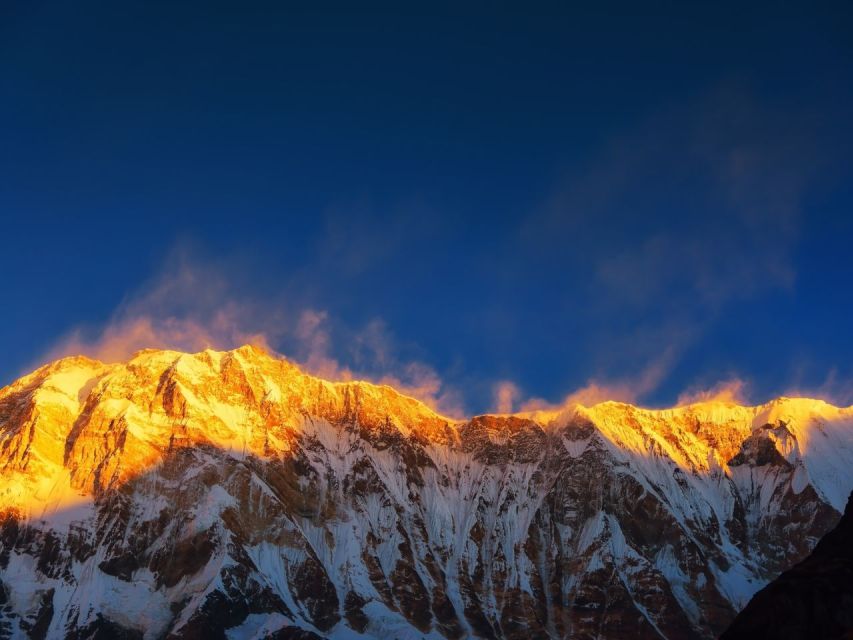
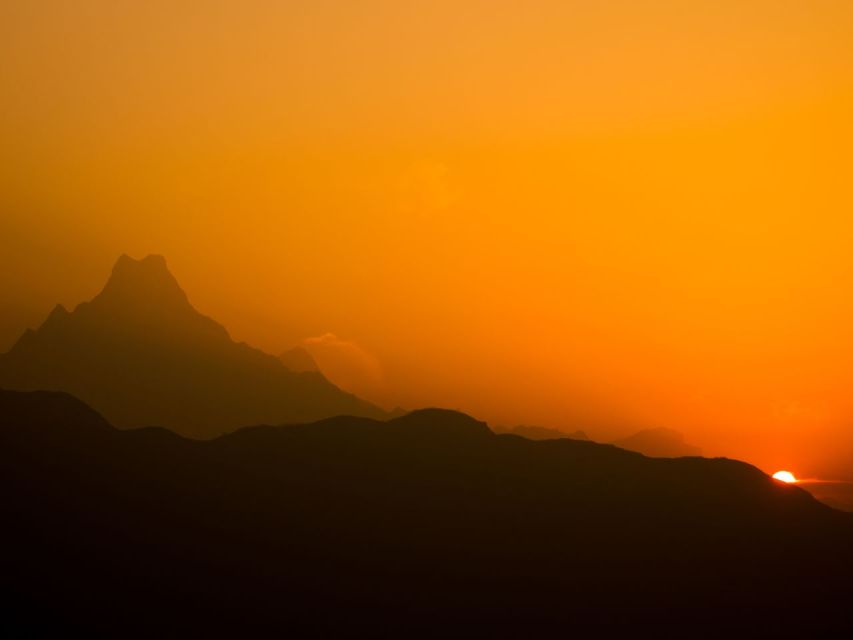
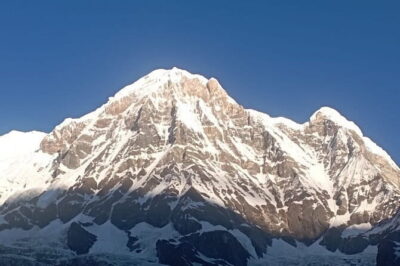
The finest moment here comes before breakfast: you climb to Poon Hill at 3,210 meters and watch the rising sun turn Annapurna South, Hiunchuli, and Machhapuchhre bright orange and red. A few days later, you reach Annapurna Base Camp at 4,130 meters, where snowy peaks and glaciers close in around the trail.
I like the smart route design, which combines Poon Hill with the base camp trek instead of making you choose between the two. I also like the practical support: permits, lodge bookings, transportation, and staff costs are handled, with guides such as Lalit and Pratiksha praised for their care, humor, and calm attention.
The main drawback is the stairs. The climb from Tikhedhunga to Ghorepani includes more than 3,000 steps, and several days last five or six hours. You need solid fitness, patience with steep trails, and a sensible approach to altitude.
Key points at a glance
- Poon Hill sunrise at 3,210 meters: Rise early for wide views of the Annapurna range, with the best color often appearing on the snowy peaks.
- Annapurna Base Camp at 4,130 meters: The high point of the trek brings you into a mountain amphitheater of peaks, snow, and glaciers.
- Three distinct trail settings: Walk through rhododendron woods, traditional villages, river valleys, and high mountain terrain.
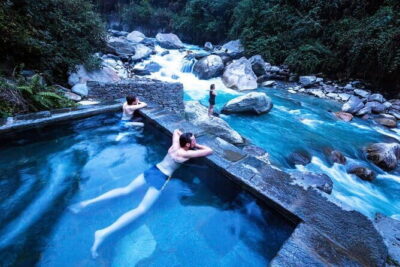
- Jhinu Dada hot springs: End the long descent with a soak in natural hot water beside the trail.
- Private guiding in English or Hindi: Your guide manages route details, permits, lodges, and daily timing for your group.
- A $487 package with important extras: Accommodation, permits, transport, taxes, and staff costs are included, but drinks, hot showers, bottled water, insurance, and personal gear are not.
Why this 9-day route works so well
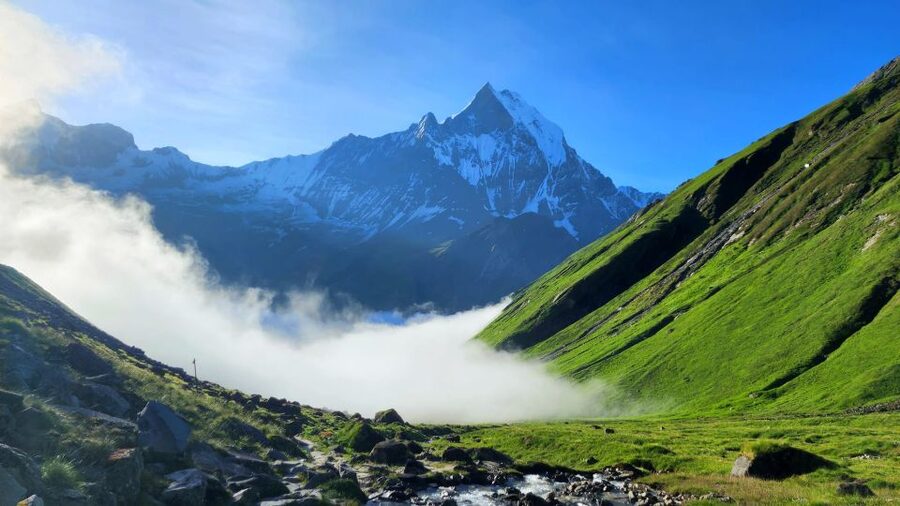
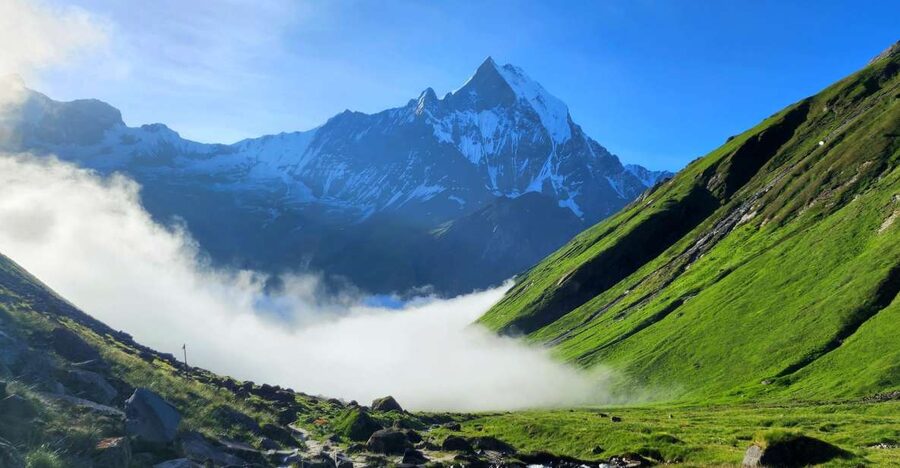
This is a demanding but well-shaped trek through the Annapurna region. You start low, pass through forest and farm villages, gain height gradually, reach both Poon Hill and Annapurna Base Camp, then descend to a hot spring before returning to Pokhara.
That sequence matters. Poon Hill gives you an early mountain reward on day three, while the longer approach to base camp gives you time to adjust to the altitude. The route does not simply rush you uphill and back down.
You stay in tea houses and small hotels along the way. These are practical mountain lodges rather than luxury accommodation. The rooms and facilities can be basic, but they put you close to the trail and local communities. Meals are included only with the Full Package, so check exactly which package you are buying before you pay.
The private-group format is useful if you want the pace adjusted to your own group. A guide can help with route choices, rest stops, and the daily rhythm. English and Hindi guiding are available. The experience is less suitable if you want a light sightseeing holiday with only occasional walking.
More Annapurna Base Camp Treks in Pokhara
- Kathmandu/Pokhara: 5-Day Annapurna Base Camp (ABC) Trek
★ 4.9 · 72 reviews - Private 7 – Day Annapurna Base Camp Trekking
★ 5.0 · 50 reviews - Annapurna Base Camp Trek (8 days)
★ 5.0 · 45 reviews
Day 1: Pokhara to Tikhedhunga through Nayapul
Your pickup begins in Pokhara, with the driver meeting you at your hotel lobby. The stated drive to Nayapul takes about two hours, followed by roughly three hours on foot to Tikhedhunga at 1,570 meters.
This opening day is a good introduction to the area. You pass the Modi Khola River, small villages, and patches of rhododendron forest. The walking is relatively short compared with later days, so you have time to settle into your boots and learn how your guide handles the route.
Tikhedhunga is your first overnight stop. Expect a tea house rather than a resort. This is where you learn the practical rhythm of the trek: carry only what you need for the day, keep warm after sunset, and take advantage of meals when they are available.
The transport is included during the trek, but personal costs can still appear. Drinks, hot showers, charging, laundry, and bottled or boiled water are listed as extra.
Day 2: The 3,000-step climb to Ghorepani
The walk from Tikhedhunga to Ghorepani takes about six hours and includes the famous stair climb to Ulleri. With more than 3,000 steps, this is one of the days that tests your legs most clearly.
The reward is the forest. Rhododendrons line parts of the trail, and in season their flowers add color to the green hills. You also get a strong sense of how villages connect along these mountain paths, with the route passing through settled areas rather than empty wilderness.
Ghorepani sits at 2,840 meters and is an important stop before Poon Hill. The village has tea houses and a welcoming trekking atmosphere, but altitude may begin to affect your sleep or appetite. Walk steadily, drink enough water, and tell your guide if you feel unwell.
Do not treat the stairs as a small detail. If you rarely hike, train with long uphill walks before arriving in Nepal. Trekking poles are not included, but they can be useful on both the steps and the later descent.
Day 3: Poon Hill sunrise, Tadapani, and Chuile
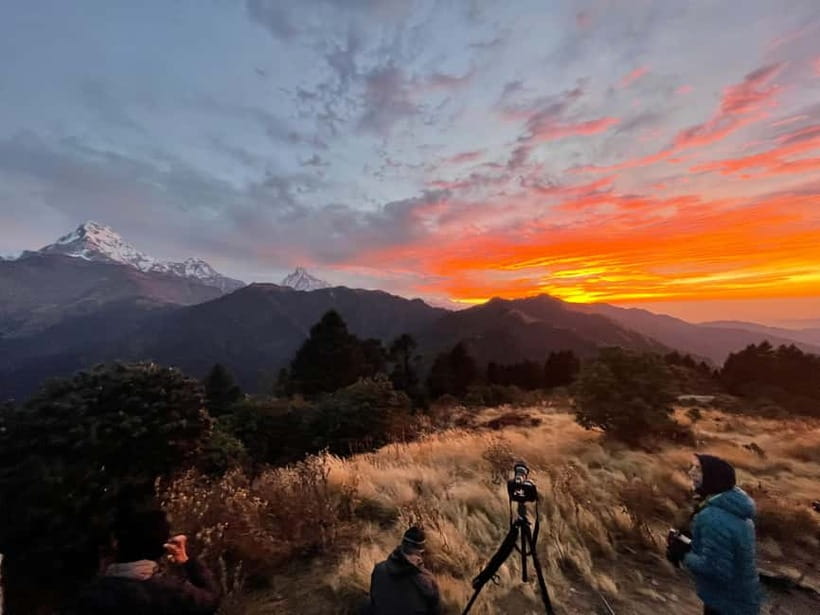
This is the route’s postcard morning. You leave early for Poon Hill, where the sunrise viewpoint reaches 3,210 meters. The snowy peaks can catch the first light in shades of orange and red, with Annapurna South, Hiunchuli, and Machhapuchhre among the major sights.
The viewpoint is the busiest-feeling part of the route because it is such a popular stop, but the early start is worth it. Bring warm layers, a headlamp if you have one, and patience while the sky changes.
After returning from Poon Hill, you continue through forest toward Tadapani and then Chuile, depending on the day’s arrangements. The total walking time is about six hours, with the sunrise walk included in the demanding schedule.
Tadapani and Chuile offer a different mood from Ghorepani. The trail becomes more wooded, and you spend much of the day surrounded by trees rather than open high peaks. Your overnight hotel or tea house provides a welcome place to rest after the early start.
More Ghorepani Poon Hill Treks in Pokhara
- Poon hill Trek 3 days
★ 5.0 · 176 reviews - Pokhara: 4-Day Ghorepani, Poonhill & Ghandruk Mountain Trek
★ 5.0 · 132 reviews - Ghorepani – Poon Hill Trek 3N-4D
★ 5.0 · 125 reviews - From Pokhara: 3-Day Ghorepani Poon Hill Trek with Guide
★ 4.9 · 68 reviews
Day 4: Chuile to Sinuwa and the river valleys
From Chuile, you continue toward Sinuwa at about 2,170 meters. The day takes around five hours and brings you across the meeting area of the Kumrung and Modi rivers.
This part of the route is about movement through changing terrain. You leave the high viewpoint country and follow a greener valley system toward the base camp trail. The sound of water and the forest setting give the day a quieter feel than the Poon Hill climb.
The route is not a sightseeing bus tour with a new monument at every turn. Its appeal is the steady change in altitude, vegetation, villages, and river crossings. Your guide adds value here by keeping the pace sensible and helping you manage the transition from the Poon Hill section to the Annapurna Base Camp approach.
Sinuwa is another tea house stop. It is a useful point to check your clothing, water, and personal supplies before the trail gains height again.
Day 5: Sinuwa to Deurali at 3,200 meters
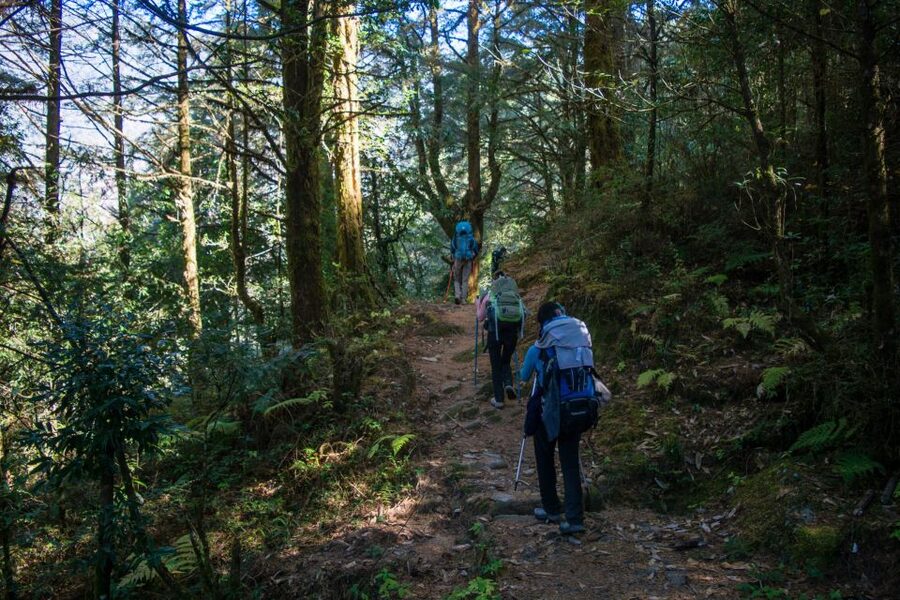
The walk to Deurali takes about six hours. You move through thick forest while Annapurna and Machhapuchhre begin to feel more present above the trail.
This is an important acclimatization day in practical terms. You are not yet at base camp, but you are sleeping at 3,200 meters. The itinerary gives you a gradual rise rather than a single huge jump, though altitude sickness remains possible at these heights.
The trail can feel long because the major destination is still ahead. Keep your pace conversational and avoid racing stronger members of your group. You may find that your breathing changes even on modest uphill sections.
Deurali offers a peaceful overnight stop before the final climb. Accommodation is basic, and warm showers or battery charging cost extra where available. Those small comforts can matter after several days on foot, so carry some Nepalese rupees for personal expenses.
Day 6: Deurali to Annapurna Base Camp
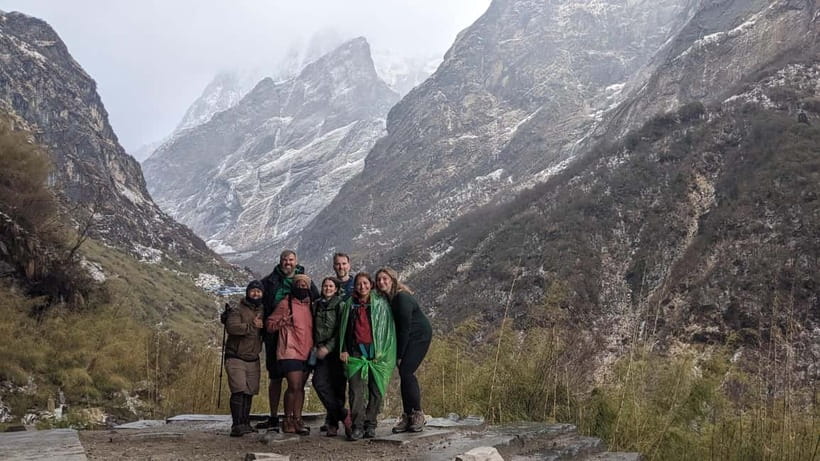
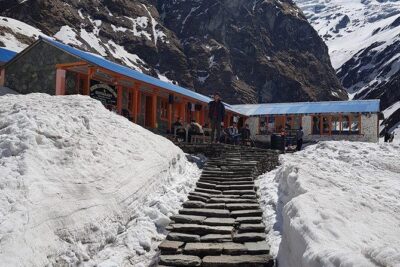
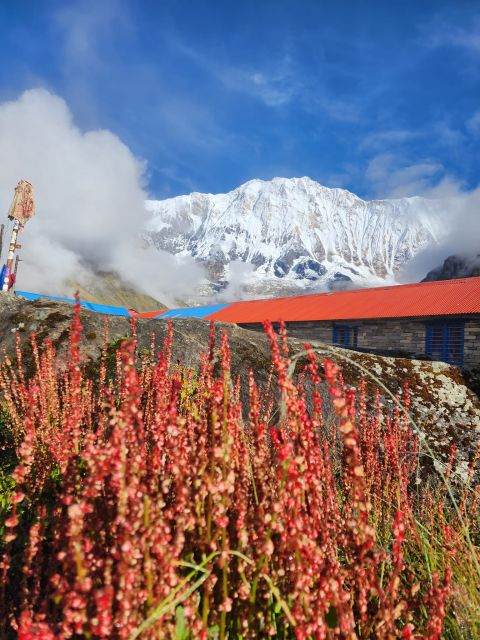
The walk from Deurali to Annapurna Base Camp takes about six hours and reaches 4,130 meters. This is the high point of the trip, both physically and emotionally.
The setting changes again as the trees thin and the mountains take over. Snow-capped peaks and glaciers surround the base camp area, giving you the close mountain views that the lower forests cannot provide.
Annapurna Base Camp is not just a finish-line sign. It is a place to pause and look back at the route you have covered from Pokhara, through villages, stairs, forests, and river valleys. Give yourself time for photographs, but do not let the excitement make you ignore cold, wind, or altitude symptoms.
The schedule places your overnight stay at base camp. That makes the day more rewarding, but it also means you need to be comfortable at 4,130 meters. The trip information says people with altitude sickness should not take this activity. If you develop serious symptoms, tell your guide at once rather than trying to prove toughness.
Day 7: The long descent to Bamboo
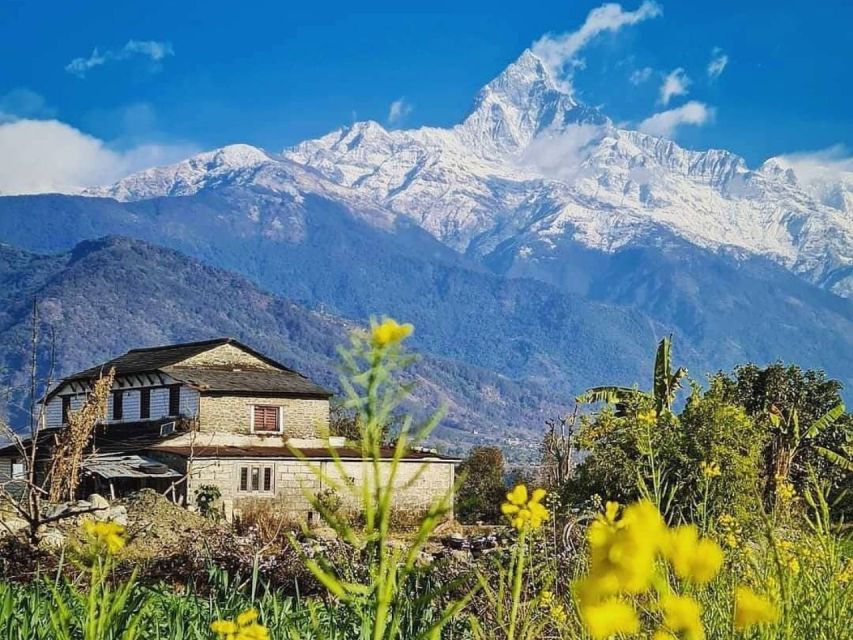
After the high point, you descend from Annapurna Base Camp to Bamboo at 2,300 meters. The walk takes about six hours.
Downhill does not always mean easy. The trail can be hard on knees and ankles, especially after the climb to base camp. Trekking poles are not included, so bring your own or arrange them before departure if you prefer extra support.
The return route lets you notice details you may have missed while climbing. The mountain views remain impressive, but the main physical relief comes from losing altitude. Bamboo provides a calmer overnight stop and a chance to recover before the final walking days.
This is also where good guiding matters. Lalit and Pratiksha are named as guides connected with successful trips on this route, and their described strengths include patience, humor, and attention to comfort. Your specific guide may differ, so confirm who will lead your group.
Day 8: Bamboo to Jhinu Dada and the natural hot springs
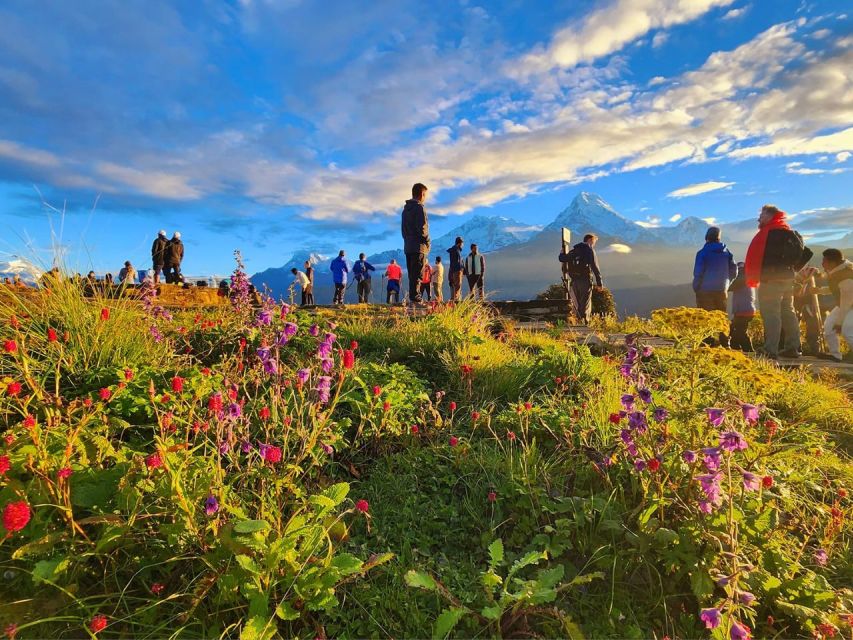
The five-hour walk from Bamboo to Jhinu Dada at 1,600 meters is one of the most enjoyable closing days. You continue downhill through the forest, with the trail gradually returning to warmer, greener country.
Jhinu Dada is special because of its natural hot springs. After a week of stairs and steep paths, soaking tired legs in hot water is a useful ending, not just a decorative extra.
The springs do not erase the effort of the trek. You may still feel sore, and the approach involves more walking. But the stop gives the day a clear purpose and adds a local outdoor experience that a standard hotel bath in Pokhara cannot match.
Bring a swimsuit or suitable clothing for the hot spring. The activity information does not list towels or changing facilities as included, so keep your personal needs in mind.
Day 9: Returning to Lakeside Pokhara
The final return includes about two hours of trekking and a comfortable ride back to Lakeside Pokhara. The exact road transfer is listed as taking around four hours in the itinerary details, so allow a good part of the day for the return.
Arriving back in Pokhara gives you a chance to rest, wash clothes, and process the route. The contrast is striking: in nine days, you move from lakeside city streets to a glacier-ringed base camp and back again.
Transportation during the trek is included, but check the final transfer details with the operator before departure. The activity lists pickup from Pokhara and return to Pokhara, which makes this a practical choice if you are already staying in the city.
What the $487 price really covers
At $487 per person, the package offers good value if you want the main logistics arranged. It includes trekking permits and paperwork, government taxes, accommodation, transportation during the trek, and staff expenses.
Meals are included only with the Full Package. That condition is important. If you choose a lower package, food may become a daily extra, along with drinks and bottled or boiled water.
You also need to budget for:
- Travel and rescue insurance
- Soft and hard drinks
- Phone calls, laundry, bar bills, and battery charging
- Hot showers
- Bottled or boiled water
- Trekking poles, sleeping bags, crampons, and similar gear
- Porters, if you want one
The trek does not list a porter as included. One earlier group praised a 19-year-old porter named Rickson for carrying bags with great dedication, but you should confirm porter arrangements rather than assume one is part of the price.
The package is strongest for someone who values convenience. You are paying to have permits, routes, lodges, and transport organized, not for a luxury mountain holiday.
Guides, group style, and daily comfort
This is a private-group experience with a live guide in English or Hindi. That setup gives you more control than a large mixed group, especially if your party needs extra time on the stairs or wants a slower pace at altitude.
Guides named in the available trip feedback include Lalit and Pratiksha. Lalit is described as friendly, funny, calm, and attentive at lodges and restaurants. Pratiksha is credited with making the experience more comfortable and enjoyable. These details suggest the human side of the trip is one of its strongest features, though guide assignment should be confirmed.
Tea house meals offer more choice than the simple word tea house might suggest. Menus can include several options, but selection and prices vary by location. Food and accommodation are practical, and you should expect mountain basics rather than hotel-style service.
The best approach is to carry a small day pack, keep layers easy to reach, and protect electronics from wet weather. Comfortable shoes, weather-appropriate clothing, sunscreen, and sunglasses are specifically recommended.
Weather, monsoon conditions, and altitude
June through August brings erratic weather and heavy rain. Lower trails can become slippery, and leeches may appear during the monsoon. Long trousers tucked into gaiters and insect repellent can help.
The clearest mountain views are especially valuable on the Poon Hill and base camp days, so timing and weather can affect what you see. Even in good seasons, mountain weather can change quickly. Follow your guide’s advice if conditions turn poor.
Altitude is the serious issue. The route reaches 4,130 meters at Annapurna Base Camp, and symptoms can occur even in fit people. The activity is not suitable for anyone already suffering from altitude sickness. It is also listed as unsuitable for pregnant women and people over 70.
The supplied information includes a note about Mardi Himal Base Camp at 4,000 meters, but this route is to Annapurna Base Camp. The useful point remains the same: you are going high, and you should take altitude symptoms seriously.
Who should book this trek?
I would recommend it to you if you want a classic Nepal trekking experience with a clear structure, mountain lodges, local villages, and strong scenery. It suits people who can walk five or six hours a day and handle repeated climbs and descents.
It is also a good choice if you want support without joining a large group. A private guide can simplify the practical work and make the route less stressful.
I would hesitate if you dislike stairs, basic accommodation, changing weather, or carrying personal gear. The trek is not a casual walk from viewpoint to viewpoint. The combination of Poon Hill, high-altitude base camp, and several long days requires preparation.
Cancellation is flexible up to 24 hours before departure for a full refund, and you can reserve now and pay later. Pickup is included from Pokhara, with a driver expected in the hotel lobby about ten minutes before the scheduled time and holding a sign with your last name.
Should you book the Annapurna Base Camp and Poon Hill trek?
Book it if you want two major Annapurna highlights in one nine-day route and appreciate having permits, accommodation, transport, and guiding arranged for you. The strongest reasons are the Poon Hill sunrise, the close mountain setting at base camp, the village and forest walking, and the hot spring stop at Jhinu Dada.
Skip it if you want a gentle holiday, private bathrooms, or a trip with no extra spending beyond the headline price. For a fit and prepared walker, $487 is a sensible price for the core arrangements, but you should confirm the Full Package, meal coverage, guide assignment, porter needs, and gear costs before booking.
FAQ
How long is the Annapurna Base Camp with Poon Hill trek?
The activity lasts nine days, beginning and ending in Pokhara.
Where does the trek start?
Pickup is in Pokhara. You travel by vehicle to Nayapul before beginning the trek on foot.
How high does the route go?
Annapurna Base Camp is at 4,130 meters. Poon Hill is at 3,210 meters.
Is transportation included?
Transportation during the trek is included. The final return to Pokhara includes trekking followed by a vehicle ride.
Are meals included?
Meals are included only with the Full Package. Drinks and bottled or boiled water are not included.
What accommodation is provided?
Accommodation is provided during the trek, mainly in tea houses or small hotels at overnight stops such as Tikhedhunga, Ghorepani, Chuile, Sinuwa, Deurali, Annapurna Base Camp, Bamboo, and Jhinu Dada.
What languages does the guide speak?
Live guiding is available in English and Hindi.
Is this a private trek?
Yes. The activity is arranged for a private group.
What should I bring?
Bring comfortable shoes, weather-appropriate clothing, sunscreen, and sunglasses. Trekking poles, sleeping bags, crampons, and similar equipment are not included.
Is the trek suitable during the monsoon?
The trek can operate during June through August, but heavy rain and changing weather are possible. Leeches may also appear on lower trails, so suitable rain gear, long trousers, gaiters, and insect repellent are useful.
More Hiking & Trekking in Pokhara
- Trekking in Annapurna/Langtang/Everest/Upper Mustang regions
★ 5.0 · 161 reviews - Pokhara: Annapurna Foothills Day Hike with Transfers
★ 5.0 · 100 reviews - Pokhara: 4-Day Mardi Himal Trek
★ 4.9 · 59 reviews - 4-Day Private Poon Hill Trekking Tour
★ 5.0 · 58 reviews
Just added around Pokhara
- Seti George and Thrilling Suspension Bridge Tour at Pokhara★ 4.5 · 3 reviews
- Tandem Paragliding in Pokhara★ 4.8 · 8 reviews
- Pokhara: Sunrise Tour to Sarangkot★ 5.0 · 3 reviews
- Pokhara: Suspension Bridge Private Tour- 30 Min Village Walk★ 4.8 · 9 reviews
- Pokhara: Visit Best Seven Tourist Destination by Sharing Bus★ 3.4 · 10 reviews
- Pokhara Sightseeing By Bus: Day Trip★ 4.6 · 7 reviews
- Pokhara Sightseeing By Bus – Day Trip★ 3.2 · 8 reviews
- Pokhara: Seti River Rafting Adventure with Hotel Pickup★ 5.0 · 5 reviews
Annapurna Base Camp Treks, compared.
Kathmandu to Annapurna Base Camp (ABC) 5-Day Trek
Read our review →
Kathmandu/Pokhara: 5-Day Annapurna Base Camp (ABC) Trek
Read our review →
11-Day Hike Tour to Annapurna Base Camp Bliss in Kathmandu
Read our review →