
Reviewed · ANNAPURNA BASE CAMP TREKS
Annapurna Base Camp Trek
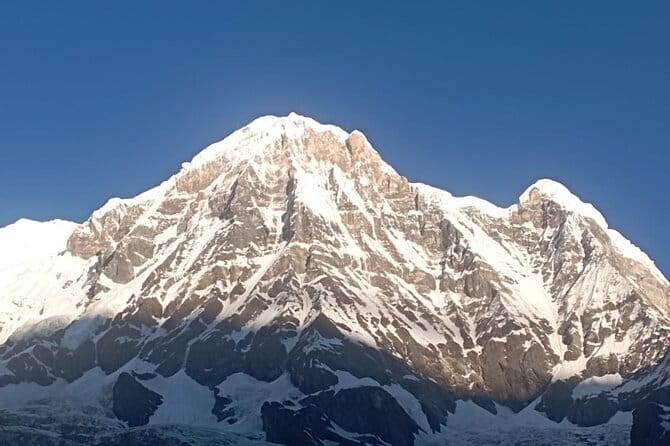
The real prize here is the walk into the Annapurna Sanctuary, a high mountain bowl ringed by peaks including Annapurna, Machhapuchhre, Gangapurna, and Hiunchuli. The route also adds Poon Hill, so you get a sunrise viewpoint before reaching base camp. I like the small group limit of 10 and the fact that the hard parts are organized for you, from airport pickup to teahouse rooms and mountain meals.
I also like the human side of this trek. Guides named Krishna, Tulsi, Suvi, and Anil have led departures, while Arjun has handled trip communication for some groups. The main caution is simple: this is a real high-altitude hike, with long stair sections and several days of 4 to 7 hours on foot. You need a moderate level of fitness, and the itinerary leaves little room for a lazy holiday.
Key things to know before booking
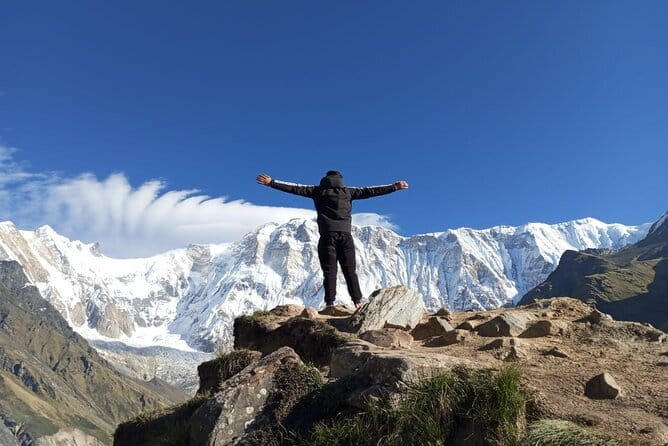
- Poon Hill comes before base camp: You get one of the route’s best sunrise viewpoints at 3,210 meters before heading farther into the mountains.
- A small group keeps things personal: The maximum is 10 people, useful when walking pace, food needs, or altitude symptoms differ.
- Most major costs are bundled: Trek meals, 10 dinners, 13 breakfasts, 10 lunches, lodging, taxes, guide service, and shared transfers are included.
- The route mixes comfort with simplicity: Kathmandu and Pokhara use hotels or guesthouses, while the mountain nights are in basic teahouses.
- You return by the same high trail: The descent from base camp is quicker than the climb, but it still brings a long day on tired legs.
- The price is $925 per person: That is a fair package price for a supported 14-day trek, though Kathmandu and Pokhara dinners and lunches are extra.
What the 14-day Annapurna route feels like
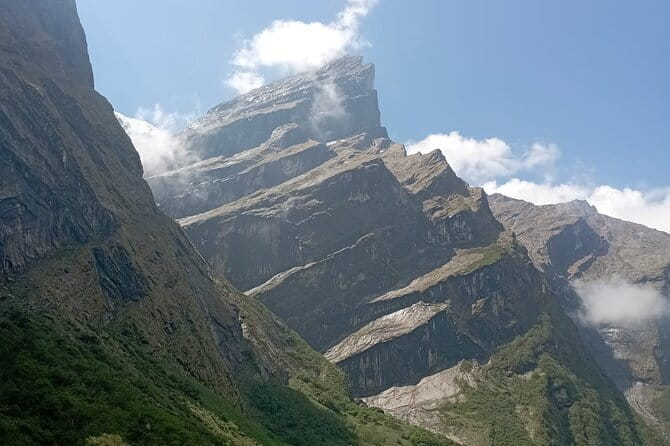
This is not a sightseeing bus with a short mountain walk attached. You spend most of the middle part of the trip walking, often uphill or down stone steps, and sleeping in simple mountain lodges. The reward is a steady change of scenery, from river valleys and villages to forests and snow peaks.
The walking schedule is moderate by Himalayan standards, but moderate does not mean easy. You should expect several hours on your feet each day, with the higher sections requiring a slower pace. A guide matters here because the route, weather, accommodation, and altitude all demand attention that is hard to manage while you are also trying to enjoy the view.
The trip begins and ends with road travel. That makes it more practical than a fully remote expedition, but road days can be tiring and less predictable than a flight. The six-hour bus ride from Kathmandu to Pokhara is part of the experience, not a quick transfer.
More Annapurna Base Camp Treks in Kathmandu
- Annapurna base camp trek 5 Days
★ 5.0 · 252 reviews - Annapurna Base Camp Trek
★ 5.0 · 111 reviews - Kathmandu to Annapurna Base Camp (ABC) 5-Day Trek
★ 5.0 · 102 reviews
Day 1: Kathmandu arrival and Thamel
Your airport representative meets you at Tribhuvan International Airport and takes you to your hotel in Thamel by private tourist vehicle. You can rest after the flight or visit the operator’s office for a detailed briefing.
This is a useful first day because the trek begins with a fair amount of planning behind it. You can ask about the walking schedule, kit, meals, and the rhythm of the days ahead. Thamel is also a handy base for getting settled in Kathmandu, though the arrival day itself is not designed as a major sightseeing day.
The airport pickup is included, as is the transfer to your hotel. You should still allow yourself time to adjust to the journey. A first night in Kathmandu is not the moment to prove how much energy you have.
Day 2: The long road to Pokhara
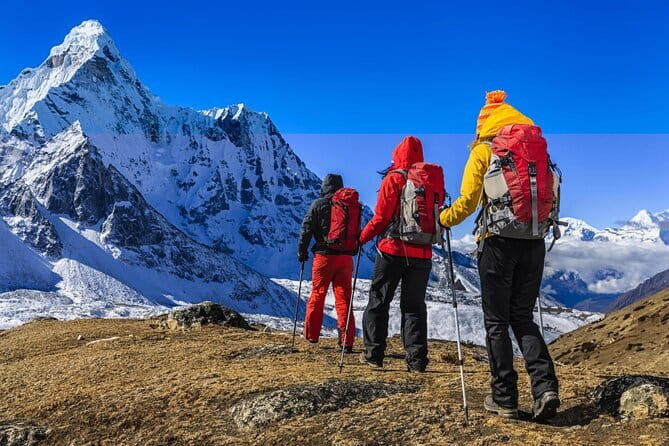
After breakfast, you travel about 200 kilometers from Kathmandu to Pokhara by tourist bus. The ride takes around six hours, with lunch along the way, and you spend the night in a guesthouse in Pokhara.
The distance sounds modest, but mountain roads make this a full travel day. If you dislike long bus rides, this will be one of the less glamorous parts of the itinerary. Still, it puts you close to the Annapurna trail without adding another separate transport booking.
Pokhara is a pleasant staging point for the walk. Lunch is included on this transfer day, but you pay separately for your Pokhara dinner. Keep that small extra cost in mind when comparing the $925 package with other treks.
Days 3 and 4: Nayapool, Ulleri, and Ghorepani
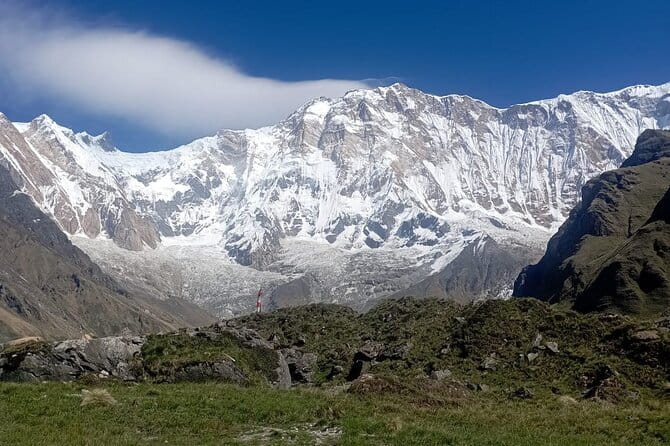
From Pokhara, the drive to Nayapool takes about an hour. The walk begins beside the Modi River and continues toward Birethani, where small teahouses line the route. The early trail introduces you to the pattern that will define the trip: villages, river crossings, forest, stone paths, and repeated climbs.
The route then heads toward Ulleri and Banthanti through rhododendron and oak forest. From Banthanti, you continue to Ghorepani. Ghorepani is important because it serves as the launch point for Poon Hill, one of the most photographed viewpoints on this trek.
These opening days are a good test of your legs. You are not yet at the highest point, but the trail begins teaching you how to manage a steady walking pace. Do not race the group early on. Saving energy here pays off later.
Same mountains, a completely different kind of day:
- Everest Base Camp Trek – 14 Days
★ 5.0 · 1,499 reviews - Private Kathmandu Sightseeing Tour | UNESCO World Heritage sites
★ 5.0 · 756 reviews - Everest Base Camp Helicopter Tour landing at Everest View Hotel
★ 5.0 · 668 reviews - Half day cooking class in Thamel kathmandu
★ 5.0 · 607 reviews
Day 5: Sunrise at Poon Hill
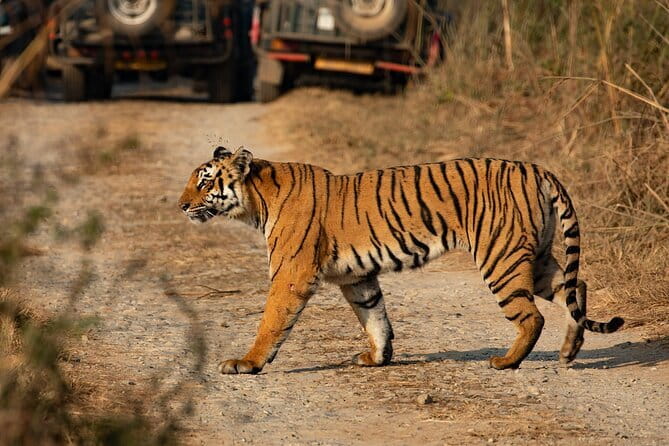
The short climb to Poon Hill takes about 45 minutes and reaches 3,210 meters. The stop lasts roughly an hour, giving you time to take in the sunrise and photograph the surrounding peaks.
This is one of the most valuable additions to the route. Poon Hill offers a broad mountain view without requiring a full day of walking, and it gives you a spectacular payoff early in the trek. The viewpoint is also a useful introduction to altitude before the trail goes higher toward base camp.
The tradeoff is an early start. You walk uphill before breakfast, then return to Ghorepani for food before continuing the day’s route. Pack a warm layer and keep your camera ready, but do not let the excitement push you into a fast climb.
Days 6 and 7: Tadapani, Chhomrong, and Bamboo
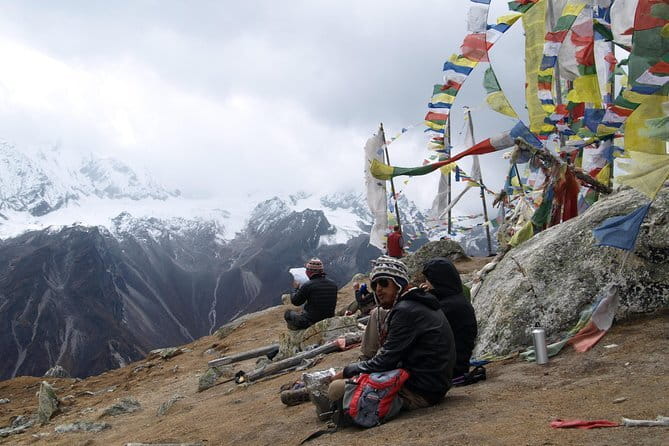
After breakfast in Tadapani, the trail drops through rhododendron forest, crosses the Kimsung River, and climbs toward the Gurung village of Gurjung. From there, a straight climb leads to Chhomrong, a hillside settlement with striking views toward the Annapurna peaks and Machhapuchhre.
Chhomrong is more than a place to sleep. It marks a change in the feel of the trek, as the valley narrows and the mountains begin to seem closer. You should also be ready for plenty of stone steps. The trail is not technically described as difficult, but repeated stair climbs can be harder than a smooth uphill path.
The next section drops down stone steps to Chhomrong Khola, crosses a suspension bridge, and climbs again to Sinuwa. From there, the path passes through jungle and descends gently to Bamboo.
This up-and-down pattern can surprise you. Reaching a high village does not mean every following section is downhill. A guide helps set a sensible pace, especially if the group contains both fast and slow walkers.
Day 8: Bamboo forest and the quiet trail to Himalaya
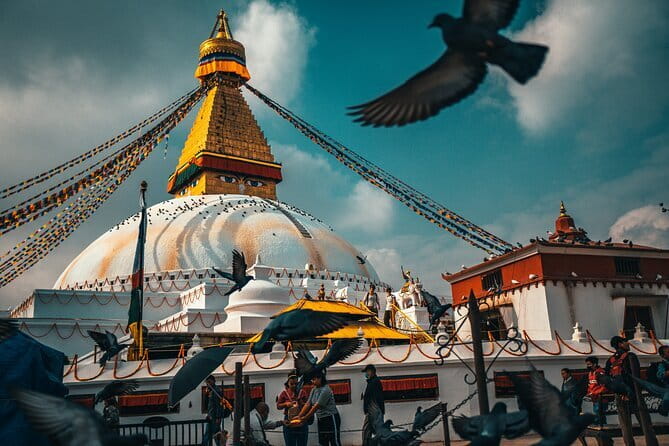
From Dovan to Himalaya, the route passes through bamboo and rhododendron forest. One section near a temple is treated as quiet ground, with large noises discouraged. It is a small detail, but it gives the day a calmer character than the busier village sections.
The forest also changes the visual rhythm. You spend less time looking across open valleys and more time following the trail through trees and along mountain slopes. The walk may feel peaceful, but it still includes climbing, so do not mistake the quiet atmosphere for an easy day.
At this point, your body has settled into the routine of walking, eating, and sleeping at altitude. The included mountain meals are especially helpful here. You do not need to negotiate food stops or wonder where the next lodge is, though the teahouse setting remains basic.
Day 9: Deurali to Machhapuchhre Base Camp and Annapurna Base Camp
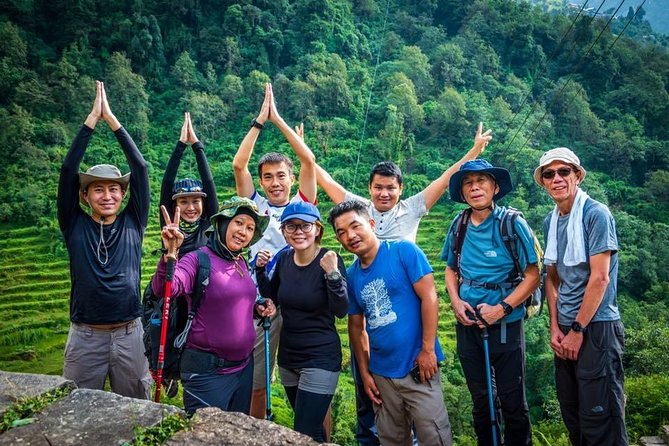
From Deurali, the trail follows a river bed before a demanding climb to Machhapuchhre Base Camp. The name refers to the distinctive fishtail-shaped Machhapuchhre, one of the most recognizable peaks in the region.
The setting changes sharply as the forest gives way to a high mountain bowl. From Machhapuchhre Base Camp, you are surrounded by peaks, with views toward Annapurna, Machhapuchhre, Gangapurna, and Hiunchuli. The final approach to Annapurna Base Camp is the central goal of the trek, and this is the day when the route’s earlier effort makes sense.
This is also the point where you should pay closest attention to how you feel. The tour is designed for people with moderate fitness, but high altitude affects people differently. Walk slowly, tell your guide if you feel unwell, and do not treat reaching base camp as more important than your health.
Day 10: Sunrise at ABC and the long descent
You begin with sunrise at Annapurna Base Camp, then retrace the route through Machhapuchhre Base Camp, Deurali, Himalaya, Bamboo, and Sinuwa. Much of the day is downhill, and the itinerary describes it as an easier walk than the climb.
The descent is faster on paper, but it is not effortless. Downhill steps can be hard on knees, ankles, and tired feet. Trekking poles, if you use them, may be useful, though the supplied information does not specify equipment rental.
Returning along the same trail has one advantage: you recognize the villages and sections of forest from the climb. You also know roughly what remains, which can make the long day feel more manageable. Lunch is included, as it is on most of the trekking days.
Days 11 and 12: Chhomrong and the Jhinu hot spring
The route returns to Chhomrong, where you stop for lunch. The village spreads across a hillside and offers more views of the Annapurna range and Machhapuchhre.
The following day brings you to Jhinu Danda. From the hotel, it is about a 20-minute walk to natural hot-spring pools beside the Modi River. This is a welcome change after the high trail and a sensible place to give your legs a gentler finish.
The hot spring is included as part of the route experience, but the description does not say that towels, drinks, or other extras are provided. Bring what you need for a simple bathing stop and do not expect a resort-style facility.
Days 13 and 14: The road back and a brief Kathmandu stop
Day 13 includes a lunch stop at Malekhu, a place known for fish and fish products. The stop lasts about 30 minutes, so think of it as a practical break during the return journey rather than a long food tour.
On Day 14, the transfer includes a brief stop at Pashupatinath Temple for photographs. The stop is listed at about five minutes, and the temple admission fee is not included. That means you should not plan a full temple visit around this itinerary unless your transfer schedule allows extra time.
The final transport arrangements are shared, while the airport arrival transfer is described as private. That distinction matters if you value total control over departure timing. It also helps explain how the package keeps costs at $925.
What you get for $925
The package includes accommodation according to the route, all taxes and handling fees, a professional guide, round-trip shared transfers, 13 breakfasts, 10 lunches, and 10 dinners. Hotels or guesthouses are used in Kathmandu and Pokhara, while teahouses cover the mountain sections.
That is a solid bundle for a two-week trek. You are paying not only for a bed and meals, but also for someone to manage the route and the practical details in a region where plans can be harder to arrange independently. The maximum group size of 10 gives the guide a reasonable chance to keep track of everyone.
The missing meals are lunch and dinner in Kathmandu and Pokhara. Breakfast is included for 13 days, but you should budget separately for city meals. The Pashupatinath admission fee is also extra, and personal expenses are not listed as included.
I would judge the price as good value if you want support and a fixed plan. It is less attractive if you already have trekking experience, prefer independent route decisions, or want more time in Kathmandu and Pokhara. The package is built around getting you safely through the trek, not around a long cultural stay in the cities.
The guide can make or break the experience
The strongest human feature of this trip is the guide service. Past departures have been led by people such as Krishna, Tulsi, Suvi, and Anil. One account also names Sumon as a porter and Arjun as the person who explained the itinerary and answered questions before departure.
You should not assume you will receive a specific guide unless Green Valley Nepal confirms it in writing. Still, those names give you a useful point of reference when asking who will lead your group.
A guide is especially valuable when a first-time trekker becomes anxious or unwell. One past participant arrived feeling poorly and later arranged a porter after changing their mind. That is practical support, not just cheerful conversation. If you think you may want a porter, ask before the trek rather than waiting until your bag feels too heavy.
The group size also matters. With no more than 10 people, you get more personal attention than on a large walking tour, though the group still has to move at a shared pace. Ask how the operator handles different walking speeds and what happens if someone needs extra rest.
Who should book this trek?
I would recommend it to an active visitor who wants a major Himalayan trek without arranging every hotel, meal, vehicle, and trail day alone. It also suits a first long trekker who wants a guide close at hand and a clear schedule.
It is a good match if you want variety. You get a city arrival, a Pokhara transfer, Gurung villages, rhododendron and oak forests, Poon Hill, high mountain views, Annapurna Base Camp, and a hot spring stop.
I would be more cautious if you dislike basic teahouse accommodation, long bus rides, repeated stairs, or fixed group schedules. The word moderate may sound gentle, but the high-altitude setting and several hours of walking each day demand preparation.
The experience is also not designed for children traveling alone. Children must be accompanied by an adult, and all participants should have moderate physical fitness.
Practical details before you commit
Confirmation is provided when you book. Pickup begins at Tribhuvan Airport in Kathmandu, and the activity is available with a mobile ticket. The tour is near public transportation, but the main trek itself is carried out on foot with road transfers at the beginning and end.
The trip is usually booked about 14 days ahead. That is a useful planning clue, though it is not a required booking deadline. I would reserve earlier if you need particular dates or want to ask about a specific guide, porter, room arrangement, or dietary need.
Free cancellation is available up to 24 hours before the local start time for a full refund. Inside 24 hours, changes and refunds are not accepted. If poor weather cancels the experience, you are offered another date or a full refund.
My booking verdict
Book this Annapurna Base Camp trek if you want the big mountain experience with the practical work handled for you. The combination of Poon Hill, ABC, included trail meals, teahouse lodging, and a group capped at 10 gives the $925 price real value.
Think twice if you want a flexible independent trek or a softer holiday. You will walk for several hours most days, sleep simply in the mountains, and spend a full day traveling by bus from Kathmandu to Pokhara. For an active visitor who accepts those tradeoffs, this is a well-structured way to reach one of Nepal’s most dramatic base camps.
FAQ
How long does the Annapurna Base Camp trek take?
The experience lasts approximately 14 days, including arrival in Kathmandu, the transfer to Pokhara, the trek, the return journey, and the final stop near Pashupatinath Temple.
What is the price?
The listed price is $925 per person.
How many people can join the group?
The group has a maximum of 10 participants.
Where does the experience begin?
Pickup begins at Tribhuvan International Airport in Kathmandu, Nepal.
Is airport pickup included?
Yes. An airport representative meets you and arranges a private tourist vehicle to your hotel.
Are meals included?
Breakfast is included for 13 days, lunch for 10 days, and dinner for 10 days. Lunch and dinner in Kathmandu and Pokhara are not included.
What kind of accommodation is provided?
Hotels or guesthouses are used in Kathmandu and Pokhara. Accommodation on the mountain route is in teahouses, according to the itinerary.
How much walking is required each day?
The trek involves approximately 4 to 7 hours of walking per day.
Is the trek suitable for children?
Children must be accompanied by an adult. Participants should also have a moderate level of physical fitness.
Is cancellation free?
You can cancel up to 24 hours before the experience start time for a full refund. Cancellations or changes made less than 24 hours before the start time are not accepted. If poor weather causes cancellation, you are offered a different date or a full refund.
More Hiking & Trekking in Kathmandu
- Everest Base Camp Trekking
★ 5.0 · 485 reviews - Nagarkot Sunrise View and Day Hiking from Kathmandu
★ 5.0 · 471 reviews - Annapurna Circuit Trek with Tilicho Lake
★ 5.0 · 368 reviews - Everest Base Camp Trekking – 13 Day
★ 5.0 · 365 reviews
Just added around Kathmandu
- Private Half-Day Tour of Boudhanath and Pashupatinath Temples in Kathmandu★ 4.5 · 9 reviews
- Private Half-Day Tour of Kathmandu Durbar Square and Swayambhunath Temple★ 4.5 · 11 reviews
- Namobuddha Monastery Hiking Day Tour via Panauti from Kathmandu★ 5.0 · 15 reviews
- Private Full-Day Kathmandu City Tour★ 5.0 · 9 reviews
- Private Day Tour in Kathmandu Valley Rim with Bhaktapur Sightseeing★ 5.0 · 3 reviews
- Private Half Day Budhanilkantha Tour★ 5.0 · 6 reviews
- Private Day Tour: Patan and Bhaktapur from Kathmandu★ 4.5 · 6 reviews
- Private Day Tour – Sacred Journey to Namo Buddha★ 5.0 · 5 reviews
Annapurna Base Camp Treks, compared.
Kathmandu to Annapurna Base Camp (ABC) 5-Day Trek
Read our review →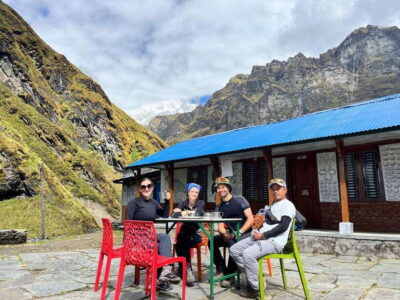
Kathmandu/Pokhara: 5-Day Annapurna Base Camp (ABC) Trek
Read our review →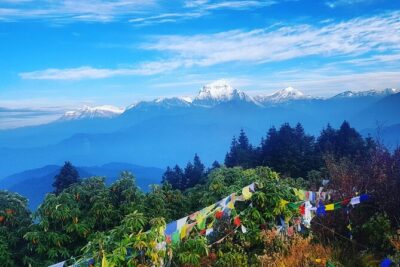
11-Day Hike Tour to Annapurna Base Camp Bliss in Kathmandu
Read our review →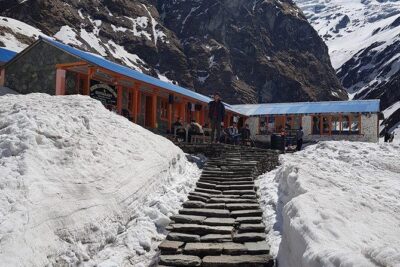
Browse the lists this tour appears in