
Reviewed · MARDI HIMAL TREKS
Pokhara: 4-Day Mardi Himal Trek
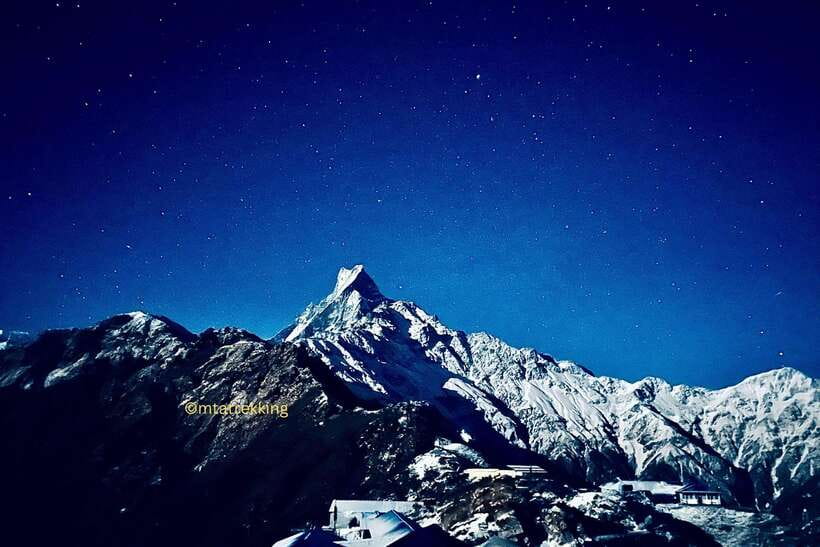
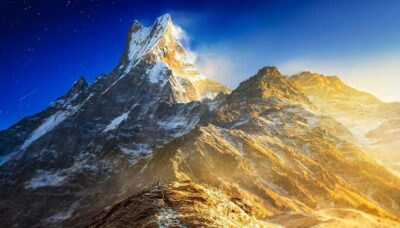
Mardi Himal gives you a rare Himalayan payoff in just four days: a pre-dawn climb to about 4,200 to 4,300 meters, followed by sunrise over Machhapuchhre, Annapurna South, and Mardi Himal. I like the quick shift from Pokhara’s roads to quiet forest trails, and I like the warm, personal guiding reported from people such as Kaji, Ramit, Prabit, and Lalit.
I also like the mix of rhododendron forest, stone steps, terraced fields, villages, and high meadows. The catch is simple: four days makes this a brisk trek. You may spend long hours on steep steps, and the altitude is serious even though the route is nontechnical.
- Sunrise at 4,200 to 4,300 meters: The early climb rewards you with views of Fishtail, Annapurna, and Mardi Himal.
- A fast route from Pokhara: You reach Forest Camp on the first day after a drive to Kande and about five hours of hiking.
- Flexible high-altitude finish: Mardi Himal Base Camp at about 4,500 meters is attempted only when weather and snow conditions allow.
- Strong guide support: Guides are expected to manage the pace, meals, tea-house arrangements, transport, and safety checks.
- Private group format: You trek with your own group rather than joining a large shared departure.
- Good value at $139: Permits, guide, transport, gear, and accommodation are included, but meal and porter costs depend on the package you choose.
Why Mardi Himal Works in Four Days
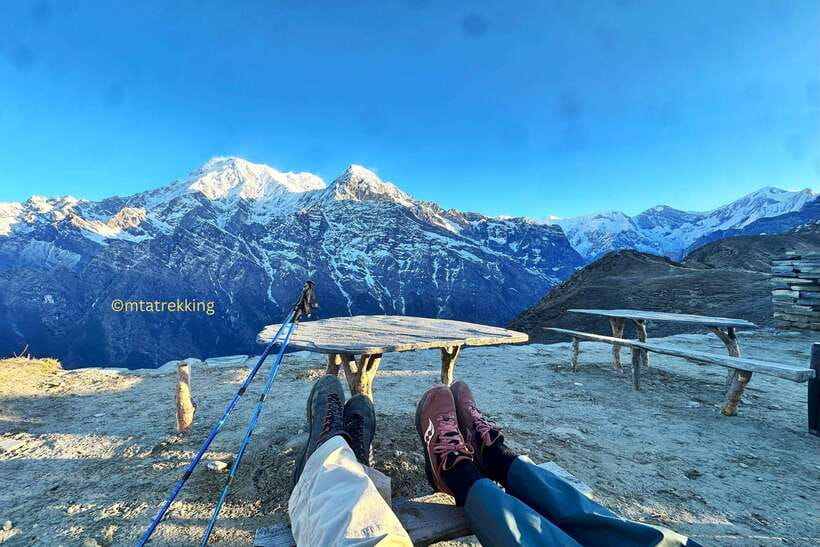
Mardi Himal is a good choice when you want a genuine mountain trek but cannot give Nepal a full week or more. The route begins near Pokhara, the main base for Annapurna trips, and quickly leaves the city behind.
You start with a road journey to Kande, then climb through forest and hillside settlements. By the final morning, you are walking under headlamps toward a high viewpoint with the snowy peaks in front of you. That contrast is the route’s main appeal.
The trek is often described as moderate and nontechnical. That means you do not need climbing skills or ropes, but it does not mean the walking is easy. The route includes many stone steps, long uphill sections, and a sharp gain in height. One four-day schedule takes you from the lower hills to around 4,200 meters in only three days.
I would call it manageable for a reasonably fit beginner who prepares properly. If you rarely hike, the compressed schedule may feel tough, especially on the climb toward High Camp and the sunrise viewpoint.
Day One: Kande to Forest Camp Through the Trees
Pickup is arranged in Pokhara, with listed points around Baidam, Lakeside, Pame, and Lakeside Road. The drive to Kande takes about an hour and a half. Along the way, you get views of fields, forest, the Seti River, and mountain scenery before the walking begins.
The hike from Kande to Forest Camp takes about five hours. A tea-house stop around midday breaks up the climb and gives you a chance to drink tea, eat, and adjust your pack before the forest section.
This first day is special because the setting changes quickly. You pass through terraced fields and traditional villages, then enter thicker woodland. Rhododendron trees, birds, butterflies, and occasional wildlife give the route more interest than a simple uphill march.
The overnight stop is around 2,600 meters, at a tea house or similar accommodation. The standard package includes accommodation, but meal coverage depends on the package selected. The Full Package includes breakfast, lunch, and dinner, while the Standard Package does not include meals.
That distinction matters. At $139, the trek looks inexpensive for a private trip with permits and transport, but you need to confirm exactly which package you are buying. Also ask how room charges are handled, since tea-house availability and room arrangements can vary.
More Mardi Himal Treks in Pokhara:
- Private Mardi Himal Trek
★ 5.0 · 42 reviews - From Pokhara: 4-Day Mardi Himal Base Camp Trek
★ 4.9 · 31 reviews - Mardi Himal Trek
★ 5.0 · 30 reviews
Day Two: Forest Camp to High Camp
After breakfast, you walk for about five hours toward Mardi Himal High Camp. The route continues through dense forest before opening into higher ground, where the mountain views begin to take over.
This is one of the more demanding days. The schedule describes High Camp at roughly 3,550 to 4,000 meters, so check the exact overnight elevation with the operator before departure. The supplied details use both figures, while the viewpoint is listed between 4,200 and 4,300 meters.
The climb is not technical, but the height changes how your body feels. You may walk more slowly, take frequent breaks, and need extra water. A good guide should watch your pace and ask how you are feeling rather than simply pushing toward the next stop.
This is where the guide service can make a real difference. Kaji is praised for checking food and hydration, while Ramit and Prabit are described as attentive with pacing, comfort, and daily arrangements. Lalit is specifically credited with adjusting rest and lunch stops and helping when altitude sickness appeared.
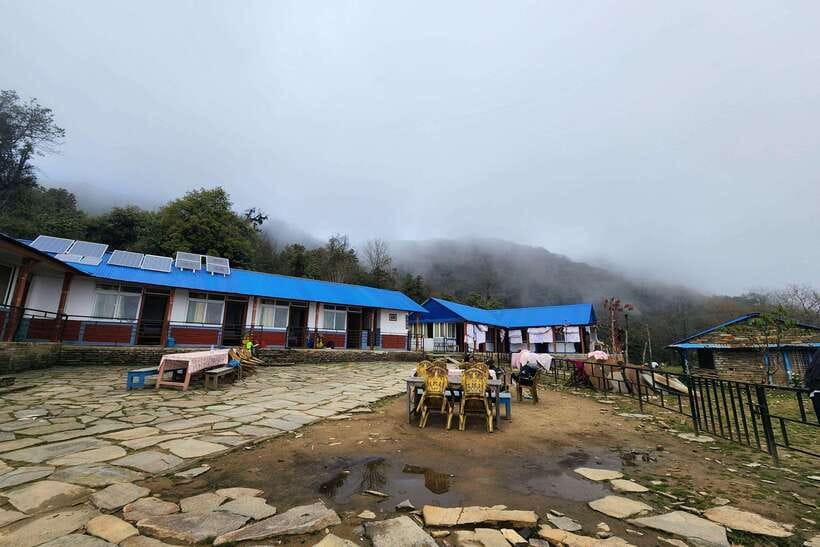
High Camp accommodation is basic but useful. Namaste Hotel is one named stop, and Hotel Low Camp is another accommodation noted along the route. Expect tea-house conditions rather than hotel comfort. One practical account warns that high camp may have limited showers, weak or absent phone service, and limited toilet paper.
Bring a sleeping bag if you have one, or use the supplied sleeping bag when available. Tea houses are welcoming, but hygiene and heating standards can be basic at altitude.
The Pre-Dawn Walk to Mardi Himal Viewpoint
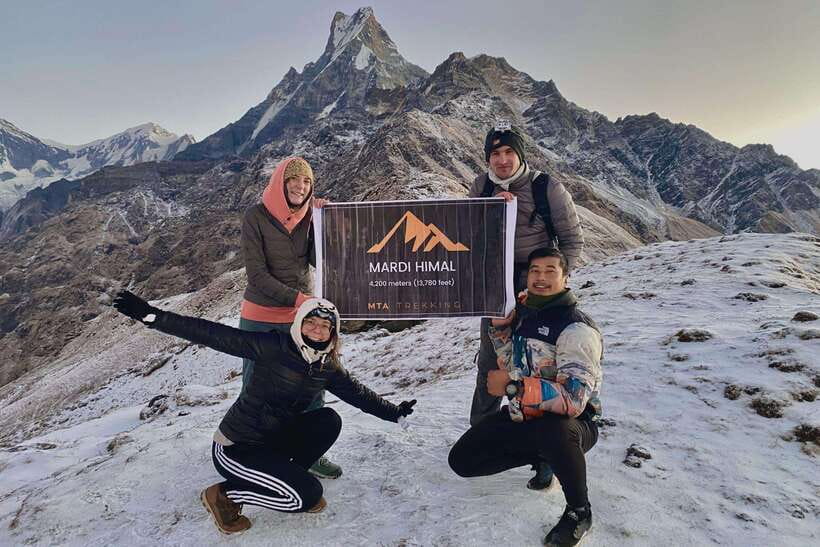
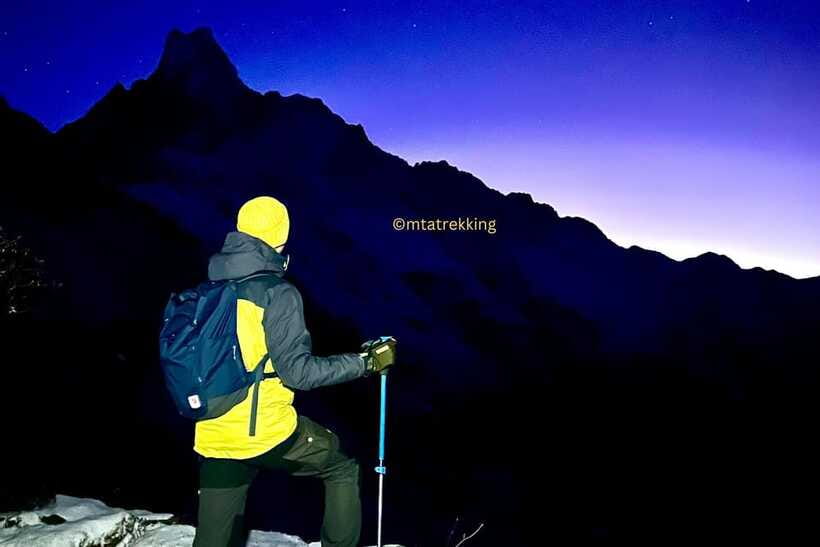
The most memorable part of the trek begins around 4:00 am. You leave High Camp for a climb of roughly one and a half to two hours to the sunrise viewpoint.
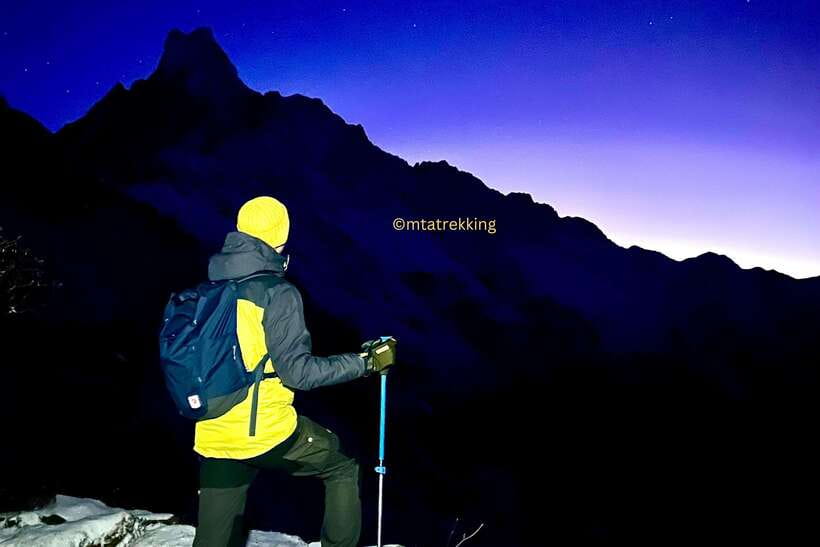
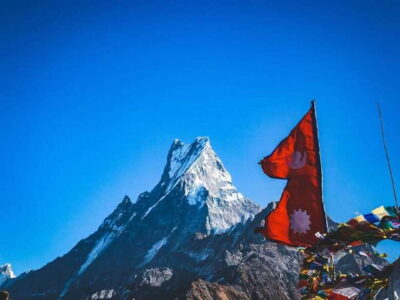
This early start is not a small detail. You walk in the dark, often on steep steps, and you need a flashlight or headlamp. The payoff comes as the sky brightens behind Machhapuchhre, also called Fishtail, with Annapurna South, the wider Annapurna range, and Mardi Himal filling the horizon.
The viewpoint is described as approximately 4,200 or 4,300 meters. At this height, cold wind and thin air can turn a short hike into a serious effort. Wear warm layers, cover your hands, and take the climb slowly.
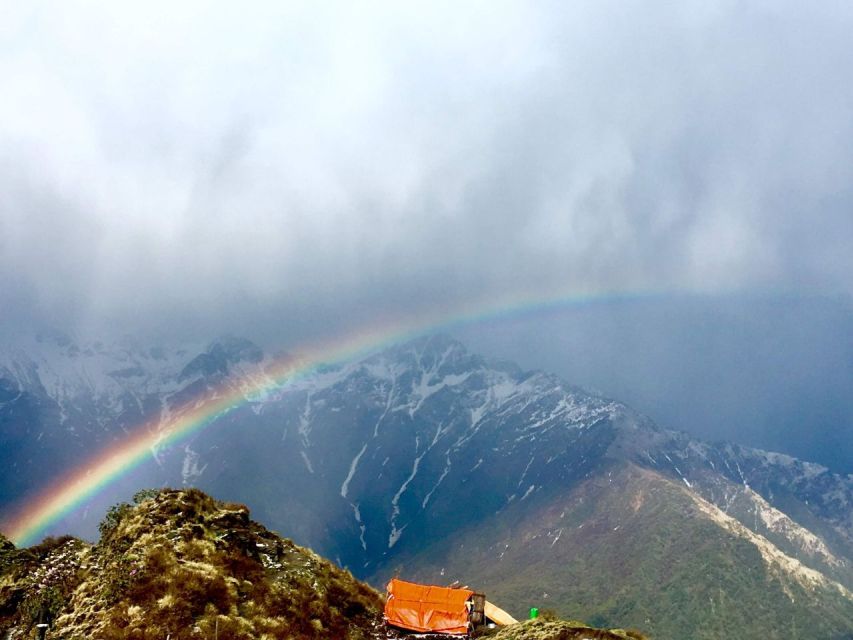
The sunrise is the emotional high point of the itinerary, but the view depends on weather. Clouds can hide the summits, especially during the monsoon and less reliable months. A cloudy morning is not a safety failure, but it can change the character of the experience from a mountain panorama to a moody forest and ridge walk.
After sunrise, you return for breakfast. The itinerary includes about an hour of hiking toward Mardi Himal Base Camp, listed at around 4,500 meters. This section is optional and depends on snow and weather.
During January and February, heavy snow can make the route beyond the viewpoint steep and slippery. Crampons and extra caution may be needed. In monsoon conditions, the trail can also lack safe infrastructure beyond the viewpoint. Your guide may recommend stopping at the viewpoint, and that is the sensible choice when conditions are poor.
Do not treat Base Camp as a box you must tick. The viewpoint already provides the main mountain panorama. Base Camp is a bonus for good weather, stable snow, and strong legs.
The Long Descent to Forest Camp
After the high point, you descend toward Forest Camp. This section can feel easier because you are losing altitude, but downhill steps can be hard on knees and thighs.
The mountains remain in view as you drop back through changing vegetation. This repeated sight of Fishtail and the Annapurna range is one of the route’s pleasures. You see the same peaks from new angles rather than checking them off once and moving on.
The day is long because it combines the pre-dawn climb, the viewpoint, possible Base Camp extension, breakfast, and descent. Some schedules describe the third day as returning to Forest Camp, while the detailed route also lists Low Camp. Confirm the exact overnight stop and walking hours before setting out.
A few more Pokhara trips to weigh up
- Poon hill Trek 3 days
★ 5.0 · 176 reviews - Trekking in Annapurna/Langtang/Everest/Upper Mustang regions
★ 5.0 · 161 reviews - Pokhara: 4-Day Ghorepani, Poonhill & Ghandruk Mountain Trek
★ 5.0 · 132 reviews - Ghorepani – Poon Hill Trek 3N-4D
★ 5.0 · 125 reviews
Day Four: Low Camp, Kalimati, and the Jeep to Pokhara
The final walking day takes you down through forest toward Kalimati, around 1,650 to 1,800 meters depending on the stated stop. The trail becomes greener and more sheltered again.
You pass small waterfalls, bridges, birds, and forest paths. Fishtail may remain visible through gaps in the trees, giving the descent a pleasant final mountain view rather than ending abruptly in a road town.
The route then continues toward Kalimati or Lumle, where a jeep or SUV takes you back to Pokhara. The drive is listed at roughly one and a half to two hours. Pickup and drop-off in Pokhara are included, with drop-off options around Lakeside and Baidam.
Road travel in the mountains can be tiring, but having transport arranged is valuable after several days of walking. It also keeps the trek focused on the trail rather than on organizing local vehicles at the end.
Tea Houses, Food, and Local Encounters
Tea-house trekking is part of the Mardi Himal experience. Rooms are basic, meals are served along the route, and common areas provide a place to warm up and meet other hikers.
The food can be surprisingly good. Dal bhat, rice, vegetables, noodles, tea, and local dishes are practical choices at altitude. Guides such as Kaji and Ramit are praised for helping with meal choices and checking that food is prepared safely.
A useful mountain rule is to avoid questionable meat, frozen food, and junk food at higher elevations. Fresh vegetables, rice, and warm drinks are safer choices for keeping your stomach settled. Ginger, lemon, honey tea, and chai are especially welcome during the colder sections.
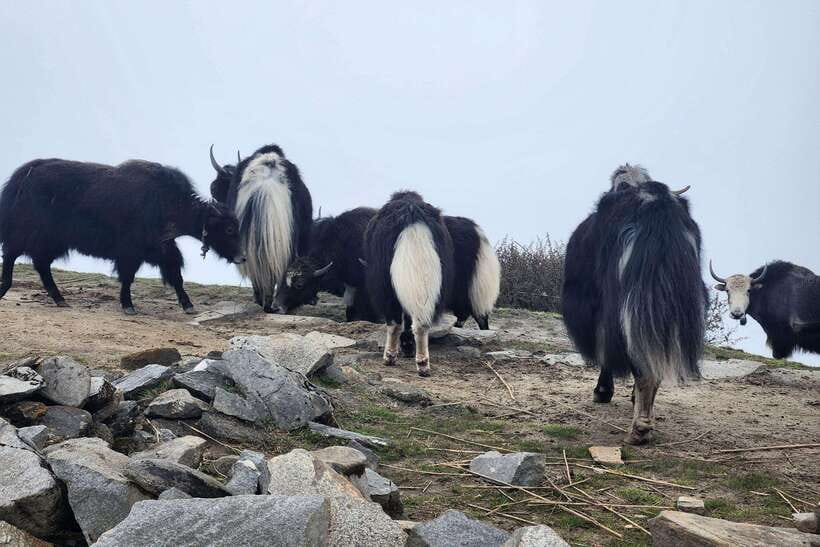
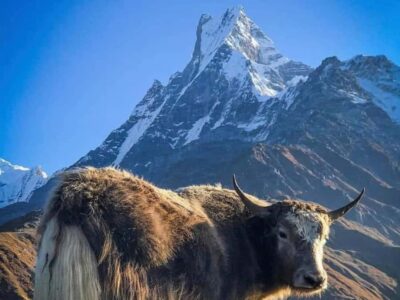
The route also brings you into contact with Gurung and Magar communities. You may see traditional villages, meet tea-house families, and encounter local working animals such as yaks, donkeys, and horses. One guide even introduced hikers to a local farmer and arranged a taste of fresh milk.
These moments are valuable because they connect the mountain scenery with daily life. You are not just walking through a postcard. You are passing through communities that support the trail.
How Difficult Is the Mardi Himal Trek?
The route is nontechnical, but you still need a fair level of fitness. The main challenge is the combination of steep stairs, long walking days, and rapid altitude gain.
A four-day schedule can mean arriving at tea houses later than expected. One useful piece of advice is to start early on the first walking day, especially if you want to avoid climbing in the strongest afternoon sun.
You should be comfortable walking uphill for several hours and descending on uneven paths. Training with stairs, hills, or long walks will help more than simply doing short flat walks.
Altitude deserves serious attention. Base Camp reaches about 4,500 meters, and the viewpoint is above 4,200 meters. Headache, nausea, unusual tiredness, dizziness, or trouble sleeping should be reported to your guide at once.
The trek is not suitable for pregnant women, people with altitude sickness, or people over 70. Travel and rescue insurance is not included, so you should arrange suitable coverage before departure.
Best Seasons and What to Pack
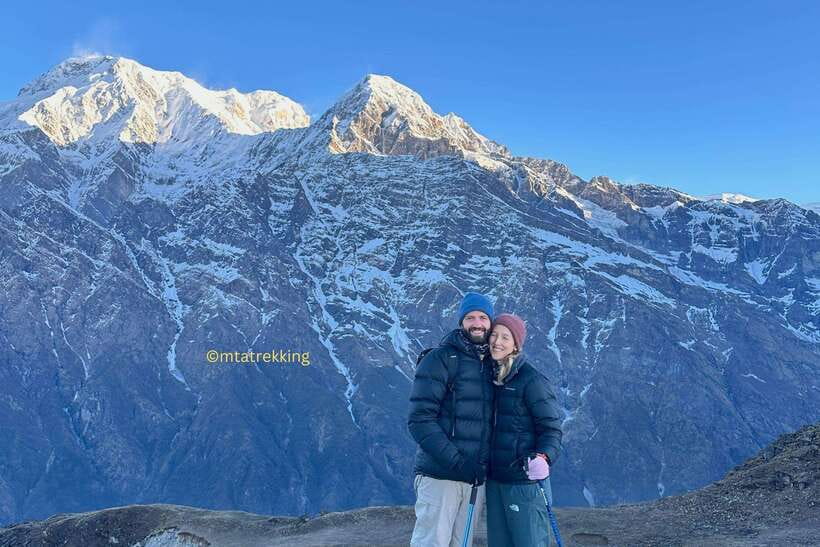
The best periods are March to May and September to November, when the weather is more stable and mountain views are usually clearer.
Winter can bring snow above the viewpoint, especially in January and February. Monsoon conditions can mean cloud, rain, slippery trails, leeches, and mosquitoes in the forest sections. A summer trek may still be enjoyable, but it is a poorer choice if your main goal is clear sunrise views.
Pack light, but do not pack too little. You should bring:
- Warm clothing and a waterproof outer layer
- Sunglasses, a sun hat, and sunscreen
- A flashlight or headlamp
- Comfortable trekking shoes
- Personal toiletries and toilet paper
- A small first-aid kit
- Cash for personal expenses
- A sleeping bag if you prefer your own bedding
- Trekking poles, if you like extra support
Trekking poles and sleeping bags are listed among the gear provided, but confirm availability before departure. Porter service costs an additional $20 per day.
What the $139 Price Really Covers
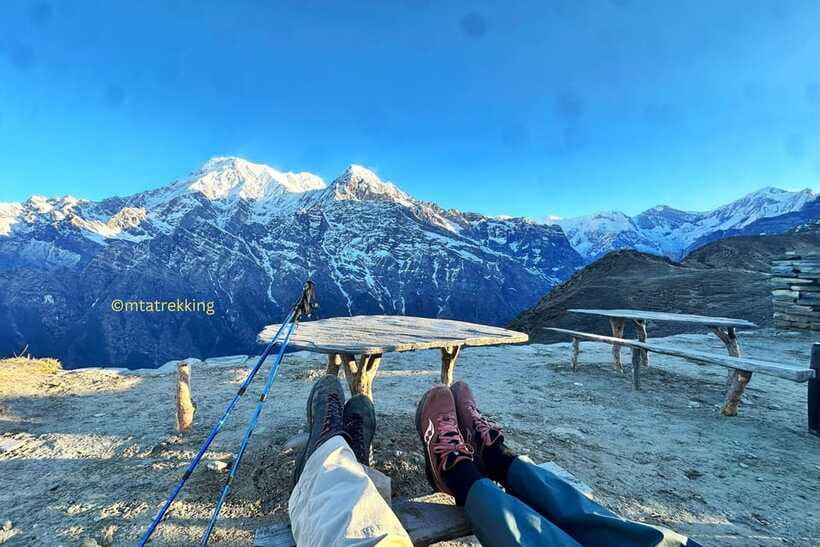
The $139 price is strong value if you use the included services. It covers pickup and drop-off in Pokhara, a licensed English-speaking guide, permits, TIMS fees, government taxes, transport during the trek, accommodation, and staff expenses.
Trekking poles, sleeping bags, luggage storage, and required paperwork add real value. A private group also gives you more control over pace and breaks than a large group departure.
The important catch is food. Meals are included only with the Full Package. The Standard Package excludes breakfast, lunch, and dinner, so a lower advertised price can lead to extra spending on the trail.
Soft drinks, alcoholic drinks, boiled water, toiletries, laundry, phone calls, insurance, rescue costs, and personal purchases are also extra. Porter service costs $20 per day. Carry enough cash, particularly for mountain food, drinks, and small personal needs.
Solo hikers should also ask about rooms. Private accommodation is listed, but during peak periods a solo person may need to share because tea houses have limited space.
Guide Quality and Group Style
This is a private-group trek with English and Hindi-speaking guides. That format is useful on a short itinerary because your guide can adjust the walking speed, rest stops, and food timing to your condition.
The strongest pattern in the feedback is personal care. Kaji is praised for being cheerful and protective, Ramit for cultural stories and photos, Prabit for calm organization, and Lalit for careful health checks. Santosh, Shishir, Jeevan, Gobinda, Ricky, and other staff are also named positively for support and good communication.
No guide can control the weather or remove the physical effort. Still, good pacing matters greatly on a fast altitude trek. Before leaving Pokhara, ask your guide to confirm:
- The exact High Camp elevation
- The planned overnight stops
- Meal coverage under your package
- The Base Camp decision process
- Emergency procedures for altitude sickness
- How much cash you should carry
The transport also receives especially strong marks, with 98 percent of ratings giving it a perfect score. Clean, comfortable pickup and a direct return jeep make the logistics easier.
Should You Book the Four-Day Mardi Himal Trek?
Book it if you want a compact Himalayan trek from Pokhara, enjoy steep mountain walking, and care more about high views and local tea houses than polished accommodation. It suits fit beginners, couples, solo hikers who want guide support, and anyone with limited time.
Choose a longer itinerary if you prefer short walking days or want more time to adjust to altitude. Four days is efficient, but it leaves little room for bad weather, slow acclimatization, or a relaxed village experience.
The best plan is to go in spring or autumn, select the Full Package if you want meals included, carry warm gear and cash, and accept that Base Camp is optional. At $139, the trip offers good value because permits, transport, guiding, gear, and staff costs are covered. Just read the package details carefully before paying.
FAQ
How long is the Mardi Himal Trek from Pokhara?
The trek lasts four days. It includes transport from Pokhara to Kande at the start and a jeep or SUV ride back to Pokhara at the end.
What is the highest point on the trek?
The Mardi Himal Viewpoint is listed at approximately 4,200 to 4,300 meters. Mardi Himal Base Camp is around 4,500 meters and is optional.
Is Mardi Himal Base Camp always included?
No. The Base Camp section depends on weather and snow conditions. In winter and monsoon periods, the trail beyond the viewpoint may be steep, slippery, and unsafe.
Are meals included in the $139 price?
Meals are included only with the Full Package. The Standard Package does not include breakfast, lunch, or dinner.
Is accommodation included?
Tea-house or standard accommodation is included. Private rooms may not always be available for solo hikers during busy periods, so room sharing may be required.
What languages do the guides speak?
Live guides are available in English and Hindi.
Is the trek suitable for beginners?
It can suit beginners who have a reasonable level of fitness, but the route includes many steep steps and rapid altitude gain. It is not suitable for people with altitude sickness, pregnant women, or people over 70.
Can I cancel the booking?
You can cancel up to 24 hours in advance for a full refund. The activity also offers reserve-now, pay-later booking.
More 4-Day Experiences in Pokhara
- 4-Day Private Poon Hill Trekking Tour
★ 5.0 · 58 reviews - Pokhara: 4-Day Private Trek Tour
★ 4.9 · 43 reviews - Poon Hill Trek from Pokhara 4 Days
★ 5.0 · 27 reviews - 4 Days Poon Hill Trek from Pokhara
★ 5.0 · 26 reviews
Just added around Pokhara
- Seti George and Thrilling Suspension Bridge Tour at Pokhara★ 4.5 · 3 reviews
- Tandem Paragliding in Pokhara★ 4.8 · 8 reviews
- Pokhara: Sunrise Tour to Sarangkot★ 5.0 · 3 reviews
- Pokhara: Suspension Bridge Private Tour- 30 Min Village Walk★ 4.8 · 9 reviews
- Pokhara: Visit Best Seven Tourist Destination by Sharing Bus★ 3.4 · 10 reviews
- Pokhara Sightseeing By Bus: Day Trip★ 4.6 · 7 reviews
- Pokhara Sightseeing By Bus – Day Trip★ 3.2 · 8 reviews
- Pokhara: Sarangkot Sunrise & Panoramic Annapurna View Tour★ 4.8 · 10 reviews
Mardi Himal Treks, compared.

Browse the lists this tour appears in