
Reviewed · GHOREPANI POON HILL TREKS
From Pokhara: 3-Day Ghorepani Poon Hill Trek with Guide
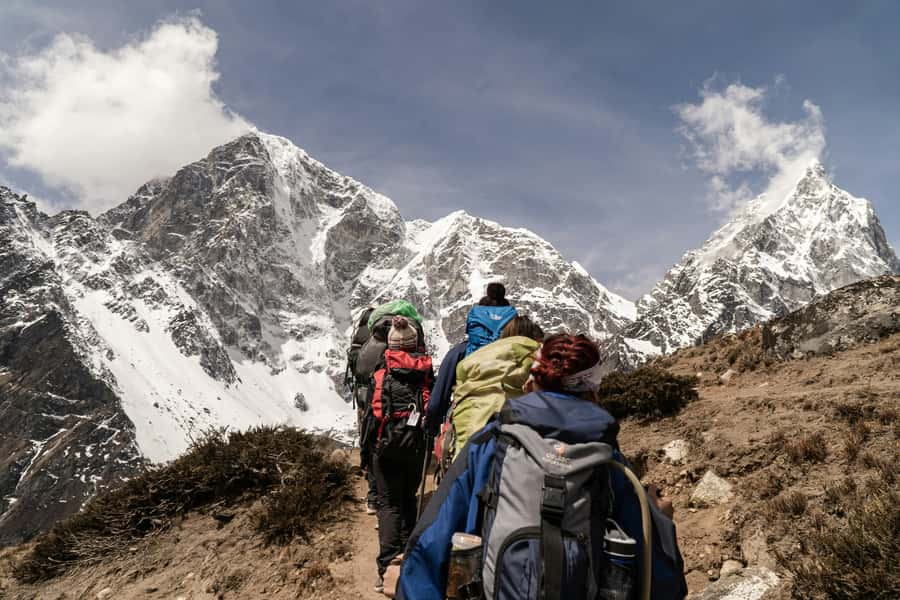
Poon Hill earns its fame before breakfast. You rise in the dark, climb for about an hour or two from Ghorepani, and watch the first light reach the Annapurna and Dhaulagiri ranges. I like that this trek packs a real Himalayan payoff into three days, with no need to commit to a long expedition.
I also like the private format and the practical support: transport from Pokhara, permits, a guide, trekking poles, a duffel bag, and luggage storage are included. Guides such as Bidur, Paras, Dipak, and Sandesh have been especially good at adjusting the pace and helping first-time hikers. The catch is simple: this is short, but it is not effortless. Expect many stone stairs and roughly 2,000 meters of ascent across the first two days.
Key points to know before you book
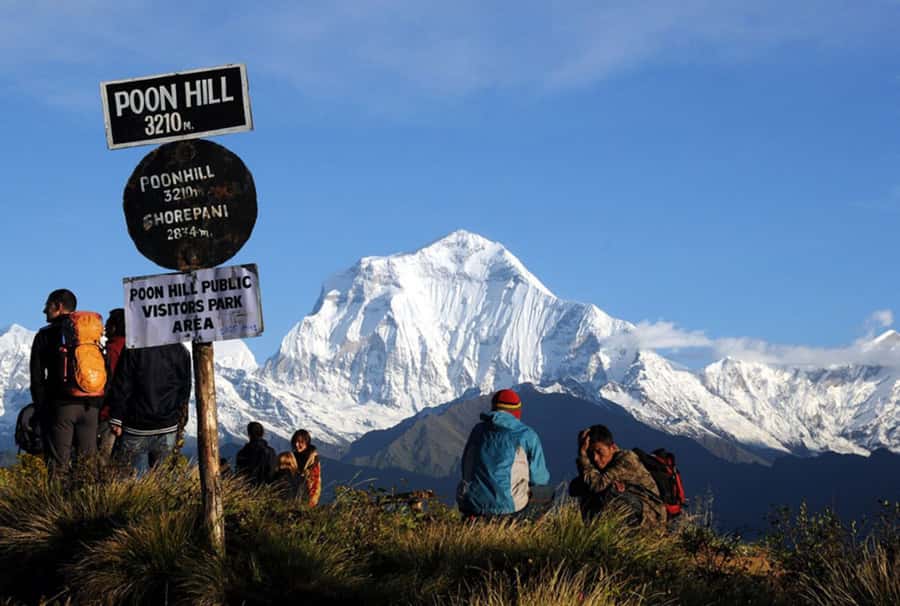
- Poon Hill sunrise: The early climb rewards you with wide views of Annapurna and Dhaulagiri.
- A real workout: The route is often called easy by Nepal standards, but the stairs can test beginners.
- Private guiding: You can walk at your own pace instead of being tied to a large group.
- Village and forest scenery: The route passes through Ulleri, Tikhedhunga, and other mountain communities.
- Useful inclusions: Permits, transport, standard lodging, a guide, trekking poles, and luggage storage are covered.
- Meal choice matters: The standard option lets you buy meals as you go, while the premium option adds meals and a porter.
Why this short trek works so well from Pokhara
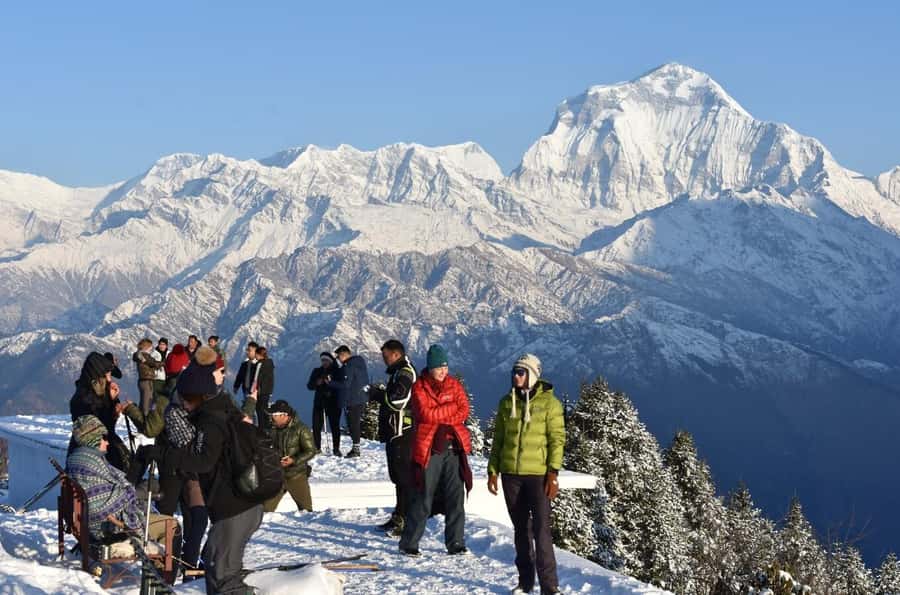
The Ghorepani Poon Hill trek is one of Nepal’s best short introductions to mountain trekking. You get forest trails, stone steps, tea houses, village life, and serious mountain views without spending a week or more on the trail.
That makes the route a good match for you if Pokhara is only one stop on a larger Nepal trip. Three days is enough to feel that you have left the city behind, but short enough to fit around other plans. You sleep two nights in mountain lodging, rather than returning to Pokhara each evening.
The private group format is another strong point. Your guide can slow down for photos, give you a longer break, or keep things moving when you feel fresh. This matters on a stair-heavy route. Several guides used for this experience, including Bidur, Paras, Santosh, and Sandesh, have been praised for keeping the pace comfortable and giving encouragement when the climb gets tough.
The route is also culturally rewarding. You pass through communities associated with Gurung culture, and the guide can help explain the villages, mountains, and local customs along the way. The experience is not only about reaching a viewpoint. It is about seeing how the trail links settlements, tea houses, forests, and high mountain ridges.
More Ghorepani Poon Hill Treks in Pokhara
- Poon hill Trek 3 days
★ 5.0 · 176 reviews - Pokhara: 4-Day Ghorepani, Poonhill & Ghandruk Mountain Trek
★ 5.0 · 132 reviews - Ghorepani – Poon Hill Trek 3N-4D
★ 5.0 · 125 reviews
Day 1: Pokhara to Nayapul, then the long climb to Ulleri
Your day begins with hotel pickup in Pokhara and a drive to Nayapul. The journey takes about one to two hours, depending on road conditions and the exact pickup point.
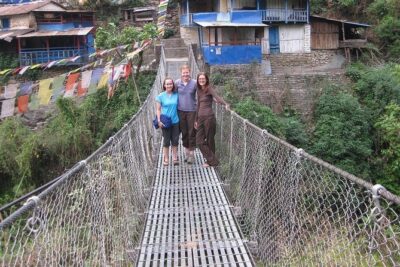
Nayapul is the trailhead for the walking portion. From here, the route leads toward Tikhedhunga, usually taking three to four hours. This first section gives you time to settle into your boots and find a walking rhythm. The scenery shifts from the Pokhara area to a more rural setting, with village paths, forest, and mountain terrain.
The trail then continues uphill to Ulleri for another two to three hours. This is where the route becomes more demanding. Ulleri is famous for its long run of stone steps, and you should not treat the first day as a gentle warm-up. You are gaining a lot of height early in the trip.
I suggest taking the guide’s advice about pace seriously. Beginners often make the mistake of walking quickly at the start, then struggling later. A slower pace, regular water breaks, and a light daypack will make the climb much more pleasant.
Ulleri is your first overnight stop. The included accommodation is described as private standard lodging, which means you should expect a simple mountain stay rather than a city hotel. Tea house rooms are practical and comfortable enough for a trek, but this is not a luxury tour.
The biggest positive on Day 1 is the variety. You move from a road journey to a walking trail, then into a mountain village by evening. The main drawback is the amount of climbing packed into a single day. If you are new to hiking, your legs will know about Ulleri.
Day 2: Ulleri to Ghorepani through forest and mountain villages
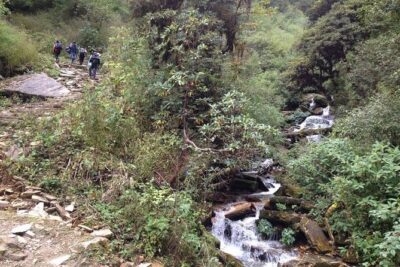
Day 2 takes you from Ulleri to Ghorepani, with about five to six hours of trekking. This is the route’s most scenic full walking day, and the forest sections provide welcome shade and a change from the exposed steps.
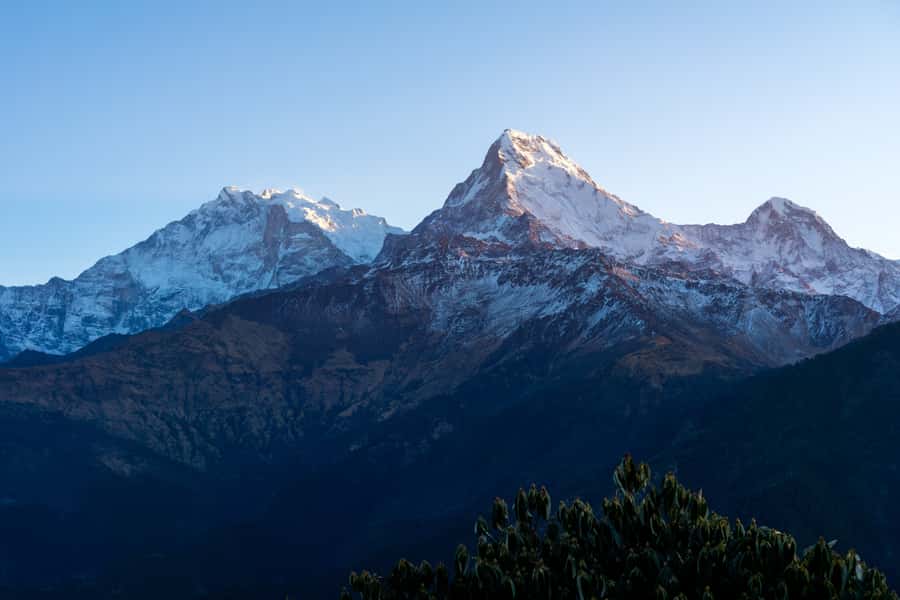
You pass through lush woodland and mountain settlements, with glimpses of the Annapurna and Dhaulagiri ranges when the trees and weather allow. The route feels more remote as you climb, though you still find places for refreshments along the way.
The tea houses selected by the guide are an important part of the experience. You can stop for drinks, food, and rest instead of treating the trail as a race. Guides have also helped with accommodation arrangements and with choosing places that suit the group’s pace.
Ghorepani is the base for the sunrise walk. The timing makes this overnight stop practical, since you do not need to start the climb from a lower village in the middle of the night. It also lets you finish most of the uphill work before the final viewpoint push.
The standard option does not include meals, so you pay for food during the trek. That gives you flexibility, but you should budget for it. If you choose the premium option, meals are included and a porter is provided. A porter can also be arranged with the standard option for $15 per day.
Accommodation feedback has generally been positive for a basic mountain trek. Tea houses may have private rooms and facilities such as a toilet and shower, though you should keep expectations modest. Conditions are functional, not polished.
Poon Hill at sunrise: the reason to accept the early alarm
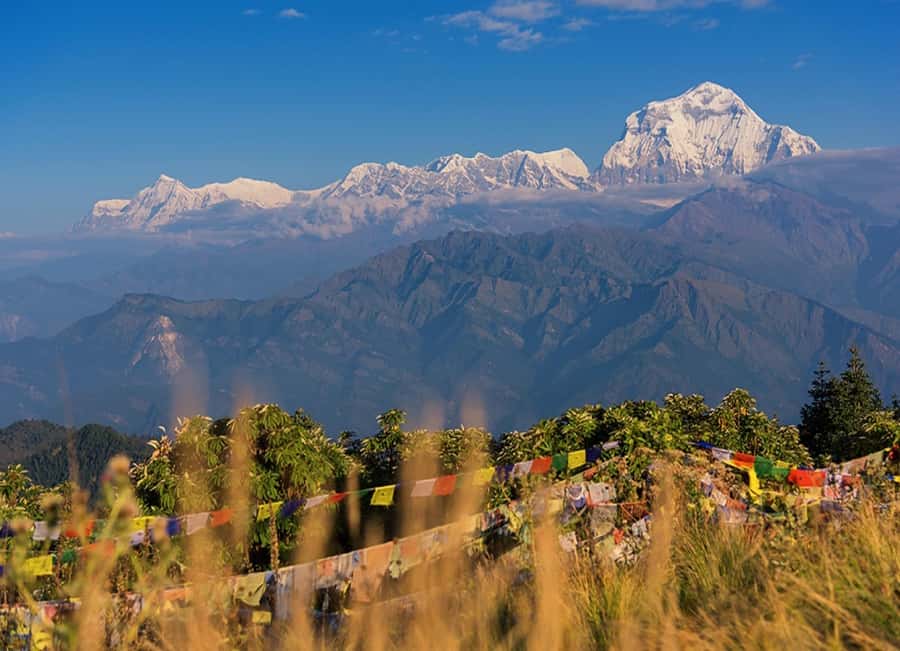
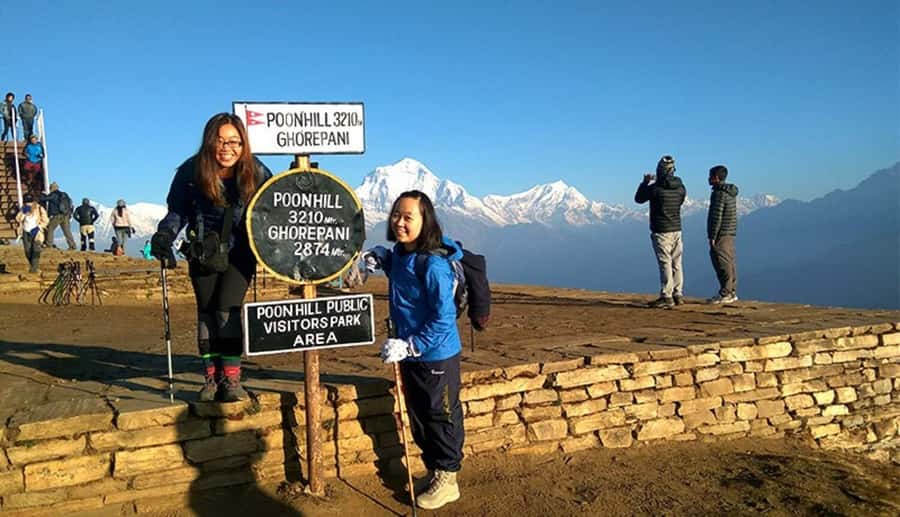
The alarm comes early on Day 3. From Ghorepani, you hike for roughly one to two hours to Poon Hill before sunrise.
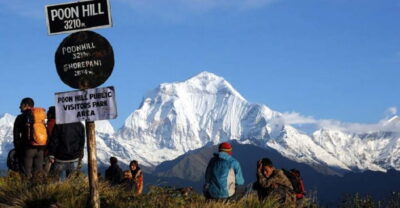
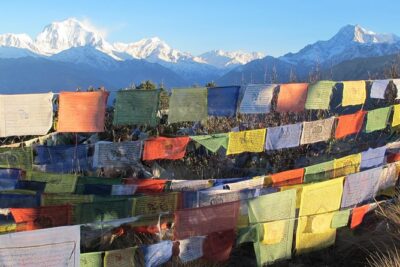
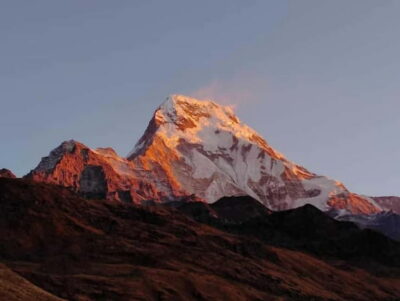
This is the emotional high point of the trek. From the viewpoint, you can see the morning light spread across the Annapurna and Dhaulagiri ranges. The reward is not one single peak, but the broad sweep of Himalayan ridges appearing as the sky brightens.
The climb is short on paper, but the darkness and cold can make it feel longer. Wear warm clothing and bring a reliable light if you have one. Warm layers are specifically recommended, and you will be glad to have them while standing still at the viewpoint.
The guide is especially useful here. It is easy to lose the sense of time when you are tired, cold, and walking before breakfast. A good guide keeps the group together, helps with the route, and makes sure the pace remains sensible. Several guides, including Dipak, Paras, and Bidur, have been praised for taking photos, encouraging hikers, and explaining the mountains and local area.
Clouds are always a possibility in the mountains. You should book this for the whole experience, not only for a guaranteed sunrise. Even when the view is limited, the early walk and changing light can still be memorable, but clear conditions make Poon Hill far more rewarding.
After spending time at the viewpoint, you return to Ghorepani for breakfast. This return walk is a useful chance to appreciate the trail in daylight. You then continue downhill toward Nayapul, usually for four to five hours, before driving back to Pokhara in about one to two hours.
The downhill section sounds easier than the climb, but it can be hard on knees and feet. Stone steps are tiring in both directions. Trekking poles are included, and I recommend using them, especially on the descent.
Same mountains, a completely different kind of day:
- ZipFlyer Nepal – The World’s Steepest Zip-line
★ 5.0 · 608 reviews - Bungee Pokhara by HighGround Adventures
★ 5.0 · 366 reviews - From Pokhara: Sarangkot Sunrise Himalayas Tour
★ 4.7 · 218 reviews - ATV Adventure Tour in Pokhara, Nepal
★ 5.0 · 194 reviews
What the scenery and villages add to the trip
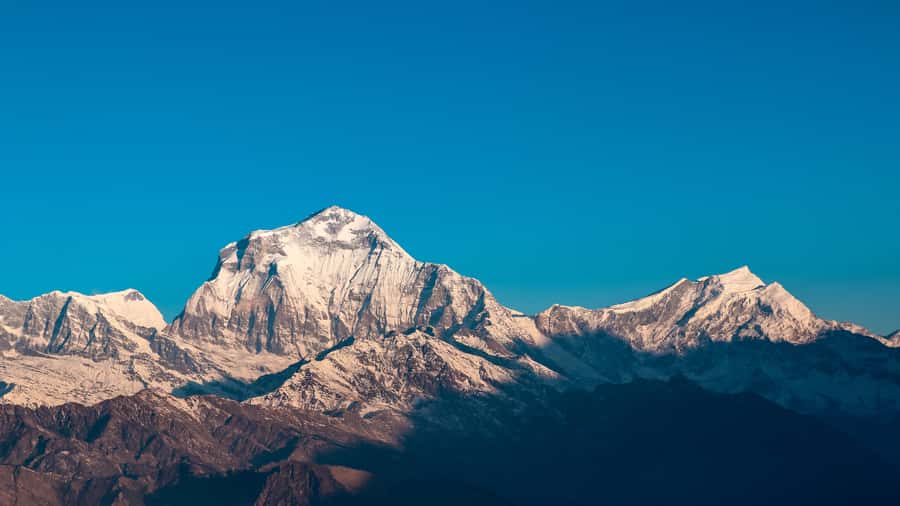
Poon Hill is the headline, but the route would feel thin without the walking days around it. The forest trails give the trek a steady rhythm, while the villages provide a clear sense of place.
You pass through mountain communities rather than simply walking between viewpoints. That means the experience includes local hospitality, tea houses, footpaths, and daily village life. Gurung culture is an important part of the region, and your English-speaking guide can add context as you go.
The route also changes visually from day to day. Day 1 begins with road access and lower villages, then climbs through stepped terrain. Day 2 brings more forest and wider mountain glimpses. Day 3 shifts the focus to sunrise, followed by a long descent through scenery you may notice differently in daylight.
This mix makes the trek feel fuller than its three-day length suggests. You are not spending all your time staring at distant peaks. You are walking through the places that connect those peaks to ordinary life.
How difficult is the Ghorepani Poon Hill trek?
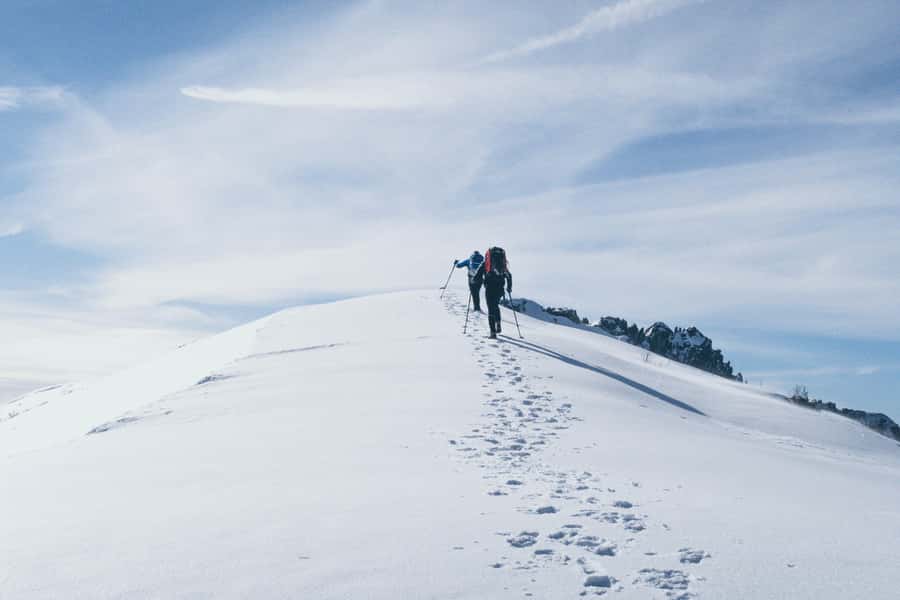
The trek is suitable for beginners and experienced hikers, but suitable does not mean easy. You need enough fitness for three consecutive days of walking, including long uphill and downhill sections.
The first two days contain the largest gain in height, with roughly 2,000 meters of ascent mentioned by one participant. The stairs are the main challenge. If you rarely hike, prepare by walking hills or using stairs before arriving in Nepal.
Your guide can adapt the pace. That is a major advantage over a fixed group departure. Guides such as Sandesh and Santosh have been praised for allowing extra breaks and keeping people moving without pressure. The phrase bistarai jam, meaning go slowly, fits this trek well.
Your footwear matters. Bring proper hiking shoes with good grip, not casual sneakers. Keep warm clothing accessible for Poon Hill, and carry only what you need on the trail. The included duffel bag and luggage storage in Pokhara can help you leave nonessential belongings behind.
You should also tell the operator about your fitness level and preferences before starting. One detailed account suggests confirming transport and descent arrangements in advance, particularly if a vehicle option is involved after the walking section. Clear communication prevents confusion at the end of a tiring day.
What you receive for $162
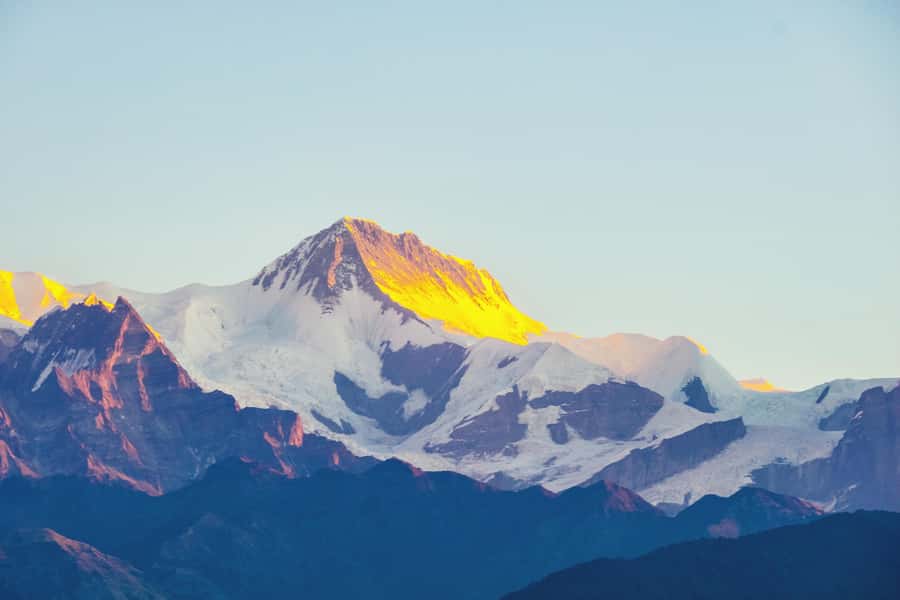
At $162 per person, the price offers solid value if you use the included services. You receive hotel pickup and drop-off, round-trip transportation, private standard accommodation, an English-speaking trekking guide, permits, a first aid kit, a duffel bag, trekking poles, and luggage storage in Pokhara.
The Annapurna Conservation Area permit and other required trekking permits are included. That saves you from handling the paperwork yourself and gives the trek a more organized start.
The price does not include personal expenses. On the standard option, meals are purchased during the trek, so you need extra money for food and drinks. A porter is not included in the standard option, but you can add one for $15 per day. The premium option includes meals and a porter, so compare the two prices based on how much luggage you plan to carry and how much planning you want to do yourself.
The private group setup adds value for couples, families, and solo hikers who want flexibility. You are paying not only for transport and accommodation, but also for a guide who handles permits, route decisions, lodging coordination, and the practical details of mountain walking.
It is not the right price if you expect upscale rooms, private vehicle luxury, or every meal and service to be covered automatically. It is a fair short-trek package, provided you understand what standard lodging and meal arrangements mean.
Guides, porters, and the human side of the trek
The guide can make or break a short trek. You spend much of each day walking, so a patient and attentive person matters more than a polished sales pitch.
The guides connected with this experience include Bidur, Dipak, Ram Tamang, Paras, Santosh, Ramit, Sandesh, Milan, and Pujan Thapa. The strongest pattern is their attention to walking pace, safety, encouragement, and practical help. Bidur, in particular, has been praised for helping mixed-ability groups, explaining the area, and keeping the mood light.
A porter is worth considering if you want to walk with a small daypack. The premium package includes one, while the standard package allows you to hire one for $15 per day. Carrying less can make the stairs easier, especially on the first two days.
The private group arrangement also helps solo hikers. You still have a local companion who can assist with directions, accommodation, and the early Poon Hill start. You should confirm the details of your guide and any porter before departure if those personal arrangements matter to you.
Practical preparation for three days on the trail
Bring your passport or ID card, warm clothing, and hiking shoes. Those are the listed essentials, but I would also keep your water, phone, snacks, and extra layer easy to reach.
Pack for changeable conditions. Poon Hill before sunrise can be cold, while the lower sections may feel warmer during the day. A small daypack with layers is more useful than carrying your entire suitcase.
You can store luggage in Pokhara, which is helpful if you are staying in the city before and after the trek. Use the provided duffel bag for the belongings you need on the route.
The standard package lets you buy meals along the way. This gives you choice, but remember that food stops take time and your total cost will rise beyond the advertised price. If you want a simpler budget, select the premium option and compare the added cost with the price of meals and a porter.
Cancellation is flexible: you can cancel up to 24 hours before the activity for a full refund. You can also reserve now and pay later, which helps if your Pokhara plans are still shifting. Pickup is optional, and if you select it, wait in your hotel lobby.
Should you book this Poon Hill trek?
I would book this trek if you have limited time in Nepal and want a genuine mountain route rather than a quick viewpoint visit. The sunrise at Poon Hill is a strong payoff, and the forests, villages, and Gurung communities give the trip substance.
I would also recommend it to first-time trekkers who are ready for stairs and willing to walk at a steady pace. A private guide can make the challenge manageable, especially if you choose someone such as Bidur, Paras, Dipak, or Sandesh and explain your fitness level in advance.
I would hesitate only if you want an easy holiday, dislike early mornings, or expect hotel-level comfort in the mountains. This is a short trek, not a soft one. For $162, with permits, transport, standard lodging, equipment support, and a private English-speaking guide included, it is a practical way to see the Annapurna region in three days.
FAQ
How long is the Ghorepani Poon Hill trek?
The experience lasts three days and includes two nights in mountain accommodation.
Where does the trek start?
The tour begins with pickup in Pokhara and a drive to Nayapul, where the walking section starts.
How long is the drive from Pokhara to Nayapul?
The drive takes about one to two hours.
How long do you trek on the first day?
You trek from Nayapul to Tikhedhunga for about three to four hours, then continue to Ulleri for another two to three hours.
How long is the walk from Ulleri to Ghorepani?
The second day takes about five to six hours of trekking.
How long is the hike to Poon Hill?
The early morning walk from Ghorepani to Poon Hill takes about one to two hours.
Is a guide included?
Yes. The tour includes an English-speaking trekking guide, and the group is private.
Are meals included?
Meals are included only if you select the premium option. On the standard option, you purchase meals during the trek.
Is a porter included?
A porter is included with the premium option. With the standard option, you can purchase porter service for $15 per day.
What should you bring?
Bring your passport or ID card, warm clothing, and hiking shoes. Trekking poles and a duffel bag are included.
Are permits included in the price?
Yes. The Annapurna Conservation Area permit and all required trekking permits are included.
Can you store luggage in Pokhara?
Yes. Luggage storage facilities in Pokhara are included.
More 3-Day Experiences in Pokhara
- Pokhara: 3-Day Ghorephani and Poon Hill Private Trek
★ 5.0 · 58 reviews - 3-Day Poon Hill Trek from Pokhara.
★ 5.0 · 45 reviews - From Kathmandu/Pokhara: Private 3-Day Chitwan Safari Tour
★ 4.7 · 34 reviews - From Pokhara: Budget 2 Night 3 days Poon hill trek
★ 5.0 · 20 reviews
More Hiking & Trekking in Pokhara
- Trekking in Annapurna/Langtang/Everest/Upper Mustang regions
★ 5.0 · 161 reviews - Pokhara: Annapurna Foothills Day Hike with Transfers
★ 5.0 · 100 reviews - Kathmandu/Pokhara: 5-Day Annapurna Base Camp (ABC) Trek
★ 4.9 · 72 reviews - Pokhara: 4-Day Mardi Himal Trek
★ 4.9 · 59 reviews
Just added around Pokhara
- Seti George and Thrilling Suspension Bridge Tour at Pokhara★ 4.5 · 3 reviews
- Tandem Paragliding in Pokhara★ 4.8 · 8 reviews
- Pokhara: Sunrise Tour to Sarangkot★ 5.0 · 3 reviews
- Pokhara: Suspension Bridge Private Tour- 30 Min Village Walk★ 4.8 · 9 reviews
- Pokhara: Visit Best Seven Tourist Destination by Sharing Bus★ 3.4 · 10 reviews
- Pokhara Sightseeing By Bus: Day Trip★ 4.6 · 7 reviews
- Pokhara Sightseeing By Bus – Day Trip★ 3.2 · 8 reviews
- Pokhara: Sarangkot Sunrise & Panoramic Annapurna View Tour★ 4.8 · 10 reviews
Ghorepani Poon Hill Treks, compared.
4-Day Ghorepani, Poonhill & Ghandruk Mountain Trek
Read our review →
Browse the lists this tour appears in