
Reviewed · MARDI HIMAL TREKS
Mardi Himal Trek
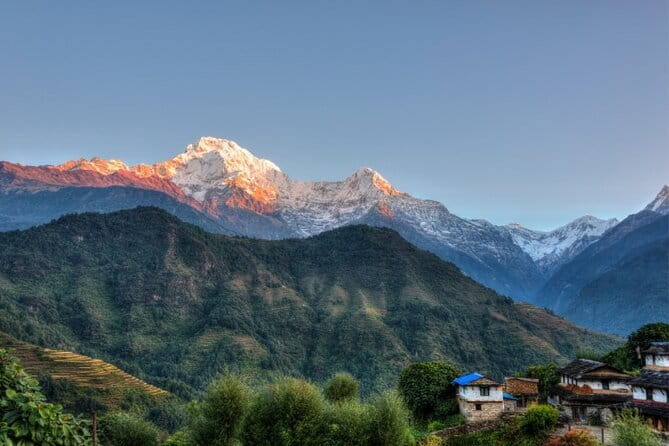
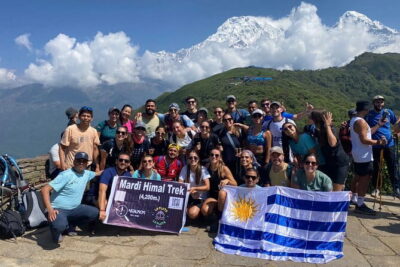
The great prize here is Mardi Base Camp at roughly 4,500 meters, where the trail opens to sweeping views of the Annapurna Massif, Machhapuchhre, and Mardi Himal. You also get a fine mix of forest paths, small mountain villages, tea gardens, and high ridges without signing up for one of Nepal’s longest or hardest treks.
I like the sensible support system: domestic flights, permits, a licensed guide, porter, sleeping bag, down jacket, and mountain lodging are arranged for you. I also like the private format, which gives your group more room to adjust its walking pace and route. Guides such as Birendra are praised for careful planning, photos, patience, and good humor.
The main caution is altitude, not distance alone. You reach more than 3,000 meters and spend a night at High Camp before the base-camp walk, so even a trail often described as beginner-friendly can feel demanding. Cold weather, basic lodges, tired knees, and changing mountain conditions are part of the deal.
Key Things to Know Before You Book
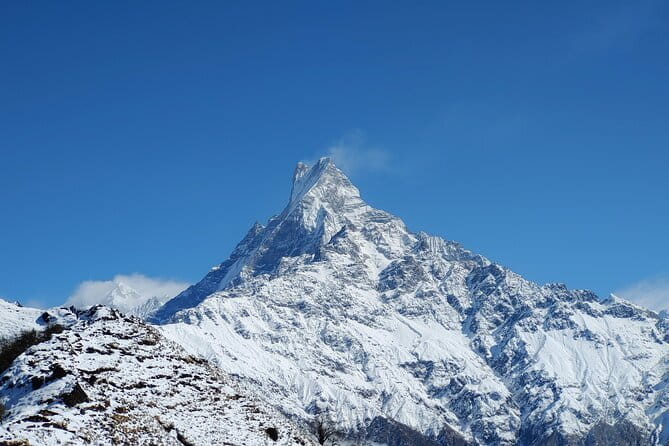
- Base Camp is the big payoff: The climb to Mardi Base Camp is the most dramatic part of the trip, with broad views of Annapurna, Machhapuchhre, and Mardi Himal.
- The route suits active beginners: The trail is considered relatively manageable, but six to seven-hour walking days and altitude still require decent fitness.
- You get a full support package: A licensed guide, porter, permits, meals during the trek, lodges, equipment, domestic flights, and transfers are included.
- Private travel means flexibility: Only your own group takes part, which can make rest stops and pace easier to manage.
- Pokhara adds a useful change of pace: After the mountains, you get a lakeside city stay, sightseeing, and time in the nearby countryside.
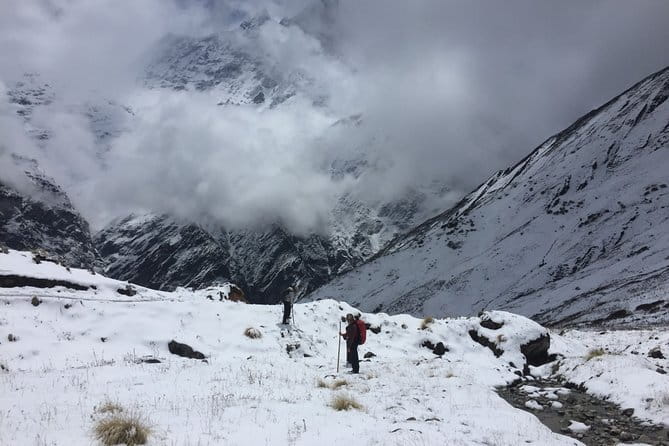
- Pack more warm clothing than you think: High Camp and the base-camp morning can be very cold, and the route has limited comforts above the villages.
Why the Mardi Himal Route Works for New Trekkers
Mardi Himal offers a good first taste of Himalayan trekking because it packs several kinds of scenery into a relatively short route. You begin near Pokhara, walk through rhododendron and pine woods, pass small settlements, and then reach open high ridges with giant peaks ahead.
The route is not flat or effortless. Most walking days run from about five to seven hours, and the path can be steep in places. Still, compared with a longer trek to Annapurna Base Camp or Everest Base Camp, this plan gives you a clearer target and a shorter time commitment.
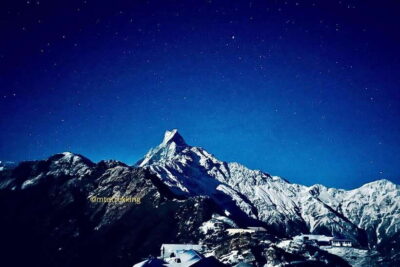
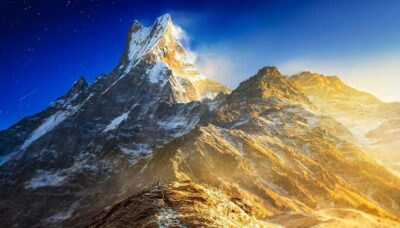
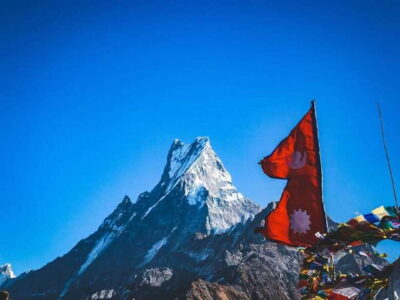
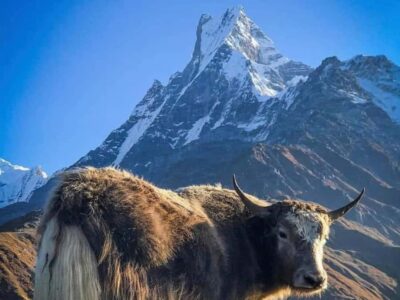
The scenery changes quickly. In spring, rhododendron woodland can bring strong color to the lower sections. Higher up, trees thin out and the views become the focus. At the Mardi viewpoint, you can see the Annapurna range, the distinctive pyramid of Machhapuchhre, and Mardi Himal itself.
I would call this a good choice for someone who hikes regularly but has not yet tackled a major Himalayan route. You should be comfortable walking for several hours on uneven ground and handling a few days where the facilities are simple.
More Mardi Himal Treks in Kathmandu:
- Mardi Himal Trek Nepal
★ 5.0 · 29 reviews - Pokhara: 4-Day Mardi Himal Trek
★ 4.9 · 59 reviews - Private Mardi Himal Trek
★ 5.0 · 42 reviews
Kathmandu to Pokhara: Two Cities Before the Trail
Day one is deliberately light. After you arrive at Kathmandu airport and receive your entry authorization, a company representative or tour leader meets you and takes you to Thamel. You have time to check into the three-star hotel and rest.
That short first day matters. International flights can leave you tired, and there is little value in rushing into sightseeing or a mountain road transfer. The tour includes your Kathmandu hotel and breakfast, but meals not specifically listed are your responsibility.
On day two, you take an early domestic flight from Kathmandu to Pokhara. The flight is included for you and your guide, which saves a long overland journey and puts you closer to the trailhead.
From Pokhara, a vehicle takes you to Kande. The first walk begins there and continues toward Deurali. The route starts gently, then gradually asks more of your legs. The day is listed at about five hours, so it is a proper walking day rather than a short warm-up.
Deurali is important because it marks the shift from easy approach walking to a more remote mountain rhythm. You can expect a mountain meal there before continuing on the next stage. Exact meal choices are not stated, but the trek package includes eight lunches, eight dinners, and ten breakfasts overall.
Forest Camp and the First High-Altitude Nights
Day three takes you from Deurali to Forest Camp, with about six hours of walking. The path begins fairly level and passes through woodland, making this one of the more sheltered sections of the trek.
Forest Camp provides a useful pause before the route rises farther above the tree line. You are still in a forest setting, but the steady climb gives you a clear sense that the trip is moving into higher country. This is where a moderate fitness level becomes important. You are not racing, but you will be walking for most of the day.
Day four continues through mixed woodland toward Low Camp and higher ground. The planned walking time is about five hours, shortened somewhat because you are now above 3,000 meters. That shorter schedule is a wise feature. At altitude, a slower day can be more useful than covering extra miles.
Lunch is planned at Low Camp. After that, the path continues toward the higher lodges. The exact overnight point can depend on conditions and the group’s pace, but the purpose of the day is clear: gain height without pushing too hard.
Drink plenty of water on these days. The tour’s own guidance stresses hydration to reduce the risk of altitude sickness. That is not a cure, of course, and you should tell your guide if you feel unwell. A private group gives the guide some room to adjust the pace, but it does not remove the need to take altitude seriously.
High Camp and the March to Mardi Base Camp
Day five is another shorter acclimatization day, listed at about five hours. You remain above 3,000 meters, so the route is designed to let your body adjust before the main climb.
This is a good point to keep your expectations realistic. At home, a five-hour walk may feel comfortable. At altitude, the same schedule can feel much harder, especially if the night is cold or your sleep is poor. Eat properly, keep drinking, and resist the urge to sprint ahead simply because the distance looks short.
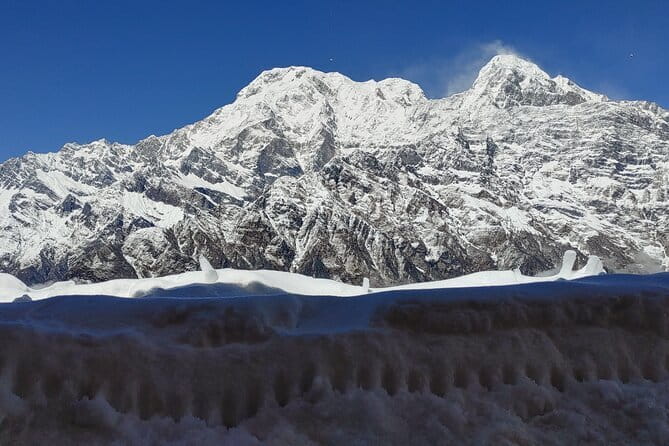
Day six is the most exciting and demanding day, with about seven hours of walking. After breakfast, you head toward Mardi Himal Base Camp. The route includes a viewpoint with wide views of the major peaks, and this is where the trek’s visual reward becomes unmistakable.
The base camp section is often the emotional high point of the trip. You reach about 4,500 meters, so the achievement comes with real effort. The mountain views are the reason to take this route, but the thin air and uneven trail mean you should not treat the final push as a casual walk.
Your guide’s role matters most here. Birendra is one guide associated with this trip and is praised for careful arrangements, warm hospitality, patience, photography, and lighthearted company. Other accounts also name guides Bikas and Dawa, so the exact guide assigned to your group may vary. Ask before departure if a particular guide is important to you.
Cold-weather clothing deserves special attention. One account specifically warns you to bring enough warm gear for the upper sections. A down jacket and sleeping bag are available on request and must be returned after the trek, but you should confirm the arrangement before setting off.
A few more Kathmandu trips to weigh up
- Everest Base Camp Trek – 14 Days
★ 5.0 · 1,499 reviews - Everest Base Camp Trekking
★ 5.0 · 485 reviews - Nagarkot Sunrise View and Day Hiking from Kathmandu
★ 5.0 · 471 reviews - Annapurna Circuit Trek with Tilicho Lake
★ 5.0 · 368 reviews
Descending Through Rhododendron to Sidding
Day seven begins with a descent to Sidding and takes about six hours. The early section passes through rhododendron and pine, bringing you back into thicker vegetation after the exposed upper ridge.
The descent can be harder on your knees than the climb was on your lungs. One guest described tired knees during the final days, a useful warning for anyone who thinks downhill walking is easy. Trekking poles are not listed among the included items, so ask the operator if they can be arranged or bring your own if you use them.
You may eat at Low Camp depending on the timing. The day gives you a welcome change in scenery, but do not expect it to feel like a rest day. Long downhill stretches can still leave you worn out.
Sidding is part of the route’s village experience. The stay is in the best available lodge, with twin-sharing accommodation. Mountain lodges are practical rather than luxurious, and WiFi, hot showers, drinks, and personal expenses cost extra when available.
Lwang and the Tea Gardens
Day eight is often the most relaxed walking day, with a mostly level route toward Lwang, also written as Lwong in the trip details. The walk takes about six hours and leads to a village with old-style ancestral houses.
This section gives you a better sense of daily life away from the higher camps. The trail is not just a staircase to a viewpoint. You pass through settled areas, see local homes, and spend time in a village where the pace is slower than in Kathmandu or Pokhara.
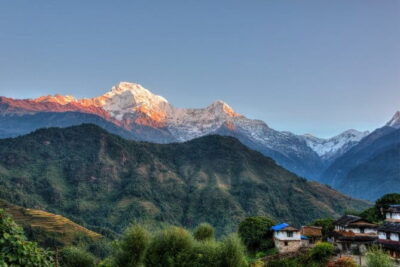
Day nine begins early with a walk through the tea gardens around Lwang. Sunrise is the reason to get up, as the first light reaches across the hills and mountain views. After returning to the guesthouse, you have breakfast before continuing down toward Pokhara.
The day is listed at about five hours. It combines one last rural walk with the practical transition back to the city. A vehicle takes you to Pokhara, where you spend another night in a three-star hotel with breakfast included.
Pokhara After the Mountains
Day ten is set aside for Pokhara sightseeing. You begin with breakfast at a well-known lakeside spot, then visit local attractions such as Davis Waterfall and Gupteswor Mahadev Cave.
This city day is a smart part of an 11-day plan. After several nights in lodges, a hotel room and a slower morning feel useful. Pokhara also gives you a different side of Nepal, with lakeside streets, city services, and access to nearby cultural and natural sights.
The sightseeing day lasts about five hours. The supplied details do not list every stop or explain which attractions carry admission fees, so you should ask for the final sightseeing schedule. The tour includes private ground transfers for sightseeing and city transfers, but meals in Pokhara are not included except where specifically stated.
Day eleven returns you to Kathmandu by domestic flight. A town guide then takes you around major city sights for about five hours. The package includes private vehicle transfers and a Kathmandu hotel, but the exact Kathmandu attractions are not listed, so confirm the final plan before booking if particular sites matter to you.
What the $1,058 Price Covers
At $1,058 per person, this is not a bare-bones trekking package. The price includes the Kathmandu to Pokhara and return flights, private ground transport, hotels in both cities, trekking permits, a licensed guide, porter service, mountain lodges, most meals during the trek, taxes, and company charges.
The porter package includes meals, accommodation, salary, and insurance for the porter. Your guide’s meals, lodging, and insurance are also covered. You receive a duffel bag, sleeping bag, and down jacket on request, which can save you from buying or carrying bulky equipment for one trek.
The value is strongest if you want a supported private trip rather than a do-it-yourself route. Paying separately for flights, permits, transfers, a guide, a porter, hotels, and mountain meals can quickly make a lower headline price less meaningful.
Still, the total cost is not all-inclusive. International flights, Nepal visa fees, travel and rescue insurance, Kathmandu and Pokhara meals, drinks, WiFi, hot showers, tips, and personal purchases are extra. The price also does not cover costs if you leave the trek early.
I would budget extra for tips and personal comforts, then check the equipment request before arrival. Also ask about the exact room setup at each lodge. Twin-sharing is the stated arrangement, and private rooms should not be assumed.
How the Private Format Changes the Trip
Only your group takes part, so this is a private activity rather than a large shared departure. That can make a real difference on a route where altitude, weather, and fitness vary from person to person.
You may have more say in walking breaks and meal timing, although the guide still needs to protect the schedule and your safety. The supplied experiences give special credit to friendly guides and caring porters, as well as help with route changes when weather or conditions interfere.
The group size is not stated, so you should ask how many people will be assigned to your departure and whether each person has a porter. One large group account had several guides and many porters, but that does not establish the size of this specific trip.
The activity allows service animals and is near public transportation. It calls for moderate physical fitness. Those details do not mean the trek is easy for every person. The highest point, long walking days, cold, and basic lodges remain the central tests.
What to Pack and What to Expect in the Lodges
Bring warm layers for the upper camps, plus comfortable walking clothes for the lower forest sections. The operator can provide a sleeping bag, down jacket, and duffel bag on request, but confirm availability and whether the loan gear meets your needs.
Carry water and small snacks for the higher sections. Food is available at the lodges, and one account particularly recommends trying pizza at High Camp. That is a cheerful reminder that lodge menus can offer more than the basic meal you may expect, though choices and prices can vary.
WiFi and hot showers are not included. They may be available at some lodges for an extra fee, but you should not plan on reliable service. Cash for drinks, showers, tips, and personal expenses is sensible, though the tour data does not specify the amount or payment options.
The best available lodges are included, with twin-sharing rooms. You should expect function over comfort. The reward is not polished hotel service. It is sleeping close to the route and starting the next day without another long transfer.
Should You Book the Mardi Himal Trek?
Book this trek if you want a supported Himalayan experience with a clear high point, strong mountain views, and a mix of forest, villages, tea gardens, and high ridges. It suits an active beginner who wants a private guide and porter rather than a fully independent trip.
The package is especially appealing if you value convenience. Flights, permits, transport, city hotels, most trek meals, and basic equipment support are bundled into one price. The named guide feedback also points to the human side of the trip, with Birendra praised for patience, photos, planning, and good humor.
Think twice if you want soft beds, dependable internet, private rooms, or very short walking days. You should also reconsider if you have no experience with sustained uphill and downhill walking or if altitude is a serious concern.
For the best match, confirm the assigned guide, the equipment loan, the lodge standards, the group size, and the precise city sightseeing plan. If those details suit you, Mardi Himal offers a focused and rewarding first Himalayan trek without requiring the length of Nepal’s biggest classic routes.
FAQ
How long does the Mardi Himal Trek take?
The full program lasts approximately 11 days. It includes Kathmandu and Pokhara stays, domestic flights, sightseeing, and the trek from Kande through Mardi Base Camp and back toward Pokhara.
What is included in the $1,058 price?
The price includes private ground transfers, Kathmandu to Pokhara and return flights, three-star hotels in Kathmandu and Pokhara with breakfast, ACAP and TIMS permits, a licensed trekking guide, porter service, mountain lodge accommodation, listed trek meals, taxes, and company charges.
Is the trek suitable for beginners?
The route is considered relatively easy compared with harder Himalayan treks and is suitable for novice hikers with moderate physical fitness. It still includes five to seven-hour walking days, altitude above 3,000 meters, and a climb to Mardi Base Camp at about 4,500 meters.
Are meals included?
Eight lunches, eight dinners, and ten breakfasts are included. Meals in Kathmandu and Pokhara are not included except where specifically stated, including the listed breakfasts and the Pokhara lakeside breakfast.
Is equipment provided for the trek?
A down jacket, sleeping bag, and duffel bag are available on request. These items must be returned after the trek, so confirm the request and collection arrangements before departure.
Can I cancel for a full refund?
Yes. You can cancel at least 24 hours before the experience start time for a full refund. Cancellations or changes made less than 24 hours before the start time are not accepted for a refund.
Just added around Kathmandu
- Private Half-Day Tour of Boudhanath and Pashupatinath Temples in Kathmandu★ 4.5 · 9 reviews
- Private Half-Day Tour of Kathmandu Durbar Square and Swayambhunath Temple★ 4.5 · 11 reviews
- Namobuddha Monastery Hiking Day Tour via Panauti from Kathmandu★ 5.0 · 15 reviews
- Private Half Day Budhanilkantha Tour★ 5.0 · 6 reviews
- Private Full-Day Kathmandu City Tour★ 5.0 · 9 reviews
- Private Day Tour in Kathmandu Valley Rim with Bhaktapur Sightseeing★ 5.0 · 3 reviews
- Private Day Tour: Patan and Bhaktapur from Kathmandu★ 4.5 · 6 reviews
- Private Day Tour – Sacred Journey to Namo Buddha★ 5.0 · 5 reviews
Mardi Himal Treks, compared.
Browse the lists this tour appears in