
Reviewed · MARDI HIMAL TREKS
From Pokhara: 5-Day Mardi Himal Base Camp Trek
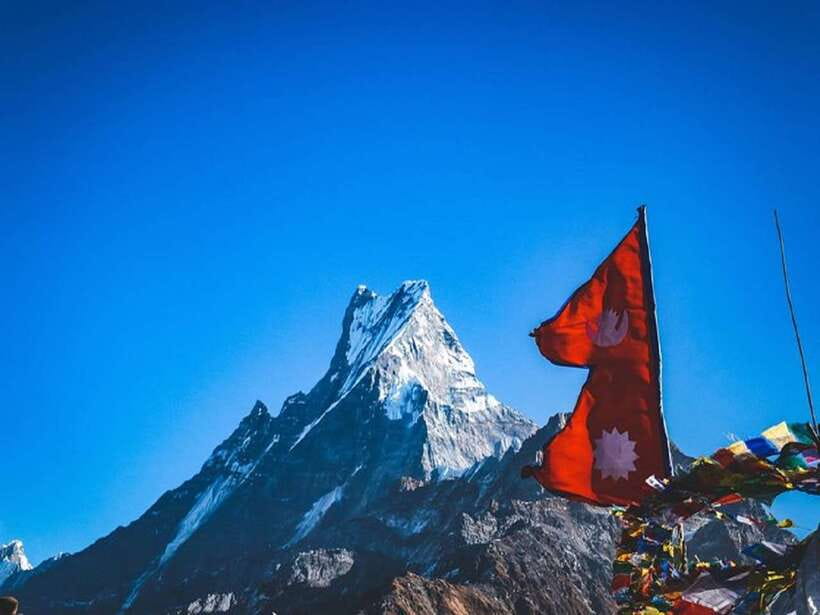
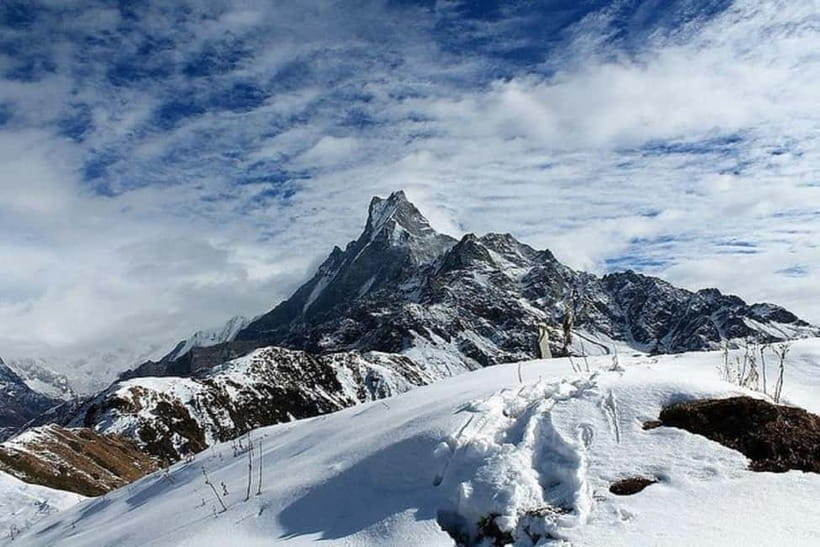
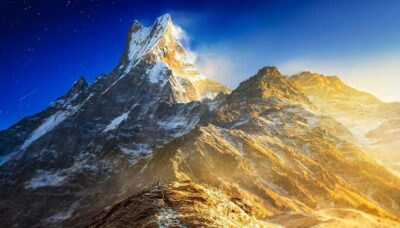
Mardi Himal Base Camp gives you a close look at Machapuchre, the famous Fishtail Mountain, without the long schedule of a major Annapurna circuit. In five days, you move from Pokhara’s lakeside streets into rhododendron woods, small mountain settlements, and high ridges with broad Himalayan views. The sunrise walk from High Camp to base camp is the main prize.
I like the private-group format, since your guide can adjust the pace and trail choices to suit your legs. I also like the practical package: transport, permits, tea-house rooms, guide costs, a first aid kit, and luggage storage in Pokhara are covered. Guides such as Santosh have been praised for being warm, fluent in English, and willing to add small local touches, including fruit for the trail or a village stop after an early finish.
The catch is that this is not a casual walk. The first two days can feel demanding, the high sections are cold, and the descent can be tough on knees. The meal arrangement also needs careful checking, since food is included only with certain options. At $181 per person, the trek can be good value, but you should know exactly what you are buying before departure.
Key points to know before you book
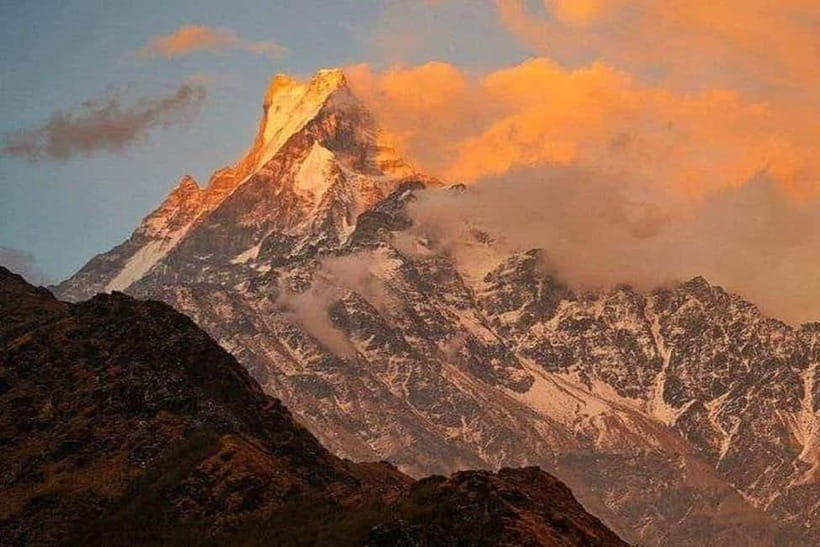
- The sunrise walk is the centerpiece: Leave High Camp for Mardi Himal Base Camp and watch light spread across the Annapurna range and Machapuchre.
- The first two days require the most effort: The route rises through Australian Camp, Pothana, and rhododendron forest before reaching Low Camp.
- You sleep in simple tea houses: Expect basic lodge accommodation rather than private mountain hotels.
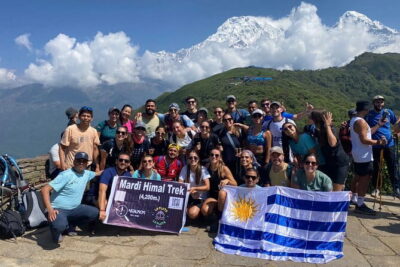
- Your private guide can shape the pace: Guides including Santosh and Sun-Bahadur Nepali have helped with slow walking speeds, trail choices, day packs, and local introductions.
- Meals may change the value: The $181 price is strongest when permits, transport, guide costs, and lodging are included, but confirm whether meals are part of your chosen option.
- A porter costs extra: You can hire one for $20 per day, useful if you want to keep your day pack light.
Why Mardi Himal works well in five days
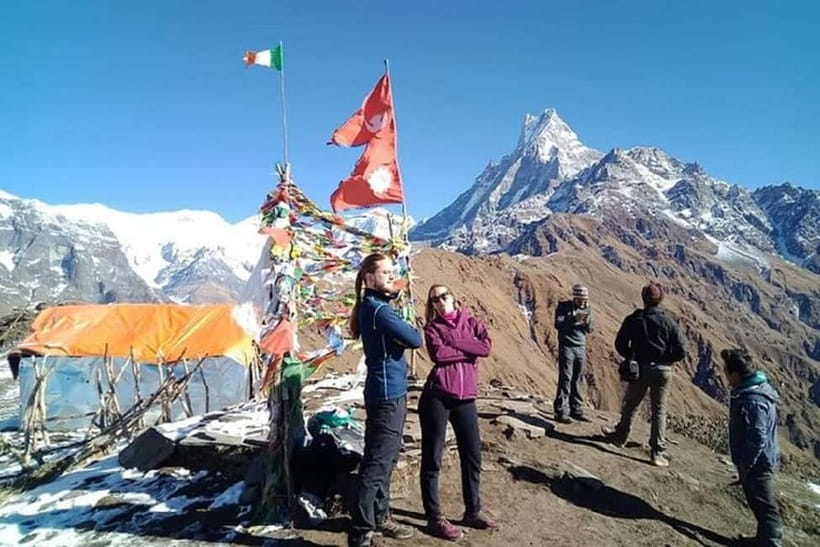
Mardi Himal is a good fit if you want a genuine Himalayan trek but have limited time in Nepal. You start near Pokhara, one of the country’s easiest bases for mountain adventures, and reach high viewpoints without committing to a two-week route.
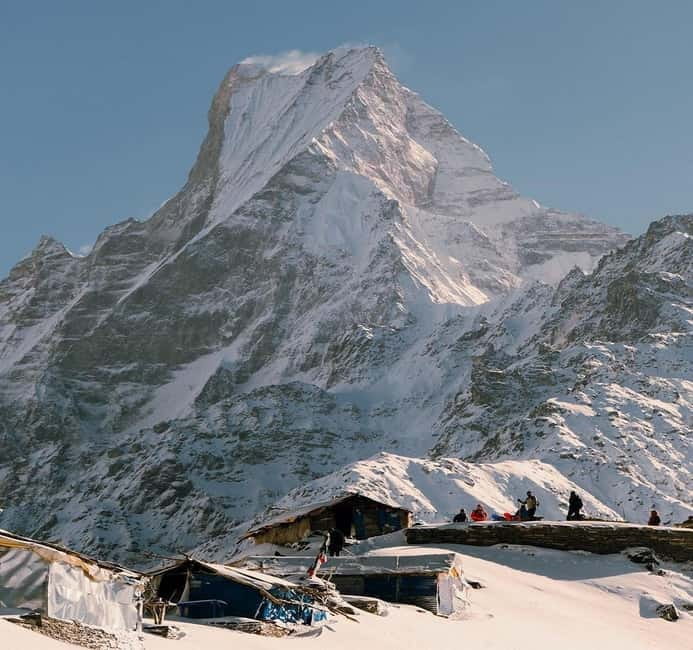
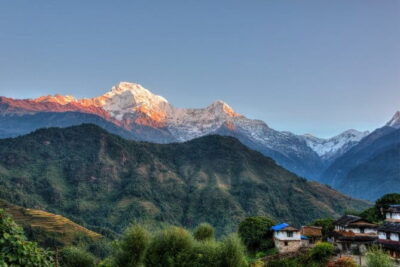
The appeal is the change in scenery. The lower trail passes through villages and rhododendron forest. Higher up, the trees thin out and the views open toward the Annapurna range, Mardi Himal, and Machapuchre. You get a sense of the mountains at close range, not just a distant view from a city lookout.
This route also gives you more quiet time than a heavily used trekking corridor might. The final settlement is High Camp, so the walk beyond it feels exposed and purposeful. The route is still physically serious, but the five-day plan breaks it into manageable stages.
I would not call it easy. Several hours of walking are scheduled most days, and the elevation gain is concentrated in the middle of the trip. The schedule allows rest after some shorter walking days, but you need reasonable fitness and good health before booking.
More Mardi Himal Treks in Pokhara:
- Pokhara: 4-Day Mardi Himal Trek
★ 4.9 · 59 reviews - Private Mardi Himal Trek
★ 5.0 · 42 reviews - From Pokhara: 4-Day Mardi Himal Base Camp Trek
★ 4.9 · 31 reviews
Day 1: Pokhara, Australian Camp, Pothana, and Pitam Deurali
Pickup is available from Pokhara Lakeside, Pokhara International Airport, or Lakeside Road 6. After breakfast, you drive to Kande and begin walking toward Australian Camp.
The opening section is attractive because it quickly leaves the city behind. You pass through forest and mountain countryside before reaching Australian Camp, a well-known viewpoint area with a calmer feel than Pokhara. Pothana follows, giving you a village stop and a chance to eat lunch among the rhododendrons.
From Pothana, the route continues to Pitam Deurali. The listed walking time is about four hours, but your exact pace will depend on stops, trail conditions, and the group’s fitness. This is one of the more tiring days because you are adjusting to sustained uphill walking.
Your overnight stay is in a simple tea house or lodge. These rooms are designed for rest, not luxury. Bring warm clothing and expect facilities to be basic. The value here comes from sleeping along the route instead of losing hours each day returning to Pokhara.
Day 2: Rhododendron forest and Low Camp
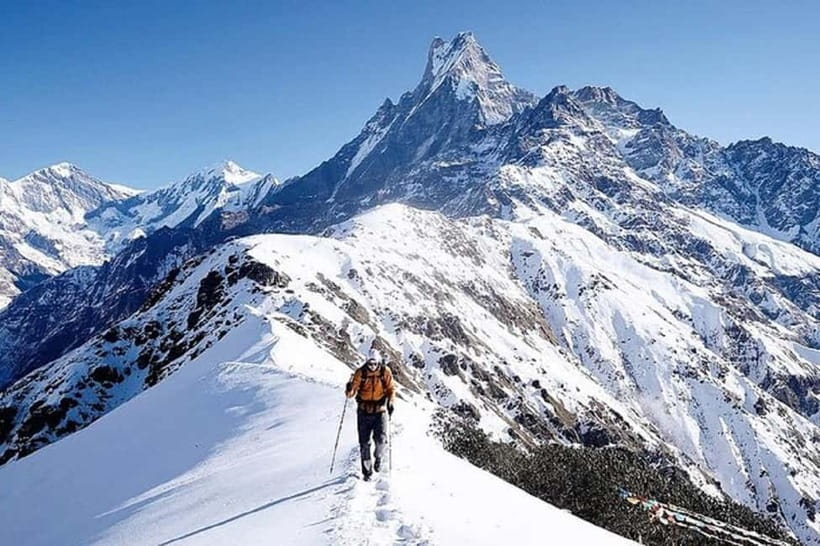
The second day takes you toward Mardi Himal Low Camp, with about six hours of hiking scheduled. This is the longest walking day in the standard plan, and it is often the point where the trek begins to feel serious.
You pass small settlements and long stretches of rhododendron forest. In season, the flowers can add color to the route, but the forest is worth enjoying even when it is not blooming. It gives shade, quiet, and a strong contrast to the open ridge above High Camp.
Lunch comes along the trail, then you continue upward to Low Camp. The pace matters here. Do not treat the scheduled six hours as a race. Short breaks help you manage the climb and save energy for the higher sections.
This is also the day when a porter may prove useful. The optional rate is $20 per day. If you carry your own luggage, keep it light and reserve your strength for the ascent. The guide is responsible for guide-related expenses and equipment, but your own heavy bag remains your problem unless you arrange porter service.
Day 3: The climb to High Camp
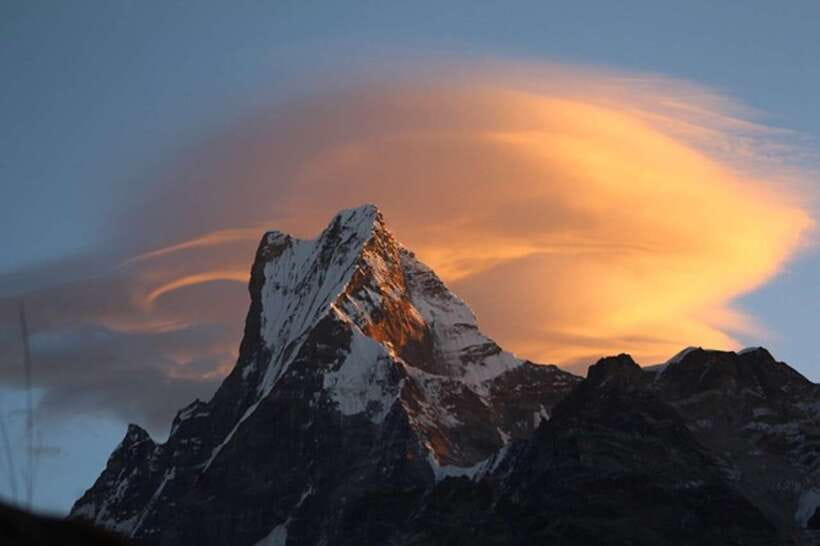
Breakfast starts the move from Low Camp to High Camp. The walking time is listed as about four hours, so this day is shorter than the previous one, but the altitude makes the effort count.
The forest begins to give way to open mountain views. You will have more chances to see the Annapurna range and Machapuchre as the trail rises. This is the part of the trek where the setting feels most remote, even though High Camp is the final settlement area on the route.
Lunch is taken along the way. Once you reach High Camp, you have time to settle in and rest. That afternoon pause is important because the next morning begins early for the walk to Mardi Himal Base Camp.
Expect colder temperatures at High Camp. Conditions can shift sharply between warm sun and cold wind, so pack layers rather than relying on one thick jacket. A hat, jacket, comfortable clothes, trekking shoes, and cash are specifically useful items for this trip.
A few more Pokhara trips to weigh up
- Poon hill Trek 3 days
★ 5.0 · 176 reviews - Trekking in Annapurna/Langtang/Everest/Upper Mustang regions
★ 5.0 · 161 reviews - Pokhara: 4-Day Ghorepani, Poonhill & Ghandruk Mountain Trek
★ 5.0 · 132 reviews - Ghorepani – Poon Hill Trek 3N-4D
★ 5.0 · 125 reviews
Day 4: Mardi Himal Base Camp and the sunrise
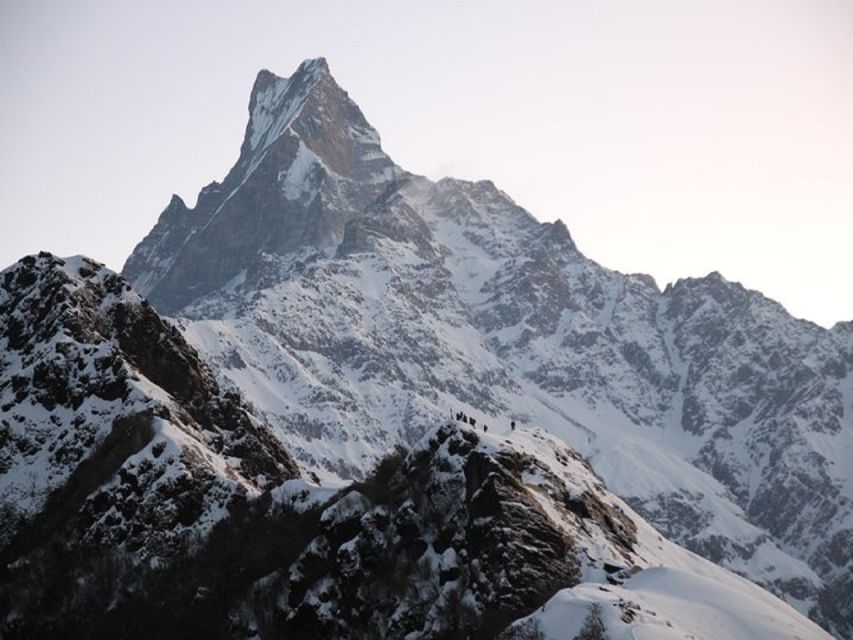
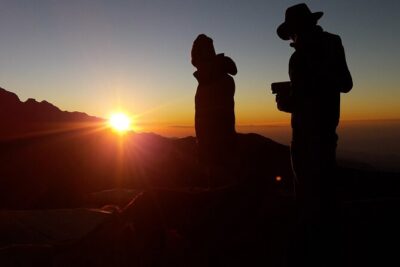
Day four is the emotional center of the trek. After breakfast, you walk toward Mardi Himal Base Camp, with about three hours of hiking listed for the route. The early start is designed to give you a chance to see sunrise over the Himalayan peaks.
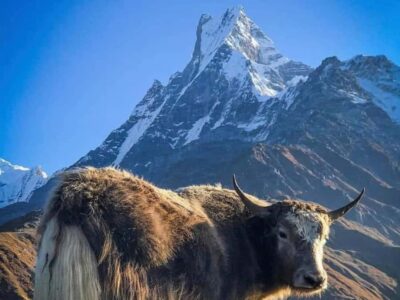
The reward is the sense of closeness to Mardi Himal and Machapuchre. Fishtail Mountain is especially striking from this region, and the high ridge gives you broad views toward the Annapurna range. Weather controls how much you see, so clear conditions make a major difference.
You are given time to enjoy the viewpoint before returning to Low Camp. This out-and-back design means you do not need to carry your overnight luggage to base camp. It also makes the day more flexible, since the group can spend time taking photos, looking across the peaks, and catching its breath before descending.
The return is not automatically easy. Downhill walking can be hard on knees, especially after an early start and several days on foot. One person completed the trek with a knee problem, but that should not be treated as a guarantee that the route will suit every joint or fitness level. Hiking poles are a sensible choice, and trekking sticks are available as part of the gear support when needed.
Day 5: Sidding, Lumre, and the ride back to Pokhara
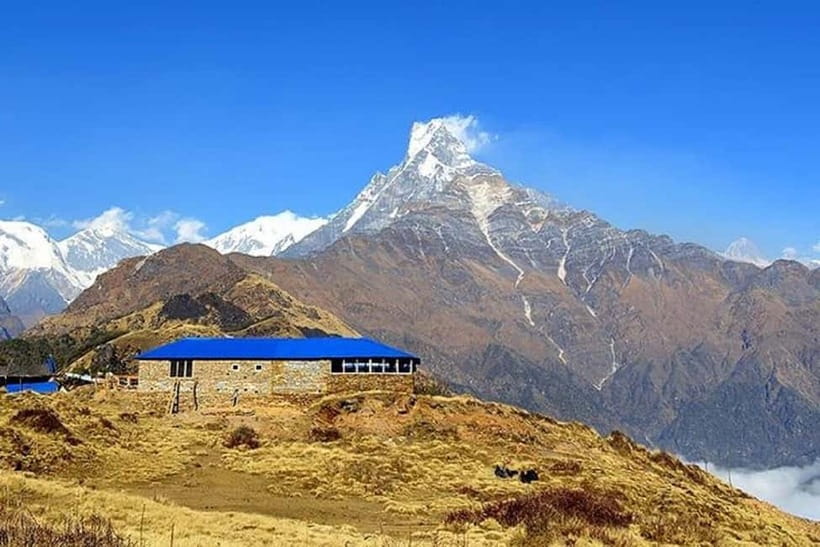
After breakfast at Low Camp, you descend toward Sidding. Lunch is planned there before the final walk to Lumre.
The route through the Lumre area and Lwang Ghalel gives you a different side of the trip. You are no longer focused only on the high peaks. The lower villages and local communities bring the trek back to daily mountain life.
The listed hiking time is about five hours, so this is still a full day on foot. At Lumre, a vehicle takes you back to Pokhara. The road near the end can be rough and bumpy, so do not expect the return transfer to feel like a smooth city ride.
You finish with a hotel drop-off in Pokhara Lakeside, at the airport, or on Lakeside Road 6. That flexibility is useful if you are flying onward or staying near the lake.
What the $181 price really covers
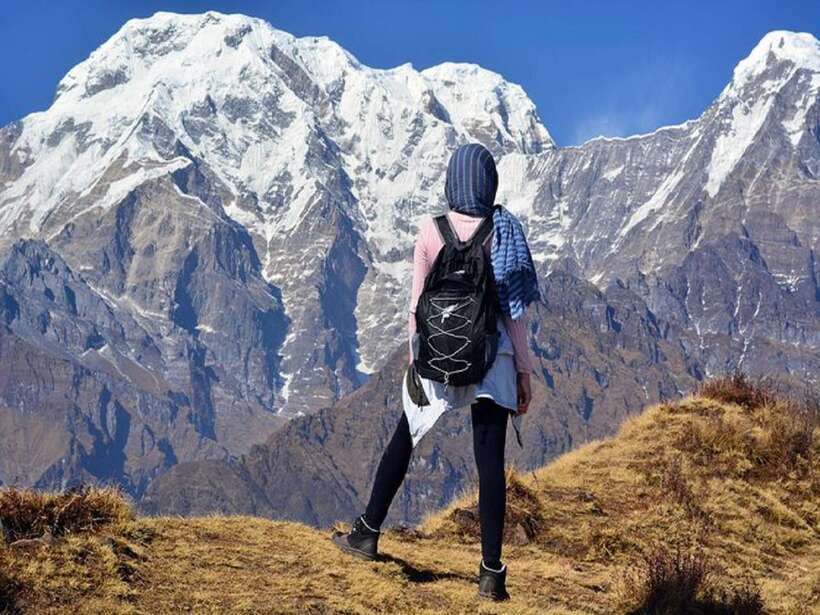
At $181 per person, this is not simply a guide-for-hire arrangement. The package includes round-trip transport between your hotel, the airport, and the trek start point, along with trekking permits, required paperwork, and TIMS fees.
It also includes simple tea-house or lodge accommodation, a professional English-speaking guide, guide insurance and expenses, government and local taxes, a first aid kit, and luggage storage in Pokhara. The guide’s meals, accommodation, salary, transportation, insurance, and equipment are also covered.
That bundle can save you from arranging several small but essential services. It is particularly useful if this is your first multi-day trek in Nepal and you do not want to handle permits or transport on your own.
The unclear point is food. The details say meals are included depending on the option selected, while another note says meals are purchased separately. Confirm this before paying. One practical calculation put self-paid meals at about £16 per day, although your own spending will depend on what you eat and how many teas or snacks you buy.
If meals are excluded, bring enough Nepalese cash. Mountain routes may not offer reliable card payment, and saving on the meal package is not useful if you run short of money. Personal expenses are not covered, and a porter is optional at $20 per day.
Guides, porters, and the value of local help
A good guide matters on a route like this. Your guide handles navigation, permits, safety, pacing, and communication, but the best guides also make the trip feel human.
Santosh is specifically associated with this trek and has helped walkers with fruit for the route, encouragement, and practical support. He also speaks fluent English, Hindi, and Nepali, which can make communication easier for an international private group.
Sun-Bahadur Nepali and his daughter Niva have also guided and carried luggage on this route. Their help has included food, backpacks, trail choices, and carrying day packs downhill. That last detail matters if you find descents harder than climbs.
A guide can also add a local moment that is not obvious from the daily schedule. After an early finish, Santosh took a group to Lwang village, where they watched a volleyball tournament and shared a barbecue with local people. That kind of unscripted stop can become one of the lasting memories of the trek, though you should view it as a possible extra rather than a promised part of the program.
Porter service is separate. Hire one if you want to keep your personal load modest, especially if you are new to multi-day walking or have knee concerns.
Fitness, weather, and what to pack
You should arrive ready for several hours of uphill and downhill walking. The trek has been described as neither easy nor extreme, but difficulty depends heavily on your prior experience, pace, and weather.
The first two days are the main physical test for many people. Days three and four have shorter listed walking times, but altitude and cold can make them feel harder. The final descent is long enough to tire your legs.
Pack comfortable trekking shoes, warm layers, a jacket, a hat, and clothes that can handle changing temperatures. Bring cash for personal purchases and meals if your option excludes them. A camera is worthwhile, especially for the sunrise and Machapuchre views.
Diamox and hiking poles were suggested by one person who completed the route, but medication decisions belong with a medical professional. The supplied information requires travel insurance and notes that emergency rescue services are available if needed.
You must also provide a passport copy at least one day before departure so the permits can be arranged. That is an easy step, but missing it could create a problem before you even reach the trail.
Who should book this Mardi Himal trek?
I would choose this trip if you want a short, guided Himalayan route with strong mountain views and a private group. It suits people who value local guides, do not want to organize permits, and prefer a fixed five-day plan from Pokhara.
It is also a good first multi-day trek for someone with a reasonable fitness base. The route has enough support to make the experience approachable, but it does not remove the effort. You still need to walk uphill for hours, sleep in basic lodges, handle cold temperatures, and manage a long descent.
You might prefer a shorter self-arranged trek if you are experienced, highly budget-conscious, and comfortable booking rooms, buying meals, arranging transport, and handling permits yourself. One person felt the route could be completed in four days, or possibly three, but the five-day schedule gives you more time to rest and enjoy the views.
Should you book it?
Book this Mardi Himal trek if the sunrise at base camp, close views of Machapuchre, and a private guide are more important to you than luxury or a perfectly clear price breakdown for meals.
The strongest reasons to go are the compact five-day schedule, the mountain scenery, the support from guides such as Santosh, and the fact that key permits and transport are handled. The main reasons to pause are the physical demands, cold high camps, simple accommodation, optional porter cost, and uncertainty about which meal option you select.
Before confirming, ask one direct question: are meals included in my exact $181 package? Then decide how much luggage you want to carry and whether you need trekking poles or a porter. If those details suit you, this is a practical way to reach a high Himalayan viewpoint without giving up the personal feel of a small private trek.
FAQ
Where does the Mardi Himal trek begin?
The tour provides pickup from Pokhara Lakeside, Pokhara International Airport, or Lakeside Road 6. The drive then continues to Kande, where the trek begins.
How long is the trek?
The experience lasts five days. Walking times listed for the stages range from about three to six hours, with the longest day being the walk toward Low Camp.
Where do you sleep during the trek?
You stay in simple tea houses or lodges along the route. Overnight stops include Pitam Deurali, Low Camp, High Camp, and Low Camp again after the base camp visit.
Is the trek private?
Yes. The activity is arranged as a private group, so you travel with your own party and guide.
Which languages can the guide speak?
Guides are available in English, Hindi, and Nepali.
Are meals included?
Meals depend on the option selected. The supplied details also state that meals may be purchased separately, so confirm the exact meal arrangement before booking.
Is a porter included?
No. A porter is optional and available for hire at $20 per day.
What documents are needed?
You must submit a copy of your passport at least one day before the trek so the required Government of Nepal permits can be arranged.
Is travel insurance required?
Yes. Travel insurance is mandatory. Emergency rescue services are available if required during the trek.
More 5-Day Experiences in Pokhara
- Kathmandu/Pokhara: 5-Day Annapurna Base Camp (ABC) Trek
★ 4.9 · 72 reviews - From Pokhara: 5-Day Annapurna Basecamp Trek with Hot Springs
★ 4.9 · 26 reviews - Pokhara: 5-Day Trek to Annapurna Base Camp and Hot Springs
★ 5.0 · 4 reviews - Pokhara: 5-Day Ghorepani and Poon Hill Private Trek
★ 5.0 · 4 reviews
Just added around Pokhara
- Seti George and Thrilling Suspension Bridge Tour at Pokhara★ 4.5 · 3 reviews
- Tandem Paragliding in Pokhara★ 4.8 · 8 reviews
- Pokhara: Sunrise Tour to Sarangkot★ 5.0 · 3 reviews
- Pokhara: Suspension Bridge Private Tour- 30 Min Village Walk★ 4.8 · 9 reviews
- Pokhara: Visit Best Seven Tourist Destination by Sharing Bus★ 3.4 · 10 reviews
- Pokhara Sightseeing By Bus: Day Trip★ 4.6 · 7 reviews
- Pokhara Sightseeing By Bus – Day Trip★ 3.2 · 8 reviews
- Pokhara: Sarangkot Sunrise & Panoramic Annapurna View Tour★ 4.8 · 10 reviews
Mardi Himal Treks, compared.
Browse the lists this tour appears in