
Reviewed · MARDI HIMAL TREKS
From Pokhara: 4-Day Mardi Himal Base Camp Trek
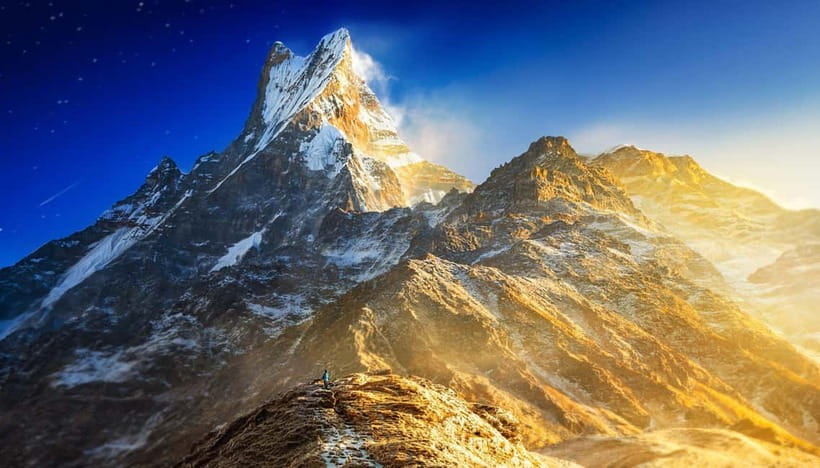
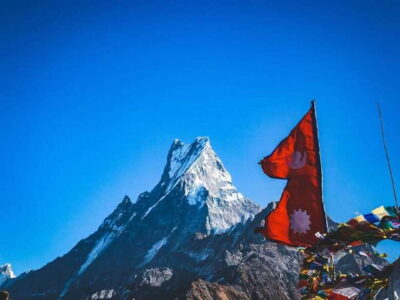
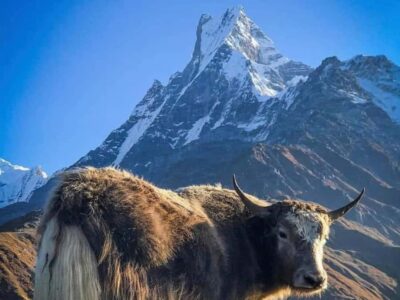
The best thing about this trek is the quick change from Pokhara’s easygoing lakeside streets to quiet forest paths and high mountain views. In four days, you pass through rhododendron and oak woods, sleep in simple teahouses, reach High Camp, and get a sunrise view toward Machapuchhre and Annapurna South.
I like the private format, especially if you want a guide to adjust the pace. I also like the route’s variety: forest, alpine meadows, steep stair sections, and remote villages. The main consideration is the schedule. Reaching the actual base camp on Day 3 is optional, and some people may only make it to the viewpoint before descending.
Key points to know before booking
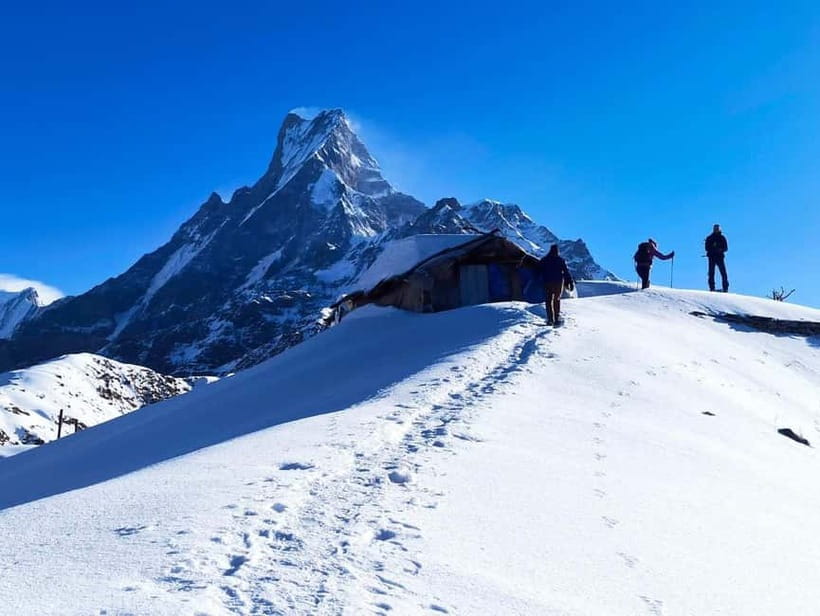
- The highest point is reached early on Day 3: Mardi Viewpoint is about 4,200 meters, with Base Camp around 4,500 meters if conditions, time, and fitness allow.
- The route is quiet and physically demanding: Expect long uphill sections, many stairs, and six to seven hours of walking on Day 2.
- Sunrise is the big payoff: High viewpoints can offer views toward Machapuchhre, Annapurna South, and the wider Annapurna range.
- Your guide matters: Anil, Tanka, Santosh, Bala, Chandra, Bishnu, and Jeet Bhadur are among the guides praised for patience, flexibility, safety, and local insight.
- The $138 price covers a lot: Transport, permits, guide costs, teahouse lodging, gear as needed, and meals if you choose that option are included, but check the food price carefully.
- You return by a different route: The descent through Siding, Lumre, and Lwang Ghalel gives the final day a village feel rather than simply retracing the trail.
Why this four-day route works
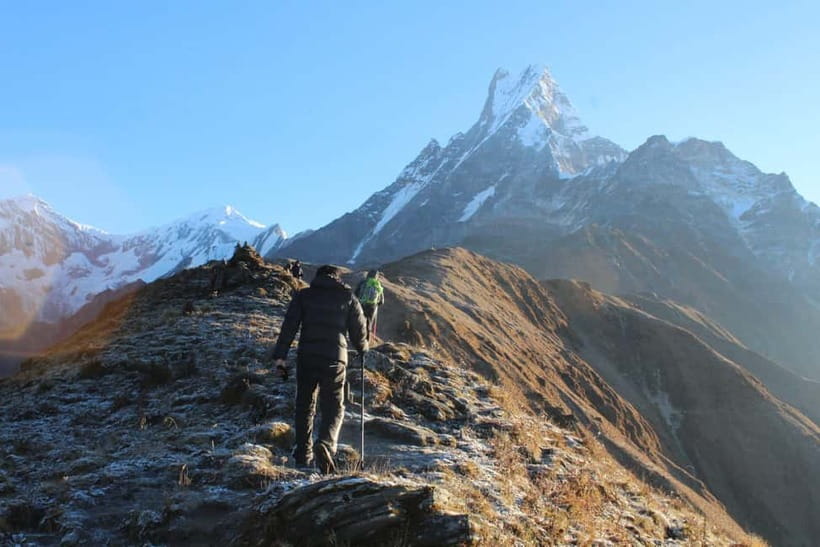
Mardi Himal is a good choice when you want a real Himalayan trek but do not have time for a week or more on the trail. The route packs several types of scenery into a short trip, beginning with forest and ending among high ridges and snow-covered peaks.
I would not call it an easy walk. The daily distances are manageable on paper, but the steep climbs, stairs, thin air, and early start for the viewpoint add up. A reasonable level of fitness is important, and you should be comfortable walking for several hours at a time.
The private setup helps. Your guide can slow the pace, add breaks, and decide how far you should go on the highest morning. That flexibility helped first-time trekkers and people who were not fully fit at the start. Guides such as Anil, Santosh, Bala, and Chandra were praised for checking on people, helping during difficult climbs, and explaining local plants, culture, and mountain life.
More Mardi Himal Treks in Pokhara:
- Pokhara: 4-Day Mardi Himal Trek
★ 4.9 · 59 reviews - Private Mardi Himal Trek
★ 5.0 · 42 reviews - Mardi Himal Trek
★ 5.0 · 30 reviews
Day 1: Kande to Forest Camp through Australian Camp
Your morning begins with about an hour by road from Pokhara to Kande. Pickup is available from hotels in the Lakeside and Sarangkot areas, as well as Pokhara International Airport. The operator says the guide and car arrive five minutes early with your booking details, which is useful when you are standing outside with a packed bag and an early start.
From Kande, the trail passes through Australian Camp and Pothana. These early stops give you a gentler introduction to the trek, with forest paths and mountain views before the route becomes more demanding.
The walk to Forest Camp takes about five to six hours and finishes at roughly 2,550 meters. This is a long first day, but the steady rise helps you begin adjusting to the altitude without sleeping at the trek’s highest points right away.
Forest Camp is a simple mountain stop with teahouse accommodation. Expect basic rather than polished comfort. The appeal is the setting, the quiet, and the chance to sit down with a hot meal after a day among the trees.
Rain is possible, particularly outside the driest periods, so waterproof layers should be more than an afterthought. One person described rain on the first day but still enjoyed the mountain views. Pack your camera in a waterproof cover, and bring a change of clothes in case the weather turns.
Day 2: Forest Camp to High Camp
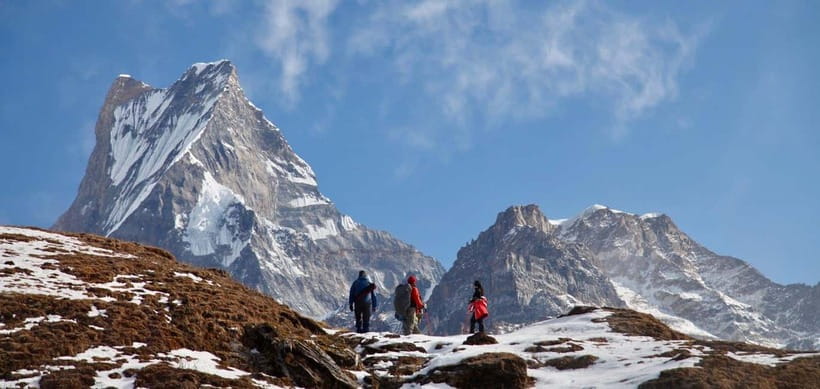
Day 2 is the hardest sustained climb for many people. You walk for about six to seven hours through dense rhododendron and oak forest, gaining height toward High Camp at approximately 3,580 meters.
The forest is one of the route’s best features. It gives the trek a different character from the open, high-altitude sections that come later. In season, rhododendron trees add color, while the surrounding woods provide shade and a sense of distance from the busier trekking routes.
The climb also includes steep sections and many stairs. This is where a guide’s judgment becomes useful. Guides have helped with bags, suggested extra rest stops, and changed the pace when someone was tired or unwell. You should still carry your own water, warm layer, and essentials, even if a porter is included in your booking.
High Camp is the turning point of the trek. Once you reach it, the views open toward Machapuchhre and Annapurna South. The teahouse is basic, and temperatures can drop sharply at this height. Bring warm clothing for the evening and early morning, including layers that can be removed as the day warms.
This night is less about luxury and more about position. Sleeping at High Camp gives you a practical start for the sunrise walk. It also means you should keep your expectations sensible: mountain teahouses are simple lodges, not city hotels.
Day 3: Mardi Viewpoint and the optional Base Camp walk
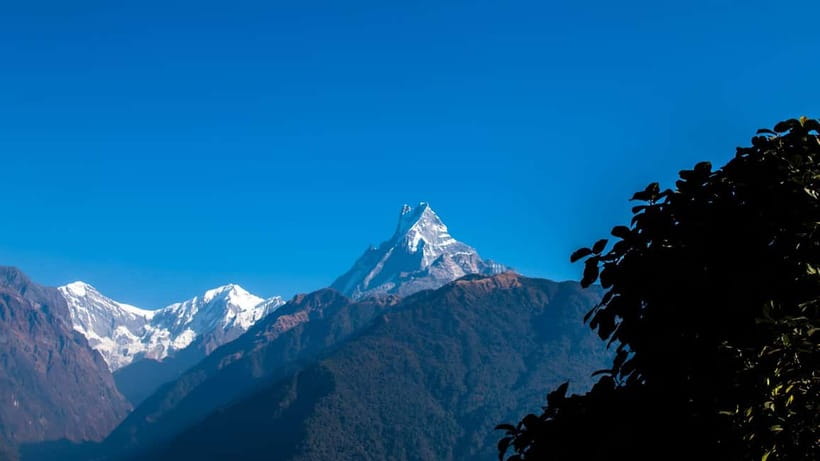
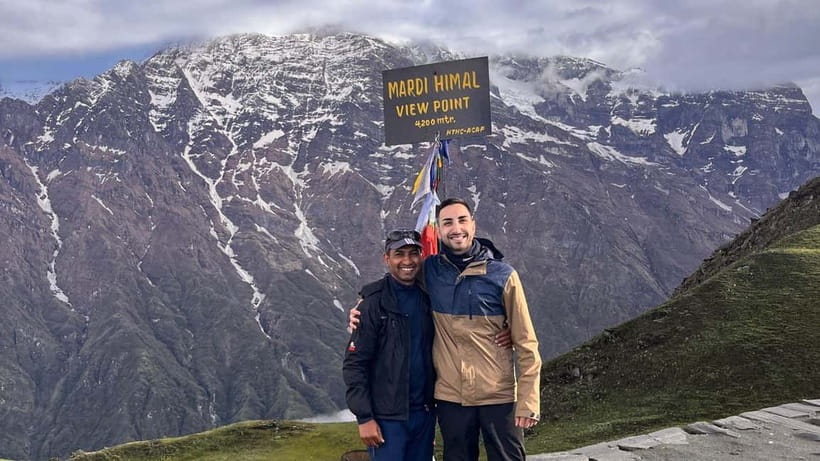
Day 3 begins early, with a three to four-hour climb toward Mardi Viewpoint at about 4,200 meters. This is the dramatic part of the trek, with wide views toward the Annapurna range and Machapuchhre as the light changes.
Sunrise is the main reason for the early start. Clouds can block the peaks, so there is no guarantee of a clear panorama, but the high viewpoint is still the route’s key scenic goal. Good weather can reveal snowy summits and broad mountain ridges. Even when clouds interrupt the sunrise, the route can still provide striking views later in the day.
Mardi Himal Base Camp is listed at approximately 4,500 meters and is optional. This detail matters. A four-day schedule leaves limited room for delays, slow walking, bad weather, or altitude problems. If you are fit, acclimatizing well, and moving efficiently, you may continue toward Base Camp. If not, Mardi Viewpoint is a sensible stopping point, not a failed trek.
One person on a four-day trip did not reach Base Camp because of the tight timing but still considered the viewpoint worthwhile. That is a useful warning for anyone booking the trip mainly for the Base Camp label. Ask your guide at High Camp how the timing, weather, and your condition affect the decision.
After the high point, you descend to Low Camp at around 2,970 meters. The descent takes about three to four hours. It is easier on your breathing but can be tough on knees and thighs, especially after the early climb. Hiking poles are included when needed, and they can help on steep ground.
Low Camp provides another teahouse night. By now, the setting feels different from High Camp. You are back among more trees and lower slopes, with the satisfaction of having completed the highest section.
A few more Pokhara trips to weigh up
- Poon hill Trek 3 days
★ 5.0 · 176 reviews - Trekking in Annapurna/Langtang/Everest/Upper Mustang regions
★ 5.0 · 161 reviews - Pokhara: 4-Day Ghorepani, Poonhill & Ghandruk Mountain Trek
★ 5.0 · 132 reviews - Ghorepani – Poon Hill Trek 3N-4D
★ 5.0 · 125 reviews
Day 4: Low Camp, Siding, Lumre, and Pokhara
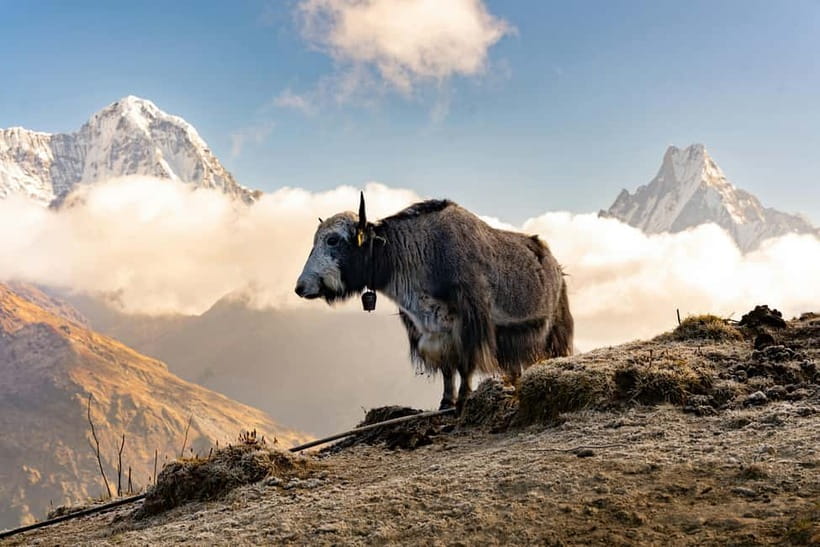
The final day takes you downhill for about four to five hours to Siding Village. This section shows a more settled side of the region, with village paths replacing the high ridge scenery.
From Siding, you continue for about an hour to Lumre. The route information also includes Lumre canyons and Lwang Ghalel, giving the return a local, rural character. You are not simply walking back along the same trail, which makes the last day feel like part of the experience rather than a transfer tacked onto the end.
A vehicle then takes you back to Pokhara in about an hour. Drop-off is available around Lakeside and at Pokhara International Airport. If you have a flight or another fixed connection, confirm the timing with your guide instead of assuming the return will run to an exact schedule.
What the $138 price really covers
At $138 per person, this is a strong value if the listed inclusions match your chosen option. The price covers round-trip transport between your Pokhara accommodation or airport and the trailhead, trekking permits, paperwork, and TIMS fees.
It also includes simple teahouse or lodge accommodation, a government-certified English-speaking guide, guide expenses, local and government taxes, and a first aid kit. Trekking poles and a sleeping bag can be provided as needed. Luggage storage in Pokhara is another handy touch, since you do not need to carry everything you brought to Nepal.
Porter service is included only if you select that option. The same applies to breakfast, lunch, and dinner. Read the meal choice carefully before paying.
This is the one part of the price structure that deserves caution. One person found the meal-included option much more expensive than ordering food directly at the teahouses. Another chose not to include meals and spent about 3,600 Nepalese rupees per person per day on meals and drinks. Costs can vary, but you should compare the food supplement with the likely menu prices before choosing.
Personal expenses are not included. That means you should carry cash for drinks, extra food, tips, and other purchases. Travel insurance is mandatory, and emergency rescue services are available if needed, but insurance remains your responsibility.
Guides, porters, and the private-group advantage
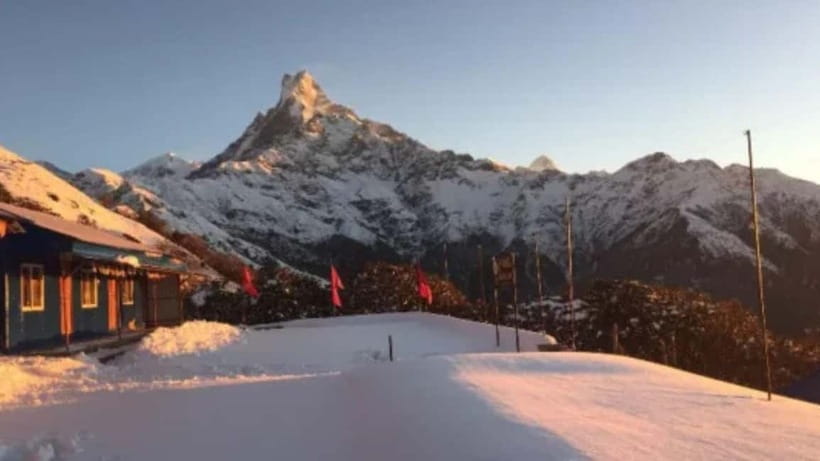
The strongest part of this experience is the human support. The guide is not only there to point out the trail. You can expect help with timing, rest stops, teahouse arrangements, local customs, and decisions about the high-altitude section.
Named guides praised in the supplied trip information include Anil, Tanka, Santosh, Bala, Chandra, Bishnu, Jeet Bhadur, Golman, and Dhanapati. The repeated themes are patience, clear explanations, flexibility, safety, and humor. One guide was also praised for taking photographs, which can be useful when you are traveling alone.
A porter can make a major difference on the stair sections. If you are new to trekking, carrying only a day pack lets you focus on your footing and breathing. If you prefer to carry your own luggage, ask exactly what the porter option covers before departure.
The group is private, so you do not have to match the pace of strangers. That is particularly valuable for solo participants. A woman who completed the trek alone with a guide felt comfortable throughout, and several first-time trekkers received extra help when they became tired or unwell.
The hard parts you should not ignore
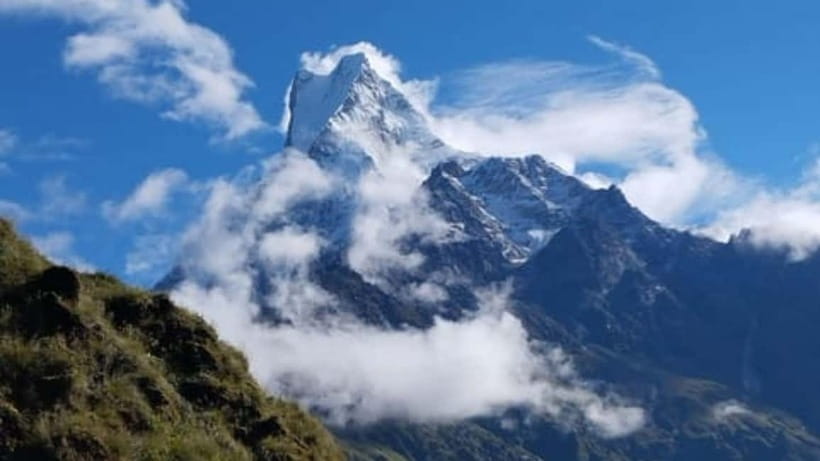
Altitude is the main concern. High Camp sits at 3,580 meters, Mardi Viewpoint at about 4,200 meters, and Base Camp at approximately 4,500 meters. Temperatures can change quickly, and higher points can be very cold even when Pokhara feels warm.
You should be in good health and reasonably fit before booking. The route includes long uphill days, steep stair sections, and a demanding early morning. If you are recovering from illness or have done little recent cardio training, tell your guide and be ready to stop at the viewpoint rather than force the Base Camp section.
Weather can affect the experience. Cloud may hide the sunrise, and rain can make forest trails unpleasant. Pack comfortable and hiking shoes, waterproof clothing or protection for your camera, warm layers, hiking pants, hand sanitizer or tissues, cash, and travel insurance details.
You also need to send a passport copy at least one day before the trek so the permits can be arranged. Bring your passport or identification with you as well.
Who should book this trek
I would recommend this route to you if you want mountain scenery, a private guide, and a short schedule from Pokhara. It suits people who enjoy a real physical challenge but do not have time for a longer Himalayan walk.
It is also a good fit for solo hikers who want support without joining a large group. The route offers forest, high ridges, villages, and teahouse nights in just four days.
I would be cautious if you want a relaxed walking holiday, hotel-level comfort, or a guaranteed Base Camp visit. The itinerary gives you an opportunity to reach Base Camp, but the practical goal should be the high viewpoint and safe return. That approach makes the trip more enjoyable and avoids turning one landmark into a source of pressure.
FAQ
How long is the Mardi Himal trek from Pokhara?
The experience lasts four days, including transport from Pokhara, three teahouse nights, trekking, and the return drive.
What is the highest point on the trek?
Mardi Viewpoint is approximately 4,200 meters. Mardi Himal Base Camp is approximately 4,500 meters, but the Base Camp section is optional.
Is Mardi Himal Base Camp guaranteed?
No. The Base Camp walk depends on your fitness, timing, conditions, and how you feel at altitude. You may stop at Mardi Viewpoint.
Where does the trek begin?
The trek begins at Kande, reached by about a one-hour drive from Pokhara.
Where do you sleep during the trek?
You stay in simple teahouses or lodges at Forest Camp, High Camp, and Low Camp.
Are meals included?
Breakfast, lunch, and dinner are included only if you select the meal-included option. Personal expenses and additional purchases are not included.
Is a porter included?
A porter is included only if you choose that option when booking.
What languages does the guide speak?
Guides are available in English, Hindi, and Nepali.
Is transportation included?
Yes. Round-trip transportation between your hotel, Pokhara International Airport, and the trek starting point is included.
What documents are needed before the trek?
You need to provide a copy of your passport at least one day before departure so the required Nepal government permits can be arranged. Bring your passport or identification as well.
Should you book the Mardi Himal Trek?
Book it if you want a compact Himalayan route with strong scenery, private guiding, and a useful mix of forest, high mountain views, and village trails. The price is appealing because it covers transport, permits, guide costs, lodging, and optional gear.
Before paying, check two things: the cost of the meal-included option and the realistic chance of reaching Base Camp on your date. If you accept that Mardi Viewpoint may be the highest point, prepare for steep walking, and pack for cold weather, this is a very good four-day use of your time in Pokhara.
More 4-Day Experiences in Pokhara
- 4-Day Private Poon Hill Trekking Tour
★ 5.0 · 58 reviews - Pokhara: 4-Day Private Trek Tour
★ 4.9 · 43 reviews - Poon Hill Trek from Pokhara 4 Days
★ 5.0 · 27 reviews - 4 Days Poon Hill Trek from Pokhara
★ 5.0 · 26 reviews
Just added around Pokhara
- Seti George and Thrilling Suspension Bridge Tour at Pokhara★ 4.5 · 3 reviews
- Tandem Paragliding in Pokhara★ 4.8 · 8 reviews
- Pokhara: Sunrise Tour to Sarangkot★ 5.0 · 3 reviews
- Pokhara: Suspension Bridge Private Tour- 30 Min Village Walk★ 4.8 · 9 reviews
- Pokhara: Visit Best Seven Tourist Destination by Sharing Bus★ 3.4 · 10 reviews
- Pokhara Sightseeing By Bus: Day Trip★ 4.6 · 7 reviews
- Pokhara Sightseeing By Bus – Day Trip★ 3.2 · 8 reviews
- Pokhara: Sarangkot Sunrise & Panoramic Annapurna View Tour★ 4.8 · 10 reviews
Mardi Himal Treks, compared.

Browse the lists this tour appears in