
Reviewed · COOKING CLASSES
Cook and Eat: Cooking Class in Kathmandu near Thamel
The best part of this Kathmandu cooking class is that you do not simply watch a chef prepare Nepali food. You choose three dishes, visit a local market for ingredients, then cut, cook, and eat the meal yourself. Chef Vikram and Kamal may guide the session, with help available throughout.
I like the market visit because it connects the kitchen to everyday Kathmandu life. I also like the practical format: the chef explains the process in clear English, and the food you make becomes your lunch or dinner. The main consideration is the group size, which can reach 15, so ask to be hands-on if you want plenty of cooking time.
Key points to know before booking
- Choose three dishes: Select from the menu, with past options including momos, thukpa, dal bhat, and yomari.
- Shop before you cook: A guide takes you to a local market to gather ingredients for the class.
- Cook in a clean kitchen: The session takes place in a professional cooking space with an instructor and helper.
- Eat what you prepare: Your finished dishes are served during the class, not packed away for later.
- Tea begins and ends the visit: Tea or coffee is provided on arrival and again before departure.
- Small groups are possible: The maximum is 15 people, but group size may vary.
A Kathmandu cooking class built around three dishes
This three-hour class gives you a useful introduction to Nepali food without asking you to commit an entire day. You meet at Shepherd Holidays on Yapikhya Marg in Kathmandu, near the Thamel area, and return to the same point at the end.
The format is simple and appealing. You select three dishes from the available menu, then prepare all three with guidance from the chef. The menu can include well-known staples such as momos, thukpa, dal bhat, and yomari, though the exact choices available on your date are not specified.
That choice matters. You can pick a familiar favorite, such as momos, or use the class to try something you have not encountered before. If you are traveling with family or friends, choosing different dishes gives the group a wider taste of Nepali cooking.
You should also tell the chef if you want to do the work yourself. The class is designed to be hands-on, but the amount of participation can depend on the group and your own approach. Do not hang back and assume the chef will automatically hand you every task. Ask to chop, shape, stir, and season.
A few more Kathmandu trips to weigh up
- Half day cooking class in Thamel kathmandu
★ 5.0 · 607 reviews - Kathmandu: Local Women-Led Nepali Cooking & Momo Class
★ 4.9 · 360 reviews - Kathmandu: Local Lead Nepali Cooking & Momo-Making Class
★ 5.0 · 212 reviews
Starting with tea, introductions, and a menu choice
The first session begins with tea or coffee, followed by introductions to the staff. This is a useful start after making your way through Kathmandu, since you have a moment to settle in before cooking begins.
The staff then explains the menu and asks you to choose three dishes. A past combination included thukpa, dal bhat, and yomari, while another class focused on momos. These examples show the range you might find: soup, a staple rice-and-lentil meal, a filled dumpling, and a traditional sweet preparation.
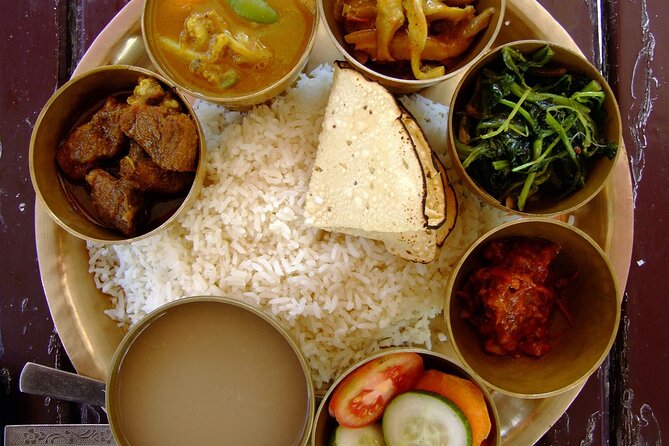
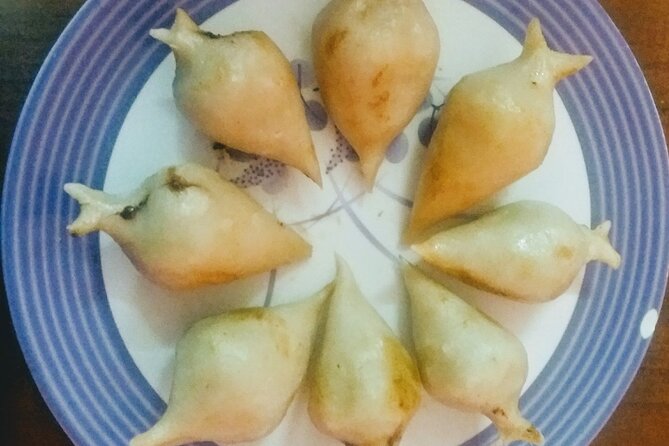
The menu choice is one of the most important parts of the experience. You are not locked into a fixed tasting menu, so consider what you want to learn at home. Momos are a good choice if you want to practice shaping and filling. Dal bhat gives you a better sense of an everyday Nepali meal. Thukpa introduces you to a warming noodle soup, and yomari offers a look at a special Newari sweet.
Because the class promises three menu items rather than one, the pace may be active. You will have several preparations to complete in about three hours. That is a good value for a short class, but it also means this is not a slow, highly detailed culinary course focused on one recipe.
The local market adds context before the kitchen work
After you choose your dishes, a guide takes you to a local market to collect ingredients. This is more useful than arriving at a kitchen where every item has already been measured and laid out.
At the market, you can see the ingredients as part of ordinary Kathmandu shopping. You get a clearer idea of what goes into Nepali food and how the cooking process begins before anyone turns on a stove. The guide also provides a link between the food on your plate and the produce, spices, grains, noodles, or other supplies used to make it.
The market stop is not presented as a separate sightseeing tour, so keep your expectations in check. It is a working ingredient visit tied to the class. Its value comes from the connection it creates, not from a long guided tour of Kathmandu.
This part also makes the class more suitable for curious cooks than for people who only want a meal. You are learning where the ingredients fit into the process, then taking them back to prepare them.
Cutting and preparation with Chef Vikram and Kamal
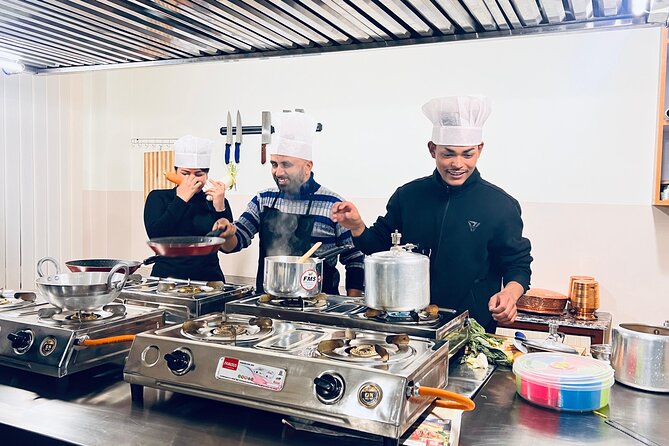
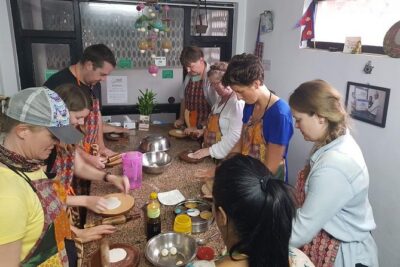
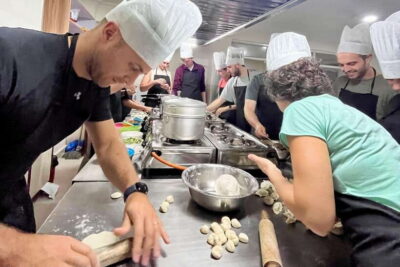
Back in the kitchen, you begin cutting and preparing the ingredients. The chefs then lead the cooking process, with an instructor and helper available during the work.
Chef Vikram and Kamal have been identified as the chefs for this experience. The class is conducted in English, and the instruction is meant to be clear enough for you to follow the recipes and techniques. One especially useful detail is that you can leave with the confidence to make momos at home, assuming you pay attention and take part rather than simply watch.
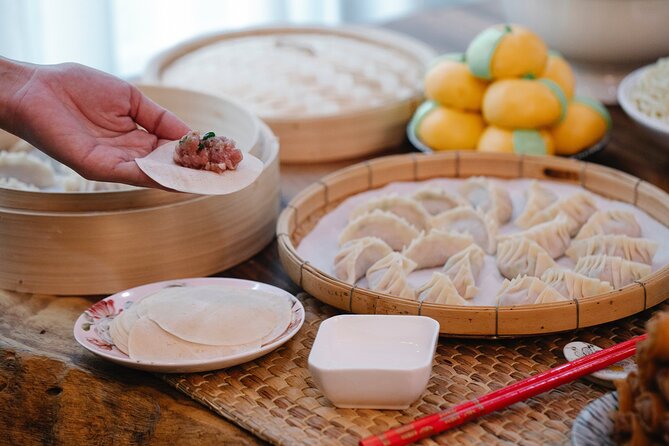
Momo preparation can be the most entertaining part of the class. The filling, folding, and shaping require a little practice, and the finished dumplings are especially satisfying because you can see your own improvement. If this is your main reason for booking, say so at the start.
Other dishes offer different lessons. Thukpa teaches you how several ingredients come together in a noodle soup. Dal bhat shows how a few familiar components can form a complete meal. Yomari gives you a chance to work with a traditional sweet that may be less familiar than momos or rice and lentils.
The kitchen is described as clean and professional, which matters in a cooking class. You will use the supplied equipment rather than needing to bring anything of your own. Ingredients and all cooking equipment are included, along with the chef and helper.
Same mountains, a completely different kind of day:
- Everest Base Camp Trek – 14 Days
★ 5.0 · 1,499 reviews - Private Kathmandu Sightseeing Tour | UNESCO World Heritage sites
★ 5.0 · 756 reviews - Everest Base Camp Helicopter Tour landing at Everest View Hotel
★ 5.0 · 668 reviews - Everest Base Camp Trekking
★ 5.0 · 485 reviews
Eating the meal you have just prepared
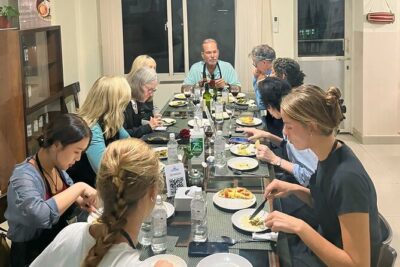
The third session is the payoff: the dishes are served, and you eat what you cooked. This makes the class more rewarding than a demonstration where the food disappears into the kitchen and arrives on a separate plate.
The meal also gives you a chance to compare the three preparations. You can see how different Nepali dishes use texture, seasoning, and cooking method. A plate of momos, a bowl of thukpa, and a serving of dal bhat create a more varied introduction than focusing on one item.
Food and drink prepared during the class are included. Tea or coffee is provided at the beginning and again before you leave. The general wording about beverages is less clear for anything beyond those drinks and the items prepared as part of the class, so budget for personal beverages if you want something extra.
Do not expect accommodation, personal expenses, or private vehicle transfers to be included. The meeting point and ending point are the same, making this easier to fit into a day in Kathmandu, but you arrange your own way there and back unless you pay extra for private pickup and drop-off.
How the three-hour schedule feels
The class is divided into four practical stages:
- Welcome, staff introductions, and choosing three dishes
- Market visit, cutting, and preparation
- Cooking, serving, and eating
- Final tea or coffee and farewell
This structure helps the time pass quickly. You are not sitting through a long talk before touching an ingredient, and you are not rushed straight from the market to the table without cooking.
Still, three hours is a compact window for a market stop, three dishes, and a full meal. If you want a detailed lesson on every spice or technique, you may find the experience brisk. If you want a useful introduction that includes eating, the timing makes sense.
The group can include up to 15 people. A class of that size can feel social, but you may have less individual attention at the maximum. A smaller group is possible, and a very small session gives you a better chance to work directly with the chef. At the beginning, tell the staff that you want an active role.
Is $24 a good value in Kathmandu?
At $24 per person, this class offers good value if you treat it as both a meal and a short cultural activity. You receive the ingredients, equipment, instruction, market visit, and food prepared during the session.
The value is strongest for anyone who would otherwise pay separately for a meal and a cooking demonstration. Here, you get to eat three dishes and practice making them. You also learn enough about the ingredients to make the food feel less mysterious when you see it on restaurant menus around Nepal.
Group discounts may be available, which can make the class more attractive for couples, families, and friends. The maximum group size of 15 is worth noting when judging the price. At the top end, you are paying for a group experience rather than private tuition.
Private vehicle pickup and drop-off cost extra. Since the activity begins and ends at the Shepherd Holidays meeting point, you should compare that additional charge with the cost and convenience of making your own way there.
Who will enjoy this class most?
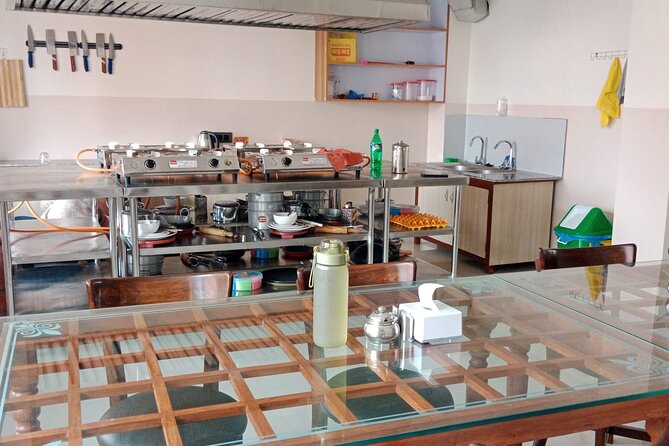
I would recommend this class to you if you want a direct introduction to Nepali food and prefer doing something active. It suits first-time visitors who want more context for local dishes, as well as home cooks looking for recipes they can try after Nepal.
It is particularly good for:
- People who want to learn how momos are made
- Couples and friends who enjoy sharing a meal they prepared together
- Families seeking a three-hour activity near Thamel
- Food-focused visitors who want a local market stop
- Anyone who prefers a practical class to a formal sightseeing tour
It may be less suitable if you want a private chef, a highly specialized lesson, or a long restaurant-style meal with a broad selection of drinks. It may also disappoint if you prefer to sit back and watch. The strongest results come when you volunteer for the hands-on work.
The class can also suit a mixed group. One person can choose momos, another can select thukpa, and someone else can try yomari. You will not all need the same level of cooking experience, since the chef and helper guide the preparation.
Practical details for planning your visit
Confirmation is provided when you book. The activity starts and ends at Shepherd Holidays, Yapikhya Marg, Kathmandu 44600, Nepal.
The mobile ticket is useful for keeping the booking information on your phone. No accommodation is provided, and personal expenses are not included. Arrange your own transport unless you purchase the optional private vehicle service.
Free cancellation is available if you cancel at least 24 hours before the local start time. Cancellations made inside that 24-hour window are not refunded, and late changes are not accepted. The activity requires good weather, so poor conditions may lead to a different date or a full refund.
The weather rule may seem unusual for a cooking class, but it likely relates to the market visit and getting between locations. Keep your schedule flexible if Kathmandu weather looks uncertain.
The final cup of tea
Before leaving, you receive tea or coffee and say farewell to the staff. It is a small closing ritual, but it gives the class a clear finish after the meal.
The practical benefit is that you leave with more than a full stomach. You have seen the ingredients, prepared three dishes, and learned how a local chef approaches the cooking. The experience does not promise a formal recipe book or take-home ingredients, so take notes or photographs if the staff allows it.
The most praised details are the chef’s clear English, the clean kitchen, the friendly help, and the quality of the momos. One particularly thoughtful touch is that the manager helped a participant return to a hotel. That does not mean hotel transport is part of the standard package, but it suggests the team pays attention to basic guest care.
Should you book this Kathmandu cooking class?
Book it if you want a reasonably priced, three-hour introduction to Nepali food with a market visit and a meal you prepare yourself. Choose it especially if momos, thukpa, dal bhat, or yomari are already on your must-try list.
Before booking, be honest about your preferred level of participation. This is best when you cook actively, and the group may be as large as 15 people. Ask for a hands-on role, confirm the available menu, and arrange your own transport unless you want to pay extra for a private vehicle.
At $24, it is a sensible choice for a food-focused morning or afternoon near Thamel. It offers enough local context to make the meal meaningful, without taking over your entire Kathmandu schedule.
FAQ
Where does the cooking class start?
The class starts at Shepherd Holidays, Yapikhya Marg, Kathmandu 44600, Nepal.
Where does the activity end?
The activity ends back at the meeting point at Shepherd Holidays.
How long does the cooking class last?
The class lasts approximately three hours.
How many dishes can I choose?
You can choose three cuisines or dishes from the menu.
What dishes might be available?
Past choices have included momos, thukpa, dal bhat, and yomari. The exact menu available on your date is not specified.
Is a market visit included?
Yes. A guide takes you to a local market to collect ingredients before the cooking begins.
Are ingredients and cooking equipment included?
Yes. Ingredients and all equipment needed to prepare the food are included.
Is food included in the price?
Yes. Food and drink prepared during the class are included. Tea or coffee is provided at the beginning and before departure. Other beverages are not included.
Can I cancel for a full refund?
Yes, if you cancel at least 24 hours before the experience start time. Cancellations made less than 24 hours before the start are not refunded.
More Workshops in Kathmandu
- Knife (Khukuri) Making Workshop- Forge of the Gurkhas
★ 5.0 · 143 reviews - The best Private Nepali Cooking Class in Kathmandu
★ 5.0 · 83 reviews - Kathmandu: Traditional Momo Making Class & Pickup
★ 4.8 · 60 reviews - Traditional Nepali Momo Making Classes
★ 5.0 · 53 reviews
Just added around Kathmandu
- Private Half-Day Tour of Boudhanath and Pashupatinath Temples in Kathmandu★ 4.5 · 9 reviews
- Private Half-Day Tour of Kathmandu Durbar Square and Swayambhunath Temple★ 4.5 · 11 reviews
- Namobuddha Monastery Hiking Day Tour via Panauti from Kathmandu★ 5.0 · 15 reviews
- Private Full-Day Kathmandu City Tour★ 5.0 · 9 reviews
- Private Day Tour in Kathmandu Valley Rim with Bhaktapur Sightseeing★ 5.0 · 3 reviews
- Private Half Day Budhanilkantha Tour★ 5.0 · 6 reviews
- Private Day Tour: Patan and Bhaktapur from Kathmandu★ 4.5 · 6 reviews
- Private Day Tour – Sacred Journey to Namo Buddha★ 5.0 · 5 reviews
Cooking Classes, compared.
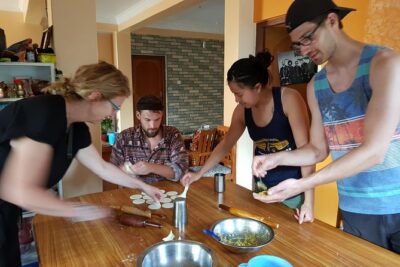
Nepalese Momos or Dal Bhat Cooking Class (Cook with Delight)
Read our review →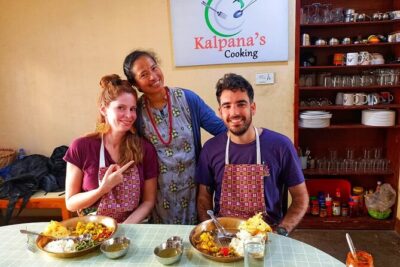
The best Private Nepali Cooking Class in Kathmandu
Read our review →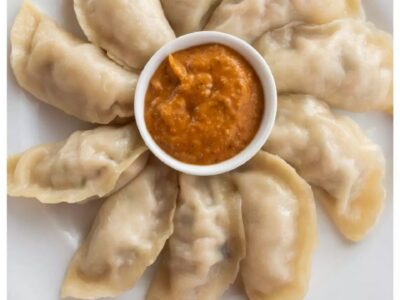
Nepalese Kitchen in Pokhara: Momos or Dal Bhat Cooking Class
Read our review →
Browse the lists this tour appears in