
Reviewed · COOKING CLASSES
Kathmandu: Local Women-Led Nepali Cooking & Momo Class
Kathmandu’s best cooking lesson may begin before you reach the kitchen: you walk through a local market, choose vegetables, spices, and meat, then turn those ingredients into momos, dal bhat, or other Nepali dishes. The food is only half the point. The class gives you a practical look at how Nepali meals come together.
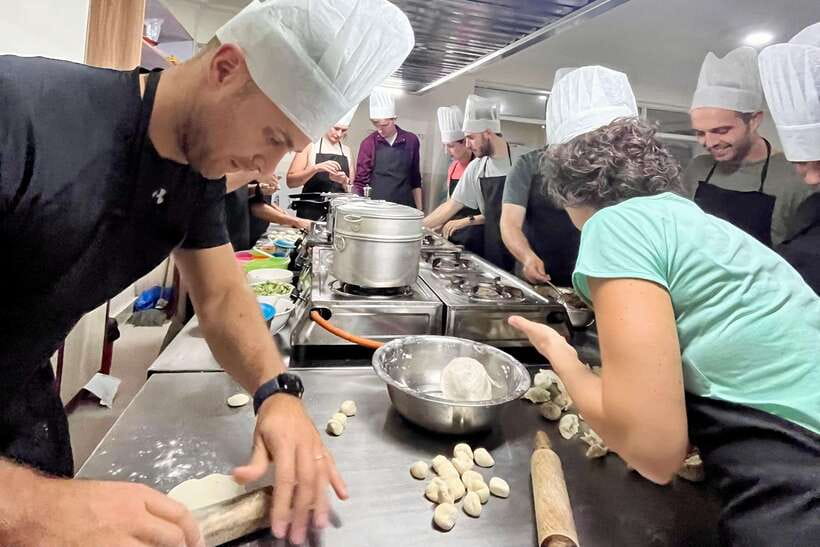
I especially like the full hands-on format, where you make dough, prepare fillings, shape dumplings, and cook the food rather than simply watching a chef. I also like the friendly teaching style of Nishma, often called Nish, and Bikram, who keep the class relaxed and easy to follow. The main consideration is access: the cooking academy has stairs, and some approaches involve a steep hill, so this is not suitable for wheelchair users or people with visual impairments.
Key points to know before you book
- The market visit comes first: Help choose the fresh ingredients and see Nepali produce and spices before cooking.
- Momos are the main event: Learn the dough, filling, folding, dipping sauce, and cooking process from start to finish.
- You can make a complete meal: Dal bhat is central, with choices such as chatamari, bara, curry, thukpa, yomari, or dessert.
- Nishma and Bikram teach in English: Their patient, informal approach suits beginners and encourages questions.
- The meal is plentiful: You eat the food you prepare, along with Nepali masala tea and sometimes extra local tastes.
- The price offers remarkable value: At the listed $4 per person, a three-hour class with a market visit, ingredients, instruction, and a meal is unusually inexpensive.
Why momos make such a good Kathmandu cooking class
Momos are Nepal’s great social food. These dumplings are easy to recognize, but shaping them well takes practice. That makes them ideal for a class: you get a clear task, a chance to improve quickly, and a meal you can try to recreate at home.
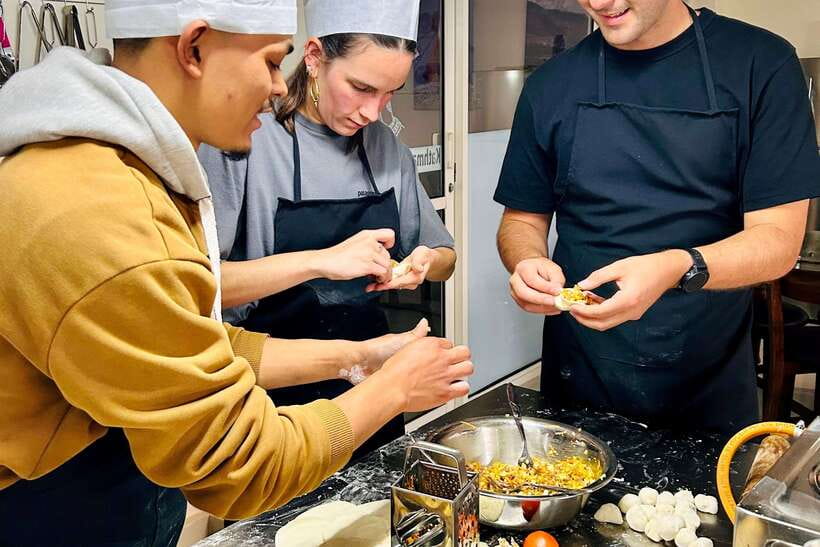
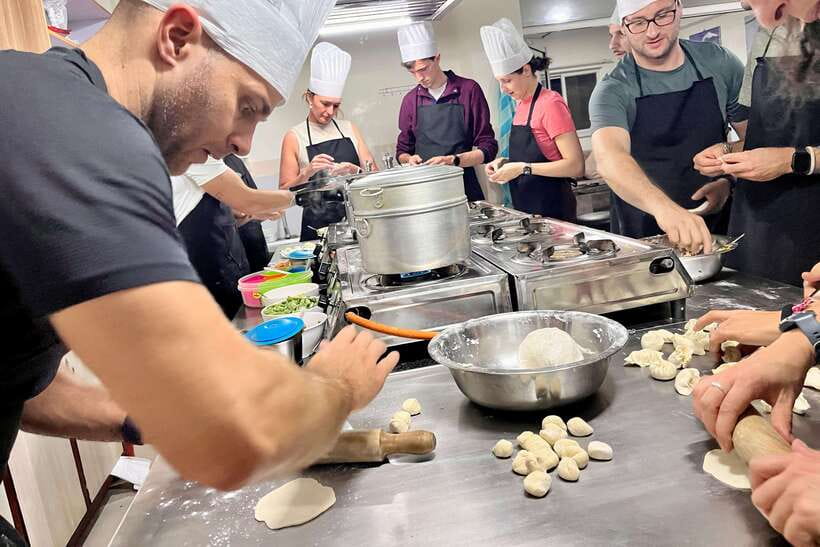
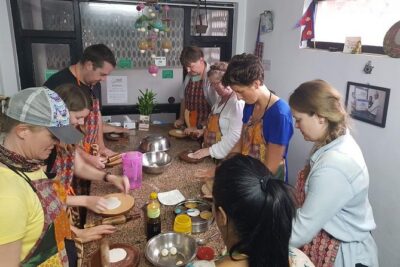
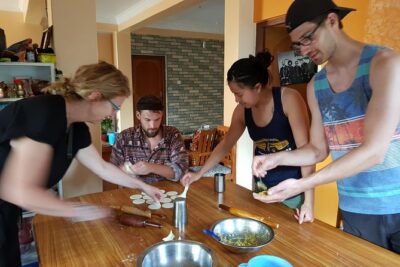
You may work with chicken, vegetarian, or buffalo fillings, depending on the menu selected. The class can cover the filling, dough, folding technique, dipping sauce, and cooking. It is not just a demonstration. You handle the ingredients and make the dumplings yourself.
I like this format because the result does not need to be perfect. A lopsided momo still tastes good, and you learn by making a batch rather than one precious sample. By the end, you should feel more confident attempting momos in your own kitchen, especially since the teachers explain the process step by step.
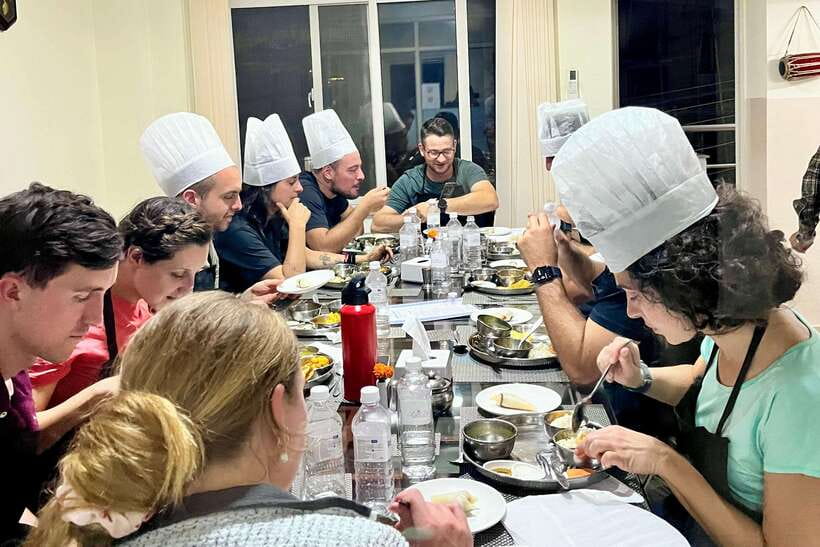
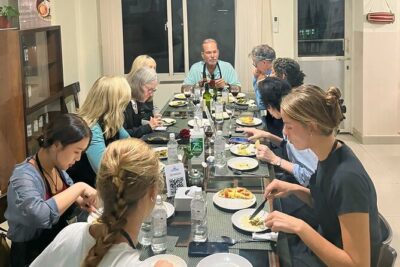
The class is also social without requiring you to be outgoing. Small groups share preparation jobs, chat with the instructors, and sit down together at the end. If you arrive alone, you are still likely to have time to meet other people, but the class can also work well for families and friends.
A few more Kathmandu trips to weigh up
- Half day cooking class in Thamel kathmandu
★ 5.0 · 607 reviews - Kathmandu: Local Lead Nepali Cooking & Momo-Making Class
★ 5.0 · 212 reviews - The best Private Nepali Cooking Class in Kathmandu
★ 5.0 · 83 reviews
The market walk: buy ingredients before you cook
The experience usually begins with a visit to a local market or shop near the cooking school. This is a useful part of the lesson, not just a way to fill time. You see the vegetables, spices, and meat that will become your meal, and you begin to understand how cooks make choices before they turn on the stove.
The market stop also gives the instructors a natural chance to explain Nepali ingredients. You might learn which vegetables suit a filling, how spices are used, or what goes into a particular dish. The amount of explanation can vary, so if you want more context, ask direct questions. The teachers are open to them, and asking is the best way to make this portion more useful.
Do not expect a long sightseeing tour of Kathmandu. The market visit is focused on shopping for the class. That is its strength. You get a brief look at everyday food buying, then move on to cooking while the ingredients are fresh.
Plan to arrive about 15 minutes early. Meeting points vary by booking option, and pickup is available from locations within Kathmandu if you select it. If you walk from a hotel in Thamel, allow extra time for the route. One approach to the academy includes a steep hill, and the cooking space has stairs.
Inside the Thamel kitchen
The cooking session takes place in Thamel and lasts about three hours, including the market visit and final meal. Depending on the option and menu, the total activity can run from two to four hours.
The kitchen provides the cooking equipment, accessories, and aprons. The space is described as clean and well organized, and hygiene is treated seriously. You still need to wear comfortable clothing, since this is an active class involving food preparation, cooking, and plenty of standing.
The instructors typically divide the work so everyone has something to do. You may chop, mix, shape, stir, or help prepare a sauce. In a larger group, the shared jobs make the class move efficiently, though you may not personally handle every step of every dish. In a small group, expect more direct guidance.
Nishma, also called Nish in the class information, is frequently the lead instructor. Her teaching style is warm, patient, and lively. Bikram, also called Vikram in some class details, helps with instruction and preparation. The team speaks English, and the relaxed style makes it easy to ask about ingredients, cooking methods, or local food customs.
A bottle of water and masala tea may greet you at the start. The tea is part of the included experience, and its black tea and spices provide a pleasant introduction to Nepali flavors.
What you actually cook
Momo and dal bhat are the main menu choices. You can normally choose chicken or vegetarian momos, while other dishes may be added or selected according to the class option and group preference.
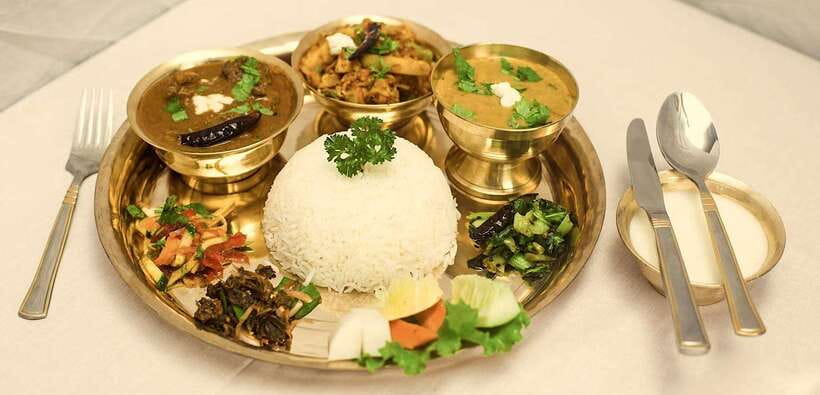
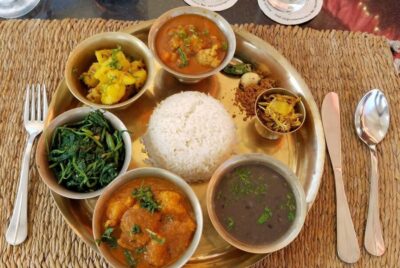
Dal bhat is Nepal’s classic meal of rice, lentils, curry, and accompanying sides. It is simple in appearance but useful for understanding the structure of Nepali home cooking. You learn how several components work together rather than treating one dish as the whole meal.
The broader menu can include:
- Chicken or vegetarian momo: Steamed dumplings with a seasoned filling and dipping sauce.
- Dal bhat: Rice, lentil soup, curry, and related sides.
- Chatamari: A Nepali flatbread often compared with pizza, topped with selected ingredients.
- Bara: Crisp fried lentil patties with a tender center.
- Chicken curry with roti: A spiced curry served with flatbread.
- Thukpa: A warm noodle soup with Tibetan roots that is now common in Nepali food culture.
- Mushroom choila: Spicy marinated mushrooms with bold seasoning.
- Yomari: A sweet dumpling filled with jaggery and sesame seeds.
- Carrot pudding or kheer: A sweet finish, depending on the menu.
You should not assume you will make every item listed above in one session. The class focuses on momos and dal bhat, with additional dishes chosen from available options. That is a good arrangement because three hours can pass quickly once several people are chopping, folding, frying, and tasting.
Past class combinations have included momo with chatamari, momo with bara and yomari, and dal bhat with carrot pudding. Some groups have made three dishes and received a full dinner. If you have a particular interest, tell the provider in advance and confirm what is available for your chosen session.
Same mountains, a completely different kind of day:
- Everest Base Camp Trek – 14 Days
★ 5.0 · 1,499 reviews - Private Kathmandu Sightseeing Tour | UNESCO World Heritage sites
★ 5.0 · 756 reviews - Everest Base Camp Helicopter Tour landing at Everest View Hotel
★ 5.0 · 668 reviews - Everest Base Camp Trekking
★ 5.0 · 485 reviews
Eating the meal you prepared
The final meal is the reward, but it also completes the lesson. You can taste the effect of your own spice choices, compare different folds and fillings, and ask last-minute questions while everything is still fresh.
The portions can be generous. If you cannot finish all your momos, a takeaway bag may be possible, but do not count on this as a formal inclusion. Arrive hungry. That is practical advice here, since the class may include more than the one dish you expected.
The meal may also include small local tastes such as peanut sadeko or other extras. These additions help you try flavors beyond the main recipes, though specialty drinks and alcoholic beverages are not included.
Masala tea is included during the lesson. It is a small detail, but it helps turn the class into a cultural food experience rather than a basic recipe workshop.
The value of a $4 Kathmandu cooking class
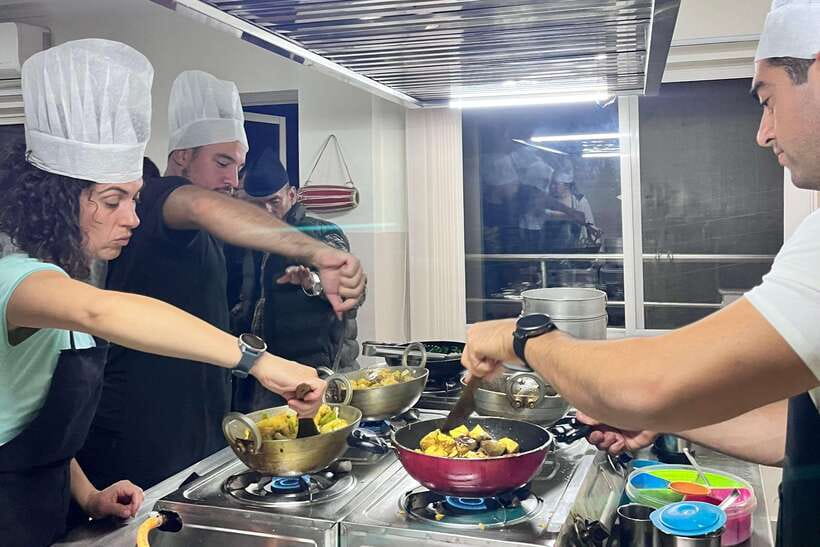
The listed price is $4 per person, which is exceptionally low for a three-hour activity. At that rate, you receive instruction from a local chef, use of the kitchen equipment, ingredients purchased during the market visit, hands-on cooking, masala tea, and the meal you prepare.
That makes the experience a strong value even if you judge it simply as lunch or dinner. Add the market walk and the chance to learn recipes you can use at home, and the price becomes hard to beat.
Check the exact booking option carefully. Hotel pickup and drop-off are included only when you select that option, and meeting points vary. The class is also subject to available start times, so you need to check the schedule rather than assume a fixed departure.
The low price may also explain why the experience feels more like a local cooking academy than a polished luxury food tour. You are paying for practical instruction and food, not a formal restaurant setting or a long guided tour of Kathmandu. That is a fair trade if you want participation over ceremony.
Dietary needs and cooking comfort
Tell the provider about dietary restrictions, allergies, or medical conditions before the class. Vegetarian choices are available, and a past participant with vegan and gluten-free needs was accommodated, including the use of millet flour. Still, you should confirm your exact requirements before booking rather than rely on a last-minute adjustment.
The menu includes meat options, so people with dietary restrictions should be clear about what they can and cannot handle. Cross-contact may matter to you, especially when several dishes are prepared in one kitchen.
Comfortable clothes are the sensible choice. Aprons and equipment are provided, but this remains an active kitchen class. You should also bring a camera if you want photos of the market, ingredients, or finished dishes.
The experience is not suitable for wheelchair users or people with visual impairments. Stairs at the academy and uneven or steep approaches can make access difficult.
How the class compares with a regular food tour
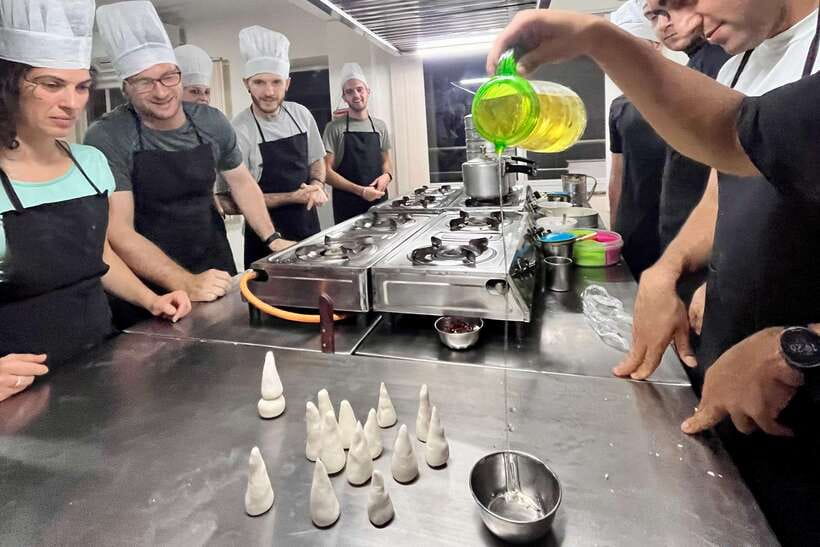
A food tour lets you sample more places with less effort. This class gives you fewer stops but much more involvement. You learn why the dough behaves as it does, how filling texture affects a momo, and how a meal is assembled.
I would choose this cooking class early in a Kathmandu visit if I wanted food context for the rest of my stay. After learning about spices, lentils, dumplings, and flatbreads, menus make more sense. You may also spot dishes you learned to cook and feel more comfortable ordering them.
It is less suitable if you want a quiet, polished meal or a tightly timed sightseeing outing. The pace depends partly on the group, and the cooking process naturally includes pauses, shared jobs, and conversation. That relaxed pace is part of the appeal, but it may feel slow if you only want a quick momo lesson.
Who will enjoy this experience most
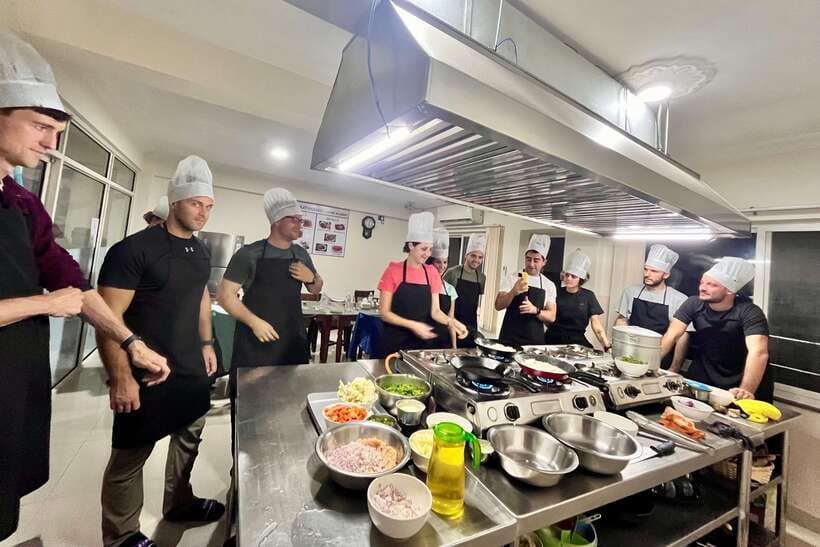
This class is a strong choice for first-time cooks because the teachers provide clear, step-by-step guidance. You do not need advanced kitchen skills, and the atmosphere is designed to let you ask questions without embarrassment.
It also suits experienced home cooks who want Nepali techniques and flavor ideas. The recipes are practical enough to repeat at home, and a PDF recipe book can be sent by WhatsApp after the class if you request one. A physical recipe book is available for an extra charge.
Families, couples, solo visitors, and small groups can all fit the format. The group setting gives you time to talk with the instructors and other participants, while a small group offers more personal guidance.
I would be cautious about booking if stairs, steep walking routes, or long periods standing are difficult for you. I would also avoid choosing this as your only meal of the day if you have a very narrow diet unless the provider confirms the menu in advance.
Booking tips for a smoother class
Choose the pickup option if you do not want to navigate Kathmandu or if your hotel is not close to Thamel. If you plan to walk, check the route carefully rather than trusting the shortest map suggestion.
Arrive 15 minutes early. Bring your dietary information, wear comfortable clothing, and keep room in your schedule for the full three hours. The experience can last longer depending on the selected option and menu.
Ask ahead about your preferred dishes. Momos and dal bhat are the core focus, while chatamari, bara, yomari, thukpa, curry, and desserts depend on the selected arrangement.
The activity allows cancellation up to 24 hours before the start for a full refund, and you can reserve now and pay later. That gives you useful flexibility when Kathmandu plans are still changing.
Should you book the Kathmandu momo class?
Book it if you want a friendly, affordable way to learn Nepali food by doing the work yourself. The market visit, local instructors, generous meal, and practical momo technique give the class more substance than a simple tasting stop.
I would especially recommend it for anyone curious about local food, solo visitors looking for an easy social activity, and home cooks who want recipes they can repeat. At the listed $4 price, it is one of the better-value ways to spend three hours in Thamel.
Skip it if you need step-free access, cannot stand comfortably in a kitchen, or want a formal culinary school setting. For most able-bodied visitors who arrive hungry and ready to fold dumplings, this is an easy Kathmandu choice.
FAQ
How long does the Kathmandu cooking class last?
The experience lasts about three hours in the usual format, including the market visit, cooking session, and meal tasting. Available options range from two to four hours.
What dishes are the main focus?
The main dishes are momo and dal bhat. You may also choose additional Nepali dishes, depending on the option and menu available.
Can I choose vegetarian momos?
Yes. The class offers vegetarian and meat options, including vegetarian and chicken momo. Other menu choices may also be available.
Is hotel pickup available?
Hotel pickup and drop-off are available if you select that option. Pickup is offered from locations within Kathmandu, and you need to provide your hotel details when booking.
Is the class taught in English?
Yes. English is the listed language for the instructor.
Are ingredients and cooking equipment included?
Yes. The market or shop visit covers the important ingredients for the class, and cooking equipment and accessories are provided.
Can I get the recipes after the class?
Yes. You can request a PDF recipe book through WhatsApp after the class. Physical recipe books are available for an additional charge.
Is the class suitable for wheelchair users?
No. The experience is not suitable for wheelchair users or people with visual impairments. The academy has stairs, and some routes to the location can be steep.
Just added around Kathmandu
- Private Half-Day Tour of Boudhanath and Pashupatinath Temples in Kathmandu★ 4.5 · 9 reviews
- Private Half-Day Tour of Kathmandu Durbar Square and Swayambhunath Temple★ 4.5 · 11 reviews
- Namobuddha Monastery Hiking Day Tour via Panauti from Kathmandu★ 5.0 · 15 reviews
- Private Full-Day Kathmandu City Tour★ 5.0 · 9 reviews
- Private Day Tour in Kathmandu Valley Rim with Bhaktapur Sightseeing★ 5.0 · 3 reviews
- Private Half Day Budhanilkantha Tour★ 5.0 · 6 reviews
- Private Day Tour: Patan and Bhaktapur from Kathmandu★ 4.5 · 6 reviews
- Private Day Tour – Sacred Journey to Namo Buddha★ 5.0 · 5 reviews
Cooking Classes, compared.
Nepalese Momos or Dal Bhat Cooking Class (Cook with Delight)
Read our review →
The best Private Nepali Cooking Class in Kathmandu
Read our review →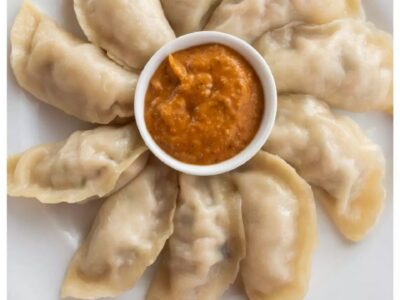
Nepalese Kitchen in Pokhara: Momos or Dal Bhat Cooking Class
Read our review →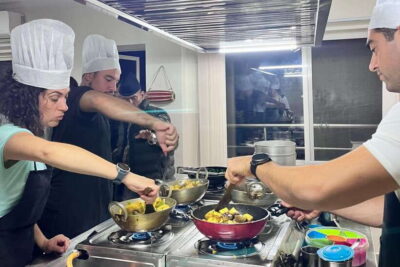
MoMo or Dal Bhat Cooking Class at Aama Kitchen in Pokhara
Read our review →Browse the lists this tour appears in