
Reviewed · COOKING CLASSES
Kathmandu: Local Lead Nepali Cooking & Momo Making Class
Kathmandu’s best food lesson starts before you reach the stove. You walk to a nearby market with your chef, choose fresh ingredients, then return to the Kathmandu Cooking Academy to make momo, dal bhat, and other Nepali dishes. It is a useful way to understand what is on your plate, not just eat it.
I like the hands-on pace, which gives you real work to do instead of leaving you to watch a demonstration. I also like the small groups, clear English instruction, and the chance to choose extra dishes such as bara or yomari. The main drawback is that the class can last three to four hours, and momo folding takes patience, especially if you want neat, traditional shapes.
Key points to know before booking
- Market first, cooking second: You help select fresh ingredients before heading into the kitchen.
- Momo and dal bhat lead the menu: You can also choose from other traditional Nepali dishes.
- Small groups of up to 10: The format allows the chef to correct your technique and answer questions.
- A clean, well-equipped kitchen: Cooking equipment and accessories are supplied.
- A full meal at the end: Your class generally includes two main courses, dessert, and Nepali masala tea.
- Thamel access is easy: The academy is about a 10 to 15 minute walk from Thamel, with optional pickup in Kathmandu Valley.
Starting with a Kathmandu market visit
The class begins at the Kathmandu Cooking Academy, or with hotel pickup if you select that option. From Thamel, the academy is an easy 10 to 15 minute walk, though you should arrive at least 15 minutes before the scheduled start.
The market or shop visit gives the class a useful local setting. Instead of receiving a tray of anonymous ingredients, you see what goes into Nepali cooking and help select what you will use. The chef explains the ingredients and guides the shopping, so this part is more than a quick errand.
For me, this is one of the most worthwhile parts of the experience. A cooking class can feel sealed off from the place you are visiting. The market walk connects the food to daily life in Kathmandu, even if the visit itself is fairly short.
Your group then returns to the academy in the Thamel area for the kitchen session. Pickup is available from any location within Kathmandu Valley if you provide your hotel details during booking. That convenience matters if you are staying farther from the center, but walking to the academy may be simpler if you are already in Thamel.
A few more Kathmandu trips to weigh up
- Half day cooking class in Thamel kathmandu
★ 5.0 · 607 reviews - Kathmandu: Local Women-Led Nepali Cooking & Momo Class
★ 4.9 · 360 reviews - Kathmandu: Local Lead Nepali Cooking & Momo-Making Class
★ 5.0 · 212 reviews
Learning momo, the dish that demands practice
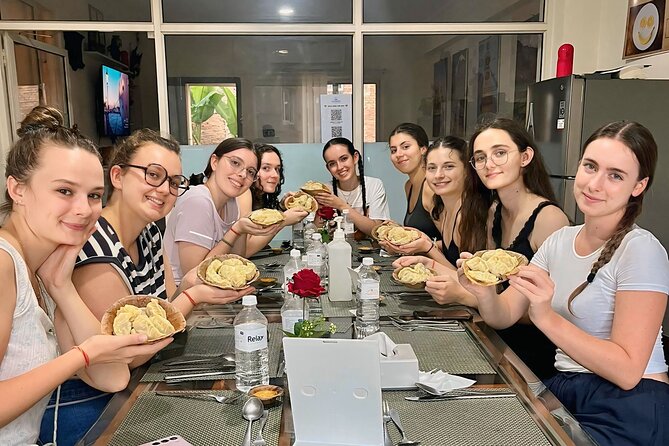
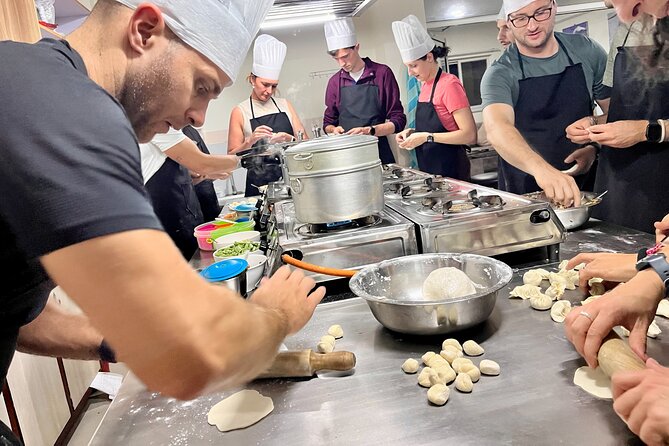
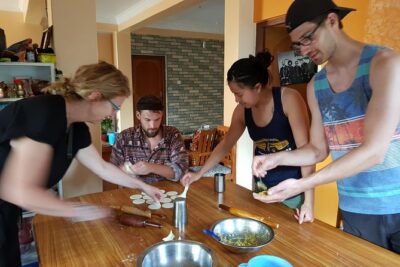
Momo is the star of this class, and rightly so. These Nepali dumplings look simple at first, but the folding is where the work begins. You prepare the filling, handle the pastry, and learn how to shape the dumplings under the chef’s guidance.
The instructors teach the process step by step. That matters because momo making involves several small skills at once: keeping the filling balanced, sealing the dough, and creating a fold that holds together during cooking. Do not expect perfect pleats on your first attempt. The class is designed for practice, not a test of kitchen speed.
Previous classes have included patient instruction from chefs such as Vikram and Niche. Vikram has been praised for clear explanations and an encouraging manner, while Niche has been described as funny, energetic, and easy to learn from. Since staffing can vary, you should treat those names as examples of the academy’s teaching style rather than a guarantee of your instructor.
You get to eat the momo you prepare, which gives the lesson a satisfying purpose. If a few dumplings look less polished than the chef’s, they can still taste just as good. Bring a camera if you like, but keep your hands free during the cooking itself.
Dal bhat and the wider Nepali menu
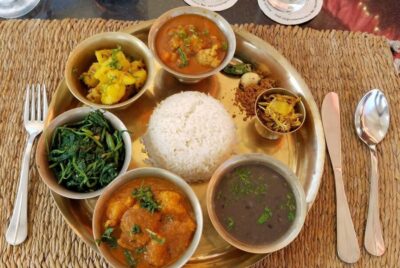
Momo gets the attention, but dal bhat gives you a better sense of everyday Nepali food. The meal usually pairs lentils and rice with accompanying dishes, creating the filling combination that is central to Nepali home cooking and restaurant meals.
The class focuses on momo and dal bhat as the two main courses, while also allowing you to select other dishes from a traditional menu. The exact choices depend on the class and group decision. Past selections have included bara, a savory lentil pancake, and yomari, a sweet Newari dumpling.
That choice makes the class more useful for repeat visitors and curious eaters. You are not locked into one fixed menu, so you may be able to focus on dishes you have already tried in Kathmandu or ones that are new to you. Tell the academy about allergies, dietary restrictions, or food preferences in advance. The staff can then advise what can be adjusted.
The menu range also means the class may feel different from one booking to another. If you want only momo, ask how the menu works before you arrive. If you want to try several dishes, the flexible format is a real advantage.
Three hours of active cooking
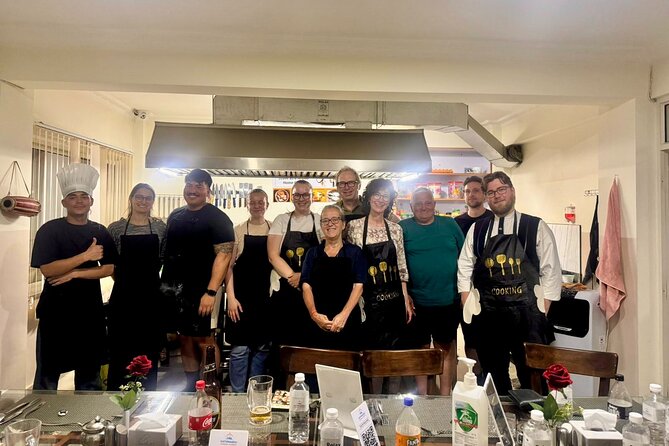
Allow about three hours for the market visit, preparation, cooking, and meal. The total activity can be listed as three to four hours, especially when pickup, drop-off, or a larger group affects the timing.
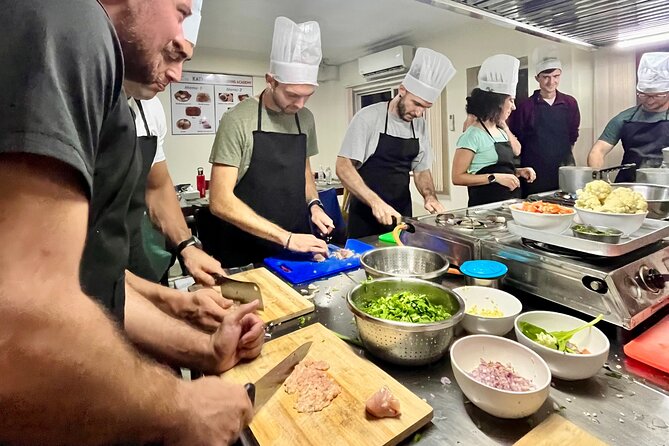
You will not spend the whole period chopping vegetables. The session includes explanations, ingredient preparation, cooking, folding, tasting, and time to sit down with the finished food. The pace is generally steady rather than rushed, which helps when you are learning unfamiliar techniques.
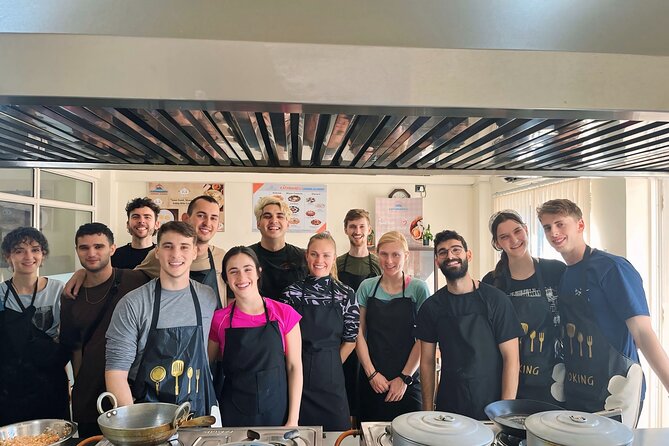
The group limit is 10 participants. That is small enough for personal help, though your experience will still depend on how many people attend and how much each person wants to do. In a full group, some shared preparation may be necessary. If you want the most individual practice, let the chef know that you would like to handle as much of the cooking as possible.
The class requires active participation, so wear comfortable clothing. You will be working in the kitchen for several hours. This is not a good choice if you want a short tasting stop with no practical work.
Same mountains, a completely different kind of day:
- Everest Base Camp Trek – 14 Days
★ 5.0 · 1,499 reviews - Private Kathmandu Sightseeing Tour | UNESCO World Heritage sites
★ 5.0 · 756 reviews - Everest Base Camp Helicopter Tour landing at Everest View Hotel
★ 5.0 · 668 reviews - Everest Base Camp Trekking
★ 5.0 · 485 reviews
A welcoming academy kitchen and shared meal
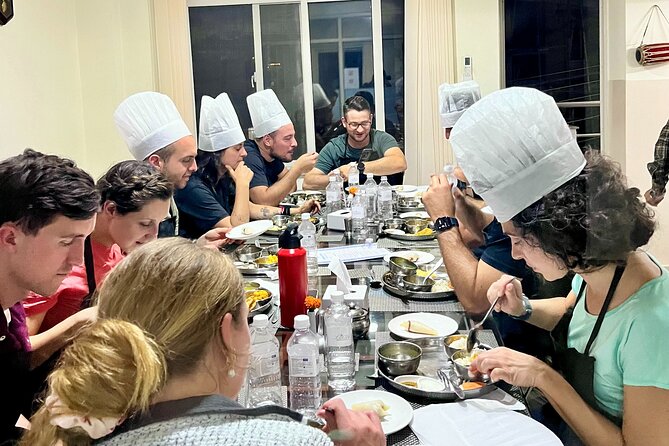
The academy provides the cooking equipment and accessories, so you do not need to bring tools. The kitchen and dining room have been described as clean and well equipped, which makes a difference when you are handling dough, fillings, lentils, and spices.
Once the dishes are ready, you sit down and eat what you made. The standard experience includes two main courses, a dessert, and complimentary Nepali masala tea. Specialty drinks and alcohol cost extra and are not included.
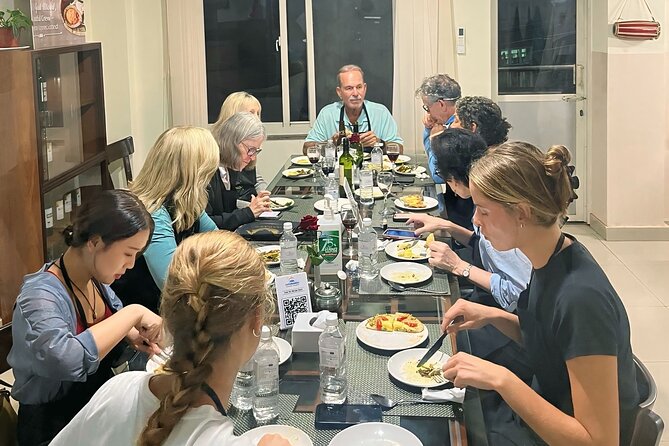
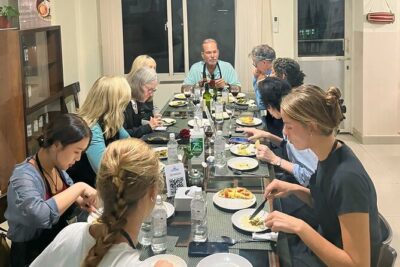
The shared meal is where the class pays off. You can compare your folding and seasoning with the chef’s version, ask final questions, and enjoy food while it is fresh. The setting is welcoming rather than formal, so it suits people who like a social meal as much as those who want a recipe to take home.
English is the teaching language. The instruction has been praised for being easy to understand, patient, and clear. That is especially helpful with momo, where watching the hand movements can be as important as hearing the explanation.
What the $4 price really means
At a listed price of $4 per person, this is an unusually low-cost activity for a three to four hour class that includes a market visit, ingredients, cooking equipment, a meal, dessert, and masala tea. On paper, the value is excellent.
Still, confirm the final price and selected options at booking. Hotel pickup and drop-off are optional, and specialty drinks, alcohol, and professional photos or videos are not included. A pickup service may add convenience or cost depending on the option you choose.
The strongest value comes from the combination of instruction and food. You are not paying only for a plate of momo. You are learning techniques you can repeat at home, while also getting a look at ingredients and cooking habits in Nepal. One participant prepared three dishes and left feeling confident enough to cook them for friends and family, which is exactly the kind of lasting value a good cooking class should offer.
The low price also makes this a sensible choice for budget-conscious visitors. Just remember that the minimum group size may be two people. If that number is not reached, the academy offers another date or a full refund.
Who will get the most from this class
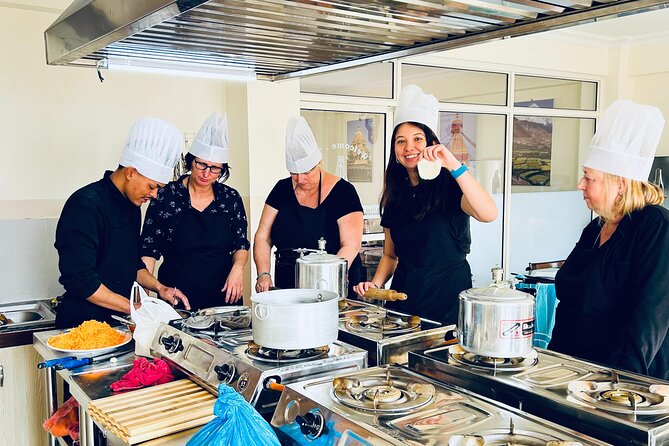
I would recommend this class to food lovers, first-time visitors who want a local activity, and anyone who has eaten momo or dal bhat in Nepal and wants to understand the preparation. It also suits couples, friends, and solo participants who enjoy meeting a small group around a table.
It is a good rainy-day option in Kathmandu because much of the activity takes place indoors, with the market visit providing only a short outdoor portion. The wheelchair-accessible facility may also make planning easier for some visitors, though you should confirm your particular access needs in advance.
Families with very young children should choose another activity. Children under five are not suitable for this class, and people over 95 are excluded by the activity rules. Older children who can safely and patiently take part may be fine, but the supplied information does not set a broader age range.
You should also skip this if you dislike cooking, have limited time, or want a polished restaurant meal without effort. The fun comes from doing the work, including the imperfect momo folds.
Pickup, timing, and practical details
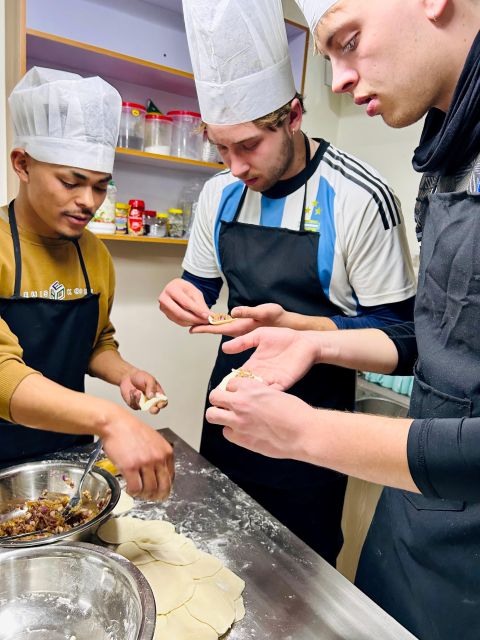
You can meet at the Kathmandu Cooking Academy or choose hotel pickup from within Kathmandu Valley. The meeting point is near Thamel, and staff will greet you at the building entrance and guide you to registration. Look for the academy signboard outside.
Arrive 15 minutes early. This gives you time to find the entrance, settle in, and start the market visit without holding up the group.
The activity is offered in English. If you have dietary restrictions, tell the academy ahead of time rather than waiting until the kitchen session begins. Comfortable clothing is the only stated clothing advice, and a camera is the one recommended item to bring.
Free cancellation is available up to 24 hours before the start time, and you can reserve now and pay later. Check the available starting times because the class schedule can change by date.
Is the Kathmandu momo class worth booking?
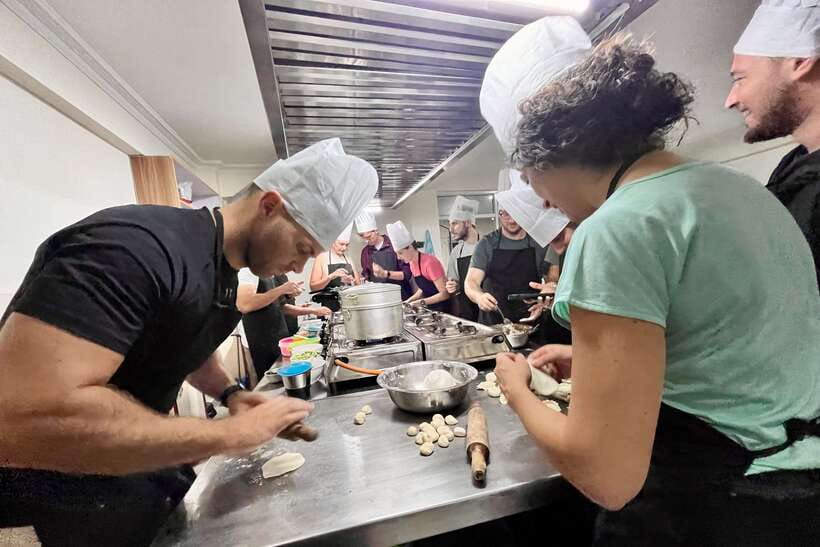
Yes, if you want more than a quick taste of Nepali food. The market walk, active momo folding, flexible menu, patient instruction, and sit-down meal make this a well-rounded Kathmandu activity. The low listed price adds strong value, especially for a three-hour class with food included.
Book it if you are willing to work in the kitchen and can spare half a day. Choose the pickup option if your hotel is outside the Thamel area, and notify the academy about dietary needs before arrival. If your main goal is a fast sightseeing stop, or if you do not want to cook, spend your time elsewhere. For everyone else, this is a practical way to leave Kathmandu with a better understanding of its food and a few dishes you can try at home.
FAQ
Where does the Kathmandu cooking class meet?
The meeting point is Kathmandu Cooking Academy in Kathmandu. It is about a 10 to 15 minute walk from Thamel, and staff will meet you at the building entrance.
How long does the experience last?
The full experience takes approximately three hours, while the stated duration is three to four hours. This includes the market or shop visit, cooking, and tasting session.
What dishes will I cook?
Momo and dal bhat are the main dishes. You can also choose from other traditional Nepali meals, with past class choices including bara and yomari. The exact selection can vary.
Is hotel pickup available?
Yes. Optional pickup and drop-off are available from locations within Kathmandu Valley. Provide your hotel details when booking if you select this service.
Is the class suitable for dietary restrictions?
You should inform the academy in advance about dietary restrictions or preferences so the menu can be adjusted where possible.
What is included in the price?
The experience includes step-by-step cooking instruction, a market or shop tour for ingredients, cooking equipment and accessories, tasting of the prepared food, and complimentary Nepali masala tea. Specialty drinks, alcohol, and professional photos or videos are not included.
Just added around Kathmandu
- Private Half-Day Tour of Boudhanath and Pashupatinath Temples in Kathmandu★ 4.5 · 9 reviews
- Private Half-Day Tour of Kathmandu Durbar Square and Swayambhunath Temple★ 4.5 · 11 reviews
- Namobuddha Monastery Hiking Day Tour via Panauti from Kathmandu★ 5.0 · 15 reviews
- Private Full-Day Kathmandu City Tour★ 5.0 · 9 reviews
- Private Day Tour in Kathmandu Valley Rim with Bhaktapur Sightseeing★ 5.0 · 3 reviews
- Private Half Day Budhanilkantha Tour★ 5.0 · 6 reviews
- Private Day Tour: Patan and Bhaktapur from Kathmandu★ 4.5 · 6 reviews
- Private Day Tour – Sacred Journey to Namo Buddha★ 5.0 · 5 reviews
Cooking Classes, compared.
Nepalese Momos or Dal Bhat Cooking Class (Cook with Delight)
Read our review →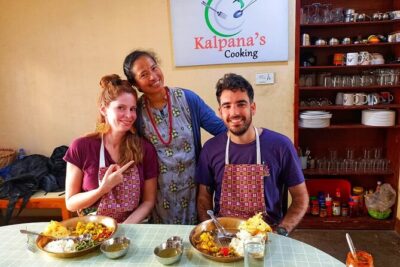
The best Private Nepali Cooking Class in Kathmandu
Read our review →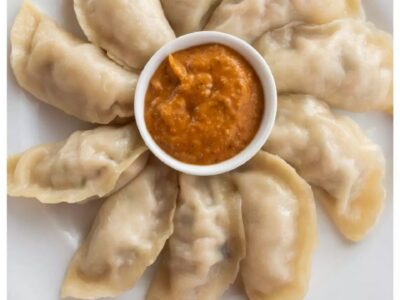
Nepalese Kitchen in Pokhara: Momos or Dal Bhat Cooking Class
Read our review →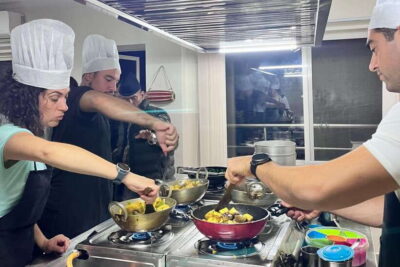
MoMo or Dal Bhat Cooking Class at Aama Kitchen in Pokhara
Read our review →Browse the lists this tour appears in