
Reviewed · WORKSHOPS
Traditional Momo Making Class
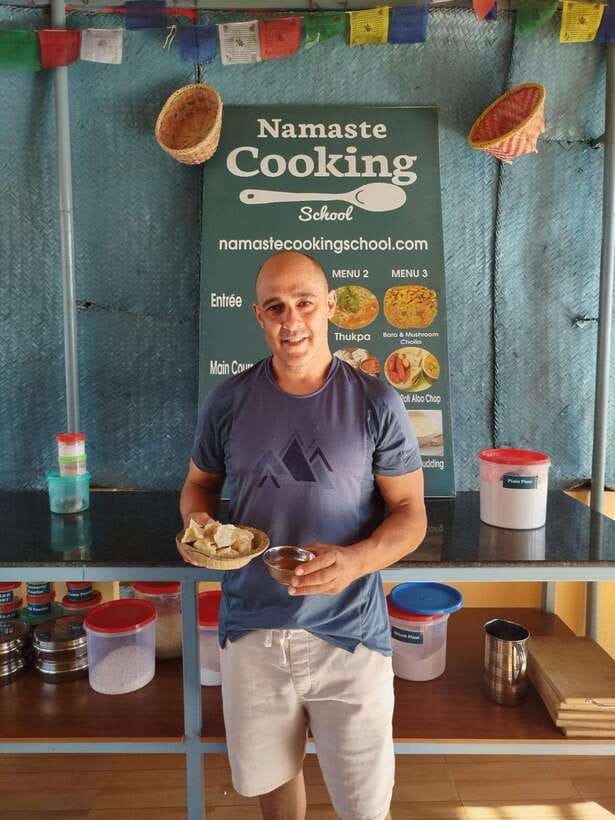
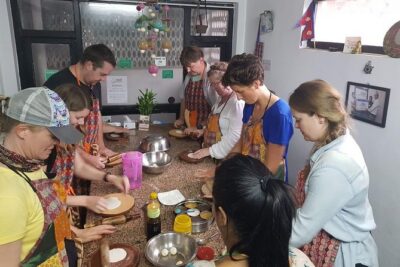
Making momos is less about watching a chef perform and more about getting your hands busy. At Namaste Cooking School in Thamel, you knead the dough, prepare the filling, and learn the folding tricks that turn small rounds of dough into Nepal’s favorite dumplings. Lead trainer Sushi guides the class in English, with other local women chefs helping along the way.
I like the use of fresh local ingredients and Nepali spices, since you learn how the flavor comes together rather than simply eating a finished dish. I also like the friendly, relaxed setting, including a clean, bright kitchen and rooftop atmosphere noted by several participants. The class is listed as 1.5 hours, but plan a little extra time because conversation and cooking can stretch the visit.
Key points about the momo class
- You make every part of the dish: Knead dough, prepare the filling, fold the dumplings, and taste the finished momos.
- Sushi leads in English: Lead trainer Sushi is singled out as warm, playful, and easy to work with.
- The setting is clean and bright: The kitchen and rooftop cooking area offer a calm break from Thamel’s busy streets.
- You learn more than a recipe: The chefs explain momo-making methods and the dish’s place in Nepali celebrations and daily life.
- Masala chai is included: You receive a welcoming cup before or during the class.
- The $15 price includes the essentials: Ingredients, instruction, chai, and your own cooked momos are covered.
Starting in Thamel with chai and local cooks
The class takes place at the Women Led Namaste Cooking School in Thamel, Kathmandu. Thamel is a handy base for visitors, with plenty to see and do before or after the lesson. Hotel pickup and drop-off are not included, so you make your own way there and should arrive about 10 minutes early.
A welcome cup of masala chai sets the tone. This is a small touch, but it gives you a moment to settle in before handling ingredients. The instruction is in English, and the format is hands-on rather than a demonstration where you sit back and take notes.
The school is women-led, and the cooking is taught by local women chefs. That matters because the class links the food to the people who prepare it, rather than treating momos as a generic tourist dish. You get practical cooking guidance alongside a sense of how this food fits into Nepali home life, celebrations, and everyday meals.
The atmosphere seems to be one of the class’s strongest points. The cooking space is described as clean, bright, and quiet, with a rooftop setting. That can make a difference in Kathmandu, where a peaceful place to concentrate feels welcome after time on crowded streets.
A few more Kathmandu trips to weigh up
- Half day cooking class in Thamel kathmandu
★ 5.0 · 607 reviews - Kathmandu: Local Women-Led Nepali Cooking & Momo Class
★ 4.9 · 360 reviews - Kathmandu: Local Lead Nepali Cooking & Momo-Making Class
★ 5.0 · 212 reviews
Kneading dough, the first real test
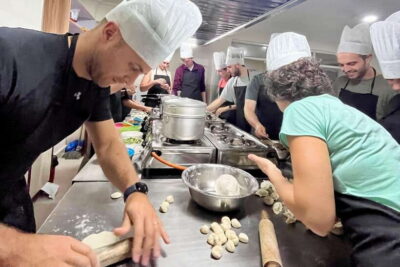
Momo-making begins with the dough. You learn how to knead it, work it into a usable consistency, and prepare it for rolling. This is a useful part of the class because the dough affects the final texture. If it is too thick, the dumpling can feel heavy. If it is too thin, the filling may break through during cooking.
The chefs guide you through the process instead of expecting you to know the technique already. You do the work yourself, which is the point. By the end, you should have a better feel for how the dough behaves in your hands.
This step is also where the class earns its practical value. You are not just collecting a food memory. You are learning a repeatable method you can try at home. One participant took the recipe back to Singapore and found the momos less difficult to make than expected. That is encouraging if you want a cooking class that produces a skill, not only a snack.
Wear comfortable clothing and shoes suitable for cooking. You may spend much of the session standing or moving between preparation tasks, and relaxed clothes make the work easier.
Preparing fillings with Nepali flavor
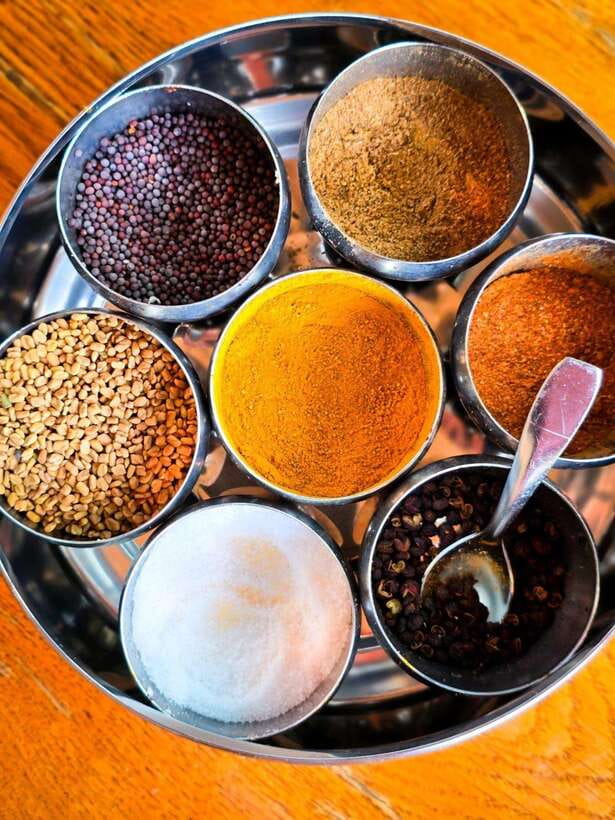
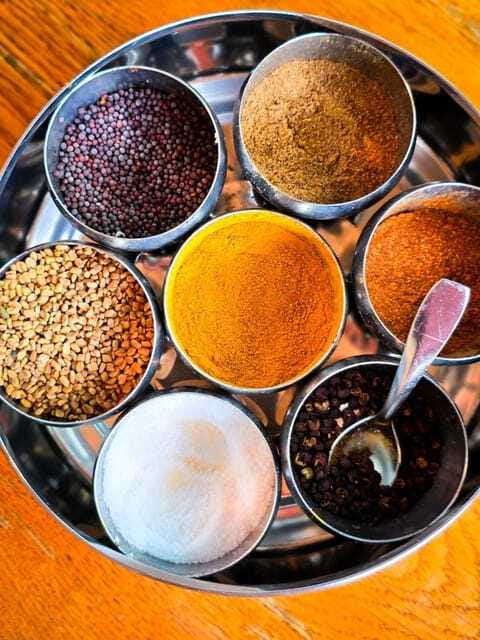
Next comes the filling. The class uses fresh, locally sourced ingredients and authentic Nepali spices. The supplied details do not specify a single filling or list every spice, so you should not expect a fixed menu of ingredients beyond what is needed for the class. The useful part is learning how the filling is prepared and seasoned under local guidance.
You get to chop and mix rather than watch from the side. That makes this a good choice for families and beginners. An 11-year-old participant was keen to do much of the chopping and took part in the folding, showing that the class can work well for older children who enjoy practical activities.
The chefs also explain the cultural side of momos. In Nepal, these dumplings are tied to celebrations as well as normal daily eating. That context gives the cooking a little more meaning. You begin to see momos not as a fashionable street-food trend, but as a familiar part of Nepali food culture.
I appreciate that the cultural explanation is attached to a real task. You hear about the dish while shaping and seasoning it, so the information stays connected to what is in front of you. The result is more useful than a long talk about cuisine with no chance to cook.
Folding momos into traditional shapes
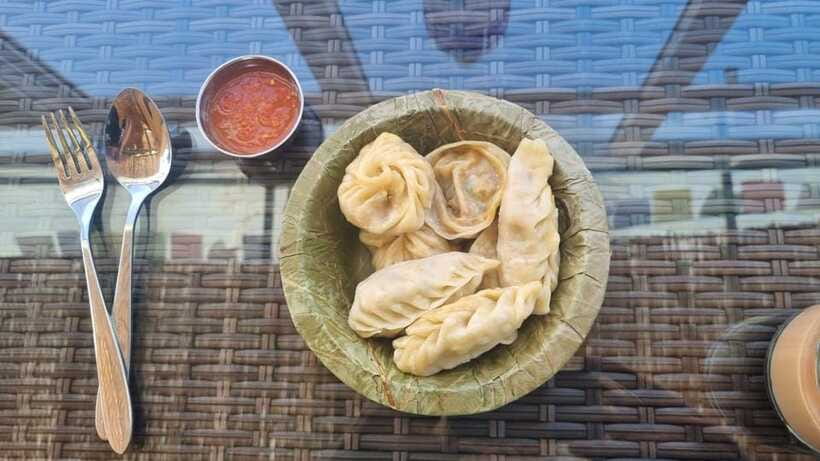
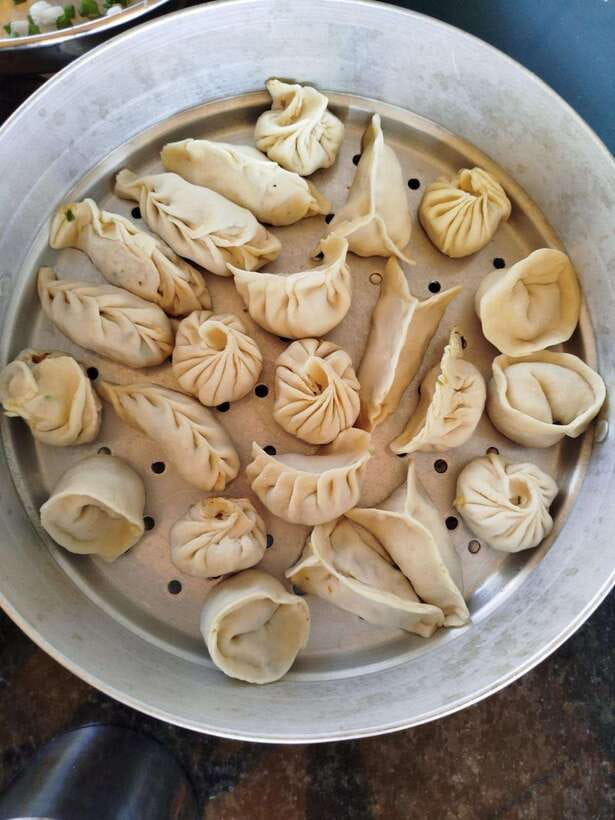
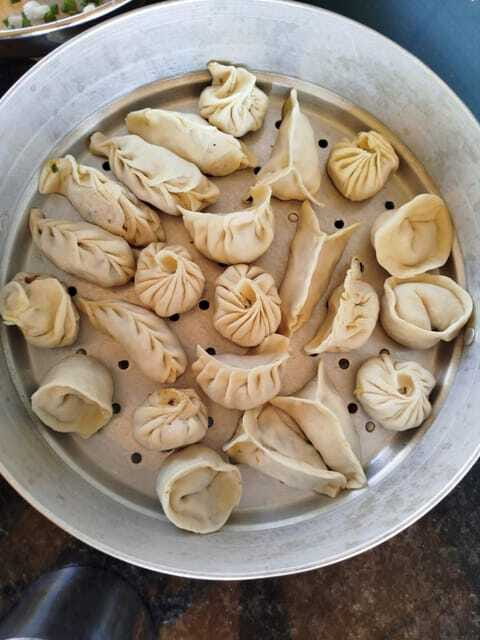
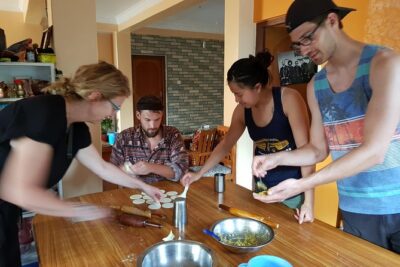
Folding is the playful part of the lesson, and also the place where your first attempts may look less tidy than the chef’s. You learn to place the filling, close the dough, and form momos into traditional shapes. The chefs show the technique, then let you practice it.
Do not worry about producing perfect dumplings on your first try. The point is to understand how much filling to use, how to seal the edges, and how to keep the dumpling intact. With a little practice, the shape becomes easier. The class gives you enough time to try the method yourself rather than handing the task back to the professionals.
The folding also makes the class social. You can compare shapes, laugh at imperfect edges, and improve as you go. One participant described dancing to traditional Nepali music during the class, which gives you a good sense of the informal mood. This is not a silent technical workshop.
If you are hoping for advanced culinary training, the class may feel basic. It is designed for food lovers and curious beginners, not for professional cooks seeking specialist instruction. For most people, that simplicity is a strength. You can follow the method without feeling tested.
Same mountains, a completely different kind of day:
- Everest Base Camp Trek – 14 Days
★ 5.0 · 1,499 reviews - Private Kathmandu Sightseeing Tour | UNESCO World Heritage sites
★ 5.0 · 756 reviews - Everest Base Camp Helicopter Tour landing at Everest View Hotel
★ 5.0 · 668 reviews - Everest Base Camp Trekking
★ 5.0 · 485 reviews
Cooking and eating your own momos
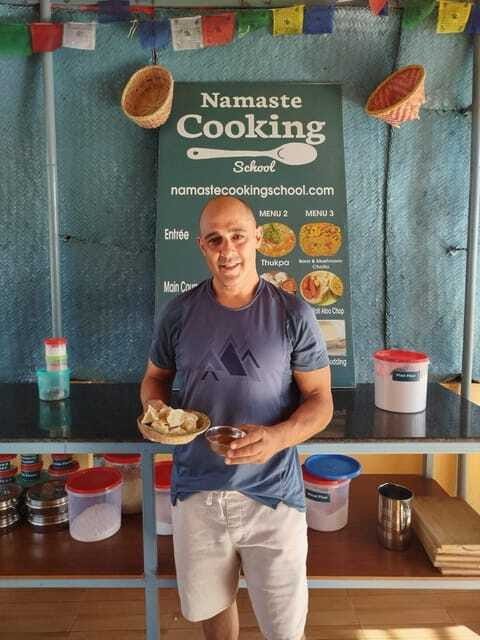
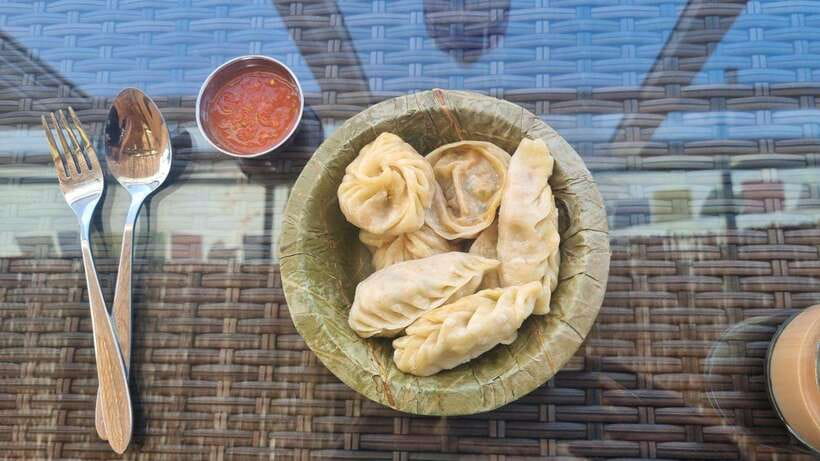
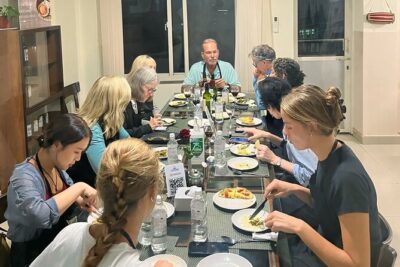
After the preparation and folding, you taste the momos you have made. This final meal is included in the $15 price, along with the ingredients, instruction, and masala chai. You get to judge the result for yourself, including the texture of your dough, the seasoning of the filling, and the quality of your folding.
Food always tastes better when you have done the work, but there is a practical benefit here too. Eating the finished momos helps you understand what the earlier steps were meant to achieve. You can notice whether the wrapper is tender, whether the filling is balanced, and how well each dumpling stayed sealed.
The class does not list hotel transport, so the low price does not include door-to-door service. That keeps the cost down, but you need to allow time to reach the school in Thamel. It is easy to pair the class with a walk through the neighborhood before or after, as one family did.
The timing deserves a careful note. The experience is advertised as 1.5 hours, but one participant found it ran longer, possibly because the group spent time chatting. You should avoid scheduling a tight appointment immediately afterward. A little flexibility lets you enjoy the cooking instead of watching the clock.
What the $15 price really covers
At $15 per person, this is a strong-value activity if you want food, instruction, and cultural contact in one short visit. You are not paying only for a plate of momos. The price covers the ingredients, an English-speaking local cooking team, hands-on preparation, your tasting portion, and welcome masala chai.
The value is especially good for first-time cooks. Buying momos from a restaurant would be cheaper in some places, but it would not teach you how to knead dough or fold dumplings. Here, you leave with a method you can repeat, and the recipe can help you continue at home.
Families also get good value because children can take part in the preparation. The activity gives them a clear task, from chopping to folding, rather than asking them to sit quietly while adults cook. Still, the supplied information does not give a minimum age, so families should confirm suitability when booking if they have very young children.
The price does not include hotel transfers, and the class is not presented as a full meal beyond the momos you prepare. If you want a large multi-course cooking experience, this is not that. It is a focused lesson built around one beloved Nepali dish.
The women-led setting and teaching style
The women-led format is central to the character of the class. You cook with local women chefs who explain the steps, answer questions, and let you handle the food. The teaching appears friendly rather than formal, with room for conversation and humor.
Sushi, the lead trainer, receives especially warm mention for making the session enjoyable. The other chefs also speak English well, according to the experience details. That is important because dough texture, filling consistency, and folding technique all need clear explanation.
The mood may vary with the group. If everyone wants to chat, the class can last longer and feel more like a shared afternoon. If you prefer a quick, tightly timed lesson, the relaxed pace may require patience. I see this as a small tradeoff rather than a serious flaw, but it is worth knowing before you book.
The clean kitchen is another practical plus. Several participants specifically valued the bright, tidy setting. Clean preparation areas matter in any food class, and they help you feel comfortable handling ingredients and eating what you make.
Who should book this cooking class?
I would recommend the class to first-time visitors who want an easy introduction to Nepali food. It also suits couples, families, solo food lovers, and anyone who enjoys learning by doing rather than sitting through a lecture.
You should book it if you want:
- A short activity that fits into a Kathmandu sightseeing day
- A chance to meet local women cooks in a friendly setting
- A simple recipe you can try again at home
- A hands-on activity for an older child
- An introduction to Nepali spices and momo culture
- A calm rooftop or bright kitchen setting in Thamel
You may want another type of food tour if you want to visit several restaurants, sample many dishes, or learn a broad range of Nepali recipes. This class concentrates on momos, so its appeal depends on how much you like the idea of mastering one dish.
It is also not the best match for a strict schedule. The listed duration is 1.5 hours, but the session can run longer when the group is enjoying conversation. Leave breathing room before your next plan.
Booking details worth knowing
The class is offered in English and includes a local cooking team. Arrive 10 minutes before the start time, since the lesson begins with preparation and you do not want to miss the first dough instructions.
Free cancellation is available up to 24 hours before the start date for a full refund. You can also reserve now and pay later, which helps if your Kathmandu plans are still changing. Hotel pickup and drop-off are not included.
The location is given as the Women Led Namaste Cooking School in Thamel, Kathmandu, within Nepal’s Bagmati Zone. Check the available starting times when booking, since the class schedule can affect how easily it fits around sightseeing.
Should you book the Namaste momo class?
Book it if you want a friendly, affordable food activity where you actually make the dish. The clean kitchen, English instruction, fresh ingredients, welcome chai, and relaxed women-led setting add more value than the low price suggests.
Go in expecting a focused momo lesson, not a full culinary course. Allow more than 1.5 hours, arrive early, and leave room for conversation. If you do that, you get a useful souvenir that costs almost nothing to pack: the ability to make Nepali momos at home.
FAQ
Where does the momo-making class take place?
The class takes place at the Women Led Namaste Cooking School in Thamel, Kathmandu, Nepal.
How long is the cooking class?
The class is listed as 1.5 hours. It may last longer if the group spends extra time cooking and chatting.
What language is used during the class?
The class is taught in English.
Who teaches the momo-making class?
Local women chefs lead the class. Sushi is identified as the lead trainer.
What will I learn to do?
You will learn how to knead momo dough, prepare fillings, use Nepali spices, and fold the dumplings into traditional shapes.
Are the ingredients included?
Yes. Ingredients for preparing the momos are included in the price.
Do I get to eat the momos I make?
Yes. Tasting your own handmade momos is included.
Is masala chai included?
Yes. A welcome masala chai is included.
Is hotel transportation included?
No. Hotel pickup and drop-off are not included.
How late can I cancel for a full refund?
You can cancel at least 24 hours before the start date for a full refund.
Just added around Kathmandu
- Kathmandu to Pokhara Premium sofa bus ticket★ 4.0 · 17 reviews
- Women Empowerment Project(Nepali cooking class & jewelry workshop★ 5.0 · 15 reviews
- Walking tour of Kathmandu with awesome local guides★ 5.0 · 4 reviews
- Wildlife Adventure in Chitwan Nepal★ 4.0 · 4 reviews
- Kathmandu 2 Nights 3 Days Chitwan Jungle Safari Tour★ 5.0 · 9 reviews
- Kathmandu Street Food Walking Tour – Eat Like a Local★ 5.0 · 3 reviews
- Walking tour of real Kathmandu through back streets.★ 5.0 · 3 reviews
- Upper Mustang Trekking★ 5.0 · 4 reviews
Workshops, compared.
Nepalese Momos or Dal Bhat Cooking Class (Cook with Delight)
Read our review →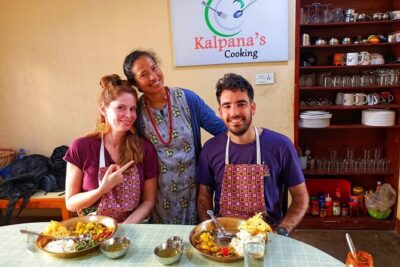
The best Private Nepali Cooking Class in Kathmandu
Read our review →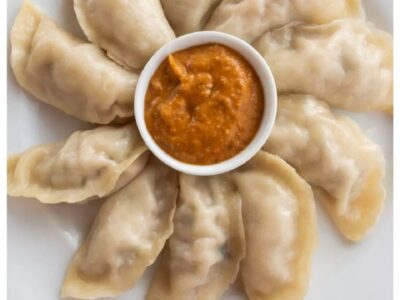
Nepalese Kitchen in Pokhara: Momos or Dal Bhat Cooking Class
Read our review →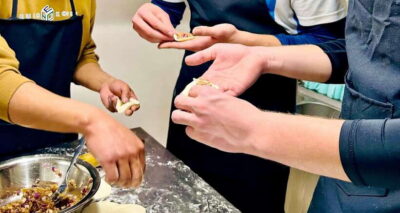
Browse the lists this tour appears in