
Reviewed · WORKSHOPS
Kathmandu: Traditional Momo Making Class & Pickup
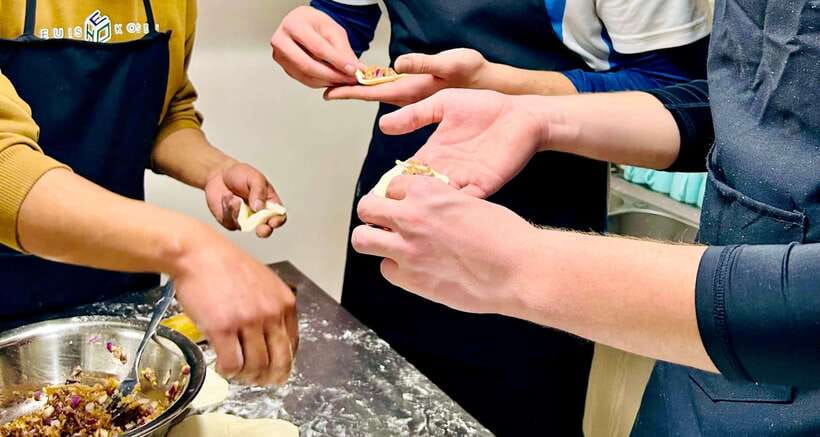
Kathmandu’s most famous comfort food makes a fine short cooking lesson. At the Kathmandu Cooking Academy, you shop for ingredients, mix the filling, learn the tricky folds, and steam the momos you made yourself. It is a useful way to understand Nepal through food, not just eat it.
I like the small groups of up to 10 and the patient teaching style. I also like the choice of veggie, vegan, or chicken filling, plus regular or soup momo. The main consideration is timing: the class begins at 1 PM and may last 1.5 to 2 hours, so it works best as a planned afternoon activity rather than a drop-in stop.
Key points to know before booking
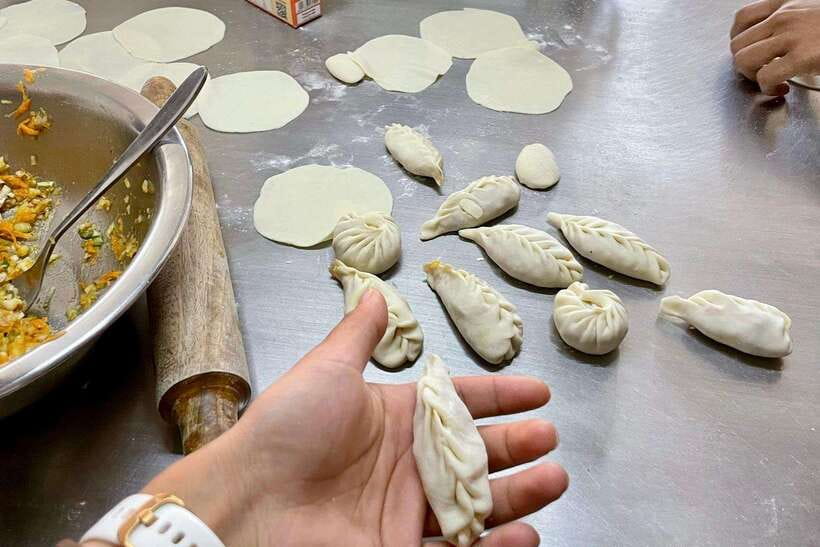
- Make momo from scratch: You prepare the dough, filling, folds, and steaming under local guidance.
- Start with a market visit: The class includes a short shop or market tour for fresh ingredients.
- Choose your filling: Veggie, vegan, and chicken options are available, with allergy and dietary requests best shared ahead of time.
- Keep the group manageable: The class is limited to 10 participants, allowing more direct help with shaping.
- Walk from Thamel: The academy is about a 10 to 15 minute walk from Thamel and has a signboard outside.
- Pickup is available: Hotel pickup and drop-off can be arranged within Kathmandu Valley.
Why momo makes such a good Kathmandu food class
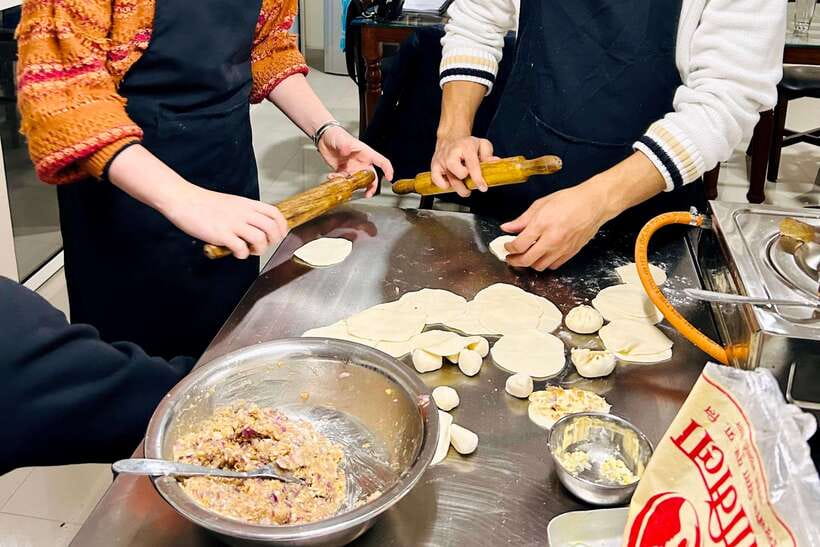
Momo are dumplings, but that plain description misses their place in everyday Nepali food. You will find them across Kathmandu, filled with vegetables or meat and served with spicy dipping sauces. The dough, folding pattern, filling, and cooking method all matter, and this class lets you see how those parts fit together.
The best feature here is that you do not simply watch a chef prepare a plate. You handle the ingredients yourself. That gives the lesson a practical edge. By the end, you should understand how thin the dough needs to be, how much filling fits inside, and how to close the dumpling without letting it split.
The class is also short enough to fit into a Kathmandu sightseeing plan. Two hours will not turn you into a professional dumpling maker, but it gives you a solid introduction and enough practice to keep working at home. One participant specifically found that the shaping became easier with repetition, which is exactly what you should expect. The first few folds may look rough. That is part of the fun.
A few more Kathmandu trips to weigh up
- Half day cooking class in Thamel kathmandu
★ 5.0 · 607 reviews - Kathmandu: Local Women-Led Nepali Cooking & Momo Class
★ 4.9 · 360 reviews - Kathmandu: Local Lead Nepali Cooking & Momo-Making Class
★ 5.0 · 212 reviews
The 1 PM market and ingredient stop
The experience begins with a guided market or shop visit to select fresh ingredients. This is more useful than it may sound. Instead of meeting premeasured ingredients on a classroom table, you see what goes into the dish and get a closer look at local food shopping.
The official choices include vegetable and chicken ingredients, with vegan preparation available when requested in advance. Ask about your needs before booking, especially if you have an allergy or avoid certain ingredients. The supplied information does not promise a separate allergy-free kitchen, so clear communication matters.
The market visit is also a good reason to bring your camera. You will have a chance to photograph ingredients and the food-shopping setting before the cooking begins. Keep in mind that the exact market route and shop details are not specified, so this should be treated as a short ingredient-sourcing visit, not a long guided tour of Kathmandu’s food markets.
Inside Kathmandu Cooking Academy
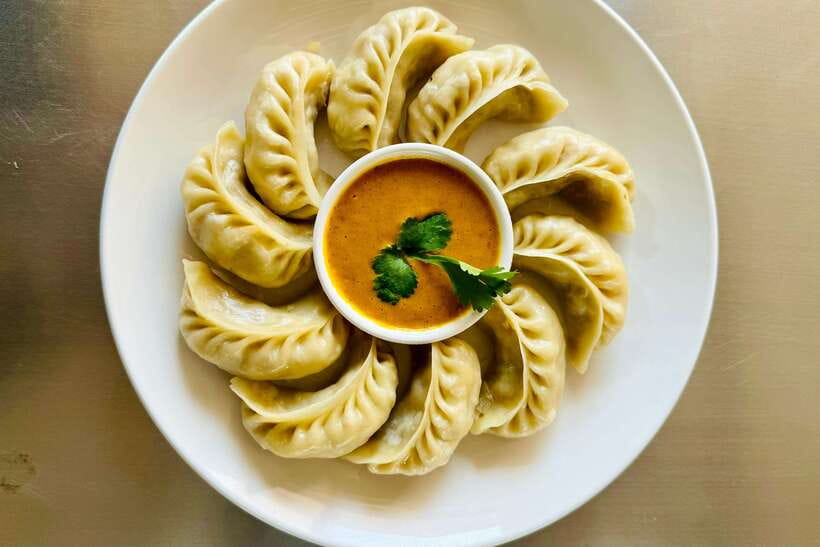
The meeting point is Kathmandu Cooking Academy, in central Kathmandu and roughly a 10 to 15 minute walk from Thamel. Look for the signboard outside the building. Staff meet you at the entrance and direct you to registration.
The school provides the cooking equipment and accessories. That matters for anyone staying in a hotel or guesthouse, where cooking space is often limited or nonexistent. You can focus on the food rather than worry about bringing tools.
The class is taught in English. Named instructors in the supplied feedback include Birfan and Bikram, and the teaching style is described as patient and encouraging. Bikram is especially noted for keeping both adults and children involved in a large family group. The class information itself sets the normal group size at 10, so larger private arrangements may not reflect the standard format.
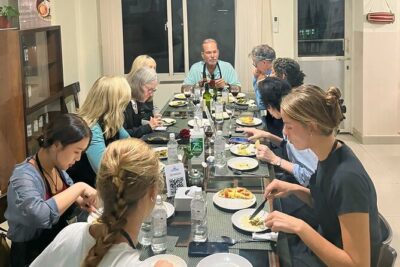
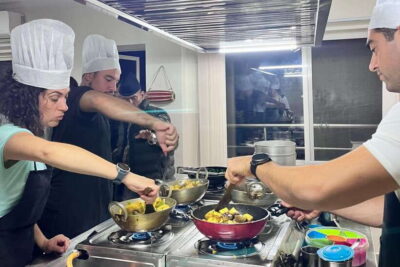
The setting is intended for participation, not a formal demonstration from across the room. You should expect to work alongside the instructor and other participants. That makes group energy part of the experience. A friendly group can make the folding practice more amusing, while a quieter group may let you focus more closely on technique.
Mixing, folding, and steaming the momos
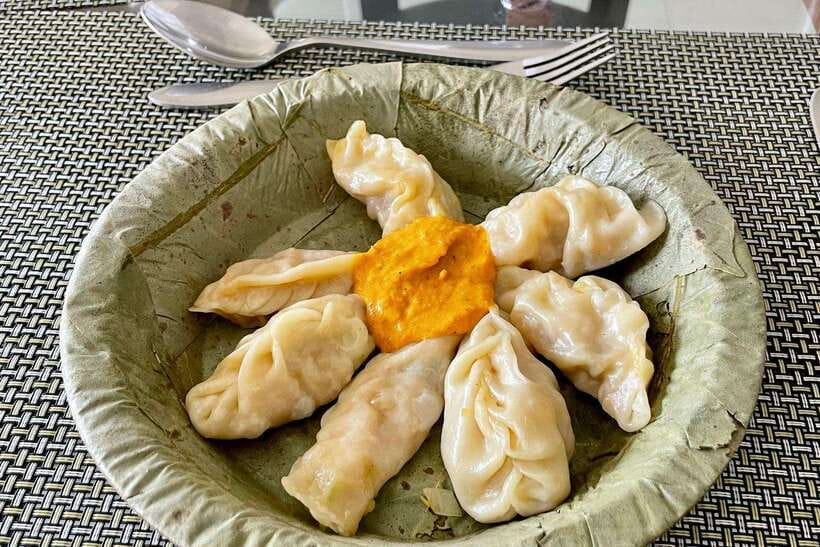
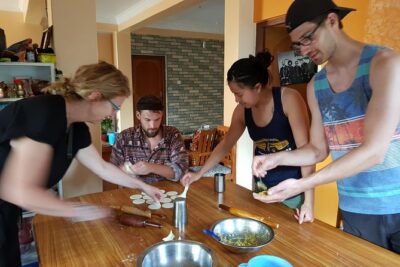
The cooking lesson covers the basic process step by step. You prepare the dough, work on the filling, shape each momo, and steam the finished dumplings. The instructor demonstrates the folds and helps you correct them as you practice.
Shaping is likely to be the most challenging part. The dough must be handled carefully, and the folds take a little coordination. Do not judge your first attempt too harshly. The useful part of a class like this is having someone nearby who can show you a simpler hand movement and point out where the dumpling needs sealing.
The filling choice lets you set the tone of the meal. Chicken gives you the classic meat option. Vegetable momo suit people who want a meat-free dish, while vegan preparation should be requested before arrival so the kitchen can plan for it. The class also offers the choice between standard momo and soup momo, giving you two different ways to experience the dumpling.
Soup momo are a fun variation because the filling includes broth or soup inside the dumpling. They require careful handling, and the choice gives the lesson a little more range than a basic steamed momo session. The available information does not explain the exact soup recipe or method, so ask the instructor how that version will be prepared at the start.
After shaping, the momos are steamed. This final stage shows why sealing matters. A well-closed dumpling keeps its filling together while cooking. You will then taste the results as part of the class, rather than leaving with uncooked food.
Same mountains, a completely different kind of day:
- Everest Base Camp Trek – 14 Days
★ 5.0 · 1,499 reviews - Private Kathmandu Sightseeing Tour | UNESCO World Heritage sites
★ 5.0 · 756 reviews - Everest Base Camp Helicopter Tour landing at Everest View Hotel
★ 5.0 · 668 reviews - Everest Base Camp Trekking
★ 5.0 · 485 reviews
The tasting session and masala tea
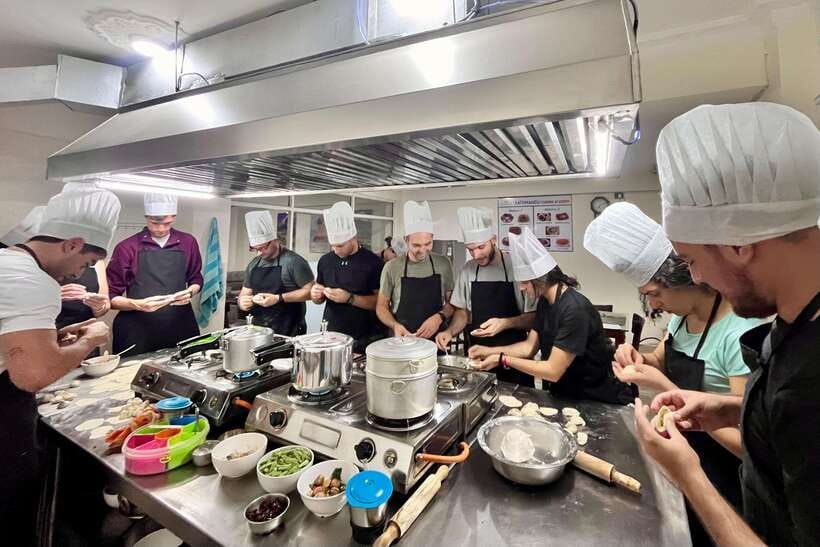
The reward is a tasting session with the momos you prepared. Freshly cooked food always helps make a cooking lesson feel complete, and this one gives you a proper meal-sized taste rather than a token sample.
A complimentary cup of Nepali masala tea is included. The tea adds a pleasant local touch and gives you something warm to drink while you eat. Specialty drinks and alcohol are not included, so keep expectations simple: this is a momo class with tea, not a full beverage experience.
The food itself gets the strongest praise. Chicken momos are repeatedly described as delicious, and several participants found the finished dishes good enough to inspire a momo party at home. That is a useful test of the class. You are not only eating something tasty in Kathmandu, you are learning a dish you can try to repeat later.
One practical tip is to take notes. A participant found that the printed recipe did not include every ingredient used in class. If you want to recreate the momos at home, write down the instructor’s additions and proportions as you work. Also take photographs of the shaping process if the instructor allows it. A picture of the finished folds can be more useful than memory.
What the small group means for your experience
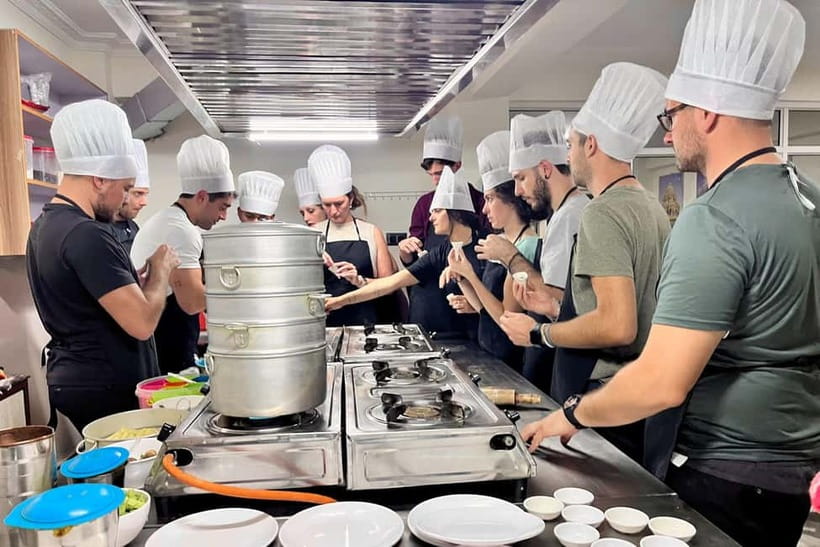
A maximum of 10 people is a good middle ground. You get the social side of a shared class without the size of a large demonstration. More importantly, shaping momos requires personal help. If the room were packed, you could spend too much time waiting for an instructor to reach your station.
The class has also worked well for mixed-age groups. One family group included adults from age 75 down to children aged 7, with everyone taking part. The stated minimum age is 5, and the activity is not suitable for children under that age. The upper age limit is listed as 95.
For families, the cooking format has a clear advantage: children can take part in a real food task rather than simply sit and watch. The work requires patience, so very young children may need close adult help. The class is also a good fit for solo visitors who want an easy social activity without committing to a full-day tour.
Price, pickup, and practical value
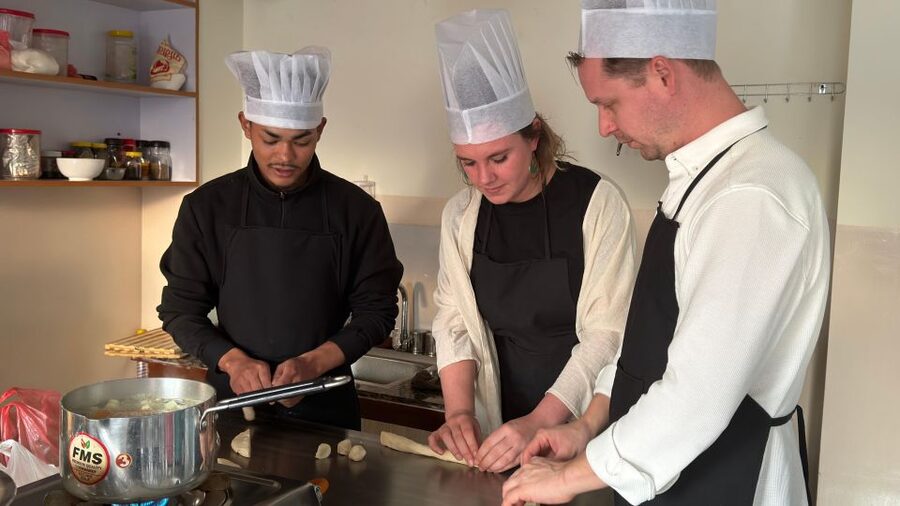
At $4 per person, this is an unusually low-cost activity. The fee covers the hands-on class, the ingredient visit, equipment, tasting, and masala tea. That makes it strong value for anyone who wants an activity with real participation rather than another sightseeing stop.
The price is especially attractive if you are staying near Thamel and can walk to the academy. Optional hotel pickup and drop-off within Kathmandu Valley add convenience, though the supplied information does not state an extra pickup charge. Confirm the transport terms when booking if you need a ride.
Pickup can be useful if you are staying farther from central Kathmandu or prefer not to navigate the city after lunch. Give the academy your hotel details in advance. If you walk, allow 10 to 15 minutes from Thamel and look for the signboard outside the building.
The timing needs a little care. The class starts at 1 PM and is listed as lasting 1.5 to 2 hours. Because the session includes ingredient shopping, cooking, steaming, and tasting, avoid scheduling a tight afternoon appointment immediately afterward. The class may finish around 2:30 PM, but allowing the full two hours is wiser.
Free cancellation is available up to 24 hours before the activity for a full refund. You can also reserve and pay later, which helps if your Kathmandu plans are still shifting.
Who will enjoy this class most
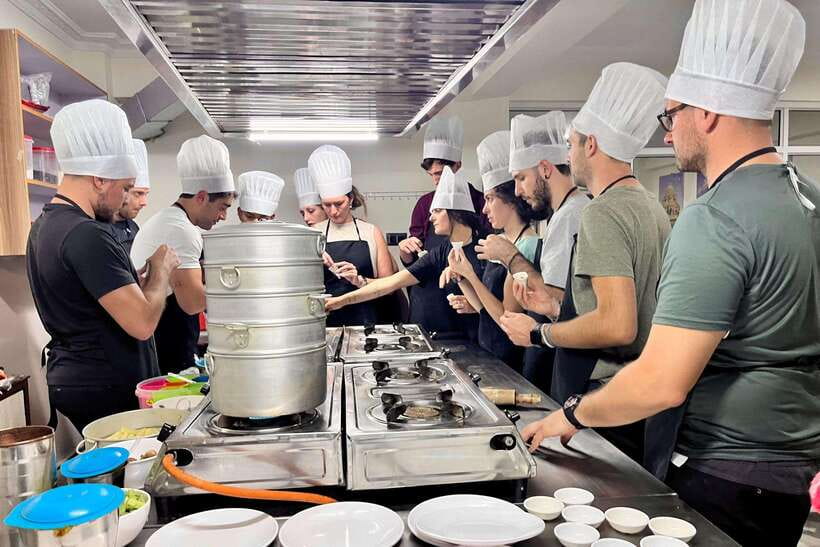
I would choose this for a first visit to Kathmandu, especially if you want an easy way to meet local food through your own hands. It suits people who enjoy cooking, families with children over 5, and anyone who wants a relaxed afternoon after a morning of sightseeing.
It is also a good match for vegetarian and vegan diners, provided you share those requests in advance. Chicken eaters have a clear option as well. The regular or soup momo choice gives repeat visitors and food-focused cooks a little more control over the lesson.
You should think twice if you want a long market tour, a serious culinary qualification, or a broad survey of Nepali cuisine. The advertised focus is momo, and the activity lasts only two hours. Some past sessions have included other Nepali dishes, but you should not book this expecting a guaranteed multi-course cooking menu.
The English instruction and small group make it accessible to beginners. You do not need prior cooking experience. The main requirement is a willingness to practice the folds and accept that your first dumplings may not look perfect.
Should you book Kathmandu’s momo class?
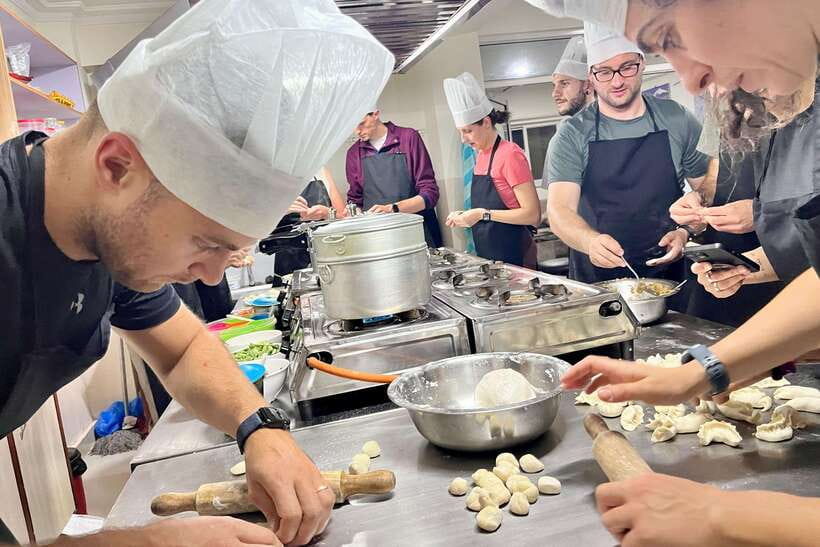
Book it if you want a low-cost, hands-on food experience with local instruction, fresh ingredients, and a meal at the end. The strongest reasons are the patient teaching, the small group, the choice of fillings, and the chance to learn a dish you can recreate at home.
Skip it if your schedule cannot spare a flexible 1.5 to 2 hours at 1 PM, or if you are seeking a long cultural tour rather than a focused cooking lesson. For most food-minded visitors, though, $4 buys a useful and enjoyable afternoon, especially when you walk from Thamel and make the most of the market stop, shaping practice, and masala tea.
FAQ
Where does the momo cooking class meet?
The class meets at Kathmandu Cooking Academy in central Kathmandu. The academy is about a 10 to 15 minute walk from Thamel, and you should look for the signboard outside the building.
What time does the class start?
The class starts at 1 PM.
How long does the experience last?
The stated duration is two hours, while the class timing notes that it lasts about 1.5 to 2 hours.
What types of momo can I make?
You can choose veggie, vegan, or chicken momo. You can also choose between regular momo and soup momo.
Is hotel pickup available?
Yes. Optional hotel pickup and drop-off are available from locations within Kathmandu Valley.
Is the cooking class taught in English?
Yes. English is the listed language for the instructor.
How many people can join the class?
The class is limited to 10 participants.
Is food and tea included?
Your prepared momos and a complimentary cup of Nepali masala tea are included. Specialty and alcoholic drinks are not included.
Should I tell the academy about allergies or dietary needs?
Yes. You should inform the academy ahead of time about allergies, dietary restrictions, or a request for vegan preparation.
Can I cancel the booking for a refund?
You can cancel up to 24 hours in advance for a full refund. Reserve-now, pay-later booking is also available.
Just added around Kathmandu
- Private Half-Day Tour of Boudhanath and Pashupatinath Temples in Kathmandu★ 4.5 · 9 reviews
- Private Half-Day Tour of Kathmandu Durbar Square and Swayambhunath Temple★ 4.5 · 11 reviews
- Namobuddha Monastery Hiking Day Tour via Panauti from Kathmandu★ 5.0 · 15 reviews
- Private Full-Day Kathmandu City Tour★ 5.0 · 9 reviews
- Private Day Tour in Kathmandu Valley Rim with Bhaktapur Sightseeing★ 5.0 · 3 reviews
- Private Half Day Budhanilkantha Tour★ 5.0 · 6 reviews
- Private Day Tour: Patan and Bhaktapur from Kathmandu★ 4.5 · 6 reviews
- Private Day Tour – Sacred Journey to Namo Buddha★ 5.0 · 5 reviews
Workshops, compared.
Nepalese Momos or Dal Bhat Cooking Class (Cook with Delight)
Read our review →
The best Private Nepali Cooking Class in Kathmandu
Read our review →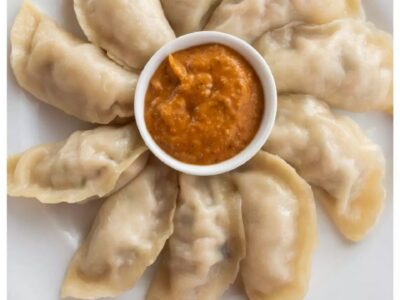
Nepalese Kitchen in Pokhara: Momos or Dal Bhat Cooking Class
Read our review →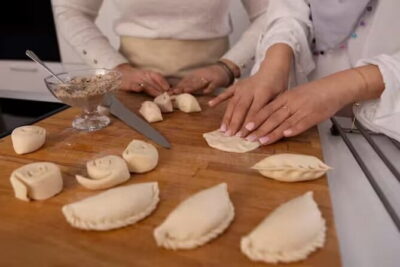
Browse the lists this tour appears in