
Reviewed · UNESCO WORLD HERITAGE TOURS
Bhaktapur Durbar Square and Boudhanath Stupa
Boudhanath Stupa and Bhaktapur Durbar Square show two very different sides of Kathmandu Valley. At Boudha, you walk with pilgrims around a huge white dome while prayer wheels turn beside you. In Bhaktapur, you follow old brick lanes past carved windows, pagoda temples, pottery workshops, and palace courtyards.
I like the private car and guide, especially for a five-hour outing with hotel pickup and drop-off. I also like the human details: guides such as Bijay and Prakriti have helped guests find good photo spots, explain local customs, and introduce small tastes such as Bhaktapur’s yogurt treats. The main consideration is time. Eighty minutes at Boudha and 90 minutes in Bhaktapur give you a strong introduction, but not enough for a slow, museum-style visit.
Key points at a glance
- Two major sights in one half-day: Pair the spiritual center of Boudhanath with the medieval streets of Bhaktapur.
- Private transport included: A car, driver, guide, and hotel pickup make this easier than arranging two separate visits.
- Good local access: The route can include pottery, woodworking, paper-making workshops, local shops, and traditional Newari streets.
- Strong guide element: Bijay and Prakriti are named guides associated with especially warm, well-organized tours.
- Five hours, with room to continue: Drop-off at your hotel or a central Kathmandu location lets you plan another activity afterward.
- Budget for entrance fees and food: Heritage-site tickets, meals, snacks, and personal purchases are not included in the $60 price.
Why these two places belong together
Bhaktapur and Boudhanath are close enough to visit in one half-day, yet they offer sharply different experiences. Bhaktapur is about old Newari urban life, royal power, craft, and architecture. Boudha is about Tibetan Buddhism, ritual movement, monasteries, and quiet concentration.
That contrast gives the tour a useful rhythm. You begin among carved timber, palace squares, and working artisans. Later, you circle the stupa with prayer wheels clicking under your hand and monks chanting nearby. I like this pairing because it keeps the day from becoming a parade of similar temples.
The experience is also practical for a first afternoon in Kathmandu. One guest used it after landing in Nepal that morning, finding the timing suitable for an afternoon activity. The five-hour format gives you a focused introduction without taking over the entire day.
More UNESCO World Heritage Tours in Kathmandu:
- Private Kathmandu Sightseeing Tour | UNESCO World Heritage sites
★ 5.0 · 756 reviews - Kathmandu: Full Day 7 UNESCO Tour with Lunch – Private/Group
★ 5.0 · 415 reviews - Kathmandu: Full Day Top 4 UNESCO Tour with Lunch – Private/Group
★ 5.0 · 269 reviews
Starting from Kathmandu in a private car
Pickup is included from Kathmandu, and the driver or guide calls to confirm the meeting point. You travel in a private car rather than joining a large group, which matters in Kathmandu Valley. You can ask questions without waiting for a busload of people, and the guide can adjust the pace within the available time.
The advertised duration is five hours. The two main sightseeing blocks total about 170 minutes: 80 minutes at Boudhanath and 90 minutes at Bhaktapur. The remaining time covers pickup, driving, and drop-off. Actual road conditions can affect how much time you spend inside each place, so I would treat the schedule as a structured half-day rather than a minute-by-minute promise.
Pickup and drop-off are flexible within the stated arrangement. You can return to your hotel or choose a central Kathmandu location, which is useful if you want to continue exploring after the tour.
Boudhanath Stupa, Kathmandu’s great circle walk
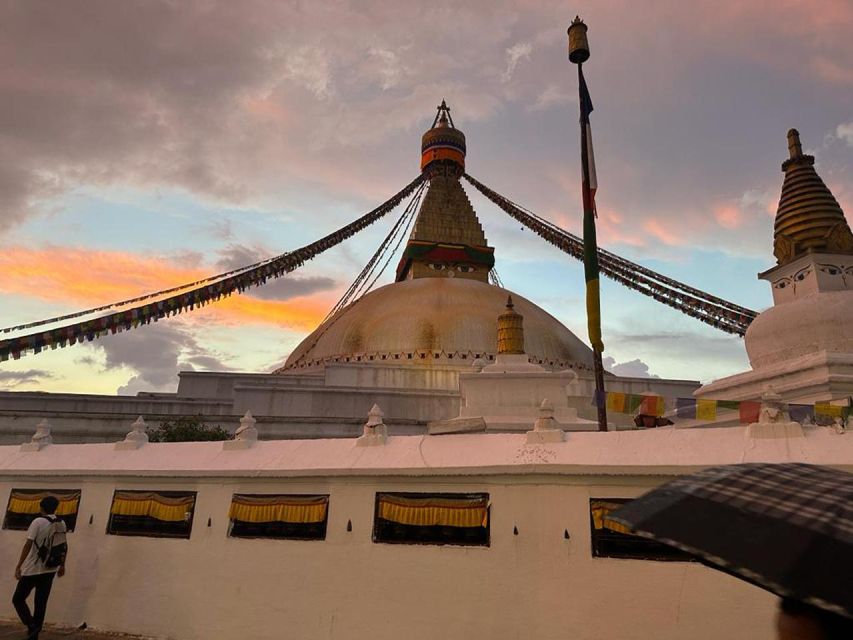
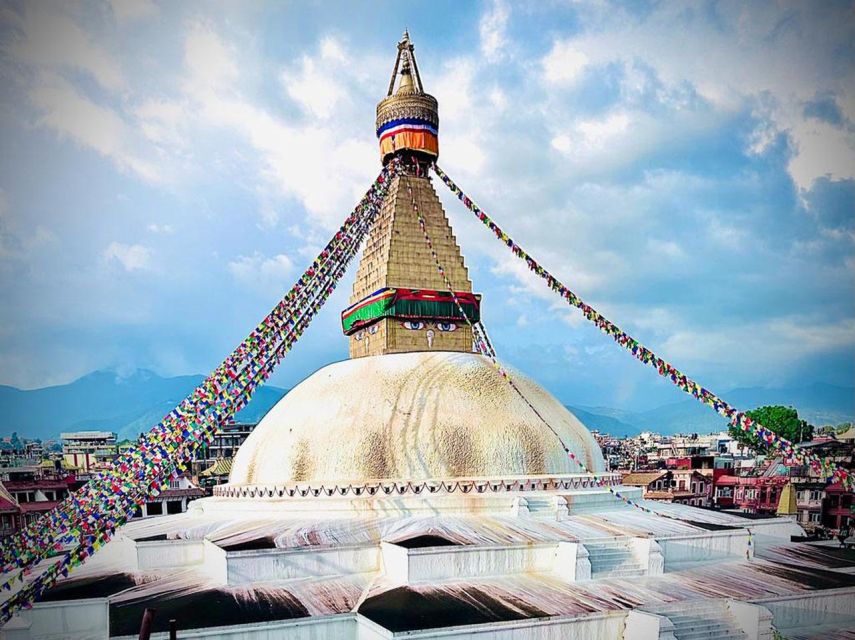
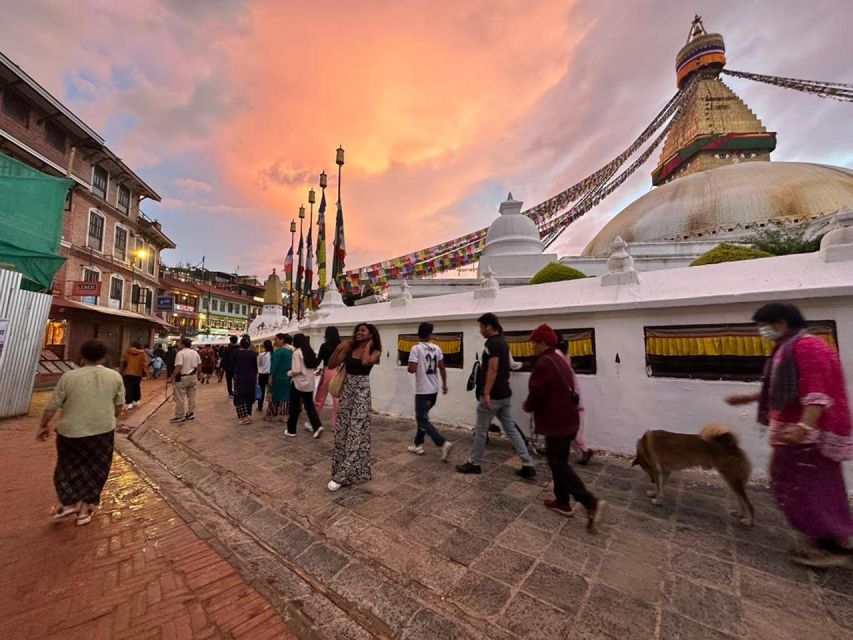
Boudhanath comes first, with about 80 minutes for a guided visit, photographs, and walking. The stupa’s scale is the first thing you notice. Its white dome rises above the surrounding buildings, topped by the familiar painted eyes and a tall golden structure.
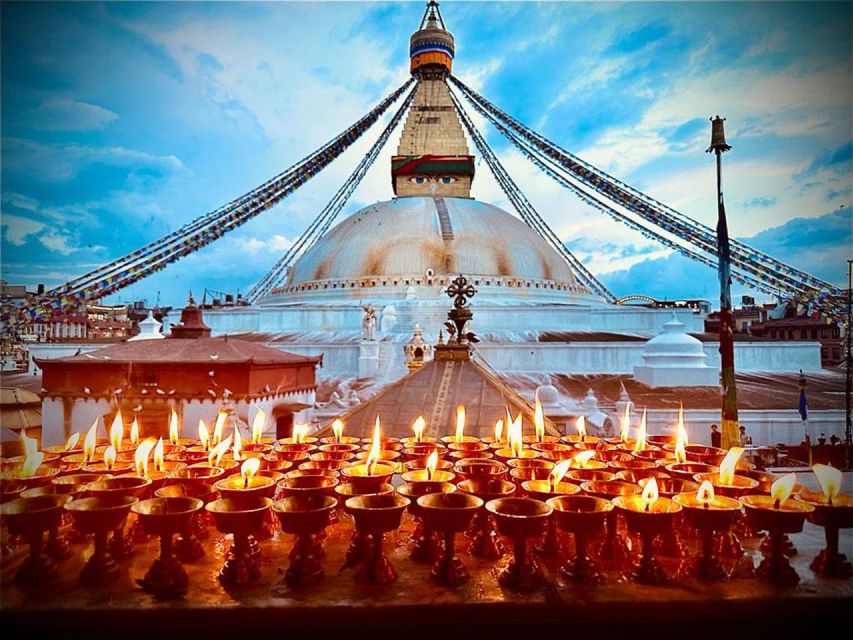
The best way to understand Boudha is to watch how people use the site. Pilgrims walk clockwise around the stupa, a ritual known as kora. They turn prayer wheels, repeat mantras, and pause at shrines. You are not simply looking at a monument. You are sharing a living religious space, so your guide can help you move through it with suitable respect.
The area is also an important center for the Tibetan community. Prayer flags hang near monasteries, and the sound of chanting gives the square a calm, steady mood. The tour includes time to see this setting rather than treating Boudha as a quick photo stop.
You can also browse shops selling Tibetan objects, incense, and thangka paintings. These are personal purchases, not part of the tour price. Take care with shopping time, though. Eighty minutes passes quickly once you allow time for the stupa walk, photos, explanations, and the surrounding market.
I would ask your guide to explain the meaning of the prayer wheels and the proper direction for walking before you set off. That small bit of context changes the stop from sightseeing to participation in a place that still functions as a center of worship.
Bhaktapur’s old lanes and royal squares
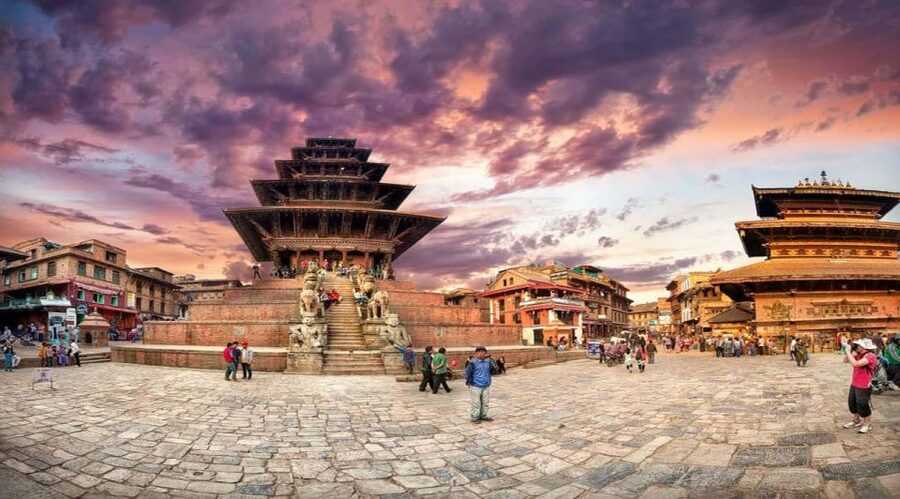
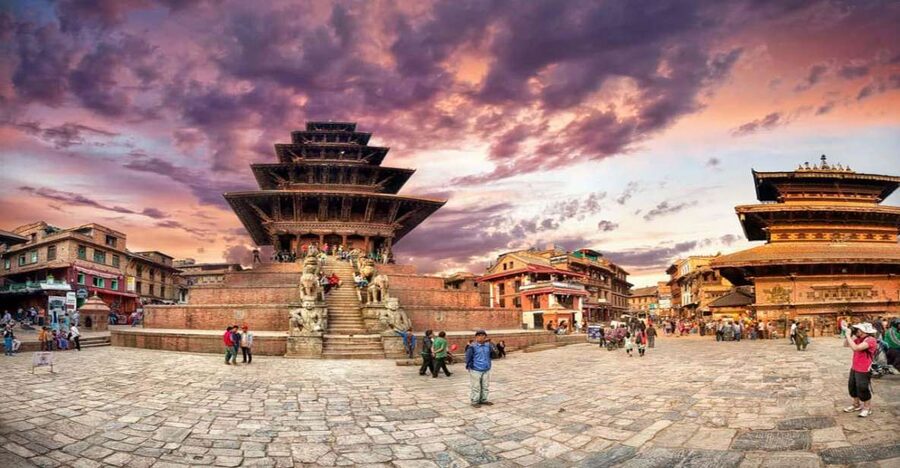
The second major stop is Bhaktapur Durbar Square, with around 90 minutes for a guided walk, photographs, free time, and shopping. Bhaktapur is a UNESCO-listed historic city known for its preserved Newari buildings, pagoda temples, palaces, brick lanes, and carved wooden details.
The city’s importance grew during the Malla period, when it served as a center for trade, art, and architecture. Your guide can point out how that power appears in the squares and palace buildings, then connect the grand monuments with the ordinary workshops still active in the city.
This is where a local guide adds real value. Without help, it is easy to see only a collection of attractive façades. With a guide such as Bijay or Prakriti, you can learn to look at the woodwork, temple forms, palace details, and street layout as parts of Newari culture rather than isolated decorations.
The route may include pottery, woodworking, and paper-making workshops. These working spaces give the visit a stronger sense of place than a simple walk from one famous building to another. You might see artisans at work, browse small shops, and notice how craft traditions remain tied to daily life.
One guest especially appreciated reaching streets used mainly by local residents and visiting a private home filled with antiques. That kind of access should not be treated as a guaranteed feature of every departure, but it shows what can happen when your guide has time and local contacts. Ask early if craft workshops or less-visited lanes can fit into your route.
Bhaktapur is also a good place to try a local snack. A guide named Bijay was praised for introducing guests to yogurt treats. Food is not included, so bring some spending money if you want to sample something or buy a small item.
More Durbar Square Tours in Kathmandu:
- Bhaktapur & Patan Durbar Square Day Tours
★ 5.0 · 122 reviews - Kathmandu Sunset Tour by Rickshaw Including Durbar Square Visit
★ 5.0 · 73 reviews - Old Kathmandu Walking Tour, Historic World Heritage Durbar Square
★ 5.0 · 22 reviews - City tour of Bhaktapur and Patan Durbar Square
★ 4.5 · 20 reviews
What the guide changes
This tour is sold on sights, but the guide is likely to shape your experience more than the vehicle. The old streets can feel confusing, and the buildings contain details that are easy to miss. A licensed English-speaking guide can explain the Malla period, Newari customs, religious symbols, and the role of the city’s artisans.
The named guides connected with the strongest feedback are Bijay and Prakriti, with one booking spelling the latter’s name as Parkriti. Specific guide assignment may depend on availability, so you should not assume that one particular person will lead your departure unless the company confirms it.
The most useful guide qualities here are not just facts. Guests valued kindness, patience, help with photographs, and a genuine effort to make the outing comfortable. One guide knew good photo locations and took group pictures. That can be handy at Bhaktapur, where a well-placed view of a square or carved doorway makes a much better souvenir than a rushed snapshot.
This is also a private group, so you can ask for more explanation at a temple or less time in a shop. The total schedule still limits how much you can do, but the format is more personal than a large coach tour.
Is $60 a fair price?
At $60 per person, the tour is not the cheapest way to see Bhaktapur and Boudha. You pay for private transport, hotel pickup and drop-off, a licensed guide, and the convenience of handling both sights in one booking.
That package can be good value if you are staying in Kathmandu for a short time, arriving without local transport plans, or prefer not to negotiate taxis. It is also useful for solo visitors and couples who want direct explanations instead of reading signs or arranging separate guides.
The price does not include heritage-site tickets, food, or personal expenses. This is important because the advertised price is not your complete spending total. Ask about current entry fees when booking, and carry cash or another accepted payment method for snacks and shopping.
If you already have transport and feel comfortable finding your way around, you may spend less by arranging visits independently. The tour earns its price through time saved, private service, and local interpretation rather than through included meals or entrance tickets.
Timing, walking, and practical comfort
You will walk at both sites. Boudhanath involves the circuit around the stupa, while Bhaktapur includes narrow historic streets and courtyards. Comfortable shoes are the sensible choice, even though this is not a long hiking trip.
The activity is listed as wheelchair accessible. Because the route includes old streets and historic areas, tell the provider about your needs when you book so the guide and driver can confirm the most suitable route. The available information confirms accessibility, but it does not describe the exact surfaces or access arrangements at every monument.
The tour runs in English. If you need another language, this experience may not be the right match because English is the only language specified.
The schedule includes photo stops, guided sightseeing, free time, and shopping. If you care more about architecture than purchases, say so at the start. If you want time for gifts or thangka browsing, protect some of the Bhaktapur portion for that instead.
Free cancellation is available up to 24 hours before the tour for a full refund. You can also reserve now and pay later, which helps if your Kathmandu plans may change.
Who will get the most from this tour?
I would choose this for a first visit to Kathmandu Valley when I wanted two major cultural stops without spending a full day on the road. It suits couples, families, solo visitors, and small private groups who value a guide and door-to-door transport.
It is especially useful for:
- People with only one free afternoon
- Visitors arriving in Kathmandu who want an organized first outing
- Anyone interested in both Tibetan Buddhist life and Newari culture
- Photographers who want help finding good angles and group photos
- Visitors who prefer a private car over shared transport
- People who want to continue into central Kathmandu after drop-off
I would look for a longer Bhaktapur visit if your main interest is detailed architecture, museums, or slow photography. Ninety minutes is enough to get oriented and see major areas, but you may want more time for workshops, shopping, and quiet courtyard visits.
I would also avoid packing another tightly timed activity immediately after the tour. Traffic can affect the drive, and both sites reward a few unhurried moments.
Should you book it?
Book this tour if you want an efficient, private introduction to two of Kathmandu Valley’s most meaningful places. The strongest reasons are the combination of Boudhanath’s ritual atmosphere, Bhaktapur’s working craft traditions, and the help of an English-speaking local guide.
The main trade-off is that entrance fees and food cost extra, and the five-hour schedule gives you an overview rather than a full study of either site. For a first afternoon, that is a sensible compromise. If you want practical transport, personal guidance, and a clear contrast between Tibetan and Newari culture, the $60 package is worth considering.
FAQ
How long is the Bhaktapur and Boudhanath tour?
The tour lasts five hours, including pickup, travel between locations, sightseeing, and drop-off.
Where does the tour begin?
Pickup is provided in Kathmandu from your designated location.
Where does the tour end?
You can be dropped back at your hotel or at a central location in Kathmandu.
How much time is planned at Boudhanath Stupa?
The Boudhanath visit lasts about 80 minutes and includes walking, sightseeing, a guided tour, and photo time.
How much time is planned at Bhaktapur Durbar Square?
The Bhaktapur visit lasts about 90 minutes and includes a guided walk, sightseeing, photo time, free time, and shopping.
Is transportation included?
Yes. A private car and hotel pickup and drop-off are included.
Is a guide included?
Yes. The activity includes a professional licensed private tour guide, with English listed as the tour language.
Are entrance tickets included in the $60 price?
No. Tickets to the heritage sites are not included.
Are food and personal expenses included?
No. Food, snacks, shopping, and other personal expenses are paid separately.
Can I cancel for a full refund?
Yes. You can cancel up to 24 hours in advance for a full refund. The activity also offers reserve now and pay later booking.
More Bhaktapur Tours in Kathmandu
- Private Bhaktapur and Nagarkot Day Tour From Kathmandu
★ 5.0 · 305 reviews - Day Trip to Bhaktapur and Panauti from Kathmandu
★ 5.0 · 184 reviews - Nagarkot Sunrise & Bhaktapur UNESCO Heritage Private Tour
★ 5.0 · 66 reviews - Kathmandu: Private Patan and Bhaktapur Sightseeing Tour
★ 4.7 · 64 reviews
Just added around Kathmandu
- Private Half-Day Tour of Boudhanath and Pashupatinath Temples in Kathmandu★ 4.5 · 9 reviews
- Private Half-Day Tour of Kathmandu Durbar Square and Swayambhunath Temple★ 4.5 · 11 reviews
- Namobuddha Monastery Hiking Day Tour via Panauti from Kathmandu★ 5.0 · 15 reviews
- Private Full-Day Kathmandu City Tour★ 5.0 · 9 reviews
- Private Day Tour in Kathmandu Valley Rim with Bhaktapur Sightseeing★ 5.0 · 3 reviews
- Private Half Day Budhanilkantha Tour★ 5.0 · 6 reviews
- Private Day Tour: Patan and Bhaktapur from Kathmandu★ 4.5 · 6 reviews
- Private Day Tour – Sacred Journey to Namo Buddha★ 5.0 · 5 reviews
UNESCO World Heritage Tours, compared.
Private Kathmandu Sightseeing Tour | UNESCO World Heritage sites
Read our review →
Full Day 7 UNESCO Tour with Lunch – Private/Group
Read our review →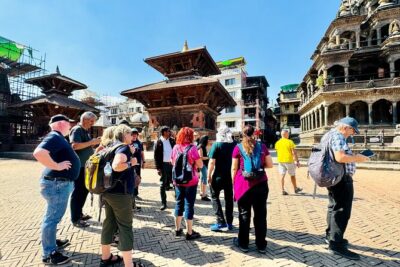
Full Day Top 4 UNESCO Tour with Lunch – Private/Group
Read our review →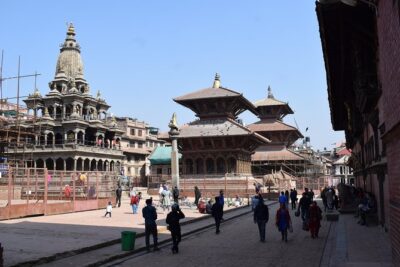
Kathmandu Spiritual Sites: Bodhnath & Pashupatinath Tour
Read our review →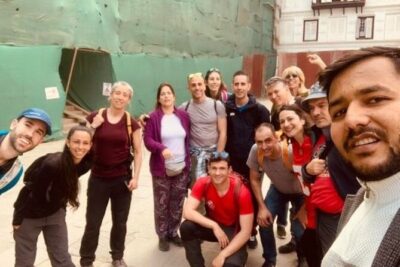
Kathmandu Private Sightseeing Tour | UNESCO World Heritage Sites
Read our review →Full Day 7 UNESCO Tour with Lunch – Private/Group
Read our review →Browse the lists this tour appears in