
Reviewed · BHAKTAPUR TOURS
Kathmandu: Private Patan and Bhaktapur Sightseeing Tour
Patan and Bhaktapur preserve the Kathmandu Valley’s finest royal squares, where carved wood, brick temples, bronze images, and old courtyards turn a sightseeing day into a lesson in Nepal’s past. Patan Durbar Square is the more museum-focused stop, while Bhaktapur feels more like a preserved medieval town.
I like the private vehicle and hotel pickup, which spare you the work of arranging transport between two spread-out sites. I also like the guide-led approach. Shankar Bhattarai and Dishee are named guides on this experience, and both are praised for clear explanations, friendly service, and adapting the visit to personal interests.
The main drawback is that the $49 price does not include entrance fees, food, or drinks. Bring Nepalese rupees, wear shoes suited to uneven ground, and allow some flexibility because six hours covers two large historic centers at a fairly brisk pace.
Key points to know before you book
- Two UNESCO World Heritage Sites in one half-day: Patan and Bhaktapur give you two distinct former kingdoms, each with its own royal square and style.
- Patan combines monuments with a museum: You can see Hindu temples, palaces, shrines, courtyards, and art in one compact area.
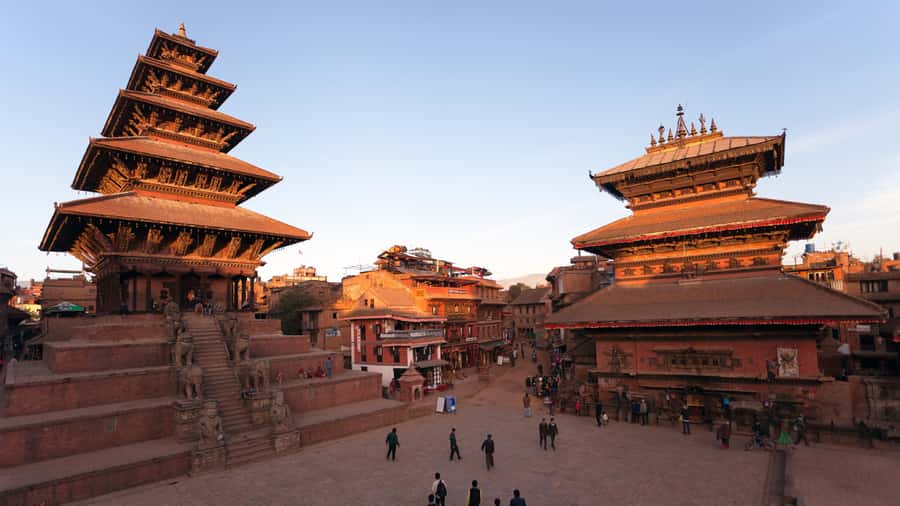
- Bhaktapur keeps a strong medieval character: Nyathapole Temple, the Golden Gate, and the 55 Window Palace form the visual heart of the visit.
- A private car makes the route simple: Hotel pickup, transport, and return to your Kathmandu accommodation are included.
- A guide adds the meaning behind the carvings: English-speaking guides explain the temples, palaces, religions, and restored architecture.
- Budget separately for entry tickets: Entrance fees are not part of the advertised price, so carry cash in Nepalese rupees.
Why Patan and Bhaktapur make a strong Kathmandu day trip
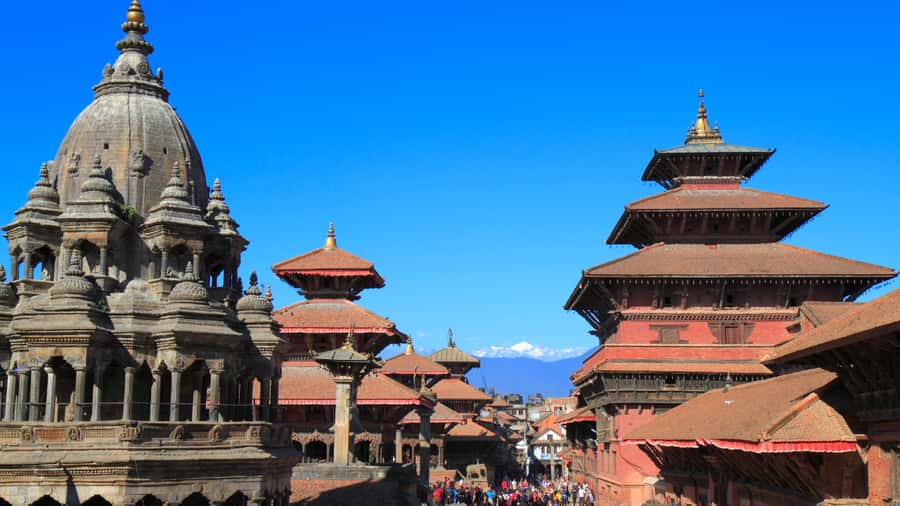
Kathmandu gives you plenty to see, but Patan and Bhaktapur reveal a different side of the valley. These were once separate kingdoms, not simply neighborhoods on a city sightseeing circuit. Their royal squares preserve the places where rulers displayed power, religious communities practiced their faith, and craftsmen developed the wood, metal, and brick work for which the valley is known.
The two cities are close enough to visit in six hours, yet different enough to make the pairing worthwhile. Patan feels concentrated around its Durbar Square and museum. Bhaktapur, about 12 kilometers from Kathmandu city, has a broader old center and a stronger sense of a town shaped by centuries of daily religious life.
I would choose this tour early in a Nepal trip if you want cultural context before heading into the mountains. It also works well near the end of a Kathmandu stay, when you want a final half-day of architecture without committing to a full-day excursion.
The six-hour length is useful, but it also sets the pace. You can see the main monuments and hear their stories, but you should not expect a slow, unplanned wander through every lane and courtyard. A private guide helps by focusing the day around what interests you most.
More Bhaktapur Tours in Kathmandu:
- Private Bhaktapur and Nagarkot Day Tour From Kathmandu
★ 5.0 · 305 reviews - Day Trip to Bhaktapur and Panauti from Kathmandu
★ 5.0 · 184 reviews - Bhaktapur & Patan Durbar Square Day Tours
★ 5.0 · 122 reviews
Patan Durbar Square and its carved royal courtyards
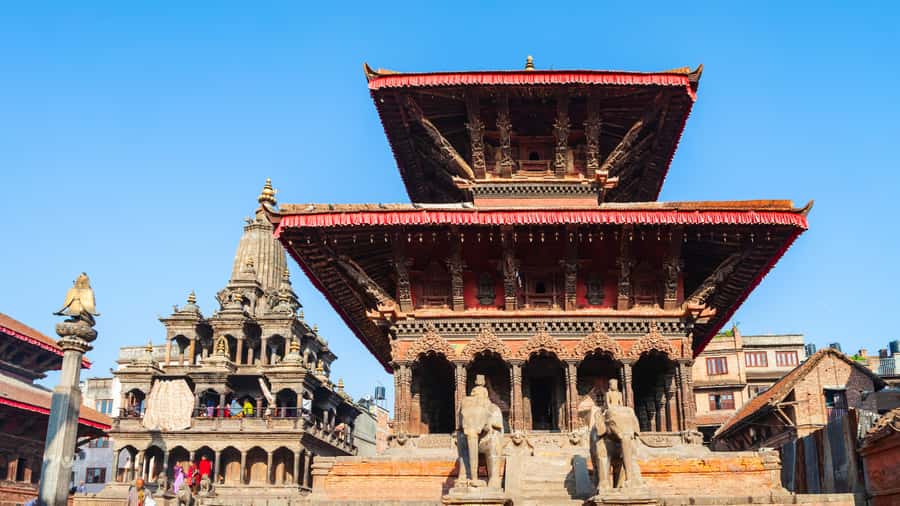
Patan is the first major stop described for the tour, and its Durbar Square gives you a compact introduction to Newari architecture and royal life. The square brings together palaces, Hindu temples, shrines, a museum, and old courtyards, all filled with carved facades and detailed decoration.
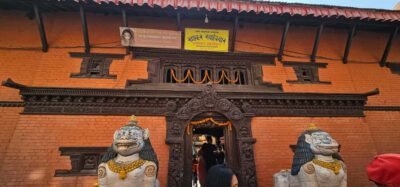
Look closely at the woodwork. The value here is not just the overall shape of a temple or palace, but the small figures, patterns, windows, and protective images worked into the buildings. A guide can point out details that are easy to miss when you are taking photographs from across the square.
The Patan Museum is an important part of the visit. It adds useful context to the outdoor monuments by showing art and artifacts connected with Nepal’s religious and artistic traditions. If you prefer understanding what you see rather than simply collecting photos, this museum makes the Patan stop more satisfying.
Patan also gives you a chance to compare Hindu and Buddhist traditions within the same historic setting. The tour description specifically includes Hindu temples, monasteries, and shrines, while the guide explains the religious features of the sites. That matters because the valley’s monuments are not decorative relics separated from faith. Their forms, images, and courtyards carry meaning.
The square can feel visually busy, with many structures competing for your attention. That is where the guide is especially useful. Ask for a slower look at the buildings that interest you most, since the private format allows the day to be adjusted around your preferences.
The architecture has also been affected by the earthquake and later restoration. One guide, Dishee, is specifically praised for explaining restored temples, palaces, and religious traditions, as well as the craftsmanship involved. The restoration work adds another layer to the visit: you are seeing both old artistic traditions and the effort to protect them.
Bhaktapur’s Nyathapole Temple and royal symbols
Bhaktapur has a different mood from Patan. Known as the City of Devotees, it has retained a medieval character across its historic center. The main square is anchored by major landmarks, but the appeal also comes from the sense that the old town extends beyond one formal plaza.
Nyathapole Temple is the landmark most visitors will want to see. Its tall, tiered form gives the square a powerful vertical focus. The tour includes this temple along with the Golden Gate and the 55 Window Palace, so you get the essential landmarks of Bhaktapur in one visit.
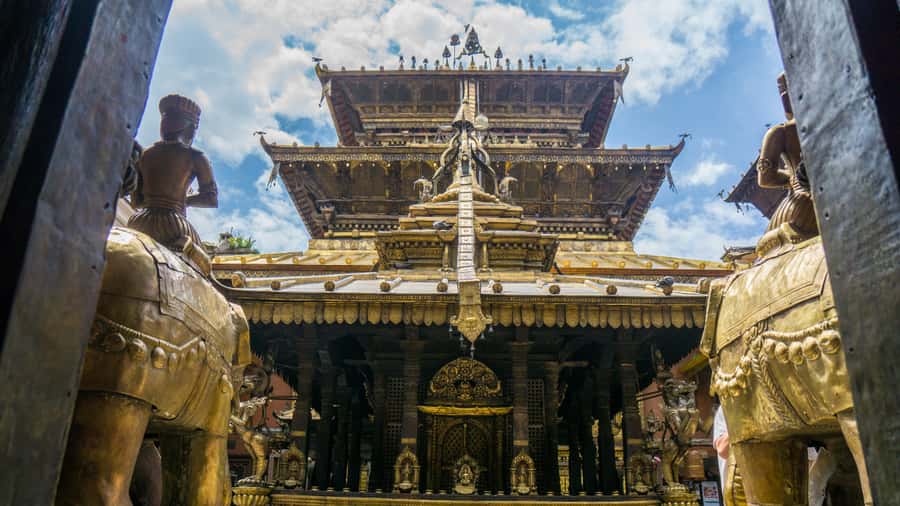
The Golden Gate offers a close look at the decorative side of the city’s royal architecture. It is easy to rush past a gate because it marks an entrance rather than a destination, but here the entrance itself is part of the art. Take time to study its surface and the way it frames the palace complex.
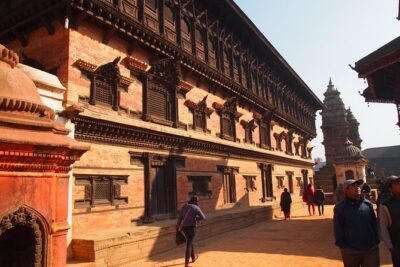
The 55 Window Palace adds the royal dimension. Its name points to the repeated windows and carved facade, which show the skill of the craftsmen who worked for the Malla kings. A guide can help connect these visual details to the political role of the palace and the wider story of Bhaktapur.
Bhaktapur also includes a museum with art and artifacts. As in Patan, the museum helps you read the outdoor monuments. It is a good stop if you want more than a walk through a photogenic square, though the six-hour schedule may mean that your guide keeps the museum visit focused.
The city’s medieval character is a major strength, but it can also make the visit feel less straightforward. There are multiple monuments, courtyards, and lanes, and the historic center can be difficult to understand without a sense of direction. Your guide provides that structure, explaining what you are seeing and helping you make good use of limited time.
What the private format adds to a six-hour visit
Private transport is the practical backbone of this experience. Hotel pickup and drop-off are included, along with a private vehicle, so you do not need to arrange separate rides to Patan, Bhaktapur, and back to Kathmandu.
That convenience matters more than it might first appear. The two sites are not next door to one another, and a self-guided visit would require more planning. With the driving handled, you can use the day for the squares, museums, and explanations rather than transport logistics.
You also get a professional English-speaking guide throughout the tour. The guide is not simply there to lead you from one building to the next. Shankar Bhattarai is praised for being friendly, polite, and willing to adapt the tour to personal preferences. Dishee is praised for explaining the temples, palaces, religions, and restored architecture in detail.
Those comments point to the most important choice you can make on the day: tell the guide what you want. If you care about photography, ask for time to study the facades. If religious art interests you, ask for more explanation at the shrines and temples. If you prefer royal history, focus on the palaces, courtyards, and Malla-era architecture.
The private setup does not mean every stop can be leisurely. Six hours must cover driving and two substantial sites, and entrance fees are separate. Still, a private guide gives you more control than a fixed group outing. That flexibility is one of the strongest reasons to choose this tour over arranging a basic car transfer.
A few more Kathmandu trips to weigh up
- Private Kathmandu Sightseeing Tour | UNESCO World Heritage sites
★ 5.0 · 756 reviews - Kathmandu: Full Day 7 UNESCO Tour with Lunch – Private/Group
★ 5.0 · 415 reviews - Kathmandu: Full Day Top 4 UNESCO Tour with Lunch – Private/Group
★ 5.0 · 269 reviews - Kathmandu: Full-Day 7 UNESCO Tour with Lunch – Private/Group
★ 4.9 · 247 reviews
What the $49 price really covers
At $49 per person, this is a useful value if you want transport and interpretation in one package. The price includes hotel pickup and return, a private vehicle, and a professional guide. Those are the services that make a two-site visit easy to manage from Kathmandu.
The important limitation is the list of exclusions. You pay entrance fees separately, and food and drinks are also your responsibility. The exact ticket cost is not provided here, so you should bring cash in Nepalese rupees rather than assume the advertised price covers every cost at the gates.
The price makes the most sense for people who value a private vehicle and a guide’s time. If you are comfortable sorting out transport and reading about the sites on your own, you may prefer a less structured visit. But if you have only one free day in Kathmandu, the convenience can justify the cost.
The tour also offers reserve now and pay later booking, which helps if your Nepal schedule is still changing. Cancellation is free up to 24 hours before the start time, with a full refund under that condition. Check availability for the actual starting time, since the schedule is not fixed in the information provided.
How to prepare for the squares and museums
Wear comfortable shoes. The tour involves historic squares, temple areas, courtyards, and museum visits, so practical footwear will serve you better than anything chosen only for appearance.
Bring sunglasses and a sun hat. Much of the sightseeing takes place outdoors, and the tour can feel exposed while you move between buildings and squares. Carry cash in Nepalese rupees for entrance fees, since those are not included.
Food and drinks are not included, and no meal stop is specified. You should plan accordingly, especially if you are sensitive to long stretches without a scheduled meal. The tour lasts six hours, so a little preparation will make the day more comfortable.
Because the route includes two UNESCO World Heritage Sites, it is worth keeping your schedule clear around the tour. The drive back to your Kathmandu accommodation is included, but the exact amount of time spent at each site can depend on traffic, starting time, and your interests.
The listed language is English. If you want extensive explanation, say so at the start. The guide can shape the experience more effectively when you explain whether you prefer architecture, religion, art, royal history, or photography.
Who will get the most from this Patan and Bhaktapur tour
I would recommend this experience to first-time visitors who want a clear introduction to Kathmandu Valley culture without arranging every detail themselves. It is also a good fit for couples, families, or small private parties who prefer their own vehicle and a flexible guide.
History and architecture fans should find plenty to keep them busy. Patan offers carved facades, a museum, temples, and courtyards, while Bhaktapur adds Nyathapole Temple, the Golden Gate, the 55 Window Palace, and another museum.
This is less ideal if you want a slow food-focused day or a long, unstructured walk. The tour is built around monuments and explanations, not meals or shopping, and six hours is enough for highlights rather than every corner.
It may also be a poor fit if you dislike paying site fees separately. The base price is clear, but the full cost includes entrance tickets, and you need Nepalese rupees for them. Keep that in mind when comparing it with tours that appear more expensive but bundle admissions.
The guide quality matters here. The named guides, Shankar Bhattarai and Dishee, receive praise for friendliness, clear historical explanations, and adapting the route. Since guide assignment can depend on availability, treat those names as examples rather than a guarantee.
Should you book this Kathmandu cultural tour?
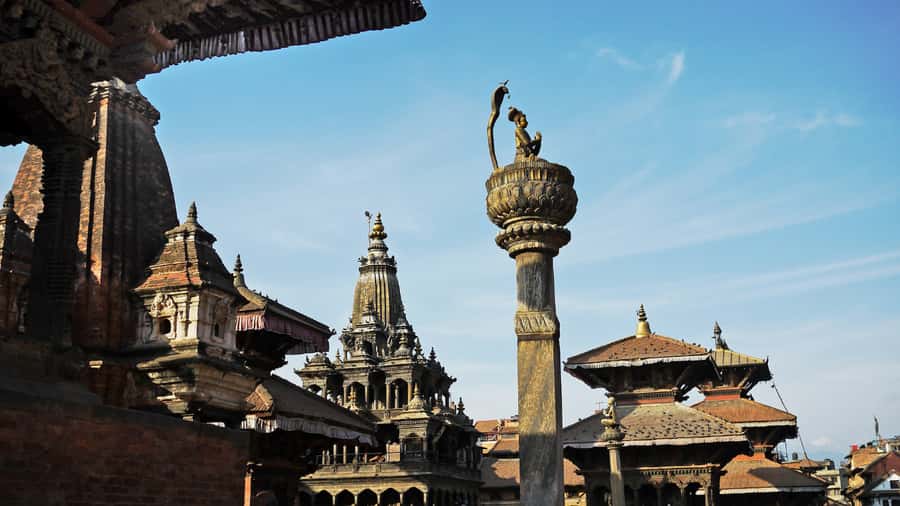
Book it if you want two major heritage centers, private transport, hotel pickup, and an English-speaking guide in a single six-hour outing. The strongest value comes from the combination of Patan’s museum and royal square with Bhaktapur’s medieval streets and landmark temples.
Skip it if you want to control every minute yourself, avoid separate entrance fees, or spend most of the day eating and wandering without a set route. For most visitors with limited time in Kathmandu, though, the tour offers a practical and meaningful way to see two former kingdoms without the hassle of arranging transport between them.
FAQ
Where does the tour take place?
The tour visits Patan and Bhaktapur in Nepal’s Bagmati Zone, with pickup and drop-off at your hotel in Kathmandu.
How long does the tour last?
The tour lasts six hours. Starting times depend on availability, so check the schedule when booking.
What sites are included?
The tour includes Patan Durbar Square and Bhaktapur Durbar Square, along with temples, palaces, shrines, courtyards, museums, and other historic attractions in both cities.
Are Patan and Bhaktapur UNESCO World Heritage Sites?
Yes. The tour visits two UNESCO World Heritage Sites, one in Patan and one in Bhaktapur.
Is transportation included?
Yes. Hotel pickup and drop-off and transportation in a private vehicle are included.
Is a guide included?
Yes. A professional, live English-speaking guide is included. Shankar Bhattarai and Dishee are among the guides associated with the experience.
Are entrance fees included in the price?
No. Entrance fees are not included. Bring cash in Nepalese rupees to pay them separately.
Are food and drinks included?
No. Food and drinks are not included in the tour price.
What should I bring?
Bring comfortable shoes, sunglasses, a sun hat, and cash in Nepalese rupees for entrance fees.
Just added around Kathmandu
- Private Half-Day Tour of Boudhanath and Pashupatinath Temples in Kathmandu★ 4.5 · 9 reviews
- Private Half-Day Tour of Kathmandu Durbar Square and Swayambhunath Temple★ 4.5 · 11 reviews
- Namobuddha Monastery Hiking Day Tour via Panauti from Kathmandu★ 5.0 · 15 reviews
- Private Full-Day Kathmandu City Tour★ 5.0 · 9 reviews
- Private Day Tour in Kathmandu Valley Rim with Bhaktapur Sightseeing★ 5.0 · 3 reviews
- Private Half Day Budhanilkantha Tour★ 5.0 · 6 reviews
- Private Day Tour: Patan and Bhaktapur from Kathmandu★ 4.5 · 6 reviews
- Private Day Tour – Sacred Journey to Namo Buddha★ 5.0 · 5 reviews
Bhaktapur Tours, compared.
Private Bhaktapur and Nagarkot Day Tour From Kathmandu
Read our review →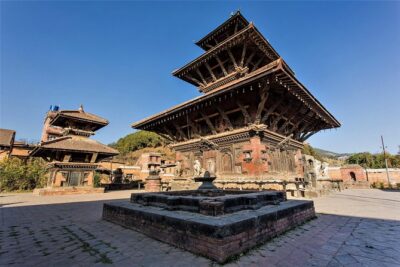
Day Trip to Bhaktapur and Panauti from Kathmandu
Read our review →
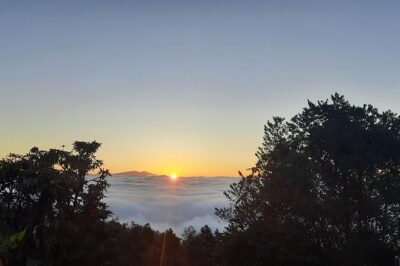
Nagarkot Sunrise & Bhaktapur UNESCO Heritage Private Tour
Read our review →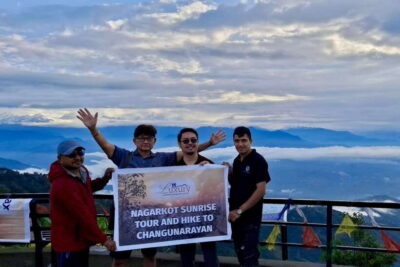
Bhaktapur & Nagarkot Day Tour with Lunch – Private/Group
Read our review →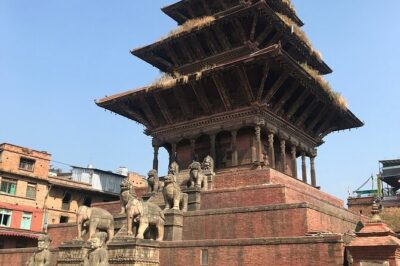
Nagarkot Sunrise & Bhaktapur Heritage Tour -Private Full Day Trip
Read our review →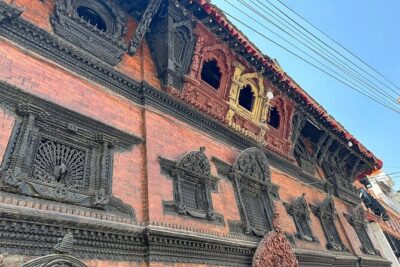
Browse the lists this tour appears in