
Reviewed · UNESCO WORLD HERITAGE TOURS
Kathmandu: 7 UNESCO Sites Tour in 1 Day (Private Tour)
Kathmandu’s seven UNESCO sites pack centuries of Buddhist, Hindu, and Newari culture into one ambitious day. You move from the hilltop eyes of Swayambhunath to the prayer flags of Boudhanath, the cremation ghats of Pashupatinath, and three grand Durbar Squares filled with carved wood and stone.
I like two things here: a private vehicle and guide make it possible to cover a huge amount of ground, and the flexible format lets you slow down, ask questions, or skip a stop. Guides such as Pranav, Pooja, Razz, Rustam, and Prakriti are repeatedly praised for clear explanations, local stories, and thoughtful service.
The catch is simple: this is a long sightseeing day, not a lazy city stroll. Traffic can stretch the transfers, entrance tickets cost extra, and the route involves walking and stairs, so it is not suitable for wheelchair users, people with mobility impairments, or pregnant women.
Seven major sites, one very full Kathmandu day
This tour is best understood as a cultural overview rather than seven equal-length visits. You get a taste of each place, with the most time at Bhaktapur Durbar Square, followed by Boudhanath, Kathmandu Durbar Square, Patan Durbar Square, and Pashupatinath.
The route is private, so you are not tied to the pace of a large group. That matters in Kathmandu, where one person may want architectural detail, another may care most about religious practice, and another may simply need a short rest and a good photograph.
The stated duration ranges from four to 8.5 hours, depending on the option and timing. A full version can feel like a marathon, but it is a smart choice if you have only one full day in the city. Several visitors used it as their first introduction to Nepal, then decided which places deserved a slower return visit.
The listed price of $4.94 per person appears remarkably low for private transport and a guide. Treat it as a starting price rather than the complete cost. Heritage-site tickets, food, and personal expenses are not included, and inclusions vary by booking option. One version includes a packed lunch, while the option called Kathmandu: 7 UNESCO-Listed City Sites Private Day Trip includes dinner with a cultural show.
Swayambhunath, Kathmandu’s hilltop introduction
The day begins at Swayambhunath Temple, often called the Monkey Temple. The visit is scheduled for about 45 minutes and combines sightseeing, a guided visit, photographs, and views over Kathmandu Valley.
The hilltop setting gives you an immediate sense of the city. The stupa’s white dome and painted Buddha eyes provide one of Kathmandu’s most recognizable images, while the high position opens the view beyond the temple grounds.
You should expect some stair climbing here. The walk is part of the experience, but it also sets the tone for the rest of the day. Wear shoes with a firm sole and keep your passport or ID card with you, as that is listed among the items to bring.
A good guide will explain the Buddhist symbols rather than simply point out the dome. Pranav, Pooja, and Razz are among the guides praised for answering questions and making complicated religious traditions easier to follow. If the sky is clear, this is one of the best early photo stops.
More UNESCO World Heritage Tours in Kathmandu:
- Private Kathmandu Sightseeing Tour | UNESCO World Heritage sites
★ 5.0 · 756 reviews - Kathmandu: Full Day 7 UNESCO Tour with Lunch – Private/Group
★ 5.0 · 415 reviews - Kathmandu: Full Day Top 4 UNESCO Tour with Lunch – Private/Group
★ 5.0 · 269 reviews
Kathmandu Durbar Square and the living old city
Kathmandu Durbar Square receives about an hour. Here, you walk through a historic royal center of palaces, courtyards, temples, carvings, and shrines.
The appeal is not just the individual buildings. It is the way daily city life continues around an old ceremonial core. Your guide can help you read the wooden details, explain the role of the former royal court, and place the temples within Nepal’s Hindu and Buddhist traditions.
This is a place where a short visit can feel crowded with detail. Look up at the rooflines, then look down at the carved doorways and metalwork. The tour includes free time, so you are not listening to an explanation every minute.
The drawback is that one hour goes quickly. If you are fascinated by Newari architecture or want time for close photography, you may prefer to reduce the number of other stops. One advantage of the private setup is that this adjustment is possible. A past visit with Pooja was changed from the original plan so the traveler could spend more meaningful time at fewer sites.
Patan Durbar Square, where craftsmanship takes center stage
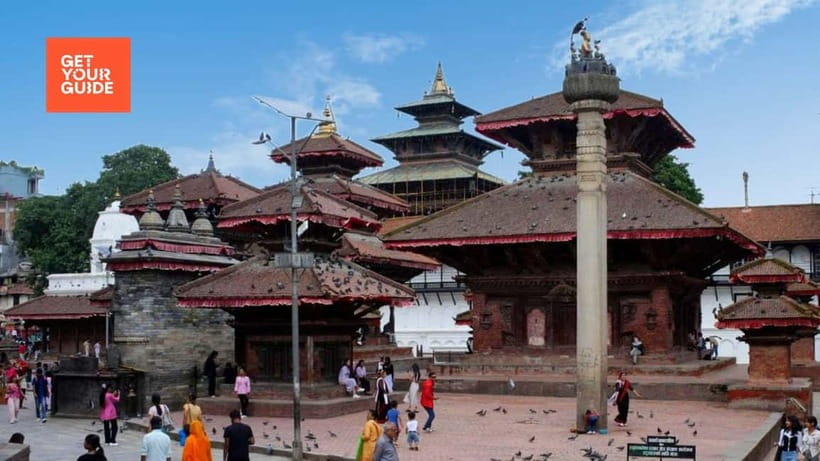
The next square, Patan Durbar Square, also receives about an hour. Patan is especially rewarding for visitors who care about craft, design, and the fine detail of temple construction.
Expect a guided walk through historic temples and palace buildings, with time to stop for pictures and explore at your own speed. The carved wood and metalwork are not background decoration. They are the visual language of the valley, and a good explanation makes the patterns and figures easier to understand.
Patan also gives the day a different feel from Kathmandu Durbar Square. The buildings belong to the same broad cultural world, but the experience is not a simple repeat. I would pay close attention to the guide here, because this is where architectural context can turn a quick photo stop into a useful lesson.
Some visitors on related shorter versions of the experience chose two or four sites instead of all seven. That is useful to know if Patan is your priority. The full route gives you range, but a shorter choice may give you more time for art and architecture.
Bhaktapur Durbar Square, the longest stop
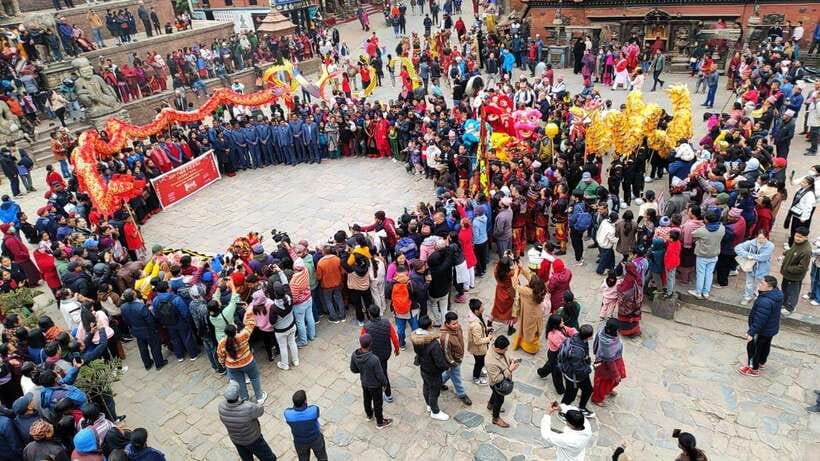
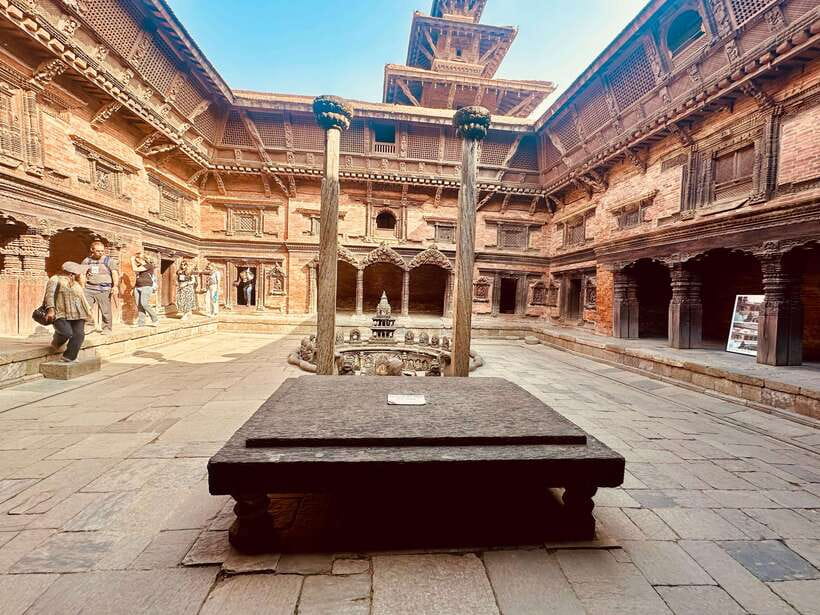
Bhaktapur receives roughly two hours, the longest scheduled visit of the day. That extra time is welcome. The square and surrounding historic area offer a more extended walk through temples, palaces, courtyards, and Newari cultural traditions.
This is the stop where the itinerary’s ambition makes the most sense. You have time to hear stories, look closely at carvings, take photographs, and pause for a break. The schedule includes free time and walking, not just a drive-by visit.
The medieval character of Bhaktapur is a major reason to include it. Its preserved buildings make the city feel distinct from the modern streets outside the heritage area. Your guide can explain how the square worked as a royal and religious center and point out details you might otherwise miss.
Two hours still may not satisfy every architecture lover. If you want to examine every shrine, shop for crafts, or linger over local food, you may need to choose fewer sites. The private format gives you a better chance of making that call without disrupting a bus group.
A few more Kathmandu trips to weigh up
- Day Trip to Bhaktapur and Panauti from Kathmandu
★ 5.0 · 184 reviews - The Most Beautiful 1 Day Experience in Kathmandu Nepal
★ 5.0 · 84 reviews - Nagarkot Sunrise & Bhaktapur Heritage Tour -Private Full Day Trip
★ 4.0 · 42 reviews - 1 Day Kathmandu Valley Sightseeing Tour
★ 5.0 · 37 reviews
Changu Narayan, a short visit to an ancient temple
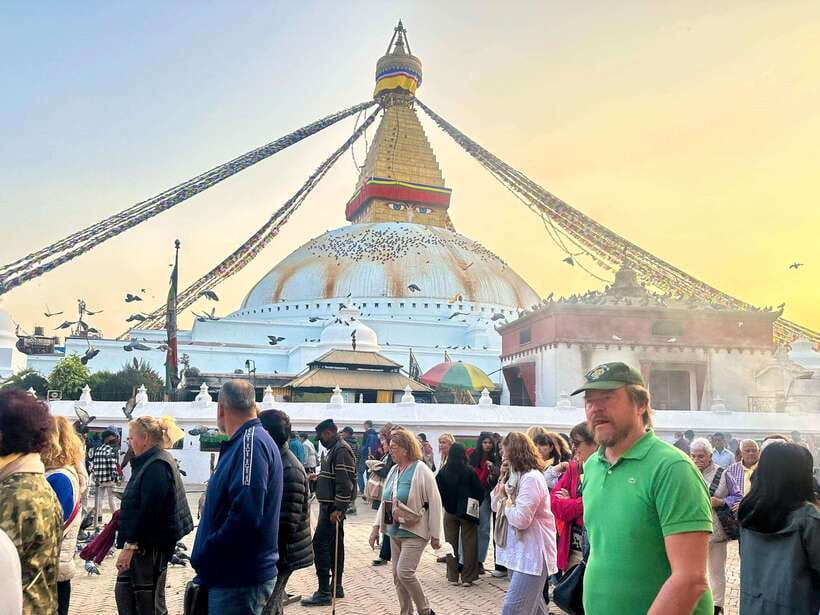
Changu Narayan Temple is scheduled for about 30 minutes. It is the briefest stop, but it adds an older and more compact temple setting to the day.
The temple is known here for its sculptures and inscriptions. That makes the guide particularly useful. In half an hour, you can learn what to look for, see the principal features, and take photographs without spending too much time away from the valley’s larger sites.
The short stop has a practical benefit: it keeps the seven-site route possible. The tradeoff is that you will not have much free time. If you are already tired by this point, the visit may feel rushed, especially after Bhaktapur and its walking.
Boudhanath, prayer and the great white stupa
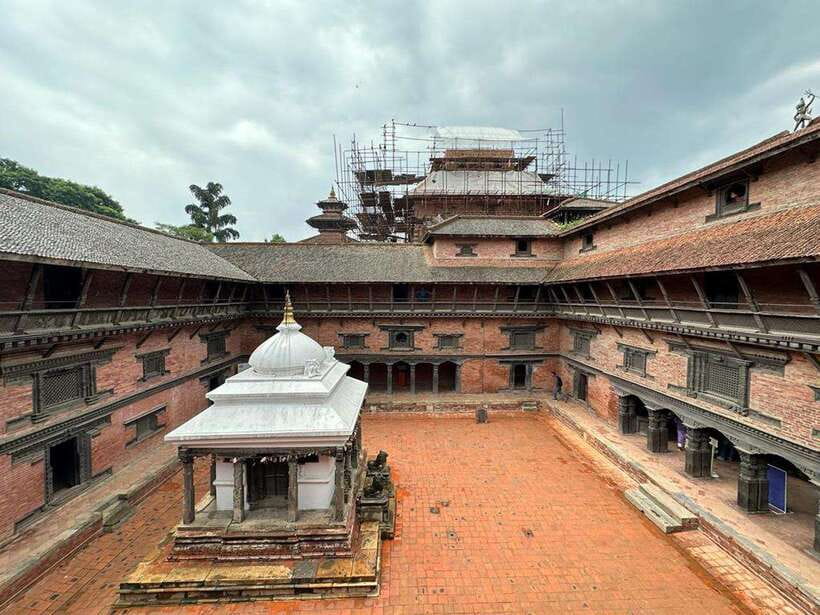
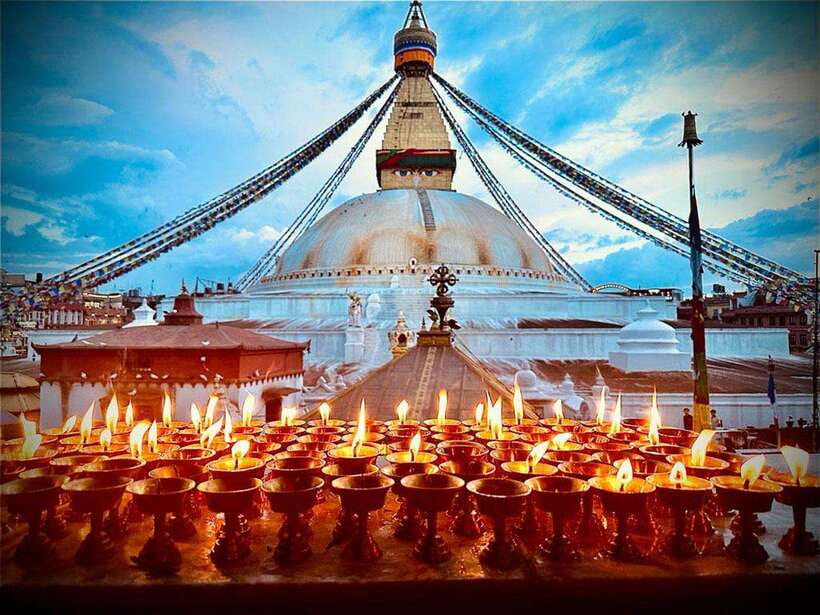
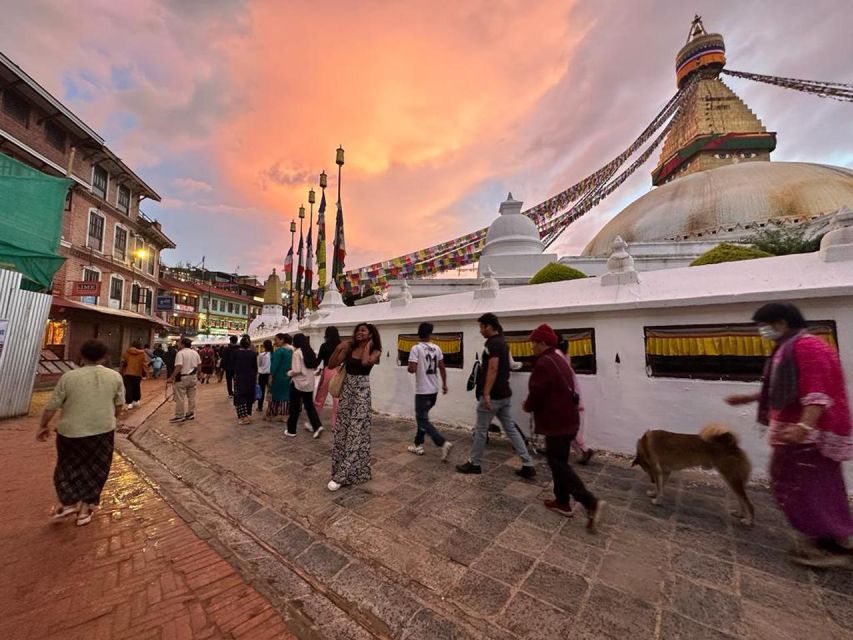
Boudhanath Stupa receives about 90 minutes, including a break, lunch, free time, walking, and a visit to the arts and crafts market.
This is one of the day’s most memorable religious settings. The huge mandala-shaped stupa draws Buddhist pilgrims, and walking around it gives you a chance to observe the rhythm of circumambulation. Watch the prayer wheels, flags, painted eyes, and movement around the base, while remembering that this is an active place of worship rather than only a photo site.
The schedule leaves room for lunch, but food is generally not included. The exception is the specific private day-trip option that includes a packed lunch. Check your chosen option carefully before you leave the hotel.
Boudhanath is also a good place to ask questions about Tibetan Buddhist practice and local customs. Several guides are praised for explaining both Buddhist and Hindu traditions, which is important because the day moves between both religious worlds.
The nearby arts and crafts market adds a chance to browse, but keep personal spending in mind. Food and purchases are your responsibility. A rooftop restaurant overlooking Boudhanath was one lunch choice made during a private tour, though you should confirm what your own package includes rather than assume that arrangement.
Pashupatinath and the Bagmati River
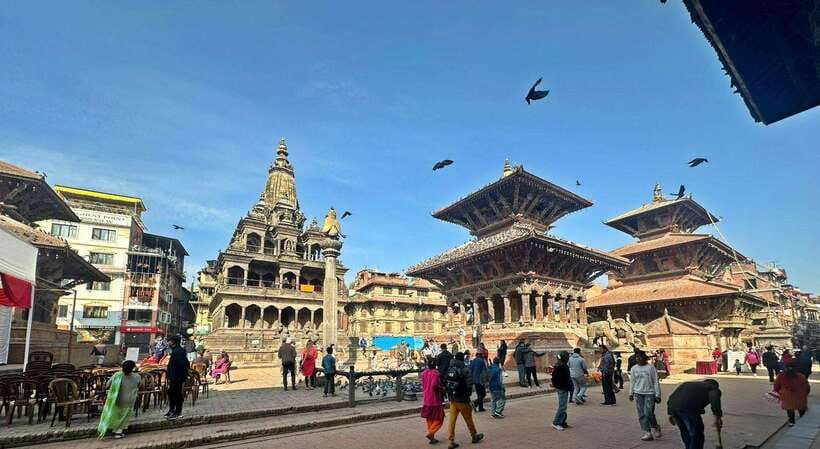
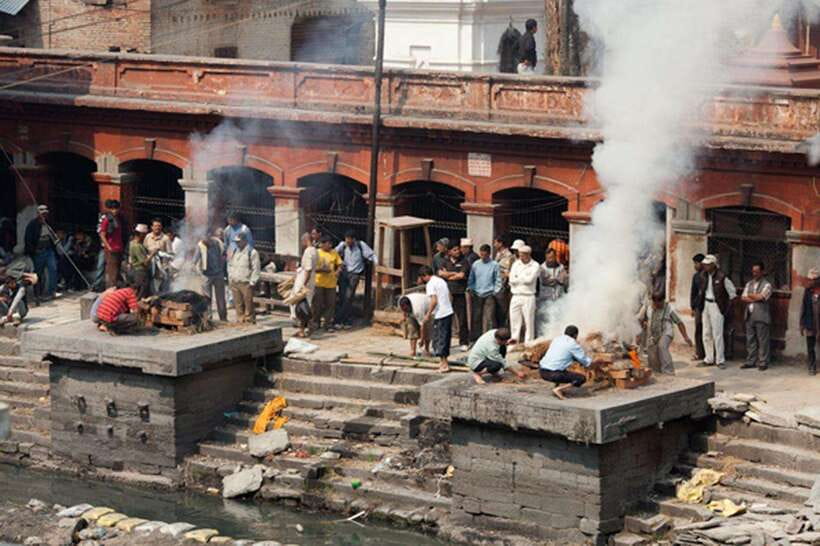
The final main stop is Pashupatinath Temple, scheduled for about an hour. This is the day’s most powerful and sensitive visit.
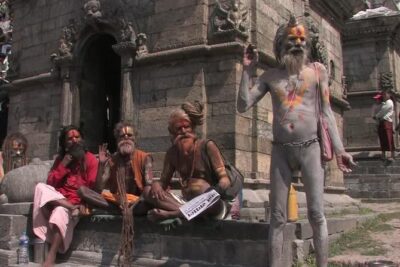
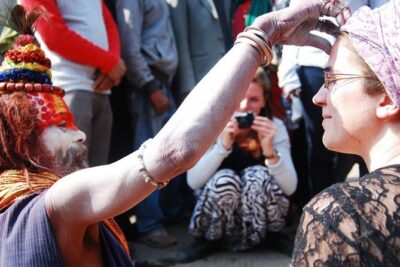
Pashupatinath is a major Hindu temple complex beside the Bagmati River. The tour includes explanations of Hindu rituals and the cremation area by the river. You may see ceremonies taking place, so approach with quiet respect. This is not a staged cultural display, and photography should be handled with care.
The value of a guide is especially clear here. Rituals can be difficult to understand from a distance, and a local guide can explain what you are seeing without turning a private religious moment into a spectacle. Past guides have been praised for their understanding of Hindu and Buddhist customs and for answering questions in a patient, respectful way.
The visit may be emotionally demanding. If cremation rituals are not something you want to witness, tell your guide. The private format gives you more control than a fixed group schedule, and one past itinerary specifically included a visit to where cremations took place.
Pashupatinath is also a useful final stop because it brings together many themes from the day: sacred architecture, living ritual, the Bagmati River, and the relationship between ordinary life and religious practice.
Why a private guide matters in Kathmandu
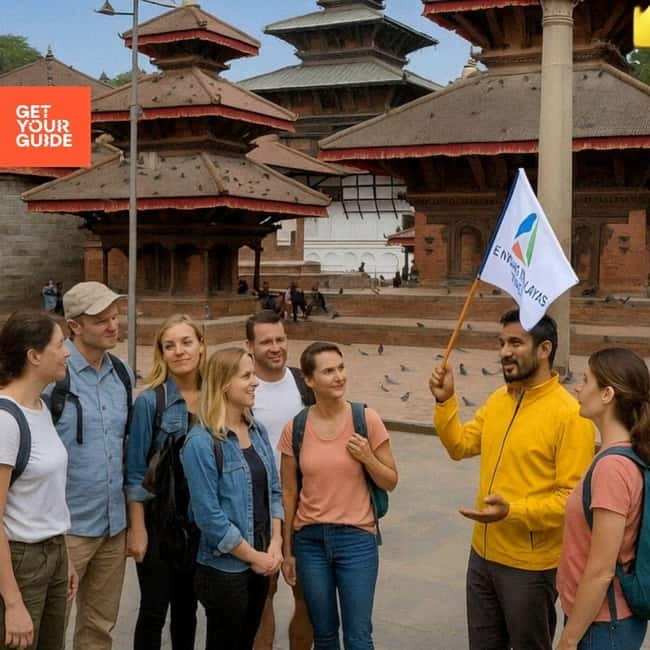
The strongest part of this experience is the human element. The tour company is Enticing Himalayas Travels Private Limited, and the guides named in the supplied experiences include Pranav, Pooja or Puja, Razz, Rustam, Prakriti, Kapil, Karma, Kiran, Anish, Raj Kumar, Dipendra, and Poonjah.
You may not be able to select a particular guide, but you can ask when booking if a preferred guide is available. The praise is consistent around a few useful qualities: clear historical explanations, good stories, patience with questions, help with photographs, and flexibility when the original plan becomes too ambitious.
That flexibility is not a minor perk. One person visited six of the seven sites by choice, while another dropped three planned stops and made the remaining visits more relaxed. A private guide can also suggest a meal, help with local snacks, or adjust the pace for a child.
The guide does not remove all the work of the day. You still face Kathmandu traffic, stairs, and a lot of walking. But you are less likely to spend your limited time wondering what a building is or how a ritual fits into local life.
Transport, timing, and the real cost
Hotel pickup and drop-off are included, and you specify your pickup location when booking. The driver handles the transfers between sites, which is important because the route crosses several parts of the valley.
Traffic is the main variable. Reports of smooth driving and careful navigation are encouraging, but Kathmandu roads can still make an ambitious schedule feel longer than expected. If you are prone to car sickness, the repeated transfers may be tiring. Take breaks when offered and tell the guide if you need to slow down.
The private group format is a major value at the advertised starting price, but the $4.94 figure should not be treated as the final bill. Heritage tickets are excluded, as are meals and personal expenses. The site fees can materially change your total, so calculate them before booking.
The experience offers free cancellation up to 24 hours before the start time, and you can reserve now and pay later. Those terms are useful if your Kathmandu plans may change, but they do not replace checking the exact package details, start time, food inclusion, and final price.
What to bring and how to pace yourself
Bring your passport or another form of identification. Choose modest clothing suitable for temple visits, and use comfortable shoes because the day includes walks and stairs at several sites.
Alcohol is not allowed in the vehicle. Weapons and sharp objects are prohibited, and nudity is not allowed. These rules are straightforward, but temple visits also call for quiet behavior and respect around worshippers and funeral rites.
I would start with a clear idea of your priorities. If you want every site, accept that some visits will be brief. If you care most about architecture, ask for more time at the Durbar Squares. If religious practice matters most, give Swayambhunath, Boudhanath, and Pashupatinath your attention.
The tour is not suitable for wheelchair users, people with mobility impairments, or pregnant women according to the supplied conditions. It is also a poor match if you dislike full days with several vehicle transfers.
Who should book this experience?
I would recommend it to you if you have one full day in Kathmandu and want a strong first look at the valley’s major heritage sites. It is also a good fit for solo visitors, couples, families with older children, and anyone who prefers a private conversation over a large tour group.
The tour is especially useful at the start of a Nepal trip. You see enough of Kathmandu to decide where to return, and the guide helps you understand the religious and architectural setting before you move on to other parts of the country.
I would choose a shorter option if you have more days in Kathmandu or if you prefer slow museum-style visits. The seven-site plan is ambitious, and even excellent pacing cannot give every square the attention it deserves.
With a 4.9 rating from 204 reviews and 93 percent of users giving the transport a perfect score, the experience has a strong record. Still, its value depends on your tolerance for a long day and on the entrance fees and food costs added to the low advertised price.
Should you book the seven-site tour?
Book it if your time is short, you want private transport, and you value a guide who can explain both Hindu and Buddhist traditions. Ask about the guide, the exact meal arrangement, entrance fees, and the day’s expected length before confirming.
Skip it in favor of a shorter private tour if you want to linger at each palace or temple. My practical choice would be the full seven-site route for a first day in Kathmandu, then a slower return to the places that caught your attention most.
FAQ
How many UNESCO sites does the tour visit?
The full experience is designed to visit seven sites: Swayambhunath Temple, Kathmandu Durbar Square, Patan Durbar Square, Bhaktapur Durbar Square, Changu Narayan Temple, Boudhanath Stupa, and Pashupatinath Temple.
How long does the tour take?
The stated duration is between 4 and 8.5 hours. The exact length depends on the selected option and starting time.
Is hotel pickup included?
Yes. Hotel pickup and drop-off are included, and you can specify your location when booking. You should mention your hotel.
Is the tour private?
Yes. The group type is private, with a private vehicle and a live English-speaking guide.
Is transportation included?
Yes. Transportation is included, along with hotel pickup and drop-off.
Are entrance tickets included?
No. Tickets to the heritage sites are not included in the listed inclusions.
Is lunch included?
Food is generally not included. A packed lunch is included only with the Kathmandu: 7 UNESCO-Listed City Sites Private Day Trip option.
Is dinner with a cultural show included?
Dinner with a cultural show is included only with the option named Kathmandu: 7 UNESCO-Listed City Sites Private Day Trip.
What language does the guide speak?
The listed tour language is English.
Is the tour suitable for wheelchair users?
No. The tour involves walking and stair climbing and is not suitable for wheelchair users or people with mobility impairments. It is also listed as unsuitable for pregnant women.
Just added around Kathmandu
- Private Half-Day Tour of Boudhanath and Pashupatinath Temples in Kathmandu★ 4.5 · 9 reviews
- Private Half-Day Tour of Kathmandu Durbar Square and Swayambhunath Temple★ 4.5 · 11 reviews
- Namobuddha Monastery Hiking Day Tour via Panauti from Kathmandu★ 5.0 · 15 reviews
- Private Half Day Budhanilkantha Tour★ 5.0 · 6 reviews
- Private Full-Day Kathmandu City Tour★ 5.0 · 9 reviews
- Private Day Tour in Kathmandu Valley Rim with Bhaktapur Sightseeing★ 5.0 · 3 reviews
- Private Day Tour: Patan and Bhaktapur from Kathmandu★ 4.5 · 6 reviews
- Private Day Tour – Sacred Journey to Namo Buddha★ 5.0 · 5 reviews
UNESCO World Heritage Tours, compared.
Private Kathmandu Sightseeing Tour | UNESCO World Heritage sites
Read our review →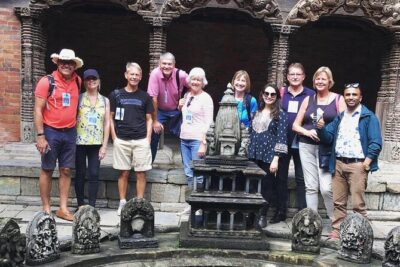
Full Day 7 UNESCO Tour with Lunch – Private/Group
Read our review →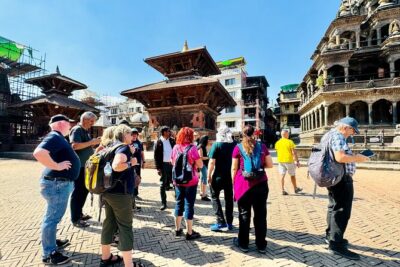
Full Day Top 4 UNESCO Tour with Lunch – Private/Group
Read our review →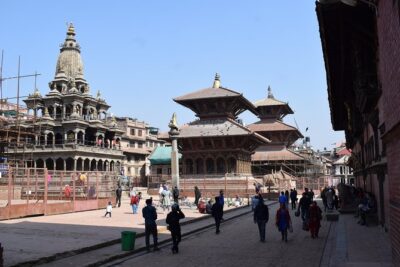
Kathmandu Spiritual Sites: Bodhnath & Pashupatinath Tour
Read our review →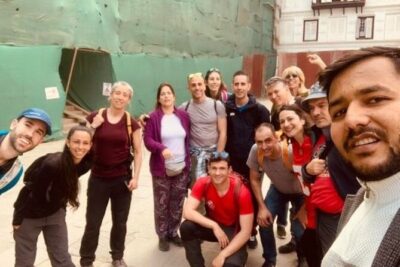
Kathmandu Private Sightseeing Tour | UNESCO World Heritage Sites
Read our review →Full Day 7 UNESCO Tour with Lunch – Private/Group
Read our review →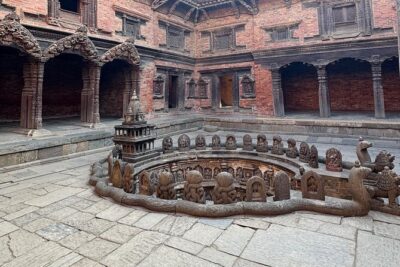
Full Day Private Top 4 UNESCO Heritage Tour W/Lunch.
Read our review →Browse the lists this tour appears in