
Reviewed · ANNAPURNA BASE CAMP TREKS
Pokhara: 7-Day Annapurna Base Camp Trek & Natural Hot Spring
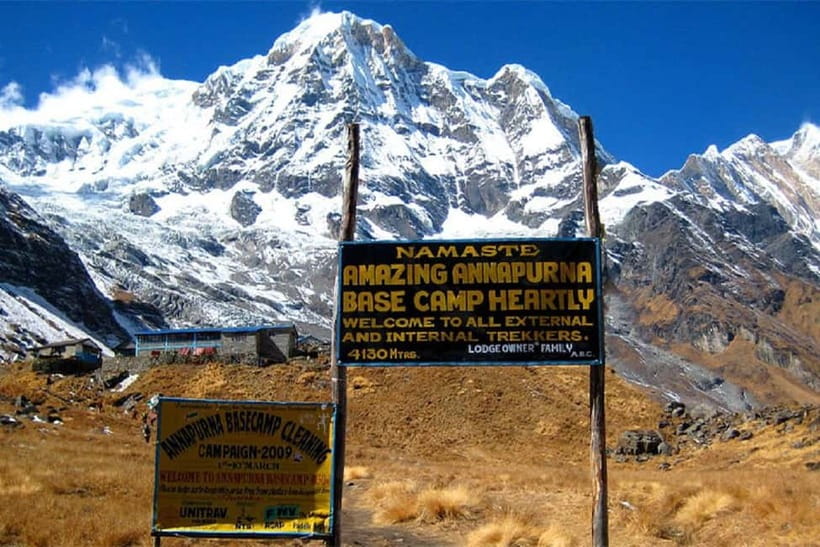
Annapurna Base Camp is the prize here, but the real pleasure is the changing trail: Gurung villages, stone steps, bamboo forest, and high alpine valleys all arrive in one compact week. You reach 4,130 meters, sleep in simple tea houses, and finish with a hot spring soak at Jhinu Danda.
I like the private format, which gives your guide room to adjust the pace and guesthouse stops. I also like the strong guiding record, with guides such as Chandra, Bishnu Giri, Anil, and Laxman praised for encouragement, safety, cultural stories, and practical help. The drawback is the pace: six to seven hours of walking on several days, with steep steps and a fast rise in altitude. You need decent fitness, proper gear, and travel insurance.
Key points to know before booking
- Annapurna Base Camp at 4,130 meters: The fourth day reaches the high point inside the Annapurna Sanctuary.
- A private seven-day route: Your guide can pay close attention to pace, health, and daily progress.
- Tea house nights: Expect simple lodge accommodation, local hospitality, and basic mountain comfort.
- Jhinu Danda hot springs: The final stretch includes a natural soak after the long descent from base camp.
- Guide support matters: Chandra, Bishnu Giri, Anil, Sun, Jeet Bahadur, and Laxman are among the guides associated with highly praised departures.
- Good value at $181: Permits, guide costs, tea house accommodation, transport, and some gear are included, but meals depend on the option you select.
Why this seven-day Annapurna route works
This trek gives you a taste of Nepal’s best mountain walking without requiring a two-week schedule. You start near Pokhara and move from foothills and farming villages into the Annapurna Sanctuary, a dramatic mountain valley ringed by huge peaks.
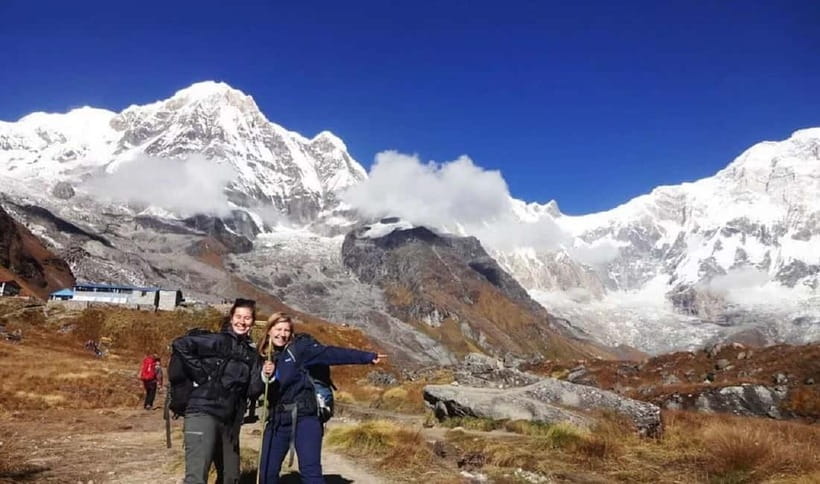
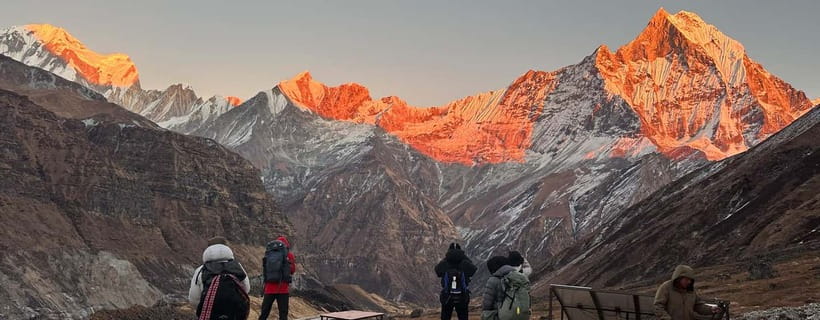
The route is not a gentle sightseeing walk. You will climb and descend stone steps, cross forest trails, and spend a night at high altitude. The reward is a close approach to Annapurna Base Camp, with views of Annapurna I and Machhapuchhre, also called Fishtail.
At $181 per person, the price is appealing for a private trek. The package includes permits, TIMS fees, a government-certified English-speaking guide, guide expenses, accommodation, transport, taxes, and a first aid kit. Meals are included only with some booking options, so check that detail before paying.
Porters cost an extra $20 per day if you need one. That can make a major difference on a route with repeated climbs, especially if you are carrying warm clothing, a sleeping bag, water, and personal items. You can also store luggage in Pokhara during the trek.
More Annapurna Base Camp Treks in Pokhara
- Kathmandu/Pokhara: 5-Day Annapurna Base Camp (ABC) Trek
★ 4.9 · 72 reviews - Private 7 – Day Annapurna Base Camp Trekking
★ 5.0 · 50 reviews - Annapurna Base Camp Trek (8 days)
★ 5.0 · 45 reviews
Day 1: Pokhara to Ghandruk through the foothills
The trip begins with transport from your Pokhara hotel or Pokhara International Airport to the trekking start point near Nayapool. The drive takes about an hour, followed by roughly five to six hours of walking toward Ghandruk.
This first day introduces the lower Annapurna region with villages, forest, and sections beside the Modi Khola. Ghandruk, at 1,940 meters, is one of the most attractive stops on the route, with traditional village character and mountain views.
You should treat day one as a real trekking day, not just a warm-up. The walking can include dusty road sections, and one person specifically suggested using a car or jeep instead of walking some road stretches on the first and final days. That is a useful point to raise with the operator before departure.
Ghandruk is a good overnight stop because it gives you a first night at moderate altitude. The simple tea house setting also starts the rhythm of the trek: walk during the day, eat and rest in a basic lodge, then prepare for another early start.
Day 2: Stone steps and mountain views at Chomrong
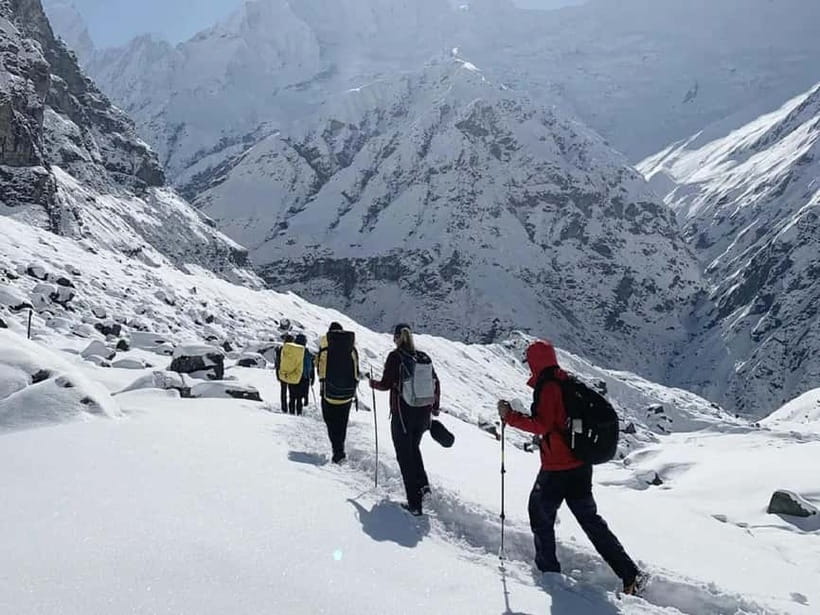
From Ghandruk, you walk for about five to six hours to Chomrong, at 2,170 meters. The route uses forest paths and many stone steps, with broad views toward Annapurna and Machhapuchhre.
Chomrong is an important point on the approach to the sanctuary. It feels like a mountain village rather than a roadside stop, and the setting gives you a clear sense that the route is moving into higher country.
The main challenge is the constant up and down. Nepal’s mountain trails often lose elevation before climbing again, and this day is a good example. Keep your pace steady instead of trying to race the guide or other members of your group.
This is also where a private guide can help. Guides named in the supplied experiences, including Chandra and Bishnu Giri, were praised for checking health, offering encouragement, and explaining local culture. Those qualities matter more than a fast pace on a stair-heavy route.
Day 3: Bamboo forest and the climb to Himalaya
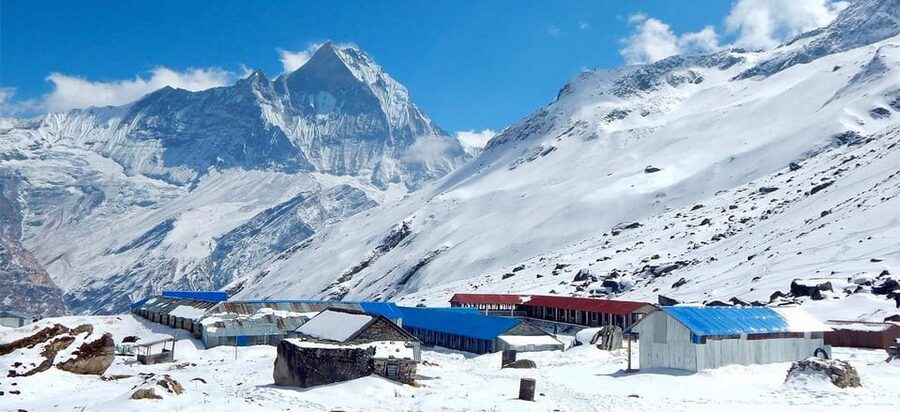
Day three takes five to six hours from Chomrong to Himalaya, at 2,920 meters. You first descend toward the river, then climb through bamboo and rhododendron forest.
The vegetation changes as you gain height. The trail feels enclosed in places, with forest, waterfalls, and steep valley walls replacing the wider views of Chomrong. This is a quieter, more physical part of the walk, and you may find the shade welcome.
Himalaya is a practical overnight point before the high-altitude push. You are now close to 3,000 meters, so pay attention to headaches, unusual tiredness, or other signs that your body is not adjusting well. The guide is there to monitor your condition, but you need to speak up early.
Warm clothing becomes more important here. Bring layers rather than relying on one thick coat, since temperatures can change sharply between sunny walking sections and cold evenings.
Same mountains, a completely different kind of day:
- ZipFlyer Nepal – The World’s Steepest Zip-line
★ 5.0 · 608 reviews - Bungee Pokhara by HighGround Adventures
★ 5.0 · 366 reviews - From Pokhara: Sarangkot Sunrise Himalayas Tour
★ 4.7 · 218 reviews - ATV Adventure Tour in Pokhara, Nepal
★ 5.0 · 194 reviews
Day 4: Machhapuchhre Base Camp to Annapurna Base Camp
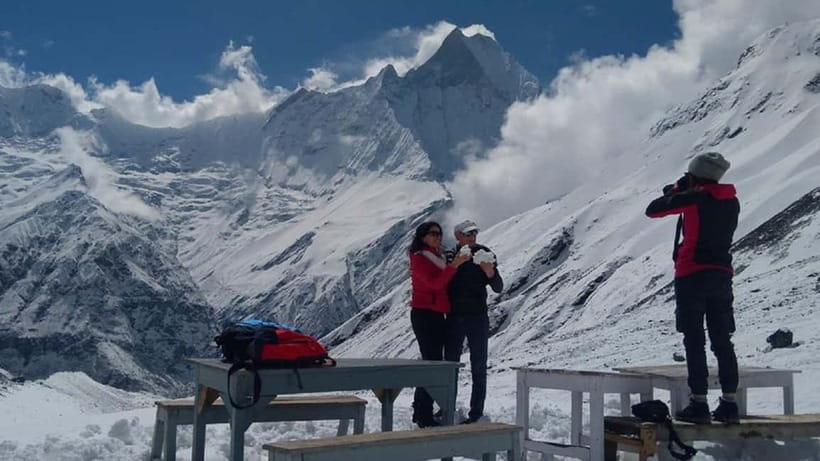
This is the big day. You walk six to seven hours from Himalaya through the alpine zone to Machhapuchhre Base Camp, then continue to Annapurna Base Camp at 4,130 meters.
The forest gradually gives way to a glacier valley and open mountain country. The trail enters the Annapurna Sanctuary, where giant peaks surround the route. The setting is the reason many people choose this trek over shorter lower-altitude walks.
Annapurna Base Camp is not simply a finish line for the day. It is an amphitheater of mountains, with Annapurna I and Machhapuchhre among the major peaks visible from the area. Sunrise and sunset can be especially memorable here when the weather is clear.
This is also the hardest day for many people. You gain a great deal of altitude, walk for most of the day, and sleep at 4,130 meters. The itinerary is compact, so you should not book it casually if you have little walking experience.
Several guides received special praise for helping people reach base camp. Bishnu Giri was noted for more than 20 years of experience and for giving advice at higher elevations. Chandra was praised for clear English and mountain information, while another guide, Chandra in a separate departure, was flexible about progress and guesthouse arrangements. Guide assignments can vary, so you can ask for a preferred guide when booking, but do not assume a specific person is guaranteed.
Day 5: The long descent to Bamboo
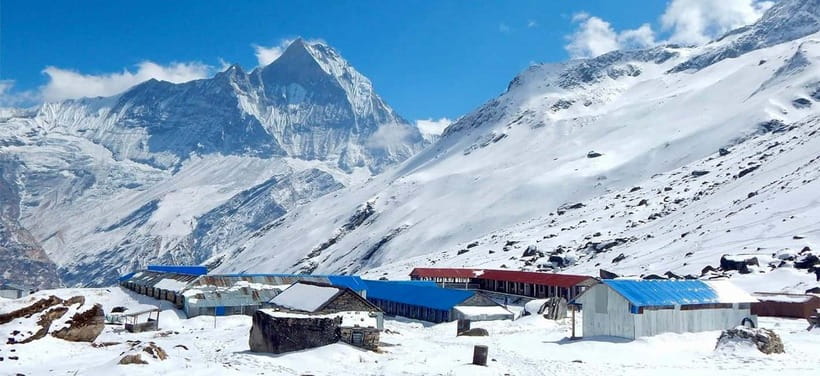
After the high point, you walk six to seven hours downhill to Bamboo, at 2,335 meters. This is physically easier for some people because you lose altitude, but downhill steps can be hard on knees and thighs.
The good news is that the descent gives you a different view of the route. You can look back toward the Annapurna range, pass waterfalls, and watch the trail return from alpine terrain to forest.
Take care with your footing. Tired legs can make a downhill day surprisingly demanding, especially after the base camp push. Trekking poles are included when needed, and a sleeping bag may also be available, according to the equipment provision.
Bamboo is a sensible overnight stop because it breaks the return journey. It also puts you well below base camp, giving your body time to recover before the final walk to Jhinu Danda.
Day 6: Jhinu Danda and the natural hot springs
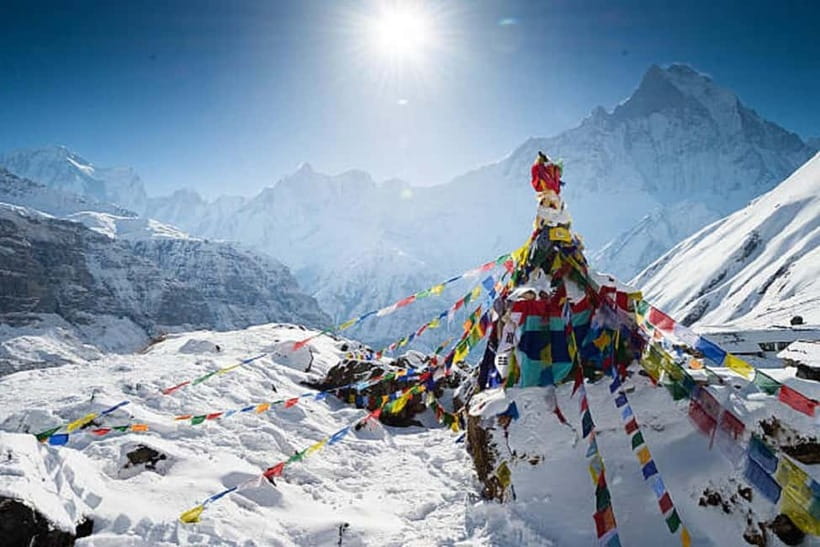
The walk from Bamboo to Jhinu Danda takes about five to six hours and drops toward the river. Jhinu Danda sits at 1,610 meters, so the air should feel noticeably warmer than it did at base camp.
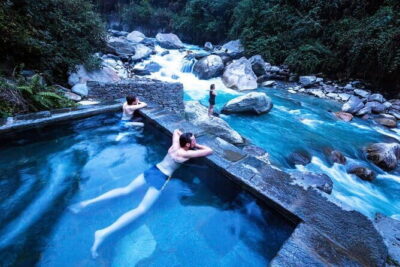
The natural hot springs are the day’s reward. After several days of climbing and descending, a soak near Jhinu Danda gives you time to relax rather than simply arriving at another lodge and going straight to dinner.
Bring a towel, swimsuit if you use one, and a change of clothes. A towel is included on the suggested packing list, but personal packing details can vary, so it is wise to confirm what you will receive.
The hot spring does not erase the effort of the trek, but it changes the ending from a simple return walk into a more satisfying finish. You get scenery, culture, a serious mountain goal, and a small comfort at the right moment.
Day 7: Returning to Nayapool and Pokhara
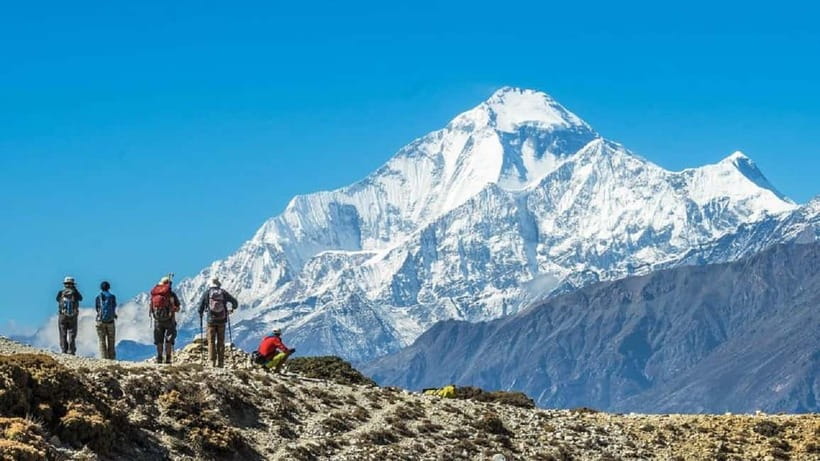
The final day includes four to five hours of walking followed by about an hour of driving back to Pokhara. The route ends at Nayapool before transport continues to the city.
This day is less dramatic than the approach to base camp, but it still matters. You will be tired, and the last road sections can be dusty. Ask in advance how much of the return can be covered by vehicle if you would rather save your legs for the main trail.
Drop-off is available at several Pokhara locations, including Lakeside hotels, Hotel Temple Tree, Hotel Barahi, Middle Path Spa, and Pokhara International Airport. Airport pickup and hotel pickup are also available for the start, provided you are in the Lakeside area or arriving at Pokhara International Airport.
Tea houses, meals, and what $181 really covers
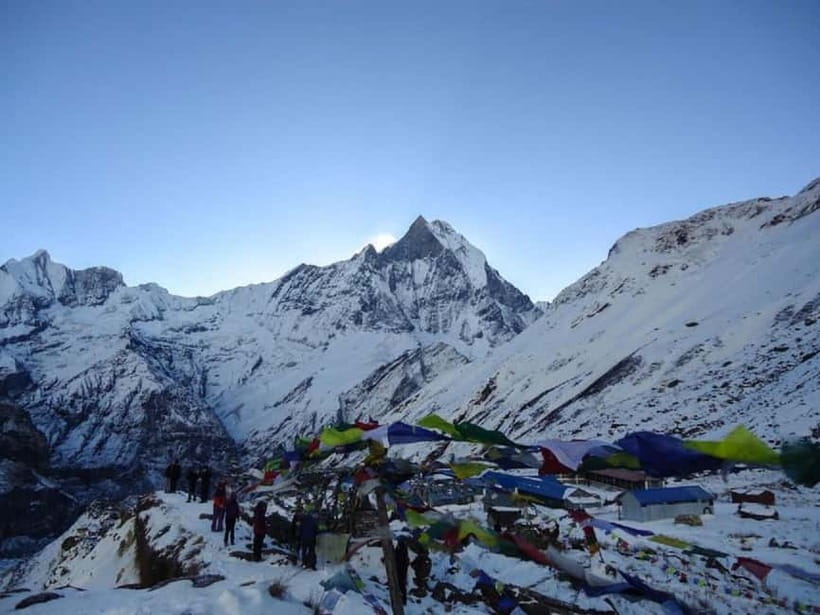
Tea house accommodation is simple rather than luxurious. You should expect basic rooms and shared lodge facilities, with the appeal coming from location and hospitality rather than design or privacy.
The price includes accommodation, but meals depend on the selected option. This is one detail I would check carefully before booking because food costs can add up over seven days. Snacks, drinks, and personal expenses are not included.
The package also covers required trekking permits, paperwork, TIMS fees, government and local taxes, and the guide’s salary, transport, insurance, meals, lodging, and equipment. That makes the headline price stronger than it first appears.
A porter is not included. If you do not want to carry your own main bag, the added $20 per day is a fairly direct way to reduce the physical strain. You still need a day pack with water, sun protection, warm layers, rain gear, and personal items.
Guides, safety, and the private-group advantage
Guiding is one of the strongest parts of this experience. The available guide team includes English, Hindi, and Nepali speakers, and the guides are described as Nepal Government certified.
The best guide for you is not simply the person who walks fastest. You want someone who watches your condition, explains the mountains and local culture, helps with food and lodge arrangements, and adjusts the day when needed.
Specific guides praised for these qualities include Chandra, Bishnu Giri, Anil, Sun, Jeet Bahadur, and Laxman. Bishnu was especially noted for cultural stories and careful altitude advice. Anil was helpful with walking and food, while Jeet Bahadur was remembered for his humor and mountain knowledge.
Because this is a private group, you avoid being tied to a large party’s pace. That can be useful on the long fourth day. It does not make the route easy, but it gives you a better chance to discuss rest, progress, and comfort with one guide.
Travel insurance is mandatory, and emergency rescue is available if needed but is not included. Carry a copy of your passport, since one must be submitted at least a day before the trek for permits.
Fitness, packing, and the best time to go
You should be comfortable walking for five to seven hours on consecutive days. The route includes steep stone steps, forest climbs, long descents, and a high overnight stay at 4,130 meters.
Pack comfortable and waterproof hiking shoes, warm layers, gloves, a jacket, rain gear, hiking trousers, sunglasses, a sun hat, sunscreen, a flashlight, a power bank, cash, and a sleeping bag if you prefer your own. Bring spare clothes and a towel for the hot springs.
January can be a good choice if you prefer quieter trails and tea houses. Clear winter conditions are possible, but it will be cold at base camp, so warm clothing matters. Spring brings rhododendron forest and good mountain walking conditions, while the supplied departures also show that May, July, and September are used for this route.
Weather in the mountains can change, so no month guarantees perfect views. Your guide will be the best source of advice once you are on the trail.
Who should book this Annapurna trek
I would recommend it to you if you want a short but serious Himalayan trek, especially if you are staying in Pokhara and want a complete mountain experience in one week.
It suits people who value scenery, village life, tea house stays, and a clear goal. It also works well for visitors who prefer a private group and want personal support from an English, Hindi, or Nepali-speaking guide.
I would hesitate if you dislike long walking days, steep steps, basic accommodation, or cold nights. You should also reconsider if you are not prepared for the altitude or cannot arrange mandatory travel insurance.
The main practical question is the meal option. Confirm what is included, ask about the road sections on days one and seven, and decide if you need a porter before you leave Pokhara.
Should you book it?
Book this trek if you want Annapurna Base Camp without committing to a much longer itinerary. The route packs villages, forests, the Annapurna Sanctuary, high mountain views, tea house nights, and Jhinu Danda’s hot springs into seven demanding days.
At $181, the inclusion of permits, transport, guide costs, accommodation, and some trekking gear gives it good value. Just budget for personal expenses, meals if your option excludes them, insurance, and possibly a porter.
The private format and strong guide support are the biggest reasons to choose it. If you prepare properly and accept that the fourth day will test you, this is a focused, memorable way to reach one of Nepal’s great mountain viewpoints.
FAQ
How high is Annapurna Base Camp?
Annapurna Base Camp is at 4,130 meters, or 13,550 feet.
How long is the trek each day?
Walking days range from about four to seven hours. The longest days are generally the walks from Chomrong to Himalaya, Himalaya to Annapurna Base Camp, and Annapurna Base Camp to Bamboo.
Is transportation from Pokhara included?
Yes. Round-trip transport between your Pokhara hotel or Pokhara International Airport and the trek starting point is included. The listed drive time is about one hour each way.
Are meals included?
Meals are included depending on the option selected. Snacks, beverages, and personal expenses are not included, so check your chosen option carefully.
Is a porter included?
No. A porter can be added if needed for $20 per day.
What languages does the guide speak?
Guides are available in English, Hindi, and Nepali.
More Spa & Hot Springs in Pokhara
- From Pokhara: 5-Day Annapurna Basecamp Trek with Hot Springs
★ 4.9 · 26 reviews - Pokhara: 5-Day Trek to Annapurna Base Camp and Hot Springs
★ 5.0 · 4 reviews - Whole Day Massage & Spa With Lunch
★ 5.0 · 54 reviews - Shirodhara and Sound Healing Spa Experience in Kathmandu
★ 5.0 · 52 reviews
More Hiking & Trekking in Pokhara
- Poon hill Trek 3 days
★ 5.0 · 176 reviews - Trekking in Annapurna/Langtang/Everest/Upper Mustang regions
★ 5.0 · 161 reviews - Pokhara: 4-Day Ghorepani, Poonhill & Ghandruk Mountain Trek
★ 5.0 · 132 reviews - Ghorepani – Poon Hill Trek 3N-4D
★ 5.0 · 125 reviews
Just added around Pokhara
- Seti George and Thrilling Suspension Bridge Tour at Pokhara★ 4.5 · 3 reviews
- Tandem Paragliding in Pokhara★ 4.8 · 8 reviews
- Pokhara: Sunrise Tour to Sarangkot★ 5.0 · 3 reviews
- Pokhara: Suspension Bridge Private Tour- 30 Min Village Walk★ 4.8 · 9 reviews
- Pokhara: Visit Best Seven Tourist Destination by Sharing Bus★ 3.4 · 10 reviews
- Pokhara Sightseeing By Bus: Day Trip★ 4.6 · 7 reviews
- Pokhara Sightseeing By Bus – Day Trip★ 3.2 · 8 reviews
- Pokhara: Sarangkot Sunrise & Panoramic Annapurna View Tour★ 4.8 · 10 reviews
Annapurna Base Camp Treks, compared.
Kathmandu to Annapurna Base Camp (ABC) 5-Day Trek
Read our review →
Kathmandu/Pokhara: 5-Day Annapurna Base Camp (ABC) Trek
Read our review →
11-Day Hike Tour to Annapurna Base Camp Bliss in Kathmandu
Read our review →
Browse the lists this tour appears in