
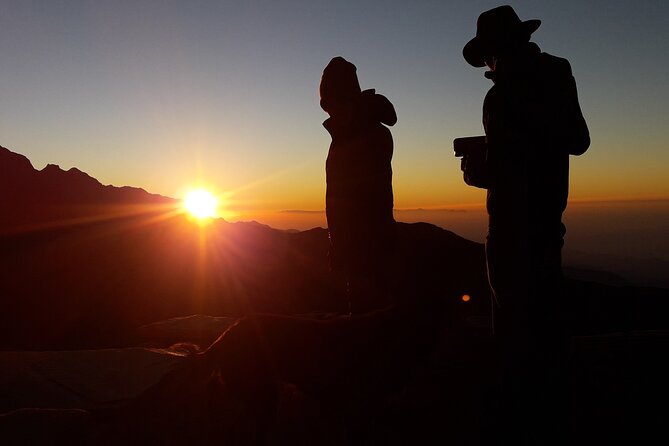
Reviewed · MARDI HIMAL TREKS
Private Mardi Himal Trek
Mardi Himal gives you a compact Himalayan trek with a big payoff: in five days, you climb from Pokhara’s lower hills to High Camp at 3,700 meters, with close views of Machhapuchhre, Annapurna South, and the Mardi Himal ridge. The route begins in forest and ends in open mountain country, so the scenery keeps changing.
I especially like the private format, which lets your guide adjust the pace, and the practical equipment package, including a sleeping bag, trekking poles, and micro spikes. The support from guides such as Bhim, Saugat Tamang, Yakub, and Sabin has also been a strong part of the experience, with careful pacing and useful cultural information. The main caution is altitude: six-hour trekking days and a climb to 3,700 meters require real fitness, and the listed 11:45 pm start time should be confirmed before you book.
Key points to know before you book
- Mardi Himal Base Camp is optional on the summit day: You can make the four to five-hour round trip, or stop at a viewpoint halfway.
- The trek is private: Only your group takes part, so pacing and rest stops can be handled more flexibly.
- You reach 3,700 meters at High Camp: That makes acclimatization, steady walking, warm layers, and hydration important.
- A porter is included for every two trekkers: You also receive a kitbag, sleeping bag, poles, and micro spikes.
- The route finishes at Siding Village: A shared jeep takes you back to Pokhara, with an optional extra day through Ghalel to Lwang.
- The advertised guide is female: Since named guides on different departures include both women and men, confirm who will lead your trek if this matters to you.
Why Mardi Himal works so well in five days
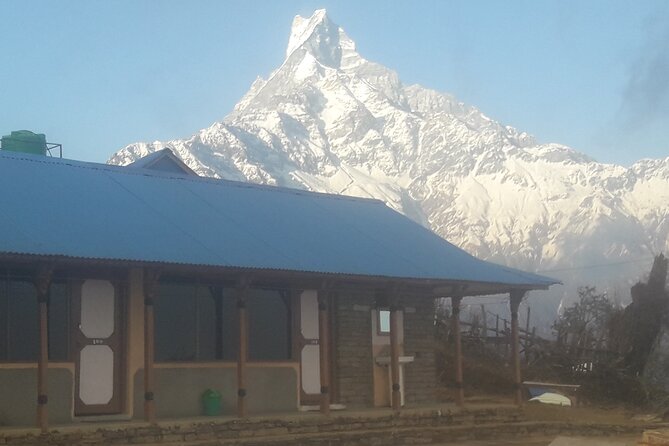
Mardi Himal is a good choice if you want a real mountain trek but have limited time around Pokhara. The route moves from village paths and woodland into high ridges with direct views of the Annapurna range. You do not spend the whole trip walking through the same type of scenery.
The itinerary is active but not extreme on paper. Most days involve about four to six hours of walking, though the steep uphill sections can make those hours feel longer. The biggest test comes on the climb from Low Camp to High Camp and on the optional walk to Mardi Himal Base Camp.
I like the way the private arrangement fits this route. A group that walks quickly can keep moving, while a family or mixed-ability party can ask for more breaks. Guides such as Saugat Tamang and Bhim have been specifically praised for adjusting pace, helping with practical needs, and explaining local culture along the way.
This is not a luxury mountain holiday. You sleep in clean lodges, eat included meals, and walk on trails where conditions can change. The price of $399 is attractive because it includes transport from Pokhara to Kande, permits, four nights of lodge accommodation, a porter arrangement, guide services, equipment, and most meals.
Still, the value depends on what you expect. Drinks are not included, and water can be costly on the trail. Personal insurance, hotels and meals in Pokhara and Kathmandu, and tips are also extra. Bring enough spending money for drinks and personal costs rather than treating the price as all-inclusive.
More Mardi Himal Treks in Pokhara:
- Pokhara: 4-Day Mardi Himal Trek
★ 4.9 · 59 reviews - From Pokhara: 4-Day Mardi Himal Base Camp Trek
★ 4.9 · 31 reviews - Mardi Himal Trek
★ 5.0 · 30 reviews
Day 1: Kande to Deurali through the forest
Your first transfer is by private car or van from Pokhara to Kande. The drive takes about one to one and a half hours, which is useful because it puts you directly at the trailhead instead of using up the morning on a longer approach.
From Kande, you walk toward Deurali for roughly five hours. The first day introduces the character of the trek: forest, rising paths, and occasional views toward Annapurna South and Hiunchuli. The greenery provides welcome shade, but it also means you do not get constant mountain panoramas right away.
That is not a flaw. The route earns its open views gradually. You are also warming up your legs before the higher sections, where the air becomes colder and the trail more exposed.
You spend the night in Deurali. The package includes lodge accommodation, dinner, and a sleeping bag designed for temperatures as low as minus 25 degrees. That rating gives you useful backup, but you should still pack warm clothing. A sleeping bag is only one part of staying comfortable at altitude.
Day 2: Forest Camp and the climb to Low Camp
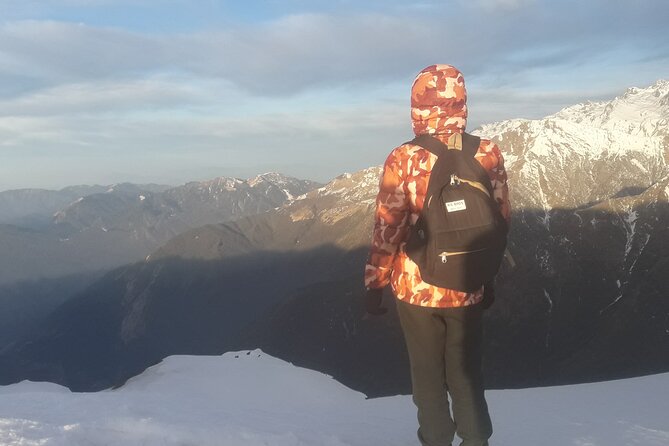
The second day takes you farther into the Mardi Himal route. After about four hours of trekking, you reach Forest Camp at approximately 2,600 meters, where lunch is planned.
The day then continues toward Low Camp, with about six hours of walking in total from the earlier section around Pothana. The route keeps gaining height, and the forest begins to open in places, giving you broader views than on Day 1.
This is where the private guide becomes useful. Rather than treating six hours as a target you must hit at all costs, your guide can help you maintain a steady rhythm. Slow, regular walking is usually more comfortable than racing uphill and stopping often.
You sleep at a lodge in Low Camp. Breakfast, lunch, and dinner are included throughout the listed trek, but drinks are not. Tea, bottled water, and other purchases can add up, so ask your guide about water options and carry enough cash.
The lodges are described as clean, but you should keep expectations practical. This is basic mountain accommodation, not a hotel with full city comforts. The reward is location: you are sleeping along the route, close to the next morning’s mountain views.
Day 3: Low Camp to High Camp at 3,700 meters
Day 3 is the key uphill day. From Low Camp, you walk about four hours to High Camp, which sits at 3,700 meters. The schedule lists around six hours for the day, allowing time for breaks and the changing pace of the climb.
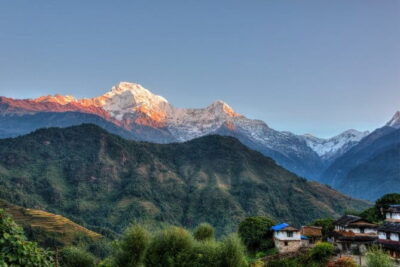
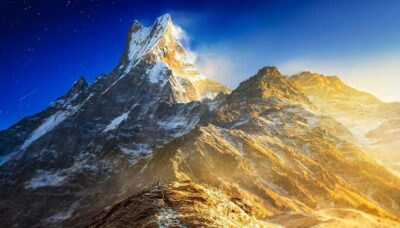
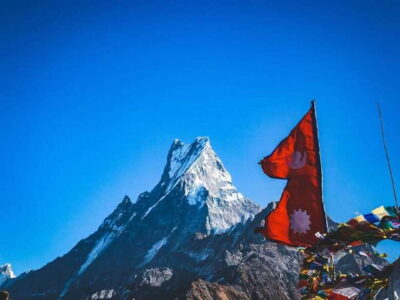
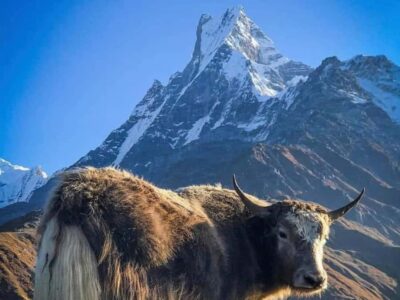
Views of Machhapuchhre, also called Fishtail, and Annapurna South become the main attraction. The scenery feels different here. You are moving above much of the forest, with wider sightlines and a stronger sense that you are in high mountain country.
This is also the day when altitude deserves your full attention. You may feel fine at Low Camp and notice the thinner air later. Walk slowly, tell your guide if you develop a headache or feel unwell, and do not try to prove anything by pushing through symptoms.
High Camp is the highest overnight stop on the standard schedule. The lodge is your base for the next morning’s optional Base Camp walk. The sleeping bag, warm layers, and trekking poles matter most here, especially in colder seasons.
The climb is manageable for people with moderate fitness, but the phrase moderate fitness should not be read as no preparation. You need to be comfortable walking uphill for several hours and handling four consecutive days of trekking.
A few more Pokhara trips to weigh up
- Poon hill Trek 3 days
★ 5.0 · 176 reviews - Trekking in Annapurna/Langtang/Everest/Upper Mustang regions
★ 5.0 · 161 reviews - Pokhara: 4-Day Ghorepani, Poonhill & Ghandruk Mountain Trek
★ 5.0 · 132 reviews - Ghorepani – Poon Hill Trek 3N-4D
★ 5.0 · 125 reviews
Day 4: Mardi Himal Base Camp or the shorter viewpoint
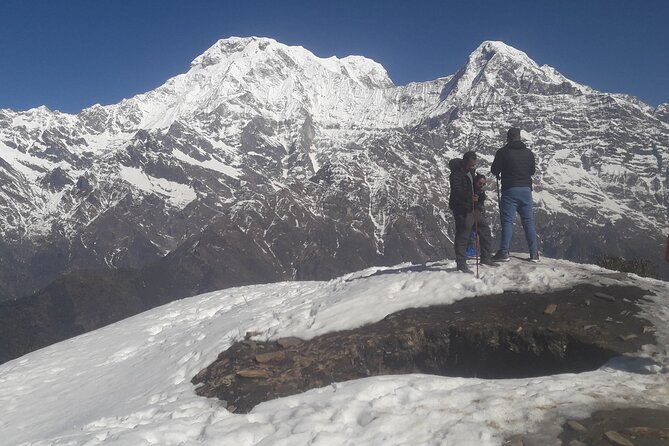
The fourth day offers the trek’s main choice. From High Camp, you can walk to Mardi Himal Base Camp and back in about four to five hours. Or you can turn around at a viewpoint halfway if the full outing feels too long or the weather is poor.
I consider this flexibility one of the best features of the trip. The Base Camp option gives you the fullest route, but the shorter viewpoint still lets you enjoy the high ridge without forcing a difficult outing. Your guide can help you judge the conditions and your energy.
The mountain views are the reason to make this effort. Machhapuchhre and Annapurna South are especially prominent from the upper trail, though visibility depends on weather. Mountain mornings can be clear and rewarding, while cloud can arrive quickly.
After returning to High Camp, you descend to Badal Danda at 3,210 meters. This is a long day because it combines the optional high walk with a descent to a new lodge. Even if you skip Base Camp, you still need to manage the downhill carefully. Tired legs often make descents harder than expected.
You spend the night at Badal Danda. The change in altitude brings you lower than High Camp, which can make the evening more comfortable. Dinner and lodge accommodation are included.
Day 5: Siding Village and the return to Pokhara
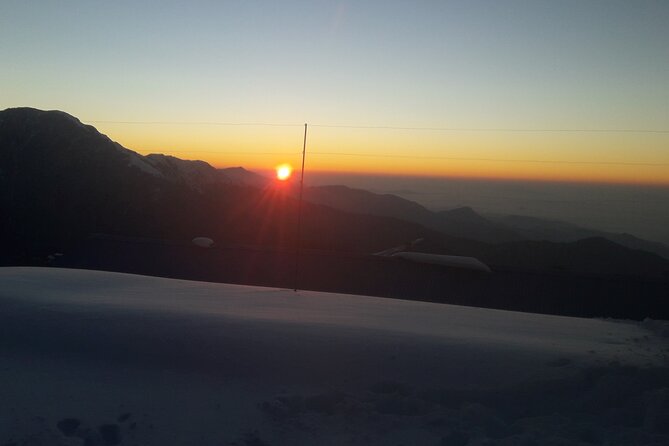
The final trekking day takes about five hours from Badal Danda to Siding Village. The route brings you back toward lower elevations and finishes the walking portion in a village setting rather than at a major roadhead.
Once you reach Siding, you return to Pokhara by shared jeep. The shared vehicle keeps the package cost down, but it also means the final transfer is less private than the opening drive from Pokhara to Kande. If you prefer a quieter or more controlled return, ask the operator about transport options before departure.
There is also an optional extension of one day from Siding to Lwang via Ghalel. That extra section takes about five to six hours and gives you a longer version of the trip. It is not part of the standard five-day return, so confirm the extra cost and accommodation arrangements if you want to add it.
Ending in Pokhara makes this trek convenient for a wider Nepal trip. You can arrange your own hotel and meals there, since those costs are not included in the package.
Guides, porters, and the female-led format
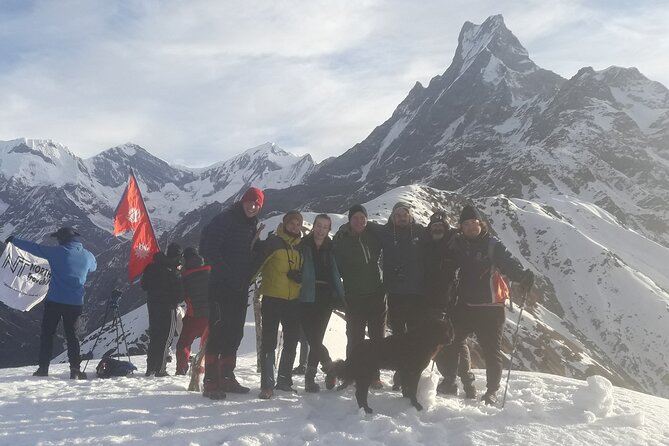
The tour is presented around the support of an experienced female guide, offering a more personal and encouraging approach for people who prefer a woman leading the trek. That can be especially appealing to solo women, friends traveling together, or anyone who values a supportive atmosphere on a physically demanding route.
The information also names several guides and porters from different departures. Bhim is praised for thoughtful pacing, cultural explanations, and steady support. Saugat Tamang is noted for adapting to walking speed, while Yakub is described as friendly and professional. Other named team members include Sabin, Gobinda, Menjom, Manjung, Kazoo, and Tashi Tamang.
Because guide assignments can change, I would ask for the name and gender of your assigned guide when booking. The female-guide concept is a central reason to choose this experience, so it is worth making sure the person leading your departure matches what you want.
One porter is provided for every two trekkers. That is a useful arrangement, but it does not mean you should pack without limits. Carry a light daypack with water, layers, personal medicine, and valuables, while using the supplied kitbag for the rest.
The guide is listed as fluent in English, government registered, experienced, and first-aid trained. Those qualifications matter on a high route, though no guide can remove the need for personal fitness and insurance.
What the $399 price really includes
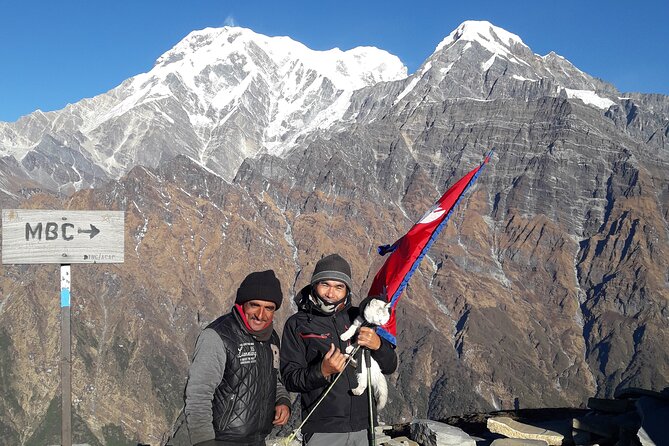
At $399, this is a strong package for a private five-day trek from Pokhara. Your fee covers the opening private vehicle, the shared jeep from Siding, lodge accommodation, the ACAP permit, TIMS card, guide, porter support, kitbag, sleeping bag, micro spikes, trekking poles, government and local taxes, and a completion certificate.
Meals are also included: five lunches, four breakfasts, and four dinners. That covers the listed trekking days, but not your meals before or after the trek in Pokhara or Kathmandu.
The package is particularly useful if you do not want to rent every piece of equipment separately. Micro spikes can help in icy conditions, and poles reduce strain on steep climbs and descents. You should still bring suitable footwear and clothing, since the supplied gear is support, not a replacement for your own essentials.
Budget separately for all drinks, personal insurance, tips, and unlisted expenses. The tip for your guide and porter is not included, and you should treat it as a normal part of the trip budget.
Who should choose this Mardi Himal trek
I would recommend this trek to you if you want:
- A private route with the option to adjust walking speed
- Four nights in mountain lodges rather than camping
- Close views of Machhapuchhre and Annapurna South
- A short Himalayan trek from Pokhara
- Support from a guide and porter
- The option to skip Base Camp without abandoning the entire day
- A female-led experience, after confirming the assigned guide
This trek may not suit you if you want short walking days, private transport all the way back to Pokhara, or hotel-style accommodation. The six-hour days, altitude, basic lodges, shared jeep, and cold upper camps are real parts of the experience.
The route also requires a moderate level of physical fitness. You should be ready for sustained uphill walking, several days in a row, and a high point of 3,700 meters.
Practical details that matter
Pickup is offered, but the listed start time is 11:45 pm, which does not fit neatly with the stated morning drive to Kande. Confirm the exact pickup time and meeting point before you travel. The supplied information gives Pokhara as the location, but not a single detailed meeting address.
Confirmation is received at booking. The activity is private, so only your group participates. Free cancellation is available if you cancel at least 24 hours before the local start time. Cancellations within 24 hours are not refunded, and late changes are not accepted.
Bring personal insurance that covers trekking at the planned altitude. The operator includes permits and taxes, but insurance is your responsibility.
Should you book the Private Mardi Himal Trek?
Book it if you want a well-supported, five-day mountain route that packs forest, villages, high ridges, and major Annapurna views into a short schedule. The price is good for what is included, and the private format gives you more control than a fixed group departure.
Before paying, confirm three things: the exact start time, the assigned guide, and the transport details for the shared jeep back to Pokhara. If you are comfortable with long walking days, basic lodges, and altitude, this is a practical way to reach Mardi Himal without committing to a longer Annapurna trek.
FAQ
How long is the Private Mardi Himal Trek?
The standard trek lasts approximately five days, beginning and ending in Pokhara.
Where does the trek begin?
You travel by private car or van from Pokhara to Kande. The walking route then continues toward Deurali.
How high does the trek go?
The highest overnight stop is High Camp at 3,700 meters. The route also includes a walk toward Mardi Himal Base Camp.
Is Mardi Himal Base Camp required?
No. On Day 4, you can either take the four to five-hour round trip to Base Camp or walk to a viewpoint halfway for a shorter outing.
Are meals included?
Yes. The package includes five lunches, four breakfasts, and four dinners during the trek. Drinks are not included.
Is a porter included?
Yes. One porter is included for every two trekkers. A kitbag is provided for storing belongings.
What happens after reaching Siding Village?
You return to Pokhara by shared jeep. You can also extend the trek by one day from Siding to Lwang via Ghalel, with the added route taking about five to six hours.
Just added around Pokhara
- Seti George and Thrilling Suspension Bridge Tour at Pokhara★ 4.5 · 3 reviews
- Tandem Paragliding in Pokhara★ 4.8 · 8 reviews
- Pokhara: Sunrise Tour to Sarangkot★ 5.0 · 3 reviews
- Pokhara: Suspension Bridge Private Tour- 30 Min Village Walk★ 4.8 · 9 reviews
- Pokhara: Visit Best Seven Tourist Destination by Sharing Bus★ 3.4 · 10 reviews
- Pokhara Sightseeing By Bus: Day Trip★ 4.6 · 7 reviews
- Pokhara Sightseeing By Bus – Day Trip★ 3.2 · 8 reviews
- Pokhara: Sarangkot Sunrise & Panoramic Annapurna View Tour★ 4.8 · 10 reviews
Mardi Himal Treks, compared.
Browse the lists this tour appears in