
Reviewed · EVEREST BASE CAMP TREKS
Everest Base Camp Trekking – 2025/2026
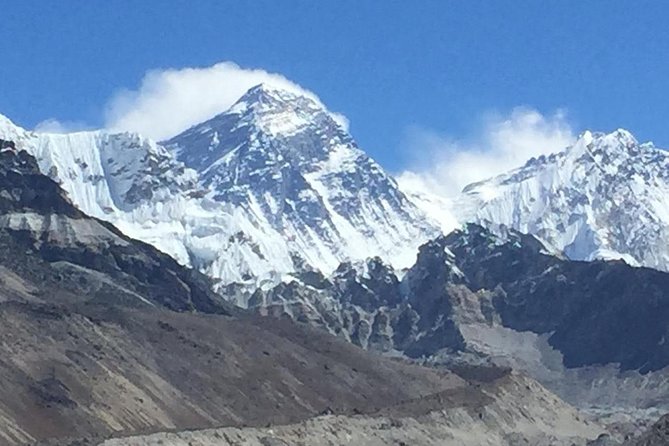
Everest Base Camp is the star here, but the walk to it is the real experience. You pass through Sherpa villages, Buddhist monasteries, suspension bridges, and high mountain valleys before reaching the foot of the world’s tallest peak. The private format lets you set a sensible pace instead of trying to keep up with a large group.
I like that flights to and from Lukla are included, since those tickets can be a major part of the cost and a tricky detail to arrange. I also like the practical support: a licensed English-speaking guide, porter service, permits, lodge accommodation, full-board meals, and water-purification tablets are all covered.
The main consideration is altitude. This is called a moderate trek, but it reaches high elevations on rough trails and requires several hours of walking each day. The published schedule also has some day-number and overnight-stop inconsistencies, so confirm the final route before paying.
Key points to know before you book
- Lukla flights are included: Domestic flights from Kathmandu or Manthali to Lukla and back are part of the package.
- Private trekking gives you control: Your group walks with its own guide, rather than joining a fixed large group.
- Most costs on the trail are covered: Lodging, breakfast, lunch, dinner, permits, guide support, and porter service are included.
- The route reaches serious altitude: You should be able to walk roughly 3 to 5 hours a day on rugged ground.
- Accommodation is basic above the valley: Expect clean trekking lodges, shared bathrooms in some high places, and cold conditions.
- The human side matters: Guides such as Sujal, Samir, Krishna, Hairy, and Prabin Tamang have been praised for care, communication, and safety on Alpine Ramble trips.
Why this trek is about more than the base camp sign
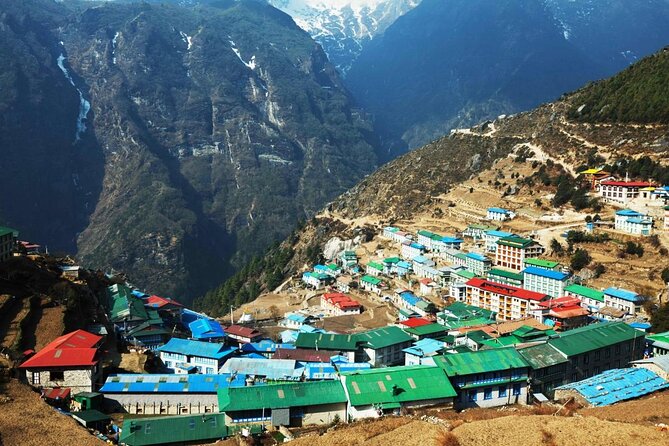
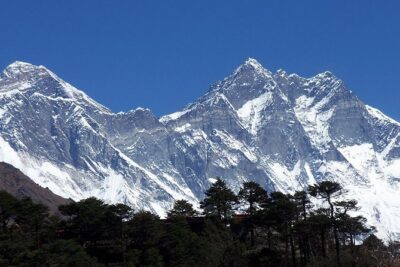
The Everest Base Camp route works because it gives you a gradual change of scenery. Kathmandu begins the trip with city sights and practical preparation. Lukla introduces steep Himalayan trails almost at once. By Namche Bazaar, you are walking through the Sherpa heartland, and farther up, the villages become smaller, the air thinner, and the mountains much closer.
You are not climbing Everest. You do not need ropes, crampons, oxygen cylinders, or technical climbing skills for this trek. You do need stamina, patience, and a willingness to walk slowly when your body asks for it.
The private arrangement is useful here. A good guide can adjust the walking rhythm, explain local customs, help with meals and lodges, and watch for signs that you are struggling with the altitude. The company says one porter is assigned for every two trekkers, with a suggested luggage limit of 18 kilograms. You may request an individual porter if needed.
The package costs $1,339.20 per person. That is a fair-looking price for a guided trek that includes domestic flights, permits, accommodation, meals, and porter support, but it is not an all-inclusive holiday. You still need to budget for Nepal’s entry visa, international flights, insurance, Kathmandu accommodation and meals outside the trek, drinks, showers, Wi-Fi, snacks, hot water, laundry, and personal purchases.
More Everest Base Camp Treks in Kathmandu:
- Everest Base Camp Trek – 14 Days
★ 5.0 · 1,499 reviews - Everest Base Camp Trekking
★ 5.0 · 485 reviews - Everest Base Camp Trekking – 13 Day
★ 5.0 · 365 reviews
Kathmandu arrival and the practical first day
Day one begins with an airport welcome and private transfer to your Kathmandu hotel. An evening introduction to the trek is planned, which gives you a chance to meet the guide, check your equipment, and ask about the route.
The experience includes private transportation and an air-conditioned vehicle for included transfers. Kathmandu hotel standards depend on the arrangement. The basic package does not promise a luxury hotel, while higher-standard four- or five-star accommodation can be requested for an additional cost.
Use this first day well. Check that your boots are comfortable, keep important medication in your day bag, and make sure your travel insurance covers trekking at high altitude. Insurance is not included, and it is an important gap in the package.
The stated meeting time is 7:15 am. Since mountain flights can be affected by weather and operating conditions, keep your schedule flexible. The company also warns of possible flight delays in Kathmandu and Lukla. Do not plan a tight international connection immediately after the trek.
Lukla to Phakding: the trail begins at 2,652 meters
The flight to Lukla is short, but the trek begins in earnest as soon as you arrive. From Lukla, you walk to Phakding at about 2,652 meters, with the first day taking roughly three to four hours according to the supplied schedule.
This is a useful opening day because it gets you moving without sending you straight to the highest villages. You will begin to see mountain settlements and the narrow route that links the Khumbu Valley. The trail is rugged, so your first job is not speed. It is finding a steady walking rhythm.
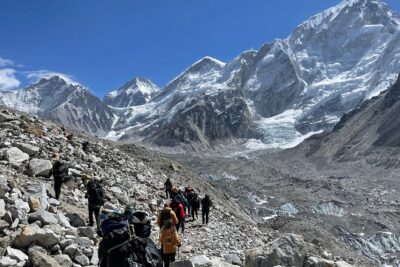
A typical morning starts with wake-up tea around 6 am. You pack, eat breakfast at about 7 am, stretch for five minutes, and then set off. The walking pattern is usually 45 minutes to an hour, followed by a short rest of three or four minutes.
That routine may sound strict, but it makes sense at altitude. Short, regular breaks are easier on your body than waiting until you are exhausted. Lunch generally comes around noon or 1 pm and lasts about 40 minutes.
Namche Bazaar: your first major altitude test
The walk from Phakding to Namche Bazaar covers about 10 to 12 kilometers and takes around five hours. Namche sits at roughly 11,283 feet, making this one of the most important days of the trek.
Namche is not just a place to sleep. It is the main trading and service center for the Everest region, with a strong Sherpa identity and a natural pause in the route. The climb toward it can feel demanding, especially if you are not used to sustained uphill walking.
This is where your guide’s judgment becomes valuable. You should not treat the itinerary’s walking times as a race. The private setup allows you to walk at a pace that supports breathing and recovery. The company describes the trek as suitable for people with moderate fitness, but that label should not make you underestimate the altitude.
A little preparation helps. Stair climbing, walking, jogging, cycling, swimming, and regular gym work are all suggested forms of training. You do not need climbing experience, but you should arrive with enough stamina to walk several hours on consecutive days.
A few more Kathmandu trips to weigh up
- Nagarkot Sunrise View and Day Hiking from Kathmandu
★ 5.0 · 471 reviews - Annapurna Circuit Trek with Tilicho Lake
★ 5.0 · 368 reviews - Everest Base Camp Trek -14 Days
★ 5.0 · 321 reviews - Annapurna base camp trek 5 Days
★ 5.0 · 252 reviews
Pangboche and Lobuche: the valley grows wilder
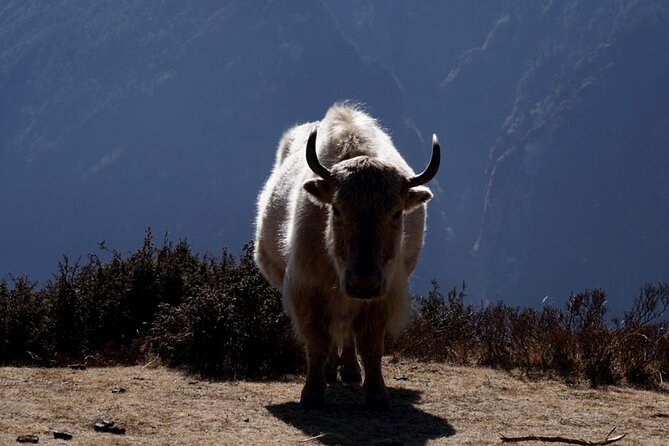
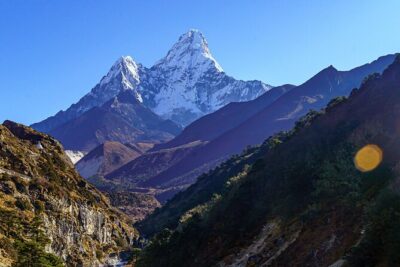
The route continues from Namche to Pangboche in about five hours. Pangboche gives you a strong sense of the high Himalayan villages, where life is shaped by altitude, weather, tourism, and the Buddhist traditions of the Sherpa community.
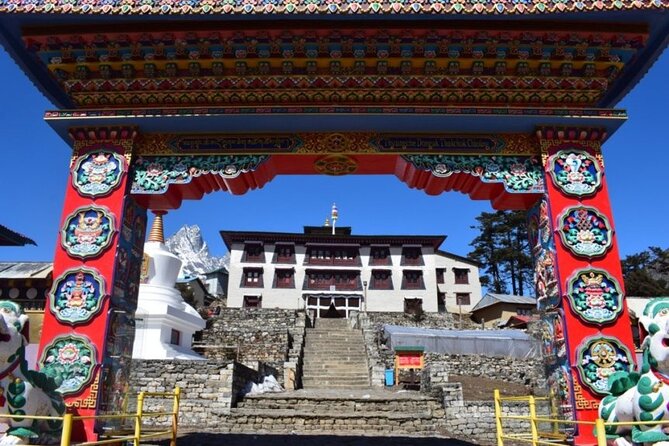
The guide is encouraged to help you visit local settlements and learn about daily life in the mountains. That cultural element is one of the better reasons to choose a guided trek. Without explanation, a monastery, prayer wall, or village custom can become just another photograph. With a local guide, you have a better chance of understanding what you are seeing and how to behave respectfully.
From Pangboche, the route continues toward Lobuche, listed at about five hours of walking. As you go higher, expect colder nights, fewer conveniences, and a greater need to drink, eat, and rest properly.
The lodge rooms are described as clean and comfortable but basic, with blankets, pillows, and mattresses. Do not expect Kathmandu standards. Attached bathrooms may be arranged in some places, but at higher elevations you may need to share facilities.
Hot showers, Wi-Fi, drinks, and hot water cost extra. A shower can also be less appealing when the air is cold and the facilities are simple, so pack wipes and good toiletries. The company says it can provide warm down jackets and sleeping bags on a rental basis if you do not have your own.
Gorak Shep and Everest Base Camp
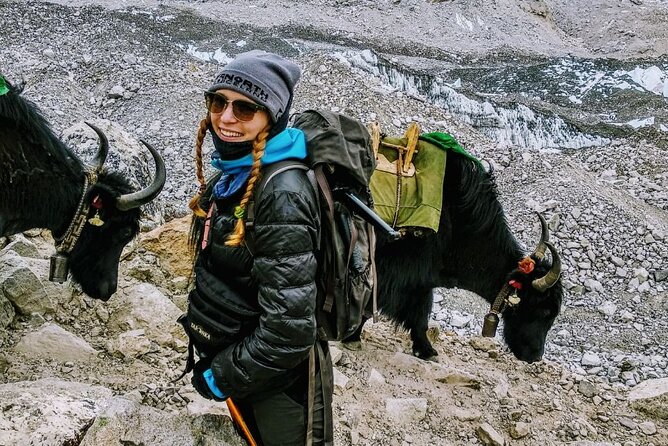
The route from Lobuche to Gorak Shep, with a visit to Everest Base Camp, is the emotional center of the trip. The supplied schedule gives about five hours for the day, but your actual timing can depend on conditions, pace, rest stops, and how long you spend at base camp.
Gorak Shep is a high, stark settlement. At this point, the surroundings feel far removed from ordinary life. The air is thin, the nights are cold, and even simple tasks take longer. You should focus less on distance and more on how your body responds.
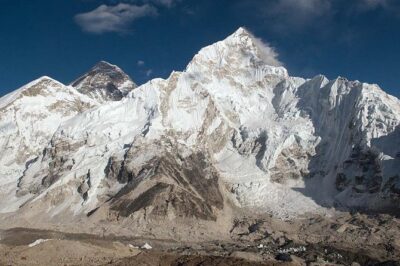
Everest Base Camp itself is not a climbing summit and does not offer a single permanent view of Everest from the famous marker. The approach still brings you close to the high peaks and the famous climbing route. The wider reward is the changing mountain scenery throughout the journey, not just one photograph at the destination.
Altitude sickness deserves plain attention. The information provided does not promise a separate acclimatization day, and the written route is compressed in places. Ask exactly how acclimatization is handled, what happens if you feel ill, and whether the guide can change the pace or plan. Carry any personal medication only after discussing it with a medical professional. Diamox is listed among suggested personal items, but it is not supplied as part of the package.
The return route is part of the achievement
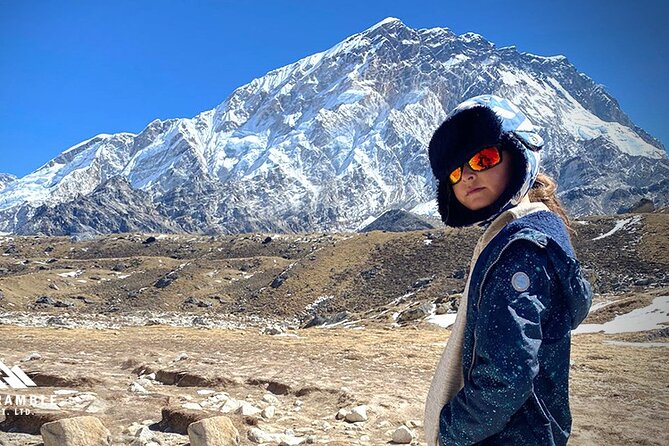
After base camp, the route heads back through Pangboche, Namche Bazaar, and Lukla. The return is easier in some ways because you know the rhythm, but it is not effortless. Your legs may be tired, and downhill walking can be hard on knees.
The supplied itinerary lists a return from the high country toward Pangboche, then a trek from Namche to Lukla lasting about five hours. It also lists the flight back to Kathmandu as about 35 minutes. However, the schedule labels two separate sections as day nine and does not clearly show every overnight stop.
That does not mean the trip cannot work. It means you should ask Alpine Ramble Treks for the final day-by-day plan before departure. Confirm the number of nights in Kathmandu, the exact lodge stops, the acclimatization plan, and what happens if a Lukla flight is delayed.
Once back in Kathmandu, private transfer to the hotel is included. Extra accommodation and meals before or after the trek are not.
Meals, water, and daily comfort
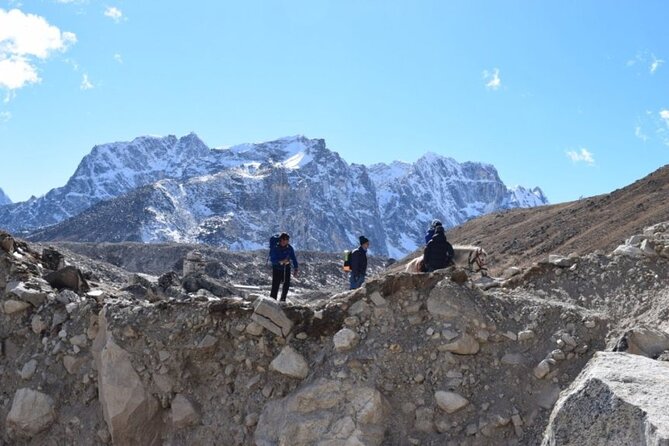
Food is served on a full-board basis: breakfast, lunch, and dinner, with the main course included. Breakfast and dinner are normally eaten at the lodge where you sleep, while lunch is arranged along the route.
The menu is broader than you might expect in a remote mountain region. Options listed include Sherpa stew, dal bhat, vegetable dishes, soups, noodles, handmade bread, rice, spaghetti, pizza, eggs, potatoes, and apple pie. Hot drinks such as ginger tea, lemon tea, hot chocolate, coffee, and green tea are available, but drinks beyond the included meal arrangement cost extra.
Meat is not recommended by the operator in the Everest region because storage and hygiene can be difficult. Fresh vegetable dishes, dal bhat, garlic soup, potato soup, and onion soup are safer choices within the advice provided.
Water is available along the route, but bottled water can cost roughly $2 to $3 per liter. Tap water may be free, but you need purification tablets. Those tablets are included, which is a small but useful saving. Bring a proper bottle that can handle hot water, since cold water is less appealing and can be very cold at high elevations.
What your guide and porter add
The company assigns an experienced, government-licensed, English-speaking local guide. The guide covers meals and flight arrangements within the package and gives a briefing after dinner about the next day.
That briefing matters. You can learn the expected walking time, the trail conditions, meal arrangements, and the next lodge stop before setting out. Guides also help you manage the less glamorous parts of trekking, such as ordering dinner early, organizing luggage, and finding the right place to rest.
Previous Alpine Ramble trips have been associated with guides named Sujal, Samir, Krishna, Hairy, and Prabin Tamang. Specific praise has focused on clear communication, care, safety, and support. One private Gokyo trek used a guide who carried about five kilograms when no porter was booked, but do not assume that service is standard for this Everest package.
Porter arrangements deserve a direct conversation. One porter is normally provided for two trekkers, and luggage should stay under 18 kilograms. Pack lightly and respect the people carrying your gear. A day pack of at least 30 liters is suggested, along with a rain cover and a thermal bottle.
What to pack for real mountain conditions
You need proper trekking boots, several pairs of socks, quick-drying shirts, trekking trousers, a fleece or sweater, gloves, a warm hat, a scarf, a sun hat, sunglasses, sunscreen rated SPF 40 or higher, and rain protection.
A down or fiber-filled jacket is important. The company says jackets and sleeping bags can be rented, but confirm the quality, size, and availability before relying on that option.
Useful personal items include a headlamp, toiletries, hand sanitizer, face wipes, laundry soap, a small first-aid kit, a watch, padlocks, spare passport photographs, passport copies, and cash. Walking poles are optional.
The first-aid suggestions include blister treatment, bandages, painkillers, oral rehydration salts, and medicine for diarrhea or nausea. Medical advice is beyond the tour package, so speak with your doctor before choosing prescription medicines.
Best seasons and the value of the $1,339.20 price
The recommended trekking periods are the dry months from mid-September through May, with spring from March to May singled out as favorable. Clear mountain views and cold nights are typical goals during these periods.
Weather can still disrupt flights, particularly on the Lukla route. A flight delay can affect the whole schedule, so flexibility is part of the price of doing this trek.
At $1,339.20, the package offers solid practical value if you want the major arrangements handled. Flights, permits, trekking lodges, meals, guide support, porter service, transportation, and purification tablets cover many of the costs that add up quickly on an independent trek.
The price is less attractive if you expect hotel comfort, private bathrooms, unlimited drinks, showers, Wi-Fi, or every night in Kathmandu. It is best viewed as a supported mountain trek, not a luxury tour.
Who should book this Everest trek?
I would recommend it to a moderately fit person who wants Everest Base Camp without managing every lodge, permit, flight, and meal alone. It also suits couples and small private groups who value their own pace.
It is a good fit if you enjoy simple accommodation, cold weather, long walking days, and local cultural contact. It is a poor fit if you want a soft adventure with dependable transport, polished hotels, and no schedule changes.
You can cancel for a full refund up to 24 hours before the local start time. Cancellations within 24 hours are not refunded. If poor weather or insufficient numbers force cancellation, the operator says you will be offered another date or experience, or a full refund.
Should you book it?
Book this trek if the included Lukla flights, guide, porter, meals, permits, and private pacing match what you need. The strongest reasons are practical organization and the personal support of a local trekking team, with past guide names such as Sujal, Samir, and Krishna worth requesting if available.
Before booking, ask for the corrected 14-day schedule in writing. Pay special attention to acclimatization, the exact nights at high altitude, flight-delay plans, hotel standards in Kathmandu, and the cost of single accommodation.
If you are ready for basic lodges, rugged trails, and real altitude, this package gives you a sensible way to reach Everest Base Camp. Just arrive fit, pack for cold conditions, and understand what the price does and does not cover.
FAQ
How long does the Everest Base Camp trek take?
The experience is advertised as approximately 14 days. The supplied route includes arrival in Kathmandu, flights to Lukla, trekking to Everest Base Camp, the return walk to Lukla, and a flight back to Kathmandu.
Are flights to Lukla included?
Yes. Domestic flights from Kathmandu or Manthali to Lukla and return are included in the package.
How much does the trek cost?
The listed price is $1,339.20 per person.
Are meals included during the trek?
Yes. Breakfast, lunch, and dinner are included on a full-board basis during the trekking portion. Meals before and after the trek in Kathmandu are not included.
Is accommodation included?
Yes. Trekking-lodge accommodation is included during the trek. Rooms are generally twin-sharing, and a single supplement applies to a solo traveler. Extra Kathmandu accommodation is not included.
Do I need climbing experience?
No technical climbing skills are required. The trek does not require crampons, ropes, oxygen cylinders, or other technical climbing equipment, but you need moderate fitness and stamina.
How many hours do I walk each day?
The information describes roughly 3 to 5 hours of walking per day, with several route sections listed at about five hours.
Is travel insurance included?
No. Personal travel insurance is not included and must be arranged separately.
What happens if the Lukla flight is canceled because of weather?
The tour information warns that flight delays are possible in Kathmandu and Lukla. It also states that if the experience is canceled because of poor weather, you will be offered a different date or a full refund.
Just added around Kathmandu
- Private Half-Day Tour of Boudhanath and Pashupatinath Temples in Kathmandu★ 4.5 · 9 reviews
- Private Half-Day Tour of Kathmandu Durbar Square and Swayambhunath Temple★ 4.5 · 11 reviews
- Namobuddha Monastery Hiking Day Tour via Panauti from Kathmandu★ 5.0 · 15 reviews
- Private Full-Day Kathmandu City Tour★ 5.0 · 9 reviews
- Private Day Tour in Kathmandu Valley Rim with Bhaktapur Sightseeing★ 5.0 · 3 reviews
- Private Half Day Budhanilkantha Tour★ 5.0 · 6 reviews
- Private Day Tour: Patan and Bhaktapur from Kathmandu★ 4.5 · 6 reviews
- Private Day Tour – Sacred Journey to Namo Buddha★ 5.0 · 5 reviews
Everest Base Camp Treks, compared.
Everest Base Camp Trek with Helicopter Return from Gorakshep to Lukla
Read our review →Browse the lists this tour appears in