
Reviewed · EVEREST BASE CAMP TREKS
Everest Base Camp Trek
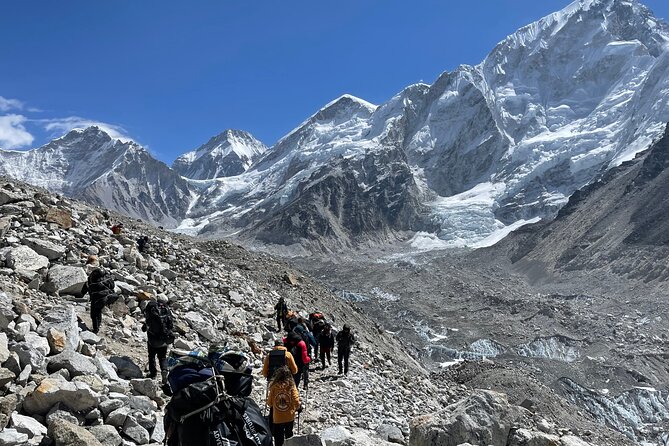
Everest Base Camp is the main event here, but the real test begins long before you reach it. This 12-day trek from Kathmandu to Lukla takes you through Namche Bazaar, Tengboche, Dingboche, Lobuche, Gorakshep, and finally Base Camp, with a climb to Kala Patthar before the return walk.
I like that the hard planning is handled for you: domestic flights, permits, tea-house accommodation, meals, a guide, and Kathmandu transfers are built into the $1,300 price. I also like the two acclimatization days, which give your body a fighting chance at altitude. The main caution is that the published inclusions are not perfectly clear about porters, and several costs remain outside the headline price.
Key points to know before booking
- Lukla flight included: Domestic flights from Kathmandu to Lukla and back, with domestic airport tax, are covered.
- Two acclimatization days: You pause at Namche Bazaar and Dingboche instead of climbing hard every day.
- Base Camp plus Kala Patthar: You reach Everest Base Camp and also climb to 5,545-meter Kala Patthar for the major mountain viewpoint.
- Tea-house trekking: Lodging and three meals a day are included during the mountain section.
- Guide-led small group: The maximum group size is 14, with an experienced guide included. A porter may cost an additional $220.
- Extra costs matter: Visa, insurance, drinks, hot showers, charging, snacks, the $40 Everest Base Camp entrance fee, tips, and Kathmandu meals are not included.
Why this Everest trek works as a package
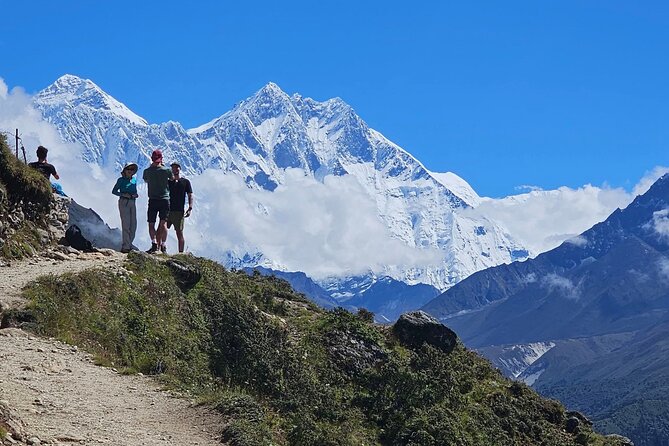
I see this as a practical way to take on a famous high-altitude route without arranging every moving part yourself. You fly into the small mountain airstrip at Lukla, walk for ten days through the Khumbu region, then fly back to Kathmandu.
That simplicity has real value. The operator handles the domestic flights, ground transport, permits and paperwork, lodge bookings, guide arrangements, and emergency helicopter coordination. You still need suitable insurance that covers trekking and helicopter evacuation, but you are not left to solve every problem from the trail.
The price is $1,300 per person, which is reasonable for what is listed, especially with flights and full-board trekking included. It is not an all-in price, though. Add the $40 entrance fee, visa, insurance, drinks, snacks, showers, battery charging, tips, and any porter fee before deciding what the trip will really cost.
One detail needs careful checking before you pay. The overview says guides and porters are included, while the cost section says a trekking porter is optional and costs $20 per day, or $220 for the trek. I would ask the operator to confirm this in writing. A guide is clearly included. A porter appears to be an extra service.
More Everest Base Camp Treks in Kathmandu:
- Everest Base Camp Trek – 14 Days
★ 5.0 · 1,499 reviews - Everest Base Camp Trekking
★ 5.0 · 485 reviews - Everest Base Camp Trekking – 13 Day
★ 5.0 · 365 reviews
Day 1: Kathmandu to Lukla, then Phakding
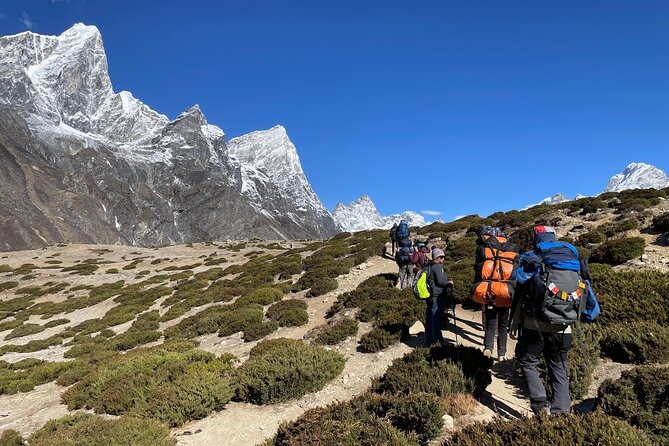
The trip begins early, with a 6:15 am meeting time at Tribhuvan Airport in Kathmandu. The flight to Lukla reaches 2,886 meters, then you walk downhill and along the Dudh Koshi valley to Phakding at 2,610 meters.
The first walking day lasts about four hours and is a gentle introduction compared with what comes later. The short schedule is useful after an early flight, since you have not yet adjusted to the thin air. You will have lunch and dinner included, and your lodge stay is part of the package.
Lukla flights depend on weather, so the schedule can change. The cancellation terms specifically note that poor weather can affect the experience. Build some patience into your plans, especially if you have an international flight soon after returning to Kathmandu.
Day 2: Phakding to Namche Bazaar
This is the first demanding day. You walk for about six hours from Phakding to Namche Bazaar, climbing to 3,440 meters.
The route follows the river before becoming steeper near Namche. Crossing into the Everest region requires permits and entry arrangements, which the operator takes care of. For you, the practical gain is simple: less time at an office and more time focusing on the path and your pace.
Namche is the largest settlement on this section of the trek and an important stopping point. The altitude gain is substantial, so do not treat this as an ordinary hiking day. Walk slowly, drink regularly, and tell your guide if you develop a headache, unusual tiredness, nausea, or trouble sleeping.
Day 3: Acclimatization in Namche Bazaar
You spend a full day at Namche for acclimatization. That may look like a rest day on paper, but it is one of the most valuable parts of the schedule.
Your body needs time to adjust before the route rises above 4,000 meters. A slower day also helps you recover from the first long climb. The exact activity for this day is not specified, so ask your guide what outing or walking plan will be used.
I like that the itinerary does not rush straight from Lukla to the upper valley. Some fast programs cut rest time to save a day, but that can make the high section far less comfortable. At altitude, a spare day is not wasted time.
A few more Kathmandu trips to weigh up
- Nagarkot Sunrise View and Day Hiking from Kathmandu
★ 5.0 · 471 reviews - Annapurna Circuit Trek with Tilicho Lake
★ 5.0 · 368 reviews - Everest Base Camp Trek -14 Days
★ 5.0 · 321 reviews - Annapurna base camp trek 5 Days
★ 5.0 · 252 reviews
Day 4: Namche Bazaar to Tengboche
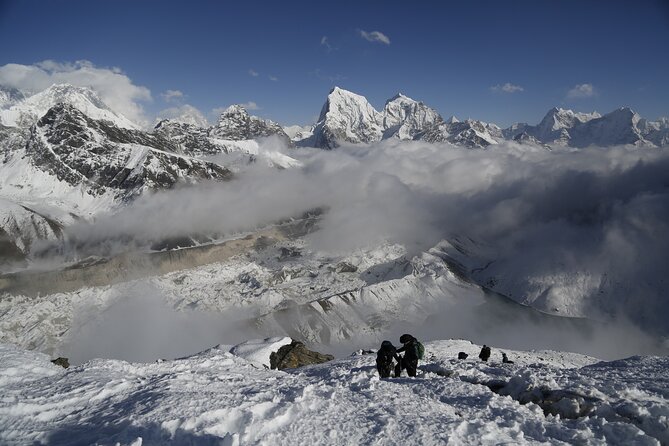
The trail climbs from Namche to Tengboche, written as Tyangboche in the schedule, at 3,867 meters. The walk takes about five hours.
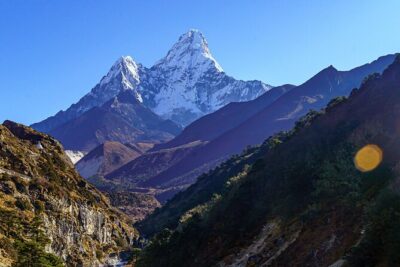
Tengboche is known for its monastery setting and broad mountain views, although the exact sightseeing program is not listed. This is one of the prettiest sections of the route, with a steady rhythm of forested paths, open slopes, and high peaks.
The shorter walking time helps you settle into the trek. You are still gaining altitude, so the goal is not speed. A guide can help set a sensible pace and make sure the group stays together.
Day 5: Tengboche to Dingboche
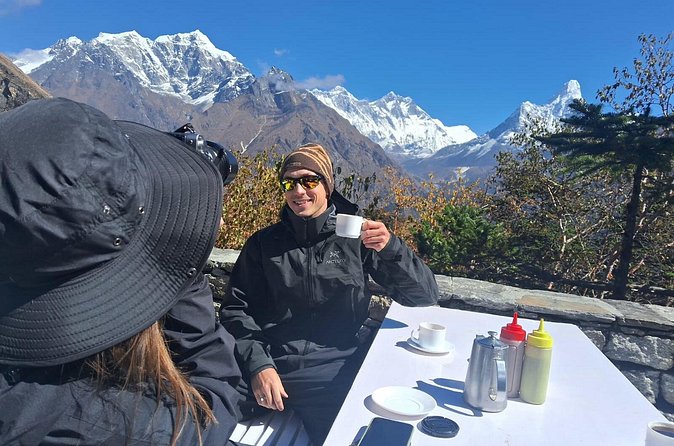
From Tengboche, you continue to Dingboche at 4,260 meters. The walking time is about five hours.
Dingboche marks a clear change in the trek. The valley becomes more open and exposed, and the air feels thinner. Your lodge will be basic rather than hotel-like, and the included meals are designed to keep you moving rather than provide fine dining.
This is a good place to pay attention to warmth and comfort. The package supplies a sleeping bag and down jacket, which can reduce what you need to rent or carry. You receive those items for the trek and return them afterward.
Day 6: A second acclimatization day at Dingboche
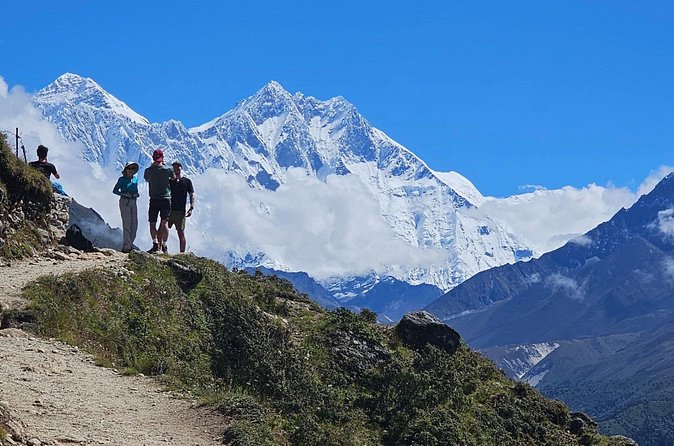
Dingboche gets another acclimatization day before the group climbs higher. I consider this essential, not optional comfort.
At 4,260 meters, even a modest walk can feel hard. The schedule gives your body more time to adjust before Lobuche, which is close to 5,000 meters. As with Namche, the exact rest-day activity is not supplied, so ask whether your guide plans a local walk or a quiet recovery day.
You should use this pause to check your clothing, socks, water, headlamp, and sleeping bag. Personal comforts become more important as the nights get colder and the settlements more basic.
Day 7: Dingboche to Lobuche
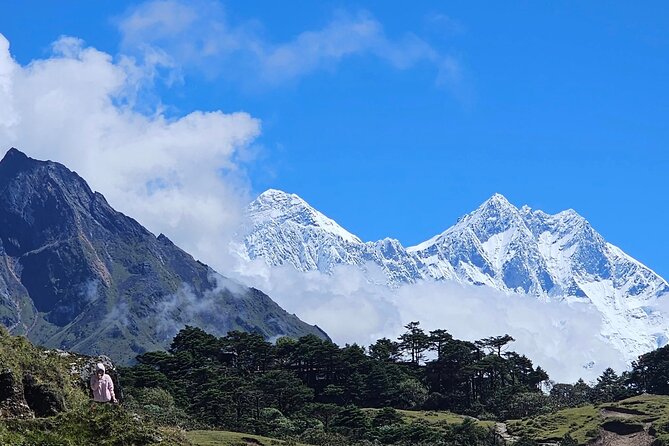
The route now climbs to Lobuche at 4,930 meters. The walking time is about five hours.
This is a serious altitude day, even though the distance is not listed as especially long. You may find that the trail feels slower, your breathing is heavier, and simple tasks take more effort. Stay close to the group and follow the guide’s advice.
Lobuche is a staging point for the Base Camp push. The package includes the lodge and meals, but drinks, snacks, hot showers, and battery charging are extra. Carry enough personal cash for these small costs because the headline price does not cover them.
Day 8: Lobuche to Everest Base Camp via Gorakshep
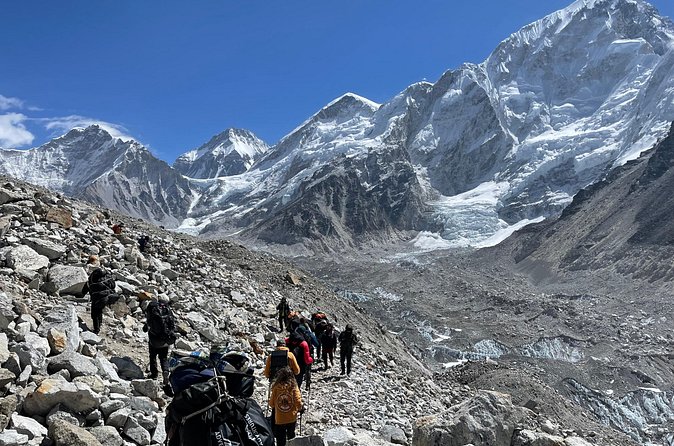
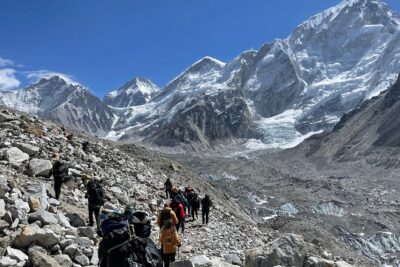
This is the day you came for. You walk from Lobuche to Gorakshep and continue to Everest Base Camp, with a total walking time of six to seven hours.
Gorakshep is the final lodge area on the route. From there, the path to Base Camp is rocky and demanding, and the altitude makes the return feel longer than the distance suggests. The itinerary does not provide Gorakshep’s exact elevation, but it is the high point of the approach before the next morning’s climb to Kala Patthar.
Base Camp itself is a major personal milestone, but it is not the summit of Everest and may not look as dramatic as photographs suggest outside climbing season. The value is in reaching the foot of the route used by mountaineering expeditions and seeing the glacier and surrounding peaks at close range.
Meals, guide support, and lodge accommodation remain included. Keep your expectations practical: tea houses at this height are basic, and hot water, charging, drinks, and sweets cost extra.
Day 9: Kala Patthar and the walk to Pheriche
You rise early for the climb from Gorakshep to Kala Patthar at 5,545 meters, then descend to Pheriche at 4,243 meters. The full day takes about seven hours.
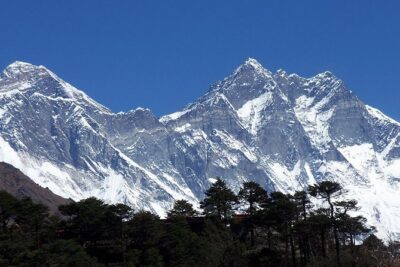
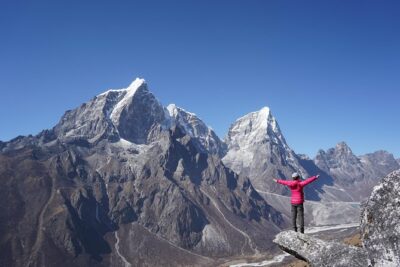
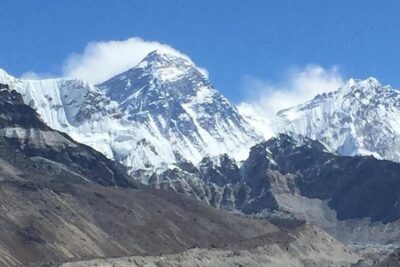
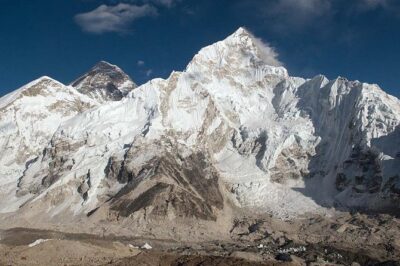
Kala Patthar is the high point of the trek and the best-known viewpoint on this route. From here, you get the mountain panorama that many people picture when they think of Everest. The early start can be cold and tiring, but the timing is intended to give you the strongest views.
This is also the day when the itinerary asks the most from your body. You have already reached Base Camp, but now you climb higher before making a long descent. Take it slowly. The descent to Pheriche is welcome, but seven hours on tired legs is still a substantial day.
Day 10: Pheriche to Namche Bazaar
You leave Pheriche and retrace the route toward Namche Bazaar, walking about six hours.
The lower altitude should make breathing easier, even though the downhill sections can be hard on knees and ankles. This is where trekking poles, if you use them, become useful. The schedule does not list trekking poles as supplied, so plan your own equipment.
Returning to Namche gives you a more comfortable overnight stop before the final walk to Lukla. You will still have breakfast, lunch, and dinner included during the trek.
Day 11: Namche Bazaar to Lukla
The last full walking day takes about six hours from Namche back to Lukla. You descend through the valley, then deal with the final climbs that make this route more tiring than a simple downhill walk.
This is a satisfying but not effortless finish. Your legs have already covered the high trail, and the path can feel long after the excitement of Base Camp has passed. A guide helps with timing and keeps the group moving toward the airstrip.
Since the next day depends on the Lukla flight, do not plan anything that cannot tolerate a delay. Weather can disrupt mountain flights, and the return flight is part of the trek’s practical risk.
Day 12: Lukla to Kathmandu
The final day includes the flight from Lukla to Kathmandu and a transfer to your hotel. Breakfast is included.
Four nights in Kathmandu are listed as part of the overall accommodation arrangement, but the cost section also says hotel and food in Kathmandu are not included. This is another point I would clarify before booking: the description appears to include Kathmandu lodging, while the exclusions say Kathmandu hotel is not covered.
The domestic flight and airport transfer are included, which removes two common logistical headaches. International airfare and airport departure tax are not part of the package.
Guides, porters, and the human side of the trek
The guide is one of the strongest reasons to choose a supported trek rather than arrange everything alone. The company pays the guide’s salary, food, drinks, accommodation, transport, and insurance. That means the guide is not simply meeting you for a few hours each day.
Past departures have been associated with guides named Kiran, Dinish, and Arjun. Arjun was described as kind and patient, and he reportedly brought fresh fruit for dessert in the evenings. That small detail matters on a long trip. Thoughtful routines can lift morale when the air is cold and the walking is hard.
Kiran was praised for helping a group manage major disruption after monsoon damage affected roads and stranded people. The useful lesson for you is not that delays will be avoided, but that an operator’s communication and flexibility matter when mountain logistics go wrong.
The porter question deserves special attention. The overview suggests porters are included, but the exclusions list says you pay $220 if you require one. Ask exactly what baggage support is included, how much luggage a porter carries, and what the daily rate covers.
What the $1,300 price really covers
The package includes more than the basic walking route:
- Kathmandu airport and hotel transfers by private vehicle
- Kathmandu to Lukla and Lukla to Kathmandu flights
- Domestic airport tax
- Tea-house accommodation during the trek
- Breakfast, lunch, and dinner during the mountain section
- An experienced guide and the guide’s operating costs
- Sleeping bag, down jacket, duffle bag, and trekking map
- Government taxes, VAT, and service charges
- Emergency helicopter arrangements, with the bill handled by your travel insurance company
That is a solid base. You are paying for a managed route, not just a guide and a bed.
You still need to budget for the Nepal entry visa, listed as $40 for a one-month visa, plus two passport photos. Travel insurance is compulsory. You also pay for Kathmandu food and perhaps accommodation, depending on the operator’s clarification.
On the trail, drinks, bottled water, hot showers, chocolate bars and other sweets, battery charging, and tips are extra. The $40 Everest Base Camp entrance fee is also excluded. If you want a porter, the listed price is $20 per day, or $220 for the trek.
Who should book this 12-day route
This trip suits you if you have moderate physical fitness, can walk for five to seven hours on consecutive days, and are ready for high altitude. You do not need to be a mountaineer, but you do need patience, steady pacing, and the ability to manage basic lodge conditions.
It is a good fit if you want structure and support. The group has a maximum of 14 people, small enough for a guide to keep track of the party without making the trek feel entirely private.
I would not choose it if you need luxury, fixed flight times, or complete control over every day. The Lukla flight is weather-sensitive, tea-house life is simple, and the trek requires real effort. You should also be comfortable paying extra for basic comforts along the way.
The activity has a 5.0 rating from 123 published ratings and a 100 percent recommendation figure. Those numbers suggest strong satisfaction, but they do not remove the need to check the porter and Kathmandu accommodation details.
Should you book the Everest Base Camp Trek?
I would book this trek if I wanted a guided, fairly inclusive route to Everest Base Camp and was willing to accept basic lodging, altitude, and weather risk. The two acclimatization days, included flights, full-board mountain meals, supplied cold-weather gear, and guide support make the $1,300 starting price attractive.
Before booking, I would get written answers about three things: Is a porter included or extra, are four Kathmandu nights included, and exactly what insurance coverage is required for helicopter evacuation? If those answers suit your budget, this is a sensible way to take on one of Nepal’s major treks without carrying the full planning burden yourself.
FAQ
How long is the Everest Base Camp Trek?
The trek lasts approximately 12 days, including flights between Kathmandu and Lukla, the walk to Everest Base Camp, the return trek, and the transfer back to your Kathmandu hotel.
Where does the trek start?
The meeting point is Tribhuvan Airport in Kathmandu, Nepal. The listed start time is 6:15 am.
Are flights to Lukla included?
Yes. The Kathmandu to Lukla and Lukla to Kathmandu domestic flights, including domestic airport tax, are included.
Are meals and accommodation included?
Tea-house accommodation and breakfast, lunch, and dinner are included during the trek. Food in Kathmandu is not included. The supplied information gives conflicting details about Kathmandu hotel nights, so confirm that point before booking.
Is a porter included?
The information is inconsistent. The overview refers to guides and porters, but the exclusions list says a porter is optional and costs $20 per day, or $220 per person. Ask the operator to confirm the porter arrangement.
What happens if bad weather cancels the trip?
If poor weather causes cancellation, you will be offered another date or a full refund. The experience is otherwise non-refundable and cannot be changed after booking.
Just added around Kathmandu
- Private Half-Day Tour of Boudhanath and Pashupatinath Temples in Kathmandu★ 4.5 · 9 reviews
- Private Half-Day Tour of Kathmandu Durbar Square and Swayambhunath Temple★ 4.5 · 11 reviews
- Namobuddha Monastery Hiking Day Tour via Panauti from Kathmandu★ 5.0 · 15 reviews
- Private Full-Day Kathmandu City Tour★ 5.0 · 9 reviews
- Private Day Tour in Kathmandu Valley Rim with Bhaktapur Sightseeing★ 5.0 · 3 reviews
- Private Half Day Budhanilkantha Tour★ 5.0 · 6 reviews
- Private Day Tour: Patan and Bhaktapur from Kathmandu★ 4.5 · 6 reviews
- Private Day Tour – Sacred Journey to Namo Buddha★ 5.0 · 5 reviews
Everest Base Camp Treks, compared.
Everest Base Camp Trek with Helicopter Return from Gorakshep to Lukla
Read our review →Browse the lists this tour appears in