
Reviewed · EVEREST BASE CAMP TREKS
Everest Base Camp Trek
The big draw here is the classic walk to Everest Base Camp, reached by a 15-day plan that gives your body time to adjust to thin air. You fly into Lukla, follow the Khumbu trail through Sherpa villages and pine forests, cross glacial ground, and finish with views from Kalapatthar.
I like two things right away. Porters carry your main gear, while the guide handles permits, lodges, meals, flights, and the route. I also like the built-in acclimatization days at Namche Bazaar and near Dingboche, plus a spare day in Kathmandu in case Lukla weather causes trouble.
The catch is simple: this is a serious high-altitude trek, not a long scenic walk. You need moderate fitness, patience with weather delays, and the right insurance, since international airfare, medical coverage, and emergency evacuation are not included.
Key points to know before you book
- Lukla is part of the adventure: The roughly 30-minute flight is scenic and weather-sensitive, so keep your schedule flexible.
- Two acclimatization days matter: Hikes near Namche and Nagarkhang Peak help break up the long climb.
- Guides are a major strength: Lok, Khila, Lal, Hari, and Ossman are among the guides singled out for care, pacing, motivation, and safety.
- Your heavy bag is handled: Porters carry your main gear, and a duffle bag, down jacket, and four-season sleeping bag are supplied.
- The price covers the essentials: At $1,408 per person, you get domestic flights, permits, guide and porter support, lodging, most meals, and airport transfers.
- The final approach is demanding: Glaciers, steep climbs, cold mornings, and low oxygen make the days near Base Camp the hardest.
What the 15-day Everest Base Camp trek is really like
This trip is built around a familiar rhythm: fly, walk, rest, climb, rest again, reach Base Camp, then retrace the trail. You get 11 or 12 days of walking, depending on how the schedule is counted, with arrival, departure, and contingency time around the trek.
That structure is useful. The Everest route is not hard only because of distance. Altitude changes the whole experience. A short uphill stretch can leave you working far harder than expected, so the rest days are not wasted time. They are part of the safety plan.
You travel as a private small group, which gives the guide room to adjust the walking pace. That matters more than a fixed timetable when one person needs a slower morning or a longer lunch stop. Groups of more than six receive an assistant guide, adding support on the trail.
The company provides an English-speaking guide who is licensed by the government and trained through Nepal’s tourism ministry. The guide travels with you throughout the trek, along with porters. The porters receive accommodation, meals, salary, and insurance through the operator, an important point when comparing cheap trekking packages.
More Everest Base Camp Treks in Kathmandu:
- Everest Base Camp Trek – 14 Days
★ 5.0 · 1,499 reviews - Everest Base Camp Trekking
★ 5.0 · 485 reviews - Everest Base Camp Trekking – 13 Day
★ 5.0 · 365 reviews
Kathmandu arrival and the flight to Lukla
Your first day begins with airport pickup in Kathmandu. A representative meets you with a name card and takes you to the hotel in a private vehicle. The scheduled activity is short, about 30 minutes, but this transfer removes one early worry after a long international flight.
Kathmandu also gives you a buffer before the mountains. You are not expected to start walking the moment you arrive. The city is the gateway to the Himalayas, and the trip uses the final free day there as protection against delays on the Lukla route.
On Day 2, you fly from Kathmandu to Lukla. The flight takes about 30 minutes and delivers wide Himalayan views before landing at the small mountain airport. The landing is famous for its short, dramatic airstrip, and the flight itself is one of the memorable parts of the trip.
This is also the schedule’s weak point. Lukla flights are affected by weather, and delays or cancellations can happen. The plan includes a free Kathmandu day on Day 14, but that day is mainly a reserve for possible flight trouble. Do not schedule an international departure too tightly around this trek.
After landing, you walk toward Phakding for roughly four hours. The first day is a good introduction to the route. You get mountain scenery without immediately facing the steepest climbs, though the altitude and unfamiliar trail still make it more than a casual stroll.
Monjo, Namche, and your first acclimatization day
The next section takes you through gentle climbs, Monjo, and Jorsalle, with lunch along the way. Pine forests and the Hillary Bridge add character to the walk. After crossing the bridge, the trail becomes steeper, so the day has a clear change of pace.
Namche Bazaar is the key early stop. It is the main high settlement on this approach to Everest and the place where the itinerary gives you a full acclimatization day. Instead of treating rest as a day indoors, your guide offers options such as Khumjung and Khunde, the Everest View Hotel, Thame, or Sagarmatha National Park.
I like the choice of hikes. You can match the outing to your energy rather than follow one rigid route. The goal is to go higher during the day and sleep back at Namche, helping your body adjust without adding another night at a greater height.
You should still expect Namche to feel demanding. Even a short hike can seem long at this altitude, and the repeated up-and-down paths require steady legs. The guide’s role is especially valuable here. Several guides, including Lok, Khila, and Lal, are praised for setting a manageable pace and paying close attention to safety.
From Kyanjuma to Pangboche
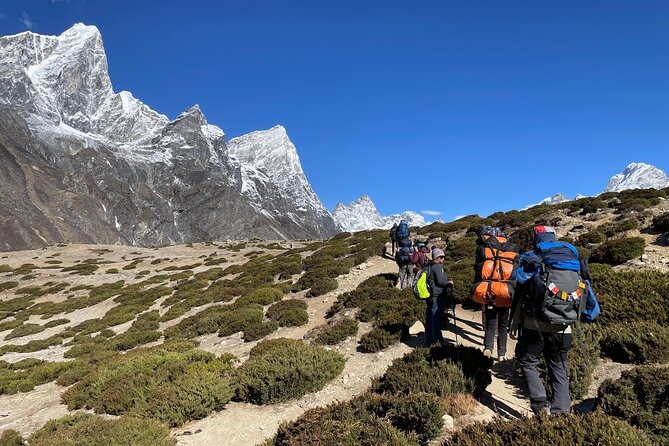
After Namche, the route follows a gentler trail toward the national park headquarters and Kyanjuma. There is time for tea before the descent to Phungi Thanga, where lunch comes before another climb. You cross the Dudh Koshi River and continue toward higher villages.
This is a good example of Himalayan trekking: the route does not simply go uphill. You often lose height before gaining it again, which can be tiring and confusing if you expect a straight climb. The reward is variety, with forests, river crossings, village paths, and changing mountain views.
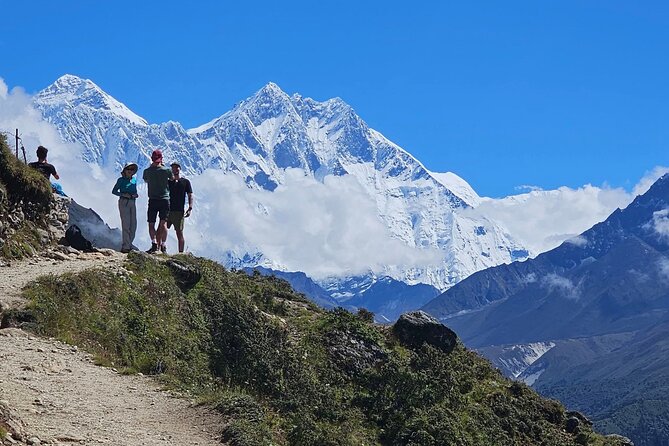
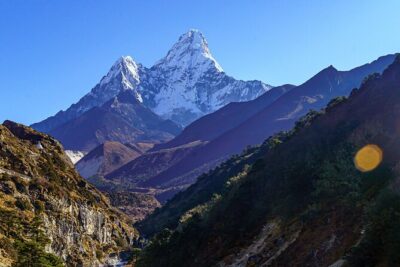
The next day follows the Imja Khola toward Pangboche at about 3,930 meters. Pangboche is linked with many well-known Everest climbers and is described as home to brave Sherpas. For you, its importance is more practical as well as cultural: it is a high mountain village where the pace slows and the effects of altitude become more obvious.
This is where the Sherpa character of the route feels strongest. You are not just walking toward a famous marker. You are moving through communities that support Himalayan expeditions and daily life at high elevation. The supplied meals and lodge arrangements make the trip easier, but you should expect simple mountain accommodation rather than city comfort.
A few more Kathmandu trips to weigh up
- Nagarkot Sunrise View and Day Hiking from Kathmandu
★ 5.0 · 471 reviews - Annapurna Circuit Trek with Tilicho Lake
★ 5.0 · 368 reviews - Everest Base Camp Trek -14 Days
★ 5.0 · 321 reviews - Annapurna base camp trek 5 Days
★ 5.0 · 252 reviews
Nagarkhang Peak and the second acclimatization day
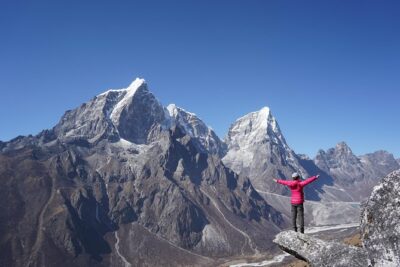
Day 7 brings the second major acclimatization break. The plan is a hike to Nagarkhang Peak at roughly 5,000 meters. From the top, you can see several Himalayan peaks and gain a stronger sense of the scale around you.
This is one of the most useful days in the schedule. It lets you test your legs and breathing before the trail becomes harder. It also breaks up the long push toward Base Camp, giving you time to adjust instead of rushing from village to village.
The hike is optional in spirit because the leader offers choices and adapts to the group, but it is still a high-altitude outing. You should not treat it as a sightseeing add-on. Ask your guide about the right pace for you, and be honest about how you feel.
The company’s strongest theme in the feedback is personal care from the guides. Khila is praised for an individual approach and close attention to safety. Lal is described as reassuring and adaptable, while Ossman is noted for guiding, teaching, and motivating. Those qualities matter most on days like this, when judgment is more important than speed.
Dughla Pass and the approach to Base Camp
From Pheriche, the route follows the ridge toward Dughla. You stop for lunch before the steep climb to Dughla Pass, a section that marks a clear shift into the hardest part of the trek.
The climb is not just physically sharper. Oxygen levels are lower, and the trail becomes more demanding as you gain height. This is a place to keep your own pace, drink as directed by your guide, and avoid trying to match the fastest person in the group.
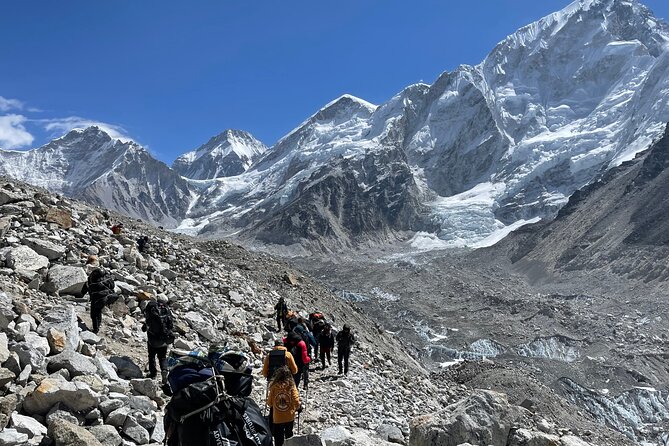
The following day takes you across glacial ground. The early part is easier, but the trail becomes tougher once you start ascending over the glaciers. The combination of uneven footing, cold conditions, and low oxygen can make this day feel much longer than the mileage suggests.
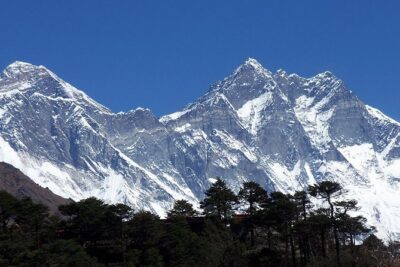
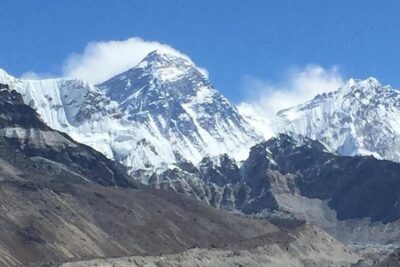
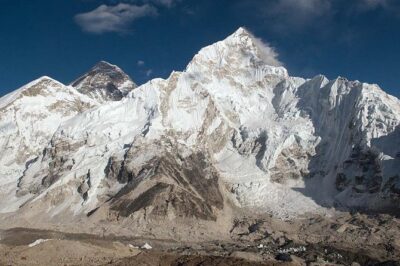
You also get your first close sense of the expedition world around Everest. The route passes through a high, stark setting shaped by ice and huge peaks. The destination is famous, but the walk to it is the real experience. Base Camp itself can look different depending on the season and conditions, and the mountains around it are often the bigger reward.
Kalapatthar before sunrise
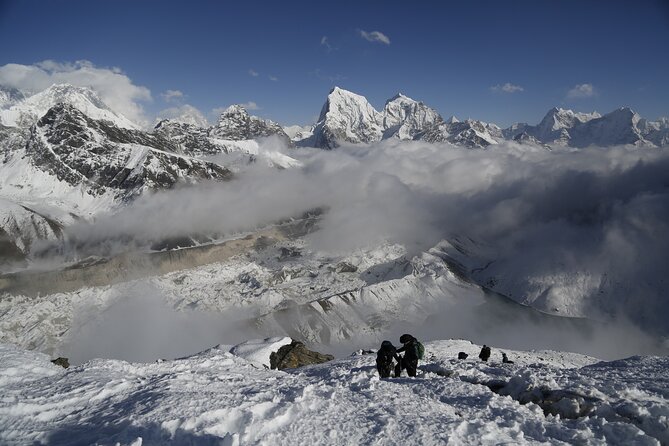
The early start to Kalapatthar is one of the trip’s defining moments. You leave before sunrise for the climb to the best-known viewpoint in the Khumbu Valley. The ascent is difficult, but the high position gives you broad views of Himalayan peaks and the surrounding mountain country.
The timing is important. Starting before sunrise means cold conditions and a tired body, but it offers the chance to watch the light change over the peaks. You need warm layers here. The supplied down jacket and sleeping bag help at night and in cold lodges, but you remain responsible for personal clothing and footwear.
Kalapatthar also shows why this trek requires more than enthusiasm. You have already crossed steep sections and glacial terrain, then you climb again at very high elevation. The guide should keep the group controlled rather than pushing for speed. That is where the repeated praise for pacing and safety from guides such as Lok and Khila becomes especially relevant.
After the high point, the trail turns back toward lower villages. Reaching the viewpoint does not mean the trip is effortless. The descent and the return walk still require energy, and you should save enough strength for the days that follow.
The return through Tengboche and Phakding
The return route passes through Debuche and Tengboche before descending steeply to Phungi Thanga. Lunch by the Dudh Koshi River breaks up the day, followed by another climb toward Kyanjuma.
Tengboche gives the return journey a different mood. You are no longer gaining height toward a goal, so you can pay more attention to the villages, forests, and changing views. The route still has steep sections, however, and tired knees can make downhill walking harder than expected.
The next day takes you down to Jorsalle and onward to Phakding, with a meal stop along the way. You then continue toward Lukla. This is the end of the walking portion, described as an 11-night, 12-day trek within the larger 15-day trip.
That distinction helps when comparing packages. The headline duration includes airport transfers, Kathmandu time, and a weather buffer. You are not walking for 15 straight days, which is good news for recovery, but the walking days remain long and demanding.
What $1,408 includes, and what it does not
At $1,408 per person, the package offers solid value if you want the trip organized rather than pieced together yourself. Included are private airport transfers before and after the trek, Kathmandu to Lukla and return flights, Everest National Park entry, TIMS registration, a licensed guide, porters, and an assistant guide for groups larger than six.
You also receive a down jacket, four-season sleeping bag, and duffle bag, all returned after the trip. The guide carries a first-aid kit. Meals included are 14 breakfasts, 11 lunches, and 12 dinners, with the exact pattern reflecting the travel and flight days.
The price covers most of the costly moving parts. Domestic mountain flights can be awkward to arrange, permits take paperwork, and porter support makes a major difference to your daily effort. Airport pickup also means you are not left to negotiate transport in Kathmandu after arrival.
Budget separately for international airfare, Nepal visa fees, personal insurance, emergency evacuation, drinks, hot showers, phone use, laundry, snacks, and other personal purchases. Costs caused by weather, natural events, accidents, or other matters outside the operator’s control are also excluded.
I would not book this trek without travel and medical insurance that addresses high-altitude trekking and evacuation. That is not a minor extra. At this elevation, a medical problem can become a transport problem quickly.
Guides, porters, and the private-group advantage
The human support is the strongest reason to choose this format. Your guide organizes the walking day, helps set the pace, handles route decisions, and remains with you throughout. Porters carry the main load, so you can focus on footing, breathing, and the scenery.
The guide names most often associated with this program are Lok, Khila, Lal, Hari, and Ossman. The consistent strengths attached to them are care, politeness, motivation, route familiarity, and attention to individual needs. Upendra and Birendra are also praised for careful preparation before departure, which can make the Kathmandu arrival and gear planning less stressful.
A private group is a real advantage on a route where people acclimatize differently. You are not locked into the pace of a large bus-sized group. Group discounts are available, and an assistant guide is added for parties over six.
Still, a private group does not make Everest Base Camp easy. It gives you more flexibility, not a lower altitude. You should be ready to walk at the group’s safe pace, accept changes caused by weather, and follow the guide’s advice when conditions are poor.
Who should book this trek?
I would recommend it to someone who wants the classic Everest route with the practical work handled by a local company. It suits people who value a guide, porter support, included meals, and arranged flights more than complete independence.
It is also a good match for a small group of friends or family members who want their own walking rhythm. The route’s cultural side suits you if Sherpa villages, mountain communities, and life around Everest interest you as much as the Base Camp sign.
I would be cautious if you dislike cold mornings, basic accommodation, steep trails, or uncertain flight schedules. You also need moderate physical fitness. The itinerary has rest days, but they do not remove the need for steady walking at altitude.
The trek is not designed as a luxury holiday. Its value is in access, support, and time on the trail. You get the important logistics arranged, while still doing the hard walking yourself.
Booking, weather, and cancellation notes
Confirmation is received at booking, and the activity operates as a private tour. Pickup is offered, the meeting area is near public transportation, and the listed operating hours cover every day.
Weather deserves special attention. If poor conditions cancel the experience, you are offered another date or a full refund. For ordinary changes, cancellation at least six full days before the start time allows a full refund. Two to six full days before departure allows 50 percent, while cancellation less than two full days before the start time is nonrefundable.
Because Lukla flights can be delayed, I would keep your international flight home separate from the trek’s final scheduled day whenever possible. The included Kathmandu reserve day helps, but mountain weather does not follow a neat calendar.
FAQ
How long is the Everest Base Camp trek?
The full experience lasts approximately 15 days. The walking portion is described as an 11-night, 12-day trek, with Kathmandu arrival and departure time plus a spare day for possible Lukla flight problems.
What is included in the $1,408 price?
The price includes private airport transfers, Kathmandu to Lukla and return domestic flights, Everest National Park entry, TIMS registration, a licensed English-speaking guide, porters, an assistant guide for groups over six, a down jacket, four-season sleeping bag, duffle bag, and listed meals.
Are porters provided?
Yes. Experienced Sherpa helpers carry your gear and receive meals, accommodation, salary, and insurance through the operator. The supplied duffle bag is returned after the trek.
Are meals included?
Yes. The package includes 14 breakfasts, 11 lunches, and 12 dinners. Personal drinks, snacks, bar bills, hot showers, laundry, and similar expenses are not included.
Does the trek include acclimatization days?
Yes. One acclimatization day is scheduled near Namche Bazaar, with possible hikes to Khumjung, Khunde, the Everest View Hotel, Thame, or Sagarmatha National Park. A second acclimatization day includes a hike toward Nagarkhang Peak at about 5,000 meters.
What happens if the Lukla flight is canceled because of weather?
If poor weather cancels the experience, you are offered a different date or a full refund. The schedule also includes a free Kathmandu day that can be used for possible flight delays or cancellations.
Should you book it?
Book this trek if you want Everest Base Camp with strong local support, arranged domestic flights, porters, supplied cold-weather gear, and a private small group. The guide team, especially names such as Lok, Khila, and Lal, receives unusually strong praise for care, pacing, and safety.
Skip it if you want a soft adventure, a fixed schedule, or a trip with evacuation and insurance already covered. For the right person, $1,408 is a fair price for the permits, flights, staff, meals, transfers, and planning bundled into one demanding but memorable Himalayan journey.
Just added around Kathmandu
- Private Half-Day Tour of Boudhanath and Pashupatinath Temples in Kathmandu★ 4.5 · 9 reviews
- Private Half-Day Tour of Kathmandu Durbar Square and Swayambhunath Temple★ 4.5 · 11 reviews
- Namobuddha Monastery Hiking Day Tour via Panauti from Kathmandu★ 5.0 · 15 reviews
- Private Full-Day Kathmandu City Tour★ 5.0 · 9 reviews
- Private Day Tour in Kathmandu Valley Rim with Bhaktapur Sightseeing★ 5.0 · 3 reviews
- Private Half Day Budhanilkantha Tour★ 5.0 · 6 reviews
- Private Day Tour: Patan and Bhaktapur from Kathmandu★ 4.5 · 6 reviews
- Private Day Tour – Sacred Journey to Namo Buddha★ 5.0 · 5 reviews
Everest Base Camp Treks, compared.
Everest Base Camp Trek with Helicopter Return from Gorakshep to Lukla
Read our review →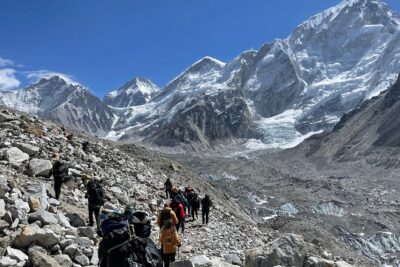
Browse the lists this tour appears in