
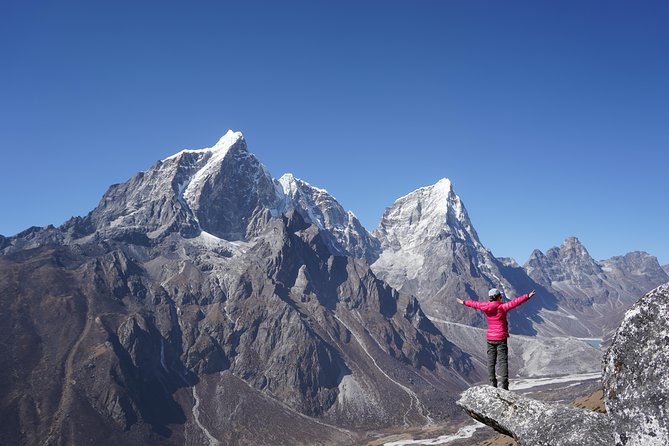
Reviewed · EVEREST BASE CAMP TREKS
Everest Base Camp Trekking
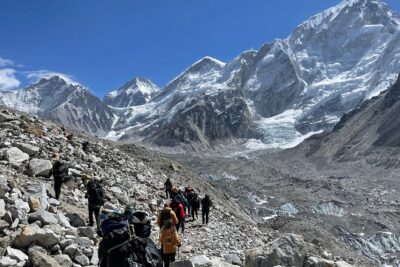
Everest Base Camp is not a sightseeing stop you simply check off between bus rides. You walk there, step by step, through Sherpa villages, high mountain passes, memorials, monasteries, and thin air. This 12-day trek handles the hard planning, including permits, tea houses, meals, porters, guide support, and flights between Kathmandu and Lukla.
I like the practical setup: one porter serves two trekkers, and the package includes a sleeping bag, duffel bag, and down jacket on request. I also like the human side. Guides such as Ram Dhakal and Dillip have been singled out for careful support, good communication, and flexibility during the trek.
The main drawback is the physical demand. You need strong fitness, and the price does not cover your Kathmandu hotel, personal medical or rescue insurance, hot showers, Wi-Fi, charging, bottled water, or emergency evacuation. Budget for those extras before you go.
Key points before you book
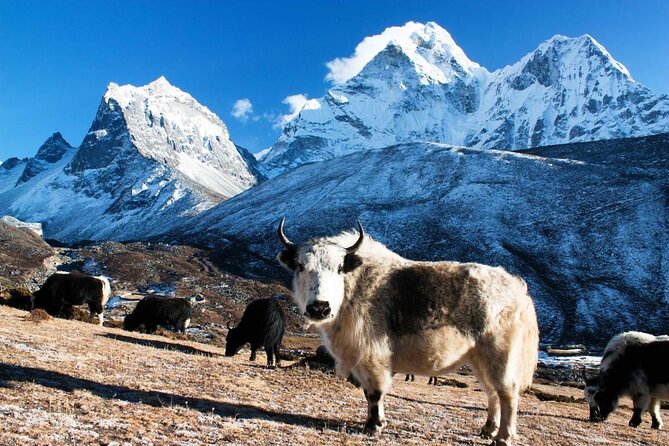
- Namche Bazaar is more than a rest stop: This famous Sherpa market town gives you your first real high-altitude village experience.
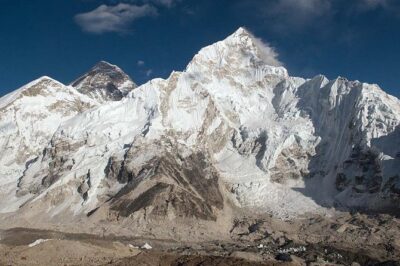
- Kala Patthar provides the big mountain view: You get a close view of Everest from the famous viewpoint, along with broad views of the surrounding peaks.
- Tengboche adds a spiritual stop: You have time to visit the well-known monastery and seek blessings from a monk.
- The package removes much of the paperwork: National Park fees, VDC fees, TIMS fees, permits, tea-house lodging, meals, guide services, and porters are included.
- The Lukla flights are part of the adventure: Flights operate between Kathmandu, or Ramechhap, and Lukla as part of the trek plan.
- This is a small-group experience: The maximum group size is 15 people, with confirmation provided at booking.
What the 12-day Everest trek actually gives you
The appeal here is simple. You get a guided route to Everest Base Camp without having to arrange each permit, bed, meal, porter, flight, and transfer on your own. That matters in the Khumbu region, where a missed connection or poorly timed booking can cause real trouble.
The package includes 11 nights of basic tea-house accommodation during the trek. Do not expect hotel comfort. Tea houses are functional places to sleep, eat, warm up, and meet other people on the route. Your meals include breakfast, lunch, and dinner during the trekking portion, so the main food planning is handled.
You also receive a government-licensed, English-speaking guide and porter support at a ratio of two trekkers to one porter. That is a useful arrangement. You carry a daypack, while the porter handles much of the heavier luggage. The guide stays with the group and explains the cultural and natural importance of the route.
The operator has a maximum group size of 15. That is large enough to offer company but small enough for the guide to keep an eye on the group. If you are booking alone, the listed experience also supports solo trekking arrangements, with Dillip praised for helping one solo trekker complete the route.
More Everest Base Camp Treks in Kathmandu:
- Everest Base Camp Trek – 14 Days
★ 5.0 · 1,499 reviews - Everest Base Camp Trekking
★ 5.0 · 485 reviews - Everest Base Camp Trekking – 13 Day
★ 5.0 · 365 reviews
From Kathmandu to Lukla, then into the Khumbu
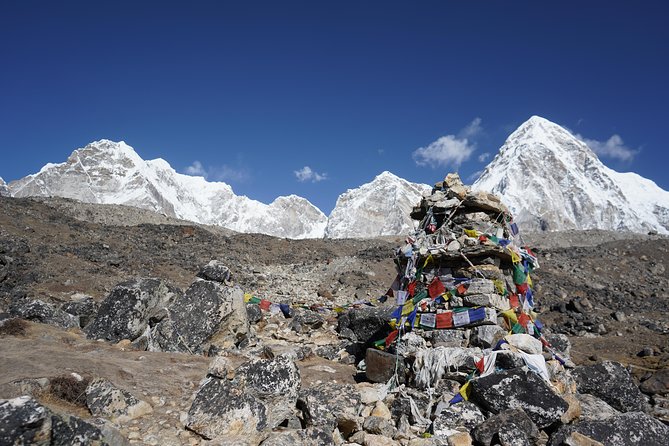
The meeting point is in Thamel, Kathmandu, with a listed start time of 6:15 am. Domestic airport pickup and drop-off are included. The airfare is listed as Kathmandu, or Ramechhap, to Lukla and back, which is worth checking carefully at booking because the departure airport is shown in both forms.
The Lukla flight is one of the memorable parts of the trip. It is not just a transfer. It places you at the gateway to the Everest region and begins the trek in a way that feels immediate and dramatic. The package includes the return flights, saving you from arranging one of the most important pieces of the journey yourself.
The tour ends back at the stated meeting point. Accommodation in Kathmandu is not included, so you need to arrange your own hotel before the early start and after returning from the mountains. Breakfast, lunch, and dinner in Kathmandu are also separate.
Namche Bazaar and the first taste of Sherpa life
Namche Bazaar is one of the main cultural highlights. Known as the gateway to Everest, it is also a high-altitude market town with a strong Sherpa identity. You get to see how daily life works in a place shaped by mountain travel, trekking, trade, and mountaineering.
This stop is valuable because the trek is not only about reaching a sign at Base Camp. The villages and people along the way give the route its character. You follow paths used by famous mountaineers, including Sir Edmund Hillary and Tenzing Norgay Sherpa, while learning about Sherpa culture and local ways of life from your guide.
The altitude is already a serious factor by this stage. The itinerary does not provide a detailed day-by-day acclimatization schedule, so you should ask the operator for the exact walking plan before departure. The tour does require strong physical fitness, and that warning deserves attention.
Mountain views above 8,000 meters
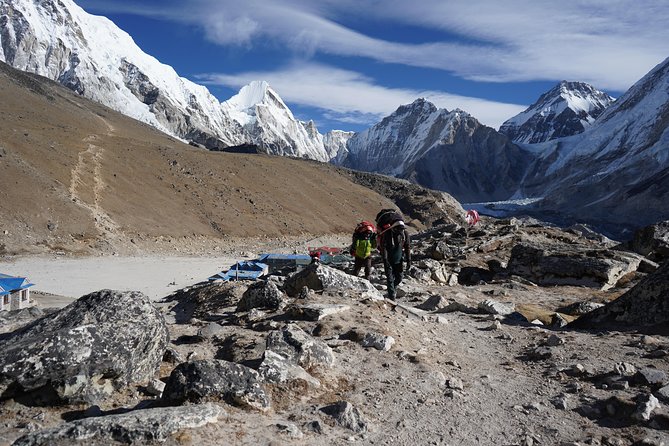
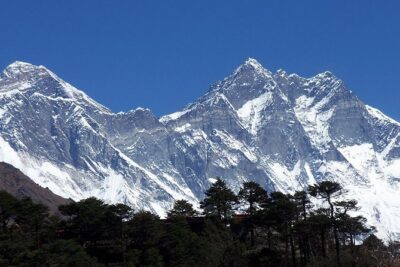
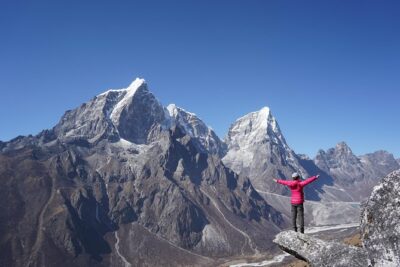
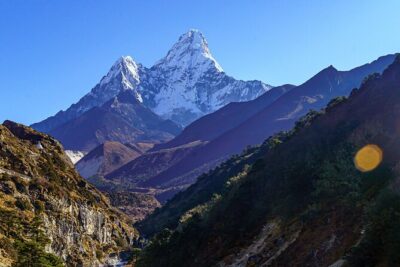
The route brings panoramic views of some of the world’s highest peaks, including mountains above 8,000 meters. You are not simply walking through one large viewpoint. The appeal is the changing relationship between villages, trails, glaciers, and towering peaks as you move higher.
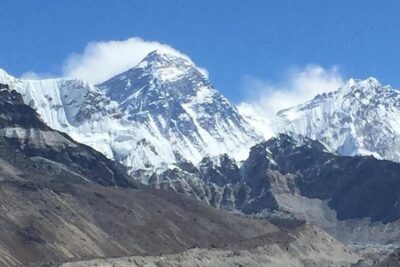
Everest itself is not always best seen from Base Camp. The famous Kala Patthar viewpoint is included for that reason. From there, you get a close view of Everest and a broader mountain panorama. If your main goal is a strong photograph of Everest, Kala Patthar may be one of the most important moments of the trek.
The package also includes a visit to the Khumbu Glacier. This gives you a chance to see one of the region’s defining natural features up close. Your guide is meant to explain the natural value of the route, so take advantage of that rather than rushing from one landmark to the next.
A few more Kathmandu trips to weigh up
- Nagarkot Sunrise View and Day Hiking from Kathmandu
★ 5.0 · 471 reviews - Annapurna Circuit Trek with Tilicho Lake
★ 5.0 · 368 reviews - Everest Base Camp Trek -14 Days
★ 5.0 · 321 reviews - Annapurna base camp trek 5 Days
★ 5.0 · 252 reviews
Everest Base Camp and the climbers’ memorials
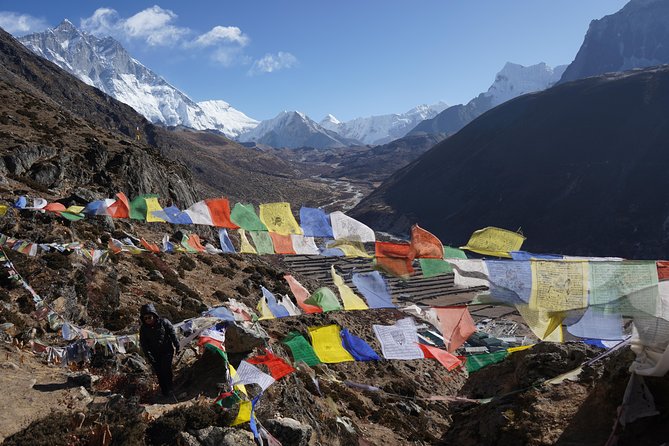
Setting foot at Everest Base Camp is the emotional center of the trek. The destination connects your walk to the much larger story of mountaineering and the people who attempt the summit. It is a popular goal, but reaching it still requires days of steady effort.
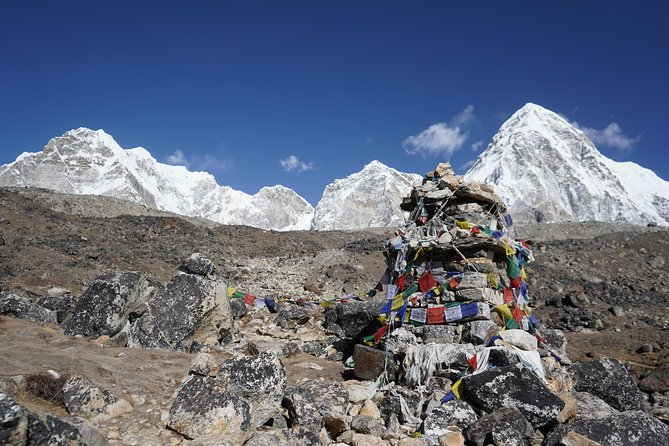
You also visit a memorial hill dedicated to climbers who died in the mountains. This changes the mood of the journey. It reminds you that Everest is not simply a backdrop for photographs or a personal achievement. It is a dangerous environment, and the memorials give the trek a quieter, more respectful side.
The provided schedule describes the Base Camp visit as a five-hour stop. Since the full day-by-day route is not supplied, ask for clarification about how this period fits into the walking schedule. The guide will accompany you and explain the cultural and natural value of the area.
Tengboche Monastery and the spiritual side of the route
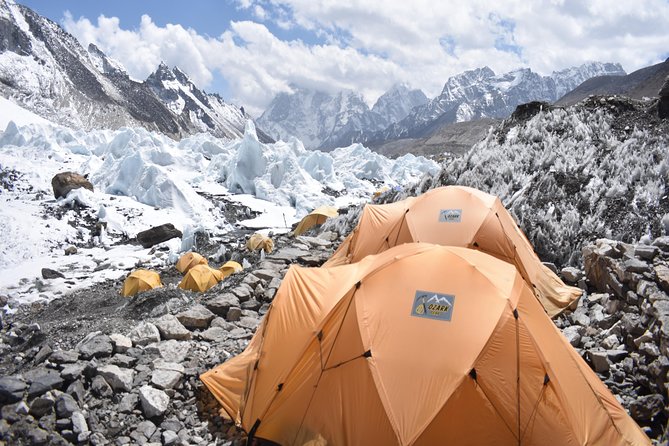
Tengboche Monastery gives the trek a strong cultural and spiritual pause. You have the chance to explore the monastery and seek blessings from a monk. That experience offers a different focus from the mountain views and route logistics.
The monastery also helps put Sherpa life in context. The Everest region is not just a staging area for climbers. Buddhist practice, village life, trade, and mountain work are all part of the culture you encounter along the trail.
I would treat this stop with patience and respect. The value comes from taking in the setting and the meaning of the place, not from rushing through it as another item on a checklist.
What is included, and what still costs extra
At $1,350 per person, the package offers solid value if you would otherwise need to arrange a guide, porter, permits, food, tea houses, gear, flights, and transfers separately. It includes:
- Eleven nights of basic tea-house accommodation during the trek
- Breakfast, lunch, and dinner during the trekking portion
- Round-trip flights between Kathmandu or Ramechhap and Lukla
- A licensed English-speaking guide
- Porter support at two trekkers per porter
- Guide and porter food, salary, accommodation, and insurance
- Sleeping bag, duffel bag, and down jacket on request
- National Park, VDC, and TIMS fees
- Other applicable taxes
- One trekking map per group
- Trekking certificates after the trip
- Domestic airport pickup and drop-off
The package does not include accommodation in Kathmandu or meals there. It also excludes personal trekking equipment, hot showers, hot water, charging, Wi-Fi, laundry, telephone bills, alcoholic drinks, bottled drinks, mineral water, and tips.
The most important omission is personal insurance. The listed insurance applies to the guide and porters, not to you. Medical, accident, and rescue cover, including helicopter evacuation, must be arranged personally. Emergency evacuation expenses are also excluded, so do not treat the package as a substitute for proper trekking insurance.
Guides, porters, and the level of support
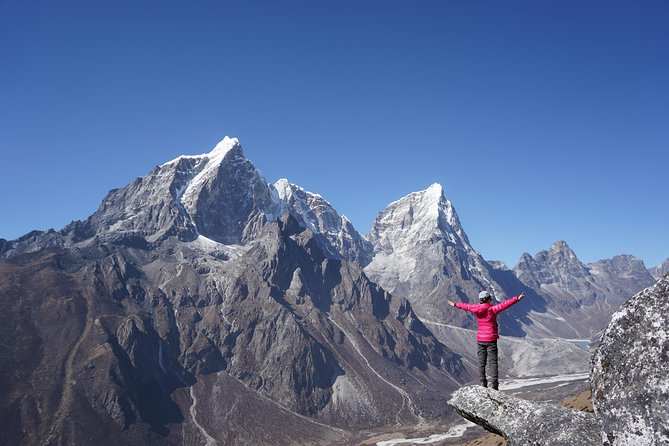
The guide is the main reason to choose an organized trek instead of arranging the route alone. The guide meets you at the starting point, accompanies you throughout the trip, and explains the cultural and natural features along the way.
Ram Dhakal received particularly warm praise for looking after his group throughout the trek. Dillip was also praised for supporting a solo trekker, while manager Nadin was noted for clear communication before the trip. Those details suggest that the company can handle both group and solo arrangements, though you should still request the name of your assigned guide before departure.
Porter support can make a major difference. The two-to-one ratio means you are not expected to haul all your clothing and equipment over the full route. Pack carefully anyway. The included duffel is helpful, but the exact baggage allowance and porter weight limit are not stated in the supplied details, so confirm them before you pack.
The fitness question you should take seriously
This is a strong-fitness trek. The route reaches high altitude and involves repeated days of walking, but the supplied details do not provide daily distances, elevation gains, or a specific acclimatization plan. That missing information is one of the few areas where I would want more detail before paying.
You should ask how the 12 days are divided, where rest or acclimatization periods occur, and how the operator handles a slower pace. The package promises a planned schedule with some flexibility, and that matters in a place where people do not always move at the same speed.
The right preparation is not just general sightseeing fitness. You need to be ready for long walking days and high-altitude conditions. The operator explicitly requires a strong physical fitness level, so take that as a booking condition rather than a casual suggestion.
Who should book this Everest Base Camp trek?
I would consider this tour a good fit if you want a guided, organized route and prefer one payment to cover most of the major trekking arrangements. It suits first-time Himalayan trekkers who want support with permits, flights, food, tea houses, and porters.
It also works for solo bookers who want an organized framework without arranging every detail alone. The small maximum group size and one-guide structure should make the experience more personal than a large coach-style tour, though the group could still include different fitness levels.
You may prefer a different option if you want luxury accommodation, private transport throughout, a short itinerary, or a fully itemized daily schedule before booking. This is a basic tea-house trek, not a high-comfort holiday.
The cancellation terms are friendly: you can cancel for a full refund up to 24 hours before the local start time. Changes made inside that 24-hour window are not accepted, and the amount paid is not refunded for a late cancellation.
Should you book it?
Book this trek if you want the main logistics handled and you are ready for a demanding high-altitude walk. The strongest reasons are the included Lukla flights, porter support, permits, meals, tea houses, and access to guides such as Ram Dhakal or Dillip.
Before you commit, ask for the exact daily itinerary, the airport used for your flight, baggage limits, and the acclimatization plan. Then arrange your own medical and rescue insurance, Kathmandu hotel, personal equipment, and extra cash for mountain services.
At $1,350, this is a practical package rather than a luxury splurge. If you value a reliable structure and want to focus on walking through Namche, Tengboche, Kala Patthar, the Khumbu Glacier, and Everest Base Camp, it is a sensible choice. If you are not fit for sustained mountain walking, the price and planning will not solve the central problem: you still have to get there on foot.
FAQ
How long is the Everest Base Camp trek?
The experience lasts approximately 12 days and includes 11 nights of tea-house accommodation during the trekking portion.
Where does the trek start?
The listed meeting point is Thamel, Kathmandu 44600, Nepal. The listed start time is 6:15 am.
Are flights to Lukla included?
Yes. Round-trip domestic airfare between Kathmandu or Ramechhap and Lukla is included.
Are meals included?
Breakfast, lunch, and dinner are included during the trek. Meals in Kathmandu are not included.
Is accommodation in Kathmandu included?
No. Accommodation in Kathmandu before or after the trek must be arranged separately.
Is a porter included?
Yes. Porter support is included at a ratio of one porter for every two trekkers. The porter’s food, salary, accommodation, and insurance are included.
Is personal rescue insurance included?
No. Personal medical, accident, and rescue insurance, including helicopter evacuation, are not included. Emergency evacuation expenses are also excluded.
Can I cancel for a full refund?
Yes. You can cancel at least 24 hours before the experience start time for a full refund. Cancellations or changes made less than 24 hours before the start are not accepted for a refund.
Just added around Kathmandu
- Private Half-Day Tour of Boudhanath and Pashupatinath Temples in Kathmandu★ 4.5 · 9 reviews
- Private Half-Day Tour of Kathmandu Durbar Square and Swayambhunath Temple★ 4.5 · 11 reviews
- Namobuddha Monastery Hiking Day Tour via Panauti from Kathmandu★ 5.0 · 15 reviews
- Private Full-Day Kathmandu City Tour★ 5.0 · 9 reviews
- Private Day Tour in Kathmandu Valley Rim with Bhaktapur Sightseeing★ 5.0 · 3 reviews
- Private Half Day Budhanilkantha Tour★ 5.0 · 6 reviews
- Private Day Tour: Patan and Bhaktapur from Kathmandu★ 4.5 · 6 reviews
- Private Day Tour – Sacred Journey to Namo Buddha★ 5.0 · 5 reviews
Everest Base Camp Treks, compared.
Everest Base Camp Trek with Helicopter Return from Gorakshep to Lukla
Read our review →Browse the lists this tour appears in