
Reviewed · EVEREST BASE CAMP TREKS
Everest Base Camp Trek -14 Days
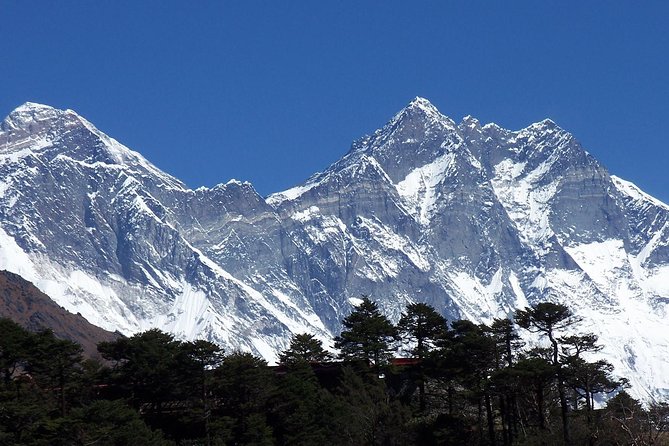
The great prize here is not simply reaching Everest Base Camp at 17,598 feet. It is the steady change from Kathmandu streets to pine forest, stone-walled fields, Buddhist monasteries, glacier valleys, and high mountain viewpoints. I like the small maximum group of 12 and the fact that the package handles Lukla flights, permits, lodges, meals, and a licensed guide. The main caution is altitude: this is a serious trek, not a sightseeing walk, and the daily comforts become basic as you climb.
I also like the personal support built into the trip. Airport pickup, a Kathmandu hotel night, a first-aid kit, and help from guides such as Saugat, Subash, Nir, Ram, Laxman, and Sujal give you a useful safety net. You should still budget for water, drinks, showers, Wi-Fi, snacks, tips, and possibly a porter.
Key points at a glance
- Everest Base Camp at 5,364 meters: The route reaches the famous Khumbu Glacier area and gives you a real sense of the height and effort involved.
- Early Lukla flight included: The scenic flight takes about 35 minutes and removes one major transport headache from your planning.
- Two acclimatization stops: Rest days at Namche Bazaar and Dingboche help break up the climb and give your body time to adjust.
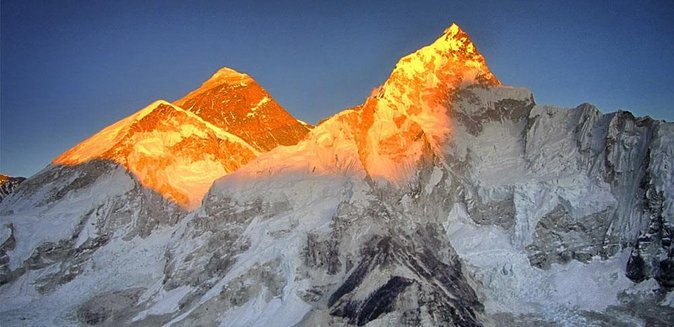
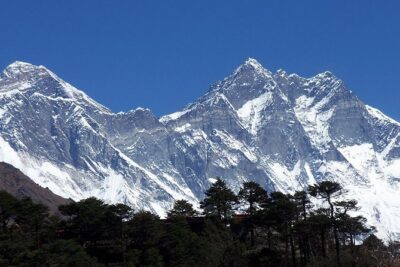
- Kala Patthar sunrise: An early climb brings broad Himalayan views, including Mount Everest, Nuptse, Lhotse, Pumori, and Ama Dablam.
- Small group of up to 12: You get the social benefit of a group without being placed in a large walking crowd.
- Full-board lodge trekking: Breakfast, lunch, and dinner are included, while drinks, water, showers, Wi-Fi, and snacks cost extra.
From Kathmandu to the Khumbu
This trek begins in Kathmandu, where airport pickup takes you to your hotel. That first transfer matters more than it sounds. After an international flight, having Alpine Ramble staff meet you and arrange the ride gives you time to settle in without negotiating transport while tired.
The Kathmandu portion also provides a useful pause before the mountains. The package includes a hotel night and later a celebratory night with dinner, though the exact hotel arrangements should be confirmed before booking. International flights, Nepal’s entry visa, and food or accommodation outside the trek are not included.
The advertised price is $1,420 per person. I see that as a fair convenience price for a package that covers return Kathmandu to Lukla flights, trekking permits, TIMS paperwork, full-board meals, trekking lodges, a licensed guide, taxes, and basic first aid. Booking these pieces independently can take time and requires more attention to flight changes, local paperwork, and lodge arrangements.
Still, the price is not the final bill. You pay separately for water, hot and cold drinks, tea, coffee, snacks, showers, Wi-Fi, tips, and a porter if you need one. The emergency rescue provision is funded by your travel insurance, so proper insurance is essential rather than optional.
More Everest Base Camp Treks in Kathmandu:
- Everest Base Camp Trek – 14 Days
★ 5.0 · 1,499 reviews - Everest Base Camp Trekking
★ 5.0 · 485 reviews - Everest Base Camp Trekking – 13 Day
★ 5.0 · 365 reviews
Day 2: The flight to Lukla and the first steps
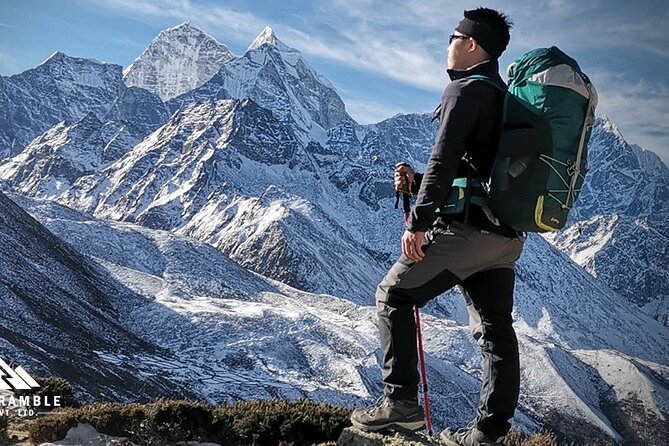
The morning begins with a scenic flight of about 35 minutes to Lukla. This is where the trek itself starts, in the home region of the Sherpa people. You meet the trekking crew here, including the people who carry luggage for the group.
The first walking section is intentionally limited, with about two hours set aside for acclimatization. That is a sensible beginning. At this point you are not trying to prove anything. You are getting used to the trail, the pace, and the altitude.
Lukla is more than a transport point. It is the gateway to the Khumbu, and the change from Kathmandu is immediate. You are now walking between mountain villages rather than moving through city traffic. The accommodation at this end of the route can be basic. One account specifically found the Lukla lodging less comfortable than other stops, so keep your expectations practical.
Day 3: Pine forest, river crossings, and first mountain views
The next day follows the Dudh Koshi River through lush pine forest. You cross suspension bridges and begin to see the mountain world open up around you. The first views of Everest, Kusum Kanguru, and other peaks make the route feel real, even though Base Camp is still several days away.
This is one of my favorite types of trekking day because the scenery changes at a manageable pace. You get forest, water, footpaths, villages, and large peaks rather than one repeated view. Authentic local meals are served at trekking lodges, and full-board coverage means you do not need to bargain for each meal along the way.
The tradeoff is repetition. Lodge food can be simple, and one account described the menu as similar across the trek. That is normal for a high route, but you should not expect a restaurant selection or the range found in Kathmandu.
Day 4: Namche Bazaar and a needed acclimatization day
The itinerary allows a rest and acclimatization day around Namche Bazaar. Rather than treating this as a wasted day, I see it as one of the most important parts of the plan. Your body needs time to respond to the higher elevation, and the pause reduces the temptation to climb too quickly.
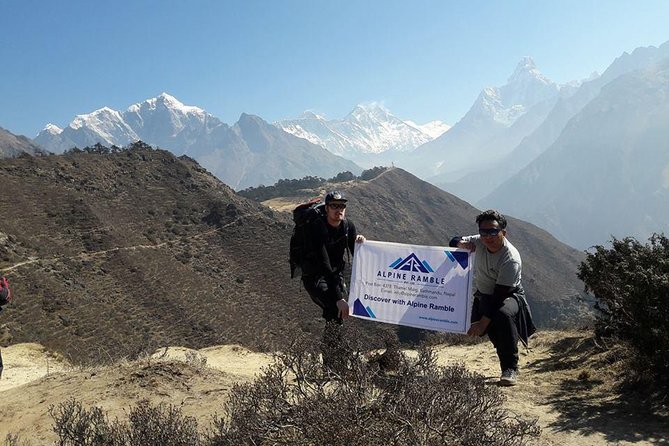
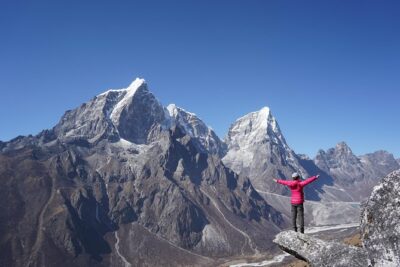
The day includes an ascent to a lookout with views toward Everest, Lhotse, Cholatse, Thamserku, Kwangde, Kangtega, and Ama Dablam. The point is to climb higher during the day and return to sleep at a lower level, a useful rhythm for altitude adjustment.
Namche is also a social and cultural turning point. The route has left the lower forest behind, and Sherpa life becomes a central part of what you see. You may find this stop busier than the quieter villages farther up, but it is a practical place to rest and prepare for the more demanding days.
A few more Kathmandu trips to weigh up
- Nagarkot Sunrise View and Day Hiking from Kathmandu
★ 5.0 · 471 reviews - Annapurna Circuit Trek with Tilicho Lake
★ 5.0 · 368 reviews - Annapurna base camp trek 5 Days
★ 5.0 · 252 reviews - Everest Base Camp Trekking – 2025/2026
★ 5.0 · 199 reviews
Day 5: The famous trail toward Tengboche
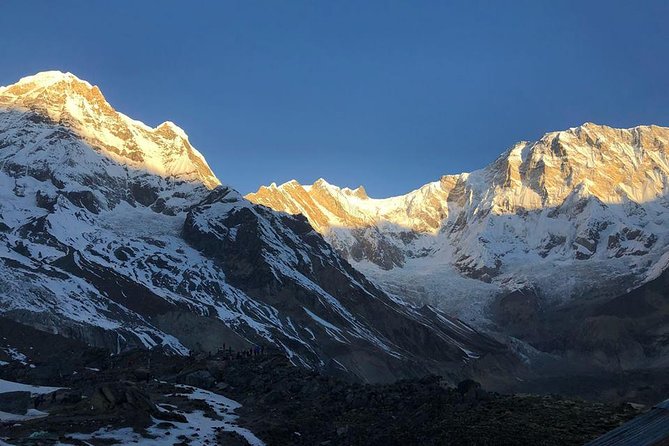
From Namche, the trail follows what many trekkers think of as the main Everest route. You descend toward the Dudh Koshi River and then climb again through rhododendron forest. This rise and fall can surprise you. You are gaining altitude overall, but the route does not simply point upward.
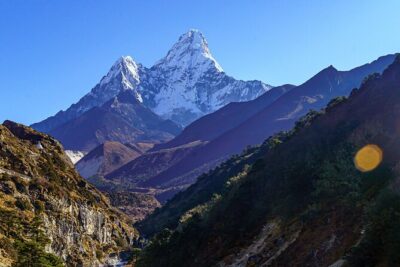
The trail is known for views of Ama Dablam and other major peaks. The walking is rewarding, but the repeated descents and climbs require patience. I recommend keeping your pace slow and steady instead of trying to match the fastest person in the group.
The group limit of 12 helps here. You can walk near your guide, take photographs, and meet other people without being part of a huge organized procession. The pace may still vary between hikers, so ask how the group handles faster and slower walkers before departure.
Day 6: Tengboche monastery and high mountain scenery
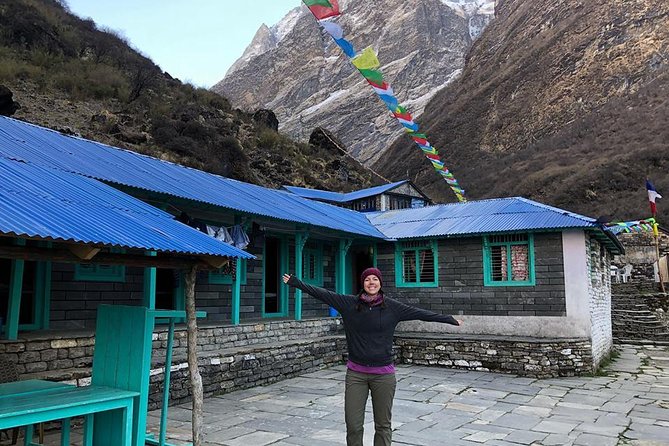
Tengboche is one of the route’s memorable stops. Early light on the monastery and surrounding mountains can make the morning feel almost unreal. After breakfast, the trail continues through forest, with open views appearing between the trees.
The monastery gives the walk a cultural center as well as a scenic one. This is not only a mountain challenge. The route passes through communities shaped by Sherpa traditions, Buddhist practice, farming, tourism, and mountaineering.
At this height, the basic lodge format becomes more noticeable. You have a bed, meals, and guide support, but hot showers, Wi-Fi, and drinks are extra. I would treat those paid comforts as occasional treats rather than daily guarantees.
Day 7: Dingboche and the second acclimatization pause
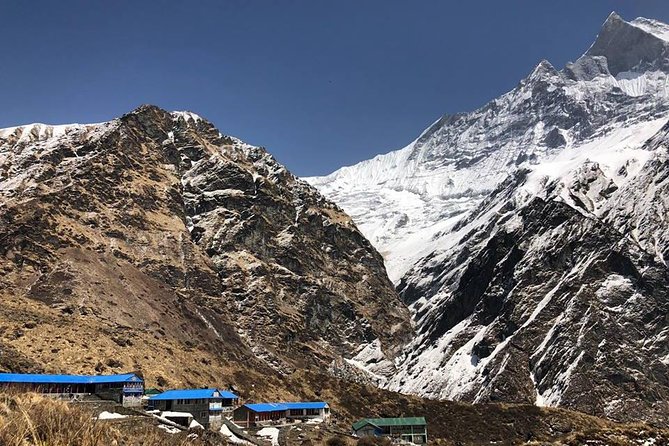
Dingboche is another rest day and one of the smartest parts of the schedule. The village serves trekkers and climbers heading toward Everest, Ama Dablam, and Imja Tse. Stone walls divide the fields, protecting barley and potatoes in a difficult growing environment.
The planned rest gives you time to absorb the altitude before the route moves toward the glacier. That matters because the hardest sections are still ahead. A moderate level of physical fitness is required, and you should be prepared for long walking days, cold conditions, and thinner air.
The day is not necessarily a complete day of doing nothing. The itinerary describes an acclimatization outing, so expect some walking rather than a full lie-in. You should use the time to monitor how you feel, drink the water you have purchased, and tell your guide promptly about any symptoms.
The included first-aid provision includes a basic medical kit and Diamox for high-altitude sickness. That does not replace medical advice or insurance. Medication decisions should be discussed with a medical professional before the trip, and emergency rescue is funded by travel insurance.
Day 8: Memorials above Duglha
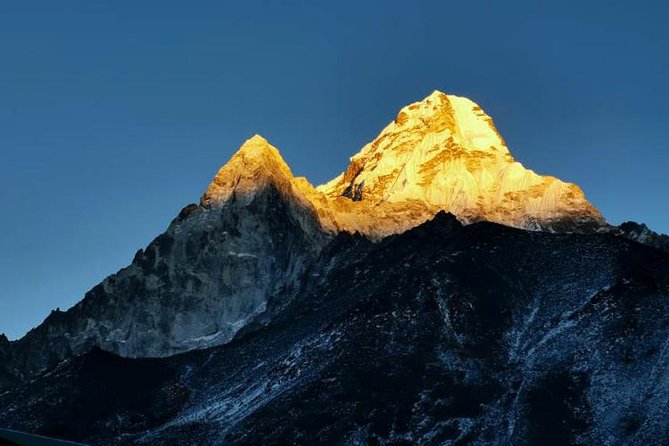
The trail climbs gradually to Duglha before turning into a steeper ascent toward the ridge at Chukpo Lari. Here you pass memorials dedicated to climbers who died on Mount Everest. This is a serious and moving section, a reminder that the mountain is beautiful but never harmless.
The physical challenge also increases. You are walking higher, where cold, wind, and limited oxygen can make an ordinary climb feel much harder. Your guide’s role becomes especially valuable here. Guides including Saugat, Ram, Subash, Nir, Laxman, and Sujal have been praised for staying attentive, offering encouragement, and adjusting support to individual needs.
No particular guide is guaranteed unless you confirm it directly with Alpine Ramble Treks. Still, the repeated emphasis on guide care is useful when comparing operators. You want someone who watches the group, not someone who simply points toward the next lodge.
Day 9: Reaching Everest Base Camp
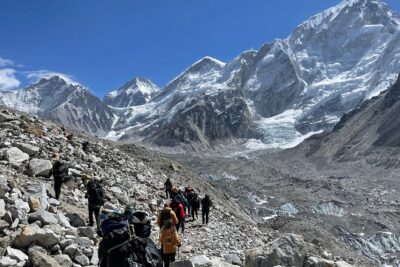
This is the day most people have been waiting for. From Lobuche, the trail crosses a relatively flat meadow before following the Khumbu Glacier. The route then climbs onto the lateral moraine, a rough ridge of rock and glacial debris.
Everest Base Camp is reached at 5,364 meters. The achievement comes from the entire route, not just the final approach. You have crossed bridges, climbed through forests, passed monasteries, handled repeated uphill sections, and adjusted to an environment far above everyday walking altitude.
Base Camp itself is not a luxury attraction with a polished viewing platform. The appeal is the setting at the foot of the glacier and the knowledge that climbers use this area during Everest expeditions. Conditions can change, and the exact appearance of the camp depends on the season.
The day may feel long and tiring. I would save energy rather than racing toward the finish. You need to get back to the lodge, eat, drink, and prepare for the early climb to Kala Patthar.
Day 10: Kala Patthar before sunrise
The early climb to Kala Patthar is one of the strongest parts of the whole route. It takes about two hours to reach the viewpoint near Mount Pumori, usually in time for sunrise.
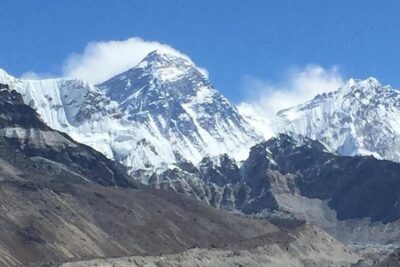
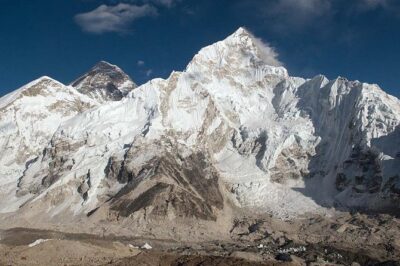
From the top, the view reaches across the Himalayas in a broad 360-degree sweep. Mount Everest, Nuptse, Lhotse, Pumori, and other peaks fill the horizon. Everest can be seen more clearly from Kala Patthar than from Base Camp, which is partly blocked by surrounding ridges and glacier formations.
This is a demanding morning. You start early, climb in the cold, and do so after the effort of reaching Base Camp. The reward is not comfort. It is the light changing across the highest mountains, with the route’s full scale finally visible.
After Kala Patthar, the group begins the return. That descent is welcome, but do not assume it will feel easy. Tired legs, uneven stone, and the need to keep moving can make the downhill sections surprisingly tiring.
Days 11 and 12: Back through Tengboche and Lukla
The return route passes through Sherpa villages and descends toward the Dudh Koshi River. After crossing the river, the trail moves through forest and returns to the Tengboche area before continuing downward.
Day 12 follows the familiar route through Jorsalle, Manjo, Benkar, Phakding, and smaller villages. Several suspension bridges cross the Dudh Koshi. On the way up, these crossings help announce the adventure. On the way down, they mark real progress toward Lukla and a hot shower.
Repeating the trail has both good and bad sides. You notice details you missed while climbing, and the downhill direction lets you appreciate the villages differently. But the route can feel long near the end, especially after the high-altitude push. Your guide and group become important sources of rhythm and morale.
The package includes accommodation at the best available trekking lodges, but standards vary. One account found some accommodation disappointing while describing the overall arrangements as convenient. You should choose this trek for access to the Everest route, not for hotel-style comfort.
Day 13: Flight back to Kathmandu
The final listed day includes the flight from Lukla to Kathmandu and free time in the city. Flight timing can shape this day, so keep your plans flexible. The package includes the return flight and departure taxes, which removes a major piece of administration.
The trip is described as 14 days, while the supplied schedule lists Days 1 through 13 and the tour summary describes approximately 13 days. Ask Alpine Ramble Treks to confirm the exact number of nights, the extra Kathmandu night, and the timing of the farewell dinner before paying.
A night at a top Kathmandu hotel and dinner is included as part of the celebration. It gives you a comfortable finish after the lodges and a chance to enjoy the achievement before your international departure.
What the $1,420 price really covers
The value is strongest if you want a ready-made package. Included are:
- Return Kathmandu to Lukla flights, including departure taxes
- Full-board breakfast, lunch, and dinner during the trek
- Lodge accommodation during the walking portion
- A government-licensed guide
- Everest National Park and TIMS documents
- Government, local, and official expenses
- A first-aid kit and basic medical supplies
- Emergency rescue arrangements funded through travel insurance
The package does not include international airfare, Nepal’s entry visa, personal drinks, water, snacks, hot showers, Wi-Fi, porter service, or tips. Accommodation and meals before and after the trek are also excluded, apart from the specific Kathmandu arrangements described in the package.
That division is fairly clear, but the meal count is listed in several ways, including 12 breakfasts, 11 lunches, and 11 dinners. Confirm the exact meal and accommodation schedule, especially if your dates create an extra night or flight delay.
Who should book this trek?
I would choose this trip if you want Everest Base Camp without arranging every flight, permit, lodge, and guide yourself. It suits someone with moderate fitness who is comfortable walking for many days and sleeping in basic trekking lodges.
It is also a good fit for solo visitors who want company. A group capped at 12 gives you a chance to meet people, while the guide provides structure. Families with older teenagers may also consider it. One successful trip included children aged 15 and 17, with guide Laxman helping make the experience manageable.
I would hesitate if you dislike basic accommodation, repeated uphill walking, cold weather, or uncertain flight conditions. I would also avoid booking until you have suitable travel insurance that covers trekking and rescue at high altitude.
Should you book it?
Book this Everest Base Camp trek if you value organization, guide support, included meals, and a small group more than luxury. The strongest features are the two acclimatization days, the Kala Patthar sunrise, the included Lukla flights, and the personal attention associated with guides such as Saugat, Ram, Subash, Nir, Laxman, and Sujal.
Before committing, confirm the exact 13 or 14-day schedule, guide assignment, porter cost, Kathmandu hotel details, and flight-delay policy. If you are prepared for basic lodges and extra daily expenses, the $1,420 price offers a sensible way to reach one of the world’s most famous trekking destinations with much of the difficult planning already handled.
FAQ
How long is the Everest Base Camp trek?
The experience is marketed as 14 days, while the supplied day-by-day schedule runs through Day 13 and describes the duration as approximately 13 days. Confirm the exact schedule and number of nights with Alpine Ramble Treks.
Where does the trek start?
The meeting point is in Thamel, Kathmandu, Nepal. Airport pickup is offered on arrival, and the trek itself begins after the flight from Kathmandu to Lukla.
How high is Everest Base Camp?
Everest Base Camp is listed at 17,598 feet, or 5,364 meters, above sea level.
Is the flight to Lukla included?
Yes. The package includes the return Kathmandu to Lukla and Lukla to Kathmandu flights, including departure taxes.
Are meals included?
Breakfast, lunch, and dinner are included during the trekking portion. Water, tea, coffee, other drinks, snacks, and personal food purchases are not included.
Is accommodation included?
Yes. Accommodation at the best available trekking lodges during the trek is included. The package also includes Kathmandu hotel arrangements as specified, including a celebratory hotel night and dinner.
Is a guide included?
Yes. The experience includes a professional, experienced, friendly, government-licensed guide. Guide names associated with previous trips include Saugat, Subash, Nir, Ram, Laxman, and Sujal, but a particular guide is not guaranteed in the supplied information.
Is a porter included?
No. A local porter is an extra cost if you need one. The package does include trekking crew members who carry luggage during the route, but you should confirm how your personal baggage will be handled.
Can I cancel for a full refund?
You can cancel at least 24 hours before the experience start time for a full refund. Cancellations or changes made within 24 hours are not accepted for a refund.
Just added around Kathmandu
- Private Half-Day Tour of Boudhanath and Pashupatinath Temples in Kathmandu★ 4.5 · 9 reviews
- Private Half-Day Tour of Kathmandu Durbar Square and Swayambhunath Temple★ 4.5 · 11 reviews
- Namobuddha Monastery Hiking Day Tour via Panauti from Kathmandu★ 5.0 · 15 reviews
- Private Full-Day Kathmandu City Tour★ 5.0 · 9 reviews
- Private Day Tour in Kathmandu Valley Rim with Bhaktapur Sightseeing★ 5.0 · 3 reviews
- Private Half Day Budhanilkantha Tour★ 5.0 · 6 reviews
- Private Day Tour: Patan and Bhaktapur from Kathmandu★ 4.5 · 6 reviews
- Private Day Tour – Sacred Journey to Namo Buddha★ 5.0 · 5 reviews
Everest Base Camp Treks, compared.
Everest Base Camp Trek with Helicopter Return from Gorakshep to Lukla
Read our review →Browse the lists this tour appears in