
Reviewed · EVEREST BASE CAMP TREKS
Everest Base Camp Trekking – 13 Day
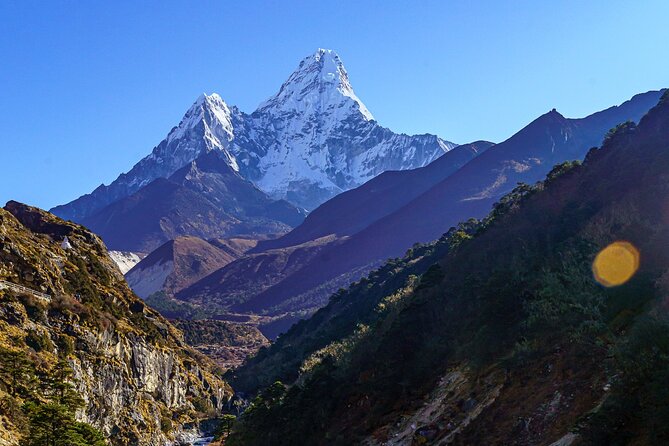
Everest Base Camp is not a sightseeing stop you reach by bus. It is the end point of a demanding Himalayan walk, reached over days of suspension bridges, stone villages, monasteries, high passes of feeling, and thin air. This 13-day trek handles the main logistics, including flights, lodges, meals, permits, and a guide.
I like the two planned acclimatization days, since rushing uphill is the quickest way to spoil a good trek. I also like the practical guiding style described by the team: Milan gives clear briefings and walking-time estimates, while guides such as Dibash and Achyut Mishra are praised for pacing, care, and solving problems on the trail.
The catch is simple: this is a serious high-altitude trek, not a soft adventure holiday. You need moderate fitness, proper clothing, insurance that covers trekking, and patience for weather delays on the Lukla flights.
Key points to know before you book
- Lukla flights are included: The Kathmandu to Lukla and return flights save you from arranging the most important transport yourself, though weather can affect timing.
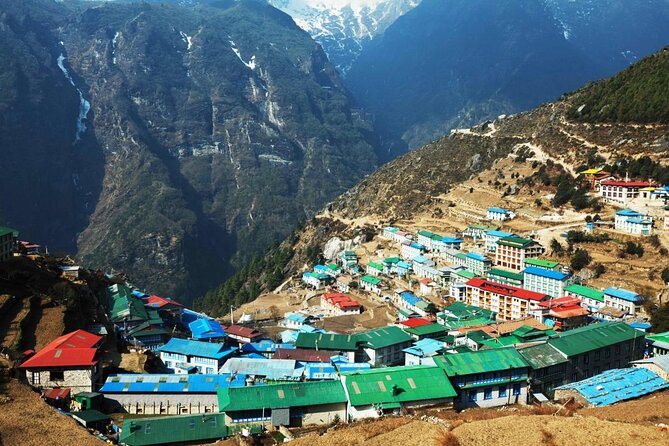
- Two acclimatization days matter: Namche Bazaar and Dingboche provide time for short hikes and adjustment before you climb higher.
- Kala Patthar is part of the payoff: The early morning climb gives you a major panoramic viewpoint before the descent.
- Lodges and meals are covered: You stay in trailside lodges and receive trek meals, while Kathmandu meals remain your responsibility.
- Private departures offer flexibility: Your group travels privately, and the itinerary can be personalized in some cases.
- Budget for extras: Insurance, Nepal visa fees, drinks, phone use, battery charging, and possible single supplements are not included.
What the $1,399 price really covers
At $1,399 per person, this trek is priced as a package rather than a bare guiding service. Your cost includes the Kathmandu to Lukla and return flights, airport departure tax, the national park entrance fee, the TIMS card, government and local taxes, lodge accommodation on the route, and the listed trek meals.
That is useful value because the major moving parts are bundled together. You do not need to arrange a guide, work out the mountain permits, organize the Lukla flights, or find a new lodge each night. For a first Himalayan trek, that reduction in paperwork is worth real money and time.
You should still read the price carefully. Meals in Kathmandu are not included. Alcoholic drinks and other beverages cost extra, as do phone calls, battery charging, bar bills, personal purchases, Nepal visa fees, and food not specifically covered by the package.
Personal travel and health insurance are also your responsibility. Helicopter evacuation insurance is specifically excluded, so check your policy before arrival. High-altitude trekking is not the place to discover that your insurance covers only ordinary sightseeing.
The advertised price can also change for a solo departure. The amount is stated for one person, but a single supplement of $150 may apply if you do not join an existing group. The operator checks the departure date and group situation after booking, so ask for the final solo price before making firm plans.
More Everest Base Camp Treks in Kathmandu:
- Everest Base Camp Trek – 14 Days
★ 5.0 · 1,499 reviews - Everest Base Camp Trekking
★ 5.0 · 485 reviews - Everest Base Camp Trek -14 Days
★ 5.0 · 321 reviews
Day 1: A gentle arrival in Kathmandu
Your first day begins at Tribhuwan International Airport, where a representative receives you and takes you to your Kathmandu hotel after customs formalities. This is a practical arrival service, especially if Nepal is new to you and you are tired from a long flight.
Do not expect a sightseeing day here. The useful work is getting settled, checking your equipment, and meeting the team. You will want to organize your trekking gear and pack before the early departure for Lukla.
The operator provides one complimentary Trekking Planner duffel bag, which must be returned after the trip. You carry a day pack of roughly 25 to 40 liters and should keep anything you need during the day in it. A porter can carry the larger load, but the information provided does not promise a particular porter arrangement for every departure, so confirm that detail before you go.
Day 2: The Lukla flight and the first mountain steps
The day starts early with the flight from Kathmandu to Lukla, the usual gateway for the Everest region. The scenic flight is included, along with the airport departure tax, which removes one of the biggest planning chores from the trip.
Lukla is where the trek changes character. From here, you walk with your guide and begin following the mountain route rather than roads. The itinerary describes careful loading of equipment and a guided start, so you can expect the day to focus on transport, settling into the trail rhythm, and reaching the first overnight stop.
Weather can interrupt mountain flights, and the trip operates in all weather conditions. You should allow flexibility around this day rather than booking a tight onward connection from Kathmandu. A weather delay is not a minor inconvenience when the next part of your holiday depends on landing at Lukla.
Day 3: Following the Dudh Koshi to Namche Bazaar
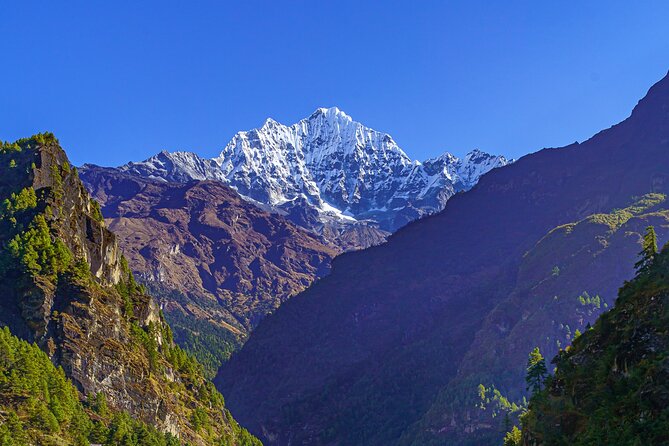
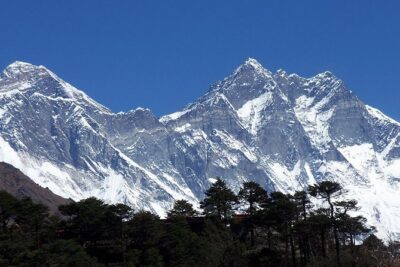
The trail follows the Dudh Koshi River toward Namche Bazaar, the main trading center of the Khumbu region. You cross suspension bridges and begin seeing peaks such as Kongde Ri, with the river providing a constant companion below.
This is an important transition day. You are no longer simply walking in the foothills. The route gains height, and the combination of bridge crossings, uneven trail, and altitude makes a steady pace more useful than speed.
Namche is one of the most memorable stops on the route because it feels like a real mountain town rather than a single lodge cluster. You can expect shops and a lively Saturday market if your schedule lines up with it. That local activity gives the trek a welcome human dimension, though prices for basic goods are likely to feel higher here than in Kathmandu.
A few more Kathmandu trips to weigh up
- Nagarkot Sunrise View and Day Hiking from Kathmandu
★ 5.0 · 471 reviews - Annapurna Circuit Trek with Tilicho Lake
★ 5.0 · 368 reviews - Annapurna base camp trek 5 Days
★ 5.0 · 252 reviews - Everest Base Camp Trekking – 2025/2026
★ 5.0 · 199 reviews
Day 4: Namche Bazaar and the first acclimatization day
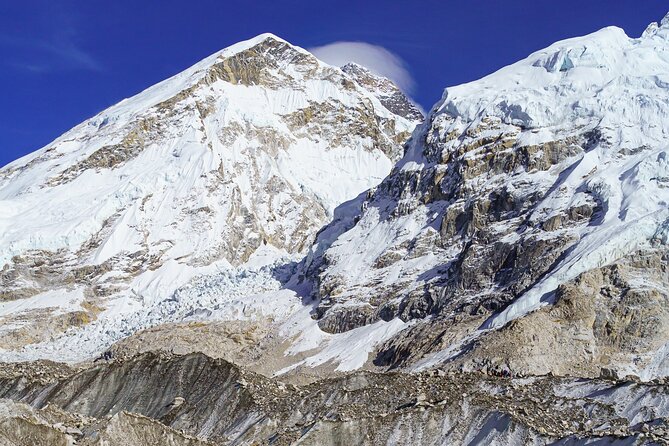
The first rest day is spent in Namche, but rest does not mean staying in bed. The schedule uses short activities and hikes to help your body adjust before the trail climbs farther.
I like this part of the plan because altitude gain needs time. A pause in Namche gives you a chance to walk higher and return to sleep lower, while also allowing you to inspect your kit, eat properly, and learn how your body is responding.
Your guide should be central here. Milan, one of the named guides associated with this trek, is noted for explaining the next day’s route and giving walking-time estimates based on ability. That kind of briefing is more useful than a generic timetable when one person in a group is moving faster or slower than another.
Day 5: Forest trails, Sanasa, and the route toward Tengboche
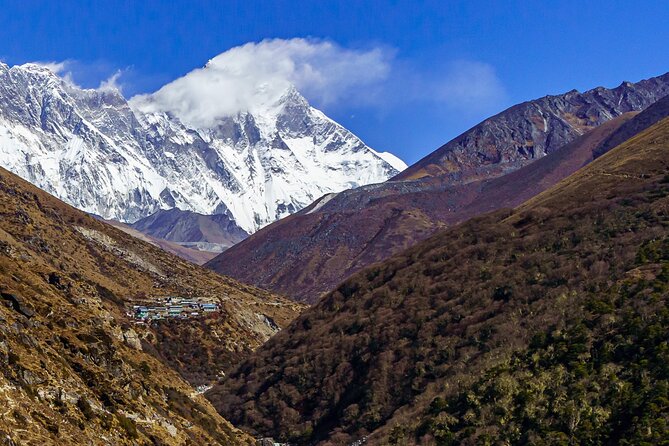
After a short, steep climb out of Namche, the path becomes more level as it passes through Kenjoma and Sanasa. Dense forest, mountain views, and settlements give this day a changing rhythm rather than one long uphill grind.
The route then continues toward Tengboche. This is the kind of day where your guide’s pacing matters. The climb may look manageable on paper, but the altitude makes every ascent feel longer than its distance suggests.
Tengboche is known for its monastery and its wide mountain setting. The itinerary highlights time around the monastery and the sunrise and sunset views. Conditions can be cold, and lodge nights at this height are basic, so keep a warm layer and wool hat close rather than buried in your duffel.
Day 6: From Tengboche toward Dingboche
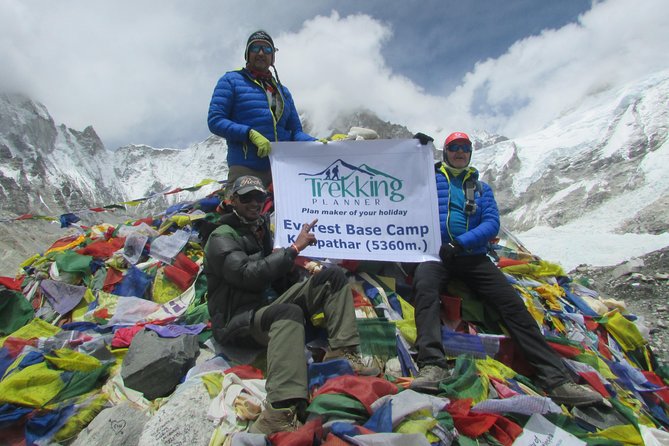
The route leaves Tengboche and heads toward Dingboche, passing through Deboche and mountain settlements along the way. The description includes a descent from Tengboche toward Deboche before the trail continues higher, so you should expect the usual Himalayan pattern of losing some height before gaining it again.
That up-and-down movement can surprise first-time trekkers. You are not simply climbing in a straight line, and a downhill section is not always an easy section. Uneven ground still works your knees, especially after several days on foot.
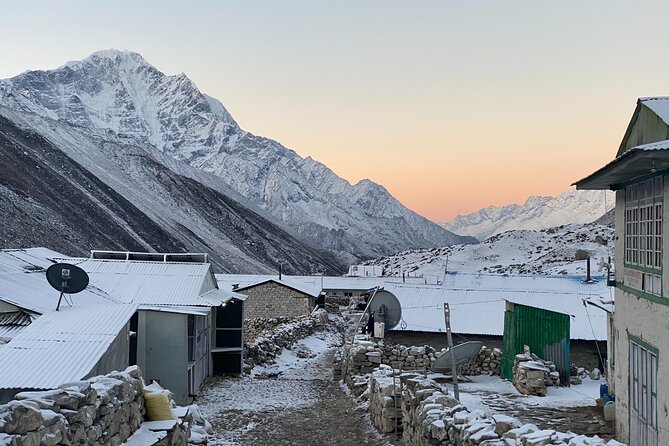
Dingboche feels more exposed than the lower forest sections. The mountains are closer, the air is thinner, and the nights are colder. This is a good point to slow down, drink regularly, and follow your guide’s advice instead of chasing a fast arrival.
Day 7: A second acclimatization day in Dingboche
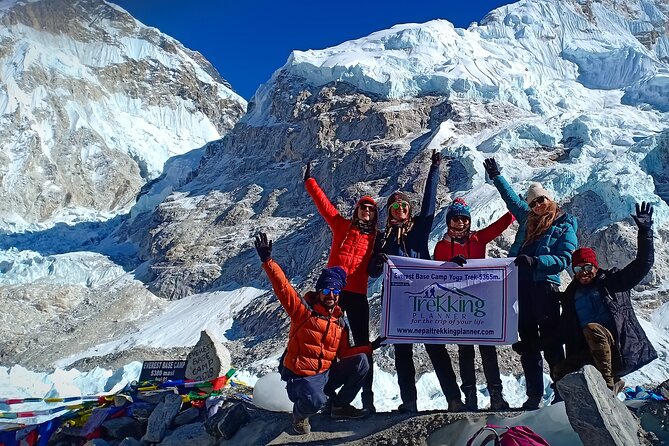
Dingboche provides the second scheduled acclimatization day. Short hikes to higher ground help your body adjust before you head toward Lobuche and Base Camp.
This day is valuable because the next stages take you into the most demanding part of the trek. You should use it to test your boots, check your water bottles, charge devices if possible, and ask your guide about the following day’s route.
Do not treat the day as wasted time. The goal is not to collect the highest possible mileage. It is to improve your chance of continuing safely. Acute mountain sickness is a real concern on the route, and the itinerary specifically warns you to watch for it.
Day 8: Chortens, Mani walls, and Lobuche
The trail rises gradually from Dingboche through grazing areas, with mountain views ahead. Chortens and Mani walls add religious detail to the walk, while the open terrain gives you a stronger sense of the high Khumbu.
You continue toward Lobuche, where the air and temperatures make the trek feel much more serious. At this point, small comforts matter. A warm fleece, dry socks, gloves, and a headlamp are not optional extras in practice, even if they take up space in your bag.
The route is visually impressive, but the altitude limits how much you can enjoy it at once. Keep your pace controlled and let the guide set a safe rhythm. Guides such as Achyut Mishra and Dibash are praised for support, pacing, and handling changing conditions, qualities that matter most on days like this.
Day 9: Everest Base Camp from Lobuche
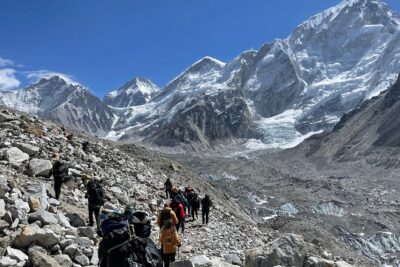
This is the day most people picture when they book the trek. From Lobuche, you set out early toward Everest Base Camp, taking care around the effects of altitude.
The walk is not merely a final stroll to a sign. The trail is high, rocky, and tiring, and the itinerary gives a clear warning about acute mountain sickness. You need to tell your guide if you feel unwell rather than trying to hide symptoms to reach the destination.
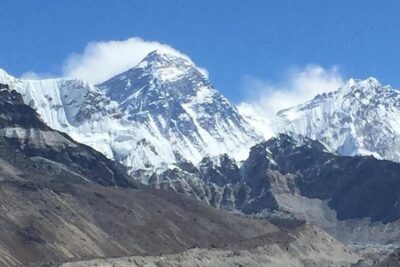
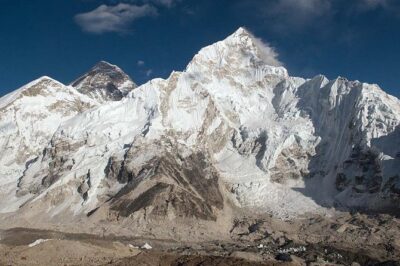
Reaching Base Camp is a major personal milestone, but the view of Everest itself is not necessarily the best from Base Camp. The wider reward comes from the entire approach: glaciers, high peaks, moraine, and the knowledge that climbers use this area as a staging point for the summit route.
After reaching the destination, you return to the lower overnight area. That same-day return makes for a long outing, so conserve energy early. You will be glad you did when the trail turns back toward shelter.
Day 10: Kala Patthar at first light
The next morning begins before sunrise for the climb to Kala Patthar. This is the classic viewpoint day, with the early start timed for the changing light over the high peaks.
Kala Patthar is often the visual high point of the trek. You gain a broad mountain panorama, then descend toward the lower altitudes. The early hour means cold conditions, so your warm woolen cap, gloves, fleece or puffy jacket, and waterproof outer layer should be ready the night before.
The descent is welcome, but it is not effortless. Your legs have already spent days climbing and walking over rough ground. Trekking poles are not listed among the required items, so ask whether they are available or bring your own if you rely on them.
Day 11: The long return toward Namche
The return route leaves the vicinity of Everest and continues from Periche toward Namche Bazaar. Much of the day trends downhill, following the Dudh Koshi again.
A downhill day can feel easier on your breathing while being harder on your knees. Take short, controlled steps and keep your footwear secure. Your guide can also help decide when a slower pace is sensible.
Returning to Namche brings a useful change in mood. The town has shops and social activity, and the lower altitude should feel easier after the high days. It also gives you a chance to replace small supplies if needed, though personal purchases are not included in the package.
Day 12: The final trail to Lukla
The last trekking day descends steeply from Namche toward the river confluence of the Dudh Koshi. The trail then continues toward Lukla, closing the loop on the walking portion of the trip.
Do not underestimate this final day. It is easy to picture the trek as finished once Base Camp and Kala Patthar are behind you, but you still need to walk out. Wet weather can make steep paths more awkward, and tired legs need careful footing.
This is also a good time to settle any remaining porter or guide gratuities if you plan to give them. No gratuity policy is provided, so ask the operator about local expectations before departure rather than guessing at the end.
Day 13: Returning to Kathmandu
The final day uses an early flight back to Kathmandu. Early departures are common in the mountains because weather can disrupt flights later in the day, though the exact timing can change.
Once back in Kathmandu, the organized trek is over. Your meals in the city are not included, and you will need to manage your own plans after the airport transfer. If you have an international flight the same day, leave plenty of margin because mountain aviation is weather dependent.
Lodges, food, and daily comfort
The package includes nightly accommodation in trailside lodges and meals during the trek. You receive 12 breakfasts, 12 dinners, and 11 lunches according to the inclusions, with Kathmandu meals excluded.
Lodge accommodation is about location and shelter, not hotel luxury. Bring a small towel, toilet paper, toiletries, and warm clothing. The packing advice calls for a small hand towel rather than a large one, which is sensible when every unnecessary item adds weight.
Your day pack should hold water, a raincoat, sun protection, snacks if you purchase them, a camera, and extra layers. The recommended two one-liter water bottles give you a practical starting point, though the package does not specify water treatment or refill arrangements, so ask before you leave Kathmandu.
Who will get the most from this trek
You should consider this trip if you want the Everest route without arranging every permit, flight, lodge, and meal yourself. It suits people who can walk for multiple days, handle basic mountain accommodation, and accept a firm route with some room for private adjustments.
Families, groups, and honeymooners may qualify for discounts, and private departures allow more personal control. Still, private does not mean effortless. Everyone in the group needs to manage altitude, cold, early starts, and long walking days.
This is less suitable if you want comfortable hotels, guaranteed flight times, or a relaxed sightseeing schedule. It is also a poor choice without suitable insurance or if you are not prepared for the physical demands of high-altitude trekking.
Is the 13-day Everest Base Camp trek worth booking?
I would book this trek if you value logistical simplicity and strong guide support more than luxury. The included Lukla flights, permits, meals, lodge nights, and acclimatization days make the price reasonable for a first Everest Base Camp attempt.
The strongest practical advantage is the guide team. Clear next-day briefings from Milan, careful logistics from Dibash, and the supportive problem-solving associated with Achyut Mishra and other guides can make a hard trek feel manageable. Ask who will lead your departure and what porter service is included before paying.
Book it if you are ready for a real physical challenge and can pack properly. Skip it if you want a soft adventure, a guaranteed flight schedule, or a trip where insurance and personal costs are already covered. Free cancellation is available up to 24 hours before the local start time, but late cancellations and last-minute changes are not accepted.
FAQ
Are flights from Kathmandu to Lukla included?
Yes. The package includes the Kathmandu to Lukla and Lukla to Kathmandu flights, along with the airport departure tax.
Are meals included during the trek?
Yes. The inclusions specify 11 lunches, 12 dinners, and 12 breakfasts. Meals in Kathmandu are not included.
Is accommodation included?
Yes. The trek includes nightly accommodation in trailside lodges along the route.
Is this a private trek?
Yes. The activity is described as a private tour, with only your group participating. Private packages may allow some itinerary personalization.
Do I need travel insurance?
Yes. Personal travel and health insurance are not included. Helicopter evacuation insurance is also excluded, so check that your policy covers the activities and altitude involved.
What fitness level is required?
You should have a moderate level of physical fitness. The itinerary includes long mountain walking days and warns you to take care with acute mountain sickness at higher elevations.
What happens if I travel alone?
The listed price applies to one person, but a $150 single supplement may apply if you want a solo departure instead of joining an existing group. Confirm the final amount for your chosen date.
Just added around Kathmandu
- Private Half-Day Tour of Boudhanath and Pashupatinath Temples in Kathmandu★ 4.5 · 9 reviews
- Private Half-Day Tour of Kathmandu Durbar Square and Swayambhunath Temple★ 4.5 · 11 reviews
- Namobuddha Monastery Hiking Day Tour via Panauti from Kathmandu★ 5.0 · 15 reviews
- Private Day Tour in Kathmandu Valley Rim with Bhaktapur Sightseeing★ 5.0 · 3 reviews
- Private Half Day Budhanilkantha Tour★ 5.0 · 6 reviews
- Private Full-Day Kathmandu City Tour★ 5.0 · 9 reviews
- Private Day Tour: Patan and Bhaktapur from Kathmandu★ 4.5 · 6 reviews
- Private Day Tour – Sacred Journey to Namo Buddha★ 5.0 · 5 reviews
Everest Base Camp Treks, compared.
Everest Base Camp Trek with Helicopter Return from Gorakshep to Lukla
Read our review →Browse the lists this tour appears in