
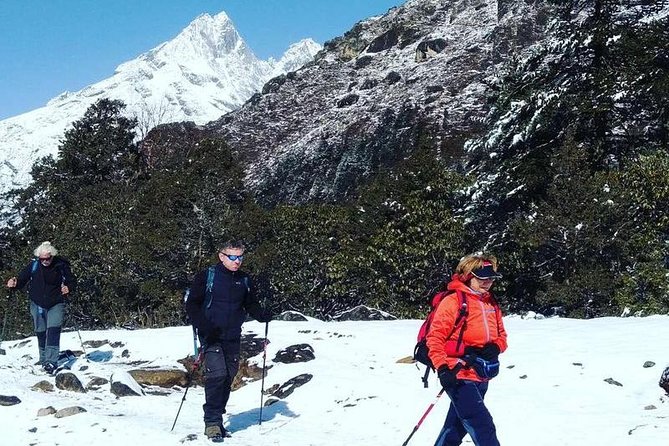
Reviewed · EVEREST BASE CAMP TREKS
Short Everest Base Camp Trek 10 Days
Everest Base Camp is the prize here, but the road to it is the real experience. You fly from Kathmandu to Lukla, walk through Sherpa villages, cross suspension bridges, and climb steadily into the high Khumbu. At 5,364 meters, Base Camp feels less like a single sightseeing stop than the payoff for six demanding days on foot.
I like two things right away: the small maximum group of 15, and the fact that the package covers the costly Kathmandu to Lukla flights, permits, lodges, transfers, and guide expenses. Guides including Padam, Mohan, AJ, and Anjan are repeatedly praised for patience, planning, and calm support. The main caution is the pace. Ten days is short for this altitude, and meals, porters, equipment, insurance, and tips are not included in the $1,400 price.
Key points at a glance
- Lukla flights are included: The round-trip domestic airfare and airport tax are part of the package, saving you a major extra cost.
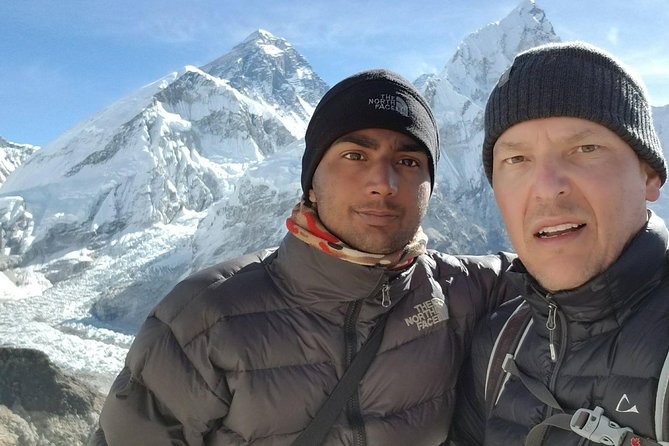
- Kala Patthar adds the best sunrise view: The early climb to 5,545 meters gives you a strong view of Everest, Pumori, Nuptse, and nearby peaks.
- Sherpa country begins early: Namche Bazaar, Khumjung, Khunde, Tengboche, and other villages give the trek a human side beyond mountain scenery.
- The guides earn the strongest praise: Padam, Mohan, AJ, and Anjan are noted for patience, daily briefings, health checks, storytelling, and flexible support.
- The price is not all-inclusive: Breakfast, lunch, dinner, porter service, personal gear, insurance, and tips must be budgeted separately.
- You need real fitness: The route includes walking days of about five to eight hours, with very little room for a slow acclimatization schedule.
Why this 10-day route gets you to Everest Base Camp
The short Everest Base Camp Trek is built for people who want the classic Khumbu route but have limited time in Nepal. You fly from Kathmandu to Lukla, begin walking almost at once, reach Base Camp on Day 6, climb Kala Patthar the next morning, and return to Kathmandu on Day 10.
That is an efficient plan, but it is not an easy one. You gain altitude from Phakding at roughly 2,600 meters to Gorakshep at 5,140 meters in less than a week. The itinerary includes no full acclimatization day in Namche or Dingboche, so your fitness, walking rhythm, and response to altitude matter a great deal.
The route is rewarding because each day changes the setting. Lower valleys bring rivers, forest, and cultivated hillsides. Higher sections become colder and rockier, with glaciers and enormous peaks taking over the view. You also pass through communities shaped by trade, mountaineering, Buddhism, and the practical demands of life in a high mountain valley.
More Everest Base Camp Treks in Kathmandu:
- Everest Base Camp Trek – 14 Days
★ 5.0 · 1,499 reviews - Everest Base Camp Trekking
★ 5.0 · 485 reviews - Everest Base Camp Trekking – 13 Day
★ 5.0 · 365 reviews
Day 1: Lukla to Phakding begins with a famous flight
Your meeting time is 6:15 a.m., followed by a roughly 25-minute flight from Kathmandu to Lukla on Tara, Summit, or Sita Air. The flight is included, along with domestic airport tax.
Lukla is famous for its short mountain airstrip and dramatic setting. Once you arrive, the first walk to Phakding takes about three and a half hours. This is a useful opening day because it gets you moving without forcing a long climb immediately after the flight.
You spend the night in a teahouse lodge. Lodging is included, but standard meals are not, so you pay for breakfast, lunch, and dinner as you go. The first day also gives you a chance to check your pack and see how the guide manages the group before the harder walking begins.
Day 2: The river route to Namche Bazaar
The walk from Phakding to Namche Bazaar takes about six hours. The trail follows the Dudh Koshi River, with Thamserku rising across the valley. You cross suspension bridges and enter a route that feels increasingly tied to the high mountains.
Namche sits at 3,440 meters and is the main trading center of the Everest region. Its location makes it an important rest and supply point, but this schedule treats it as an overnight stop rather than a full acclimatization day.
I would pay close attention to your breathing and energy here. The goal is not to race into Namche. Keep a steady pace, drink regularly, and tell your guide early if you feel unwell. A guide such as Padam or AJ may help you settle into a slow, controlled rhythm, which is more useful than trying to match the fastest person in the group.
Day 3: Tengboche and a major Buddhist landmark
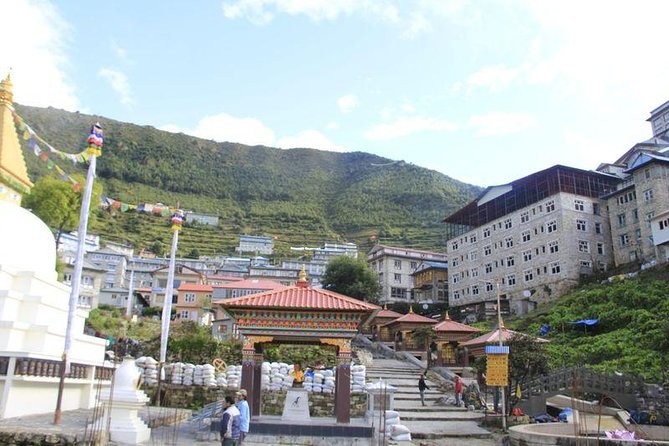
The itinerary calls the destination Tyangboche, also commonly written Tengboche, at about 3,867 meters. The walk takes roughly five hours and includes a steep section above the Dudh Koshi.
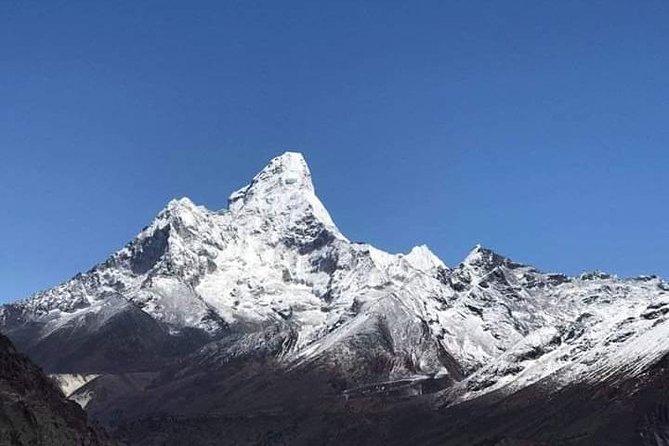
Tengboche is one of the most memorable stops on the route. The village is known for its monastery and for wide mountain views, including Ama Dablam and other major peaks. You descend through rhododendron forest before reaching Deboche, then continue toward the Imja Khola and cross a suspension bridge.
This day balances cultural interest with hard walking. The monastery gives you something meaningful to notice beyond your feet and the next uphill section. At the same time, the altitude is now serious, and a five-hour day can feel longer than the clock suggests.
A few more Kathmandu trips to weigh up
- Nagarkot Sunrise View and Day Hiking from Kathmandu
★ 5.0 · 471 reviews - Annapurna Circuit Trek with Tilicho Lake
★ 5.0 · 368 reviews - Everest Base Camp Trek -14 Days
★ 5.0 · 321 reviews - Annapurna base camp trek 5 Days
★ 5.0 · 252 reviews
Day 4: Dingboche brings thinner air and wider views
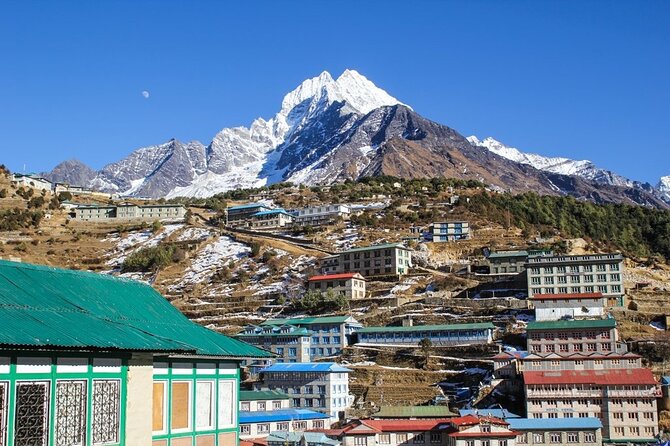
From Tengboche, you walk to Dingboche at approximately 4,260 meters. The route takes about five hours, passing through forest and Deboche before crossing the Imja Khola.
Dingboche is a useful high-altitude stop because the valley opens up as trees become less common. Mountain views grow larger, but the air is thinner and the trail feels more exposed. This is where your preparation begins to show. Strong legs help, but patient pacing matters just as much.
The plan does not provide a separate acclimatization day at Dingboche. For some people, that makes this short trek appealing. For others, it is the biggest concern. You should be comfortable with long uphill walks and understand that altitude can affect you even if you are fit at sea level.
Day 5: Lobuche and the edge of the Khumbu Glacier
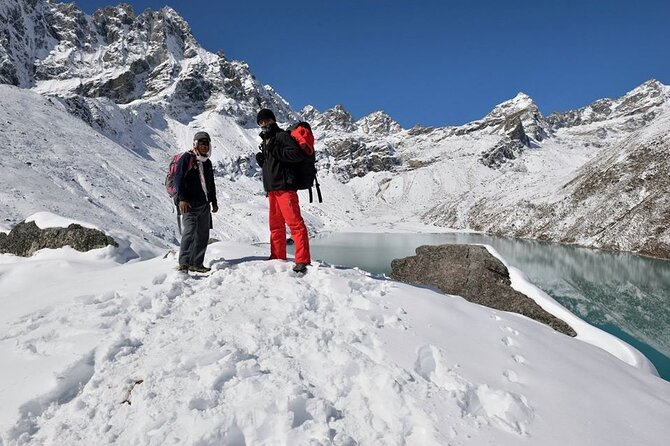
The walk from Dingboche to Lobuche takes about five hours. The trail is gentle at first toward Pheriche, then becomes more demanding as you move higher toward the glacier zone.
Lobuche is a stark place to spend the night. Vegetation is limited, temperatures can be cold, and the surrounding peaks feel close and severe. The route begins to look less like a village walk and more like a high mountain approach.
This is a short walking day by the stated schedule, but altitude changes the calculation. A five-hour walk at more than 4,000 meters may leave you more tired than a longer walk at lower elevation. Plan on an early night and keep personal demands simple.
Day 6: Gorakshep and Everest Base Camp
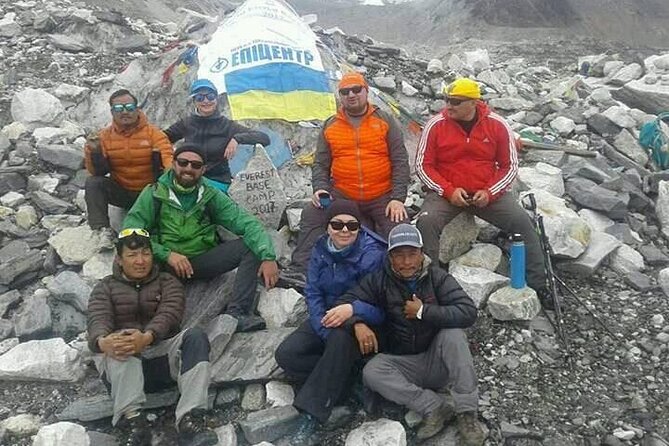
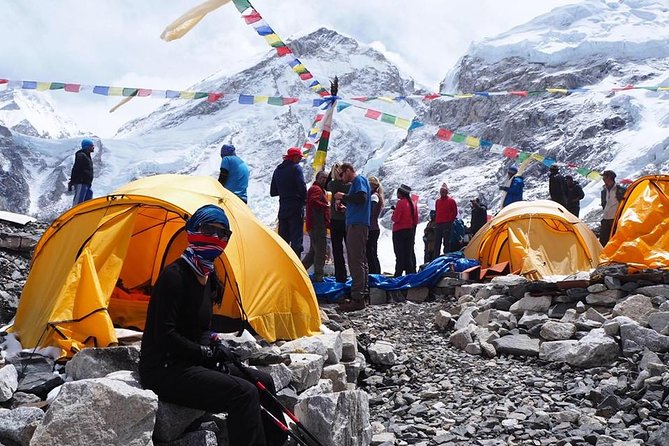
This is the longest and most rewarding day in the outward route, listed at about eight hours. You leave Lobuche, reach Gorakshep at 5,140 meters, and continue toward Everest Base Camp at 5,364 meters.
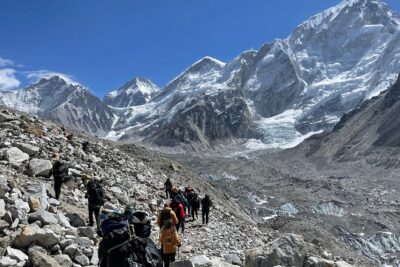
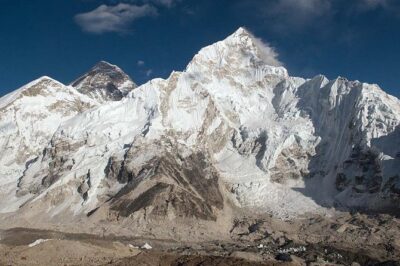
The trail follows rocky ground beside the Khumbu Glacier. You see Nuptse and Pumori, with the glacier and ice-covered ridges giving the walk a true expedition feel. Base Camp itself is not a permanent city or a single grand viewpoint. Its appeal comes from standing at the starting area for Everest expeditions and seeing the Khumbu setting up close.
You return to Gorakshep for the night. At this height, the distance can feel demanding, and the trail surface is uneven. An experienced guide is especially valuable here. The strongest guide feedback for this company centers on daily explanations, health awareness, and calm help when the walk becomes difficult.
Do not treat Base Camp as the only success marker. Reaching Gorakshep safely, keeping enough strength for the return, and listening to your body are equally important parts of the day.
Day 7: Kala Patthar gives you the classic Everest view
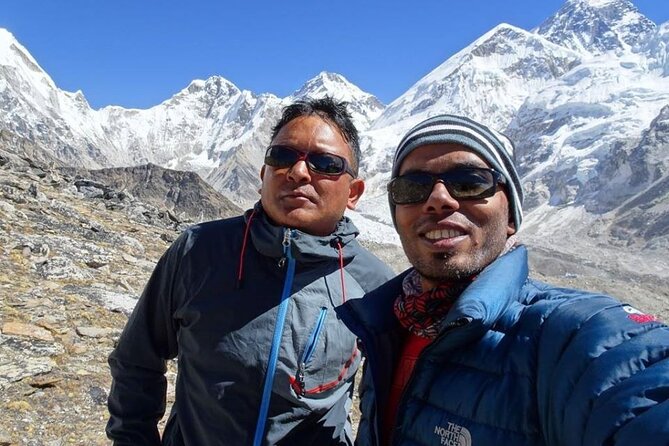
The itinerary schedules an early climb from Gorakshep to Kala Patthar, listed at 5,545 meters, followed by a descent to Pheriche at about 4,243 meters. The total walking time is about seven hours.
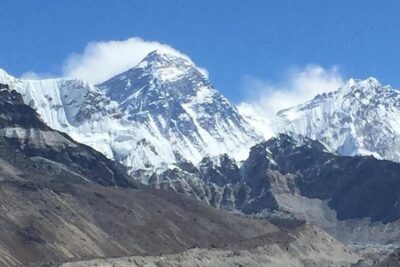
Kala Patthar is often the visual high point of the trek. You climb before sunrise for views of Everest, Pumori, Nuptse, and the surrounding peaks as the light changes. Everest is not always visible from Base Camp itself, so this viewpoint matters. It gives you a clearer view of the mountain people come to Nepal hoping to see.
The climb is short in distance but hard because of altitude and the early start. Wear warm clothing, keep your pace slow, and expect the descent to be easier on your lungs but tiring on your legs.
There is a wording problem in the supplied schedule: Day 8 refers to walking from Tengboche to Namche, even though Day 7 places you in Pheriche. Ask the operator to confirm the exact route and overnight stops before paying. The likely intention is a descent from Pheriche through the lower valley, but the written version should be clarified.
Days 8 and 9: Returning through Sherpa villages to Lukla
The return route includes Namche Bazaar and a final night in Lukla. One section mentions Khumjung and Khunde, traditional villages near Namche, which add a more local feel to the descent.
Walking downhill does not mean effortless. Descending steep stone steps can be hard on knees, especially after the Base Camp and Kala Patthar days. The itinerary lists about seven hours for both the Namche section and the Namche to Lukla walk, so you still need stamina late in the trip.
The last night in Lukla is practical and emotional. You are close to the flight back, but weather or operational changes can affect mountain flights. The package includes the return flight, yet you should avoid scheduling an important international connection immediately after the trek unless you have a safety margin.
Day 10: Lukla to Kathmandu and a formal farewell
The flight back to Kathmandu takes roughly 25 minutes. A representative meets you at Tribhuvan International Airport and transfers you to your hotel.
The package also includes a farewell dinner at Bhojan Griha, a Kathmandu restaurant. After several days of teahouse lodging and mountain walking, a planned meal in the capital gives the trip a neat ending.
Domestic flights and airport transfers are included, which makes the final day simpler. Still, the early flight and mountain setting mean you should keep your schedule flexible.
What the $1,400 price really covers
At $1,400 per person, the trip offers solid value if you would otherwise arrange the major pieces separately. The price includes:
- Private hotel and airport transfers
- Round-trip Kathmandu to Lukla airfare
- Domestic airport tax
- Teahouse and lodge accommodation
- An experienced English-speaking guide
- Guide salary, food, drinks, accommodation, transport, equipment, and insurance
- Trekking permits
- Government taxes and official service charges
- Emergency helicopter arrangements, with payment handled by your travel insurance company
The important catch is that meals are not included. You pay for breakfast, lunch, and dinner during the trek. Porter service is also extra, with one porter available for two people, and you pay for personal equipment, personal expenses, travel insurance, and tips.
That means your actual budget will be higher than the advertised price. The value is strongest for someone who wants a guide and flights arranged but is comfortable paying daily food costs and bringing or renting suitable gear.
Guides, group size, and the human side of the trek
The maximum group size is 15, large enough to keep the price reasonable but small enough for a guide to monitor the group. Group discounts may improve the value if you are booking with companions.
Several guides receive special praise in the supplied material. Mohan is described as kind and flexible. AJ is noted for explaining the next day’s plan each evening and organizing lodging, food, and transport. Padam is praised for expertise, patience, health advice, storytelling, and steady support. Anjan is described as a careful guide who encouraged a slow pace and helped keep the walk safe.
You are not promised a specific guide in the tour details, so ask who will lead your departure. The names above show the kind of support the company can provide, but your assigned guide may be different.
A good guide matters most at altitude. The guide can help set the pace, explain village and mountain details, arrange lodges, and respond when someone feels ill. The experience also becomes more personal when the guide does more than point out peaks and count walking hours.
Fitness, equipment, insurance, and tipping
The operator requires a strong physical fitness level. That is fair. The trek includes several five-hour days, two days listed at seven hours, and an eight-hour push to Base Camp. You also walk at elevations above 4,000 meters, where ordinary exertion feels harder.
Personal trekking equipment is not included. You need to plan carefully for cold conditions, uneven ground, and changing weather. The supplied information does not list a required gear checklist, so request one before departure rather than guessing.
Travel insurance must cover emergency high-altitude rescue and evacuation. The company can arrange an emergency helicopter, but the bill is to be paid by your insurance company. Do not assume a normal holiday policy will cover this altitude.
Tips for the guide and porter are expected. Include them in your budget from the beginning. Porter service costs extra, but it can make the short schedule more manageable by keeping your daypack lighter.
Who should book this trek
I would recommend this trip to a fit hiker who wants the classic Everest route, prefers a guide, and has about ten days available. It suits you if you value arranged flights, simple teahouse lodging, and local support more than a highly personalized luxury package.
It is also a good match for people who want to add time elsewhere in Nepal. One useful suggestion from the experience details is to combine the trek with Chitwan or another relaxing activity. That gives your body a break after the mountains and lets you see a different side of the country.
I would hesitate if you are new to strenuous hiking, unsure how you respond to altitude, or unwilling to manage extra costs. The short schedule leaves less spare time than a slower Everest Base Camp plan. You should also confirm the Day 7 and Day 8 route before booking.
Cancellation is free up to 24 hours before the 6:15 a.m. start time. Inside that window, the payment is not refunded, and changes are not accepted.
Should you book the Short Everest Base Camp Trek?
Book it if you want a guided, tightly planned route with the major logistics handled and you are ready for long days at high altitude. The included flights, permits, lodging, transfers, and guide expenses make $1,400 a reasonable starting price, though you must add meals, gear, insurance, porter service, and tips.
The strongest reason to choose it is the guide support. Padam, Mohan, AJ, and Anjan are associated with the patience and daily care you want in the Khumbu. The strongest reason to pause is the compressed schedule, plus the unclear wording around the return route.
Ask two questions before you commit: who is guiding your group, and what are the exact overnight stops on Days 7 and 8? If the answers are clear and you are genuinely fit, this is a direct and rewarding way to reach Everest Base Camp and see the sunrise from Kala Patthar.
FAQ
How long does the Short Everest Base Camp Trek take?
The trek takes approximately 10 days, beginning and ending in Kathmandu.
What time does the experience start?
The stated start time is 6:15 a.m.
Are flights between Kathmandu and Lukla included?
Yes. The package includes the Kathmandu to Lukla and Lukla to Kathmandu flights, along with the domestic airport tax.
Is accommodation included?
Yes. Accommodation in lodges and teahouses during the trek is included.
Are meals included during the trek?
No. Standard breakfast, lunch, and dinner are not included, so you pay for meals during the trek.
Is porter service included?
No. Porters are available at an extra cost, with one porter available for two people.
Do I need travel insurance?
Yes. You need travel insurance that covers emergency high-altitude rescue and evacuation. Emergency helicopter arrangements can be made, but your insurance company pays for the service.
How large can the group be?
The group can include a maximum of 15 people. Group discounts are offered.
Is cancellation free?
You can receive a full refund if you cancel at least 24 hours before the experience starts. Cancellations or changes made within 24 hours are not accepted and are not refunded.
Just added around Kathmandu
- Private Half-Day Tour of Boudhanath and Pashupatinath Temples in Kathmandu★ 4.5 · 9 reviews
- Private Half-Day Tour of Kathmandu Durbar Square and Swayambhunath Temple★ 4.5 · 11 reviews
- Namobuddha Monastery Hiking Day Tour via Panauti from Kathmandu★ 5.0 · 15 reviews
- Private Full-Day Kathmandu City Tour★ 5.0 · 9 reviews
- Private Day Tour in Kathmandu Valley Rim with Bhaktapur Sightseeing★ 5.0 · 3 reviews
- Private Half Day Budhanilkantha Tour★ 5.0 · 6 reviews
- Private Day Tour: Patan and Bhaktapur from Kathmandu★ 4.5 · 6 reviews
- Private Day Tour – Sacred Journey to Namo Buddha★ 5.0 · 5 reviews
Everest Base Camp Treks, compared.
Everest Base Camp Trek with Helicopter Return from Gorakshep to Lukla
Read our review →Browse the lists this tour appears in