
Reviewed · ANNAPURNA BASE CAMP TREKS
Pokhara: 7 Day Annapurna Base Camp Trek
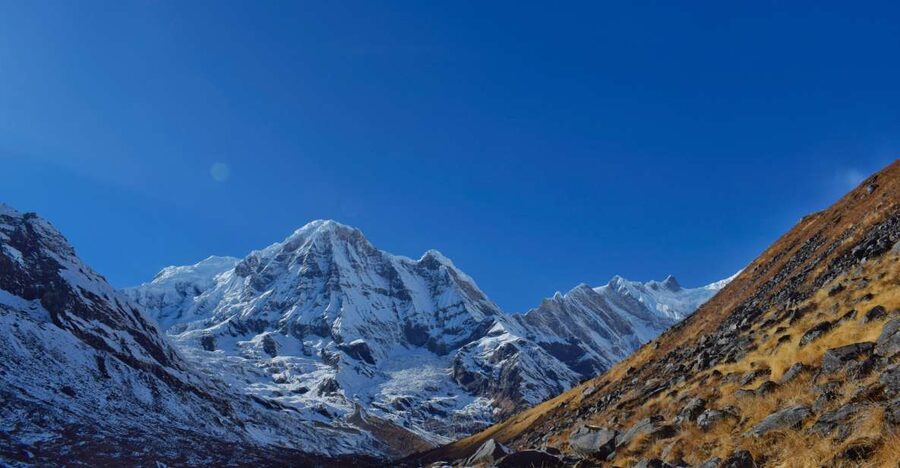
Annapurna Base Camp is one of Nepal’s most rewarding short treks. In seven days, you move from terraced farmland and Gurung villages to a high mountain bowl surrounded by Annapurna, Machhapuchhre, and Hiunchuli. The route changes character almost every day, which keeps the walk interesting even when your legs begin to complain.
I like the personal guiding and the practical setup. Guides such as Pratiksha, Hari, Sandesh, and Bidur have been praised for adjusting the pace, explaining the mountains, and helping when people felt unwell. I also like the finish at Jhinu Danda’s riverside hot springs, a welcome soak after several days on foot.
The main caution is altitude. Annapurna Base Camp sits at 4,130 meters, and the schedule reaches it quickly. One trekker became ill at Deurali and had to change plans, so you should take the ascent seriously and accept that reaching base camp is not more important than staying safe.
Key points to know before booking
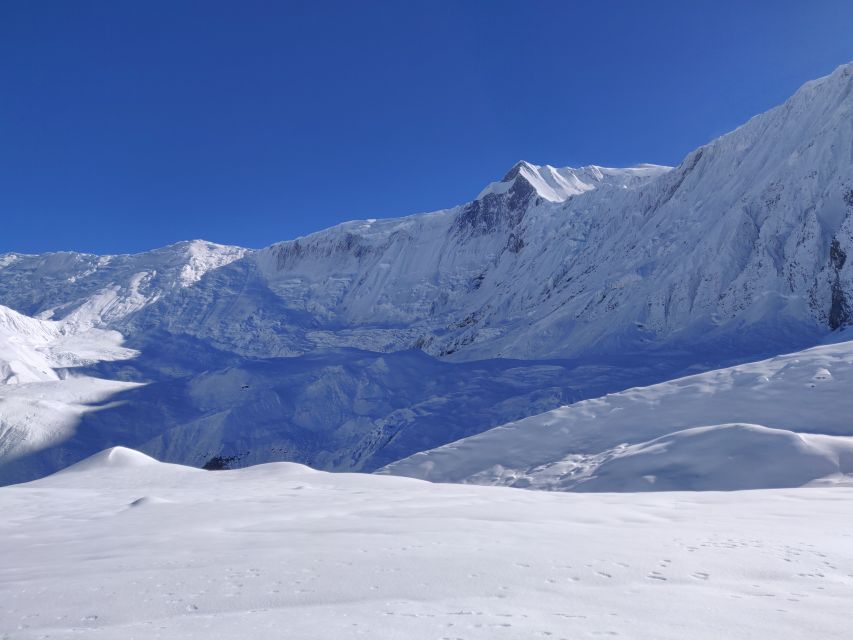
- Annapurna Base Camp at 4,130 meters: Reach the foot of Annapurna I inside a dramatic bowl of Himalayan peaks.
- A fast seven-day schedule: The route is compact, with several demanding uphill and downhill sections.
- Private guiding: Your English, Hindi, or Nepali-speaking guide can adjust walking speed and daily plans.
- Gurung villages and mountain forests: The route passes through Ghandruk, terraced fields, rhododendron, oak, and bamboo forest.
- Jhinu hot springs: Day six gives you a chance to ease tired muscles beside the river.
- Good inclusions for $215: Permits, private transport, standard lodges, guide, first-aid kit, poles, duffel bag, and luggage storage are included.
Why this seven-day route works
I see this trek as a good middle ground for someone who wants a serious Himalayan walk without committing to a two-week expedition. You spend six nights on the trail and reach the main goal without adding extra side trips to the schedule.
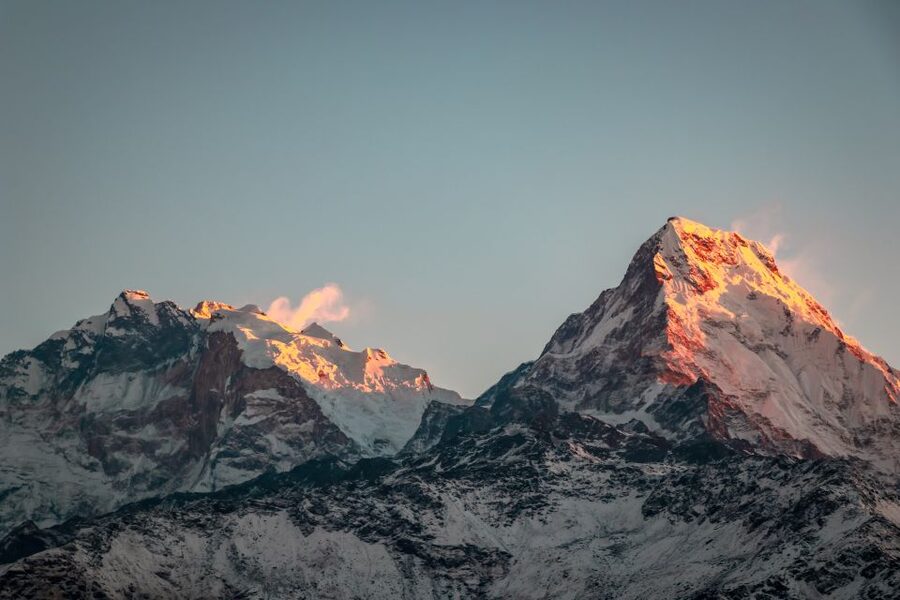
The route also gives you a satisfying change of scenery. You start near Pokhara among farms and village paths, then walk through thick forest, narrow river valleys, alpine meadows, and high mountain terrain. The Annapurna massif does not appear in one single grand reveal. Instead, the views develop as you climb.
This is a private group, not a large fixed party. That matters when you are tired, moving slowly, or hoping to adjust the pace. Past guide pairings have included Pratiksha, Deepak, Hari, Krishna, Sandesh, Bidur, Paras, and Narayan. The guide assigned to you may be different, but the strongest pattern is clear: personal attention is central to the trip.
You should still view the seven-day plan as active rather than easy. The trail repeatedly rises and falls, and the altitude becomes a real factor after Deurali. You do not need to be an elite mountaineer, but you should be ready for sustained walking and uneven mountain paths.
More Annapurna Base Camp Treks in Annapurna Region
- From Pokhara: 10-Day Poon Hill and Annapurna Base Camp Trek
★ 5.0 · 7 reviews - Annapurna Base Camp Heli Tour
★ 5.0 · 7 reviews - Pkr/Kathmandu: 5-Day Annapurna Base Camp & Hot spring Trek
★ 5.0 · 6 reviews
Day one: Pokhara to Nayapool, then Ghandruk
Your hotel pickup begins in Lakeside Pokhara. Private roundtrip transport takes you to Nayapool, where the trek starts. The drive saves you from arranging separate road transport and gives the guide a chance to get the day moving without a complicated meeting point.
The first walking section leads through villages and terraced fields. These farms are an important part of the route’s appeal. You are not stepping straight into a remote high-altitude zone. You begin among working communities, cultivated hillsides, and everyday rural life.
Ghandruk is the first overnight stop and one of the most attractive village stays on the route. It is a traditional Gurung settlement with views toward Annapurna South and Machhapuchhre. The village gives you an early taste of local culture before the route becomes more forested and more remote.
The elevation is 1,939 meters, or 6,360 feet. That is high enough to begin noticing the mountain environment, but it is still a manageable first night compared with the altitude ahead. Use the evening to rest, organize your pack, and ask your guide about the next day.
Day two: Ghandruk to Lower Sinuwa
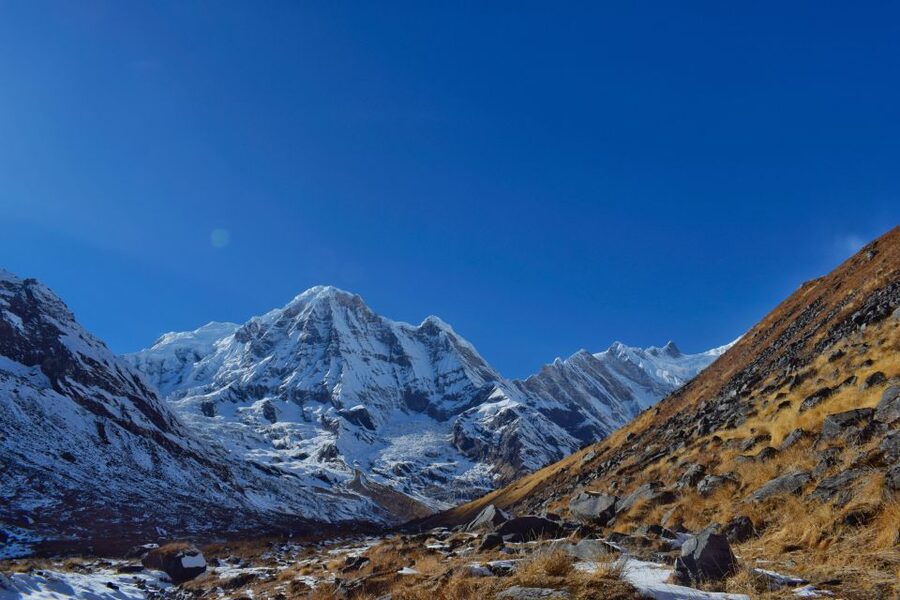
Day two brings a mix of uphill and downhill walking through rhododendron forest and small settlements. That combination is worth noting. You are not simply climbing in a straight line, so your legs may work harder than the modest distance on a map suggests.
The trail crosses suspension bridges over the Modi Khola. These crossings add a little drama, especially when the river is visible below, but they are also useful markers as you move farther into the valley.
Lower Sinuwa sits at 2,249 meters, or 7,380 feet. The overnight stop is higher than Ghandruk, though the route has already included plenty of descending and ascending. I would keep this day steady rather than racing to the lodge. A private guide can help set a sensible rhythm, and several guide pairings have been praised for allowing people to walk at their own pace.
This is also a good day to pay attention to your feet. Food and drinks are not included, so you will buy meals and beverages along the way. Keep some spending money available, and do not wait until you are thirsty or hungry to ask for a stop.
Day three: Sinuwa through the Modi Khola gorge to Deurali
From Sinuwa, the trail enters dense bamboo and oak forest. The route passes Dovan and Himalaya as it follows the Modi Khola gorge. The surroundings become more enclosed, with steep cliffs, waterfalls, and the sound of the river shaping much of the walk.
This section has a strong sense of progression. The farms and open village views are mostly behind you, while the gorge points toward the higher country ahead. The forest also offers shade, though the repeated uphill sections can still be demanding.
Deurali is at 3,230 meters, or 10,595 feet. This is where the trek becomes more serious from an altitude point of view. You should tell your guide about headache, nausea, unusual tiredness, or any other symptoms rather than trying to hide them.
A previous guide, Narayan, helped change the plan when a trekker became sick at Deurali. The trekker did not reach base camp, but the guide arranged jeep transport and helped create an alternative plan that included Poon Hill. That is a useful reminder: a good guide is not only someone who points out the route. A good guide also knows when to adjust it.
Same mountains, a completely different kind of day:
- Pokhara: 2 & 3 Days Ghorepani Poon Hill Private Guided Trek
★ 4.9 · 27 reviews - Pokhara: 1-Day Scenic Australian Camp & Dhampus Guided Hike
★ 4.9 · 24 reviews - From Pokhara: Day Hiking Australian Camp & Dhampus
★ 5.0 · 17 reviews - Luxury Chitwan Jungle Safari Package (2Nights/3Days) Resort
★ 4.3 · 16 reviews
Day four: Deurali to Machhapuchhre Base Camp and Annapurna Base Camp
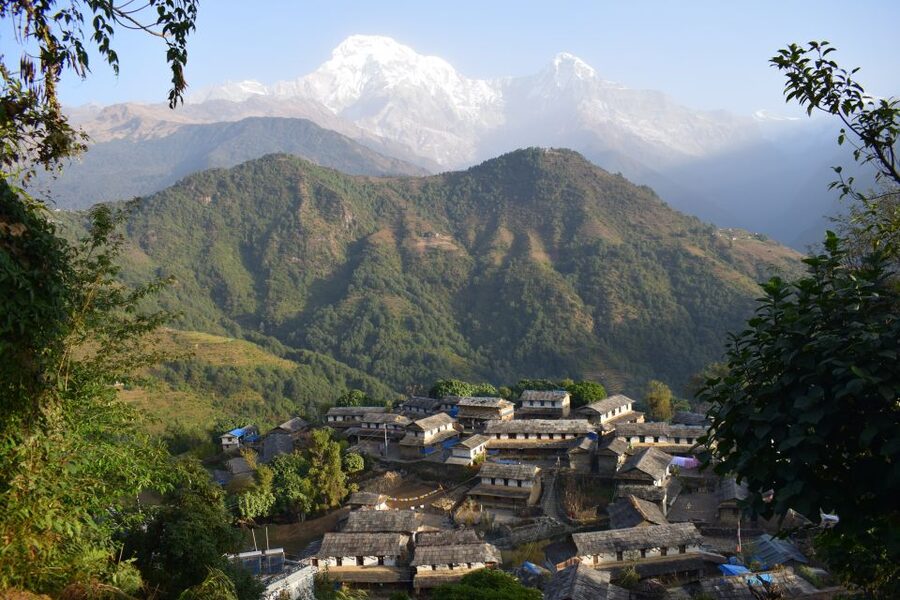
This is the big day. The trail climbs from Deurali through alpine meadows toward Machhapuchhre Base Camp, then continues to Annapurna Base Camp. The landscape changes again, with fewer trees and more open views of the surrounding mountains.
Machhapuchhre, or Fishtail, is one of the route’s signature peaks. You will see its distinctive shape from several points, but reaching its base gives the mountain a much stronger presence. From there, the trail continues toward the Annapurna range.
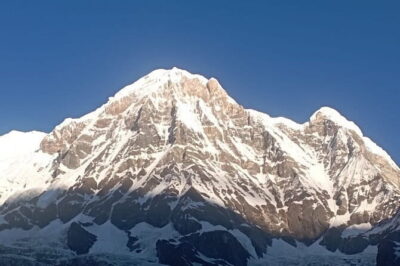
Annapurna Base Camp sits at 4,130 meters, or 13,550 feet. The reward is a broad mountain amphitheater, with peaks rising around you. You are not merely looking at a distant Himalayan range from a viewpoint. You are standing inside a high basin at the base of Annapurna I, the world’s 10th highest mountain according to the tour description.
This is also the day when altitude, cold, and weather can change the feel of the trek. Snow has fallen for some people while approaching and leaving base camp, even on trips that otherwise went smoothly. Pack for changing conditions, and follow your guide’s advice if the weather turns or you feel unwell.
The lodge stay at base camp is part of the included standard accommodation. Do not expect hotel comfort. These are tourist lodges in a mountain setting, chosen for practicality rather than luxury. The real attraction is waking up near the peaks.
Sunrise at Annapurna Base Camp
If the weather is clear, sunrise is the moment to protect. Annapurna I and the surrounding peaks can take on a soft early light, and the changing colors make the early start worthwhile.
You may also get snow, cloud, or limited visibility. The mountains do not perform on command. That uncertainty is part of the appeal, but it also means you should value the whole route rather than treating the summit view as the only successful outcome.
The guide can help you find a suitable place to look out and keep the morning organized. Past trekkers have especially valued guides who knew when to offer help and when to give them quiet time with the scenery. That balance matters in a place where you may want both useful advice and a few peaceful minutes without conversation.
Day five: Return from base camp to Sinuwa
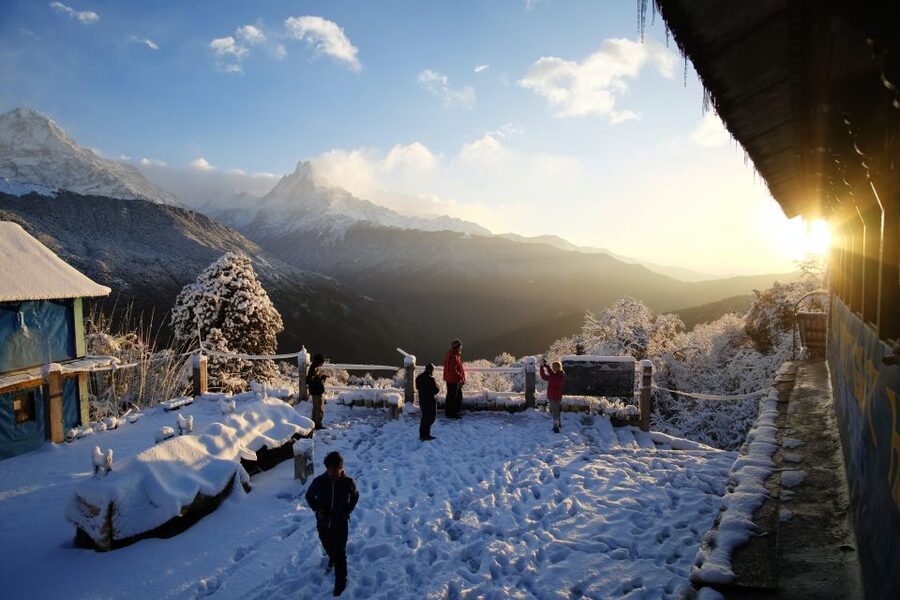
After breakfast, you retrace the trail downhill through bamboo and rhododendron forest. The return is faster in terms of altitude, but downhill walking can be hard on knees and ankles.
The same route feels different in reverse. You notice details missed during the climb, and the warmer forest below can feel like a relief after the open, colder conditions at base camp. Keep your trekking poles handy. They are included if needed and are especially useful on descents.
Sinuwa is again the overnight stop at 2,249 meters. This night breaks up the return and avoids turning the journey down from base camp into one exhausting push. A guide who adjusts the pace can make a major difference here, particularly if the ascent has left you tired.
Day six: Sinuwa to Jhinu Danda and the hot springs
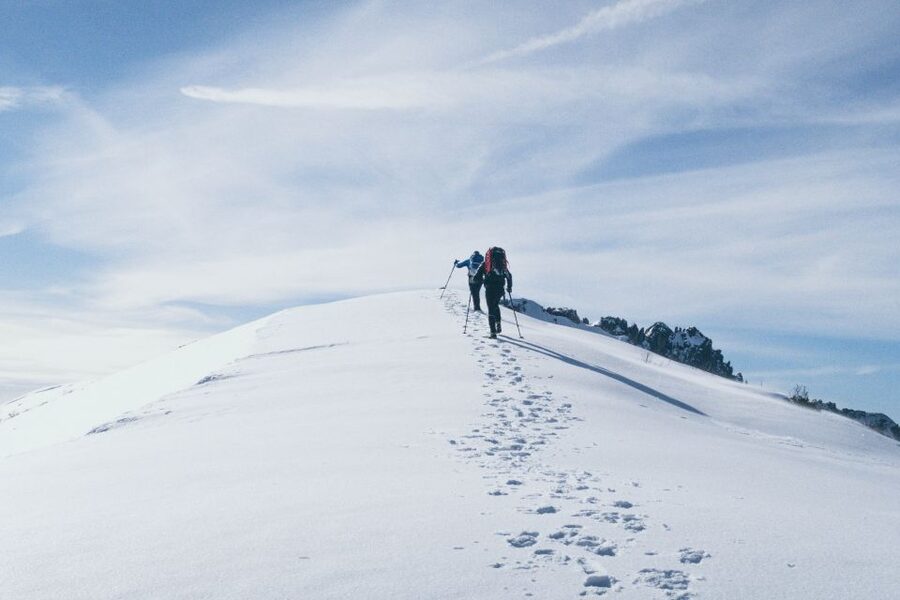
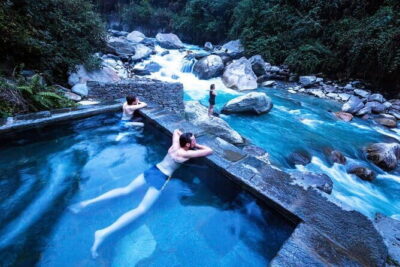
The trail descends to Jhinu Danda, at 1,760 meters, or 5,770 feet. The lower altitude usually feels welcome, and the stop has a clear bonus: natural hot springs beside the river.
Bring swimwear. The hot springs are one of the most memorable details in the whole plan, and they provide a practical way to relax tired muscles. They are not a replacement for rest, but soaking your legs after several days of steep trail is a fine end to the harder part of the trek.
The hot springs have not always been treated as a major part of the advance plan, so confirm the day’s details with your guide. The route description includes Jhinu, and past guide teams have added the stop as a pleasant surprise.
Some people feel the trek could reasonably finish at Jhinu, since the route after that becomes more road-oriented. That is worth discussing before you start. The published seven-day plan continues to Nayapool, but a private trip may allow some flexibility depending on conditions and transport arrangements.
Day seven: Nayapool and the return to Pokhara
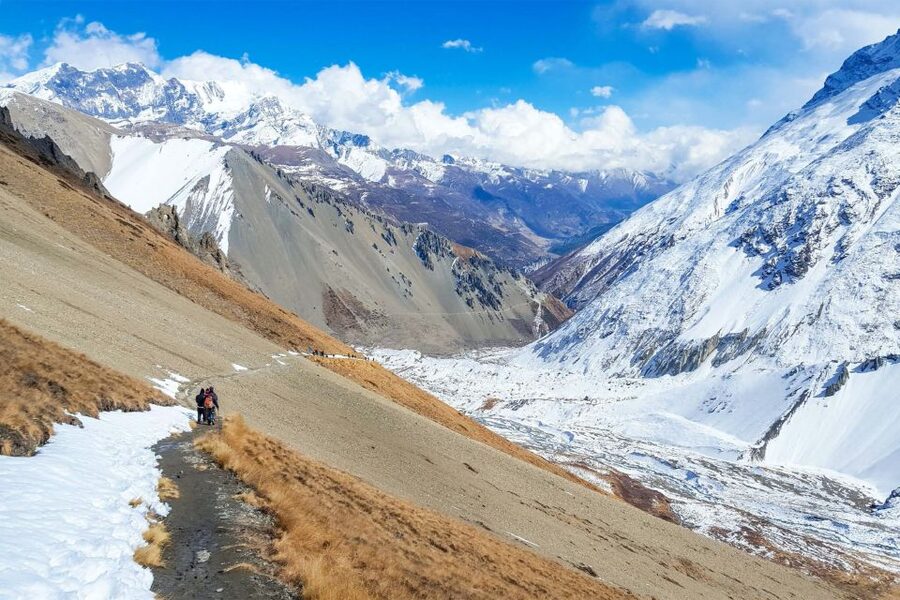
The final walk descends through farmland and villages to Nayapool. From there, private transport returns you to Pokhara and Lakeside.
This last section is practical rather than dramatic. You have already reached the main mountain goal, and the route is moving you back to town. If your ideal finish is one last quiet mountain trail, you may find the road sections less satisfying. If your priority is a complete seven-day plan with a reliable return to Pokhara, the arrangement is convenient.
Back in Lakeside, you can celebrate beside the lake, sort your luggage, and collect anything stored in Pokhara during the trek. Luggage storage is included, which is useful because you do not need to carry your full travel kit into the mountains.
What the $215 price really covers
At $215 per person, this is a strong value if you want the main practical pieces arranged in advance. The price includes hotel pickup and drop-off, private roundtrip transport, Annapurna Conservation Area and government permits, private accommodation in standard tourist lodges, a certified guide, a first-aid kit, luggage storage, and a duffel bag plus trekking poles if needed.
That list removes several tasks that can otherwise become a nuisance. You do not need to sort out the permits yourself, find transport from Lakeside to Nayapool, or work out where to leave your spare luggage.
Food and drinks are extra. That is normal for a lodge trek, but you should include meals, tea, water, and other purchases in your budget. A porter can be hired for $15 per day, also at extra cost. I would consider a porter if you are not used to carrying a pack for a full week, especially since altitude makes every unnecessary kilogram feel heavier.
The accommodation is described as standard tourist lodges. Think basic mountain lodging, not private bathrooms and resort service. The value is in the route, permits, transport, and guiding, not luxury rooms.
Guides, pace, and safety
The most important part of a private trek is the guide relationship. You may be paired with someone different from the named guides in past trips, but the service offers English, Hindi, and Nepali-speaking guides.
Specific guide strengths have included patience, route knowledge, safety awareness, local explanations, and flexibility. Pratiksha was praised for letting a less-fit couple walk at their own pace. Hari helped make the route feel safe and interesting. Sandesh was noted for patience, photos, and attention to personal needs. Bidur was valued for care during a monsoon-season trek.
You should tell your guide honestly how you feel. A private group makes it easier to slow down, stop, or alter the plan than it would be in a large fixed party. That flexibility is one of the best reasons to choose this format.
The altitude deserves respect. Base camp is above 4,000 meters, and Deurali is already over 3,200 meters. Bring your passport or ID card, follow your guide’s instructions, and treat symptoms seriously. The included first-aid kit is useful, but it does not remove the need for sensible pacing.
What to pack and what to arrange
The only required item specifically listed is a passport or ID card. That is not a full packing list, so you should request seasonal advice before departure. One useful suggestion from past planning is to ask for a packing list based on the time of year.
At minimum, think in terms of clothing for changing temperatures, rain or snow, a daypack, personal medication, and swimwear for Jhinu. Those are practical categories rather than a claim about items included in the package.
The duffel bag and trekking poles are available if needed. Ask how to receive them before leaving Pokhara. Food and drinks are purchased separately, and a porter is optional, so decide in advance whether you want to carry your own main luggage.
Best seasons and weather trade-offs
The trek can be meaningful outside the busiest periods. A monsoon-season departure brought rain but also quieter trails and a peaceful feel. You should expect weather to affect views and walking conditions at that time.
Clearer conditions can offer sharper mountain views, but the route will not always be empty. The important point is to choose your season based on your priorities. If you want fewer people and do not mind rain, the wet season may appeal. If mountain visibility is your main goal, ask the operator for current seasonal guidance before booking.
Snow near base camp can occur and may be thrilling, but it also makes the final approach feel more demanding. Your guide will be the best person to judge current trail conditions.
Who should book this trek?
I would recommend it to you if you want a private Himalayan trek with a clear goal, manageable logistics, and strong local support. It suits first-time high-altitude trekkers who are reasonably active and willing to walk at a steady pace.
It is also a good choice for couples or friends who want control over their rhythm. The guide can adapt stops and speed, and a porter can be added without a huge daily cost.
I would be cautious if you dislike basic lodges, have no patience for repeated uphill and downhill walking, or want guaranteed summit views. The seven-day schedule is efficient, but it gives you less spare time than a slower plan. Anyone with concerns about altitude should discuss them before booking and be ready to turn around if necessary.
The tour offers free cancellation up to 24 hours before departure and a reserve-now, pay-later option. Availability and starting times vary, so check those details for your dates.
Should you book the Annapurna Base Camp trek?
Book it if you want the essentials handled, prefer a private guide, and like the idea of moving from rice terraces to a 4,130-meter mountain amphitheater in one compact week. The $215 price is especially appealing because permits, transport, lodging, guide service, storage, and basic trekking gear are included.
Before paying, ask for the seasonal packing list, confirm whether a porter is right for you, and discuss what happens if altitude or weather changes the plan. If you would rather finish at Jhinu and avoid the more road-based return to Nayapool, raise that point early.
For me, the strongest reason to choose this trip is not just Annapurna Base Camp. It is the combination of a private pace, local village life, changing scenery, and a hot-spring finish. Just respect the altitude, keep your expectations realistic about lodge comfort, and let the mountains set the timetable.
FAQ
How long does the Annapurna Base Camp trek last?
The trek lasts seven days, including travel from Pokhara to Nayapool on the first day and the return drive to Pokhara on the seventh day.
Where does the trek start?
Pickup is available from any hotel in Lakeside, Pokhara. Private transport takes you from Pokhara to Nayapool, where the walking portion begins.
What altitude is Annapurna Base Camp?
Annapurna Base Camp is at 4,130 meters, or 13,550 feet.
Which peaks can I see?
The route includes views of the Annapurna massif, Annapurna South, Annapurna I, Machhapuchhre, also called Fishtail, and Hiunchuli.
Is the trek private or shared?
It is offered as a private group experience.
Which languages can the guide speak?
Guides are available in English, Hindi, and Nepali.
Are permits included?
Yes. The price includes the Annapurna Conservation Area permit and government permits.
Is accommodation included?
Yes. Private accommodation in standard tourist lodges is included for the trek.
Are meals and drinks included?
No. Food and drinks are available to purchase during the trek and are not included in the price.
Can I hire a porter?
Yes. A porter is available for an additional $15 per day.
Are trekking poles provided?
A duffel bag and trekking poles are available if needed.
What happens at Jhinu Danda?
The sixth day includes a stop at Jhinu Danda, where you can relax in natural hot springs beside the river.
What should I bring?
Bring your passport or ID card. You should also request a suggested packing list based on the season before departure.
Can I cancel the booking?
You can cancel up to 24 hours in advance for a full refund.
Do I need to pay at the time of booking?
The reserve-now, pay-later option lets you book without paying immediately.
More 7-Day Experiences in Annapurna Region
- Pokhara: 7-Day Annapurna Base Camp Via PoonHill & Hot Spring
★ 5.0 · 6 reviews - Annapurna Base Camp Trek from Pokhara 7 Days
★ 5.0 · 19 reviews - 7 days Nepal Motorcycle tour
★ 5.0 · 12 reviews - Kathmandu to Langtang Valley 7-Day Trek
★ 5.0 · 11 reviews
More Hiking & Trekking in Annapurna Region
- Pokhara: 4-Day Mesmerizing Mardi Himal Guided Trek
★ 4.8 · 9 reviews - Kathmandu/Pokhara: Annapurna Circuit Trek 10 days
★ 5.0 · 6 reviews - Pokhara: 2-Day Short & Sweet Ghorepani Poon Hill Guided Trek
★ 5.0 · 6 reviews - Pokhara: Amazing 7-Day ABC Trek with Natural Hot Spring
★ 5.0 · 5 reviews
Just added around Annapurna Region
- Pokhara: Poon Hill Trek★ 5.0 · 3 reviews
- Pokhara: Day Hiking to Australian Base Camp with Lunch★ 5.0 · 4 reviews
- Pokhara: Hike To Australian Base Camp★ 3.5 · 4 reviews
- Pokhara: Annapurna Foothills Private Day Hike with Transfers★ 5.0 · 3 reviews
- From Pokhara: Annapurna View Day Hike★ 5.0 · 3 reviews
- Pokhara: Amazing 7-Day ABC Trek with Natural Hot Spring★ 5.0 · 5 reviews
- Pokhara: 5-Day Annapurna Base Camp Trek with Hot Spring★ 5.0 · 3 reviews
- Pokhara: 4-Day Mesmerizing Mardi Himal Guided Trek★ 4.8 · 9 reviews
Annapurna Base Camp Treks, compared.
Kathmandu to Annapurna Base Camp (ABC) 5-Day Trek
Read our review →
Kathmandu/Pokhara: 5-Day Annapurna Base Camp (ABC) Trek
Read our review →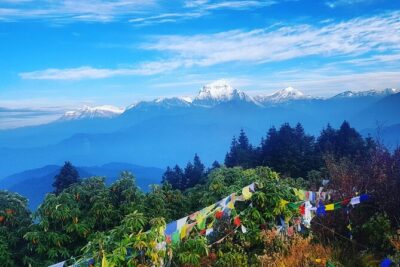
11-Day Hike Tour to Annapurna Base Camp Bliss in Kathmandu
Read our review →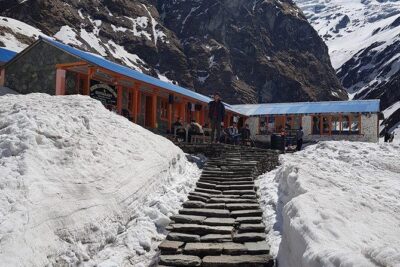
Browse the lists this tour appears in