
Reviewed · ANNAPURNA BASE CAMP TREKS
Annapurna Base Camp Trek from Pokhara 7 Days
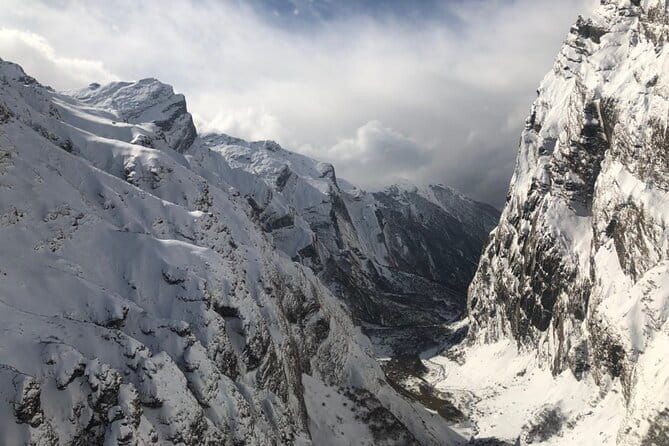
The real prize here is the route’s changing scenery. In seven days, you move from the river valley and small villages to Annapurna Base Camp, passing thick forest, clear streams, alpine ground, glaciers, and huge Himalayan peaks. I like that the trek also brings you into local communities rather than keeping you in a vehicle or a resort town.
I especially like the private-trip format, since your group can trek with its own guide rather than joining a large crowd. I also like the practical package: permits, TIMS card, guesthouse lodging, hotel transfers, and a sharing jeep are included in the $395 price. Guides named in past bookings include Biru, Bikram, Prakash, Krishna, and Dadi, though your assigned guide may be different.
The catch is the pace. This is a demanding seven-day mountain walk, with days of six to nine hours and a major descent after base camp. You need moderate physical fitness, and Day 5 can be hard on your knees as you lose about 1,600 meters in one day.
Key points before you book
- Annapurna Base Camp in seven days: A brisk itinerary with a full day for the climb to the base camp and several long walking days.
- Private group, English-speaking guide: Only your own party takes part, with a guide included.
- Village life and guesthouse nights: The route passes through small communities such as Chhomrong, Deurali, Bamboo, and Jhinu Danda.
- Mountain scenery changes fast: Expect the Modi Khola river, forest trails, streams, glacier country, Machhapuchhre, and the Annapurna range.
- Hot springs at Jhinu Danda: The final mountain night includes time to rest in the local hot spring baths.
- Useful basics covered: Hotel pickup and drop-off, sharing jeep transport, permits, TIMS card, accommodation, and guide service are included.
What $395 buys you from Pokhara
At $395 per person, this trek offers good value if you want the main costs handled in one booking. The package includes hotel pickup and drop-off, round-trip sharing jeep transport, an English-speaking trekking guide, trekking permits, a TIMS card, and guesthouse accommodation.
That list matters in Nepal. Transport to and from the trail takes planning, and permits are not a small afterthought. Having those parts arranged lets you focus on walking rather than sorting out every transfer at the start and finish.
The price does not cover personal expenses or gratuity. You should also read the package wording carefully if you expect meals, porter service, drinks, equipment rental, or extra accommodation in Pokhara. Those items are not listed among the inclusions, so ask before paying if they matter to your budget.
The trip is described as private, but transport is by sharing jeep. That means the trek itself is for your group, while the road transfer may be shared. This is a sensible way to keep the cost down, though it gives you less control over departure timing than a fully private vehicle.
More Annapurna Base Camp Treks in Pokhara
- Kathmandu/Pokhara: 5-Day Annapurna Base Camp (ABC) Trek
★ 4.9 · 72 reviews - Private 7 – Day Annapurna Base Camp Trekking
★ 5.0 · 50 reviews - Annapurna Base Camp Trek (8 days)
★ 5.0 · 45 reviews
Day 1: Modi Khola paths and the long start at Jhinu Danda
Your hotel pickup begins a long first day. After the transfer to the trailhead, you check permits and sort your gear before walking beside the Modi Khola River.
The route passes small villages and follows the river through the lower part of the Annapurna region. This is a useful opening day because you begin with village scenery and water rather than being dropped straight into high mountain conditions.
Allow about nine hours for the day. That is a serious start, particularly when the road transfer is part of the same day. Keep your day pack light, carry water, and have easy access to anything you need during the walk.
Jhinu Danda is more than a place to sleep later in the route. It is also known for hot spring baths, which become one of the trip’s best recovery stops on Day 6. On the first day, though, your main task is simply getting settled after the long approach and trek.
Day 2: Chhomrong and the first sustained climb
Day 2 takes you uphill to Chhomrong, one of the largest villages on the route. The walking time is about six hours, with the trail continuing through dense forest.
Chhomrong is an important point in the trek because it feels like a real mountain settlement, not just a roadside stop. You get a chance to see how villages support the route and to settle into the guesthouse rhythm that shapes the rest of the walk.
The climb also sets the tone for the days ahead. This is not a flat valley walk. The trail gains and loses height, and even a six-hour day can feel tiring after the opening stage.
I would use Chhomrong as a pacing check. If your legs feel good, you are in a strong position. If the climb has already pushed you hard, tell your guide early. The trip is private, so your guide can understand how your group is handling the pace, though the fixed seven-day schedule still leaves limited room for delays.
Day 3: Forest trails toward Deurali
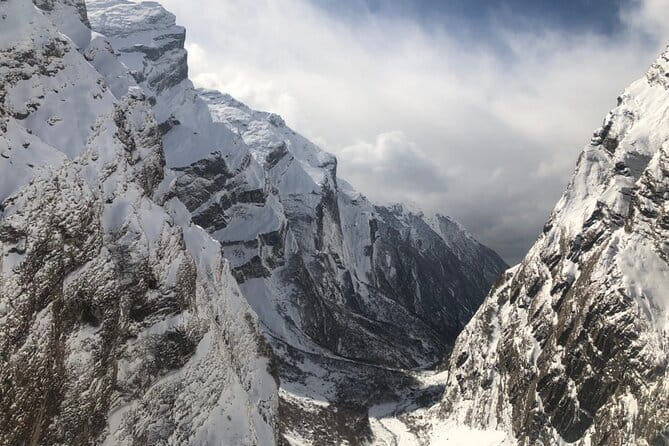
The third day leads toward Deurali, with about six hours of walking through dense forest and along sections with views toward the Annapurna range.
The forest is one of the pleasures of this route. The scenery changes gradually, with shaded paths and mountain glimpses replacing the more settled lower valley. Depending on the season, you might see rhododendron forest along the trail, a detail that adds color to an otherwise rugged walk.
A lunch stop with Himalayan views gives the day a welcome pause. The exact eating arrangements are not detailed, so treat meals as an expense to clarify before departure. Guesthouse accommodation is included, but meals are not specifically listed in the package details.
Deurali provides a sensible place to stop before the high point of the trek. You are still surrounded by forest and mountain country, but the following day brings a sharper change in altitude and scenery.
Same mountains, a completely different kind of day:
- ZipFlyer Nepal – The World’s Steepest Zip-line
★ 5.0 · 608 reviews - Bungee Pokhara by HighGround Adventures
★ 5.0 · 366 reviews - From Pokhara: Sarangkot Sunrise Himalayas Tour
★ 4.7 · 218 reviews - ATV Adventure Tour in Pokhara, Nepal
★ 5.0 · 194 reviews
Day 4: The main goal, Annapurna Base Camp
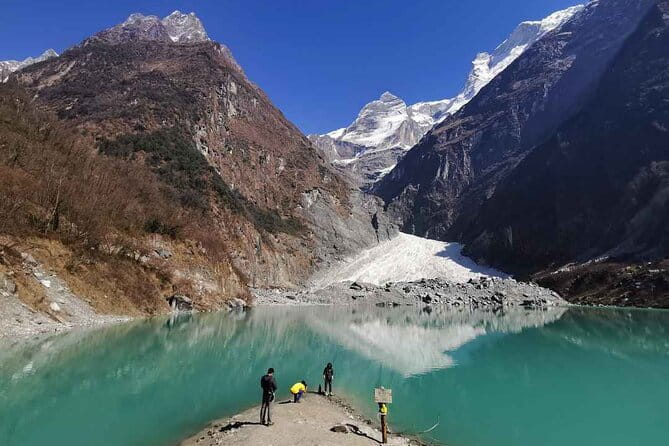
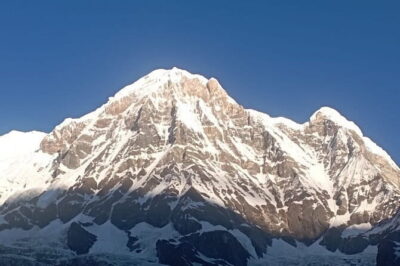
Day 4 is the centerpiece. You cross several streams on the way to Machhapuchhare Base Camp, then continue toward Annapurna Base Camp. The walk takes around seven hours, and the base camp admission is included.
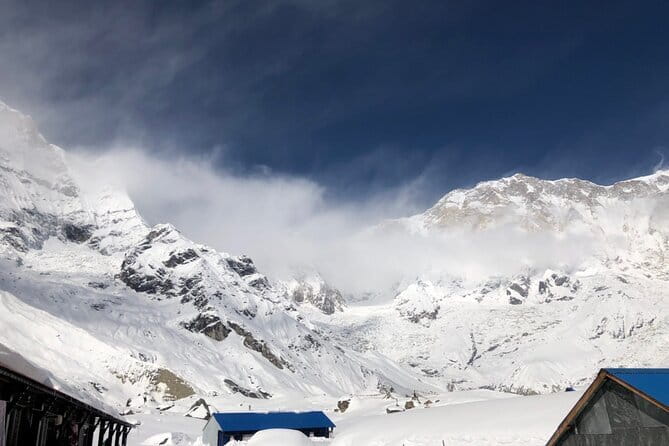
The route includes the Ablation Valley, described as a hollow corridor between the glacier and the mountain. From there, you cross the hills toward the base camp. This is the part of the trek where the surroundings become distinctly alpine, with open mountain space replacing much of the lower forest.
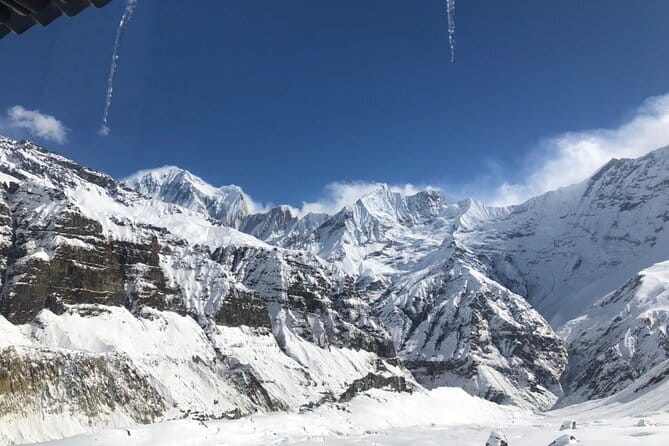
The rewards are visual but also emotional. You have spent several days walking upward through villages and woods, and now the Annapurna range, Machhapuchhre, and other high peaks form the setting for the final approach.
Sunrise is a special draw here. One couple specifically praised the early mountain view, and the base camp setting is at its best when the light reaches the peaks. The exact sunrise schedule is not provided, so ask your guide about the timing and the morning plan once you arrive.
This is also the day when altitude and weather matter most. The tour requires moderate physical fitness, but no separate altitude policy or acclimatization day is included in the seven-day plan. Take the pace seriously, drink water, and tell your guide if you feel unwell. Do not treat reaching the base camp as more important than your health.
Day 5: A knee-testing descent to Bamboo
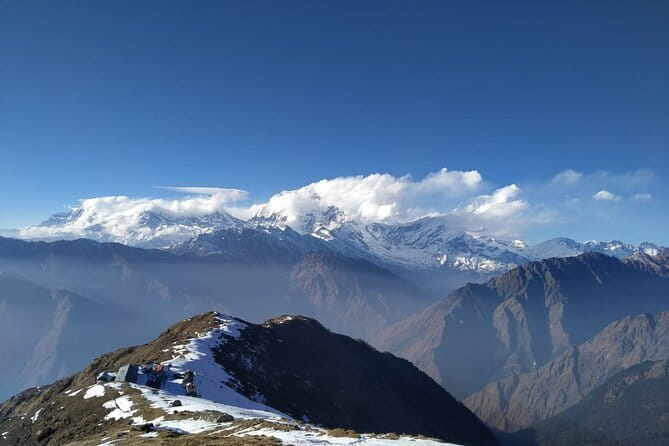
After the high point comes the toughest kind of mountain walking for many people: a long downhill day. You descend from Annapurna Base Camp to Bamboo, losing about 1,600 meters in elevation over roughly six hours.
The descent gives you a fresh view of country you walked through on the way up. Forest returns, the air may feel different, and the scale of the mountains changes as you move back toward the valley.
Still, this is the day to protect your knees. Use short steps, take care on uneven ground, and do not race the group downhill. Trekking poles can be useful, although equipment rental is not listed as part of the package, so confirm what you need to bring or arrange yourself.
Bamboo is your overnight stop. The name is a reminder that the vegetation changes as you lose height. After the stark high country around base camp, a forested settlement can feel comfortable, even if your legs are tired.
Day 6: Jhinu Danda and the hot spring reward
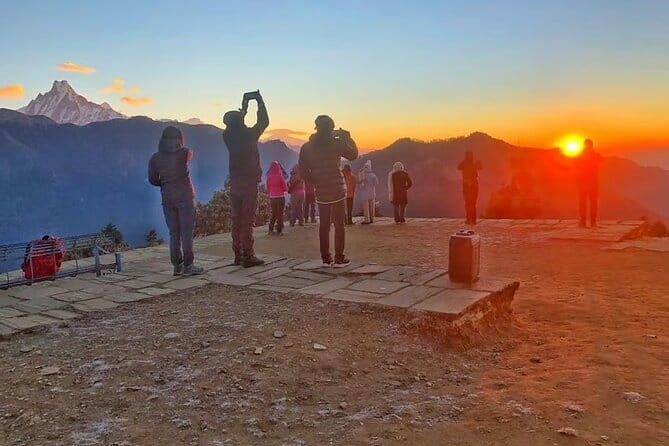
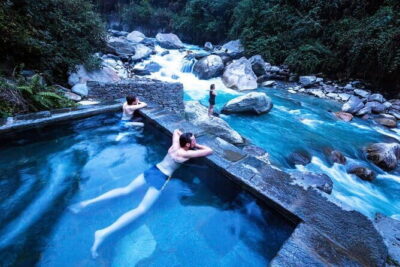
Day 6 continues down the valley, with about six hours of walking. You descend through Chhomrong and continue to Jhinu Danda, where the hot spring baths offer the trip’s most welcome recovery stop.
This is a smart feature of the route. Rather than ending with a rushed walk straight back to Pokhara, you get a night in the mountains and a chance to soak after the long descent from base camp.
The views remain broad as you walk down the valley. You also get another look at the communities and farmland that support life along the trail. The cultural side of this trek is quiet and direct: guesthouse stays, village paths, local food, and contact with people who live in the region.
Bring a modest amount of personal cash for expenses not covered by the package. The tour does not list personal spending as included, and the supplied information does not state which facilities or purchases are covered at the hot springs.
Day 7: Farmland, Nayapul, and the return to Pokhara
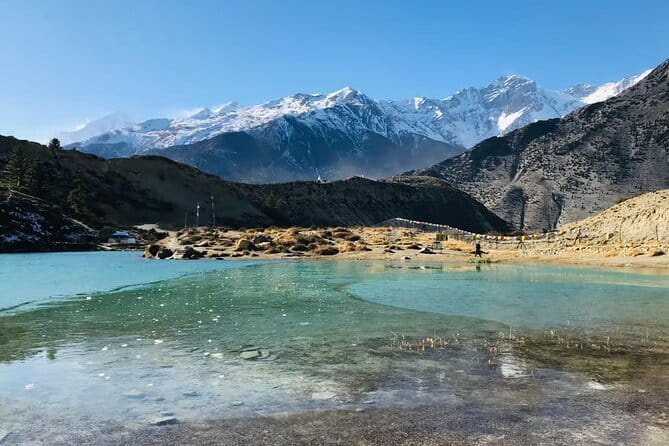
The final day is a shorter mountain finish, though the schedule still allows about seven hours. You walk in the morning past farmland and along the river before reaching Nayapul.
From Nayapul, the arranged transfer takes you back to Pokhara for drop-off. This gives the trek a clear ending rather than leaving you to arrange a separate return from the trail.
The return journey is part of the value of the package. You have round-trip sharing jeep transport rather than needing to negotiate the final road transfer after several days on foot.
Once back in Pokhara, Lakeside is the stated drop-off area. The city is a natural place to rest after the trek, though no additional Pokhara sightseeing is included in this experience.
The guide makes a real difference
A good guide matters on a seven-day trek, especially when the schedule includes long walking days and a major altitude change. The package includes an English-speaking guide, and the private format means your group has one main person to help with pacing, route decisions, accommodation, and basic support.
Several guide names appear in past bookings. Biru was praised for helping a solo walker with photos and general support. Bikram was described as professional and helpful, while Prakash was credited with taking care of the group and explaining the Himalayas and Nepali culture.
Krishna was especially appreciated for patience with newer walkers, and Dadi was described as experienced and good at arranging the practical parts of the trek. These names help you understand the kind of guide service being offered, but they do not guarantee who will lead your departure.
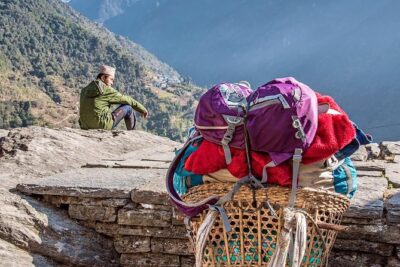
If a particular guide matters to you, request that person when booking and get confirmation. Otherwise, focus on asking about the guide’s English ability, the expected pace, and how the company handles changes in weather or fitness. The supplied information confirms a guide and a private trip, but it does not promise a porter, so ask about luggage support before you go.
What the guesthouse style means
Accommodation is in guesthouses along the route. This is the right match for a trek built around villages and local communities, but it is not a hotel-based holiday.
Expect the lodging to be practical and tied to the trail. The guesthouse nights let you stay close to the walking route and experience the simple hospitality that makes this region feel personal. They also mean you should pack with basic mountain lodging in mind.
The package does not spell out room types, bathrooms, heating, bedding, or meal arrangements. Those details can vary by stop, so ask the operator before departure if you need a specific comfort level.
Food is part of the cultural side of the walk, and the trip description points to traditional Himalayan cuisine. Still, because meals are not listed under included services, confirm whether food is paid separately and plan your personal budget accordingly.
Who will enjoy this seven-day route
This trek suits you if you want a direct route from Pokhara to Annapurna Base Camp and prefer having transport, permits, lodging, and a guide arranged together.
It is a good match for:
- People with moderate physical fitness who can handle six to nine hours of walking.
- First-time high mountain trekkers who want a private guide.
- Solo visitors who prefer personal support rather than joining a large group.
- Couples and friends who want their own group schedule.
- Hikers who care as much about villages and forests as the final mountain viewpoint.
It may not suit you if you want a slow itinerary with extra rest days. Seven days is efficient, but it leaves little spare time for weather, fatigue, or an unplanned delay.
The route is also a poor fit if you dislike long descents. The 1,600-meter drop from base camp to Bamboo is the clearest physical warning in the schedule.
A practical packing and planning note
The package includes permits and a TIMS card, so you do not need to arrange those separately. It also includes hotel pickup and drop-off, which removes much of the arrival-day uncertainty in Pokhara.
You do need to plan for personal expenses. The information does not list meals, drinks, equipment, porter service, or gratuity as included. Gratuity is optional, but you may wish to budget for it if your guide provides strong support.
The cancellation policy allows a full refund when you cancel at least 24 hours before the local start time. Cancellations or changes inside that window are not accepted for a refund, so keep that deadline in mind before the trek begins.
Should you book the Annapurna Base Camp Trek?
I would book this trek if you want the major Annapurna Base Camp experience in a compact seven-day plan and value having the basic arrangements made for you. The mix of river paths, villages, forest, high mountain views, base camp, and Jhinu’s hot springs gives the route more variety than a simple out-and-back walk.
The strongest reasons to choose it are the private group, included permits, guide service, guesthouse stays, and return transport from Pokhara. The main reasons to pause are the long first day, the brisk schedule, the 1,600-meter descent, and the unclear treatment of meals and porter service.
Before paying, confirm your guide, what food costs separately, what luggage support is available, and what type of guesthouse room to expect. If those answers suit your needs and you are ready for sustained walking, this is a practical way to reach one of Nepal’s best-known mountain destinations without arranging every part yourself.
FAQ
Where does the Annapurna Base Camp trek begin and end?
The experience begins with hotel pickup in Pokhara and ends with drop-off in Pokhara Lakeside after the return from Nayapul.
How long is the trek?
The trek lasts approximately seven days. Daily walking times range from about six to nine hours.
Is hotel pickup included?
Yes. Hotel pickup and drop-off are included.
Is transport included?
Yes. The package includes round-trip transfer by sharing jeep.
Is this a private tour?
Yes. Only your group participates in the trek, although the road transfer uses a sharing jeep.
Is a trekking guide included?
Yes. An English-speaking trekking guide is included.
Are trekking permits included?
Yes. The package includes a trekking permit and a TIMS card.
Where do you stay during the trek?
Accommodation is provided in guesthouses along the route.
Is Annapurna Base Camp admission included?
Yes. The itinerary lists admission to Annapurna Base Camp as included.
Does the trek visit hot springs?
Yes. On Day 6, you reach Jhinu Danda and can rest in one of the hot spring baths.
What fitness level is required?
The experience states that you should have a moderate physical fitness level. The route includes six to nine hours of walking and a descent of about 1,600 meters from Annapurna Base Camp to Bamboo.
Are personal expenses included?
No. Personal expenses are not included. Gratuity is optional and is also not included.
Can you cancel for a full refund?
Yes, if you cancel at least 24 hours before the experience start time. Cancellations made less than 24 hours before the start time are not refunded, and changes within that period are not accepted.
More 7-Day Experiences in Pokhara
- Pokhara: 7-Day Annapurna Base Camp Trek & Natural Hot Spring
★ 5.0 · 11 reviews - Pokhara: 7-Day Annapurna Base Camp Trek via Ghandruk
★ 4.3 · 3 reviews - Pokhara: 7 Day Annapurna Base Camp Trek
★ 4.9 · 38 reviews - 7 days Nepal Motorcycle tour
★ 5.0 · 12 reviews
More Hiking & Trekking in Pokhara
- Poon hill Trek 3 days
★ 5.0 · 176 reviews - Trekking in Annapurna/Langtang/Everest/Upper Mustang regions
★ 5.0 · 161 reviews - Pokhara: 4-Day Ghorepani, Poonhill & Ghandruk Mountain Trek
★ 5.0 · 132 reviews - Ghorepani – Poon Hill Trek 3N-4D
★ 5.0 · 125 reviews
Just added around Pokhara
- Seti George and Thrilling Suspension Bridge Tour at Pokhara★ 4.5 · 3 reviews
- Tandem Paragliding in Pokhara★ 4.8 · 8 reviews
- Pokhara: Sunrise Tour to Sarangkot★ 5.0 · 3 reviews
- Pokhara: Suspension Bridge Private Tour- 30 Min Village Walk★ 4.8 · 9 reviews
- Pokhara: Visit Best Seven Tourist Destination by Sharing Bus★ 3.4 · 10 reviews
- Pokhara Sightseeing By Bus: Day Trip★ 4.6 · 7 reviews
- Pokhara Sightseeing By Bus – Day Trip★ 3.2 · 8 reviews
- Pokhara: Sarangkot Sunrise & Panoramic Annapurna View Tour★ 4.8 · 10 reviews
Annapurna Base Camp Treks, compared.
Kathmandu to Annapurna Base Camp (ABC) 5-Day Trek
Read our review →
Kathmandu/Pokhara: 5-Day Annapurna Base Camp (ABC) Trek
Read our review →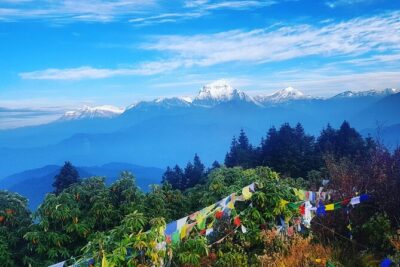
11-Day Hike Tour to Annapurna Base Camp Bliss in Kathmandu
Read our review →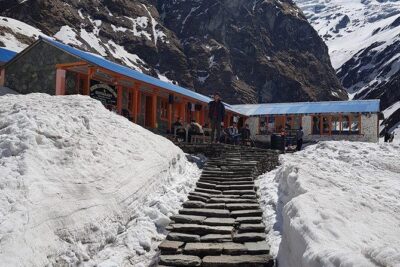
Browse the lists this tour appears in