
Reviewed · EVEREST BASE CAMP TREKS
Luxury Everest Base Camp Trek -11 Days
The best part of this 11-day Everest Base Camp trek comes at the end: after walking to the world’s most famous base camp, you return by helicopter from Gorakshep to Kathmandu. That gives you two ways to see the Everest region, on foot at close range and from the air.
I like the careful altitude plan, with rest days in Namche Bazaar and Dingboche. I also like the comfort upgrade: two nights in a five-star Kathmandu hotel and upgraded teahouses along the trail, a welcome touch after long days on rocky paths. The main drawback is the price, $4,500 per person, and the demanding altitude, which makes this a serious trek despite the luxury label.
Key points at a glance
- Helicopter return from Gorakshep: Walk up to Everest Base Camp, then trade the trail for a shared flight back toward Kathmandu.
- Two useful acclimatization days: Spend a rest day near Namche Bazaar at 3,880 meters and another in Dingboche at 4,360 meters.
- A high point at Kalapatthar: The itinerary reaches 5,545 meters, with broad views of the Everest range when the weather is clear.
- Upgraded trail accommodation: Twin-sharing upgraded teahouses offer more comfort than a basic trekking setup, though mountain facilities remain limited.
- Private group format: Only your own party takes part, with a guide and one porter for every two clients.
- Strong personal support: Prakash is named as a guide, while Bhagwat is described as the company leader who takes an active role in trip planning and communication.
What this luxury Everest trek really offers
Luxury means something different in the Khumbu than it does in a city hotel. You will not find resort comforts all the way to Base Camp. You will sleep in upgraded teahouses, share a room with one other person, and pay separately for extras such as hot showers, phone use, battery charging, bottled or boiled water, and laundry.
The real luxury here is a smoother trip. Airport pickup, Kathmandu hotel nights, permits, flights, porters, meals on the trail, a duffle bag, and a helicopter return are bundled into the price. You also have a private group rather than being placed with strangers.
The itinerary follows the classic route from Lukla through Namche Bazaar, Tengboche, Dingboche, Lobuche, Gorakshep, and Everest Base Camp. It then adds the helicopter ride, which saves you from retracing the entire trail on foot.
That shortens the return and gives the final days a special shape. You still earn the base camp visit by walking, but you do not have to spend several more days descending through the same villages.
More Everest Base Camp Treks in Kathmandu:
- Everest Base Camp Trek – 14 Days
★ 5.0 · 1,499 reviews - Everest Base Camp Trekking
★ 5.0 · 485 reviews - Everest Base Camp Trekking – 13 Day
★ 5.0 · 365 reviews
Day 1: A gentle start in Kathmandu
Your trip begins with airport pickup at Tribhuvan International Airport. A representative from Himalayan Adventure Treks and Tours meets you and transfers you to your hotel by private vehicle.
Two nights in a five-star Kathmandu hotel are included, with breakfast. This is useful rather than decorative. Kathmandu is your staging point for the mountain flight, and a comfortable first night gives you time to settle in before the early start.
The itinerary leaves room for an evening briefing, though the supplied details do not specify the exact schedule. Use this time to confirm the flight plan, ask about the walking pace, check your duffle bag, and discuss dietary needs with your guide.
The company asks you to provide any special food requirements when booking. Vegetarian food is available. That matters on a trek where meal choices can become narrower as you climb.
Day 2: The small plane to Lukla
You fly from Kathmandu to Lukla, at about 2,860 meters. The itinerary gives a 6:00 am start time, so plan for an early morning and keep your day flexible.
The flight is an important part of the experience, not just a transfer. Lukla places you directly at the trailhead, saving a long road journey before the walking begins. Flights in the Everest region can be affected by weather, so the included travel and rescue arrangements are useful safeguards, but they do not remove the need for patience.
From Lukla, you begin walking toward Phakding. The supplied itinerary describes the flight and the start of the trek, but does not give a precise walking time or distance for this day. Your guide will set the pace for your group.
You should treat this as a working day, not a sightseeing stroll. Keep your daypack light, carry water, and do not race ahead simply because the first section feels manageable.
Day 3: Phakding to Namche Bazaar
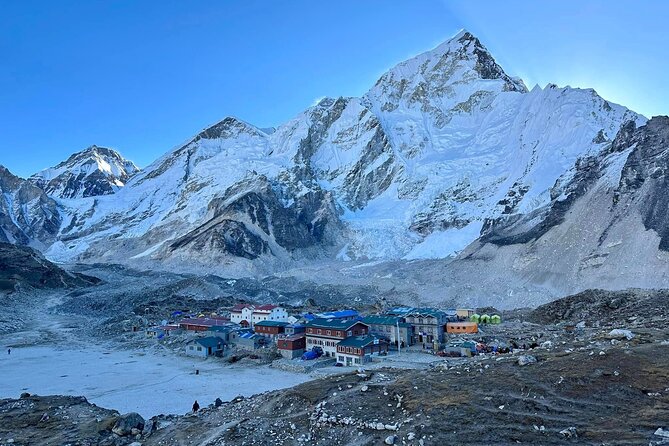
The trail from Phakding to Namche Bazaar takes you deeper into the Khumbu. Namche sits at about 3,880 meters and is one of the best-known stops on the route.
This is a major change in the trip. The path becomes more demanding as you gain height, and Namche is where the altitude begins to command your attention. You may find the walking tiring even if you are comfortable on ordinary hikes.
Namche is also a practical base for acclimatization. The town has a strong connection to the trekking economy, and its location makes it a natural place to pause before heading higher. The plan gives you that pause instead of pushing straight onward.
The accommodation is an upgraded teahouse on a twin-sharing basis. Do not read upgraded as fully luxurious. It means a better standard within the mountain lodge system, while heating, hot water, charging, and other comforts may cost extra.
A few more Kathmandu trips to weigh up
- Nagarkot Sunrise View and Day Hiking from Kathmandu
★ 5.0 · 471 reviews - Annapurna Circuit Trek with Tilicho Lake
★ 5.0 · 368 reviews - Everest Base Camp Trek -14 Days
★ 5.0 · 321 reviews - Annapurna base camp trek 5 Days
★ 5.0 · 252 reviews
Day 4: Acclimatization above Namche
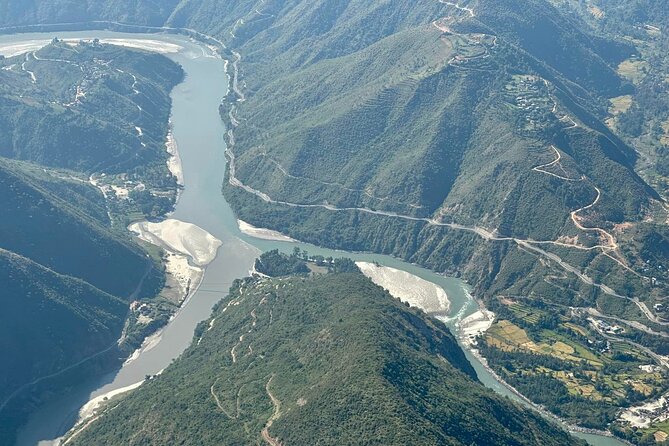
Day 4 is spent at roughly 3,880 meters. The purpose is to let your body adjust before the route climbs higher.
The plan includes an opportunity to explore around the Hotel Everest View area. The exact activity schedule is not fully detailed, so ask your guide what walking option fits your condition that day.
This is not a wasted day. It is one of the most important parts of the trek. A rest day at the right altitude can help you handle the harder sections ahead, while a slow short walk gives you a chance to see more without adding a full day of forward progress.
I like that the program protects this day rather than treating it as optional. You should still take symptoms seriously. The itinerary requires moderate physical fitness, and the guide should know if you develop a headache, nausea, unusual fatigue, or other altitude concerns.
Day 5: From Hotel Everest View to Tengboche
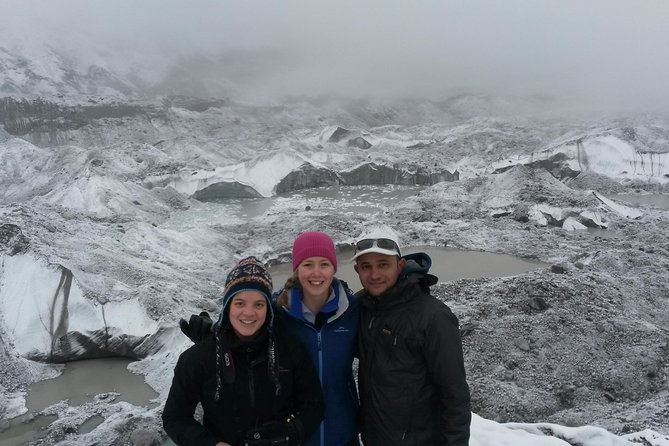
You leave the Hotel Everest View area for Tengboche, at about 3,820 meters. The walk usually takes four to five hours according to the schedule.
Tengboche is one of the memorable stops on the route because it combines a high mountain setting with an important Buddhist monastery. The itinerary specifically places you here after Namche, giving you time to appreciate the change from commercial trekking town to quieter mountain settlement.
The distance may look modest on paper, but altitude changes the effort. A four-hour walk at nearly 4,000 meters is not the same as a four-hour walk at sea level. You will want a steady pace, regular water breaks, and a warm layer for the evening.
This is also a good point to remember what your porter arrangement means. One porter is provided for every two clients, so you should pack thoughtfully and keep essential items in your daypack. Your main bag may be carried, but you remain responsible for the things you need during the day.
Day 6: Diboche to Dingboche at 4,360 meters
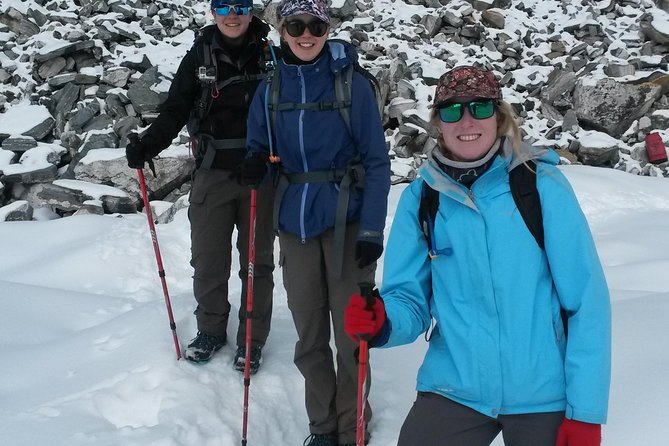
The route continues from Diboche to Dingboche. This section takes about five to six hours and brings you to 4,360 meters.
Dingboche is a serious altitude stop. The air is thinner, the walking pace slows, and weather can turn quickly. The itinerary does not pretend that the route is easy. It calls this part of the trek a five to six-hour walk through high terrain with challenging conditions.
Your upgraded teahouse matters more here than it did in Kathmandu. After a long day, a bed, meals, and a warm place to rest become central to the experience. Even so, personal extras remain outside the price, including hot showers, charging, drinks, and some water options.
The food package covers breakfast, lunch, and dinner during the trek. Kathmandu meals are not included, so budget separately for those two nights and for any extra Kathmandu stay caused by flight or mountain delays.
Day 7: A second acclimatization day in Dingboche
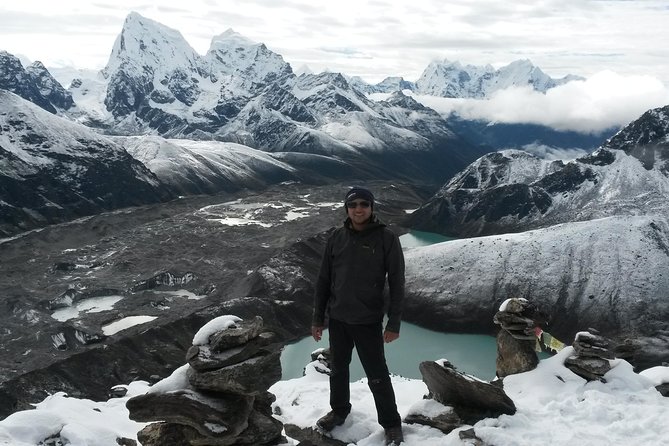
You spend another day at 4,360 meters. This is the second planned acclimatization stop, and it prepares you for the higher route to Lobuche, Gorakshep, and Base Camp.
The schedule describes Dingboche as a necessary break. That word is important. You are not simply taking a day off. You are giving your body time to adjust before the trail moves into even thinner air.
Follow the guide’s plan rather than trying to turn the day into a long personal hike. The itinerary does not specify the exact outing, and the best choice will depend on your condition and the weather.
Private travel helps here. Your guide can focus on your group’s pace and comfort rather than matching a large mixed party. Prakash is named as a guide connected with the service, and the company’s owner, Bhagwat, is described as closely involved in planning and communication. That kind of personal contact can be valuable when plans need to change.
Day 8: Dingboche to Lobuche
The walk to Lobuche takes about five to six hours. The route moves through high ground, rocky sections, and more exposed conditions.
This is where the trek begins to feel properly remote and demanding. You are no longer simply walking between scenic villages. The altitude, cold, wind, and uneven ground all become part of the day’s work.
The schedule describes the route as moderate in difficulty, but that label needs context. At these heights, a moderate trail can feel hard. Your pace may be slow, and you should not judge the day by distance alone.
Lobuche is a useful overnight stop because it positions you for the long Base Camp day. Keep your evening simple. Eat, drink what you have planned, organize your daypack, and protect your energy for the next morning.
Day 9: Lobuche to Gorakshep and Everest Base Camp
This is one of the hardest days, with roughly six to seven hours of walking from Lobuche to Gorakshep and onward to Everest Base Camp.
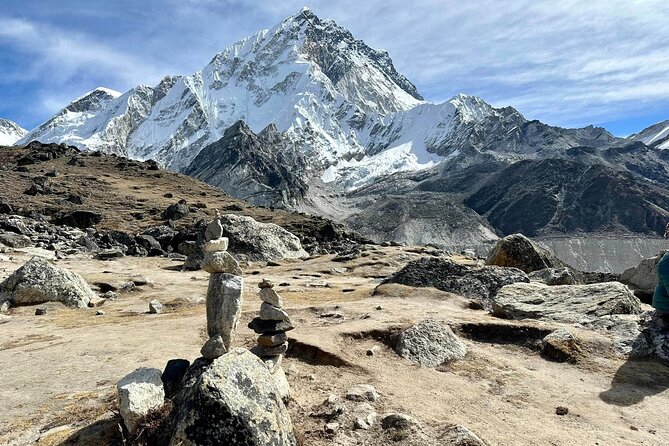
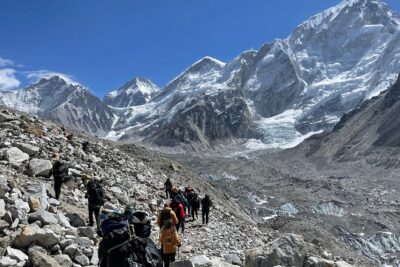
The trail climbs across rocky ground and glacial moraine. The route offers views of surrounding peaks, but you need to watch your footing and manage your breathing. The attraction is famous, yet the physical setting is very real: you are walking at high altitude over rough terrain.
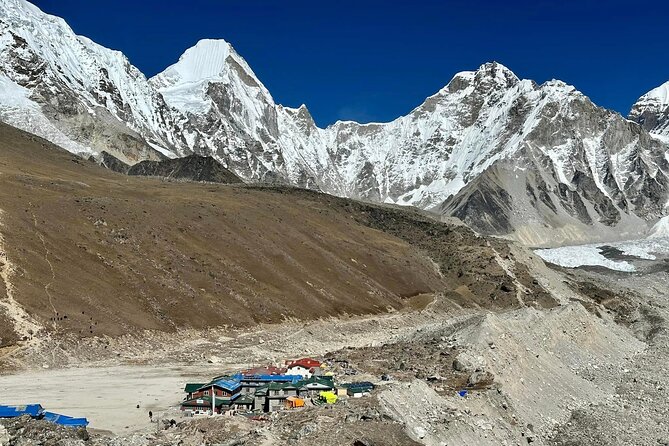
Gorakshep is the staging point for Base Camp and the following day’s Kalapatthar walk. From here, the route to Everest Base Camp is a major target, but the exact visual reward depends on weather and seasonal conditions.
The spring and autumn seasons are recommended because conditions are generally more stable for mountain views and helicopter operations. No season guarantees clear skies, so keep your expectations flexible.
The price includes the helicopter fare from Gorakshep to Kathmandu on a shared basis. That is a major part of the package value, but you should confirm the precise flight timing with the operator, since Day 10 also includes the Kalapatthar hike.
Day 10: Kalapatthar and the helicopter return
The itinerary takes you from Gorakshep to Kalapatthar, at 5,545 meters, or 18,192 feet. This is the highest point named in the program and one of the most sought-after viewpoints on the Everest route.
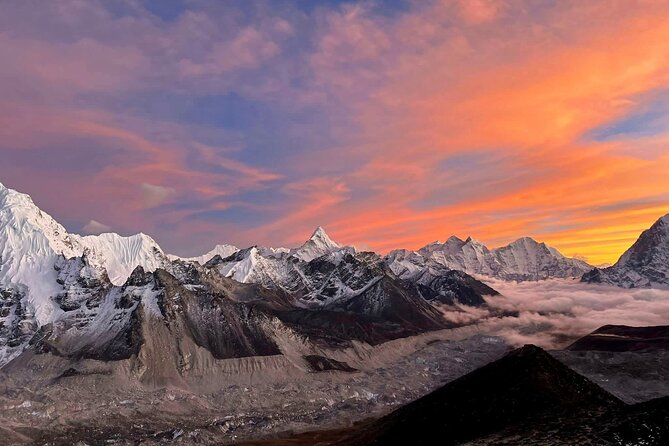
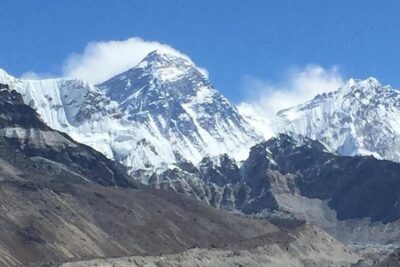
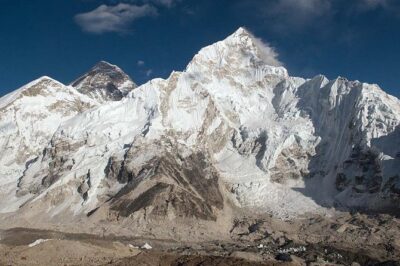
Kalapatthar is valued for its broad views of the Everest range. Clear weather is essential, so the experience can vary sharply from one morning to the next. The schedule describes panoramic views, but mountain visibility is never guaranteed.
After the high walk, you return to Gorakshep for the helicopter trip toward Kathmandu. The flight is shared, which keeps the package more practical than a private charter, but it also means the exact seating and departure timing may depend on operating conditions.
This is the trip’s cleverest design choice. A standard Base Camp itinerary usually requires a long descent after reaching the objective. Here, you get the walking achievement and then a fast aerial exit. The flight also lets you see the route from above, adding a second viewpoint to the mountain experience.
Weather can delay flights. The package includes travel and rescue arrangements, but extra nights, meals, and mountain expenses caused by bad weather or other delays are not included. You should have insurance that covers trekking and rescue, since insurance itself is excluded.
Day 11: Returning home from Kathmandu
A company representative takes you to the airport about three hours before your scheduled flight. The experience ends back at the airport meeting point.
The schedule allows little room for error on departure day, so keep your luggage and documents ready the night before. If the helicopter is delayed or you return early from the mountain, extra Kathmandu accommodation may be charged separately.
The package includes a farewell dinner at an authentic Nepalese restaurant with a cultural performance. The description does not place this meal on a specific day, but it gives the trip a useful city-based ending before your flight home, provided your schedule allows it.
What the $4,500 price covers
At $4,500 per person, this is a high-cost Everest Base Camp program. The value comes from the number of major services bundled into one price:
- Airport pickup and private hotel transfer
- Two nights in a five-star Kathmandu hotel with breakfast
- Kathmandu to Lukla or Ramechhap to Lukla airfare
- Experienced guide and one porter for every two clients
- TIMS permit and Khumbu Valley fees
- Twin-sharing upgraded teahouses
- Breakfast, lunch, and dinner during the trek
- Duffle bag and company T-shirt
- Shared helicopter fare from Gorakshep to Kathmandu
- First-aid supplies and travel and rescue arrangements
- Farewell dinner with a cultural performance
The helicopter is the key cost driver and the feature that changes the shape of the trip. If you mainly want the classic long return walk, this package may offer more than you need. If you value time, comfort, and the chance to see the region from the air, the added cost has a clear purpose.
Budget for exclusions. International flights, Nepal visa fees, travel and rescue insurance, Kathmandu meals, extra hotel nights, personal expenses, tips, hot showers, laundry, phone calls, battery charging, and bottled or boiled water are not included.
The cancellation terms are straightforward: cancel at least 24 hours before the local start time for a full refund. Cancellations or changes made later are not accepted for a refund.
Who should book this trek
I would recommend this trip to a fit hiker who wants Everest Base Camp but does not want to spend the entire return journey walking back down. It also suits a family group that values a private format and a more comfortable hotel and teahouse plan.
You should be comfortable with five to seven-hour walking days at high altitude. The program requires moderate physical fitness, but the altitude makes the trek more demanding than that phrase may suggest.
This is a good fit if you value support. The company provides airport transfers, permits, a guide, porter support, meals, accommodation, and a duffle bag. The positive service comments specifically highlight Prakash’s guiding and Bhagwat’s organization, communication, and personal attention during planning.
It is less suitable if you want a low-cost independent trek, a large social group, or a guaranteed helicopter departure. Weather can affect flights, and the operator clearly places extra delay costs on you.
Final call: a polished route with a costly but useful shortcut
I like the balance of walking and flying. You still experience the trail on foot, including Namche Bazaar, Tengboche, Dingboche, Lobuche, Gorakshep, Base Camp, and Kalapatthar. Then the helicopter saves several days of descending and gives you a different view of the Everest region.
The strongest practical features are the two acclimatization days, private group setup, upgraded teahouses, and personal support from the guide and company team. The main question is value. At $4,500, you are paying for organization and the helicopter as much as for the trek itself.
Book it if you want a supported, comfort-focused Everest Base Camp experience and can handle the altitude. Compare other options if your budget is tight or if the long return walk is part of what you want.
FAQ
How long is the Luxury Everest Base Camp Trek?
The trek lasts approximately 11 days, beginning with airport pickup in Kathmandu and ending at the Kathmandu airport after the return arrangements.
Does the package include a helicopter flight?
Yes. A shared helicopter flight from Gorakshep to Kathmandu is included. Helicopter operations can be affected by bad weather.
Are flights between Kathmandu and Lukla included?
Yes. The package includes a Kathmandu to Lukla or Ramechhap to Lukla flight ticket.
Are meals included during the trek?
Breakfast, lunch, and dinner are included during the mountain trek. Meals in Kathmandu are not included.
How many acclimatization days are included?
Two acclimatization days are included, one around Namche Bazaar at about 3,880 meters and one in Dingboche at about 4,360 meters.
Is the trek private?
Yes. This is a private activity, so only your own group takes part. One porter is provided for every two clients.
Just added around Kathmandu
- Private Half-Day Tour of Boudhanath and Pashupatinath Temples in Kathmandu★ 4.5 · 9 reviews
- Private Half-Day Tour of Kathmandu Durbar Square and Swayambhunath Temple★ 4.5 · 11 reviews
- Namobuddha Monastery Hiking Day Tour via Panauti from Kathmandu★ 5.0 · 15 reviews
- Private Full-Day Kathmandu City Tour★ 5.0 · 9 reviews
- Private Day Tour in Kathmandu Valley Rim with Bhaktapur Sightseeing★ 5.0 · 3 reviews
- Private Half Day Budhanilkantha Tour★ 5.0 · 6 reviews
- Private Day Tour: Patan and Bhaktapur from Kathmandu★ 4.5 · 6 reviews
- Private Day Tour – Sacred Journey to Namo Buddha★ 5.0 · 5 reviews
Everest Base Camp Treks, compared.
Everest Base Camp Trek with Helicopter Return from Gorakshep to Lukla
Read our review →Browse the lists this tour appears in