
Reviewed · EVEREST BASE CAMP TREKS
Luxury Everest Base Camp Trek – 11 Days
The main draw here is simple: you walk to Everest Base Camp without giving up every comfort along the way. A helicopter flight from Kathmandu to Lukla saves time at the start, while another flight from Gorak Shep back to Kathmandu avoids the long return trek.
I like the careful acclimatization built into the route, especially the rest day in Namche Bazaar and the extra time around Dingboche. I also like the personal support: guides such as Prakash, Keshab, Babu, and Ram have been praised for keeping people safe and helping them manage the hard days. The main catch is the altitude. This is still a serious high-mountain trek, not a soft holiday with a few scenic walks.
Key points to know before booking
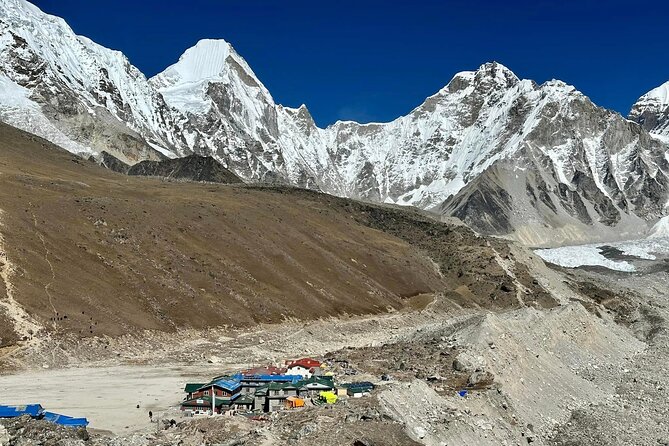
- Helicopter flights save precious time: You fly from Kathmandu to Lukla and from Gorak Shep back to Kathmandu.
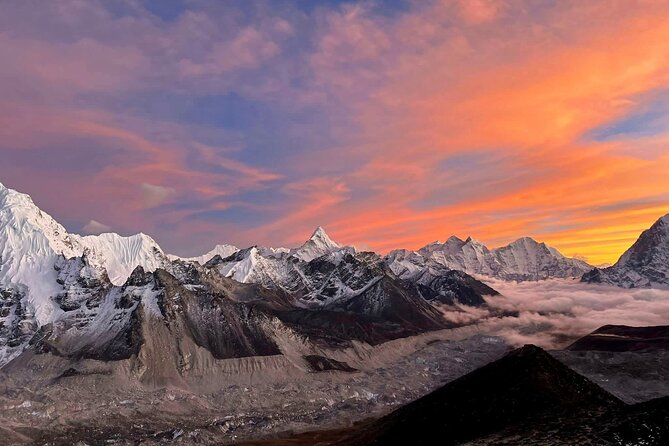
- Kala Patthar adds the big view: The early morning climb gives you a fine vantage point near Everest, above Gorak Shep.
- Namche and Dingboche are used for acclimatization: These pauses matter as you climb toward 5,164-meter Gorak Shep.
- The price includes substantial support: Lodging, guides, porters, meals on the trek, permits and taxes are included.
- The group can reach 15 people: That is small enough for a personal feel, but not the same as a private trek.
- Weather can change the plan: Flights in the Everest region depend on conditions, so flexibility is essential.
What $4,070 buys you in the Everest region
At $4,070 per person, this is an expensive trek. But the price includes more than a standard walking tour. You receive a Kathmandu to Lukla helicopter flight, a helicopter from Gorak Shep to Kathmandu, accommodation during the trek, guides and porters, their wages, insurance and meals, along with listed fees and taxes.
That package matters in a region where transport is difficult and weather can disrupt plans. The helicopter at the end is especially valuable. After reaching Base Camp and Kala Patthar, you do not have to retrace the full route on foot.
The word luxury needs a little care here. The experience offers luxury accommodation during the trek, but the supplied details do not name the lodges or describe their rooms, bathrooms, heating, or dining service. You should ask for the exact properties before paying. In remote Himalayan villages, luxury usually means the best available option, not a city five-star hotel.
The package includes breakfast on nine days, lunch on eight days, and dinner on eight days. Meals in Kathmandu are mostly excluded, apart from breakfast and a farewell dinner. You also pay for bottled or other drinking water, cold drinks, laundry, internet, phone calls, shopping, personal items, travel insurance, international flights, extra Kathmandu hotel nights, and crew tips.
That list makes the value easier to judge. If you want a supported trek with porters and two helicopter transfers, the price may be reasonable for your budget. If you mainly want the cheapest route to Base Camp, this is not the right product.
More Everest Base Camp Treks in Kathmandu:
- Everest Base Camp Trek – 14 Days
★ 5.0 · 1,499 reviews - Everest Base Camp Trekking
★ 5.0 · 485 reviews - Everest Base Camp Trekking – 13 Day
★ 5.0 · 365 reviews
Day 1: A calm start in Thamel
Your guide meets you at the airport and takes you to your booked hotel in Thamel. This is a useful first step after a long international flight. Thamel is Kathmandu’s main base for trekking, with shops, restaurants, and easy access to city services.
The first day is not packed with sightseeing. That is probably wise. You can rest, sort your gear, and meet the team instead of rushing into a full program. The experience lists airport pickup, which removes one common worry after landing in an unfamiliar city.
The itinerary does not specify extra Kathmandu sightseeing. If you want temples, markets, or a longer stay in the capital, plan and pay for those nights separately.
Day 2: Helicopter to Lukla, then four hours to Phakding
The day begins early, with a listed meeting time of 5:15 a.m. Your guide transfers you to Kathmandu Airport, and you take a helicopter to Lukla. This is one of the clearest differences between this trip and a standard Everest Base Camp package.
After meeting the rest of the trekking crew in Lukla, you walk to Phakding. The trek takes about four hours. It is a useful opening day because you begin walking without immediately pushing toward extreme altitude.
The helicopter saves time, but it does not remove the physical work. You still need to walk on uneven mountain trails, and the route begins a steady pattern of climbs and descents. Keep your first day measured. Fresh legs can tempt you to walk too fast.
Day 3: Pine forests and the climb to Namche Bazaar
The route toward Namche passes through Monjo and continues along pine forest trails. The ascent becomes more demanding as you approach the famous Sherpa town.
Namche Bazaar is one of the most important stops in the Khumbu region. You get mountain views, local shops, and a chance to see the busy meeting place of trekking groups and Sherpa communities. The town is also a practical place to pause before the route reaches much higher ground.
This is where the support team becomes important. Porters carry the main load, but you still need to manage your daypack, water, clothing, and personal pace. A good guide will help you avoid the common mistake of treating the first hard climb as a race.
A few more Kathmandu trips to weigh up
- Nagarkot Sunrise View and Day Hiking from Kathmandu
★ 5.0 · 471 reviews - Annapurna Circuit Trek with Tilicho Lake
★ 5.0 · 368 reviews - Everest Base Camp Trek -14 Days
★ 5.0 · 321 reviews - Annapurna base camp trek 5 Days
★ 5.0 · 252 reviews
Day 4: The Everest View Point and a needed rest day
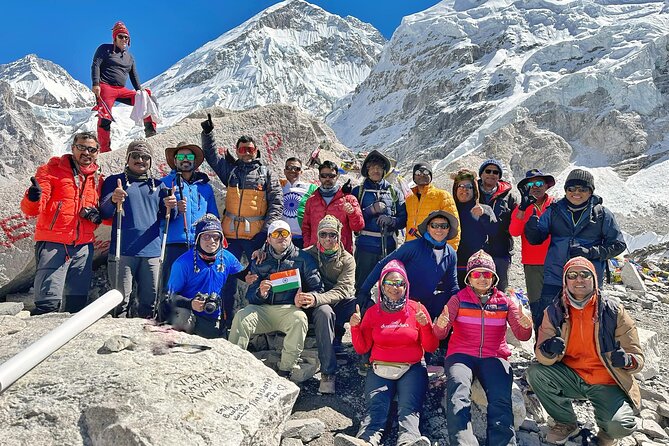
The fourth day is devoted to acclimatization around Namche, including the Everest View Point. The itinerary describes this as a slower day, with time to rest and explore the town rather than take on a long mountain crossing.
That pause has real value. You are already higher than at the start, and the route soon becomes more demanding. An easy outing near Namche lets you gain height without spending the entire day at a higher sleeping elevation.
I like this part of the plan because it treats altitude as a serious issue. You can walk to the viewpoint, enjoy the peaks, then return to Namche. You should still expect the symptoms of altitude to vary from person to person. The supplied information specifically asks people with asthma problems to consider the physical demands, so discuss the trek with your doctor if breathing is a concern.
Day 5: Rhododendron forest and Tengboche
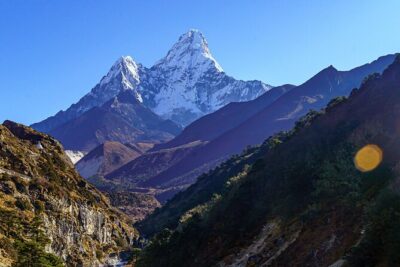
The walk to Tengboche passes through rhododendron forest and leads to one of the region’s most important cultural sites. Tengboche is known for its monastery, where the setting feels as important as the building itself.
The trail also gives you a change of scenery from Namche. You leave the town behind and move into a quieter mountain route, with the peaks opening around you as the path rises and falls.
Tengboche is not only a photo stop. The monastery gives the trek a spiritual side that a simple point-to-point hike would miss. Take time to be respectful, quiet, and attentive if you enter the grounds.
Day 6: Reaching 4,410-meter Dingboche
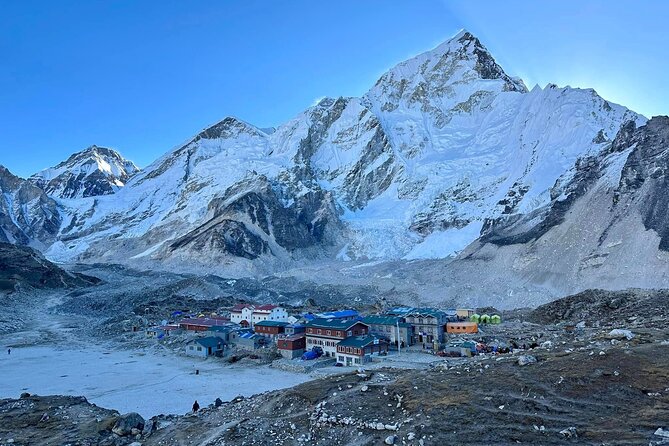
From Tengboche, the trek continues toward Dingboche, at an altitude of 4,410 meters. The walk generally takes five to six hours, and the village sits in the Imja Valley.
This is a major change in the trip. The air is thinner, the walking feels slower, and small climbs can require real effort. You will want warm layers, a steady pace, and patience with your own body.
Dingboche is used for further acclimatization. The plan does not simply push you from Namche to Base Camp in one long stretch. That makes the schedule more sensible, though no itinerary can guarantee that every person will adjust well.
Day 7: Chukhung and another acclimatization opportunity
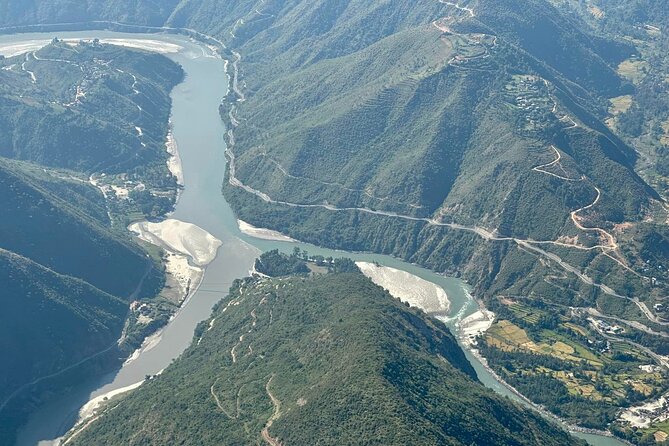
The trek to Chukhung brings you closer to the high peaks while giving your body more time to adjust. The stop is described as an important part of acclimatization, not just an optional side trip.
At this altitude, the goal is not speed. You should focus on walking steadily, drinking enough water, and telling your guide if you feel unwell. The package includes a guide and porters, and the team’s role is especially useful here, where physical condition can change quickly.
The itinerary gives Chukhung about 30 minutes as a listed stop, so ask your operator how much actual walking and time there is on your departure date. The day-by-day descriptions contain a few numbering mismatches, with some stops referring to the following day. Confirm the exact schedule before you go.
Day 8: Along the Khumbu Glacier toward Lobuche
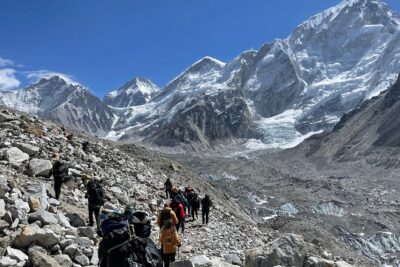
The route to Lobuche passes by the terminal moraine of the Khumbu Glacier. The surroundings become more severe as you leave the lower forests and move into the high mountain zone.
This is a day for scenery and concentration. The trail is not described as technically climbing, but altitude makes ordinary walking harder. You will likely notice that the views are large and dramatic while your pace becomes modest.
Lobuche serves as an important staging point before Gorak Shep and Base Camp. Accommodation details are not provided, so ask what luxury lodging means at this stop. You should also confirm how meals, heating, and sleeping arrangements work at the higher villages.
Day 9: Gorak Shep and Everest Base Camp
The trek reaches Gorak Shep, at 5,164 meters. This is the last stop before Everest Base Camp and one of the highest sleeping points of the trip.
From there, you continue to Everest Base Camp. Reaching the camp is the emotional center of the journey, but the setting may not look like the clean, open viewpoint shown in posters. It is a working high-altitude site whose appearance can change with the season and climbing activity.
The walk is demanding because of the altitude, not only the distance. Your guide’s experience matters here. Several team members named in past trips, including Prakash, Keshab, Babu, and Ram, have been praised for helping people through difficult sections and looking after those affected by mountain sickness.
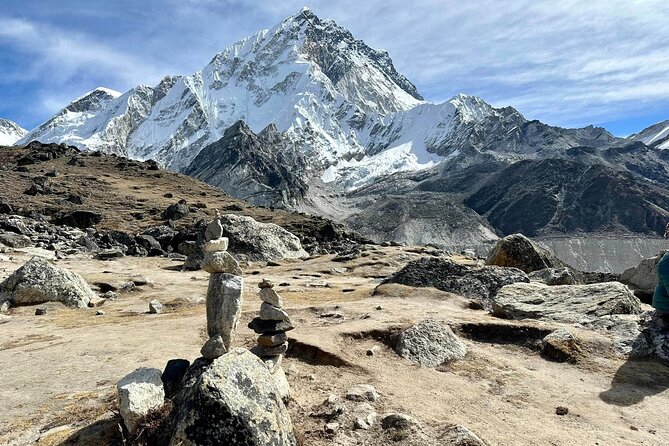
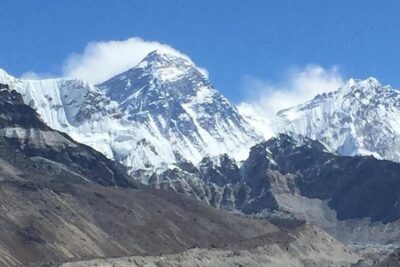
You should understand one important point: Base Camp is not the summit of Everest, and it does not provide the best broad view of the mountain itself. That is why Kala Patthar the next morning is such a valuable part of the plan.
Day 10: Kala Patthar at first light, then helicopter to Kathmandu
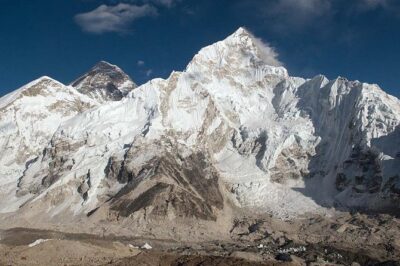
You rise early for Kala Patthar, a landmark on the south ridge of Pumori above Gorak Shep. The climb begins with the first light of morning, when the surrounding peaks take on changing colors.
This is likely the strongest viewpoint of the entire route. You get the satisfaction of reaching Base Camp, then a high perch from which to look across the Everest region. The early start is hard, but it is built around the quality of the mountain light.
After Kala Patthar, you return for the helicopter flight from Gorak Shep to Kathmandu. That flight is a major comfort after several days at high altitude. It also reduces the risk of losing extra days on the return route, though weather can still affect helicopter operations.
The itinerary calls the landing stop Helicopter Landing at Kalapathar, so confirm the exact flight arrangement. Helicopter access in the high mountains depends on safe flying conditions.
Day 11: Airport transfer and departure
The final day is for transfer to the airport and your flight home. The package does not include international flights, so you will need to arrange those independently.
Do not schedule a tight same-day connection unless the operator confirms the timing. The plan includes a helicopter transfer, and mountain weather can change flight schedules. An extra Kathmandu night is not included, but adding one may be sensible if your international departure time allows it.
Guides, porters, and the human side of the trek
The strongest part of this experience is the level of support. Guides and porters are included, along with their daily wages, insurance, and meals. That gives you a clear idea of where part of the price goes.
The team has also shown an ability to adjust when plans become difficult. Past trips included canceled flights and changing weather, with the organizer Surya working through local arrangements. That does not guarantee a perfect schedule, but it suggests that local contacts and quick decisions are built into the operation.
Specific guides have received strong praise for care and character. Prakash has been associated with airport arrangements, Kathmandu touring, and the Base Camp route. Keshab has been praised for his cultural knowledge and friendly manner. Babu helped a group manage mountain sickness, while Ram supported a solo trekker who felt safe throughout the journey.
You should still ask who will lead your departure. Names from earlier groups are useful evidence of the company’s staff, but they do not guarantee your assigned guide.
Group size, fitness, and who should book
The maximum group size is 15 people. That is manageable for a high-altitude trek, though the pace may not suit everyone in a larger group. Ask how the company handles different walking speeds and what happens if one person needs to stop or descend.
The tour requires moderate physical fitness, but I would treat that description cautiously. The route reaches 5,164 meters, includes several five-to-six-hour walking days, and finishes with an early climb to Kala Patthar. You should be comfortable with sustained walking and prepared for thin air.
This trip suits you best if you want:
- A supported Everest Base Camp experience
- Helicopter transport at both ends
- Better accommodation than a basic trekking package offers
- A planned acclimatization schedule
- Help from guides and porters
- A group setting rather than a fully private journey
It may not suit you if you want a slow, independent trek, a low-cost package, or full control over every overnight stop.
What to confirm before paying
Ask for the names and locations of the luxury accommodations. Request clear information about room standards, bathrooms, heating, and meal arrangements at high-altitude stops.
Also confirm the exact day order. The supplied schedule has a few day-number references that do not line up perfectly, though the overall route is clear: Kathmandu, Lukla, Phakding, Namche, Tengboche, Dingboche, Lobuche, Gorak Shep, Everest Base Camp, Kala Patthar, and Kathmandu.
Travel insurance is not included. You should arrange a policy that covers high-altitude trekking and helicopter evacuation if appropriate for your needs. Tips are also separate, so budget for the crew.
Free cancellation is available if you cancel at least 24 hours before the start time. Poor weather or failure to meet the minimum group size can lead to a new date or a full refund. Ask how weather-related helicopter changes are handled in practice.
Should you book this Everest Base Camp trek?
I would recommend this trip if you want the classic Everest Base Camp route but do not want to spend another week walking back to Lukla. The two helicopter flights, included porters, planned acclimatization days, and high level of staff support give the $4,070 price a clear purpose.
I would not book it without confirming the lodge standards and the exact helicopter plan. Luxury is a useful selling point, but it needs a precise definition in a remote region.
Book it if comfort, time savings, and organized support matter more to you than keeping costs low. Skip it if your main goal is an economical trek or if you are not ready for the physical demands of 5,164 meters.
FAQ
How long does the Luxury Everest Base Camp Trek take?
The experience lasts approximately 11 days, including airport arrival, the trek to Everest Base Camp, the Kala Patthar visit, the helicopter return to Kathmandu, and departure.
What is the price per person?
The listed price is $4,070 per person.
Is airport pickup included?
Yes. A guide meets you at the airport on arrival and transfers you to your booked hotel in Thamel.
Are helicopter flights included?
Yes. The package includes a helicopter from Kathmandu to Lukla and a helicopter from Gorak Shep to Kathmandu.
Are meals included?
Breakfast is included on nine days, lunch on eight days, and dinner on eight days. Meals in Kathmandu are not included except for breakfast and a farewell dinner.
Is travel insurance included?
No. Travel insurance is not included, so you need to arrange it separately.
How large can the group be?
The maximum group size is 15 people.
Can I cancel for a full refund?
You can cancel at least 24 hours before the experience start time for a full refund. Poor weather or failure to meet the minimum number of travelers may also result in a different date or a full refund.
Just added around Kathmandu
- Private Half-Day Tour of Boudhanath and Pashupatinath Temples in Kathmandu★ 4.5 · 9 reviews
- Private Half-Day Tour of Kathmandu Durbar Square and Swayambhunath Temple★ 4.5 · 11 reviews
- Namobuddha Monastery Hiking Day Tour via Panauti from Kathmandu★ 5.0 · 15 reviews
- Private Full-Day Kathmandu City Tour★ 5.0 · 9 reviews
- Private Day Tour in Kathmandu Valley Rim with Bhaktapur Sightseeing★ 5.0 · 3 reviews
- Private Half Day Budhanilkantha Tour★ 5.0 · 6 reviews
- Private Day Tour: Patan and Bhaktapur from Kathmandu★ 4.5 · 6 reviews
- Private Day Tour – Sacred Journey to Namo Buddha★ 5.0 · 5 reviews
Everest Base Camp Treks, compared.
Everest Base Camp Trek with Helicopter Return from Gorakshep to Lukla
Read our review →Browse the lists this tour appears in