
Reviewed · EVEREST BASE CAMP TREKS
Kathmandu: 15-Day Everest Base Camp Trek with Guide
The real prize here is the gradual change from Kathmandu’s crowded temple squares to the high Khumbu, where Sherpa villages, Buddhist monasteries, suspension bridges, and snow peaks become part of your daily walk. I like the two acclimatization stops, especially the viewpoint hike above Namche and the Chhukung Valley outing from Dingboche. I also like the practical support: airport transfers, a Kathmandu sightseeing day, permits, a guide, and mountain gear are built into the plan.
The main caution is the price headline. At $675 per person, it looks like a bargain, but flights to Lukla, trek meals, insurance, drinks, and porters are not included. Lukla weather can also upset the schedule. One group missed Everest Base Camp after two failed flight attempts and was offered the Annapurna Circuit instead, so ask about flight disruption and refund terms before paying.
Key points to know before you book
- Kathmandu sightseeing comes first: Visit Kathmandu Durbar Square, Swayambhunath, Boudhanath, and Pashupatinath with a private car and guide.
- Namche gets a real acclimatization day: The plan includes a hike to the Everest View Hotel near Syangboche at about 3,850 meters.
- Dingboche adds another useful rest day: The Chhukung Valley outing gives you a scenic high-altitude walk without changing lodgings.
- Sherpa guides are central to the experience: Guides named by past clients include Kale Prakash, Kali, Kumar, Santos, and Dillisher Katuwal.
- The $675 price excludes major items: Lukla flights, meals on the trail, insurance, city entrance fees, drinks, and porters are extra.
- The schedule needs clarification: The plan reaches Gorakshep on Day 10, but you should confirm exactly when the Everest Base Camp walk takes place.
From Kathmandu temples to the Lukla runway
Your first day is simple and useful. A private car meets you at Kathmandu International Airport and takes you to your hotel. You then receive trek information from your guide, with time to sort out equipment and ask last-minute questions.
Day 2 is not filler. A private-car tour covers Kathmandu Durbar Square, Swayambhunath, Boudhanath, and Pashupatinath, giving you a quick introduction to Nepal’s art, Buddhist practice, and Hindu traditions. Pashupatinath is also a cremation site, so approach it with quiet respect. The day gives you cultural context before the trek turns toward mountain villages.
This is also a good time to check your gear. One December client needed help getting trekking equipment and praised the support. The operator also helped another person recover delayed luggage from the airport. Those small jobs matter in Nepal, where a missing bag or unsuitable jacket can become a serious nuisance.
Day 3 begins with the flight from Kathmandu to Lukla, or from Ramechhap when flight operations require it. The airfare is not part of the $675 package, and the company can arrange it for an added charge. Confirm the departure airport, flight cost, baggage rules, and what happens if weather cancels the flight.
From Lukla, you make an easier first walk toward Phakding. The short opening stage helps you settle into the rhythm without immediately forcing you into the hardest climbs. The route then enters Sagarmatha National Park, a World Heritage Site, and begins following the Dudh Koshi valley.
More Everest Base Camp Treks in Kathmandu:
- Everest Base Camp Trek – 14 Days
★ 5.0 · 1,499 reviews - Everest Base Camp Trekking
★ 5.0 · 485 reviews - Everest Base Camp Trekking – 13 Day
★ 5.0 · 365 reviews
Days 4 and 5: Namche offers the first mountain test
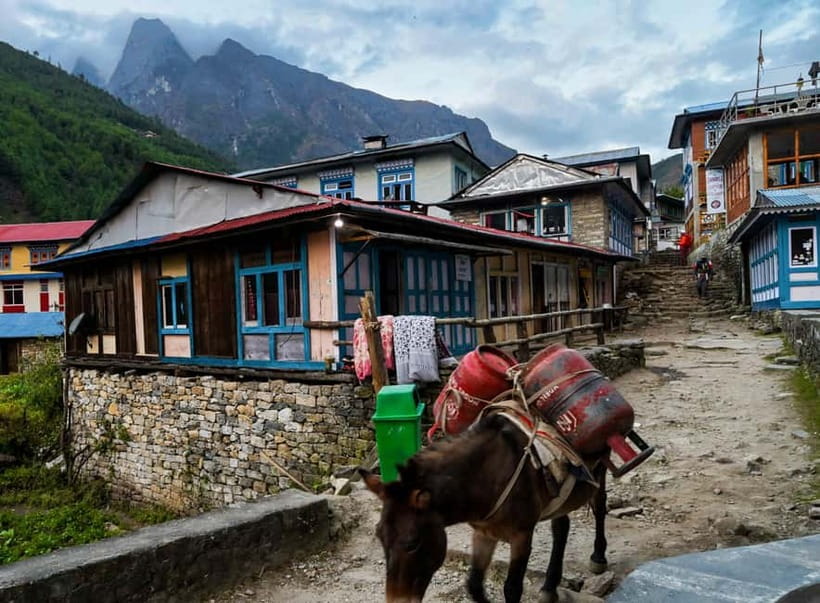
The walk to Namche Bazaar is one of the early turning points. You follow the Dudh Koshi, pass through rhododendron forest, and climb toward the large Sherpa trading town. The route is not just a steady stroll. The final ascent demands patience, especially if your legs are still adjusting to the altitude.
Namche is a practical stopping place because it has long served both local Sherpa communities and people heading farther into the Khumbu. It is also where the surrounding peaks begin to feel close and serious. The town gives you a chance to rest, eat, organize your pack, and prepare for colder days.
Day 5 is an acclimatization day rather than a complete day off. You hike up toward Syangboche and the Everest View Hotel, reaching roughly 3,850 meters. The point is not simply the view. A higher daytime walk followed by sleep at a lower altitude helps your body adjust, while the return to Namche keeps the schedule manageable.
I like this part of the itinerary because it respects the basic rule of high-altitude trekking: gain height gradually, then give yourself time to adjust. Still, a viewpoint hike is not a guarantee against altitude sickness. Tell your guide quickly if you develop symptoms. One client specifically credited Kale Prakash with taking careful care of them after they became ill.
Days 6 to 8: Monastery views and a second acclimatization base
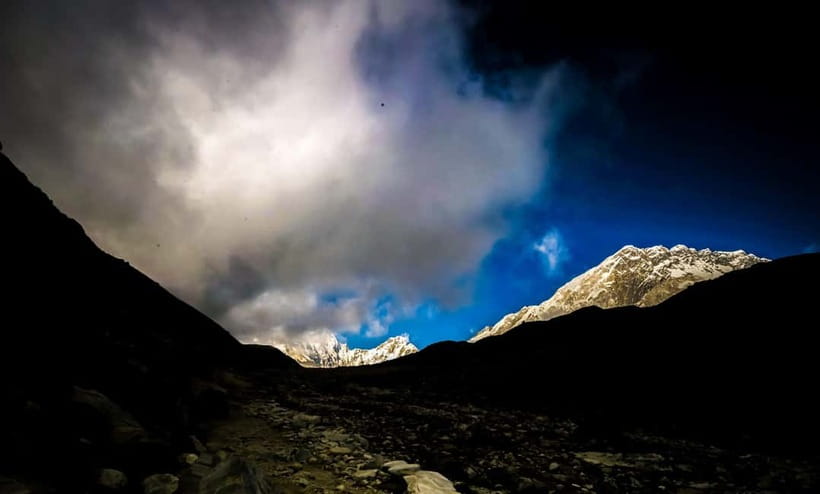
From Namche, the trail climbs toward Tengboche. The air gets colder, and the walking feels more demanding. After about two hours of climbing, you reach Tengboche Monastery at roughly 3,867 meters, positioned on a ridge with broad views toward Sagarmatha.
Tengboche is one of the most meaningful stops on the route because the monastery gives the trek a clear cultural center. You are not only counting kilometers toward Base Camp. You are passing through a living Sherpa region where Buddhist practice remains part of everyday life. Your guide can add context as you visit villages and religious sites.
Day 7 takes you onward to Dingboche, passing Imja Khola, Pangboche, and Pheriche. The route brings you closer to the Khumbu Glacier and higher mountain country. Villages become more widely spaced, and the cold, thin air makes every climb feel more deliberate.
Pangboche and Pheriche are valuable stops because they show how people live in a demanding high-altitude setting. The itinerary specifically emphasizes local Sherpa customs and village life, so use the walking time to ask questions rather than treating every settlement as a quick photo stop.
Day 8 is another acclimatization day, with a trip to Chhukung Valley and a return to Dingboche. This is one of the plan’s strongest design choices. You gain more altitude during the day, see a different section of the Khumbu, and sleep again at Dingboche instead of pushing onward.
The description calls Chhukung one of the world’s best hikes, but that is a subjective claim, not a promise of an easy outing. At this height, even a moderate walk can feel tough. Comfortable shoes and sunglasses are listed as essentials, and I would add warm layers, water protection, and a willingness to move slowly.
Days 9 to 11: Lobuche, Gorakshep, and Kala Patthar
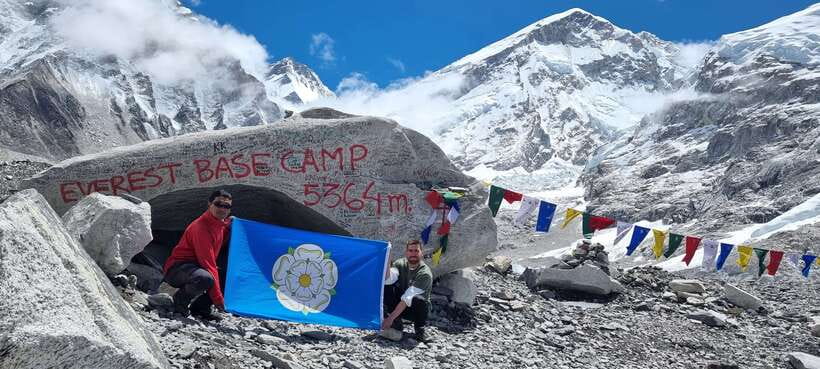
Day 9 leads to Lobuche. The route becomes more austere, with fewer trees and a greater sense of exposure. The stop is mainly about positioning you for the high point of the trek, so do not expect a relaxed village day.
Day 10 takes you from Lobuche to Gorakshep, a small settlement beside a frozen lake. Gorakshep serves as the launch point for the Everest Base Camp walk and the overnight stop after the long high-altitude stage. This is likely to be one of the hardest parts of the program because you are walking high, sleeping high, and dealing with a packed schedule.
There is an important detail to clarify before booking. The day-by-day description says Gorakshep is the departure point for Everest Base Camp and refers to completing the Everest hike, but it does not clearly spell out the exact timing or distance of the Base Camp walk. Ask the operator whether you go to Base Camp on Day 10, before returning to Gorakshep, and whether weather or trail conditions can change that plan.
Day 11 starts early with the climb to Kala Patthar, followed by the descent to Pheriche. The early start is designed to give you the best chance of clear mountain views. Weather can change quickly, and one October trek had several cloudy, rainy days before a clear morning at Gorakshep finally revealed Mount Everest.
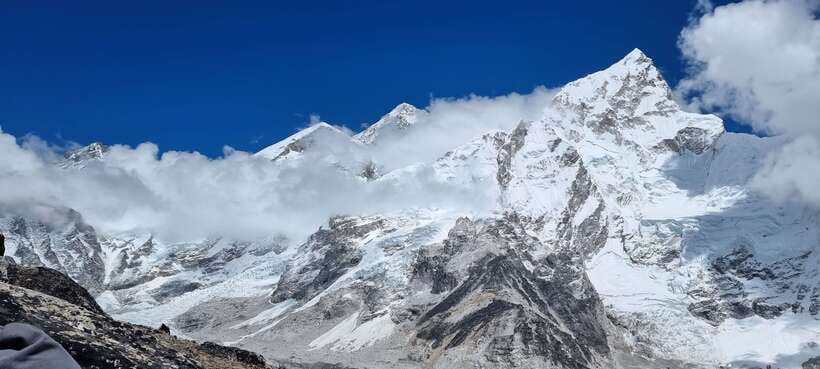
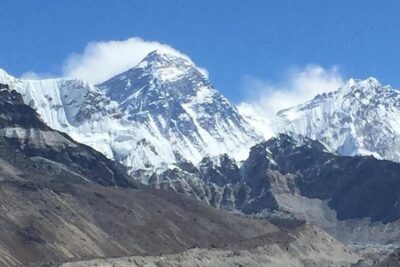
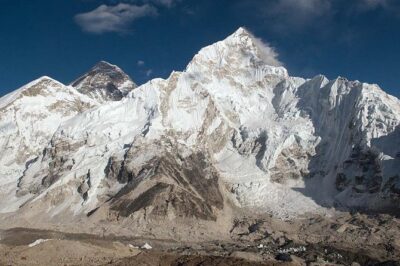
Kala Patthar is a viewpoint rather than Base Camp, but it is a major visual reward. From high on the ridge, you get the broad mountain panorama that many people picture when they think of the Everest trek. The descent to Pheriche is welcome, though going downhill can still be hard on tired knees.
A few more Kathmandu trips to weigh up
- Nagarkot Sunrise View and Day Hiking from Kathmandu
★ 5.0 · 471 reviews - Annapurna Circuit Trek with Tilicho Lake
★ 5.0 · 368 reviews - Everest Base Camp Trek -14 Days
★ 5.0 · 321 reviews - Annapurna base camp trek 5 Days
★ 5.0 · 252 reviews
Days 12 to 15: The long return to Kathmandu
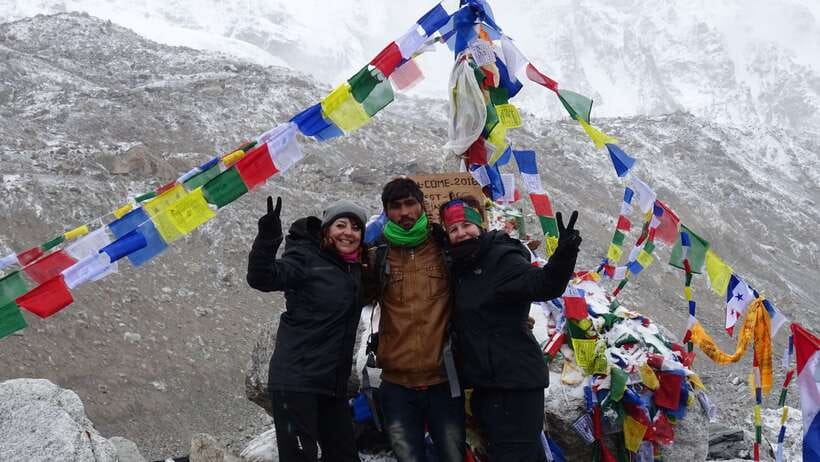
Day 12 begins the return through the Khumbu to Namche Bazaar. Descending usually feels easier for breathing, but the walk is still long, and loose or uneven ground can test your legs. A second night in Namche gives you a more comfortable stop before the final push to Lukla.
Day 13 is the walk to Lukla. The wording correctly hints that this is a long day, though it also marks the satisfying end of the trail section. You have moved from the high glacier zone back through villages and forest, with one more night before the flight.
Day 14 is the flight back to Kathmandu. As with the outbound journey, weather can affect operations, so keeping some flexibility around your international departure is sensible. The package includes a Kathmandu hotel night after the flight, giving you time to rest and recover.
Day 15 provides a private transfer to the international airport. The 15-day frame works well if flights run as planned, but it leaves little room for major disruption. If missing your international flight would be costly, ask about adding a buffer night in Kathmandu.
What the $675 package really covers
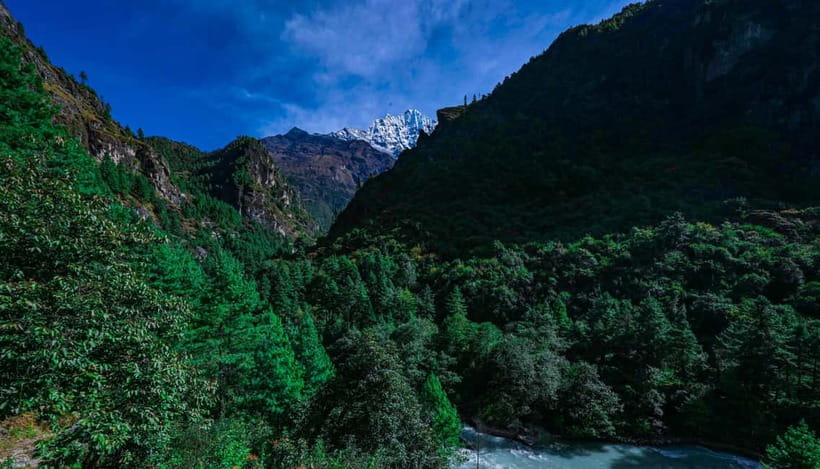
The package includes three nights of standard Kathmandu hotel accommodation, best available guesthouses during the trek, an English-speaking licensed Sherpa guide, staff food and lodging, salaries, insurance, equipment and medicine for staff, national park permits, TIMS permits, government taxes, and airport or hotel transfers by private car.
That is a useful bundle. The permits and staff costs are not small administrative details. They are part of the practical work required to run a trek, and having them handled reduces the number of arrangements you must make yourself.
The private Kathmandu sightseeing car is another good value point. You get more than an airport transfer and a trail guide. You also receive a structured introduction to four major cultural sites before leaving for the mountains.
The exclusions change the real budget:
- Kathmandu to Ramechhap or Lukla and return flights
- Breakfast, lunch, and dinner during the trek
- City entrance fees
- Travel insurance
- Porters, unless added
- Alcoholic drinks, soft drinks, hot drinks, and other unlisted expenses
The porter arrangement deserves special attention. Porters are optional, and the information says luggage service is shared between two people when added. If you want a porter, confirm the exact cost, luggage limit, and whether the service covers the whole trek.
You also receive a down jacket and sleeping bag if needed. Ask what quality and temperature rating are available, and whether you need to return them in Kathmandu. Those items can save you from buying bulky equipment for one trip.
Guides, group size, and the human side
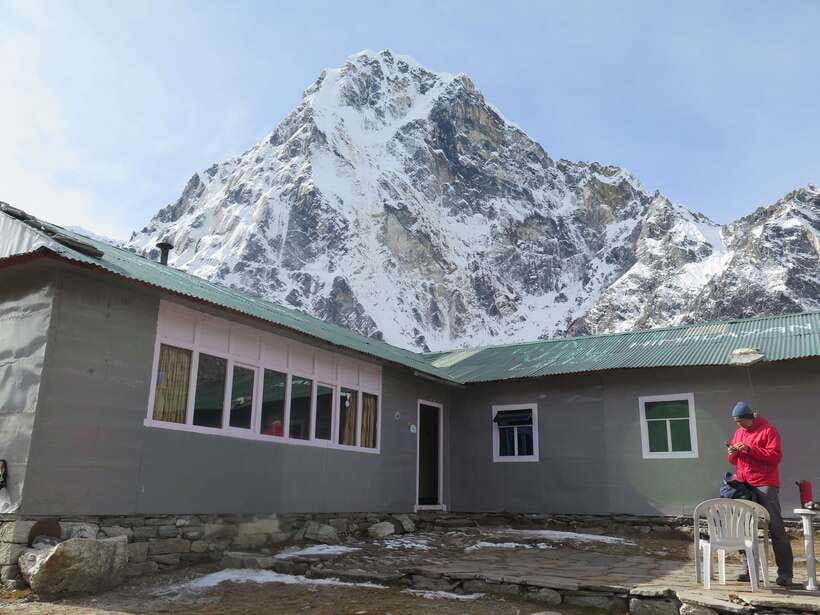
The experience is designed around small groups and an English-speaking Sherpa guide. That can make a real difference on a route where pace, health, weather, and local customs all affect the day.
Specific guides praised for their care and organization include Kale Prakash, Kali, Kumar, Santos, and Dillisher Katuwal. Dillisher was described as especially strong on mountain experience and safety, while Kali, Kumar, and Santos were noted for kindness and practical help. Gokul handled arrangements and route changes for several clients.
You should not assume you will receive a particular guide unless the company confirms it. Still, the repeated pattern is encouraging: airport help, gear checks, clear communication, hotel arrangements, and attention when someone felt sick were all important strengths.
The advertised small-group format should suit people who want company without a large crowd. It also allows the guide to adjust pace and offer more direct help. The program says it can accommodate various fitness levels, but Everest Base Camp is still a demanding high-altitude trek. That phrase should not be read as a promise that no training is needed.
Weather, missed flights, and the risk plan
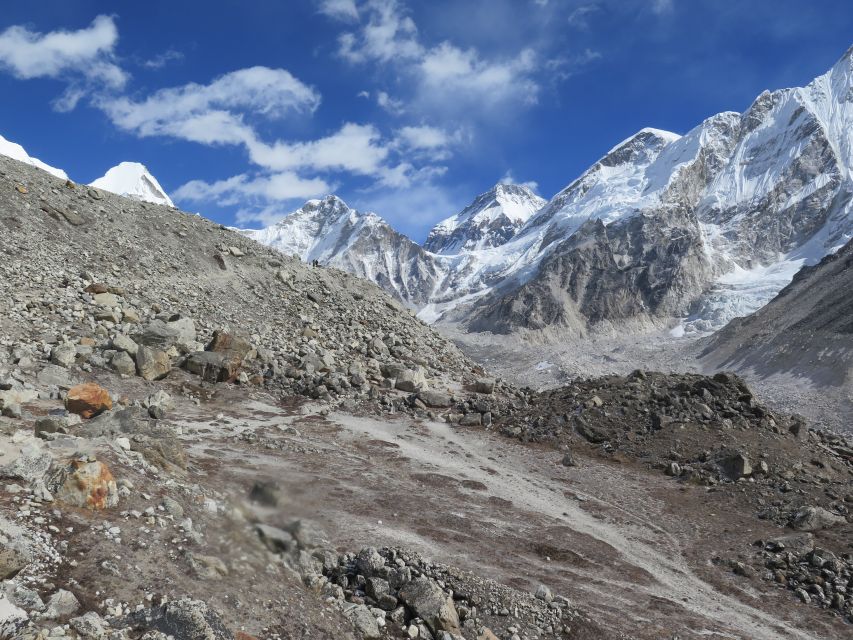
Lukla is the biggest practical uncertainty. Flights can be disrupted by weather, and the information specifically excludes the airfare from the package. One group tried twice, could not fly, and changed to the Annapurna Circuit instead.
The operator arranged a new plan quickly, including a private car, guide, porter, two nights in Pokhara, and an extra Kathmandu night. That shows useful flexibility, but the same group was disappointed that the price difference between the Everest and Annapurna trips was not refunded.
I would ask four direct questions before booking:
- What refund applies if Lukla flights fail?
- Can you change to another trek, and how is the price difference handled?
- Are flight delays covered by the company or by your insurance?
- How much extra time should you leave before your international flight?
Weather can also affect mountain views. A cloudy or rainy day may hide the peaks, even when the trek itself continues. The best approach is to value the villages, monasteries, and route as well as the photographs. Clear skies are a bonus, not a guarantee.
Free cancellation is available up to seven days before the start for a full refund. Travel insurance remains your responsibility, and it is especially important for a high-altitude trek and possible flight disruption.
Who should choose this Everest trek?
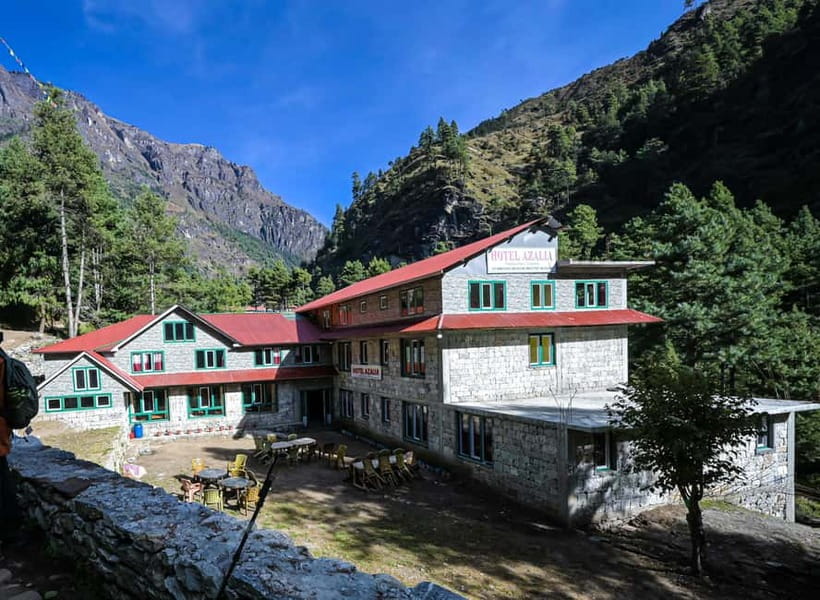
I would choose this trip if you want a guided Khumbu trek with Kathmandu sightseeing already arranged and prefer a company that handles permits, transfers, staff costs, and basic mountain equipment.
It fits you best if you can walk for many hours on uneven trails, accept simple guesthouse accommodation, and cope with cold conditions and altitude. The two acclimatization days help, but they do not remove the physical challenge.
It may not fit you if you need wheelchair access, want meals and flights included in one fixed price, or have no flexibility around the return date. Wheelchair users are specifically listed as unsuitable for the activity.
The trip also suits people who value support over total independence. You can still experience the Khumbu at close range, but you have a guide to explain Sherpa culture, manage route details, and respond when health or weather causes trouble.
Should you book it?
At $675, this is a strong starting price for a 15-day guided Everest Base Camp program, especially with permits, Kathmandu hotel nights, transfers, guide costs, staff support, and a city tour included. The most praised parts are the organization, airport assistance, experienced guides, and care when problems arise.
I would not book it on price alone. Add the Lukla flights, meals, insurance, drinks, city fees, and likely porter cost before comparing it with other operators. Then get the Base Camp timing and weather-compensation policy in writing.
If those details suit you, this is a practical way to tackle the Everest route with strong logistical support. If your schedule is tight or you want every cost fixed in advance, choose a package with flights, food, and disruption terms clearly included.
FAQ
How long is the Everest Base Camp trek?
The full activity lasts 15 days, including arrival and departure transfers, Kathmandu sightseeing, the trek, the flights to and from the Khumbu, and hotel nights in Kathmandu.
What is included in the $675 price?
The price includes private airport and hotel transfers, three nights of standard Kathmandu accommodation, a private guided Kathmandu tour, trek guesthouses, an English-speaking licensed Sherpa guide, staff costs, Everest National Park permits, TIMS permits, a down jacket and sleeping bag if needed, and government taxes.
Are flights to Lukla included?
No. Flights from Kathmandu or Ramechhap to Lukla and back are excluded. The company can arrange or book them as an optional service.
Are meals included during the trek?
No. Breakfast, lunch, and dinner during the trek are not included.
Are porters included?
No. Porters are optional and available as an added service. The information states that luggage service can be shared between two people.
What sights are included in the Kathmandu tour?
The tour visits Kathmandu Durbar Square, Swayambhunath, Boudhanath, and Pashupatinath, including the cremation temple area.
Is there an acclimatization day?
Yes. Day 5 is an acclimatization day in Namche Bazaar, with a hike toward the Everest View Hotel at about 3,850 meters. Day 8 is a day trip to Chhukung Valley followed by a return to Dingboche.
Which language does the guide speak?
The live guide service is in English, and the included guide is an English-speaking licensed Sherpa guide.
What should I bring?
Comfortable shoes and sunglasses are specifically listed. A down jacket and sleeping bag can be provided if needed.
Can I cancel for a full refund?
Yes. You can cancel up to seven days in advance for a full refund.
Just added around Kathmandu
- Private Half-Day Tour of Boudhanath and Pashupatinath Temples in Kathmandu★ 4.5 · 9 reviews
- Private Half-Day Tour of Kathmandu Durbar Square and Swayambhunath Temple★ 4.5 · 11 reviews
- Namobuddha Monastery Hiking Day Tour via Panauti from Kathmandu★ 5.0 · 15 reviews
- Private Full-Day Kathmandu City Tour★ 5.0 · 9 reviews
- Private Day Tour in Kathmandu Valley Rim with Bhaktapur Sightseeing★ 5.0 · 3 reviews
- Private Half Day Budhanilkantha Tour★ 5.0 · 6 reviews
- Private Day Tour: Patan and Bhaktapur from Kathmandu★ 4.5 · 6 reviews
- Private Day Tour – Sacred Journey to Namo Buddha★ 5.0 · 5 reviews
Everest Base Camp Treks, compared.
Everest Base Camp Trek with Helicopter Return from Gorakshep to Lukla
Read our review →Browse the lists this tour appears in