Reviewed · GUIDED
Full Day Guided Tour in Kathmandu
Kathmandu’s best introduction is a day that moves from royal courtyards to Hindu cremation ghats, a great Buddhist stupa, and a hilltop shrine crowded with monkeys. This tour links Patan Durbar Square, Pashupatinath, Boudhanath, and Swayambhunath without making you arrange four separate rides.
I like the hotel pickup and the guide-led context, since these places carry customs you should understand before you wander in. I also like the relaxed pace reported by Jaya, a guide who adjusted the start time for one booking. The main catch is that the advertised $5 price does not include the $20 sightseeing admission fee, food, drinks, tips, or personal costs.
Key points
- Four major sights in one outing: Cover Patan, Pashupatinath, Boudhanath, and Swayambhunath in about 4 to 6 hours.
- A guide helps with sensitive places: At Pashupatinath, local customs matter, especially near the river and cremation areas.
- Hotel pickup is included: Transport is supplied by car, jeep, or van according to group size.
- The true cost is higher than $5: Add the stated $20 admission fee per person, plus food and gratuities.
- Small-group format: The maximum group size is 15 people, so this is not a giant coach excursion.
- Festival timing can change the mood: A visit during the Shiva Festival may bring unusual crowds and ceremonies, but also a slower visit.
Four Kathmandu sights, one useful first look
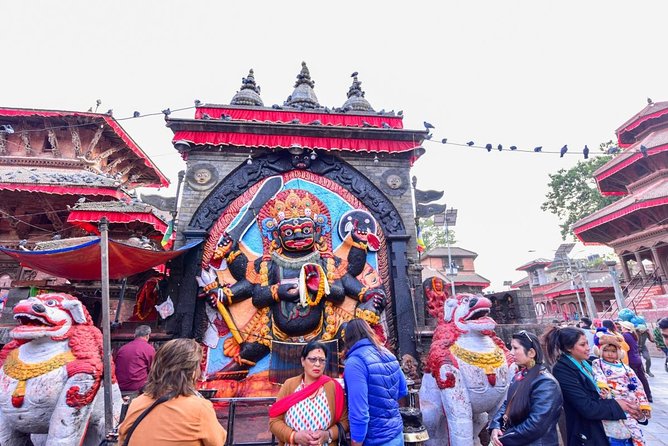
I see this as a sampler of the Kathmandu Valley rather than a full study of any one monument. In a single half-day to full-day outing, you get royal architecture, Hindu worship, Tibetan Buddhist practice, and a hilltop shrine with broad city views.
That range is the tour’s strongest feature. You are not seeing four versions of the same temple. Each stop asks you to pay attention in a different way, and a licensed guide can explain what you are looking at instead of leaving you with a camera full of stonework and no context.
The timing deserves a careful note. The experience is sold as a full-day tour, yet the listed duration is approximately 4 to 6 hours. That is enough for a solid introduction, but it is not an all-day exploration with long meals, extended museum time, or slow wandering through every courtyard.
Pickup begins at about 9:15 am. Your vehicle may be a car, jeep, or van, depending on the size of your group, and the maximum is 15 people. Hotel pickup and drop-off remove much of the morning guesswork, particularly when you are new to Kathmandu and still getting your bearings.
A few more Kathmandu trips to weigh up
- Kathmandu: Full Day 7 UNESCO Tour with Lunch – Private/Group
★ 5.0 · 415 reviews - Kathmandu: Full Day Top 4 UNESCO Tour with Lunch – Private/Group
★ 5.0 · 269 reviews - Kathmandu: Full-Day 7 UNESCO Tour with Lunch – Private/Group
★ 4.9 · 247 reviews
Patan Durbar Square and the royal courtyards
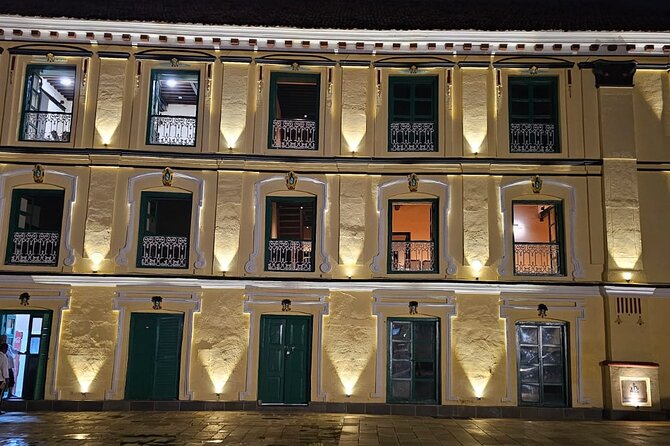
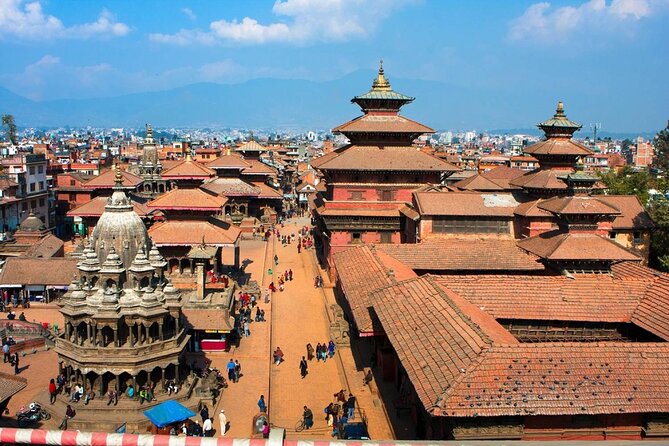
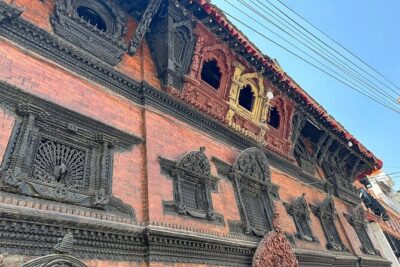
Patan Durbar Square is the first major stop and receives about two hours, the longest allocation of the day. That is sensible. The square is a concentrated display of old palace buildings, temples, courtyards, brickwork, and carved details, and rushing through it would flatten the experience.
I would use this stop to watch the small things. Look at the timber carvings, the layers of the palace complex, and the way religious buildings share space with former royal architecture. The point is not just that kings once lived here. The square shows how court life, worship, craft, and public ceremony were tied together.
The guide is especially useful here because the information supplied for the tour points to special ceremonies and customs that you may not recognize on your own. Ceremonies are not scheduled theater, so you should treat them as a possible bonus rather than a promise. If one is taking place, keep your distance, follow instructions, and let worshippers have priority.
Admission is not included at Patan Durbar Square. The stated sightseeing fee for the day is $20 per person, so set that money aside before you arrive. The tour price itself is remarkably low, but the entrance charge is the figure that makes the total cost more realistic.
Two hours also give you time to ask questions. I would ask about the square’s religious symbols, the purpose of the courtyards, and which carvings have been restored. A good guide can turn a pretty façade into a place with human use and meaning.
Pashupatinath, sacred riverbanks and strict respect
The next stop lasts about one hour at Pashupatinath Temple. This is one of Nepal’s most important Hindu religious sites, beside a river, and it is not simply another monument to tick off.
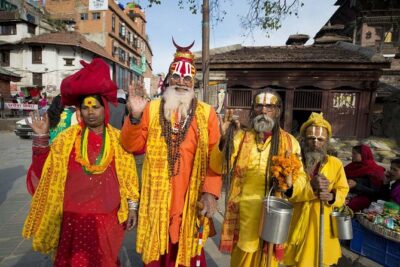
The experience description refers to prayers, offerings, traditions, and flames near the river. That means you may encounter scenes connected with Hindu death rites. You should behave quietly, avoid intrusive photography, and follow your guide’s directions. This is a place where respectful conduct matters more than getting the perfect picture.
Non-Hindus may not be allowed into every part of the temple complex. The supplied information does not spell out the exact access rules, so do not assume that every interior is open to you. The value of the stop comes from seeing the wider sacred setting, learning how the site functions, and observing public areas with care.
One hour can feel brief, but it helps keep the day moving. Pashupatinath can be emotionally powerful, and the guide’s explanation gives you a way to understand what you see without treating religious practice as a display arranged for tourists.
If your visit happens during a major festival, the atmosphere may change sharply. One booking took place on the first day of the month-long Shiva Festival, when crowds added interest but also affected the pace. Festival activity can give you a rare look at living tradition, yet you should expect more people and less room to move.
Boudhanath Stupa and the rhythm of the kora
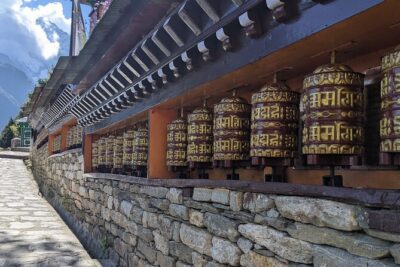
Boudhanath receives around one hour. The great white dome, prayer flags, colorful wheels, and watchful Buddha eyes create a very different setting from Pashupatinath.
Your basic activity here is to walk around the stupa in the direction used for Buddhist prayer, while people chant, pray, and turn prayer wheels. The guide may also arrange a meeting with monks and explain some of their practices. That possibility adds a human element, though the exact form of the meeting is not specified, so treat it as part of the planned experience rather than a guaranteed private audience.
I like this stop because it gives you a chance to slow down. Patan asks you to inspect architecture. Pashupatinath asks you to observe with restraint. Boudhanath lets you notice repeated movement, sound, and ritual. Walk at an unhurried pace and look at how the stupa serves both local religious life and the people who come to pay respect.
An hour is enough for a circuit and an explanation, but not for an exhaustive visit to every nearby shop, shrine, or monastery. If Boudhanath is your main reason for coming to Kathmandu, you may want a separate visit with more time. On this tour, it works well as one part of a broad introduction.
Same mountains, a completely different kind of day:
- Everest Base Camp Trek – 14 Days
★ 5.0 · 1,499 reviews - Private Kathmandu Sightseeing Tour | UNESCO World Heritage sites
★ 5.0 · 756 reviews - Everest Base Camp Helicopter Tour landing at Everest View Hotel
★ 5.0 · 668 reviews - Half day cooking class in Thamel kathmandu
★ 5.0 · 607 reviews
Swayambhunath and the climb to the Monkey Temple
The final stop is Swayambhunath, often called the Monkey Temple, and it lasts about one hour. The shrine sits on a hill and is known for Kathmandu views as well as its religious buildings.
You should expect stairs. The description specifically mentions climbing to the temple, and monkeys are part of the setting. Wear practical shoes, keep your belongings secure, and pay attention around the animals. The tour information does not promise an easier route, though it does refer to a less familiar back way that the guide may use to show you less obvious features and tell local stories.
The hilltop setting makes this a strong finish. After three sites at street level or beside a river, you get a broader view over Kathmandu. The exact visibility depends on weather, which is also why the experience requires good conditions. If poor weather causes a cancellation, you are offered another date or a full refund.
One hour is enough to reach the main area, see the stupa, take in the views, and hear the basic stories. It is not enough to explore every corner of the hill at leisure. If stairs are difficult for you, ask about the route when booking. The tour states that most people can participate, but it does not provide detailed mobility information.
Why the guide matters at these sites
This route is much better with a good guide than without one. Four major religious and historic places can blur together when you see them in quick succession. A licensed guide gives you a thread to follow and helps you know when to look, when to ask, and when to stay quiet.
The strongest praise attached to this experience centers on guide manner and pacing. Jaya is specifically named as a guide who accommodated a slightly later start and kept the day at an easy pace. That matters because a fixed route can become tiring if the guide treats it like a race.
You are not guaranteed Jaya, so I would not book solely on that name. The tour promises a government-licensed guide, and the provider is Himalayan Scenery Treks and Expedition. At the start, tell the guide if you want more time for photographs, more cultural explanation, or a slower climb at Swayambhunath.
A group of up to 15 is small enough for questions, but it is not a private tour. Pickup times can vary as people are collected, and a larger group may take longer at entrances and stairways. The trade-off is simple: you pay less than you would for a private car and guide, but you give up some control.
What the $5 price really means
At $5 per person, the base price looks almost too low for a vehicle, hotel transfers, a licensed guide, water, taxes, and office service charges. The important detail is the separate $20 admission fee per person.
Add food and drinks, personal expenses, and tips for the driver and guide. The final amount is therefore not a $5 day out. Still, even after the admission charge, the package can offer good value because transport, pickup, guide service, purified drinking water, and drop-off are included.
I would compare it with the cost and hassle of arranging four sites yourself. You would need transport between them, a plan for timing, and enough background to understand the religious settings. For a first visit, the guide and vehicle may justify the total more than the headline price does.
The package also offers group discounts, though no discount amount is provided. Ask for the actual group rate before booking if you are traveling with several people. Do not assume the $20 entrance cost changes with the group discount, since the supplied details do not explain that point.
Pace, comfort, and practical limits
The route is designed for sightseeing, not a long meal or a slow cultural workshop. Food and drinks are not included, and the schedule does not specify a meal stop. Carry enough water for the morning, although purified drinking water is supplied.
The vehicle type depends on group size. A car may feel more personal, while a jeep or van can make sense for a larger party. Since pickup and drop-off at your hotel are included, you avoid the need to find the first meeting point in an unfamiliar city.
The tour starts at 9:15 am, but a guide may be able to adjust the start slightly, as Jaya did for one booking. Treat that as a request, not a guaranteed feature. Festival days, traffic, and pickup arrangements can affect the pace.
Most people can participate, and service animals are allowed. The tour is also near public transportation, though you do not need to rely on it if you use the included pickup. Anyone concerned about stairs, heat, crowds, or long periods on foot should ask the provider for route details before paying.
The cancellation terms are fair if your plans remain flexible. You receive a full refund when you cancel at least 24 hours before the start time. Changes or cancellations inside that window are not accepted for a refund, and bad weather may lead to a new date or full refund.
Who should book this Kathmandu tour
I would choose this outing if you have limited time in Kathmandu and want a guided first pass through the valley’s main religious and royal sights. It suits people who prefer a planned route, hotel pickup, and cultural explanation over finding separate taxis and guides.
It is also a good fit for first-time visitors who are unsure how to behave at Pashupatinath or how to read the rituals at Boudhanath. The combination gives you a useful base for later independent walks.
I would hesitate if you want long visits at each monument, a private schedule, or a full day of food and neighborhood wandering. The 4 to 6 hour duration is compact, and the maximum group size of 15 means the experience may not feel personal at every stop.
Should you book it?
Book it if you want an affordable, well-planned overview and accept the extra $20 admission fee. Patan gives you time with carved royal architecture, Pashupatinath brings serious religious meaning, Boudhanath slows the day with prayer and ritual, and Swayambhunath finishes with a climb and city views.
Just budget for the real total, wear sensible shoes, and approach Pashupatinath with respect. If you want depth rather than range, choose a tour focused on one or two sites. If you want four distinct sides of Kathmandu in one manageable outing, this is a sensible choice.
FAQ
How long does the Kathmandu guided tour last?
The experience lasts approximately 4 to 6 hours. The listed start time is 9:15 am.
What places are visited?
The tour visits Patan Durbar Square, Pashupatinath Temple, Boudhanath Stupa, and Swayambhunath, also known as the Monkey Temple.
Is hotel pickup and drop-off included?
Yes. Pickup from and drop-off to your hotel are included, along with transport by car, jeep, or van according to the number of people.
Are entrance fees included in the tour price?
No. Sightseeing admission is listed separately at $20 per person. Food, drinks, personal expenses, and tips for the guide and driver are also not included.
How many people can join the tour?
The maximum group size is 15 people. Group discounts are available, but the discount amount is not specified.
Can I cancel for a full refund?
Yes, if you cancel at least 24 hours before the experience start time. Cancellations or changes made less than 24 hours before the start are not refunded. If poor weather causes the provider to cancel, you are offered another date or a full refund.
Just added around Kathmandu
- Private Half-Day Tour of Boudhanath and Pashupatinath Temples in Kathmandu★ 4.5 · 9 reviews
- Private Half-Day Tour of Kathmandu Durbar Square and Swayambhunath Temple★ 4.5 · 11 reviews
- Namobuddha Monastery Hiking Day Tour via Panauti from Kathmandu★ 5.0 · 15 reviews
- Private Full-Day Kathmandu City Tour★ 5.0 · 9 reviews
- Private Day Tour in Kathmandu Valley Rim with Bhaktapur Sightseeing★ 5.0 · 3 reviews
- Private Half Day Budhanilkantha Tour★ 5.0 · 6 reviews
- Private Day Tour: Patan and Bhaktapur from Kathmandu★ 4.5 · 6 reviews
- Private Day Tour – Sacred Journey to Namo Buddha★ 5.0 · 5 reviews
Guided, compared.
2 & 3 Days Ghorepani Poon Hill Private Guided Trek
Read our review →