
Reviewed · UNESCO WORLD HERITAGE TOURS
Kathmandu: Full-Day 7 UNESCO Tour with Lunch – Private/Group
Kathmandu Valley’s seven UNESCO sites cover temples, royal squares, Buddhist stupas, and one of Nepal’s holiest Hindu shrines. This is a fast, useful way to get your bearings, with guides such as Sumit, Asmita, Sajina, and Anon bringing the carvings and ceremonies to life.
I like the private hotel pickup and the air-conditioned car, especially in Kathmandu’s traffic. I also like the chance to see all seven sites in one day, with lunch and entrance fees available in the all-inclusive option. The catch is simple: it is a long, packed day, and the standard package does not include monument fees.
Key points to know
- Seven major sites in one day: Swayambhunath, Kathmandu Durbar Square, Patan, Bhaktapur, Changu Narayan, Pashupatinath, and Boudhanath.
- A guide makes the difference: Guides including Sumit, Asmita, Ram, Sajina, and Anon are praised for clear explanations, good humor, patience, and help with photographs.
- Expect plenty of walking: Cars get you close to the sights, but the heritage areas require time on foot and can feel tiring by the final stop.
- Check the fee option carefully: Monument tickets total about USD 43, or NPR 5,800, unless you choose the all-inclusive package.
- Lunch is flexible: The all-inclusive option includes food and a khana set or another dish, while the listed lunch box includes water, fruit, snacks, and juice.
- Best for short stays: If you have only one free day in Kathmandu, this tour covers a great deal. If you have several days, splitting it up would be easier.
Seven UNESCO sites, one very full day
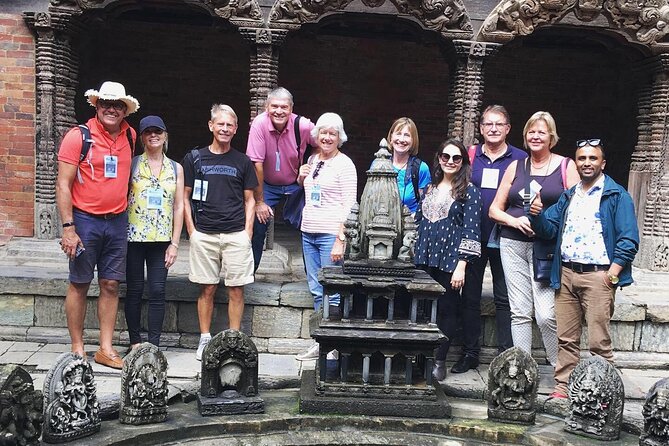
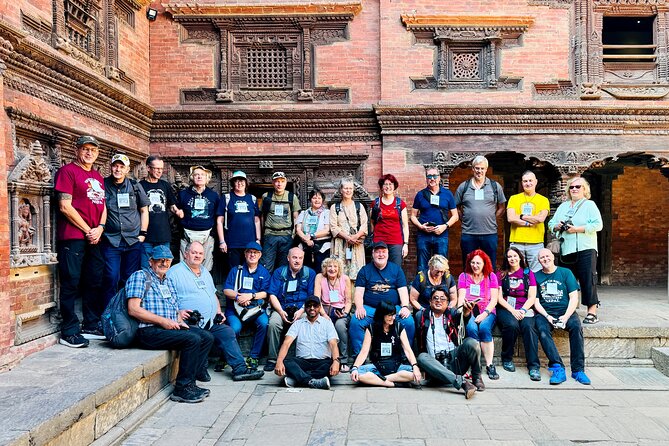
This tour is built around a straightforward idea: see the main heritage sites of Kathmandu Valley without arranging separate taxis, drivers, tickets, and guides. Pickup begins around 8:00 AM for group tours in Thamel, and the exact time is sent the day before.
The route links three old royal centers with four major religious places. That gives you a useful look at how Nepal’s political life, Hindu worship, Buddhist practice, Newari craftsmanship, and Tibetan culture fit together.
Do not expect a leisurely day. The schedule covers a great deal of ground, and Kathmandu traffic can slow the transfers. Still, the day is designed to keep moving rather than leaving you to figure out each site on your own.
The tour can be private or shared. A private booking gives you more control over pauses, questions, photographs, and meal timing. A group tour can be good value and more social, but you will need to stay aware of meeting times.
More UNESCO World Heritage Tours in Kathmandu:
- Private Kathmandu Sightseeing Tour | UNESCO World Heritage sites
★ 5.0 · 756 reviews - Kathmandu: Full Day 7 UNESCO Tour with Lunch – Private/Group
★ 5.0 · 415 reviews - Kathmandu: Full Day Top 4 UNESCO Tour with Lunch – Private/Group
★ 5.0 · 269 reviews
Swayambhunath, the hilltop beginning
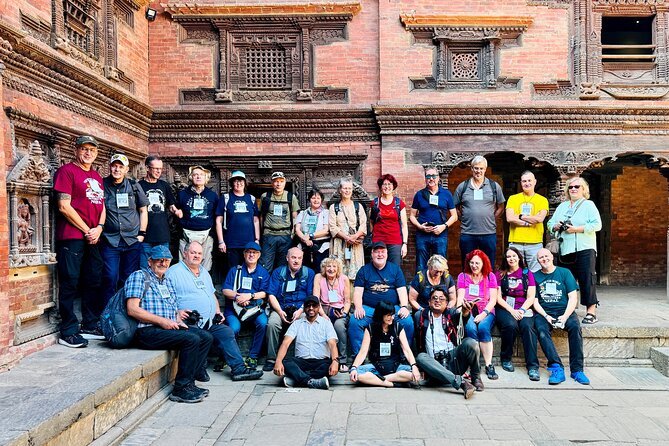
Swayambhunath, often called the Monkey Temple, is usually one of the most memorable early stops. The shrine sits on a hill above Kathmandu, giving you broad views over the city when the air is clear.
The setting matters as much as the monument. You see a Buddhist stupa, prayer flags, religious images, and a steady flow of worshippers. The site offers an early lesson in Nepal’s mix of Buddhist and Hindu traditions.
There are steps and walking here, so wear shoes with a firm grip. Bring water, sunscreen, and a camera. The views are a strong reason to take your time, but the day’s tight schedule means you may not get a long break.
A guide can explain the eyes painted on the stupa, the meaning of the surrounding symbols, and how the site fits into Kathmandu’s religious life. That context turns a quick photo stop into a much more useful visit.
Kathmandu Durbar Square and royal Nepal
Kathmandu Durbar Square brings you into the old royal center of the city. Its courtyards, temples, palaces, and carved wooden details show the skill of Newari builders and artists.
This is a place to look up, down, and into the smaller corners. The woodwork is easy to miss if you rush from one large building to the next. Your guide can point out architectural features, explain the former royal role of the square, and connect the buildings to Nepal’s political past.
The square is also a working cultural place, not simply an open-air museum. Religious activity continues among the monuments, and the mix of daily life and historic buildings gives the stop its character.
You will walk on uneven surfaces and spend time outdoors. Keep some cash with you for small purchases or personal expenses, and remember that the monument ticket is separate on the standard package.
Patan, where detail takes center stage
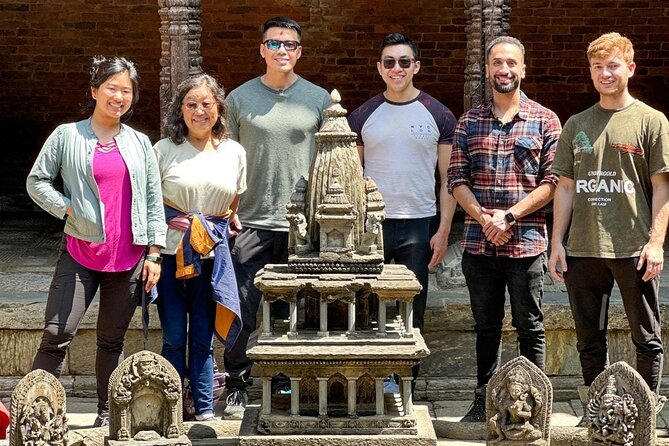
Patan Durbar Square, in the city also known as Lalitpur, is another royal complex, but it has its own mood and visual style. The square is especially rewarding for anyone who enjoys carved wood, metalwork, courtyards, and careful architectural detail.
This stop is not just another palace square checked off a list. A good guide helps you compare Patan with Kathmandu Durbar Square and understand the importance of Newari design and craftsmanship.
The square rewards slow looking, yet the seven-site plan gives you limited time. I would focus on the main buildings, listen closely to the explanation, and save a few minutes for photographs rather than trying to inspect every corner.
If architecture interests you, this is one of the stops that may leave you wishing for more time. The tour gives you a valuable introduction, but it cannot offer the same depth as a full day in Patan.
A few more Kathmandu trips to weigh up
- Kathmandu: Nagarkot Sunrise View & Morning Hike with Lunch
★ 4.9 · 188 reviews - Kathmandu: Top 4 UNESCO Tour with Lunch – Private/Group
★ 4.9 · 181 reviews - Kathmandu: Nagarkot Sunrise & Hike with Lunch -Private/Group
★ 4.9 · 122 reviews - Kathmandu: Full Day 7 UNESCO Tour with Lunch – Private/Group
★ 5.0 · 101 reviews
Bhaktapur, the grandest time demand
Bhaktapur Durbar Square is one of the tour’s major highlights and one of the places most likely to make the schedule feel ambitious. Its courtyards, temples, brick buildings, and carved details create a strong sense of an old Newari city.
The scale and atmosphere make it different from the other royal squares. You can see how much there is to explore just by walking between the main monuments. One entrance fee alone is about NPR 1,800, which helps explain why the total ticket cost is substantial.
The practical problem is time. A short visit gives you the key sights, but Bhaktapur deserves a slower look if your schedule allows. If this is your first and only day in the valley, the stop is still worthwhile. If you have several days in Kathmandu, I would consider returning independently for more time.
Stay aware of the agreed meeting point and departure time. A late group member can push the whole day into the evening, and the itinerary already runs long.
Changu Narayan and the oldest temple claim
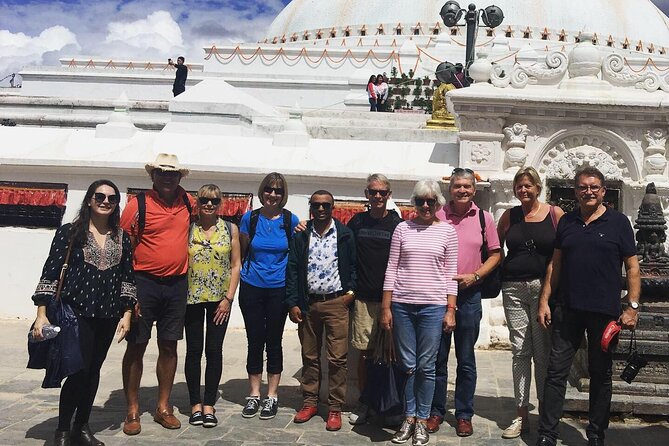
Changu Narayan Temple sits outside the central city route and is described as Nepal’s oldest Hindu temple. It is dedicated to Lord Vishnu and is known for carvings made centuries ago.
This stop adds an important contrast to the grand urban squares. Instead of another former royal center, you get a temple setting focused on religious art and sculpture. Look closely at the carved figures and ask your guide about the stories connected with Vishnu.
The extra drive helps explain why seven sites take a full day. Changu Narayan is not a quick walk from the center of Kathmandu, so the vehicle is especially useful here.
The site also reinforces the tour’s main strength: you are not seeing only famous buildings. You are moving through several kinds of sacred and historic places, each with a different purpose.
Pashupatinath beside the Bagmati River
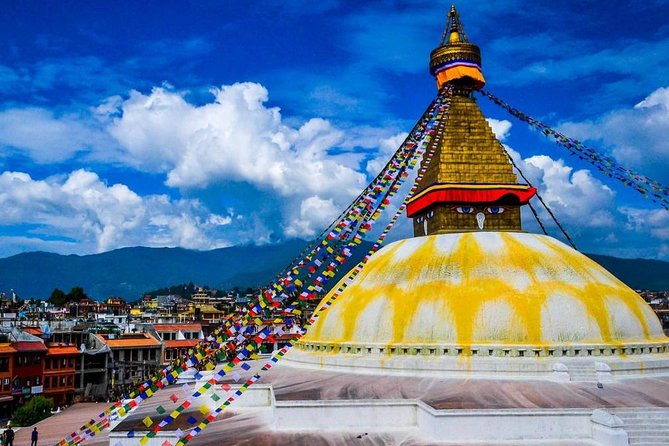
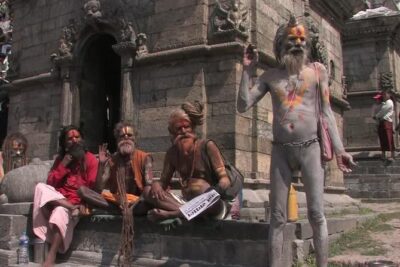
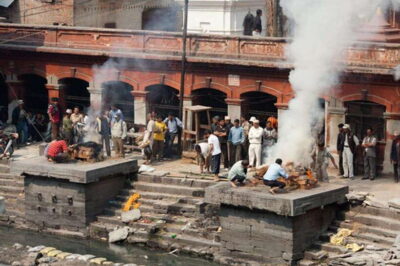
Pashupatinath Temple is one of the most sacred Hindu temples in the world and a major religious center beside the Bagmati River. The atmosphere can feel solemn, active, and difficult to take in at first.
Your guide can help you understand what you are seeing and explain the site’s role in Hindu worship. That guidance matters here, since the rituals and customs may not be familiar to you.
The temple complex is large, and not every area is open to every visitor. The experience is about observing respectfully from permitted areas, learning about the religious setting, and taking in the riverfront atmosphere.
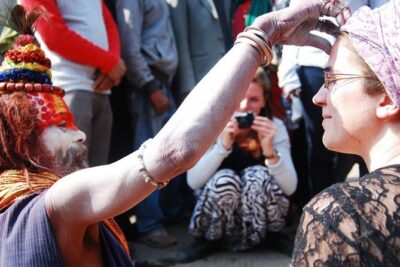
Dress modestly and behave quietly around worshippers. Photography should be handled with care, especially near religious ceremonies and people engaged in private moments. This is a stop where cultural sensitivity matters more than collecting another photograph.
Boudhanath, a powerful final stop
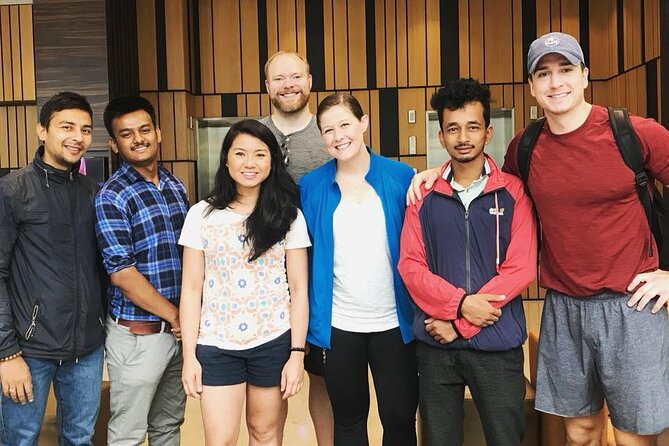
Boudhanath Stupa is a huge Buddhist monument and a center of Tibetan culture and spiritual life. Its white dome, watchful eyes, prayer flags, and surrounding religious activity make it a fitting final stop.
The area has a different feel from the royal squares. You see people walking around the stupa, turning prayer wheels, visiting shops, and taking part in Buddhist practice. The monument is impressive, but the daily religious activity around it is what makes the visit feel personal.
This can also be a good place to ask final questions about Buddhism in Nepal and the Tibetan community. Guides such as Ram have added cultural activities including a healing bowl session and a Tibetan color painting visit, but these should not be assumed as part of every booking. Confirm what your selected package includes.
By this point, you may be tired. Still, Boudhanath offers a calm visual finish after a day of temples, traffic, courtyards, and royal history.
What the guide and driver add
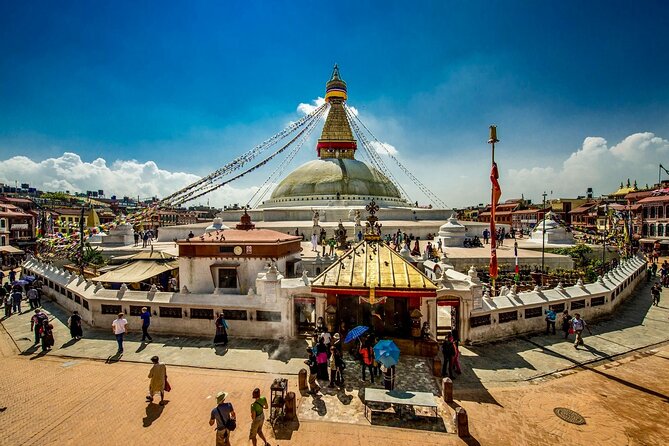
The strongest part of this experience is the human help. Guides named in the booking information include Sumit, Asmita, Sajina, Anon, Ram, Ananta, Dipesh, Surita, Rajan, Seemu, and others. Guide assignment may vary, so you cannot choose a particular person unless the operator confirms it.
The best guide qualities for this route are clear English, patience, a sense of humor, and the ability to explain religious customs without turning the day into a lecture. Sumit is repeatedly praised for answering questions and maintaining energy through a long day. Asmita is noted for clear explanations, warmth, and help with photographs. Sajina is described as attentive and happy to adjust the experience for a private visitor.
The driver matters just as much. Kathmandu traffic is demanding, and the tour uses private air-conditioned transport even for group arrangements. Drivers including Krishna and Amik are praised for safe driving, comfort, and being ready when visitors return to the vehicle.
The car does not remove all the walking. It simply saves you from arranging transport between far-flung sites and helps keep the route practical.
Lunch, water, and the real cost
The advertised price is listed as USD 5 per person, but you should not treat that as the final cost of a standard booking. Monument entrance fees are approximately USD 43, or NPR 5,800, per person. SAARC nationals pay about USD 22 in total fees.
The all-inclusive package covers the monument fees and food, which makes the higher price easier to understand. It includes a khana set or a choice of dishes, along with food and soft drinks as specified. One listed lunch box contains 500 ml of bottled water, a muffin, donut, banana, seasonal fruit, and juice.
The meal deserves a little caution. One private-tour experience describes a filling rice, chicken, and vegetable lunch, while another found the food disappointing for the cost. Meal quality can vary, so I would choose the all-inclusive option for convenience rather than expecting a memorable culinary event.
If you choose the standard package, bring enough cash for the entrance fees. A practical amount is NPR 5,000 to NPR 6,000, based on the stated total and individual ticket costs. Bottled water is included, but carrying a daypack is still useful for sunscreen, tissues, personal medicine, and a light layer.
How hard is the day?
The tour is not described as suitable for wheelchair users or people with visual impairments. That reflects the uneven heritage areas, steps, crowded approaches, and amount of walking involved.
You should be comfortable spending most of the day getting in and out of a vehicle, walking through temple and palace grounds, and keeping to a schedule. The day can run into the evening, especially with traffic, rain, questions, or delays between stops.
Pickup delays of three to five minutes can occur because of traffic or coordination. That is normal for Kathmandu, but a group tour works best when everyone returns to the vehicle on time.
Bring a camera, cash, a daypack, and your passport or ID. A copy of your passport or ID is accepted. Sunscreen is a smart addition, and a small packet of toilet paper may be useful at some facilities.
Private or group tour?
The private version is the better choice if you want a slower pace, personal explanations, or help taking photographs. It also suits solo visitors who want the convenience of a car and guide without arranging each transfer.
The group version can offer good value and a social atmosphere. Small groups may fit comfortably in the vehicle, and one booking had a small group in an electric van. Still, group timing is less flexible, and you will need to keep pace with everyone else.
I would choose private if you have mobility concerns, a special interest in architecture, or only one precious day and want to control the rhythm. I would choose group if keeping costs down matters most and you are happy with a brisk schedule.
Who should book this Kathmandu tour?
This tour fits a first visit, a short stopover, or a final day when you want to cover the main sites without wrestling with transport. It is also a good introduction before returning to one or two places at a slower pace.
It is less suitable if you dislike full schedules, want long periods for photography, or prefer to spend a whole day at Bhaktapur or Patan. Seven heritage sites in one day gives you breadth, not complete understanding of every monument.
The 4.9 rating from 247 reviews reflects strong satisfaction with the guides, transport, organization, and amount covered. I would put the greatest weight on the repeated praise for guide communication and safe driving, since those are the parts most likely to shape a long day.
Should you book it?
Book this tour if you have limited time and want a well-organized introduction to Kathmandu Valley’s major sacred and royal sites. Choose the all-inclusive option if you prefer predictable costs, and carry cash anyway for personal spending.
Skip it, or choose a shorter itinerary, if you have several days and want to study each square properly. For most first-time visitors with only one free day, the tour is a practical bargain once you account for a guide, private transport, and the difficulty of connecting seven sites on your own.
FAQ
How many UNESCO World Heritage Sites does the tour visit?
It visits seven sites: Swayambhunath, Kathmandu Durbar Square, Patan Durbar Square, Bhaktapur Durbar Square, Changu Narayan Temple, Pashupatinath Temple, and Boudhanath Stupa.
What time does the group tour pickup begin?
Group-tour pickups begin around 8:00 AM within the Thamel area. You receive the exact pickup time one day in advance.
Are monument entrance fees included?
They are included only if you select the all-inclusive package. Otherwise, the total is approximately USD 43, or NPR 5,800, per person. SAARC nationals pay about USD 22 in total.
Is lunch included?
The all-inclusive option includes food, soft drinks, a khana set, or a choice of dishes. The listed lunch box includes bottled water, a muffin, donut, banana, seasonal fruit, and juice.
Is hotel pickup and drop-off provided?
Yes. Hotel pickup and drop-off are included.
Is transportation air-conditioned?
Yes. The tour includes air-conditioned private transportation.
What languages are available?
The tour is offered in English and Hindi.
What should I bring?
Bring a camera, cash, a daypack, and your passport or ID card. A copy of your passport or ID is accepted.
Is the tour suitable for wheelchair users?
No. The experience is listed as not suitable for wheelchair users or visually impaired people.
More Full-Day in Kathmandu
- Kathmandu: Full Day Private Top 4 UNESCO Heritage Tour W/Lunch.
★ 5.0 · 86 reviews - Kathmandu: Full Day Top 4 UNESCO Tour with Lunch – Private/Group
★ 5.0 · 67 reviews - Kathmandu Heritage Tour (Full Day)
★ 5.0 · 63 reviews - Full Day Guided Tour in Kathmandu
★ 5.0 · 61 reviews
Just added around Kathmandu
- Private Half-Day Tour of Boudhanath and Pashupatinath Temples in Kathmandu★ 4.5 · 9 reviews
- Private Half-Day Tour of Kathmandu Durbar Square and Swayambhunath Temple★ 4.5 · 11 reviews
- Namobuddha Monastery Hiking Day Tour via Panauti from Kathmandu★ 5.0 · 15 reviews
- Private Full-Day Kathmandu City Tour★ 5.0 · 9 reviews
- Private Day Tour in Kathmandu Valley Rim with Bhaktapur Sightseeing★ 5.0 · 3 reviews
- Private Half Day Budhanilkantha Tour★ 5.0 · 6 reviews
- Private Day Tour – Sacred Journey to Namo Buddha★ 5.0 · 5 reviews
- Private Day Tour: Patan and Bhaktapur from Kathmandu★ 4.5 · 6 reviews
UNESCO World Heritage Tours, compared.
Private Kathmandu Sightseeing Tour | UNESCO World Heritage sites
Read our review →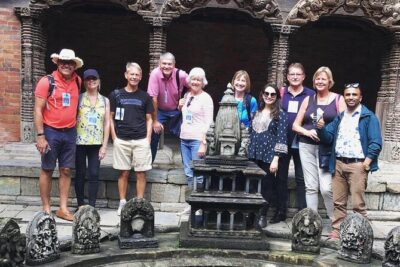
Full Day 7 UNESCO Tour with Lunch – Private/Group
Read our review →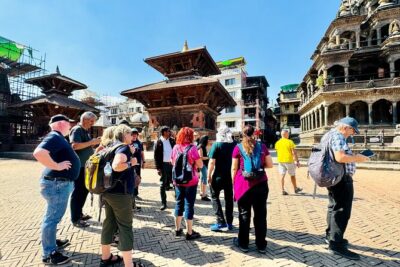
Full Day Top 4 UNESCO Tour with Lunch – Private/Group
Read our review →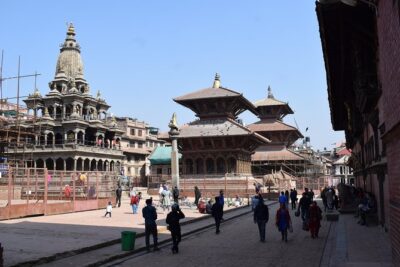
Kathmandu Spiritual Sites: Bodhnath & Pashupatinath Tour
Read our review →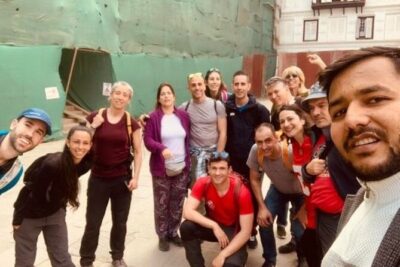
Kathmandu Private Sightseeing Tour | UNESCO World Heritage Sites
Read our review →Full Day 7 UNESCO Tour with Lunch – Private/Group
Read our review →Browse the lists this tour appears in