
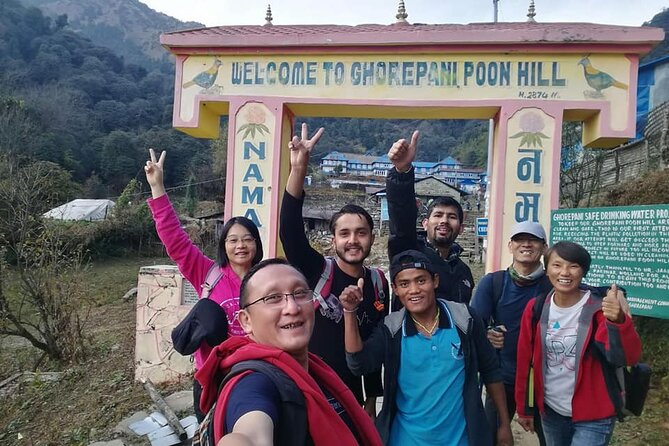
Reviewed · GHOREPANI POON HILL TREKS
Ghorepani(Poonhill Trek)
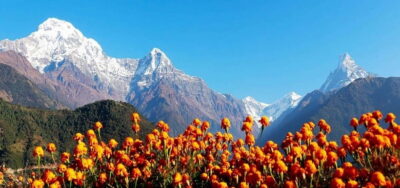
The big draw here is a short Himalayan trek that still gives you sunrise over the Annapurna Range, Mt. Dhaulagiri, and Mt. Fishtail. You get a private guide and porter, so your group can set a sensible pace instead of chasing a large hiking party.
I like that lodging, meals, transport, national park fees, and guide support are bundled into the $600 price. I also like the human touch reported by the company’s past customers, especially the patient guidance of Prabin and the helpful porter work of Sabin. The main caution is that the day-by-day plan is quite brief and a little unclear, so confirm the exact walking times, vehicle transfers, and number of hotel nights before paying.
Key points at a glance
- Private five-day format: Your party hikes with its own guide and porter rather than joining a large group.
- Sunrise at Poon Hill: The early mountain view is the trip’s main prize, with the Annapurna Range, Dhaulagiri, and Mt. Fishtail in sight.
- Gurung culture at Ghandruk: The route includes a Gurung settlement and views toward Mt. Fishtail.
- Most costs are covered: Lodging, meals, transport, local taxes, permits, and guide and porter insurance are included.
- Kathmandu to Pokhara connection: The trip begins with pickup at Tribhuvan Airport and ends in Pokhara, Nepal’s lake city.
- A short mountain introduction: The stated maximum elevation is about 2,540 meters, making this a more approachable choice than a high-altitude expedition.
A short route with a proper Himalayan payoff
The Ghorepani and Poon Hill route is popular for a good reason: it gives you a taste of Himalayan trekking without requiring a long expedition. In five days, you move from Kathmandu toward the Annapurna region, spend nights in mountain settlements, climb to a famous sunrise viewpoint, and finish around Ghandruk and Pokhara.
That short schedule is useful if you have limited time in Nepal. One family used a similar arrangement to combine Kathmandu sightseeing, Pokhara, and a six-day Poon Hill trek while traveling with children aged eight and ten. The point is not that every family will find the route easy, but that the area can fit into a broader Nepal holiday when carefully planned.
The experience is private, which matters more than it may sound. You can discuss pace, rest stops, and small route changes with your guide. Past arrangements have included guides such as Prabin and porters such as Sabin, both noted for patience, flexibility, and practical help. Your assigned team may differ, so ask for names before departure.
More Ghorepani Poon Hill Treks in Kathmandu
- 4 Days Poon Hill Trek
★ 5.0 · 94 reviews - 4-day Poon Hill Trek
★ 5.0 · 74 reviews - Ghorepani Poon Hill Trek
★ 5.0 · 61 reviews
Day 1: leaving Kathmandu for the Annapurna region
The stated meeting point is Tribhuvan Airport in Kathmandu at 8:00 a.m., with pickup and drop-off included. The first day description is not very detailed, so you should confirm whether this day is mainly transportation, an introduction with the trekking team, or the first walking section.
That lack of detail is the weakest part of the published plan. A five-day trek needs clear information about the starting trailhead, driving hours, hotel location, and walking distance. The tour description says round-trip transportation from Kathmandu is included, while the route later lists Pokhara. Ask how the transfer is handled and whether the price includes every road segment between Kathmandu, the trail, and Pokhara.
A passport is required on the day of the trip. At booking, you must provide each participant’s passport name, number, expiry date, and country, along with a passport copy and passport-size photograph. You also need to state whether you want vegetarian or non-vegetarian meals.
The first night should be treated as a transition into the trek rather than a major sightseeing day. Use it to meet your guide, check your warm clothing, and clarify the next morning’s departure. Since the experience is private, this is the right moment to agree on a comfortable pace.
Day 2: reaching Ghorepani and the first mountain views
Ghorepani is the main mountain settlement named for the second day. The description promises broad views of the mountain range, and this is where the trip should begin to feel like a true trek rather than a transfer between cities.
The appeal of Ghorepani is the setting. You are no longer dealing only with Kathmandu traffic and road travel. The pace slows, the air feels different, and the mountains become the reason for every turn in the trail. The tour includes accommodation and meals, so you do not have to search for a room or arrange dinner after walking.
The supplied schedule gives only about one hour at the stop, which should not be read as the total hiking time. It appears to mark a visit or destination rather than a full day-by-day walking breakdown. This is another reason to request the actual trail distances and estimated hours.
Your guide and porter are particularly useful here. A guide can help with the route and local customs, while the porter carries much of the shared or personal load. The inclusion of guide and porter meals and insurance is also important, since it indicates that these basic operating costs are built into the package rather than left for you to handle on the trail.
Day 3: the early climb to Poon Hill Marga
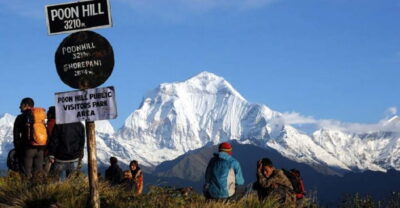
Poon Hill is the emotional center of this trip. The plan calls for an overview of the mountains and a sunrise experience, so expect an early start and cold conditions. Warm clothing is specifically recommended, and you should take that advice seriously even if Kathmandu feels mild.
Sunrise is not guaranteed to be clear. Weather can block the peaks, and the operator states that poor weather may lead to a new date or a full refund if the experience is canceled. That policy protects you when conditions make the activity impractical, but it does not mean every cloudy morning produces compensation. Ask how weather decisions are made if the trek proceeds but the mountain view is limited.
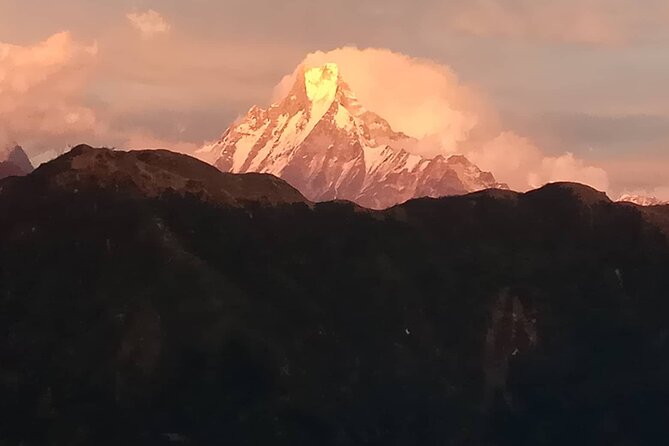
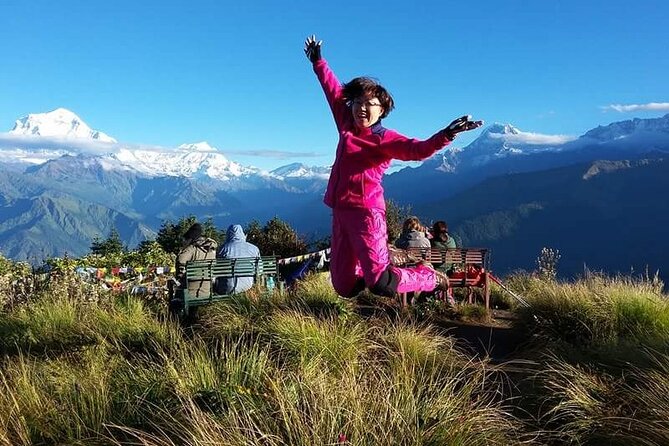
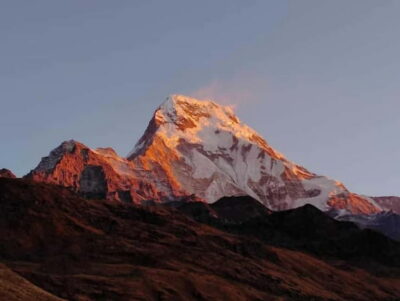
On a clear morning, the reward is a wide Himalayan panorama. The named views include the Annapurna Range, Mt. Dhaulagiri, and Mt. Fishtail. The value of a private guide is especially clear during this part of the route, since an early start, cold air, and a steady uphill walk are easier to manage when you are not tied to a large group.
The route is described as reaching roughly 2,540 meters at its highest point. That is far lower than Nepal’s major high-altitude treks, but it is still a mountain environment. You should walk at a measured pace, drink regularly, and tell your guide if you feel unwell. The tour is presented as suitable for most people, but ordinary fitness and comfort with several days of walking still matter.
Same mountains, a completely different kind of day:
- Everest Base Camp Trek – 14 Days
★ 5.0 · 1,499 reviews - Private Kathmandu Sightseeing Tour | UNESCO World Heritage sites
★ 5.0 · 756 reviews - Everest Base Camp Helicopter Tour landing at Everest View Hotel
★ 5.0 · 668 reviews - Half day cooking class in Thamel kathmandu
★ 5.0 · 607 reviews
Day 4: Ghandruk and a look at Gurung life
Ghandruk brings a cultural side to the route. The plan specifically highlights a Gurung settlement and views of Mt. Fishtail. This is valuable because the trek is not only a series of mountain viewpoints. You also pass through a lived-in Himalayan community.
Gurung villages are an important part of the Annapurna region’s identity. Here, your guide can add context about the settlement and help you move respectfully through local streets and homes. The supplied details do not promise a formal cultural performance or museum visit, so do not expect a staged program. The attraction is the village itself, its setting, and the chance to see how the route connects mountain communities.
Mt. Fishtail is a major visual feature of the day. Its distinctive shape gives the route a different character from the broader Annapurna and Dhaulagiri views. Weather again makes a difference, and mountain visibility can change quickly.
Ghandruk also helps break up the physical rhythm of the trek. After the early mountain viewpoint, a village stop gives you a place to eat, rest, and take in the surroundings. The included meals are practical here, especially because you are not choosing restaurants or carrying food for every stage.
Day 5: finishing in Pokhara
The final stop is Pokhara, a lakeside tourist city and one of Nepal’s main bases for mountain trips. Ending there is convenient if you want to continue sightseeing, rest after the trek, or connect with another Nepal activity.
Pokhara is a change of mood from the trail. Instead of mountain lodges and village paths, you have a city with lake views and tourist services. The supplied plan gives only about an hour for this stop, so confirm whether you are being dropped in Pokhara after a transfer or receiving a short city visit.
This final day also raises a practical question about the price. The tour costs $600 and includes round-trip transportation from Kathmandu, yet the route finishes in Pokhara. You should confirm exactly what round-trip means in this case. It may cover transport from Kathmandu to the trekking area and onward to Pokhara, or it may refer to a return arrangement that is not fully spelled out.
What the $600 price really covers
At first glance, $600 is best judged as a package price, not simply the cost of five days of hiking. You are paying for a private guide, a porter, accommodation, meals, hotel pickup and drop-off, local taxes, national park fees, environmental charges, fuel surcharge, and guide and porter insurance.
Breakfast, lunch, and dinner are listed as included, with five breakfasts, five dinners, and six lunches. The meal count does not line up neatly with the five-day outline, so ask how meals are assigned on transfer days. Still, the coverage removes many small costs that can quickly add up during a trek.
The package is strongest for someone who wants planning handled in advance. You do not need to arrange separate lodging, find a guide at the trailhead, calculate permit fees, or negotiate porter support after arriving in Nepal. That convenience has real value, particularly if this is your first Himalayan trek.
There are also costs to budget separately. Drinks, alcoholic beverages, medicine, personal expenses, tips, and personal insurance are excluded. Personal travel insurance is especially important because the company’s insurance covers the guide and porter, not you.
A private trip can cost more per person than joining a group, but the comparison is not simply about the headline price. You are buying control over pace and flexibility. One account describes Prabin and Sabin adjusting the plan without trouble, while another family had a larger Nepal trip arranged around its own needs. If your party values personal attention, the private format may justify the price.
Food, clothing, and what to pack
The operator asks you to choose vegetarian or non-vegetarian meals in advance. Since food is included, be clear about your preference and mention any restrictions before the trek begins. Drinks are not included, so keep money available for purchased beverages.
The clothing advice is simple: bring a warm jacket, trousers, T-shirts, and comfortable clothing. For Poon Hill’s sunrise, add layers that you can put on before the early start and remove later as the day warms. The information provided does not specify a detailed equipment list, so ask about sleeping bags, luggage limits, rain protection, and footwear before departure.
Comfortable clothing is not a luxury on a multi-day trek. You will want shoes suitable for uneven walking, clothing that dries reasonably well, and a small day bag for water and warm layers. Do not assume the porter carries every item you bring. Confirm how much luggage the porter will handle and what you should carry yourself.
Who will get the most from this trek
I would recommend this experience to someone who wants Himalayan scenery but cannot spare two or three weeks. It also fits people who prefer a private arrangement, want meals and lodging organized, and would rather have local support than plan every trail detail alone.
It may suit families and mixed-ability groups better than a fixed group departure, since the guide can respond to the group’s pace. The private format does not remove the physical demands of walking, however. If you rarely hike or have medical concerns, discuss the route with a professional and be honest with the company about your fitness.
This is not the right choice if you want a fully detailed, tightly scheduled program before booking. The information gives the key places but not the exact walking hours, trailhead, hotel names, or transfer schedule. Independent-minded hikers may prefer to arrange those details directly, while first-time trekkers may appreciate the company doing the groundwork.
The experience has a 4.9 rating and a 100 percent recommendation figure from 81 published ratings. The most consistent praise centers on professional organization, friendly staff, comfortable transport, flexible guides, and strong support from people such as Nabin, Prabin, and Sabin. Treat those names as examples of the team’s past personnel, not a guarantee that every one of them will be assigned to your group.
Booking details worth checking before you commit
Confirmation is sent within 48 hours, subject to availability. Since the trip requires transport, accommodation, and a trekking team, book early enough to allow time for questions about the exact route.
You can cancel at least six full days before the start for a full refund. Cancellation two to six full days ahead brings a 50 percent refund, while cancellation less than two full days before departure brings no refund. Changes follow the same cutoffs, and all times use Nepal’s local time.
The weather clause is useful. If poor weather causes the operator to cancel, you are offered another date or a full refund. That is different from choosing not to go because the forecast looks unattractive, so clarify the policy before making last-minute plans.
Before booking, I would ask these five questions:
- What are the exact walking hours and distances for each day?
- How many hotel or lodge nights are included?
- Which transport segments are covered from Kathmandu to Pokhara?
- Who will be the guide and porter for my group?
- What equipment should I bring, and what can the porter carry?
These questions do not undermine the trip. They make the arrangement clearer and help you compare it fairly with other private treks.
Should you book the Ghorepani and Poon Hill trek?
Book it if you want a short, private introduction to the Annapurna region with the main practical pieces already arranged. The strongest reasons are the sunrise goal at Poon Hill, the views toward three major mountain areas, the Gurung village stop at Ghandruk, and the support of a guide and porter.
I would hesitate only if you need a fully precise schedule before purchase or if your plans require a return to Kathmandu rather than a finish in Pokhara. Confirm those transport details first.
For a five-day Himalayan experience, the package offers a useful balance of scenery, local village life, and organized support. Bring warm layers, ask direct questions about the route, and let the private format work in your favor.
FAQ
Where does the trek start?
The meeting point is Tribhuvan Airport in Kathmandu, Nepal. Pickup is scheduled for 8:00 a.m.
How long does the Ghorepani Poon Hill trek last?
The experience lasts approximately five days.
Is this a private tour?
Yes. Only your group participates in the activity, with a trekking guide and porter included.
What meals are included?
Breakfast, lunch, and dinner are included. The listed amounts are five breakfasts, five dinners, and six lunches. You must specify whether you want vegetarian or non-vegetarian meals.
What is not included in the price?
Alcoholic drinks, other drinks, tips, personal expenses, medicine, and personal insurance are not included.
What happens if bad weather cancels the trek?
If the experience is canceled because of poor weather, you are offered a different date or a full refund.
More Hiking & Trekking in Kathmandu
- Everest Base Camp Trekking
★ 5.0 · 485 reviews - Nagarkot Sunrise View and Day Hiking from Kathmandu
★ 5.0 · 471 reviews - Annapurna Circuit Trek with Tilicho Lake
★ 5.0 · 368 reviews - Everest Base Camp Trekking – 13 Day
★ 5.0 · 365 reviews
Just added around Kathmandu
- Namobuddha Monastery Hiking Day Tour via Panauti from Kathmandu★ 5.0 · 15 reviews
- Private Half-Day Tour of Boudhanath and Pashupatinath Temples in Kathmandu★ 4.5 · 9 reviews
- Private Half-Day Tour of Kathmandu Durbar Square and Swayambhunath Temple★ 4.5 · 11 reviews
- Private Full-Day Kathmandu City Tour★ 5.0 · 9 reviews
- Private Day Tour in Kathmandu Valley Rim with Bhaktapur Sightseeing★ 5.0 · 3 reviews
- Private Half Day Budhanilkantha Tour★ 5.0 · 6 reviews
- Private Day Tour: Patan and Bhaktapur from Kathmandu★ 4.5 · 6 reviews
- Private Day Tour – Sacred Journey to Namo Buddha★ 5.0 · 5 reviews
Ghorepani Poon Hill Treks, compared.
4-Day Ghorepani, Poonhill & Ghandruk Mountain Trek
Read our review →
Browse the lists this tour appears in