
Reviewed · GHOREPANI POON HILL TREKS
Pokhara: 2-Day Ghorephani and Poon Hill Private Trek
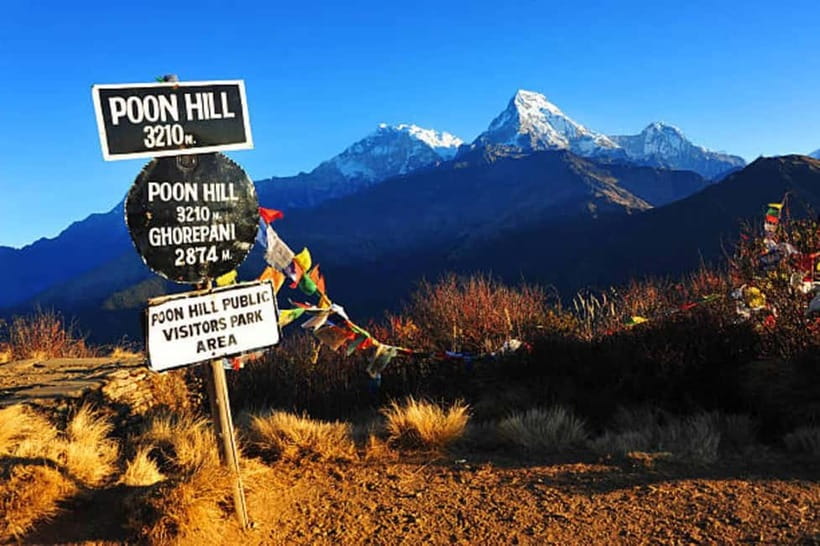
Poon Hill gives you a genuine Himalayan sunrise without asking for a week away from Pokhara. You drive high into the Annapurna region, climb through forest and mountain villages to Ghorepani, then walk up before dawn to a 3,210-meter viewpoint facing Annapurna, Dhaulagiri, Machhapuchare, and Manaslu.
I like two things right away: the short schedule makes Nepal’s famous mountain views possible for people with limited time, and the private guide can adjust the walking speed. Guides such as Rajesh, Sagar, Shiva, and Dinesh have been praised for patience, route-finding, local information, and sensible pacing.
The trade-off is clear: you save time on the trail by spending long hours on rough mountain roads. The ride toward Ulleri can be very bumpy, and landslides may force you to start lower than planned, adding more uphill walking.
Key points to know before you book
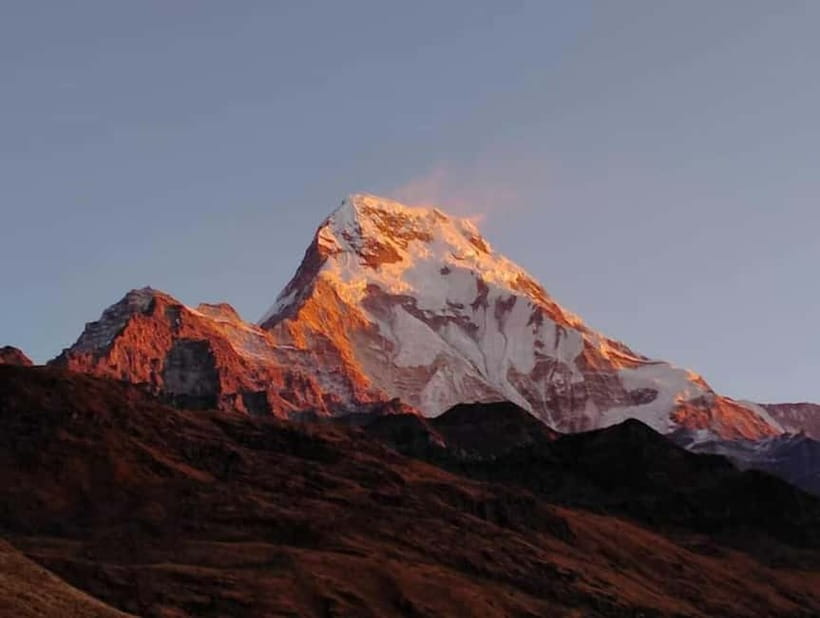
- Poon Hill sunrise at 3,210 meters: The early climb rewards you with wide views of Annapurna, Dhaulagiri, Nilgiri, Machhapuchare, Lamjung, and Manaslu when the weather is clear.
- A short but real mountain trek: Day one includes four to five hours on foot, with many stone steps and a steady climb to Ghorepani.
- Rough access roads: The ride from Pokhara through Nayapul, Hile, Tikhedhunga, and Ulleri can take hours, especially in a local bus.
- A flexible guide matters: Trail conditions can change after landslides, so a guide who checks with local people and other guides is useful.
- Simple teahouse comfort: You stay in Ghorepani, with breakfast included. Warm showers may cost extra, and rooms may not be heated.
- Strong value at $104: The price covers a private tour, guide, permits, transport, one night’s lodging, breakfast, a trekking pole, and basic first aid support.
Why this two-day Poon Hill trek works
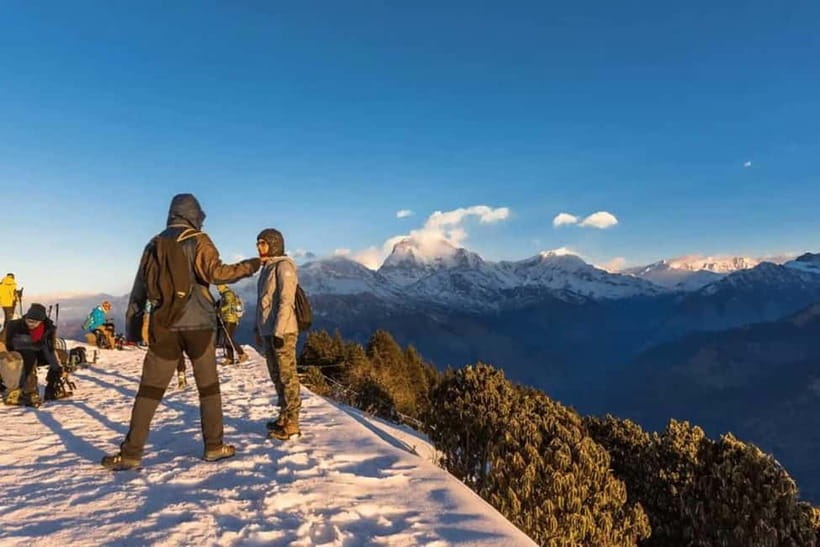
Poon Hill is one of Nepal’s best short treks because the reward comes quickly. You do not need to commit to a long circuit or spend several days walking to a high mountain viewpoint. From Pokhara, this trip compresses the experience into two busy days.
That compression has consequences. You will not get a slow, relaxed walk through the Annapurna region. Instead, you spend much of day one reaching the trail, then climb directly to Ghorepani. Day two starts before sunrise and ends with a long return to Pokhara.
I would describe the walking as manageable for someone in average condition, but not effortless. The route includes steep stone steps, uphill forest paths, and a substantial descent. A walking pole is included, and I would use it. Comfortable shoes are essential, not optional.
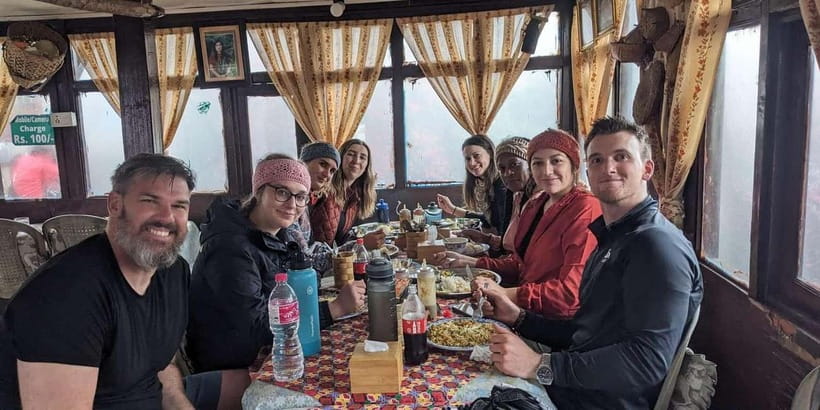
The great advantage of a private group is control over the pace. A guide can slow down for breaks, help you handle the steps, and adjust the route if a landslide changes the road or trail. That personal attention matters most if this is your first Himalayan trek.
More Ghorepani Poon Hill Treks in Pokhara
- Poon hill Trek 3 days
★ 5.0 · 176 reviews - Pokhara: 4-Day Ghorepani, Poonhill & Ghandruk Mountain Trek
★ 5.0 · 132 reviews - Ghorepani – Poon Hill Trek 3N-4D
★ 5.0 · 125 reviews
The rough ride from Pokhara to Ulleri
Your guide collects you from a hotel in the Pokhara Lakeside area. The first part of the trip runs through Pokhara Valley toward Nayapul and Bhirethati, the usual gateway area for the Annapurna trails.
The road continues through Hile and Tikhedhunga, passing farm villages and waterfalls before turning uphill toward Ulleri. The final section is the part you need to prepare for. Local buses and shared vehicles use rough mountain roads, and the ride can feel long and uncomfortable.
Several people have enjoyed the local transport as part of the Nepali experience, but I would not call it a relaxing transfer. The full journey to the walking start can take five to six hours in some conditions. A shared jeep is more comfortable than a bus, but the transport arrangement may depend on the day and can involve an added charge for an upgrade.
Road conditions also change the itinerary. Landslides have caused vehicles to stop below Ulleri, sometimes around 500 meters lower than planned. That means more walking on day one. Your guide should be able to respond to current conditions, but you should keep some physical energy in reserve rather than treating the stated four to five hours as a guarantee.
Ulleri to Ghorepani through forest and steps
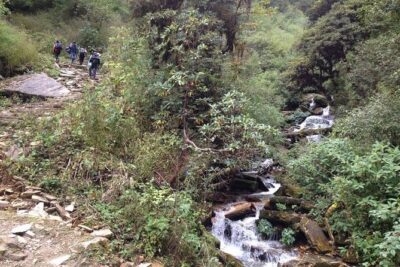
At Ulleri, the road journey gives way to the main walk. You pass Bhanthati and enter forest filled with rhododendron, magnolia, oak, pine, and fir trees. In spring, rhododendrons add color, but the forest is appealing in any season because it gives shade and a quiet break from the road.
The trail rises steadily toward Ghorepani. The route is not technically difficult, but the stairs can test your legs. You will gain a lot of height in a short time, moving from Pokhara at about 860 meters to Ghorepani at roughly 2,880 meters.
That altitude gain is one reason to pace yourself. You are not climbing above 4,000 meters, but the rapid change from the lakeside city to a high ridge can still leave you tired or short of breath. Drink water, take regular breaks, and tell your guide early if you feel unwell.
Ghorepani is home to Poon people of the Magar community and sits below the Poon Hill viewpoint. The village is more than a place to sleep. It gives you a first look at the mountain culture of the region, with teahouses, local food, and a ridge-top setting that can offer fine views even before the sunrise walk.
What a Ghorepani teahouse stay is really like
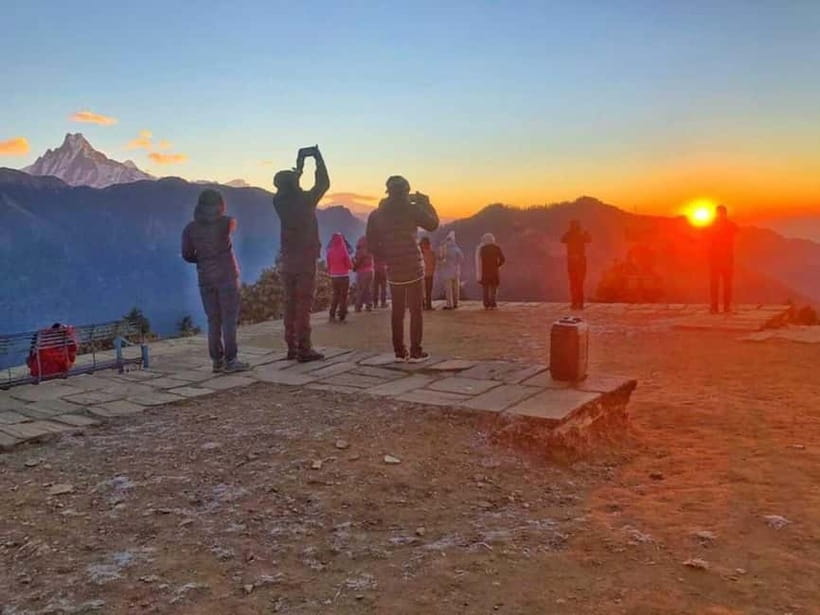
The overnight accommodation is described as one of the better lodges available, with an attached bathroom and hot shower. In practice, you should expect basic mountain lodging rather than city-hotel comfort.
The rooms are not heated, so warm clothing is important even indoors. A warm shower may require payment, and electricity can be limited. One helpful detail from the stay is the availability of electric blankets at some lodges, though you should not assume every room will have one.
Food is available for purchase at the teahouse. Breakfast is included, while other meals and drinks are not. Dal bhat is a sensible choice because it is filling and familiar across Nepal, and tea is easy to find along the route. Continental food may also be available, but the menu can vary.
Bring Nepalese rupees for personal spending. ATMs are scarce on the route, and you may want money for meals, drinks, showers, charging, or small purchases. The $104 price looks strong because it covers the guide, permits, transport, one night’s lodging, breakfast, and the guide’s expenses, but it does not cover everything you will eat and drink.
Same mountains, a completely different kind of day:
- ZipFlyer Nepal – The World’s Steepest Zip-line
★ 5.0 · 608 reviews - Bungee Pokhara by HighGround Adventures
★ 5.0 · 366 reviews - From Pokhara: Sarangkot Sunrise Himalayas Tour
★ 4.7 · 218 reviews - ATV Adventure Tour in Pokhara, Nepal
★ 5.0 · 194 reviews
The pre-dawn climb to Poon Hill
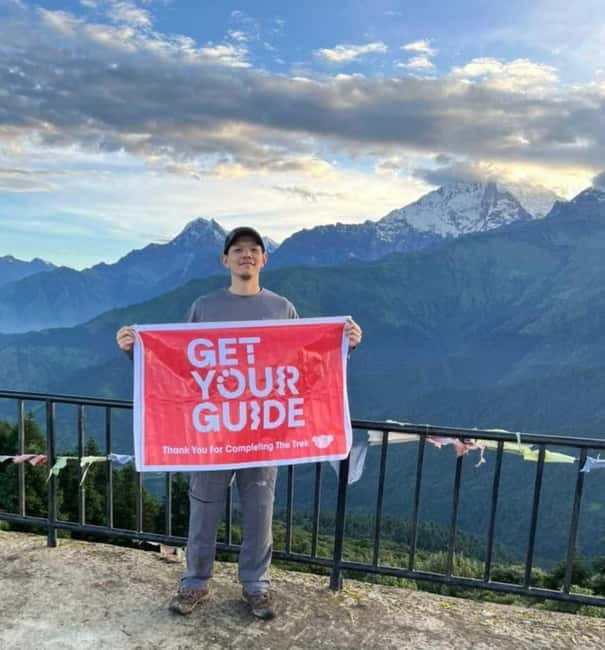
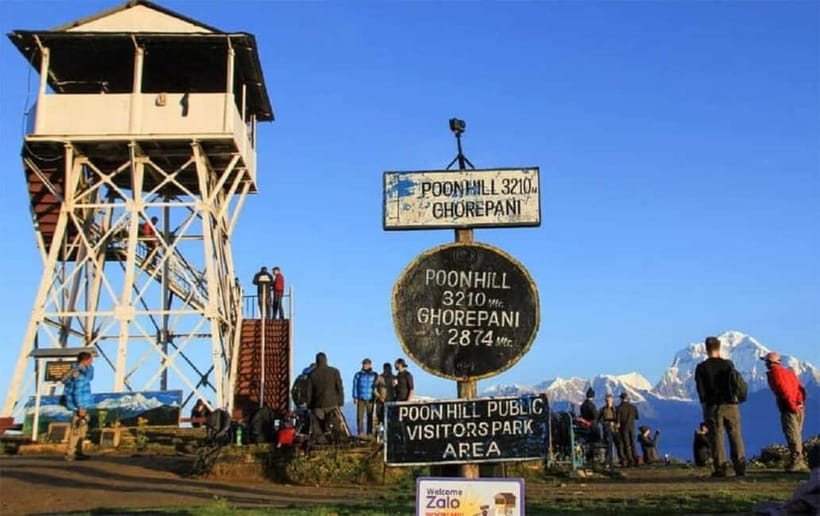
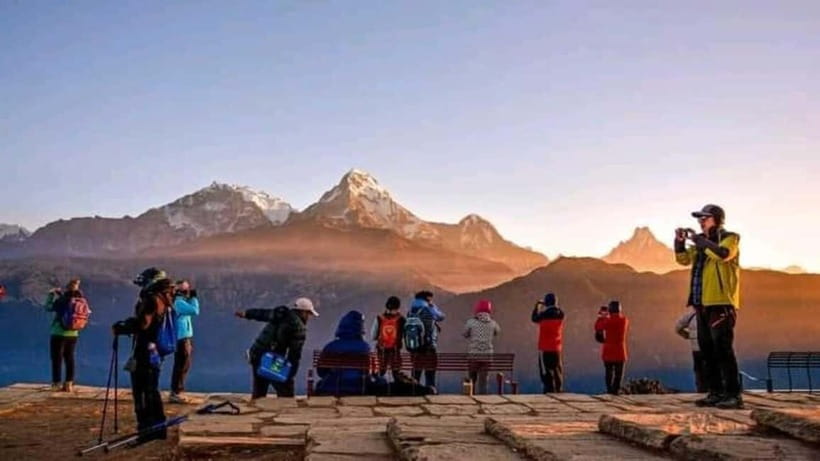
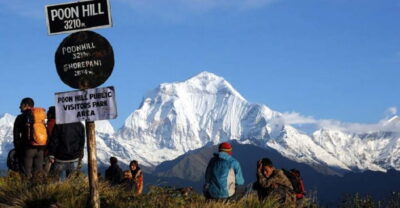
The main event begins early on day two. From Ghorepani, you hike for about an hour to Poon Hill, reaching the 3,210-meter viewpoint in time for sunrise.
The climb is short on paper and demanding in the dark. You need warm layers, a headlamp if you have one, water, and shoes with a firm grip. The morning cold can be sharp, especially while you wait at the viewpoint.
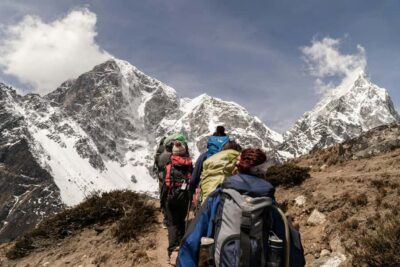
The reward is a broad Himalayan panorama. In clear conditions, you can see Dhaulagiri, Mustang Himal, Nilgiri, Annapurna, Machhapuchare, Lamjung, and sections of the Manaslu range. Sunrise light changes the peaks from gray to gold, pink, and white within minutes.
Weather controls this moment. During the monsoon and on cloudy mornings, you may see fog instead of a mountain wall. That does not make the walk pointless, since the forest trail and village setting remain worthwhile, but you should not book this trip with a guaranteed clear view in mind.
After the sunrise, you return to Ghorepani for breakfast. This is a good time to eat well, warm up, and repack before the descent. The schedule is tight, so do not linger too long if your transport back to Pokhara is waiting.
The descent to Ulleri and return to Pokhara
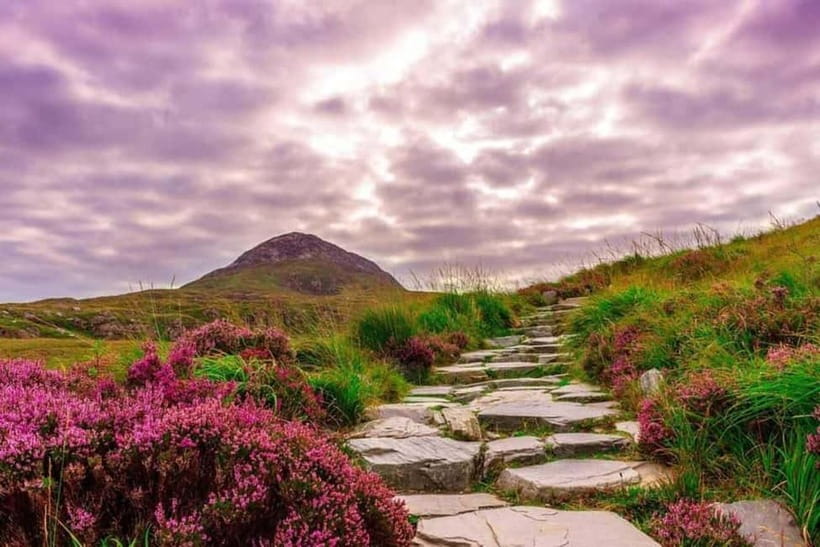
From Ghorepani, the trail descends through forest toward Bhanthati and Ulleri. Going down may sound easier, but the stone steps can be hard on knees and ankles after the early start. Trekking poles are especially useful here.
At Ulleri, you transfer to a shared jeep or bus for the return to Pokhara. The total second day includes the sunrise walk, descent, and roughly six hours of driving and walking. In other words, the spectacular viewpoint comes early, but you still have a full day ahead.
This return is where the two-day format feels most compressed. You will likely be tired, and the final road section can again be rough. If you prefer a gentler pace, a longer Poon Hill itinerary would give you more time on the trail. If your priority is seeing the viewpoint quickly, this arrangement does the job.
Guides and the value of going private
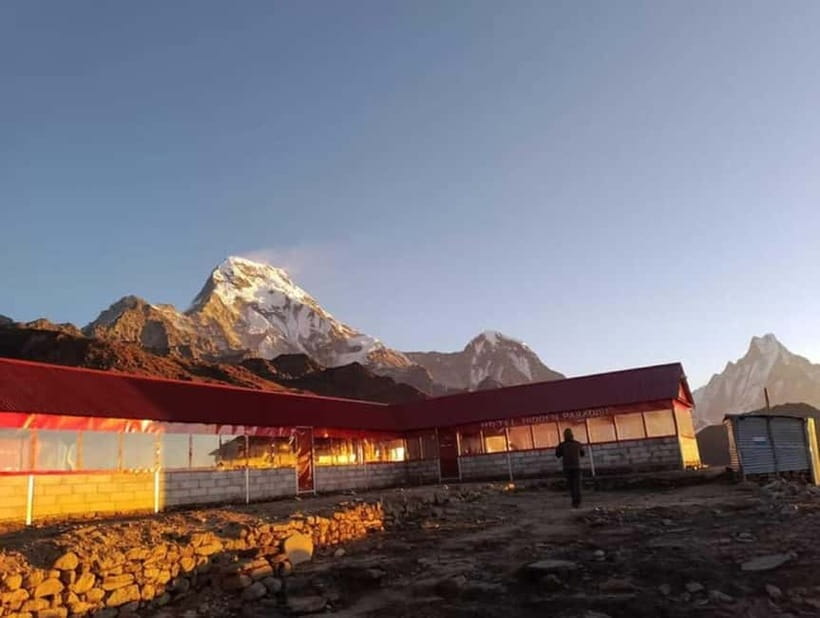
The guide can make or break a short trek. You have little spare time, and an inexperienced leader may struggle when roads close or trail conditions shift.
The guides associated with this trip include Rajesh, Sagar, Shiva, Dinesh, Arjun Acharya, Bikash, Roshan, and others. Rajesh has been especially praised for adapting his pace, explaining Nepalese culture, and keeping first-time hikers comfortable. Sagar has been noted for encouragement and a calm approach, while Dinesh has checked current routes with local people and other guides when conditions changed.
You should still confirm your guide’s name before departure. The important point is not a particular individual, but the service you need: clear English or Japanese communication, route awareness, patience, and attention to how you are coping with the altitude and stairs.
A private group gives you more say over breaks and speed. That is useful for solo visitors, couples, and first-time hikers. Transport can still be shared, however, so private does not necessarily mean a private vehicle from Pokhara to the trail and back.
Who will enjoy this trek most
This trip suits you if you have only two days available from Pokhara and want a real taste of the Annapurna region. It also works well for a first trek, provided you have reasonable fitness and accept the early start, steps, altitude gain, and rough roads.
You do not need advanced mountaineering skills. You do need to be comfortable walking uphill for several hours and descending on uneven steps. The activity is not suitable for children under eight, pregnant women, or people with back or heart problems.
It can also suit a solo woman who wants a guide for route support and company. The guide handles permits and official documents, and basic first aid is available. You should still carry travel insurance and take altitude symptoms seriously.
Pack light but include warm clothes, comfortable walking shoes, water, snacks, a camera, and Nepalese currency. Smoking is not allowed during the activity. Respect local customs, ask before photographing people, and carry your rubbish to a bin. The forest and teahouses have waste facilities, so there is no good excuse for leaving plastic on the trail.
Is $104 per person good value?
At $104 per person, this is a good deal if you want the essentials handled. You receive hotel pickup and drop-off within Lakeside, an English or Japanese-speaking licensed guide, trekking permits, round-trip transport, one night’s accommodation, breakfast, a trekking pole, and the guide’s food and lodging.
The price becomes less all-inclusive once you add meals, drinks, showers, and possible transport upgrades. A shared jeep may cost extra, according to the transport arrangement and road conditions. I would budget additional Nepalese rupees rather than assuming the advertised price covers every expense.
The strongest value is time. You are paying to turn a multi-day Himalayan goal into a two-day outing from Pokhara. The weaker point is comfort: long road transfers replace some walking, and the timetable leaves little room for delays.
The activity allows cancellation up to 24 hours before departure for a full refund, and you can reserve now and pay later. Pickup is available from hotels in the Pokhara Lakeside area, with the guide expected to meet you in the lobby.
Should you book the two-day Poon Hill trek?
Book it if you want the best short route to a Himalayan sunrise and can accept a hard, tightly packed schedule. The views from Poon Hill are the reason to go, while the guide support, permits, and included transport make the $104 price attractive.
Think twice if bumpy roads, cold rooms, steep steps, or an uncertain sunrise would spoil the trip for you. A longer trek would feel less rushed and give you more time in the villages and forests.
For most reasonably fit visitors with limited time in Pokhara, I would book this experience, pack warmly, request a shared jeep if comfort matters, and keep expectations realistic about the road. The sunrise is weather-dependent, but the journey still gives you two full days of mountain villages, forest paths, local hospitality, and a clear taste of trekking in Nepal.
FAQ
How long is the Poon Hill trek from Pokhara?
The activity lasts two days. Day one includes about three hours of driving and four to five hours of walking. Day two includes the early hike to Poon Hill, the descent to Ulleri, and about six hours of driving and walking back to Pokhara.
What altitude does Poon Hill reach?
Poon Hill is at 3,210 meters, or about 10,531 feet. Ghorepani, where you spend the night, is at about 2,880 meters.
Is breakfast included?
Yes. Breakfast is included. Other food and drinks are available to buy but are not included in the price.
Is transport included?
Yes. Round-trip transport by shared jeep or bus is included according to the planned route. A shared jeep upgrade may involve an additional cost.
Where can pickup and drop-off be arranged?
Pickup and drop-off are available from hotels in the Pokhara Lakeside area. You should wait in your hotel lobby for the guide.
What languages can the guide speak?
Guided support is available in English and Japanese. The tour uses a licensed, English-speaking trekking guide.
What should I bring?
Bring comfortable shoes, warm clothing, water, snacks, and a camera. You should also carry Nepalese rupees for personal expenses because ATMs are scarce along the route.
More 2-Day Experiences in Pokhara
- 2-Day Private Trekking Tour to Australian Camp & Dhampus
★ 5.0 · 42 reviews - From Pokhara: 2 Day 1 Night Ulleri,Ghorepani Poon Hill Trek
★ 4.9 · 33 reviews - 2-Day Scenic Mustang Tour: Pokhara to Jomsom, Kagbeni & Muktinath
★ 5.0 · 23 reviews - Pokhara: 2-Day Ullerai, Ghorepani & Poon Hill – Sunrise Trek
★ 5.0 · 21 reviews
More Hiking & Trekking in Pokhara
- Trekking in Annapurna/Langtang/Everest/Upper Mustang regions
★ 5.0 · 161 reviews - Pokhara: Annapurna Foothills Day Hike with Transfers
★ 5.0 · 100 reviews - Kathmandu/Pokhara: 5-Day Annapurna Base Camp (ABC) Trek
★ 4.9 · 72 reviews - From Pokhara: 3-Day Ghorepani Poon Hill Trek with Guide
★ 4.9 · 68 reviews
Just added around Pokhara
- Seti George and Thrilling Suspension Bridge Tour at Pokhara★ 4.5 · 3 reviews
- Tandem Paragliding in Pokhara★ 4.8 · 8 reviews
- Pokhara: Sunrise Tour to Sarangkot★ 5.0 · 3 reviews
- Pokhara: Suspension Bridge Private Tour- 30 Min Village Walk★ 4.8 · 9 reviews
- Pokhara: Visit Best Seven Tourist Destination by Sharing Bus★ 3.4 · 10 reviews
- Pokhara Sightseeing By Bus: Day Trip★ 4.6 · 7 reviews
- Pokhara Sightseeing By Bus – Day Trip★ 3.2 · 8 reviews
- Pokhara: Seti River Rafting Adventure with Hotel Pickup★ 5.0 · 5 reviews
Ghorepani Poon Hill Treks, compared.
4-Day Ghorepani, Poonhill & Ghandruk Mountain Trek
Read our review →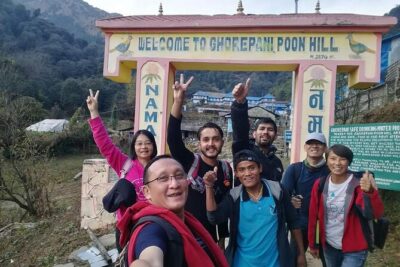
Browse the lists this tour appears in