
Reviewed · EVEREST BASE CAMP TREKS
Everest Base Camp Trek from Lukla
Landing at Lukla’s Tenzing-Hillary Airport puts you straight into the Khumbu Valley, where suspension bridges, pine forests, Sherpa villages, and giant Himalayan peaks replace the usual airport routine. I especially like the two acclimatization days, plus the chance to see Everest from Kala Patthar at sunrise and visit Tengboche Monastery.
I also like the practical support: an English-speaking guide, porter service, tea-house lodging, permits, and a first aid kit are included. The main catch is that flights, meals, insurance, and personal expenses are extra, so the $466 price is a starting point rather than your final bill.
Key points at a glance
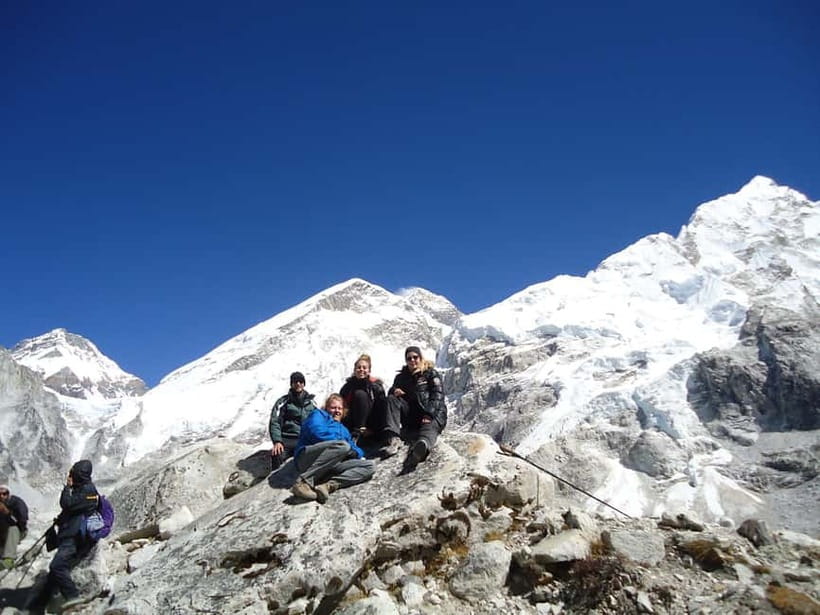
- Kala Patthar sunrise: Climb to 5,545 meters for the trek’s clearest viewpoint toward Everest and the surrounding peaks.
- Two acclimatization days: Spend time in Namche Bazaar and Dingboche to help your body adjust to high altitude.
- Sherpa culture: Walk through Namche, visit Tengboche Monastery, and pass through Khumbu villages shaped by mountain life.
- Small-group support: The group is limited to 10 people, with an English-speaking guide and porter service included.
- Basic but useful lodging: Tea houses provide a simple place to sleep, while meals can be arranged separately through Peregrine Treks.
- $466 starting price: Permits, accommodation, guide, porter, taxes, and a first aid kit are included, but flights and insurance are not.
Lukla begins the trek with a jolt
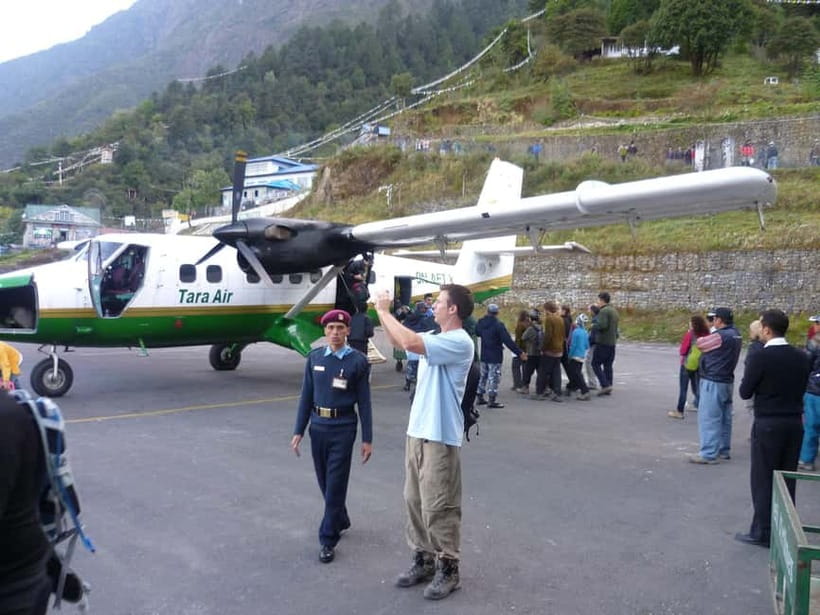
Your guide meets you at Tenzing-Hillary Airport after you share your flight details. The airport sits at Lukla, the usual gateway for this route, and the first walk begins in the Khumbu Valley rather than with a long road transfer.
The opening trail leads toward Phakding beside the Dudh Koshi River. You walk through green forest and cross suspension bridges, a pleasant introduction before the altitude and steeper paths take over. The listed walking time can reach eight hours, although the practical guidance says to expect about five to seven hours of walking each day.
Phakding is a small overnight stop. It is not a major destination in its own right, but it gives you a gentle first day and places you on the route toward Namche Bazaar. I would use this stage to check your footwear, water system, warm layers, and daypack before the trail becomes more demanding.
More Everest Base Camp Treks in Nepal:
- Everest Base Camp Trek – 14 Days
★ 5.0 · 1,499 reviews - Everest Base Camp Trekking
★ 5.0 · 485 reviews - Everest Base Camp Trekking – 13 Day
★ 5.0 · 365 reviews
Namche Bazaar gives you time to adjust
The next day brings the first serious climb toward Namche Bazaar, the Sherpa capital of the Khumbu. You continue past forests and bridges, with the trail gaining height as it approaches the town. Views toward Thamserku and Kongde Ri begin to show why this trek is more than a simple walk to one famous mountain.
Namche is one of the most useful stops on the route. You can explore local markets, rest, and get a feel for Sherpa life before going higher. The town also gives you a better chance to handle practical matters, since ATMs become scarce beyond Namche Bazaar. Carry local currency for drinks, snacks, laundry, internet, and other personal costs.
The itinerary includes a full acclimatization day here. That matters. A fast itinerary may look efficient on paper, but altitude sickness can ruin the trek or force you to turn around. Use the day for a short outing and relaxed exploration rather than treating it as a lost day.
Tengboche combines mountain views with Sherpa culture
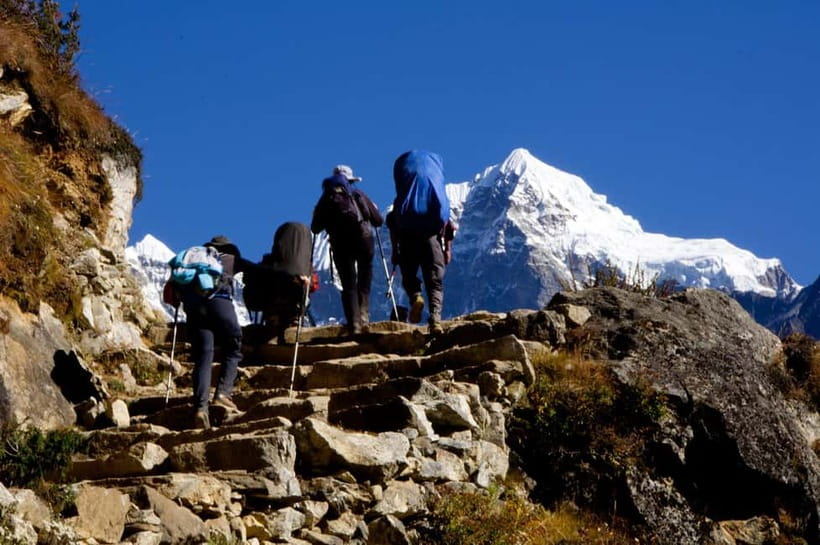
From Namche, the path continues through rhododendron and pine forest toward Tengboche. This section gives you a welcome change of scenery, with trees still framing parts of the trail before the valley begins to feel more exposed and austere.
Tengboche Monastery is one of the major cultural stops. It is one of the largest monasteries in the area and remains an important spiritual center for monks and local Sherpa communities. The setting is a big part of its appeal, with Ama Dablam, Everest, and Lhotse forming a dramatic backdrop.
I like this stop because it adds meaning to the trek. You are not simply ticking off altitude markers. You are moving through a living mountain region where religion, trade, guiding, and village life are closely tied to the Himalayas.
The trail day to Tengboche is listed at about eight hours, so you should be ready for a full day on foot. Conditions can change quickly in the mountains, and warm clothing, a hat, sunscreen, water, snacks, and comfortable shoes are all sensible basics.
Dingboche is where altitude becomes serious
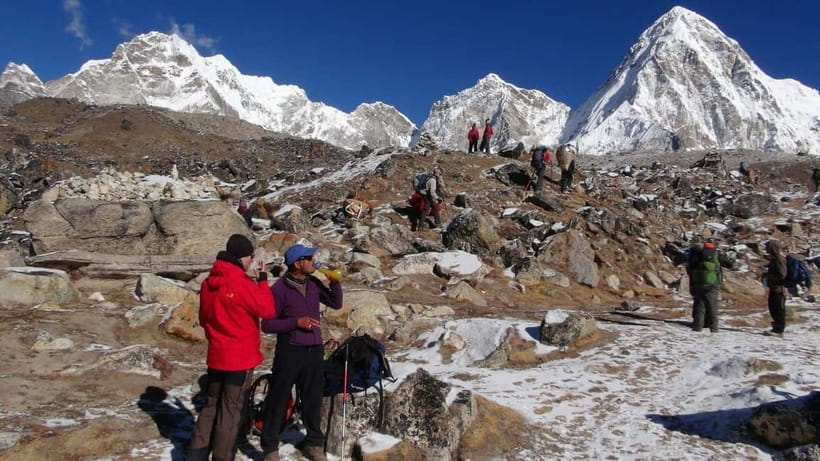
The route from Tengboche continues to Dingboche, a village at about 4,410 meters. The air is thinner here, and the surroundings become less wooded. The giant peaks feel closer, but your body may not appreciate the scenery as much as your eyes do.
A second acclimatization day is built into the schedule. That is one of the strongest features of this 12-day plan. You can take a short hike, enjoy the mountain views, and give yourself time to adjust before the route climbs farther toward Lobuche and Gorakshep.
Do not measure your fitness only by how you feel at sea level. High altitude affects people differently, and a strong walker can still struggle. Follow your guide’s advice, drink regularly, eat enough, and report symptoms early. The presence of a first aid kit is useful, but it does not replace proper travel insurance that covers high-altitude trekking.
Some descriptions of the trip suggest that trekkers often take an additional acclimatization day in Dingboche. That would add time and cost, so confirm the arrangement before booking if you think you may need it.
A few more Nepal trips to weigh up
- Nagarkot Sunrise View and Day Hiking from Kathmandu
★ 5.0 · 471 reviews - Annapurna Circuit Trek with Tilicho Lake
★ 5.0 · 368 reviews - Everest Base Camp Trek -14 Days
★ 5.0 · 321 reviews - Annapurna base camp trek 5 Days
★ 5.0 · 252 reviews
Lobuche marks the change to a harsher setting
After Dingboche, the trail leads to Lobuche, a remote settlement surrounded by high peaks. The route becomes more barren as you gain altitude. The forest is mostly behind you, and the feeling of remoteness grows.
This is a demanding part of the trek because the altitude, not just the distance, controls the pace. The daily schedule lists up to eight hours of hiking, while the practical guidance says five to seven hours is typical. Weather and individual pace can change that considerably.
Lobuche is best understood as a staging point for the biggest day ahead. Keep your expectations realistic about comfort. Tea-house accommodation is included, but it is basic. You get shelter and a place to sleep, not a hotel-style stay. That tradeoff is part of the value of this route: your money goes toward access, support, and the mountain journey rather than luxury.
Everest Base Camp is a hard-won milestone
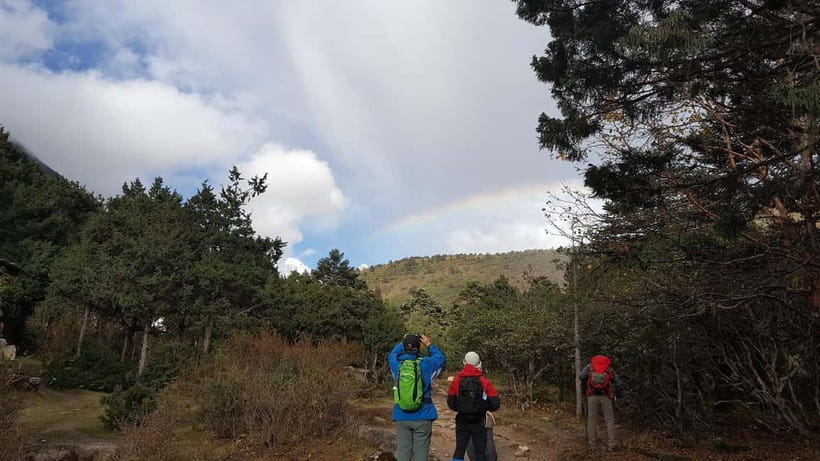
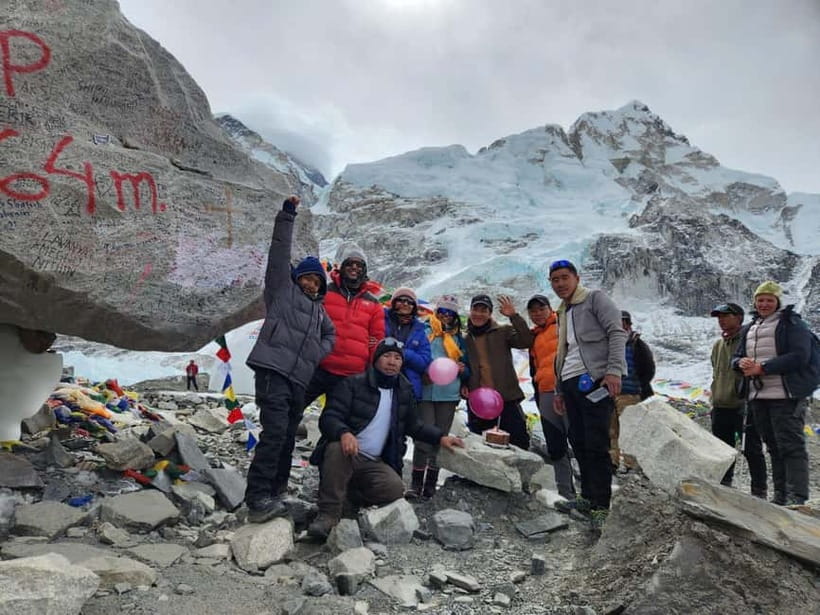
From Lobuche, you continue to Gorakshep, the final stopping point before Everest Base Camp. From there, the trail reaches the base camp at 5,364 meters.
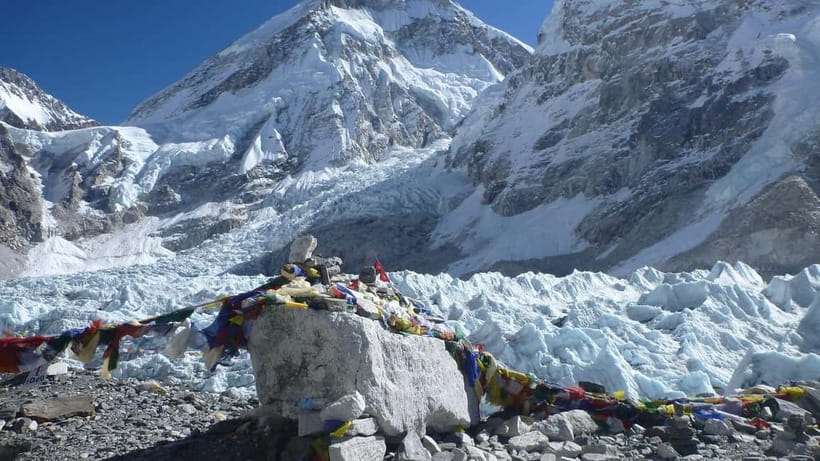
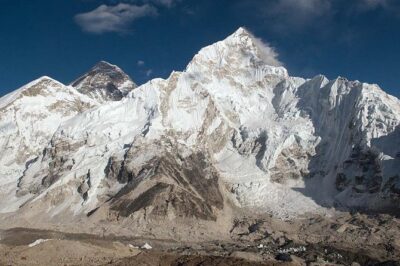
The base camp itself is a major personal milestone, but do not expect to see the summit in the same clear way you will from Kala Patthar. The route to base camp gives you close views of the Khumbu Icefall and the peaks around it. The sense of reaching the foot of the world’s highest mountain is the main reward.
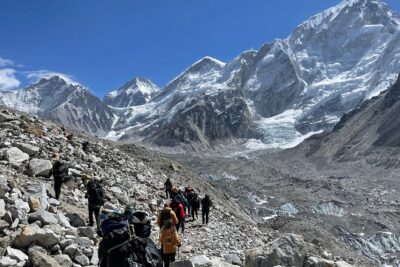
This is also one of the longest and most tiring days. You will be walking at serious altitude, and the surface can feel rough and slow. Snacks in your daypack are worthwhile, as are warm layers and water. Your guide and porter service can make the day more manageable, but no support team can remove the physical strain.
One useful point from the trip arrangements is flexibility. A group of four added an extra night at Gorakshep for a small additional cost, and another group changed the order of Kala Patthar and Everest Base Camp. These examples show that changes may be possible, but they need to be discussed and priced with Peregrine Treks rather than assumed to be included.
Kala Patthar delivers the best Everest view
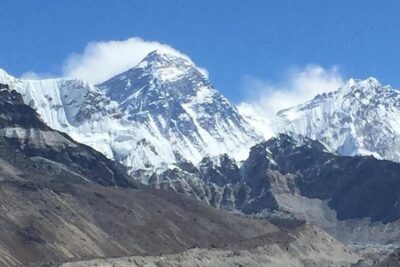
The early climb to Kala Patthar reaches 5,545 meters, higher than Everest Base Camp. It is often the visual high point of the trek because the summit views are more direct from here.
A sunrise start brings golden light across Everest and the surrounding giants. The climb is cold and demanding, but the reward is a broad view of the mountain scenery. If photography matters to you, this is the place to keep your camera ready, with spare battery power protected from the cold.
The itinerary takes you back to Pheriche after Kala Patthar. Some groups have chosen a sunset visit instead, followed by Everest Base Camp the next morning. That option may suit you if you prefer a slower rhythm, but it depends on conditions, guide advice, and an agreed change to the schedule.
Pheriche gives you a lower overnight stop after the high point. The return route is not simply an anticlimax. Descending usually lets you breathe more easily, and familiar villages and peaks look different when you are no longer focused only on gaining height.
The return to Namche and Lukla feels different
The trek back to Namche retraces much of the route, passing through the villages and forests you saw on the way up. You may find the return physically easier in places, but your legs will still be tired after the high-altitude section.
Namche is a welcome place to rest and spend any remaining local currency. The return to Lukla follows another full walking day, completing the land journey before you return to Tenzing-Hillary Airport.
The published schedule is described as 12 days, with the airport appearing at both the start and end. Ask Peregrine Treks to confirm the exact flight day and how delays are handled. Mountain weather can change quickly, and the package price does not include the flight.
Some people have arranged a helicopter from Lobuche back to Kathmandu, saving three days of trekking. That is not part of the standard $466 package, but it may be an option at extra cost. It also changes the character of the trip, replacing the descent through Khumbu villages with an aerial journey.
What the $466 price really covers
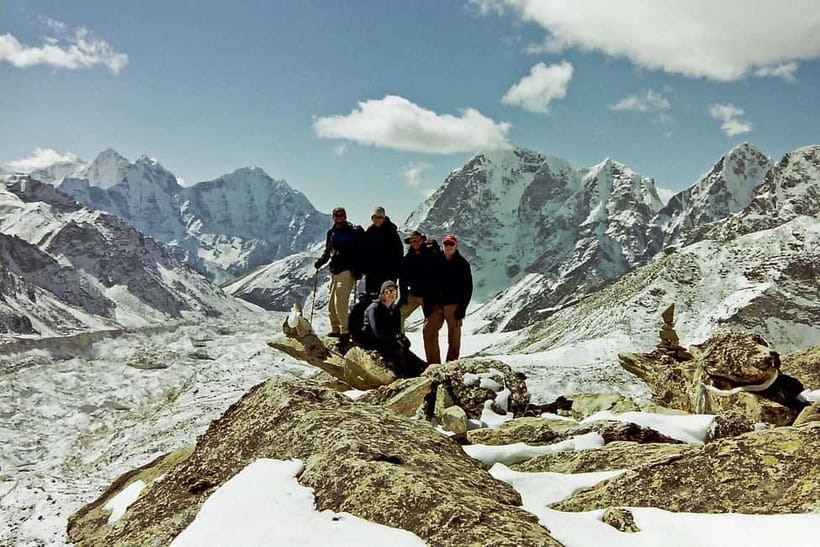
At $466 per person, this is an attractive starting price for a guided Everest Base Camp trek. The package includes:
- Professional English-speaking guide
- Tea-house accommodation
- Permits and entrance fees
- Porter service
- First aid kit
- Applicable taxes
That list covers the core structure of the trek. You are paying for local guiding, trail support, sleeping arrangements, permits, and assistance in a high-altitude region where going alone can be a poor choice.
The price does not include flights, travel insurance, visa fees, meals, laundry, beverages, internet, or other personal expenses. This is the most important budgeting point. Flights to Lukla can be a major extra, and the company can help issue tickets if you contact it at [email protected].
Meals deserve special attention. The published inclusions exclude them, but Peregrine Treks can arrange meal packages separately. One group received a 10 percent discount on meal prices, and another had meals organized with help from the company. Confirm the daily meal cost before departure so the low headline price does not surprise you later.
The food available along this route is often simple, filling fare. Dal bhat was specifically useful for keeping energy up, and tea-house meals are treated as fuel rather than fine dining. That is exactly the right approach for a trek like this.
Guides, porters, and tea-house comfort
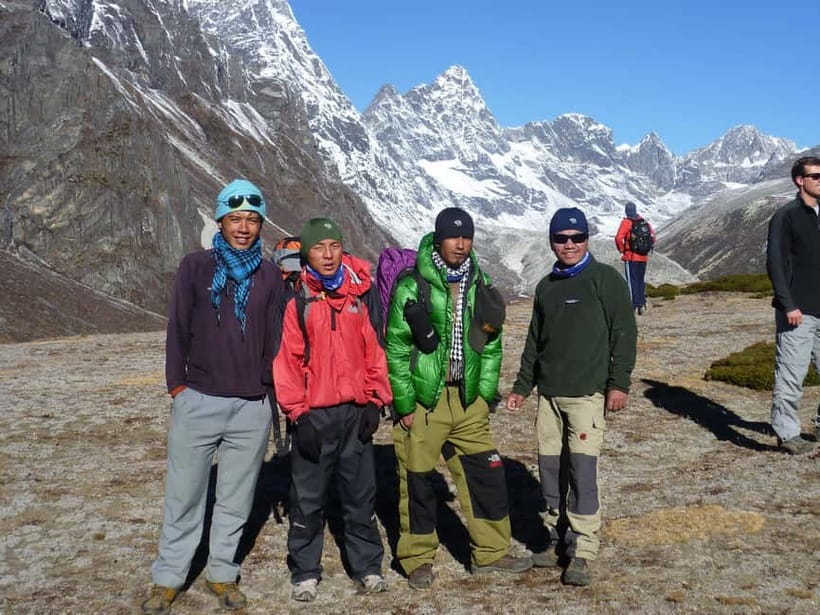
The group limit is 10 people, which is small enough for more direct contact with your guide without making the trip a private departure. An English-speaking guide handles the route and daily support, while porters carry gear.
Tirtha is one guide named in the trip arrangements, and Pradip is part of the company team involved in organizing services. If a particular guide matters to you, ask for confirmation before booking rather than assuming a named person is guaranteed.
The guide and porter service received the strongest praise in the available feedback. The practical value is clear: your guide helps with trail decisions and altitude concerns, while porters reduce the load you carry each day. You still need a comfortable daypack with personal essentials, water, snacks, sunscreen, and warm layers.
Tea houses are basic but adequate for a trek at this price. Expect simple accommodation, not private luxury. If you need extra nights, meal packages, an extra porter, or a helicopter transfer, arrange those before or during the trek and confirm the additional cost.
Who should choose this trek?
This trip suits you if you want the classic Everest Base Camp route with a guide and porters, but do not need upscale lodging. It is a good fit for active adults who can handle five to seven hours of walking per day and accept that some days may be longer.
The itinerary is also useful for first-time high-altitude trekkers because it includes acclimatization days in both Namche and Dingboche. That does not make altitude risk disappear, but it gives your body more time than a rushed schedule would.
The trek is not suitable for pregnant women, people with mobility impairments, or people with heart problems. The supplied information also lists people prone to seasickness, although seasickness is not normally the main concern on a mountain trek. In every case, consult a medical professional and carry insurance that specifically covers high-altitude trekking.
Small practical details that make a big difference
Pack for rapid weather changes. Warm clothing, a hat, comfortable shoes, sunscreen, water, snacks, and a camera are listed essentials, and each has a clear purpose on this route.
Carry local currency beyond Namche because ATMs are scarce farther up the valley. Budget for food, drinks, laundry, internet, and small personal purchases, since those are outside the package.
Alcohol and drugs are not allowed, and littering is prohibited. That matters in a fragile mountain region where waste removal is difficult.
Cancellation is flexible, with a full refund available if you cancel at least 24 hours in advance. You can also reserve now and pay later, which helps if your flight and weather plans are still taking shape. Those policies are useful, but they do not remove the need to confirm flight arrangements and insurance.
Should you book the Everest Base Camp trek from Lukla?
I would choose this trek if you want strong basic support, a clear acclimatization plan, and the main Khumbu highlights at a relatively low starting price. The combination of Namche Bazaar, Tengboche Monastery, Everest Base Camp, and Kala Patthar gives you both cultural depth and major mountain views.
I would not book it without first pricing flights, meals, insurance, and personal costs. I would also ask about the exact day-by-day timing, the assigned guide, the weight limits for porter service, and the plan if weather disrupts the Lukla flight.
For a small-group trek with an English-speaking guide and porter support, the package offers good value. Book it if you are comfortable with basic tea houses and long walking days, and if reaching Everest matters more to you than having a polished or luxurious trip.
FAQ
How long is the Everest Base Camp trek from Lukla?
The experience lasts 12 days and begins and ends at Tenzing-Hillary Airport in Lukla.
What altitude does Everest Base Camp reach?
Everest Base Camp is at 5,364 meters.
How high is Kala Patthar?
Kala Patthar reaches 5,545 meters and offers views toward Mount Everest and the surrounding Himalayan peaks.
Are acclimatization days included?
Yes. The itinerary includes one acclimatization day in Namche Bazaar and one in Dingboche.
Are flights and meals included in the $466 price?
No. Flights, meals, travel insurance, visa fees, and personal expenses such as laundry, beverages, and internet are not included. Meal arrangements can be organized separately through Peregrine Treks.
What is included in the trek?
The package includes an English-speaking guide, tea-house accommodation, permits and entrance fees, porter service, a first aid kit, and applicable taxes.
Just added around Nepal
- Private Half-Day Tour of Kathmandu Durbar Square and Swayambhunath Temple★ 4.5 · 11 reviews
- Namobuddha Monastery Hiking Day Tour via Panauti from Kathmandu★ 5.0 · 15 reviews
- Private Half-Day Tour of Boudhanath and Pashupatinath Temples in Kathmandu★ 4.5 · 9 reviews
- Private Full-Day Kathmandu City Tour★ 5.0 · 9 reviews
- Private Day Tour in Kathmandu Valley Rim with Bhaktapur Sightseeing★ 5.0 · 3 reviews
- Private Half Day Budhanilkantha Tour★ 5.0 · 6 reviews
- Private Day Tour: Patan and Bhaktapur from Kathmandu★ 4.5 · 6 reviews
- Private Day Tour – Sacred Journey to Namo Buddha★ 5.0 · 5 reviews
Everest Base Camp Treks, compared.
Everest Base Camp Trek with Helicopter Return from Gorakshep to Lukla
Read our review →Browse the lists this tour appears in