
Reviewed · EVEREST BASE CAMP TREKS
Everest Base Camp Trek
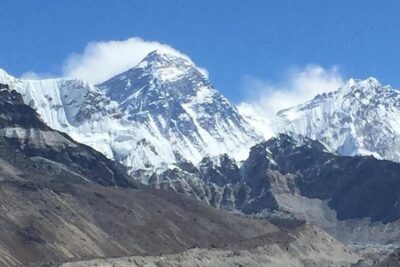
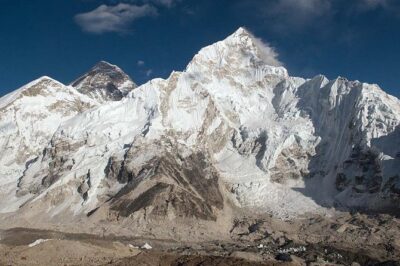
Everest Base Camp is the headline, but Kala Patthar at 5,550 meters may be the finest moment. You rise early for a sunrise over Everest, Pumori, Nuptse, and the Khumbu Glacier, then descend to breakfast before the long walk back toward lower ground.
I like the sensible acclimatization stop in Namche Bazaar, and I like the small maximum group size of eight. Guides connected with this company include Ram, Prakash, Bishnu, and Gore, though your assigned guide may differ. The main drawback is simple: weather can cancel Lukla flights, and the trek itself demands good fitness.
Key points at a glance
- Kala Patthar sunrise: Reach the trek’s highest point for some of the clearest Everest views.
- Namche acclimatization: Spend an extra day at 3,440 meters with a walk to the Everest View Point.
- Sherpa culture: Visit Tengboche Monastery, the Sherpa Museum, and villages along the Khumbu route.
- Small groups: The maximum is eight people, useful on demanding walking days.
- Flights included: The package covers Kathmandu or Ramechhap to Lukla flights, depending on seasonal air traffic.
- Weather risk: Lukla flights may be delayed or canceled, so keep your post-trek schedule flexible.
What the 14-day Everest Base Camp route is really like
This is a classic Himalayan trek through Sagarmatha National Park, beginning with a short flight toward Lukla and ending at the foot of the world’s highest mountain. You walk through rhododendron woods, high meadows, stone villages, suspension bridges, glacial moraine, and Buddhist settlements.
The route is not a technical mountaineering trip. You do not climb Everest, and you do not need mountaineering skills for the standard walking route. You do need steady fitness, patience, and the ability to handle long days at high altitude.
The itinerary gives you time to adjust rather than rushing straight upward. That matters. Namche receives a full acclimatization day, and Dingboche receives another rest day before the hardest section. Even so, the altitude makes this a serious undertaking, not a casual walking holiday.
More Everest Base Camp Treks in Kathmandu:
- Everest Base Camp Trek – 14 Days
★ 5.0 · 1,499 reviews - Everest Base Camp Trekking
★ 5.0 · 485 reviews - Everest Base Camp Trekking – 13 Day
★ 5.0 · 365 reviews
Days 1 and 2: Kathmandu preparation and the Lukla flight
Your first day is deliberately light. A staff member collects you at the airport and takes you to a hotel near Thamel, Kathmandu’s well-known tourist district. You then attend a pre-trek meeting and prepare for the next morning.
Two nights of Kathmandu accommodation on a bed-and-breakfast plan are included, at Hotel Kailash Kutee or a similar category. This gives you a useful buffer before and after the mountains, though the exact hotel should be confirmed when you book.
Day 2 begins early with a flight of about 40 minutes to Lukla. The flight may leave from Kathmandu or Ramechhap, depending on weather and seasonal air traffic. During busy periods, you may be driven to Ramechhap first, which adds road time and makes this day less predictable than the simple flight description suggests.
Lukla’s airstrip is famous for its short, challenging approach. The flight itself offers fine aerial views of the Himalayas, but do not build a tightly timed international connection around it. Poor weather and local operating conditions can delay or cancel flights.
From Lukla, you walk for roughly three hours to Phakding. This first walk is a useful introduction to the route. You pass through local settlements and have time to look around the community before spending the night.
Days 3 and 4: Suspension bridges and Namche Bazaar
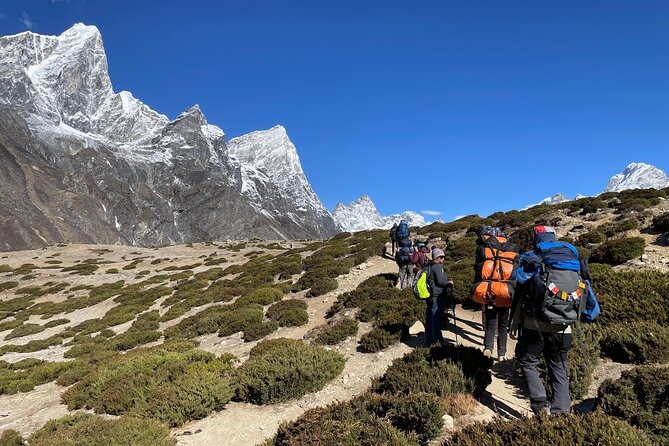
Day 3 takes you along the western bank of the Dudh Koshi River toward Namche Bazaar. You cross small suspension bridges and pass through Monjo before continuing upward.
The walk lasts about six hours, and the change in altitude becomes noticeable. Namche sits at about 3,440 meters and functions as the main entrance to the Everest region. It is also a cultural and trading center for the Sherpa community, making it more than just a place to sleep.
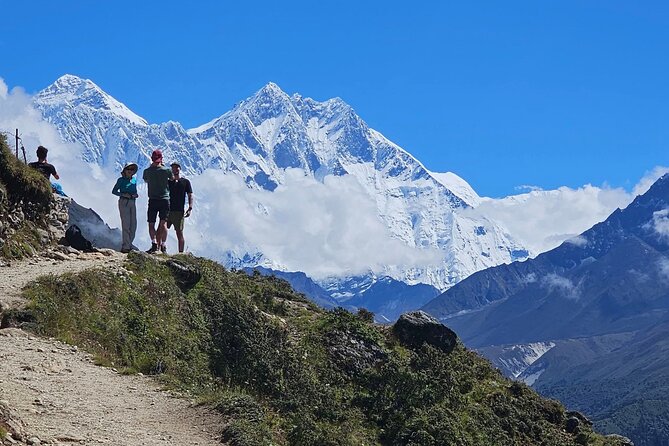
Day 4 is an acclimatization day. You do not simply remain in bed. The plan includes a two-hour walk to the Everest View Point, where you can see Everest and several major peaks from a high position. Hotel Everest View is also part of this outing, described as one of the highest-placed hotels in the area.
I like this pause because it gives your body time to adjust while still adding a strong mountain view to the day. You can also visit the Sherpa Museum, which covers Sherpa culture and the history of mountaineering in the region.
The main thing to understand is that acclimatization is not wasted time. It is one of the reasons the schedule takes 14 days. A shorter plan may look efficient on paper, but it gives you less room to respond to altitude problems.
Day 5: Tengboche Monastery and the first major mountain views
Leaving Namche, you follow a high route above the Dudh Koshi. The walking time is about five hours, with views toward Everest, Nuptse, Lhotse, Thamserku, and Kwangde.
The destination is Tengboche, one of the most memorable stops on the route. Its monastery gives the day a quiet spiritual focus, and the setting opens wide views across the surrounding peaks.
Tengboche is also a reminder that the route is not only about reaching a famous point on a map. You are moving through living Sherpa communities, where monasteries, prayer traditions, and mountain work remain part of daily life.
The accommodation and facilities become more basic as you climb. The package clearly includes meals for the trekking days, but it specifically names only the Kathmandu hotel accommodation. Ask the operator exactly which mountain lodges, room arrangements, and extra charges are covered before paying.
A few more Kathmandu trips to weigh up
- Nagarkot Sunrise View and Day Hiking from Kathmandu
★ 5.0 · 471 reviews - Annapurna Circuit Trek with Tilicho Lake
★ 5.0 · 368 reviews - Everest Base Camp Trek -14 Days
★ 5.0 · 321 reviews - Annapurna base camp trek 5 Days
★ 5.0 · 252 reviews
Days 6 and 7: Deboche, Dingboche, and a second altitude break
Day 6 leads through rhododendron woods and open meadows toward the Buddhist nunnery at Deboche. You then cross the Imja Khola, with views toward Island Peak and Amphu Laptsa Peak.
The walk to Dingboche takes about five hours. Dingboche is an important stopping point because the air is thinner and the next stage is harder. The plan gives you another day here on Day 7.
You can use that day to rest fully or take a shorter walk around the area. The itinerary allows about three hours for an optional outing, followed by another night in Dingboche.
This is a good place to be honest about the pace. Rest days do not mean the trek becomes easy. They help you prepare for the long push toward Lobuche, Gorak Shep, and Base Camp. If you are unused to altitude, listen closely to your guide and do not treat the schedule as a contest.
Day 8: Memorials and the Khumbu Glacier moraine
The walk from Dingboche to Lobuche takes about six hours. You pass through Dughla and climb toward memorials dedicated to Sherpas who died on Everest expeditions.
This section carries more emotional weight than a standard scenic stop. The memorials connect the famous summit stories with the people who support expeditions, carry loads, guide routes, and face the same dangers in severe conditions.
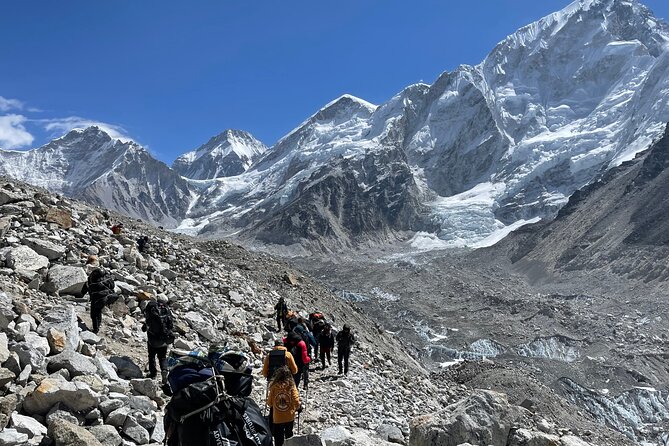
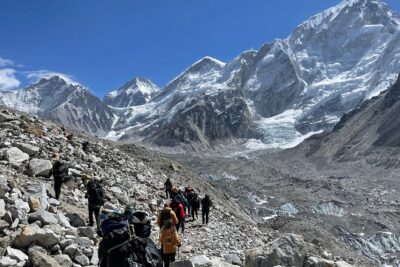
You then continue beside the Khumbu Glacier moraine, with views toward Kala Patthar and Pumori. The trail becomes stonier and more exposed in character, and the altitude can make even a modest incline feel long.
Lobuche is not the point where you should expect comfort or entertainment to distract you from the conditions. It is a staging point before Base Camp, and the focus is on eating, resting, and preparing for the next day.
Day 9: The hard walk to Everest Base Camp
Day 9 is one of the trek’s major tests. From Lobuche, you continue toward Gorak Shep, then walk to Everest Base Camp after lunch.
The Base Camp section takes about six hours in total. The path crosses stony ground, glacial moraine, and streams before reaching the area near the Khumbu Icefall and Khumbu Glacier.
Base Camp is not a polished viewpoint with a permanent village. Conditions change with the climbing season, and the visual reward comes from the glacier, icefall, surrounding peaks, and the knowledge that mountaineering teams use this area as the starting point for Everest attempts.
After visiting Base Camp, you return to Gorak Shep for the night. The return section includes a small initial incline, a steeper ascent of about 30 minutes, and then a descent to the lodge.
This is a long day at serious altitude. You should expect slow progress, frequent stops, and a basic overnight stay. The sense of achievement comes from completing the route under your own power, not from finding luxury at the destination.
Day 10: Kala Patthar at 5,550 meters
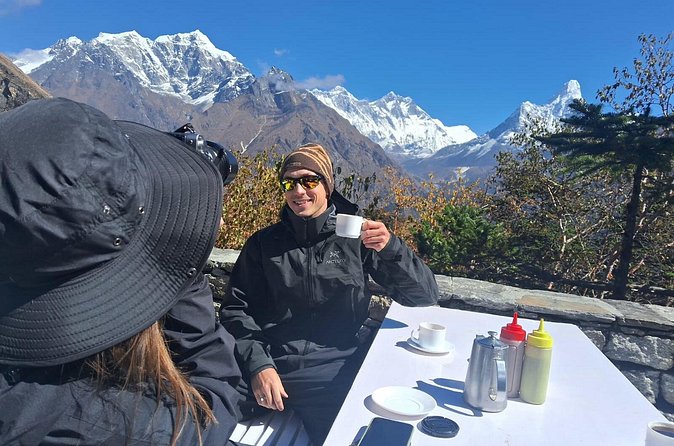
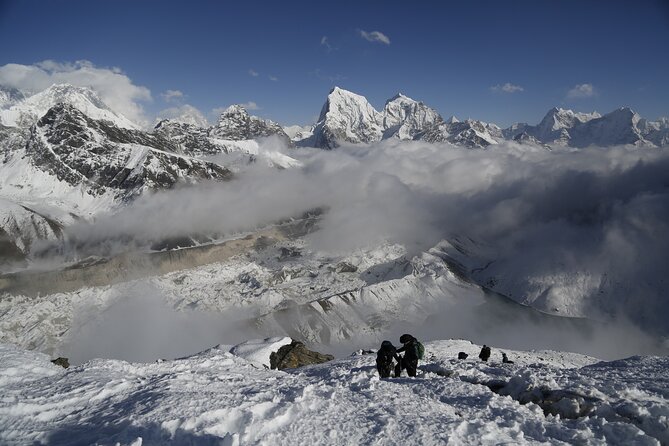
Day 10 begins with an early climb to Kala Patthar, the highest point on this itinerary. The ascent takes about two hours and reaches approximately 5,550 meters.
The reward is the sunrise view. From Kala Patthar, you can look toward Everest, Nuptse, Pumori, and the Khumbu Glacier. The early timing matters because mountain light changes quickly, and the viewpoint is prized for its broad view of Everest.
After descending to Gorak Shep for breakfast, you continue downhill toward Pheriche. The full walking time is about six hours after the viewpoint stop.
For many people, Kala Patthar provides a better Everest panorama than Base Camp itself. Base Camp places you close to the glacier and icefall, while Kala Patthar gives you the wide mountain view you may have imagined before arriving in Nepal.
Days 11 and 12: The return through Pangboche and Namche
The descent begins in earnest on Day 11, with about six hours of walking toward Namche Bazaar. You pass through Pangboche, where the area’s oldest monastery is open for visits, then continue toward Phungithanka and Tengboche.
Descending usually feels easier on your breathing, but it still puts pressure on your knees and legs. The return route also lets you notice details you may have missed while concentrating on the climb.
Day 12 continues toward Lukla and takes about six hours. You walk through greener surroundings, pass Sherpa hamlets, and cross the Hillary Suspension Bridge before reaching Lukla.
You spend the night in Lukla rather than trying to fly out immediately after arriving. That is sensible because flight schedules can shift, and an overnight buffer is important in this region.
Days 13 and 14: Flights home and a practical buffer
On Day 13, you fly from Lukla toward Kathmandu or Ramechhap. During the busy season, the plane may use Ramechhap because of air traffic at Kathmandu’s airport.
If the flight reaches Ramechhap, the journey is not finished. You then need the road transfer toward Kathmandu, which can take several hours. The itinerary allows time for this movement and includes transport to your accommodation.
If weather stops the flight, the schedule can change. Build spare time into any onward international plans, and avoid booking a same-day connection that leaves no margin.
Day 14 is reserved for departure from Tribhuvan International Airport. Airport drop-off is included, and you have free time before departure if you arranged extra activities or another overnight stay.
What the $1,300 price covers
At $1,300, the package offers useful value if you want the main transport and meals arranged in one booking. Included items are airport pickup and final drop-off, taxes and fees, the Kathmandu to Lukla return flights or the Ramechhap alternative, the guide’s flight, two Kathmandu hotel nights with breakfast, and 13 breakfasts, 11 lunches, and 11 dinners.
Personal expenses and drinks are not included. Alcohol is also excluded, and the stated policy limits alcoholic drinks to people over 18.
The important point is to confirm the mountain accommodation. The trip includes overnight stops in Phakding, Namche, Tengboche, Dingboche, Lobuche, Gorak Shep, Pheriche, and Lukla, but the inclusions specifically name the Kathmandu hotel rather than listing every trekking lodge. Ask about lodge charges, hot showers, charging, bottled water, and other extras before departure.
Tips for the guide and porter are not included either. Carry some local currency for personal spending and gratuities, though the exact amount is not provided here.
For a 14-day trek with flights, meals, guide support, airport transfers, and Kathmandu lodging, the price can be attractive. Its value depends on what the mountain lodges and porter service cover, so do not compare prices until those details are clear.
Guides, group size, and the human side of the trek
The maximum group size is eight. That is small enough for a guide to keep track of the group on suspension bridges, steep sections, and slow altitude days.
Names connected with past trips through this company include Ram, Amer, Bishnu, Rajesh, Tilak, Binode, Sanjay, Prakash, and Gore. One guide named Amer served as a porter on a booking, while another account describes Gore sharing gear, repairing shoes, and making careful decisions during a snowstorm.
You should not assume a particular guide will lead your departure. Ask for the guide’s name and role before setting out, especially if you are choosing this company because of a personal recommendation.
The strongest pattern is attentive support during difficult moments. Ram is associated with keeping a nervous trekker calm, and one family trip describes him teaching a card game during downtime. Those small touches matter on a long route where morale can change as quickly as the weather.
Who should book this trek
I would recommend this trip to you if reaching Everest Base Camp is a major personal goal and you want a guided route with transport and meals organized. It also suits families with a strong walking base, as one family group completed the route with a granddaughter.
You need moderate physical fitness, as stated by the operator, but that phrase should not be read as easy. The trek includes several six-hour days and reaches 5,550 meters. You should be comfortable walking for hours on uneven ground and willing to move slowly when altitude demands it.
This is less suitable if your schedule cannot absorb flight delays, if you expect hotel-level comfort throughout, or if you dislike basic mountain accommodation. It is also a poor match if you want complete independence, since the trip is structured around a guide and group.
The route can be attempted outside the busiest periods, but the information here does not promise specific weather or trail conditions for any month. One June departure had only some afternoon rain and completed the route, but that should not be treated as a guarantee for every monsoon trip.
Final call: a strong choice with two questions to ask
I would book this Everest Base Camp Trek if the operator confirms that the trekking lodges and porter arrangements match your expectations. The route has the right shape: a measured climb, a Namche acclimatization day, a Dingboche rest day, Base Camp, Kala Patthar, and a gradual return.
The best reasons to choose it are the small group limit, included Lukla flights, strong guide support, and time spent in Sherpa villages rather than rushing through them. The two points to settle first are the exact mountain accommodation included in the $1,300 price and your plan for possible flight delays.
Cancellation is allowed for a full refund up to three full days before the start time. Later cancellations are not refunded, and weather or minimum-group cancellations may lead to a new date or full refund. If you can handle the altitude, the long walks, and the uncertain flights, this is a well-paced way to reach Everest Base Camp without having to arrange every moving part yourself.
FAQ
How long does the Everest Base Camp Trek take?
The planned duration is approximately 14 days, including Kathmandu arrival and departure days, the Lukla flights, the trek to Base Camp, Kala Patthar, and the return to Lukla.
Is airport pickup included?
Yes. Pickup on arrival and transport to the international airport for departure are included.
Are flights to Lukla included in the price?
Yes. The package includes return flights for the client and guide between Kathmandu and Lukla, or between Ramechhap and Lukla when the seasonal schedule requires it. Road transport to Ramechhap may also be used during peak periods.
How large is the group?
The maximum group size is eight people.
What level of fitness is required?
The operator states that you should have a moderate level of physical fitness. The route includes several walks of about six hours and reaches Kala Patthar at approximately 5,550 meters.
What happens if bad weather cancels the trip or a flight?
If poor weather causes the experience to be canceled, you are offered another date or a full refund. Lukla flights can also face delays or cancellations because of weather and local operating conditions, so you should keep your schedule flexible.
Just added around Kathmandu
- Private Half-Day Tour of Boudhanath and Pashupatinath Temples in Kathmandu★ 4.5 · 9 reviews
- Private Half-Day Tour of Kathmandu Durbar Square and Swayambhunath Temple★ 4.5 · 11 reviews
- Namobuddha Monastery Hiking Day Tour via Panauti from Kathmandu★ 5.0 · 15 reviews
- Private Full-Day Kathmandu City Tour★ 5.0 · 9 reviews
- Private Day Tour in Kathmandu Valley Rim with Bhaktapur Sightseeing★ 5.0 · 3 reviews
- Private Half Day Budhanilkantha Tour★ 5.0 · 6 reviews
- Private Day Tour: Patan and Bhaktapur from Kathmandu★ 4.5 · 6 reviews
- Private Day Tour – Sacred Journey to Namo Buddha★ 5.0 · 5 reviews
Everest Base Camp Treks, compared.
Everest Base Camp Trek with Helicopter Return from Gorakshep to Lukla
Read our review →Browse the lists this tour appears in