
Reviewed · EVEREST BASE CAMP TREKS
Everest Base Camp Trek
Everest Base Camp is less about simply seeing the world’s highest mountain than earning your way toward it, one steep trail and suspension bridge at a time. This 14-day trek from Kathmandu takes you through Sherpa villages, Buddhist monasteries, glacier country, and the high mountain settlements of the Khumbu.
I like that the price includes the two Lukla flights, park permits, 11 nights of trekking accommodation, meals, a sleeping bag, down jacket, and duffel bag. I also like the strong guide support, with Buddhi frequently leading groups and Pawan named as a main guide on one route. The main caution is simple: this is a demanding walk at high altitude, not a sightseeing tour with a little hiking added.
Key points to know before booking
- Lukla flights are included: The trek begins with the short domestic flight from Kathmandu to Lukla and ends the same way.
- Two acclimatization days matter: You spend time in Namche Bazaar and Dingboche rather than racing straight uphill.
- Kala Patthar is the visual high point: The early morning climb offers a strong chance for dramatic views of Everest and surrounding peaks.
- The price covers useful trekking equipment: A sleeping bag, down jacket, and duffel bag are provided, which reduces the amount of gear you need to bring.
- Guide support is central: Buddhi and Pawan are among the named guides, while Anjan is listed as the airport arrival representative.
- You need your own insurance: Travel and rescue insurance are not included, and helicopter evacuation costs are to be handled by your insurance company.
Why this 14-day Everest trek works
The route follows the classic approach to Everest Base Camp, beginning in Kathmandu and flying into Lukla. From there, you walk through Phakding, Namche Bazaar, Tengboche, Dingboche, Lobuche, Gorak Shep, Everest Base Camp, and Kala Patthar before returning by the same general route.
That structure gives you time to adjust to the altitude. You are not simply climbing every day without pause. A full acclimatization day in Namche and another in Dingboche break up the ascent, and that is one of the most sensible features of the plan.
This is a private activity, so only your group participates. That can make the pace and daily routine feel more personal than a large scheduled departure. It also means you should ask before booking exactly how many people will be in your group, since the provided details do not state a fixed group size.
The listed price is $1,799.27 per person. For a trek of this length, that is a useful value if you want flights, permits, meals, a guide, accommodation, and basic cold-weather equipment bundled together. It is not an all-inclusive trip, though. You still pay for a Kathmandu hotel, porter service, insurance, drinks, showers, laundry, battery charging, phone calls, bottled water, hot water, and tips.
More Everest Base Camp Treks in Kathmandu:
- Everest Base Camp Trek – 14 Days
★ 5.0 · 1,499 reviews - Everest Base Camp Trekking
★ 5.0 · 485 reviews - Everest Base Camp Trekking – 13 Day
★ 5.0 · 365 reviews
Kathmandu arrival and the flight to Lukla
On arrival at Tribhuvan International Airport, Anjan, a representative of Nepal High Trek & Expedition, is scheduled to meet you and take you to the arranged hotel. The first evening includes dinner, giving you a chance to settle in before the mountain section begins.
The next morning, you transfer to Kathmandu’s domestic terminal for the flight to Lukla. The flight is not a minor detail. Lukla is the starting point of the trek, and the plan depends on both the outbound and return flights operating as scheduled.
The itinerary allows little spare time for major flight disruption. The provider states that extra mountain expenses caused by delays, cancellations, strikes, or similar problems are not included. Good travel insurance is therefore essential, especially because emergency helicopter arrangements are available but the bill is expected to go through your insurance company.
You should also expect an early start. The listed meeting time is 8:15 am, though the exact timing of mountain transfers and flights can vary. Bring patience along with your passport and trekking gear.
Lukla and the first walk to Namche Bazaar
Lukla introduces you to the rhythm of the route quickly. After the flight, the trail heads toward Phakding and then onward to Namche Bazaar, crossing suspension bridges over the Dudh Koshi River.
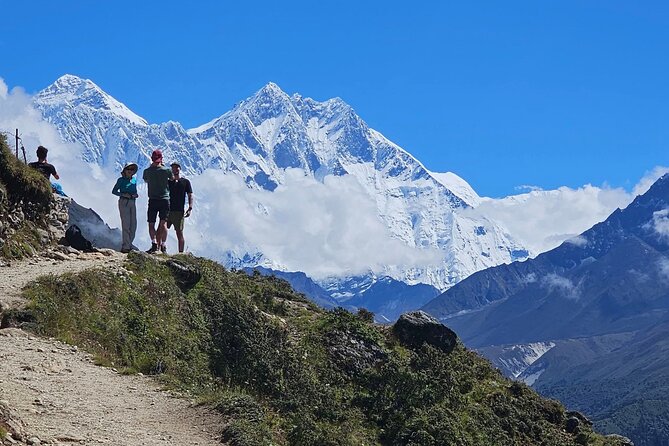
This section is a useful transition from city life to mountain travel. The trail passes through river valleys and gives you views of Mount Thamserku, listed at 6,618 meters. The advice to walk slowly is worth taking seriously. A calm pace helps you notice the villages and scenery, and it avoids turning the first walking days into a race.
The itinerary gives only about an hour at the named Phakding stop, but the full walking day is naturally longer than that stop duration suggests. Do not read the timetable as a promise that the entire day is a one-hour stroll. Daily trail times depend on the route, conditions, and the group’s pace.
Namche Bazaar is more than an overnight stop. It is the main service center on this part of the route, with banks, ATMs, internet cafés, and places to eat and rest. The program includes an acclimatization day here, with time to explore the surrounding area. An Irish Pub appears as the named stop, but the real value of the day is giving your body time to adjust before you gain more height.
Tengboche and the first big mountain views
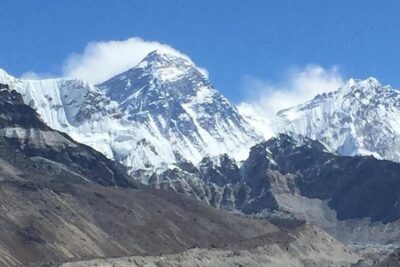
From Namche, the trail continues toward Tengboche. This is one of the most rewarding sections for scenery, with views of Everest, Nuptse, Lhotse, Ama Dablam, and other peaks along the route.
Tengboche Gompa gives the walk a cultural center. The itinerary includes a short visit to the monastery, with snowy mountains behind it. You can take photographs, but try not to treat the gompa as just a scenic backdrop. It is also a place connected to the religious life of the Sherpa communities in the region.
The named stop lasts about an hour, while the wider day involves a substantial walk. The cold air becomes more noticeable, and the trail begins to feel less like a valley hike and more like a serious high-mountain route.
I like this part because it combines two things that make the trek worthwhile: the mountain views and a stronger sense of place. You are not only walking toward Everest. You are passing through communities shaped by trade, Buddhism, mountaineering, and the demands of life in a remote region.
A few more Kathmandu trips to weigh up
- Nagarkot Sunrise View and Day Hiking from Kathmandu
★ 5.0 · 471 reviews - Annapurna Circuit Trek with Tilicho Lake
★ 5.0 · 368 reviews - Everest Base Camp Trek -14 Days
★ 5.0 · 321 reviews - Annapurna base camp trek 5 Days
★ 5.0 · 252 reviews
Dingboche gives you another needed rest day
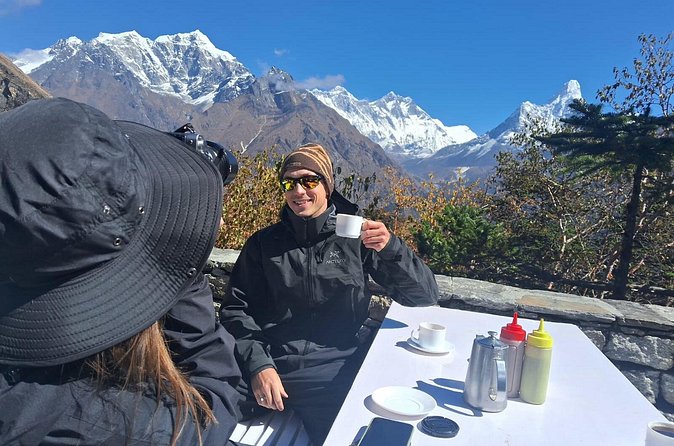
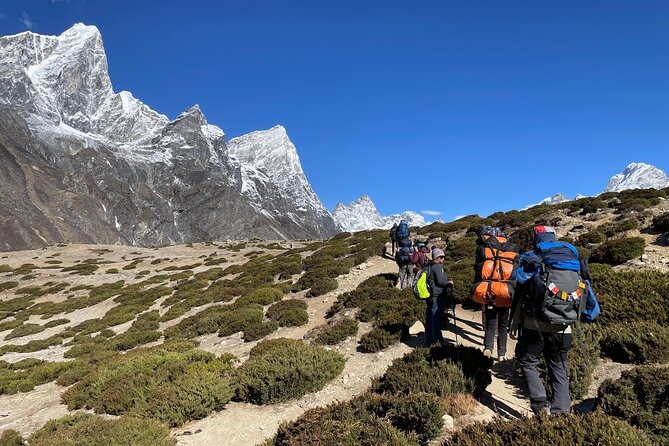
The route continues from Tengboche to Dingboche, with a stop at a viewpoint along the way. The scenery is increasingly open, and the surrounding peaks become a constant part of your day rather than an occasional glimpse through trees.
Dingboche includes another acclimatization day. The short hike toward Chhukung follows the Imja Khola valley and offers views toward Lhotse. A stupa is listed as the day’s main stop, but the larger purpose is to walk a little higher and return to Dingboche to rest.
That rest day is not wasted time. It gives you a chance to test how you feel before the route reaches the Khumbu Glacier and the highest settlements on the itinerary. Pay attention to your body, tell your guide if you feel unwell, and do not confuse determination with good judgment.
The trek requires a strong level of physical fitness. You should be ready for repeated walking days, cold conditions, steep sections, and limited comforts. The program does not promise an easy route, and its success depends partly on your ability to keep a steady pace.
Khumbu Glacier and the memorial stones
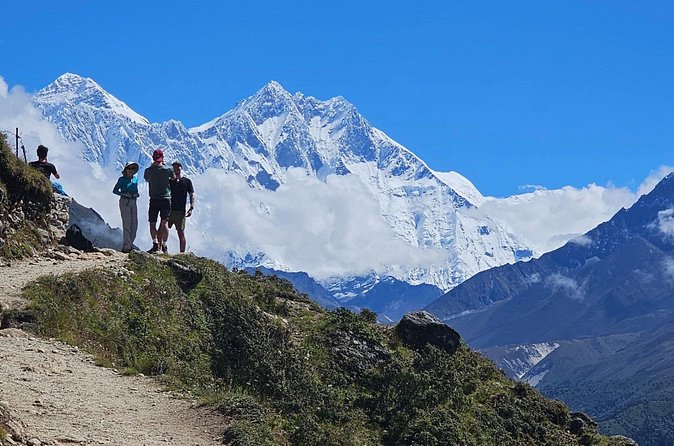
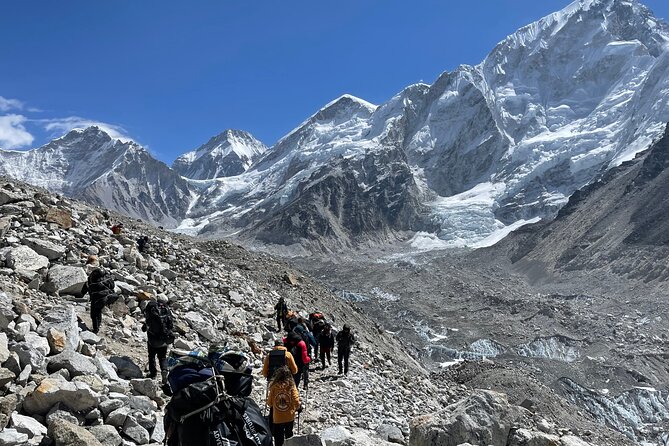
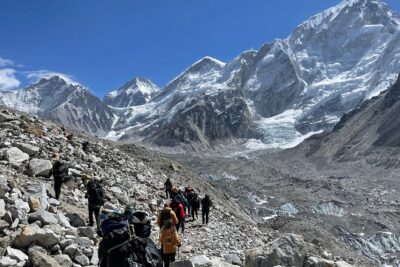
After Dingboche, the route heads toward the Khumbu Glacier. You walk along its lateral moraine, a rough and memorable section shaped by ice, rock, and high mountain weather.
The trail passes stone memorials dedicated to climbers who died on nearby summits. This is a sober part of the journey. It adds human weight to the famous name of Everest and reminds you that the mountain is not merely a backdrop for photographs.
The itinerary includes Lobuche before the push toward Gorak Shep. The named time at the glacier is short, but the walking day itself is more demanding. You should expect the altitude and cold to affect your energy, even if you have been managing well so far.
The included three cups of hot tea during the trek are a small but welcome provision. Other drinks and hot water are not included, so budget for those separately. The same applies to showers, laundry, and battery charging.
Everest Base Camp is the goal, not the easiest view
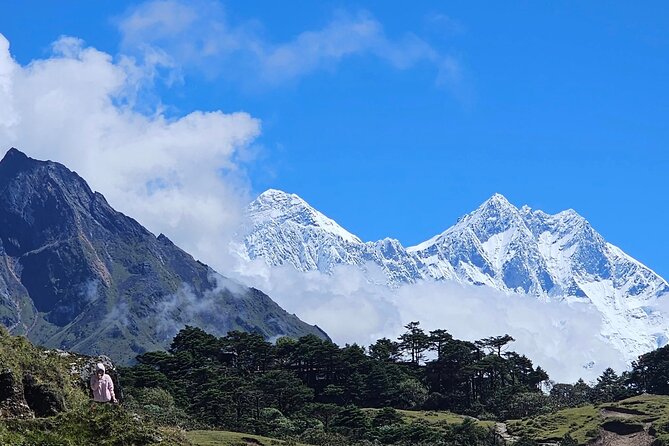
From Gorak Shep, you walk toward Everest Base Camp. The route passes through high, stark terrain, with views of Everest and neighboring peaks. The itinerary lists Everest Camp II as the stop, but the day’s central aim is reaching the base camp area.
Base Camp itself is a powerful destination because it represents the starting point for mountaineering expeditions. It is not necessarily the place with the clearest view of Everest’s summit. The surrounding terrain and glacier make the approach memorable, but the best broad mountain panorama in this program comes the next morning from Kala Patthar.
The listed stop duration at Everest Base Camp is only four minutes, which should be treated as a rough itinerary marker rather than a detailed visit schedule. Conditions, trail pace, and the location of seasonal expedition camps can affect how long you spend in the area.
This is also where the trip’s physical challenge becomes most obvious. You have already completed many walking days, and the altitude gives every uphill section more weight. A supportive guide can make a real difference here. Buddhi is repeatedly named in the supplied material as a caring and encouraging leader, and Pawan is also identified as a main guide on one group’s trek.
Kala Patthar provides the big morning payoff
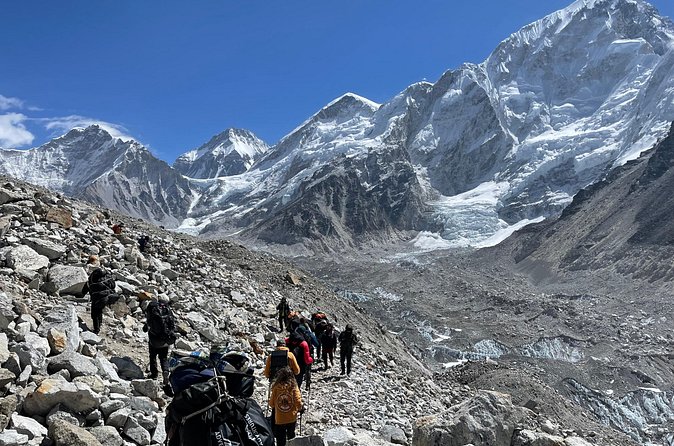
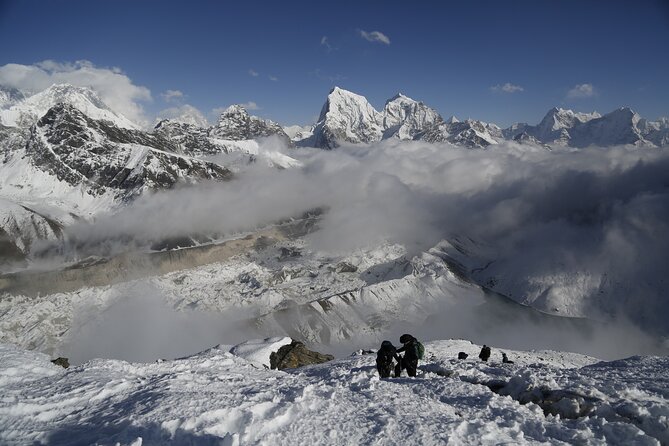
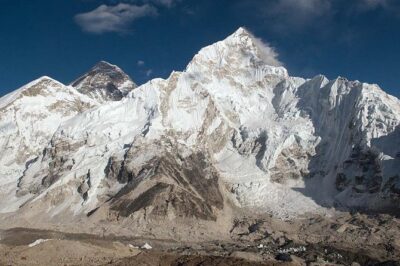
The next morning begins early with a climb toward Kala Patthar. The program describes this as the key day, with sunlight reflecting off the snow and a wide view of the surrounding mountains.
An early start is important for the experience. The light can make the peaks look very different from the previous afternoon, and the climb gives you the classic high viewpoint associated with the Everest Base Camp route.
The stop at Gorak Shep is listed at about 30 minutes, but again, the stated stop times are not a complete description of the walking day. The climb to Kala Patthar takes sustained effort, and you should expect to move slowly.
I like that the itinerary includes both Everest Base Camp and Kala Patthar. One gives you the destination and expedition connection. The other gives you the stronger mountain view. If you only want a quick photo near Everest, this trek is far more than you need. If you want the full approach, with the hard days included, the combination makes sense.
The return route through Pheriche and Pangboche
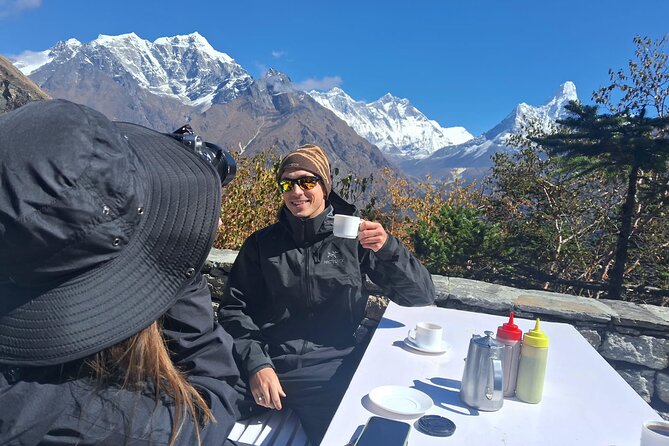
After Gorak Shep, the trek descends toward Pheriche. The return is not simply a dull repeat of the ascent. A different route through Orsho and Pangboche adds variety, and Pangboche offers the chance to explore an old monastery.
The monastery is associated with stories about the scalp and bones of the abominable snowman. Treat that as local lore rather than established fact, but it gives the stop a memorable human touch. The cultural details are part of what separates this route from a simple mountain exercise.
One return day is listed at seven hours, making it among the longest stated walking sections. Descending is often easier on the lungs than climbing, but tired legs, uneven ground, and long hours still demand care. Keep your pace controlled and use the support of your guide.
The route then returns toward Namche Bazaar. You get another chance to enjoy its cafés, banks, internet access, and more comfortable setting before the final walk to Lukla.
Lukla to Kathmandu and the final evening
From Namche, the route continues back to Lukla. The itinerary allows time to explore the Lukla valley after arrival and spend the night in a guesthouse.
This overnight is useful because the flight back to Kathmandu is part of the same weather-sensitive system as the arrival flight. It gives you a planned night near the airstrip instead of expecting to finish a long walk and immediately connect to an international departure.
The following day, you fly back to Kathmandu and have time to visit Kathmandu Durbar Square. The stop is listed at about two hours. It gives the program a cultural finish after nearly two weeks focused on mountain trails.
The final night is in Kathmandu, but the hotel is not included in the price. On departure day, the team takes you toward Tribhuvan International Airport, with a small farewell program planned before you leave.
What the $1,799.27 price really covers
The package has a practical list of inclusions:
- Return Kathmandu to Lukla flights
- A government-licensed mountain guide from Kathmandu
- Sagarmatha National Park permit
- Khumbu Entrance Fee
- Pasang Lhamu Rural Municipality entrance fee
- 11 nights of accommodation during the trek
- 12 breakfasts, 12 lunches, and 11 dinners as listed
- Sleeping bag, down jacket, and duffel bag
- Airport pickup and drop-off for domestic and international terminals
- Medical kit
- Three cups of hot tea during the trek
The meal counts are written inconsistently in the supplied details, with additional lines listing 13 lunches, 14 breakfasts, and 13 dinners. Confirm the final meal schedule before departure so you know exactly what is covered.
The biggest extra cost is porter service, which is excluded. You also pay for tips, insurance, Kathmandu accommodation, and personal mountain expenses such as water, showers, laundry, phone calls, hot water, and charging. The package is good value when these costs are understood, but it is not a one-price trip.
Who should book this trek
I would choose this experience if you want a structured route with a private group, a local guide, return flights, permits, meals, and basic gear arranged in advance. It suits someone who values support and organization but still wants the daily effort of a genuine Himalayan trek.
The trek is also a good fit if you want more than mountain scenery. Namche, Tengboche, Dingboche, Pangboche, the monasteries, stupas, memorial stones, and Sherpa communities give the route cultural and emotional depth.
I would think twice if you dislike cold, long walking days, basic mountain accommodation, or uncertain flight schedules. You also need strong physical fitness and proper travel and rescue insurance. A helicopter arrangement is available, but the cost is not included in the tour price.
The cancellation policy is generous for a fixed departure: you can receive a full refund if you cancel at least 24 hours before the start time. Weather cancellations offer a different date or a full refund, while changes made within 24 hours are not accepted.
Should you book the Everest Base Camp Trek?
Book it if reaching Everest Base Camp matters enough to justify two demanding weeks, basic facilities, and a strict need to respect altitude and weather. The route is well paced on paper, the two acclimatization days are valuable, and the included flights and equipment remove several large planning tasks.
Before paying, confirm the group size, final meal count, Kathmandu hotel arrangements, porter rates, and what happens if a Lukla flight is delayed. If those details suit your budget, this is a strong package for a first Everest Base Camp experience, with guide support from people such as Buddhi and Pawan and a route that includes both the base camp and Kala Patthar.
FAQ
How long is the Everest Base Camp Trek?
The trek lasts approximately 14 days, including arrival and departure arrangements in Kathmandu, the flights between Kathmandu and Lukla, and the walking route to Everest Base Camp and back.
What is the price per person?
The listed price is $1,799.27 per person.
Are return flights between Kathmandu and Lukla included?
Yes. The package includes both the Kathmandu to Lukla flight and the return Lukla to Kathmandu flight.
Is airport pickup provided?
Yes. Airport pickup and drop-off are included for the domestic and international airport terminals.
Is accommodation in Kathmandu included?
No. The price includes 11 nights of accommodation during the trek, but a hotel in Kathmandu is not included.
Are meals included?
Yes. Meals are included during the trek. The main inclusion list specifies 12 breakfasts, 12 lunches, and 11 dinners, while additional lines give different totals, so confirm the final schedule with the provider.
Is a guide included?
Yes. The package includes a government-licensed mountain guide from Kathmandu. Buddhi and Pawan are named guides associated with the experience, and Anjan is listed as the airport arrival representative.
Do I need strong physical fitness?
Yes. The additional information states that participants should have a strong physical fitness level. The route includes repeated walking days, high-altitude terrain, and an early climb to Kala Patthar.
Is travel insurance included?
No. Travel and rescue insurance are not included. Emergency helicopter service can be arranged, but the cost is to be paid by your travel insurance company.
What happens if bad weather cancels the experience?
If poor weather causes a cancellation, you are offered a different date or a full refund. You can also cancel for a full refund if you do so at least 24 hours before the experience start time.
Just added around Kathmandu
- Private Half-Day Tour of Boudhanath and Pashupatinath Temples in Kathmandu★ 4.5 · 9 reviews
- Private Half-Day Tour of Kathmandu Durbar Square and Swayambhunath Temple★ 4.5 · 11 reviews
- Namobuddha Monastery Hiking Day Tour via Panauti from Kathmandu★ 5.0 · 15 reviews
- Private Full-Day Kathmandu City Tour★ 5.0 · 9 reviews
- Private Day Tour in Kathmandu Valley Rim with Bhaktapur Sightseeing★ 5.0 · 3 reviews
- Private Half Day Budhanilkantha Tour★ 5.0 · 6 reviews
- Private Day Tour: Patan and Bhaktapur from Kathmandu★ 4.5 · 6 reviews
- Private Day Tour – Sacred Journey to Namo Buddha★ 5.0 · 5 reviews
Everest Base Camp Treks, compared.
Everest Base Camp Trek with Helicopter Return from Gorakshep to Lukla
Read our review →Browse the lists this tour appears in