
Reviewed · EVEREST BASE CAMP TREKS
Everest Base Camp trek 12 days from Kathmandu
Everest Base Camp is the headline, but the real prize is the gradual walk through the Khumbu, from the airstrip at Lukla to prayer flags, Sherpa villages, high passes, and the Khumbu Glacier. You reach Base Camp at 5,320 meters, then climb Kala Patthar for the clearest mountain panorama of the trip. I like the sensible acclimatization stops at Namche and Dingboche, and I like that the price includes flights, meals, permits, a guide, and useful gear. The drawback is the tight 12-day schedule, which leaves little spare time if flights are delayed or altitude causes trouble.
The trip is run by Breakfree Adventures, with licensed guides and porters arranged through the company. Its strongest points are careful organization, helpful crew, clear evening briefings, and good communication, all praised repeatedly in the available feedback. Just remember that this is a serious high-altitude trek, even though no previous trekking experience is required.
Key points for your Everest Base Camp decision
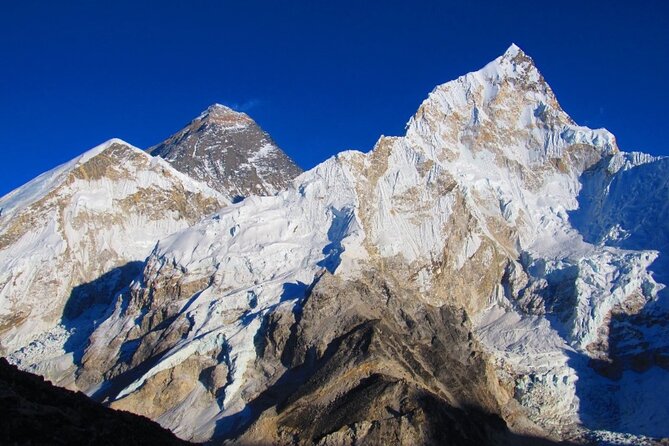
- Kala Patthar at 5,550 meters: The high point of the trek gives you close views of Everest and a 360-degree panorama of the Khumbu peaks.
- Two acclimatization days: Namche includes a hike to Hotel Everest View, while Dingboche includes a climb toward Nagarjun Hill at 5,100 meters.
- A private group experience: Only your own party takes part, rather than joining a large mixed group.
- A useful $1,600 package: Flights, twin-share lodgings, three daily meals, permits, a guide, sleeping bag, down jacket, walking pole, and transfers are included.
- Peak-season flight complication: From March to May and September to November, Lukla flights leave from Ramechhap, a five to six-hour drive from Kathmandu.
- Strong staff support: The company has received especially warm praise for its guides, porters, organization, and communication.
Why the 12-day route works, and where it feels tight
This route follows the classic Everest Base Camp approach. You fly from Kathmandu or Ramechhap to Lukla, walk north through Phakding and Namche Bazaar, then climb steadily through Tengboche, Dingboche, Lobuche, and Gorak Shep.
The plan is well shaped for altitude. You do not simply race uphill each day. Namche gets a full acclimatization day, and Dingboche gets another. Those pauses are valuable because altitude affects people differently, and a trek that looks manageable on paper can feel very different above 4,000 meters.
Still, 12 days is brisk. The itinerary includes several six to eight-hour walking days, and the highest sections come in quick succession. You should arrive with enough fitness for long uphill and downhill walks, not just casual city walking. The description says basic fitness is enough and no prior experience is needed, but the separate guidance asks for moderate fitness. That is the safer way to read it.
More Everest Base Camp Treks in Kathmandu:
- Everest Base Camp Trek – 14 Days
★ 5.0 · 1,499 reviews - Everest Base Camp Trekking
★ 5.0 · 485 reviews - Everest Base Camp Trekking – 13 Day
★ 5.0 · 365 reviews
Day 1: Lukla to Phakding after the short flight
Your first major moment comes before the walking begins. The flight to Lukla takes about 40 minutes, followed by a three to four-hour trek to Phakding at 2,652 meters.
Lukla is the gateway to the Everest region, and arriving by air saves several days of road travel. From there, the trail to Phakding gives you a gentler opening than a direct push to Namche. You begin getting used to the rhythm of walking with a pack, crossing the first section of the Khumbu route, and staying in a local guesthouse.
The morning start is listed as 5:15 a.m., so expect an early beginning. Flight schedules in the Himalayas can be affected by conditions, and the 12-day timetable does not leave much spare room. The included return flight is useful, but you should not plan an important international connection immediately after the trek.
Day 2: The long climb to Namche Bazaar
The walk from Phakding to Namche takes six to seven hours and brings you to 3,440 meters. This is where the route begins to feel like a true Himalayan trek.
Namche Bazaar is the commercial and social center of the Everest region. It is also the key altitude stop, making the following rest day especially important. The approach involves steady climbing, so this is a day to slow your pace, drink what you have brought, and let your guide set the tempo.
I like that Namche is not treated as a quick overnight stop. You have time here to rest and take a shorter hike the next day. The town is also a useful place to contact home or handle small personal needs, although phone calls, internet, laundry, hot showers, battery charging, and drinks cost extra.
Day 3: Hotel Everest View and the Namche acclimatization day
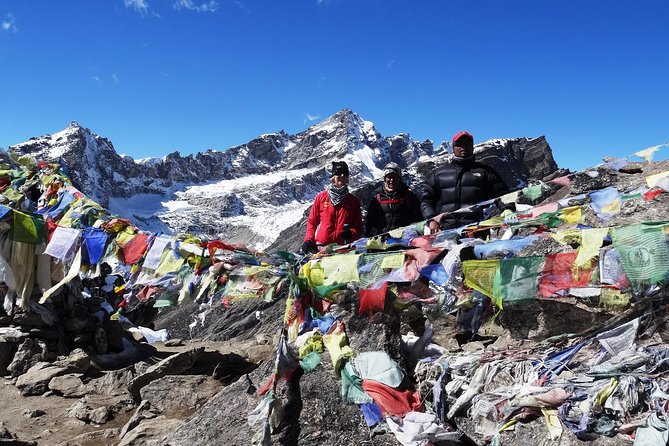
The acclimatization hike from Namche to Hotel Everest View takes three to four hours and reaches about 3,900 meters. The point is not simply to collect another viewpoint. You climb higher during the day, then return to sleep lower in Namche, a standard way to help your body adjust.
The viewpoint gives you an early look at the high peaks and helps you understand the route ahead. This is also one of the least rushed days in the plan. Use it to check your boots, walking pole, layers, sleeping bag, and daypack before the higher trail begins.
Khumjung is included among the route stops, adding a village setting beyond the main streets of Namche. The itinerary does not give a separate time allowance for it, so ask your guide how it fits into the day.
A few more Kathmandu trips to weigh up
- Nagarkot Sunrise View and Day Hiking from Kathmandu
★ 5.0 · 471 reviews - Annapurna Circuit Trek with Tilicho Lake
★ 5.0 · 368 reviews - Everest Base Camp Trek -14 Days
★ 5.0 · 321 reviews - Annapurna base camp trek 5 Days
★ 5.0 · 252 reviews
Day 4: Tengboche and its important monastery
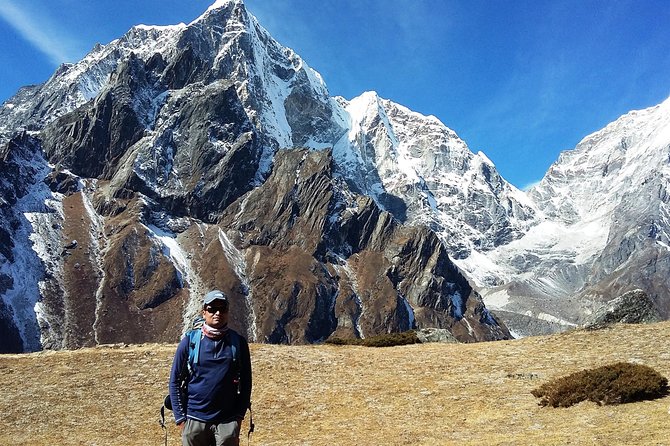
The trail from Namche to Tengboche takes five to six hours and reaches 3,860 meters. Tengboche is best known for its monastery, one of the major religious sites in the Khumbu.
The monastery gives this trek a cultural center, not just a mountain goal. Prayer flags, mountain views, and the religious importance of the site make Tengboche different from a simple overnight lodge stop. You should allow yourself a quiet moment here rather than treating the village as a place to eat and sleep.
The altitude profile also helps. Tengboche is higher than Namche, but not a huge jump. You are still moving upward in measured stages. From here, the route becomes more exposed to high-altitude conditions, and the nights may feel harder than the walking distance suggests.
Day 5: Tengboche to Dingboche at 4,410 meters
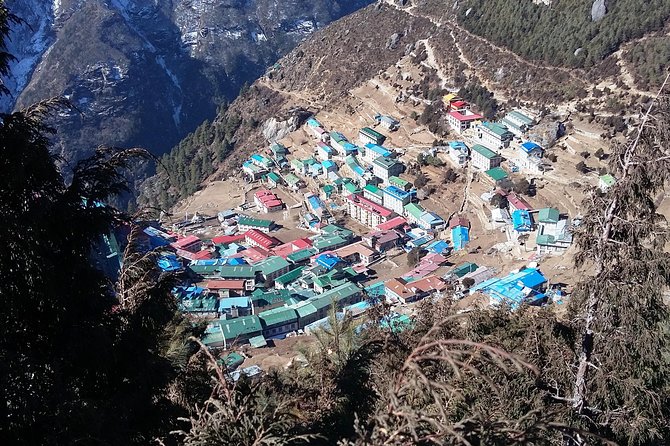
The five to six-hour walk to Dingboche is one of the most important transition days. At 4,410 meters, the air is noticeably thinner, and your body has less room for a rushed pace.
Dingboche is a practical base for the second acclimatization day. The itinerary does not try to push directly toward Base Camp after arriving here, which is a good choice. You get a full day to climb higher and return to Dingboche before sleeping again at the same altitude.
The lodgings are guesthouses or lodges with twin-share rooms. Meals include breakfast, lunch, and dinner, but drinks are not part of the package. That includes tea, coffee, hot chocolate, boiled water, bottled water, cola, beer, and other drinks. Budget for hydration separately, especially at the higher lodges.
Day 6: Nagarjun Hill and the second acclimatization day
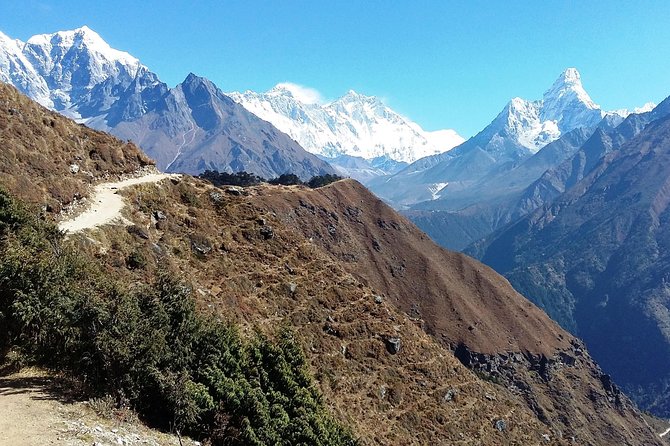
The hike toward Nagarjun Hill reaches about 5,100 meters and takes four to five hours. This is a demanding acclimatization walk, not a lazy rest day.
You gain height during the day, then return to Dingboche to sleep. The climb gives your guide another chance to watch how you respond to altitude before the route rises toward Lobuche and Gorak Shep. Take the day at a controlled pace. The goal is preparation, not speed.
This is also a good point to discuss any symptoms with your guide. The package includes a licensed guide, but rescue, helicopter flights, evacuation, accident costs, health emergencies, and insurance are not included. You need suitable travel insurance that covers high-altitude trekking and emergency transport.
Day 7: Lobuche and the approach to Base Camp
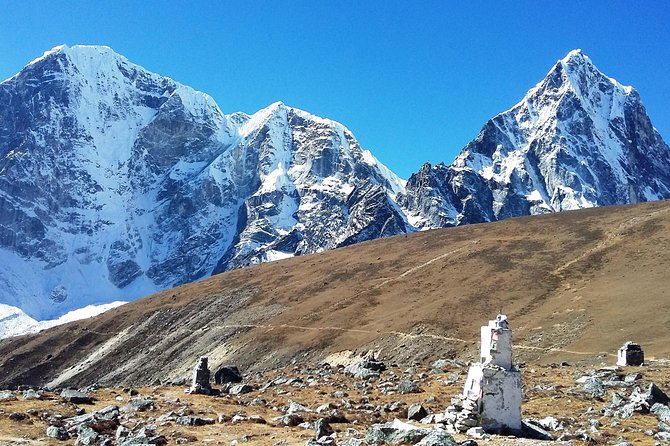
The walk from Dingboche to Lobuche takes four to five hours and reaches 4,910 meters. The distance is shorter than some earlier days, but the altitude makes it a serious stage.
Lobuche is the final overnight stop before the Base Camp push. The itinerary gives you a night here rather than trying to cover the whole route from Dingboche in one go. That split keeps the next day possible, though Day 8 remains long.
At this height, simple tasks can take longer. Keep your clothing organized, protect your sleeping bag from dampness, and follow the guide’s advice. The included down jacket and sleeping bag reduce the amount of specialist gear you need to bring, but you still need suitable personal clothing and footwear.
Day 8: Gorak Shep and Everest Base Camp
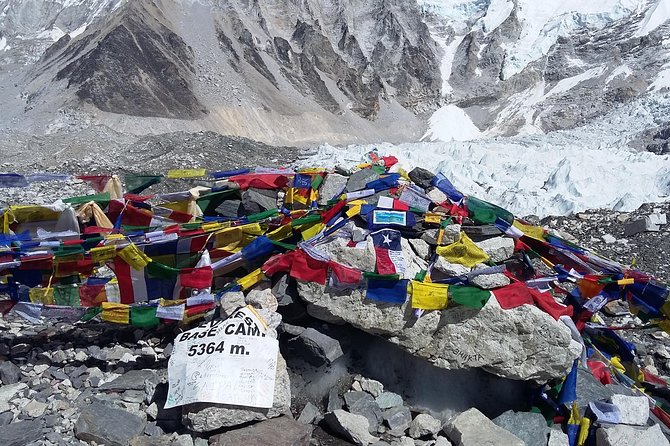
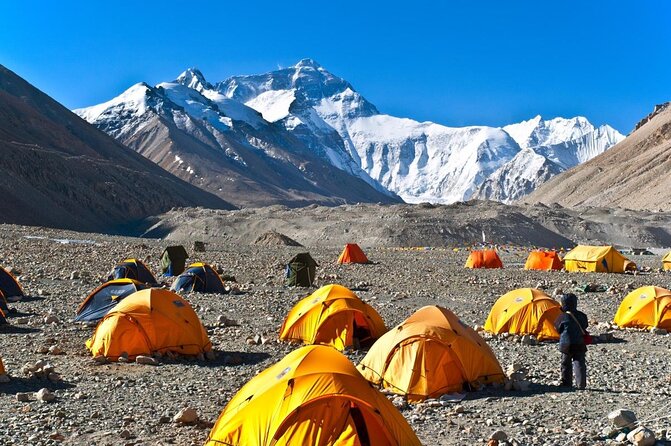
This is the big day: seven to eight hours from Lobuche to Gorak Shep, followed by the hike to Everest Base Camp at 5,320 meters.
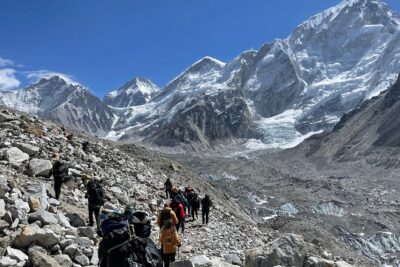
The route takes you into the high Khumbu, with the Khumbu Glacier forming part of the setting around Base Camp. You reach the place where Everest expeditions begin, though the famous summit is not best viewed from Base Camp itself. The achievement here is being on the expedition route, beside the glacier and among the high mountain surroundings.
The schedule can feel demanding because you first walk to Gorak Shep, then continue to Base Camp, and finally return to Gorak Shep for the night. Your guide’s experience matters on this day. The company’s strongest praise centers on guides who explain the next day clearly, identify the surrounding peaks, and take care of practical needs along the route.
Day 9: Kala Patthar, then down to Pheriche
The early climb from Gorak Shep to Kala Patthar reaches 5,550 meters. It takes about six to seven hours to continue from Kala Patthar to Pheriche at 4,371 meters.
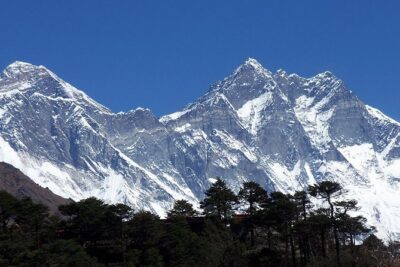
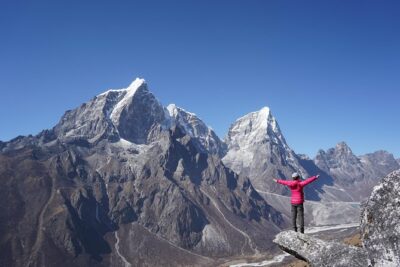
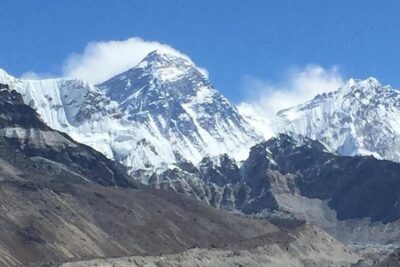
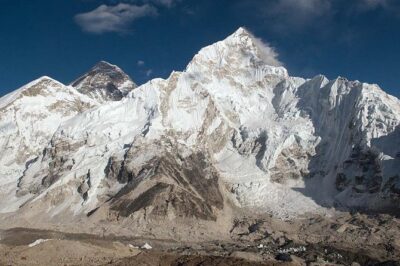
Kala Patthar is the visual high point of the trek. From this ridge, you get close views of Mount Everest and a broad panorama of the Khumbu mountains. The itinerary lists Kala Patthar several times, but this is the principal summit day, and it is the stop to mark on your calendar.
The descent to Pheriche is welcome after the climb. Moving lower helps your body, and the change from the high lodges around Gorak Shep can feel significant. This day combines the trek’s hardest altitude with one of its best viewpoints, so conserve energy and do not treat Base Camp as the finish line.
Days 10 and 11: A long return through Namche to Lukla
Day 10 takes you from Pheriche back to Namche in six to seven hours. Day 11 continues from Namche to Lukla in another six to seven hours.
The return is not an easy stroll. Downhill walking can be hard on knees, and the full days still involve climbs and descents. The route feels different in reverse, partly because you now recognize the villages and partly because the air becomes easier as you lose altitude.
The final night in Lukla provides a buffer before the flight back, but it is not a guarantee against delays. Mountain flights can change, and your package covers the scheduled air transport, not extra hotel nights or unplanned personal costs.
Day 12: Flying back to Kathmandu
The final day is the return flight from Lukla to Kathmandu, or to Ramechhap during the peak seasons listed in the plan. Airport pickup and drop-off are included on a sharing basis according to the itinerary.
The route also lists Kathmandu Valley and Kathmandu Durbar Square among its stops, but the 12-day schedule does not give a separate sightseeing program for them. Treat those entries as part of the Kathmandu transport or trip framework, not as a guaranteed guided city tour.
What the $1,600 price really covers
At $1,600 per person, the package offers good value if you want a guided trek with the major logistics handled. It includes:
- Flights between Kathmandu or Ramechhap and Lukla
- Shared airport transfers
- Twin-share guesthouse or lodge accommodation
- Breakfast, lunch, and dinner during the trek
- A government-licensed guide
- Trek permits and required fees
- Duffle bag, down jacket, sleeping bag, and walking pole
- Trekking map and achievement certificate
- Government taxes, VAT, and office charges
That list removes several large expenses that can otherwise catch first-time trekkers by surprise. The value is strongest if you need the loaned gear and want one company to manage flights, permits, food, lodging, and guiding.
The exclusions matter just as much. Porter service is not included, and neither are tips for the crew, drinks, internet, laundry, hot showers, charging, phone calls, insurance, rescue, helicopter evacuation, or personal spending. If you want to walk with a light daypack, ask about hiring a porter before departure.
The booking terms allow a full refund if you cancel at least 24 hours before the start time. Cancellations or changes made less than 24 hours before the start are not accepted for a refund.
Ramechhap flights can change your first night
During March to May and September to November, flights to Lukla operate from Ramechhap because of air traffic in Kathmandu. Ramechhap is a five to six-hour drive from Kathmandu.
You have two stated choices: drive to Ramechhap the day before and stay overnight, or leave Kathmandu at about 1 a.m. on flight day. The transfer is on a shared basis. This is the most important practical detail to settle before booking, since the trip can begin with a long overnight transfer rather than a simple Kathmandu airport departure.
Who will get the most from this trek
You should consider this trip if you want the standard Everest Base Camp route, have moderate fitness, and prefer a private group with a guide. It also suits a first Himalayan trekker who wants permits, lodgings, meals, flights, and basic equipment arranged in one package.
It is less suitable if you need a relaxed pace, extra weather days, private rooms, or a highly flexible schedule. The 12-day plan is compact, and high altitude cannot be negotiated by enthusiasm alone.
The available feedback gives particular weight to the company’s guides and porters, the clear evening briefings, careful organization, and communication. Bharat and the Breakfree Adventures team are specifically praised for service on longer Everest-area trips. Guide names are not provided for this 12-day departure, so ask who will lead your group and how the company handles delays or altitude problems before you pay.
Should you book the Breakfree Adventures trek?
Book it if you want a well-organized, classic Everest Base Camp route with Kala Patthar, two acclimatization days, a private group, and a strong list of inclusions for $1,600.
I would first confirm the Ramechhap plan for your dates, the identity and experience of your guide, porter costs, and the company’s procedure for flight delays or evacuation. If you can manage the long walking days and understand that insurance and emergency transport are your responsibility, this is a practical way to reach Base Camp without arranging every piece yourself.
FAQ
How long is the Everest Base Camp trek?
The trek lasts approximately 12 days, including the flight from Kathmandu or Ramechhap to Lukla, the walk to Everest Base Camp and Kala Patthar, the return to Lukla, and the flight back.
What is the highest point on the route?
Kala Patthar is the highest listed point at 5,550 meters. Everest Base Camp is at 5,320 meters, and the Nagarjun Hill acclimatization hike reaches about 5,100 meters.
Are flights to Lukla included?
Yes. The package includes the flight from Kathmandu or Ramechhap to Lukla and the return flight from Lukla to Kathmandu or Ramechhap.
Where do flights operate from during peak seasons?
From March to May and September to November, flights to Lukla operate from Ramechhap Airport. Ramechhap is a five to six-hour drive from Kathmandu.
Are meals and accommodation included?
Yes. Twin-share guesthouse or lodge accommodation and breakfast, lunch, and dinner during the trek are included.
Is trekking gear provided?
The package includes a duffle bag, down jacket, sleeping bag, and walking pole. Drinks, hot showers, laundry, internet, phone calls, and battery charging are not included.
Can I cancel for a full refund?
You can cancel at least 24 hours before the experience start time for a full refund. Cancellations or changes made less than 24 hours before the start are not accepted for a refund.
Just added around Kathmandu
- Private Half-Day Tour of Boudhanath and Pashupatinath Temples in Kathmandu★ 4.5 · 9 reviews
- Private Half-Day Tour of Kathmandu Durbar Square and Swayambhunath Temple★ 4.5 · 11 reviews
- Namobuddha Monastery Hiking Day Tour via Panauti from Kathmandu★ 5.0 · 15 reviews
- Private Full-Day Kathmandu City Tour★ 5.0 · 9 reviews
- Private Day Tour in Kathmandu Valley Rim with Bhaktapur Sightseeing★ 5.0 · 3 reviews
- Private Half Day Budhanilkantha Tour★ 5.0 · 6 reviews
- Private Day Tour – Sacred Journey to Namo Buddha★ 5.0 · 5 reviews
- Private Day Tour: Patan and Bhaktapur from Kathmandu★ 4.5 · 6 reviews
Everest Base Camp Treks, compared.
Everest Base Camp Trek with Helicopter Return from Gorakshep to Lukla
Read our review →Browse the lists this tour appears in