
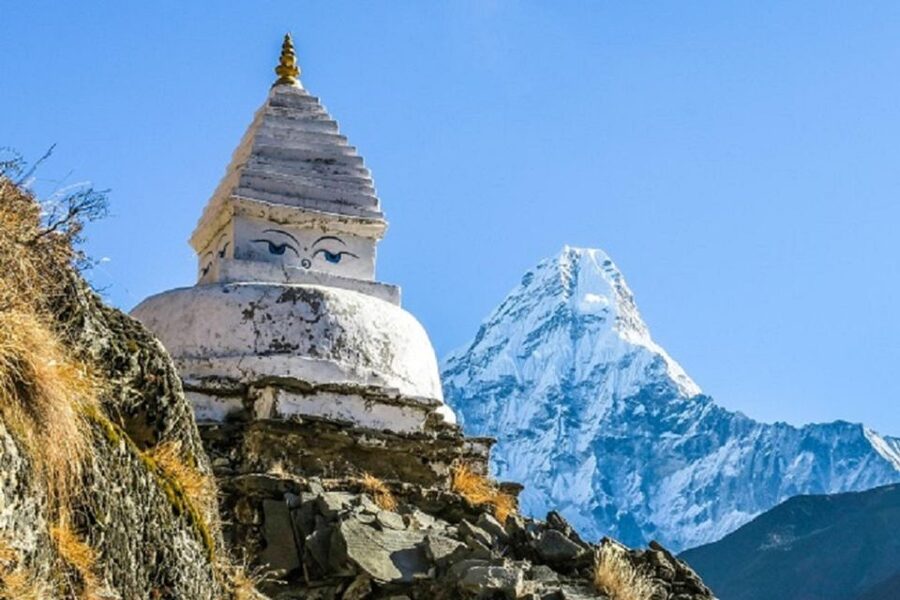
Reviewed · EVEREST BASE CAMP TREKS
Everest Base Camp Trek: A short EBC Trek to Iconic Himalaya
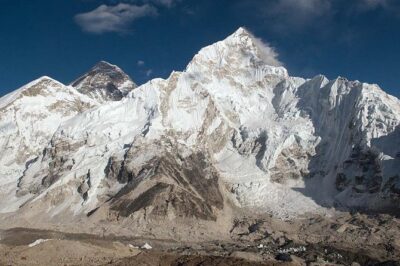
The great pull here is simple: you walk to Everest Base Camp at 5,364 meters, passing through Sherpa villages and some of the finest mountain scenery on earth. The route also includes Kala Patthar, where the early morning view reaches toward Everest, Lhotse, Nuptse, and the Khumbu Icefall.
I like the mix of big Himalayan views and real village life, especially at Namche Bazaar and Tengboche Monastery. I also like the strong support setup, with guides such as Ramesh and Palden, plus coordinator Sobit available to help in Kathmandu. The main concern is the tight nine-day schedule. You need good fitness, and adding one or two acclimatization days would make the trip safer and more comfortable.
Key points to know before you book
- Lukla begins the high adventure: The trek starts with a flight from Kathmandu, or sometimes a four-hour drive to Ramechhap before flying to Lukla.
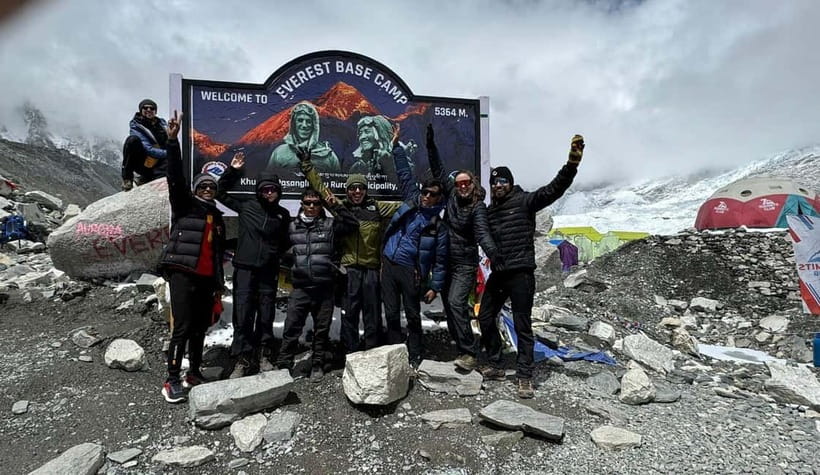
- The route reaches 5,364 meters: Everest Base Camp is high, and Kala Patthar rises even higher at 5,545 meters.
- The schedule is fast: Some days run six to eight hours, with limited time for proper acclimatization.
- Sherpa culture is part of the route: Namche Bazaar, Tengboche, and other villages add meaning beyond the mountain views.
- The price is only part of the budget: The $681 tour cost includes guiding, meals, permits, and equipment loans, but not the Kathmandu to Lukla flights or Kathmandu hotels.
- Support has been a strong point: Ramesh, Palden, porter teams, and coordinator Sobit are specifically named as helpful members of the operation.
Why this Everest trek is such a powerful route
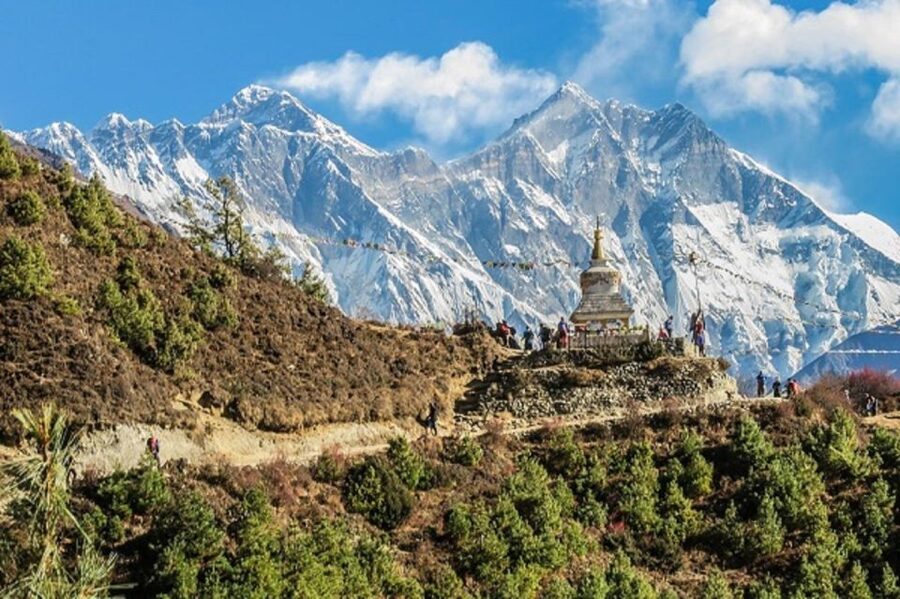
The Everest Base Camp Trek is not a mountain climb. You do not attempt Everest itself. You walk to the foot of the mountain through the Khumbu region of Nepal, following trails used by local people, porters, mountaineers, and visitors from around the world.
That distinction matters. You get the drama of Everest without needing technical climbing skills, but the walk is still a serious physical challenge. The route covers about 130 kilometers round trip, reaches 5,364 meters at Base Camp, and includes several days of four to eight hours on foot.
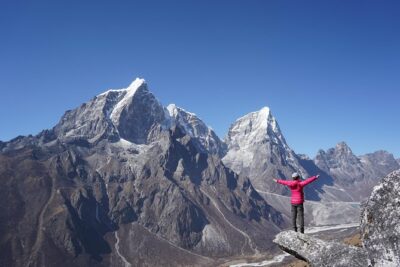
The scenery changes as you climb. Lower sections include rhododendron forests and suspension bridges. Higher up, trees thin out and the views become wider and more severe. Ama Dablam, Lhotse, Nuptse, and Everest gradually take over the horizon.
I especially like that this route combines natural scenery with Sherpa culture. Namche Bazaar is more than a place to sleep. Tengboche gives the trek a spiritual center with its monastery. The villages, lodges, prayer flags, and mountain paths help you understand that the Khumbu is a lived-in home, not just a stage for dramatic photographs.
More Everest Base Camp Treks in Nepal:
- Everest Base Camp Trek – 14 Days
★ 5.0 · 1,499 reviews - Everest Base Camp Trekking
★ 5.0 · 485 reviews - Everest Base Camp Trekking – 13 Day
★ 5.0 · 365 reviews
Day 1: Lukla to Phakding keeps the first day manageable
The first flight takes you from Kathmandu to Lukla. The airfield is the gateway to the Everest region, and the change from city travel to mountain walking happens quickly.
From Lukla, you walk for about three hours to Phakding at 2,610 meters. This is a useful opening day because it gets your legs moving without forcing you into a long, punishing climb right away.
You will cross trails and suspension bridges and begin to see the scale of the Khumbu. Phakding is a practical overnight stop, but do not expect luxury. The trekking lodges are basic, and meals are served one item at a time for breakfast, lunch, and dinner.
Flight timing deserves attention. High air traffic can mean that flights leave from Ramechhap instead of Kathmandu. In that case, the operator arranges a drive of about four hours before your flight to Lukla. Your airport pickup time depends on your location and flight schedule, so keep this first morning flexible.
Day 2: Namche Bazaar brings the first serious climb
The walk from Phakding to Namche Bazaar takes about six to seven hours. This is where the trek begins to feel like a real test, with a longer day and a steady rise to 3,440 meters.
Namche is one of the most important settlements on the route. It is a key stop for acclimatization and a natural meeting point for the Khumbu. The town is also one of the more memorable places to spend time because it has a stronger sense of community and mountain trade than the smaller overnight villages.
The schedule describes an acclimatization day in Namche, but the nine-day plan is still compressed. In practice, you should discuss how that rest time is handled before departure. If you have limited high-altitude experience, adding a full extra day here is a sensible choice.
The steep climb to Namche is not the place to prove how fast you can walk. Go slowly, drink regularly, and let your guide judge the pace. You may feel fine at first and then notice the altitude later in the day.
Day 3: Tengboche combines mountains and monastery life
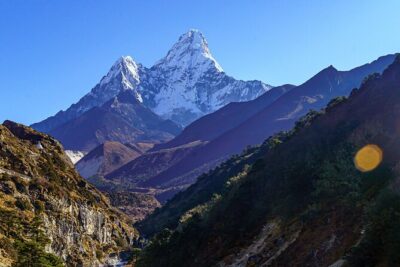
The trail from Namche to Tengboche takes about five to six hours and reaches 3,860 meters. The route offers some of the trek’s most pleasing views, including the distinctive shape of Ama Dablam.
Tengboche Monastery gives this stop a special character. Even if your main reason for coming is Everest, the monastery helps explain the spiritual side of life in the Khumbu. Take time to visit rather than treating Tengboche as just another sleeping point.
The scenery here still has some woodland, but the feeling is becoming more exposed and remote. You will notice the air getting colder and thinner. A five-hour walking day can feel much longer than it would at low altitude.
This is also a good point to pay attention to your clothing system. Warm layers, gloves, proper socks, hiking pants, a jacket, and thermal clothing are all listed as essential items. The key is to adjust often. You should not wait until you are cold and tired before adding a layer.
A few more Nepal trips to weigh up
- Nagarkot Sunrise View and Day Hiking from Kathmandu
★ 5.0 · 471 reviews - Annapurna Circuit Trek with Tilicho Lake
★ 5.0 · 368 reviews - Everest Base Camp Trek -14 Days
★ 5.0 · 321 reviews - Annapurna base camp trek 5 Days
★ 5.0 · 252 reviews
Day 4: Dingboche marks the high-altitude transition
The trek from Tengboche to Dingboche takes about five to six hours and climbs to 4,410 meters. Dingboche feels like a major turning point because the route is now firmly in the high Himalayas.
The itinerary includes an acclimatization day in Dingboche, but again, the nine-day format leaves little room for a full rest day unless the schedule is adjusted. This is the strongest reason to consider adding one or two days.
Dingboche is where you need to be honest with yourself. If you have a headache, unusual fatigue, nausea, or trouble sleeping, tell your guide. Do not treat altitude symptoms as a personal weakness. They are a safety issue, and a good guide needs clear information to make sensible decisions.
The scenery becomes increasingly open, with mountain walls and broad high valleys replacing much of the lower forest. The route is beautiful, but it is not gentle. Your body is working harder for every step, and a short rest can be more valuable than rushing ahead.
Day 5: Lobuche prepares you for the final push
Dingboche to Lobuche takes about five to six hours, ending at 4,910 meters. This is a relatively short distance on paper, but the altitude changes the effort.
Lobuche is a practical base for the final approach to Base Camp. You are now close enough to feel the anticipation, but you still need to conserve energy. The best strategy is steady movement, simple meals, and early rest.
The tour includes food throughout the trek, along with some seasonal fruit. Drinks, water, tea, coffee, and personal snacks are not included, so plan to pay for those separately. It is wise to carry enough personal supplies for the day, since food and drink costs can increase in remote mountain areas.
The basic lodge arrangement is part of the experience. You are paying for access, guiding, meals, permits, and logistics, not a polished hotel stay. If you want comfort and privacy at high altitude, ask what lodging level is available before you confirm.
Day 6: Everest Base Camp and the Khumbu Glacier
The longest and most important day runs from Lobuche to Gorak Shep, then onward to Everest Base Camp. The full walking time is about seven to eight hours, and Gorak Shep sits at 5,140 meters.
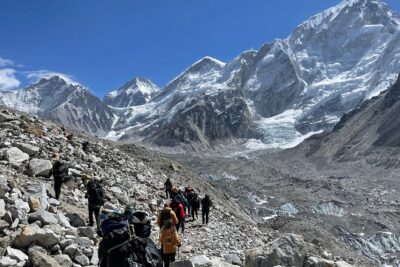
The route follows the Khumbu Glacier toward Base Camp. The glacier and the Khumbu Icefall create the kind of severe, high mountain scenery that gives this trek its reputation. Base Camp itself is the emotional target, but the surrounding ice and rock are just as memorable.
Keep expectations realistic. Everest Base Camp is not a permanent village or a comfortable viewing platform. It is a mountaineering base, and the exact appearance can change with the season and climbing activity. The achievement is reaching the site after days of climbing, not finding a single perfect photo position.
After reaching Base Camp, you return to Gorak Shep for the night. That return is important when judging the day. You are not simply walking to a destination and stopping. You must still get back to your lodge at very high altitude.
This is the day when the fast schedule matters most. You should have enough energy, warm clothing, sturdy hiking shoes, gloves, and thermal layers. A guide can help manage pace and route decisions, but no guide can replace proper preparation.
Day 7: Kala Patthar offers the best sunrise view
The early morning climb to Kala Patthar reaches 5,545 meters, higher than Everest Base Camp. The goal is the sunrise panorama, with Mount Everest and the surrounding peaks catching the first light.
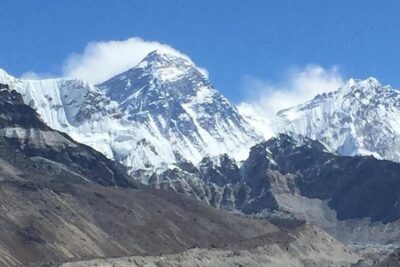
For many people, Kala Patthar provides the clearest broad view of Everest on the trek. Base Camp gives you the sense of reaching the mountain’s foot. Kala Patthar gives you the better look back at the great peaks. You get both experiences in this itinerary.
After the viewpoint, you descend to Pheriche at 4,371 meters. The day takes about seven to eight hours, so it is not an easy victory lap. The early start, cold air, high altitude, and long descent can leave you worn out.
The descent is welcome because lower altitude usually feels easier, but tired knees can become a problem. Trekking poles are included if you need them and return after the trek. Use them, especially on long downhill sections.
Day 8: Returning to Namche changes the mood
The walk from Pheriche to Namche Bazaar takes about six to seven hours. You are retracing part of the route, but the experience changes because you are descending rather than climbing.
Lower altitude can bring back appetite and energy. The return to Namche also gives you a more relaxed look at a place that may have felt like a demanding checkpoint on the way up.
This is a good day to check your remaining gear, manage laundry and personal items, and prepare for the final walk to Lukla. Laundry, communication, and personal expenses are not included, so keep some budget available.
You will also have a clearer sense of the value of your guide by this stage. The company assigns an experienced trekking guide throughout the walk. Named staff connected with this operation include Ramesh and Palden, while Sobit handles coordination and can help from Kathmandu.
Day 9: Lukla and the uncertain flight home
The final walking day goes from Namche to Lukla and takes about six to seven hours. This is a long finish, particularly after the high-altitude days and steep descents.
The return flight from Lukla to Kathmandu is arranged on request, but the airfare itself is not included in the $681 price. Weather can disrupt mountain flights, so you should not schedule an international departure immediately after the trek.
Allow at least one buffer day before your international flight. This is not wasted time. It protects you from the common problem of leaving the mountains late and missing a fixed international booking.
The tour ends with the flight back to Kathmandu. Airport transfers connected with the trekking trip are included, and the company can also arrange Kathmandu hotels before or after the trek if requested, for an additional cost.
What the $681 price really covers
At $681 per person, the price looks attractive for a guided Everest Base Camp trek. The value comes from the services included: a guide, trekking lodge accommodation, breakfast, lunch, dinner, permits, TIMS, the Sagarmatha National Park entrance fee, the Pasang Lhamu Rural Municipality entrance fee, official charges, taxes, and some borrowed equipment.
The equipment support is useful. A sleeping bag, down jacket, duffle bag, and trekking pole can be supplied if needed, with the understanding that equipment is returned after the trek. You also receive a T-shirt or cap and a trip certificate.
But the headline price is not your final budget. You still need to pay for Kathmandu hotels, Kathmandu to Lukla flights, drinks, water, tea and coffee, laundry, communication, personal purchases, and personal trekking gear. Porter service and hotel arrangements are available on request, but you should confirm their cost.
The company also includes a cultural show and farewell dinner in Kathmandu. That adds a pleasant finish, though the main value of this trip is in the mountain logistics and guiding rather than the city program.
Who will enjoy this trek most
This trek suits a physically fit person who can walk four to five hours a day and handle longer days at high altitude. Several days run six to eight hours, so basic fitness is not enough by itself. You need stamina, patience, and the ability to keep moving when the air is thin.
A beginner can attempt the route, but the supplied advice is clear: add extra days. One or two additional acclimatization days in Namche and Dingboche would give you a more comfortable pace and a better margin for altitude adjustment.
I would choose this package if you want a guided, supported route and are comfortable with basic lodges and a fast schedule. I would hesitate if you want long rest days, a relaxed photography pace, or hotel-style comfort.
The listed languages include English, Chinese, Korean, Russian, Traditional Chinese, and Japanese. Confirm your preferred guide language before booking, since the exact guide assignment is not stated in advance.
Booking details worth checking before departure
The tour offers free cancellation up to 24 hours in advance and a reserve-now, pay-later option. Those policies are useful when your plans are still changing, but they do not remove the need to plan carefully for flights and weather delays.
Airport pickup is included for the trekking transfer. You need to be at the airport at least one hour before the flight, and the exact pickup time is calculated from your location and flight schedule.
Ask directly about four points before you pay:
- Is your Kathmandu to Lukla and Lukla to Kathmandu airfare included in the final invoice?
- Will the schedule include full acclimatization days in Namche and Dingboche?
- Is a porter assigned, and what is the additional charge?
- Which Kathmandu hotel and lodge standard will be used?
These questions do not make the trip less adventurous. They simply prevent surprises.
Should you book the Everest Base Camp Trek?
Book it if you want the classic Everest route in a short, guided format, and you are prepared for long days, basic accommodation, and high-altitude strain. The itinerary gives you the major landmarks: Lukla, Namche Bazaar, Tengboche, Dingboche, Lobuche, Base Camp, Kala Patthar, and the Khumbu Icefall.
The strongest reasons to choose it are the cultural route, the included permits and meals, the equipment loans, and the named support team. Ramesh and Palden are guides associated with the operation, and Sobit is the Kathmandu coordinator who can help with arrangements. That personal support matters when flights, weather, and altitude make plans change.
The main reason to pause is the nine-day schedule. An eight-day round trip from Lukla has been completed by a fit father and son, but that pace is faster than the standard approach. Most people will have a better experience by adding one or two days for acclimatization.
At $681, it is a useful starting price rather than an all-inclusive holiday cost. Add flights, hotels, drinks, gear, and a buffer day. If you do that, arrive fit, and accept the simple mountain lodging, this trek offers a direct and memorable route to the foot of Everest.
FAQ
How long is the Everest Base Camp Trek?
The listed duration is nine days. The trek begins with a flight to Lukla and ends with a walk back to Lukla followed by a flight to Kathmandu.
How high does the trek go?
Everest Base Camp is at 5,364 meters. The Kala Patthar viewpoint reaches 5,545 meters.
Is the Kathmandu to Lukla flight included?
No. The tour provider can arrange the Kathmandu to Lukla and Lukla to Kathmandu flights upon request, but the airfare is not included in the stated cost.
Can the trek start from Ramechhap?
Yes. Due to high air traffic, flights may depart from Ramechhap instead of Kathmandu. If that happens, the transfer from Kathmandu to Ramechhap takes about four hours before the flight to Lukla.
Are extra acclimatization days available?
Yes. One or two extra days can be added, with Namche Bazaar and Dingboche recommended as acclimatization stops.
What meals are included?
Breakfast, lunch, and dinner are included during the trek, with one item provided at each meal. Some seasonal fruit is also included. Drinks, water, tea, and coffee are not included.
What trekking equipment can be provided?
A sleeping bag, down jacket, duffle bag, and trekking pole can be provided if needed. These items are returned after the trek.
What languages are available for the guide?
Live guiding is available in English, Chinese, Korean, Russian, Traditional Chinese, and Japanese.
Just added around Nepal
- Private Half-Day Tour of Boudhanath and Pashupatinath Temples in Kathmandu★ 4.5 · 9 reviews
- Private Half-Day Tour of Kathmandu Durbar Square and Swayambhunath Temple★ 4.5 · 11 reviews
- Namobuddha Monastery Hiking Day Tour via Panauti from Kathmandu★ 5.0 · 15 reviews
- Private Full-Day Kathmandu City Tour★ 5.0 · 9 reviews
- Private Day Tour in Kathmandu Valley Rim with Bhaktapur Sightseeing★ 5.0 · 3 reviews
- Private Half Day Budhanilkantha Tour★ 5.0 · 6 reviews
- Private Day Tour: Patan and Bhaktapur from Kathmandu★ 4.5 · 6 reviews
- Private Day Tour – Sacred Journey to Namo Buddha★ 5.0 · 5 reviews
Everest Base Camp Treks, compared.
Everest Base Camp Trek with Helicopter Return from Gorakshep to Lukla
Read our review →Browse the lists this tour appears in