
Reviewed · EVEREST BASE CAMP TREKS
Everest Base Camp Trek | Deluxe Lodges | Both Way Helicopter Ride
The clever part of this 10-day Everest Base Camp trek is the helicopter planning. You fly from Kathmandu to Lukla, walk through the Khumbu Valley to Base Camp, then use a shared helicopter for the return from Gorakshep toward Lukla. That removes the long return trek and gives you more time for the high-altitude route.
I like the two acclimatization days, especially the Namche hike to Hotel Everest View and the high-and-sleep-low plan at Dingboche. I also like that the package covers permits, meals, porters, a guide, sleeping bags, down jackets, and airport transport. The main consideration is the pace: altitude still matters, and 10 days leaves little room for delays or a slow adjustment.
Key points to know before booking
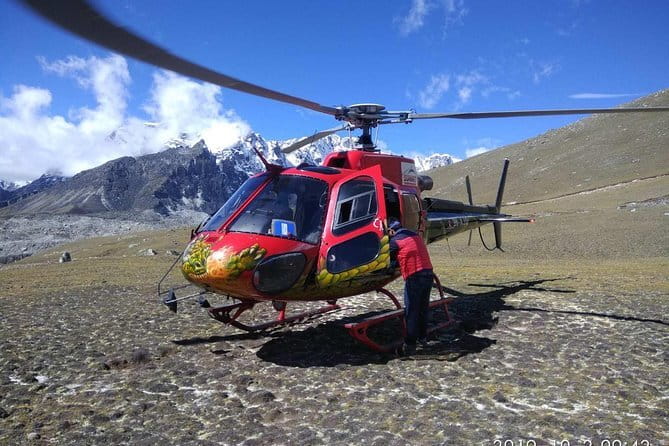
- Shared helicopter flights connect Kathmandu, Lukla, and the return route from Gorakshep, cutting out the long walk back.
- Namche Bazaar and Dingboche receive dedicated acclimatization time rather than being treated as quick overnight stops.
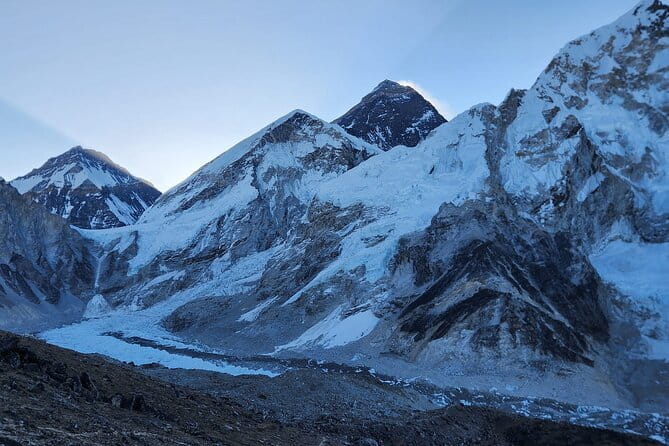
- Kala Patthar at sunrise is the main viewpoint day, with wide views of Everest, Ama Dablam, Lhotse, and nearby peaks.
- Twin-share lodge rooms, meals, permits, porters, and staff insurance are included during the trek.
- A 10-kilogram main bag and 5-kilogram hand bag allowance help you plan what to carry and what to leave behind.
- The route is private to your group, with customization possible for group needs and personal pace.
Why this 10-day Everest Base Camp plan works
The classic Everest Base Camp route often takes longer because the return walk from Base Camp is as demanding as the approach. Here, the helicopter return changes the shape of the trip. You still walk the famous trail, cross suspension bridges, enter Sherpa villages, and spend nights in the mountains, but you do not need to retrace every step on foot.
For me, that is the strongest reason to consider this package. You get the central experience without committing to a long descent. The tradeoff is a tighter schedule. A shorter itinerary is useful if your holiday time is limited, but it gives your body less spare time to adjust to increasing altitude.
The package costs $3,332 per person. That is a serious price, but it includes far more than a standard walking tour. Shared helicopter flights, Kathmandu hotel nights, lodge accommodation, meals during the trek, permits, a licensed guide, porters, warm clothing, a duffel bag, staff insurance, airport transfers, and emergency coordination are all built in.
I would compare the price with care. A cheaper trek may not include both helicopter sections, the same gear, porters, or emergency support. At the same time, the helicopter is shared, and you still pay separately for travel insurance, drinks, snacks, Kathmandu lunches and dinners, international airfare, and a Nepal visa.
More Everest Base Camp Treks in Kathmandu:
- Everest Base Camp Trek – 14 Days
★ 5.0 · 1,499 reviews - Everest Base Camp Trekking
★ 5.0 · 485 reviews - Everest Base Camp Trekking – 13 Day
★ 5.0 · 365 reviews
Arrival in Thamel and the first night in Kathmandu
Your trip begins with a pickup at Tribhuvan International Airport and a private transfer to the hotel in Kathmandu. The meeting point is Life Himalaya Trekking at Narsingh Chowk Marg in Kathmandu, and the package includes one Kathmandu hotel night before the trek and one after it, with breakfast.
This first night is not just a formality. You are coming off an international flight, and the next morning starts early with the helicopter to Lukla. Use the evening to rest, check your bags, and make sure you understand the 10-kilogram main luggage and 5-kilogram hand luggage limits.
The hotel is described as a three-star property in Kathmandu. During the mountain portion, accommodation is in the best available twin-share lodges. If you need a private room, a specific hotel standard, or different room arrangements, ask before booking because the stated plan is twin share.
Kathmandu to Lukla by helicopter
The morning flight to Tenzing-Hillary Airport takes about 45 minutes. It is not simply a transfer. You fly over mountain country with views toward Everest and Kanchenjunga before landing at Lukla, one of the main gateways to the Khumbu region.
Helicopter travel has practical value here. Flights to Lukla can be affected by mountain weather, so a helicopter arrangement may offer more flexibility than relying only on a small fixed-wing flight. Still, the schedule can be weather dependent, and you should not plan an important same-day international connection after the trek.
After landing, the walk to Phakding is intended to be gentle. The route follows the Dudh Koshi River, giving you time to start moving without forcing a long first day. The stop is useful because it begins the walking portion at a manageable pace, although the itinerary information lists a very long overall stop duration. Treat the day as a travel-and-walk day rather than a quick sightseeing visit.
Phakding to Namche Bazaar over the Hillary Bridge
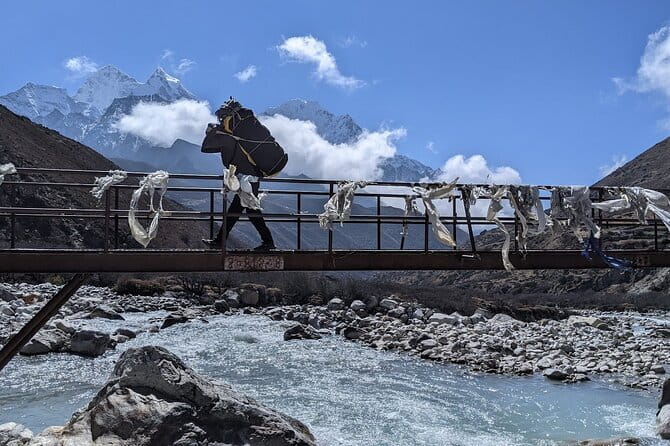
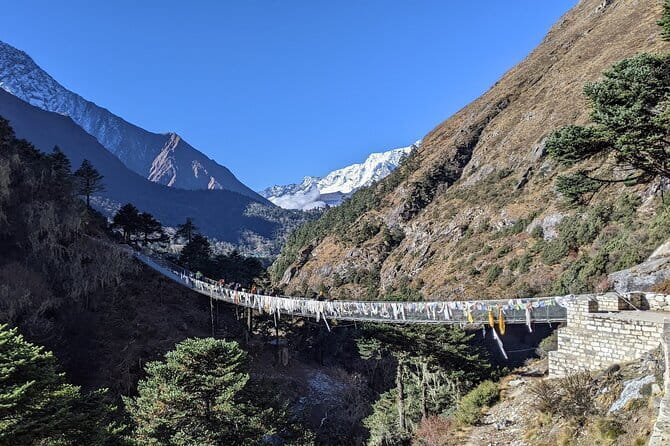
The next section follows pine forest and the Dudh Koshi River through villages such as Benkar and Monjo. You cross suspension bridges, including the Hillary Bridge, before reaching the route’s first major uphill test.
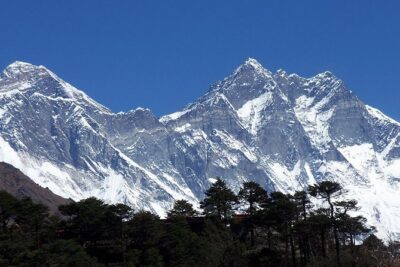
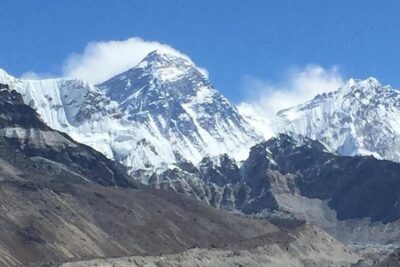
Namche Bazaar sits at about 3,440 meters and is the main trading and lodging center on the route. The final ascent is demanding, but it brings the first clear sight of Everest peeking above the Lhotse-Nuptse range. That first glimpse has more meaning after a morning of climbing.
Namche is more than a place to sleep. It is where you begin to feel the altitude, so the schedule wisely gives you another day in the area. You can find restaurants, market stalls, massage centers, and spa services here, although extra services are not included in the package.
A few more Kathmandu trips to weigh up
- Nagarkot Sunrise View and Day Hiking from Kathmandu
★ 5.0 · 471 reviews - Annapurna Circuit Trek with Tilicho Lake
★ 5.0 · 368 reviews - Everest Base Camp Trek -14 Days
★ 5.0 · 321 reviews - Annapurna base camp trek 5 Days
★ 5.0 · 252 reviews
Namche acclimatization and Hotel Everest View
The first acclimatization day takes you upward toward Syangboche and Hotel Everest View, at roughly 3,880 meters. The idea is simple: climb higher during the day, then return to Namche to sleep lower.
The hotel provides a famous place for a coffee stop, with views toward Everest, Ama Dablam, Lhotse, and other peaks. The entry is not included, so budget separately if you want to use the hotel facilities. The short visit is less about luxury than about getting your body used to the altitude while enjoying one of the route’s best early viewpoints.
You also have several hours in Namche. That makes this a useful rest day, not a wasted one. I would avoid treating it as a free day for hard exercise. A slow walk, food, water, and sleep are more useful than trying to pack in every activity.
Tengboche Gompa and the approach to Pangboche
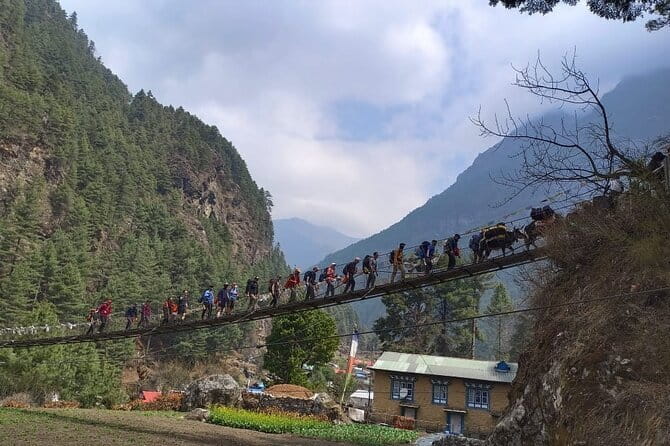
Leaving Namche, you continue along the Dudh Koshi before crossing into the Imja Khola Valley. The trail includes another long suspension bridge and leads to Tengboche Gompa, one of the route’s best-known cultural stops.
The monastery gives the trek a stronger sense of place. This is not only a mountain walk with photo stops. The Khumbu is also home to Sherpa communities and Buddhist traditions, and Tengboche offers a chance to pause in a religious setting connected with the region.
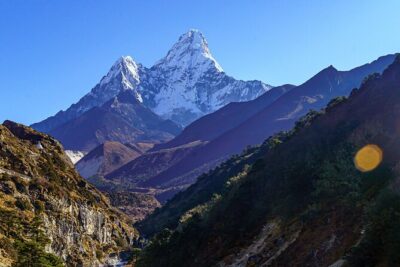
The walking time is listed at about five hours, but altitude and trail conditions can affect how long the day feels. After Tengboche, the route continues toward Pangboche, with views of Ama Dablam, Lhotse, and other high peaks. Pangboche Buddhist Monastery is another cultural point on the route, and the area offers a quieter stop before the trail climbs higher.
Dingboche and the second acclimatization day
Dingboche is the second major acclimatization stop. The plan follows the important high-altitude rule of climbing high and sleeping lower. You hike toward a higher point after breakfast, then return to Dingboche for the night.
This day matters more than it may appear on paper. By Dingboche, you are at a height where even a moderate walk can feel hard. A dedicated acclimatization day gives you a better chance to continue safely toward Lobuche and Gorakshep.
The schedule describes the scenery here as especially strong, with views toward Ama Dablam and Lhotse. You should still judge the day by how you feel, not by the promise of a viewpoint. The package requires a strong level of physical fitness, and that warning is worth taking seriously.
Dingboche to Lobuche through the Thukla memorials
The route to Lobuche is described as relatively light in walking distance, but it gains substantial altitude. You follow steep slopes toward the broad valley of Dughla, then pass the memorial area near Thukla.
These memorials mark climbers and mountaineers who died on Everest and other Himalayan peaks. The stop changes the mood of the trek. It is a quiet reminder that the high route is not just scenic or symbolic. Weather, altitude, and physical limits are real concerns.
Lobuche is your staging point for the final push. The itinerary gives this day a long overall duration, which suggests an early start and plenty of time for a careful pace. Keep your evening simple. Eat, hydrate, prepare your day bag, and rest for the Base Camp route.
Gorakshep and Everest Base Camp
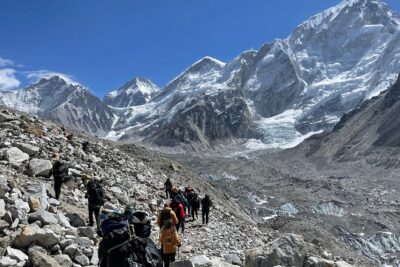
The most important walking day takes you from Lobuche through glacier terrain to Gorakshep, the last major overnight area on the route. From there, you continue toward Everest Base Camp for roughly four hours, depending on conditions and your pace.
Gorakshep is significant because services become more limited and the altitude becomes more demanding. The route is not a smooth city path. Expect rough mountain ground and a day that feels long even if the mileage looks modest.
Everest Base Camp is the goal, but do not expect the summit view that appears in many photographs. The camp sits near the foot of the Khumbu Icefall, and the finest broad view of Everest is usually associated with Kala Patthar the next morning. Base Camp itself is the achievement: you have walked into the heart of the Everest climbing zone.
The package includes the helicopter flight from the Everest Base Camp area, specifically Gorakshep, toward Lukla. Because the helicopter is shared, the exact departure time can depend on the flight plan and conditions. Ask the operator how the Base Camp visit, Gorakshep night, Kala Patthar climb, and helicopter connection fit together in your booked dates.
Kala Patthar at sunrise
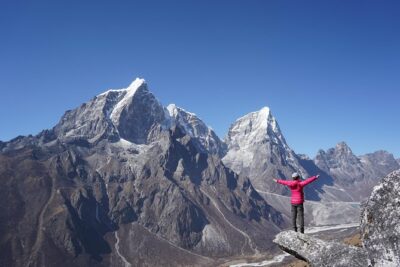
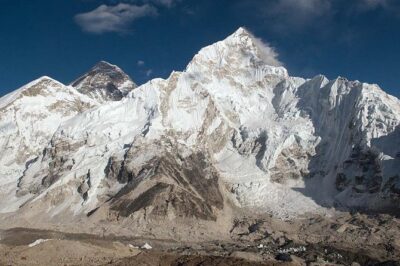
The final day begins early with a hike to Kala Patthar before sunrise. This is the trip’s great viewing point, with a panorama of Everest and surrounding peaks as the first light reaches the mountain faces.
The climb is short in calendar terms but not necessarily easy. You are already high, and the coldest part of the day is before dawn. Warm clothing is supplied in the form of a down jacket and a sleeping bag rated to minus 20 degrees Celsius, but both items must be returned after the trip. Bring suitable personal layers as well.
Kala Patthar is where the route’s physical effort pays off visually. After the viewpoint, the return plan uses a shared helicopter from Gorakshep to Lukla, followed by the included helicopter connection from Lukla to Kathmandu. The published 10-day outline places Kala Patthar on the last day, so confirm the exact flight sequence and timing before departure. Mountain aviation schedules can change.
What the package includes, and what it does not
The inclusions are broad. You receive:
- Eight breakfasts, lunches, and dinners during the trek, plus 10 breakfasts in the full program count
- Eight dinners and eight lunches during the mountain section
- Two Kathmandu nights with breakfast
- Twin-share lodge accommodation
- A licensed trekking guide and one porter for every two people
- Staff wages, equipment, food, transport, and accidental insurance
- Sagarmatha National Park and Pasang Lhamu Rural Municipality permits
- A trekking duffel bag, T-shirt, trail map, and achievement certificate
- First-aid supplies and an oximeter
- Emergency and rescue-operation coordination
- A farewell dinner at a traditional Nepali cultural restaurant
The wording around meals deserves a quick check when you book. Breakfast is covered throughout the 10-day program, while lunch and dinner are covered during the trek, not in Kathmandu. Drinks, snacks, and all Kathmandu lunches and dinners are extra.
Travel insurance is also your responsibility. It must cover trekking and rescue or evacuation up to 5,500 meters. Ordinary medical insurance is not enough unless it specifically includes high-altitude evacuation.
Guides, porters, and the human side of the trek
The company assigns an experienced, government-licensed guide and provides one strong porter for every two people. That ratio matters because it lets you carry a lighter daypack while the porter handles the larger shared load.
Several guide names appear in the company’s recent feedback, including Tika, Pramod or Promod, and Rabin. Shiba is also singled out for clear communication and careful organization. You should not assume a particular person will lead your group, but you can ask when booking if you have a preference.
The strongest pattern in the feedback is personal care. Guides are described as attentive, flexible with pace, and focused on safety. That is important on a compressed route, where a good guide should notice how you are adjusting rather than simply push the printed schedule.
Who should book this Everest Base Camp trek?
I would recommend it to someone who has limited holiday time, wants to walk the main Everest route, and values a helicopter return more than a long descent. It also suits people who appreciate having permits, porters, gear, meals, and transport arranged in one package.
I would hesitate if you want a slow, spacious trek with several spare days. Ten days is efficient, but it is not leisurely. You need strong fitness, sensible pacing, and the willingness to change plans if altitude or weather becomes a problem.
This is a private activity for your own group, and the route can be adjusted for group needs and personal preferences. That flexibility is useful, but ask for the changes in writing. A customized plan may affect nights, meals, helicopter timing, or the total cost.
Should you book it?
Book this tour if your priority is reaching Everest Base Camp and Kala Patthar without walking the full route back. The helicopter return, included support, two acclimatization days, and broad package coverage make the $3,332 price easier to justify.
Do not book it simply because the trek is called 10 days. The mountain will not hurry for your calendar. Confirm the helicopter sequence, ask exactly which lodge standards are available, arrange high-altitude insurance, and be honest about your fitness. If you want the major Khumbu sights in a short window and can accept a brisk schedule, this is a practical choice.
FAQ
How long is the Everest Base Camp trek?
The advertised duration is approximately 10 days, including Kathmandu time, the trek to Everest Base Camp, the Kala Patthar hike, and helicopter transport.
Is helicopter transport included?
Yes. The package includes a shared helicopter from Kathmandu to Lukla, a shared helicopter from the Everest Base Camp area at Gorakshep toward Lukla, and a shared helicopter from Lukla to Kathmandu.
Are meals included?
Breakfast is included for all 10 days. Lunch and dinner are included during the trek, listed as eight lunches and eight dinners. Lunch and dinner in Kathmandu, beverages, and snacks are not included.
What accommodation is provided?
You receive two nights in a three-star Kathmandu hotel with breakfast. During the trek, accommodation is in the best available twin-share lodges.
Is travel insurance included?
No. You must arrange your own insurance, including rescue and evacuation coverage up to 5,500 meters.
How much luggage can I bring?
The stated allowance is 10 kilograms for a large bag and 5 kilograms for a handbag. A trekking duffel bag is provided for the trip and must be returned afterward.
More Helicopter Tours in Kathmandu
- Everest Base Camp Helicopter Tour landing at Everest View Hotel
★ 5.0 · 668 reviews - Everest Base Camp Helicopter Tour landing at Hotel Everest View
★ 5.0 · 218 reviews - Everest Base Camp Trek with Helicopter Return from Gorakshep to Lukla
★ 5.0 · 161 reviews - Everest Base Camp helicopter tour with landing
★ 5.0 · 61 reviews
Just added around Kathmandu
- Private Half-Day Tour of Boudhanath and Pashupatinath Temples in Kathmandu★ 4.5 · 9 reviews
- Private Half-Day Tour of Kathmandu Durbar Square and Swayambhunath Temple★ 4.5 · 11 reviews
- Namobuddha Monastery Hiking Day Tour via Panauti from Kathmandu★ 5.0 · 15 reviews
- Private Half Day Budhanilkantha Tour★ 5.0 · 6 reviews
- Private Full-Day Kathmandu City Tour★ 5.0 · 9 reviews
- Private Day Tour in Kathmandu Valley Rim with Bhaktapur Sightseeing★ 5.0 · 3 reviews
- Private Day Tour: Patan and Bhaktapur from Kathmandu★ 4.5 · 6 reviews
- Private Day Tour – Sacred Journey to Namo Buddha★ 5.0 · 5 reviews
Everest Base Camp Treks, compared.
Everest Base Camp Trek with Helicopter Return from Gorakshep to Lukla
Read our review →Browse the lists this tour appears in