
Reviewed · EVEREST BASE CAMP TREKS
Everest Base Camp Trek
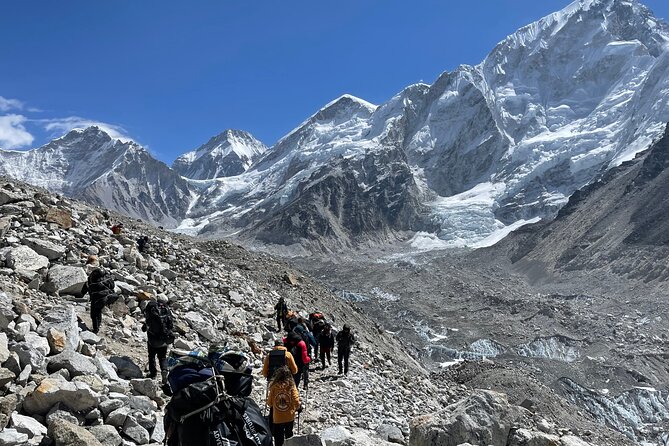
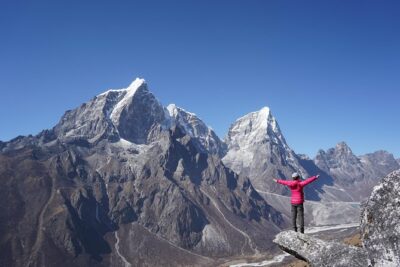
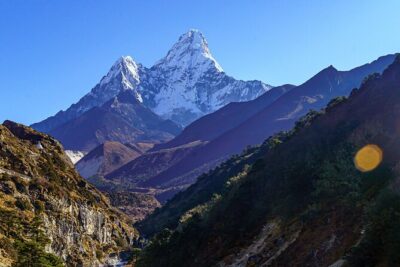
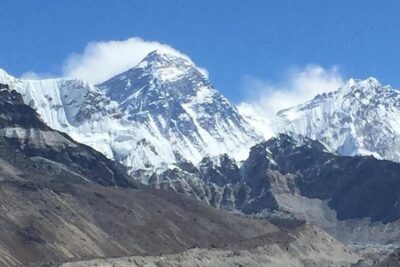
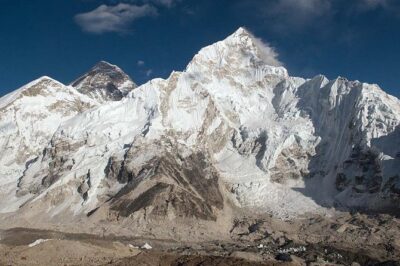
Everest Base Camp is less about reaching a single famous sign than about the long climb through the Sherpa heartland. Over 14 days, you pass through Namche Bazaar, sleep in simple mountain lodges, visit Tengboche, and work your way to Base Camp at 5,364 meters. The high point for many is Kala Patthar, at 5,545 meters, where the Everest range comes into view.
I like the careful acclimatization plan, with rest days in both Namche Bazaar and Dingboche. I also like the practical support: a guide, porters carrying the main luggage, tea-house lodging, meals on trek, airport transfers, and two Kathmandu hotel nights are covered.
The catch is that this is a demanding high-altitude trek, not a sightseeing holiday with a few walks added. Lukla flights can be delayed or canceled, the lodges are basic, and the $1,500 price does not include travel insurance, Kathmandu lunches and dinners, drinks, or possible helicopter costs.
Key points to know before you book
- Reach 5,364 meters at Everest Base Camp: The route passes through Gorakshep before reaching the famous foothill camp.
- Climb Kala Patthar to 5,545 meters: This is the highest point on the route and a major reason to keep one extra layer handy.
- Two acclimatization days are built in: You rest in Namche Bazaar and Dingboche rather than climbing hard every day.
- A guide and shared porter support are included: One porter is assigned for every two people, so you carry only a day pack.
- Tengboche adds a spiritual pause: The monastery and mountain setting break up the long physical effort.
- Lukla flights shape the schedule: Delays are possible, and a helicopter flight costs at least $500 per person when needed.
What the 14-day route is really like
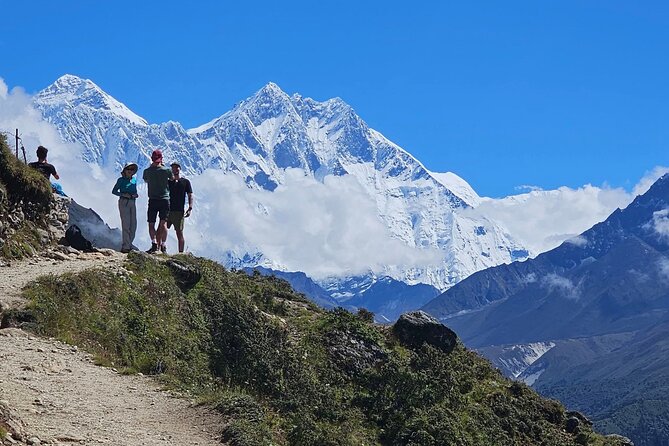
This is a classic out-and-back route through Nepal’s Khumbu region. You begin in Kathmandu at 1,320 meters, fly to Lukla at 2,886 meters, and walk uphill in stages until the trail reaches Everest Base Camp and Kala Patthar.
The plan uses roughly six hours of walking on most trekking days. That number is only a guide. Altitude, trail conditions, weather, rest stops, and the pace of your group can all change how the day feels. The value of the itinerary is its gradual rise, with two planned acclimatization stops before the highest part of the trek.
More Everest Base Camp Treks in Kathmandu:
- Everest Base Camp Trek – 14 Days
★ 5.0 · 1,499 reviews - Everest Base Camp Trekking
★ 5.0 · 485 reviews - Everest Base Camp Trekking – 13 Day
★ 5.0 · 365 reviews
Days 1 and 2: Kathmandu to Lukla and Phakding
Your trip begins with airport pickup at Tribhuvan International Airport and a transfer to a standard three-star hotel. Two nights in Kathmandu are included, one at the start and one after the trek.
The early flight to Lukla is the gateway to the route. Once you land at 2,886 meters, the trek starts right away, with about four hours of walking to Phakding at 2,640 meters. This first day is useful because it gets you moving without forcing you straight into the steepest part of the route.
Phakding is a small overnight stop rather than a major attraction. Think of it as your first taste of lodge life. Your main luggage is carried by porters, while you keep a day pack with water, a camera, sunscreen, a spare jacket, and other essentials.
The flight is one of the trip’s biggest practical uncertainties. If it is canceled, the plan is to move it to the next day, subject to availability. A helicopter may be arranged for a group, but you pay for it yourself. The stated minimum is $500 per person, which makes travel insurance covering flight cancellations especially important.
Day 3: Phakding to Namche Bazaar
The walk from Phakding to Namche Bazaar takes about six hours and brings you to 3,440 meters. This is where the trek begins to feel serious.
Namche is the main Sherpa community on the route and one of the most useful stops in the entire journey. It is a place to rest, eat, check supplies, and adjust to the altitude before the trail rises higher. The route is not simply a road to Base Camp. Namche gives you a first real sense of the people, trade, and mountain culture that support life in the Khumbu.
The accommodation is in local tea houses and mountain lodges. They are described as clean and comfortable, but you should still expect basic facilities rather than city-hotel comforts. Twin-share rooms are standard, and a single supplement is available for an additional $200.
Day 4: Acclimatization in Namche Bazaar
You spend a full day in Namche for acclimatization. The plan allows about six hours for the day, though the important point is not covering a set distance. It is giving your body time to adjust before you head toward Tengboche.
This is a good design choice. A fast climb may look efficient on paper, but the high altitude is the central challenge of the trek. A rest day in Namche also gives you time to explore the settlement at a slower pace instead of treating every stop as a place to sleep.
Keep this day flexible. You may feel fine at lower elevations and notice the altitude more clearly after Namche. Your guide’s role matters here. Several guides associated with this trip, including Pradip, have been praised for keeping people informed, spotting wildlife, and helping groups feel safe on difficult ground. If Pradip is assigned to your group, his mountain experience and friendly manner are useful assets. Guide assignments should be confirmed when you book.
A few more Kathmandu trips to weigh up
- Nagarkot Sunrise View and Day Hiking from Kathmandu
★ 5.0 · 471 reviews - Annapurna Circuit Trek with Tilicho Lake
★ 5.0 · 368 reviews - Everest Base Camp Trek -14 Days
★ 5.0 · 321 reviews - Annapurna base camp trek 5 Days
★ 5.0 · 252 reviews
Day 5: Namche Bazaar to Tengboche
The walk to Tengboche, also written as Tyangboche, reaches 3,867 meters and takes about six hours. This is one of the most rewarding cultural sections of the route.
Tengboche is known for its monastery and its mountain setting. The stop gives the trek a different rhythm. After several days of walking, you get a place where the focus shifts from distance and elevation to reflection and local Buddhist culture.
The elevation gain is steady, so do not treat this as an easy sightseeing day. The best approach is to walk at a measured pace, drink regularly, and avoid using your energy too early. The package includes meals while trekking, with breakfast and dinner at your lodge and lunch arranged along the trail.
Day 6: Tengboche to Dingboche
You continue to Dingboche at 4,260 meters, again with about six hours of walking. The route now takes you firmly into the high-altitude part of the trek.
Dingboche is important because it is your next acclimatization base. The village is not included merely as a convenient overnight stop. It gives you another chance to adjust before the route climbs toward Lobuche and Gorakshep.
At this height, small comforts matter. Tea, snacks, hot showers where available, and battery charging may cost extra. Electricity is available in some villages, and solar power may be available in others, but power is not guaranteed. Bring spare batteries and expect to pay for recharging cameras or phones.
Day 7: Dingboche acclimatization
The second acclimatization day is spent around Dingboche, with a route toward the Chhukung path before returning to the village. The planned activity lasts about six hours.
This is another smart pause in the schedule. You are already above 4,000 meters, but the major altitude challenge is still ahead. The day lets you walk at elevation without changing your sleeping altitude, which is more useful than simply taking a day off in your room.
The schedule requires strong physical fitness. You should be comfortable walking for about six hours repeatedly, carrying a day pack, and handling steep or rocky trail conditions. The package includes a first-aid medical kit, but that is not a substitute for personal travel insurance or preparation for altitude-related problems.
Day 8: Dingboche to Lobuche
The trail climbs to Lobuche at 4,930 meters. You stop for lunch at Dugla, listed at 4,595 meters, before continuing to Lobuche.
This is one of the harder days because the air is thin and the elevation gain is noticeable. The walking time remains about six hours, but the pace may feel slower than earlier in the trip. Your guide and porters are particularly valuable here, since you can keep your load light and focus on a steady rhythm.
Lobuche is a functional mountain stop. It is not the place for a long evening out. Eat, prepare your clothing for the next morning, charge what you can, and get rest. The higher you go, the more you should value a simple routine.
Day 9: Lobuche to Everest Base Camp through Gorakshep
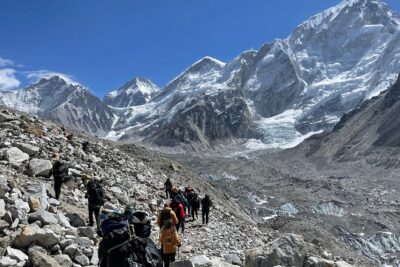
This is the central day of the trek. You leave Lobuche after breakfast and walk to Gorakshep at 5,140 meters, then continue to Everest Base Camp at 5,364 meters.
The route is described as rocky, and the six-hour estimate can feel demanding at this elevation. The reward is not a comfortable destination or a long stay. It is the meaning of reaching the base camp of the world’s highest mountain and seeing the place connected with so many climbing attempts, sacrifices, and expeditions.
You should keep your expectations realistic. Everest Base Camp is a working mountaineering site, not a polished viewpoint or a summit. The experience comes from the approach, the altitude, the surrounding peaks, and the sense of standing at the start point for climbers heading higher.
Gorakshep is your overnight base for this section. Accommodation at this height is basic, and the combination of cold, limited power, and altitude may make the night uncomfortable. That is part of the challenge, not a flaw in the package, but you should be ready for it.
Day 10: Kala Patthar and Pheriche
You start early from Gorakshep for Kala Patthar at 5,545 meters, then descend to Pheriche at 4,243 meters. This is the highest point of the route and one of its great visual rewards.
Kala Patthar is often the better viewpoint for the Everest range because it puts you above the surrounding terrain. The climb is short in distance compared with the full trek, but the altitude makes it strenuous. Allow yourself time, follow your guide’s pace, and keep your warm layers close.
The descent to Pheriche is welcome after the high point. Dropping nearly 1,300 meters changes how your body feels, even though your legs have already worked hard. Pheriche gives you a lower overnight stop before the return walk to Namche.
Days 11 and 12: Pheriche back to Namche, then Lukla
The return route takes you back through the Khumbu Valley to Namche Bazaar, with about six hours of walking. The route description includes Tengboche in the day’s wording, so confirm the exact overnight sequence with the operator before departure. The practical plan is a descent from the high country toward Namche.
Day 12 continues from Namche to Lukla, also listed at about six hours. Walking downhill is not always easy. It can be hard on knees and feet, especially after the long ascent, so good footwear and trekking poles may be useful personal choices, though they are not specifically supplied.
Lukla is your final mountain night. It is a useful buffer before the return flight, but it does not remove the risk of weather disruption. If you have an international flight soon after your planned return to Kathmandu, leave extra time. The package provides the scheduled domestic flight, but no airline can guarantee that Lukla weather will cooperate.
Days 13 and 14: Return to Kathmandu and departure
You take an early flight from Lukla to Kathmandu, where airport representatives transfer you to your hotel. The second included Kathmandu night is useful after the trek and before your international departure.
On Day 14, private transport takes you to Tribhuvan International Airport. The airport transfer is included, and the stated meeting time for the trip is 5:30 a.m. Your exact pickup arrangements depend on your flight and hotel details, so provide those details after booking.
What the $1,500 price covers
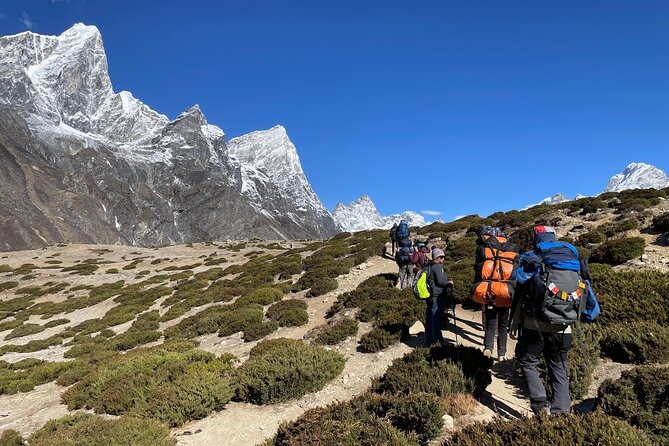
At $1,500 per person, the package offers solid value if you want organized support rather than arranging each part yourself. It includes airport transfers, two Kathmandu hotel nights, domestic flights between Kathmandu and Lukla, tea-house accommodation, a guide, shared porter service, trekking meals, TIMS card fees, a first-aid kit, and government taxes and service charges.
The porter arrangement is one of the most useful inclusions. One porter serves two people, and you carry only a day pack. That makes the walking more manageable and also helps you enjoy the route instead of hauling every item you brought from home.
Meals include 14 breakfasts, 11 lunches, and 11 dinners. Kathmandu lunches and dinners are not included, and drinks are extra throughout. Budget for snacks, bottled or boiled water, hot showers, battery charging, tips, and souvenirs. Water purification tablets are recommended because normal water is available, while bottled and boiled water can be purchased along the route.
Tips are not fixed, but the suggested amount is 10 to 15 percent of the tour cost if you feel the support team has served you well. That is a significant addition, so include it in your real budget rather than treating the advertised price as the final amount.
Guides, group size, and practical support
The group can contain up to 15 people. That is small enough for organized movement but large enough that the walking pace may not suit everyone. Ask how the group is formed and who your guide will be before you commit.
The strongest personal praise connected with this trip centers on guide support. Pradip, also called Master Zi or Big Z in the supplied comments, is described as experienced, funny, helpful, and good at identifying wildlife along the route. Another guide, Laxman, is associated with more than 22 years of mountain experience. Those details point to the value of a good guide on this route: route judgment, communication, local knowledge, and calm support when the trail becomes difficult.
The agency also has staff who handle pre-trip arrangements. Niti is specifically described as professional and responsive with questions and planning. You should still ask direct questions about the current guide, flight arrangements, room sharing, and emergency procedures before paying.
What to pack and what to leave behind
Your main bag is carried by porters, but Nepal’s domestic airline allowance is 15 kilograms including hand luggage. Excess weight costs at least $1 per kilogram and may be more, so pack with care.
Keep your day pack light. The useful basics listed for the trek include water, a camera, sunscreen, a spare jacket, and similar personal items. Add your own essential medication and documents, but do not assume every comfort is available at high altitude.
A small lockable bag can stay in the Kathmandu hotel locker or safe deposit room with clothes and other items you do not need on the trail. That is a sensible way to avoid carrying city clothes and extra luggage through every lodge.
Who should book this trek
You should consider it if you want a structured route to Everest Base Camp, prefer having a guide and porters, and are ready for repeated six-hour walking days at increasing altitude. It suits people who value Sherpa culture, mountain views, Tengboche Monastery, and the sense of following a historic climbing route.
It is not a good fit if you want private bathrooms, reliable electricity, flexible luxury lodging, or a guaranteed flight schedule. The itinerary calls for strong physical fitness, and the remoteness means that changes can be costly.
Free cancellation is available when you cancel at least 24 hours before the start time. After that point, the paid amount is not refunded, and late changes are not accepted. Check the local cutoff time and make sure your travel insurance covers trekking and Lukla flight disruption.
Should you book the Everest Base Camp Trek?
I would book this trip if I wanted the classic Everest Base Camp route with a clear support structure and a moderate package price. The two acclimatization days, shared porter service, meals on the trail, and experienced guide options address the biggest practical problems on a high-altitude trek.
I would not book it without travel insurance, a fitness plan, and at least some flexibility around Lukla flights. Confirm the guide’s name, check the day 11 route wording, ask about current flight procedures, and budget for drinks, charging, showers, tips, and a possible helicopter. If you are comfortable with basic lodges and hard walking, this is a direct and well-supported way to reach Base Camp and Kala Patthar.
FAQ
How long does the Everest Base Camp Trek take?
The planned duration is approximately 14 days, including arrival in Kathmandu, the trek, the return to Kathmandu, and airport departure.
Where does the trek start?
The organized arrival begins at Tribhuvan International Airport in Kathmandu, Nepal. Airport pickup is provided.
What is the highest point on the route?
Kala Patthar is the highest point, at 5,545 meters. Everest Base Camp is at 5,364 meters.
Are flights between Kathmandu and Lukla included?
Yes. The package includes flights from Kathmandu to Lukla and the return flight from Lukla to Kathmandu.
What happens if the Lukla flight is canceled?
The flight will be rescheduled for the following day, subject to availability. A helicopter may be arranged for a group, but the cost is your responsibility and is listed as a minimum of $500 per person.
Is accommodation included?
Yes. Two nights in a standard three-star hotel in Kathmandu and lodge or tea-house accommodation during the trek are included. Twin-share lodging is standard.
Are meals included?
Breakfast is included for 14 days, along with 11 lunches and 11 dinners. Kathmandu lunches and dinners are not included, and alcoholic and nonalcoholic drinks cost extra.
How is luggage handled?
Porters carry the main luggage, with one porter assigned for every two people. You carry a day pack. Nepal’s domestic airline allowance is 15 kilograms including hand luggage, and excess weight costs extra.
Is travel insurance included?
No. You must arrange your own travel insurance. Insurance covering trekking and Lukla flight cancellation is especially important for this itinerary.
Just added around Kathmandu
- Private Half-Day Tour of Boudhanath and Pashupatinath Temples in Kathmandu★ 4.5 · 9 reviews
- Private Half-Day Tour of Kathmandu Durbar Square and Swayambhunath Temple★ 4.5 · 11 reviews
- Namobuddha Monastery Hiking Day Tour via Panauti from Kathmandu★ 5.0 · 15 reviews
- Private Full-Day Kathmandu City Tour★ 5.0 · 9 reviews
- Private Day Tour in Kathmandu Valley Rim with Bhaktapur Sightseeing★ 5.0 · 3 reviews
- Private Half Day Budhanilkantha Tour★ 5.0 · 6 reviews
- Private Day Tour: Patan and Bhaktapur from Kathmandu★ 4.5 · 6 reviews
- Private Day Tour – Sacred Journey to Namo Buddha★ 5.0 · 5 reviews
Everest Base Camp Treks, compared.
Everest Base Camp Trek with Helicopter Return from Gorakshep to Lukla
Read our review →Browse the lists this tour appears in