
Reviewed · EVEREST BASE CAMP TREKS
12 Days Everest Base Camp Trekking
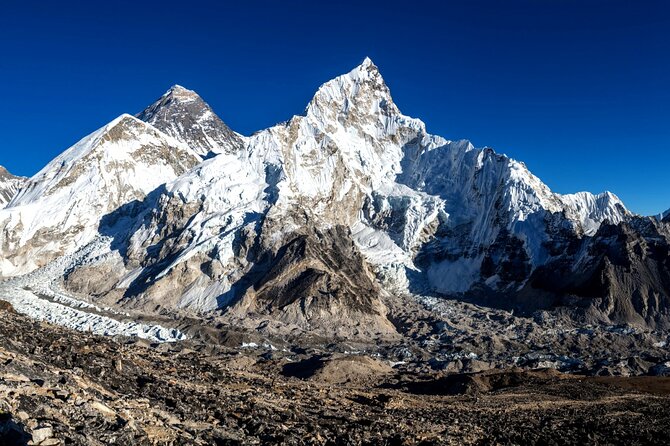
The big draw here is the classic Everest Base Camp route, handled in a private 12-day format rather than a large group. You fly from Kathmandu to Lukla, walk through Namche Bazaar and Dingboche, cross the Khumbu Glacier, and reach Base Camp before sunrise at Kala Patthar.
I like the two acclimatization days, which give your body a fair chance to adjust, and the practical package that covers flights, permits, meals, lodging, and a licensed guide. The main drawback is the pace: 12 days is a tight schedule for a high-altitude trek, and bad weather can disrupt the Lukla flights.
I also like that the trip can be arranged just for your party. Guides named in the supplied guest feedback include Ramchandra and Ram, both singled out for careful support and thoughtful organization. Still, you need moderate fitness, travel insurance, and patience for basic teahouse conditions.
Key Points Before You Book
- Lukla flights begin the trek: Your guide collects you from your hotel and takes you to the airport for the early flight to Lukla.
- Two planned acclimatization days: You spend one rest day in Namche Bazaar and another in Dingboche, with optional short hikes.
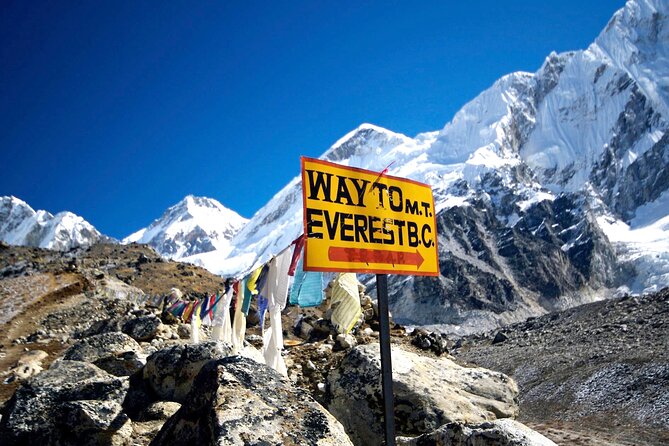
- Base Camp comes on Day 8: You walk from Lobuche to Gorak Shep, then continue to Everest Base Camp after lunch.
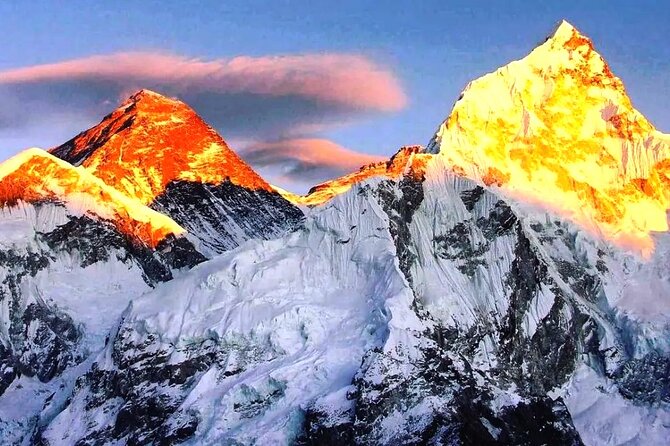
- Kala Patthar is the sunrise payoff: The early hike offers the trip’s best stated viewpoint for Everest, Lhotse, and nearby peaks.
- The $1,399 price covers the core trek: Flights, teahouses, meals, permits, transport, guide costs, and taxes are included.
- Extras remain your responsibility: Insurance, visa fees, porter service, hot showers, Wi-Fi, snacks, drinks, laundry, and tips cost extra.
What the $1,399 Everest Trek Package Really Covers
At $1,399 per person, this is not simply a guiding fee. The price includes airport pickup and drop-off, one night in a deluxe Kathmandu hotel with breakfast, round-trip flights between Kathmandu or Ramechhap and Lukla, and twin-sharing teahouse lodging during the walk.
You also receive breakfast, lunch, and dinner during the trek. Tea or coffee is included with breakfast. That matters in the Khumbu, where buying every meal separately can make budgeting harder and carrying enough cash becomes another chore.
The package includes a licensed English-speaking trekking guide. The guide’s salary, meals, lodging, equipment, and insurance are covered, along with Sagarmatha National Park and TIMS permits. A basic first aid kit and pulse oximeter are also included, giving the guide a way to monitor oxygen levels as you climb.
That is a solid list of essentials. The price does not include an international flight, Nepal entry visa, medical or travel insurance, porter service, personal purchases, or tips. You should treat insurance as a must, not an optional extra, since this is a remote, high-altitude route.
A porter is available on request, but the supplied price does not include one. If you do not want to carry your main bag each day, ask about the porter cost before booking. Also budget for drinks, snacks, laundry, hot showers, Wi-Fi, and gratuities.
More Everest Base Camp Treks in Kathmandu:
- Everest Base Camp Trek – 14 Days
★ 5.0 · 1,499 reviews - Everest Base Camp Trekking
★ 5.0 · 485 reviews - Everest Base Camp Trekking – 13 Day
★ 5.0 · 365 reviews
Day 1: Lukla to Phakding After the Mountain Flight
The day starts early. Your guide picks you up at the hotel and takes you to the airport for the flight to Lukla, at about 2,800 meters, or 9,184 feet. The flight is part of the experience, with a scenic arrival at the mountain airstrip, but it is also the part most exposed to weather delays.
From Lukla, you begin walking toward Phakding. The first day is listed at about eight hours, though the actual walking time can vary. This opening section introduces you to the Khumbu route without immediately pushing you to a very high sleeping altitude.
The practical point is to keep this day steady. You have not yet found your rhythm, and the next days bring more bridges and more climbing. Keep your daypack light and use this first walk to learn how your boots, socks, water system, and layers feel.
Day 2: Suspension Bridges and Namche Bazaar
After breakfast, you walk from Phakding to Namche Bazaar, the main trading center of the Khumbu region. The route includes several suspension bridges and a gradual climb through the valley.
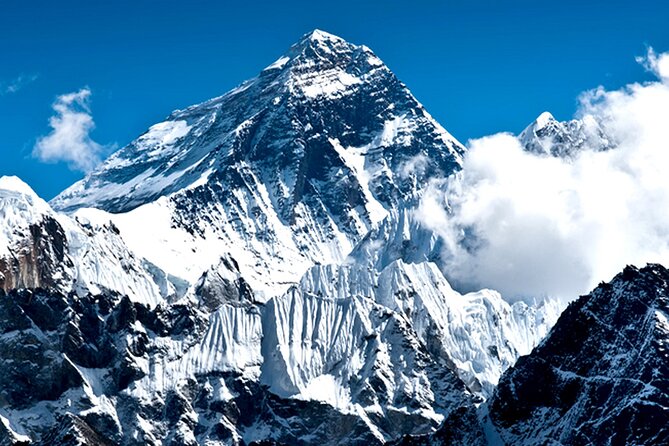
Namche is more than a stopping point. It is where the trek begins to feel properly Himalayan, with higher peaks appearing around the trail and a busy mountain settlement providing a useful pause before the serious altitude. You should expect this day to take about seven hours.
The climb to Namche can feel demanding because the route gains height after the relatively gentle first day. Walk slowly, drink regularly, and resist the temptation to race ahead. Your guide’s job is not simply to lead the way, but to help set a sensible pace.
Day 3: Acclimatizing Around Namche Bazaar
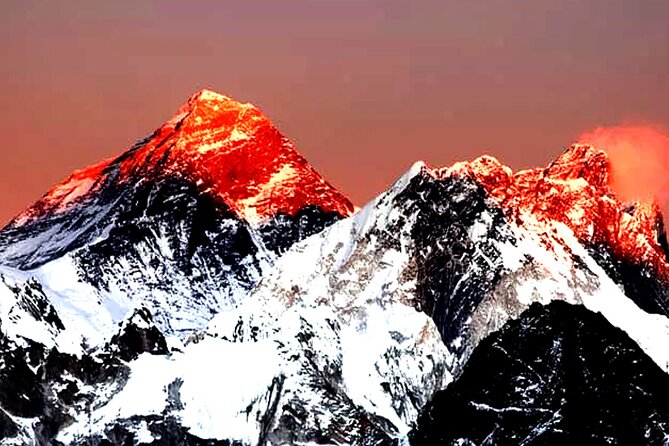
Day 3 is reserved for acclimatization. That is one of the strongest features of this schedule. Rather than climbing higher every day, you spend time around Namche and can take an optional hike to Everest View Hotel for wide views of Everest and the surrounding peaks.
The itinerary gives this day about eight hours, likely allowing time for an active acclimatization walk rather than a full day lying in bed. The value is simple: you gain height during the day, then return to Namche to sleep at the same altitude.
You should ask your guide how hard the optional hike will be on the day. Acclimatization works best when you move without exhausting yourself. If you develop symptoms of altitude sickness, report them quickly instead of treating the planned walk as a challenge you must complete.
A few more Kathmandu trips to weigh up
- Nagarkot Sunrise View and Day Hiking from Kathmandu
★ 5.0 · 471 reviews - Annapurna Circuit Trek with Tilicho Lake
★ 5.0 · 368 reviews - Everest Base Camp Trek -14 Days
★ 5.0 · 321 reviews - Annapurna base camp trek 5 Days
★ 5.0 · 252 reviews
Day 4: Through Sagarmatha National Park to Tengboche
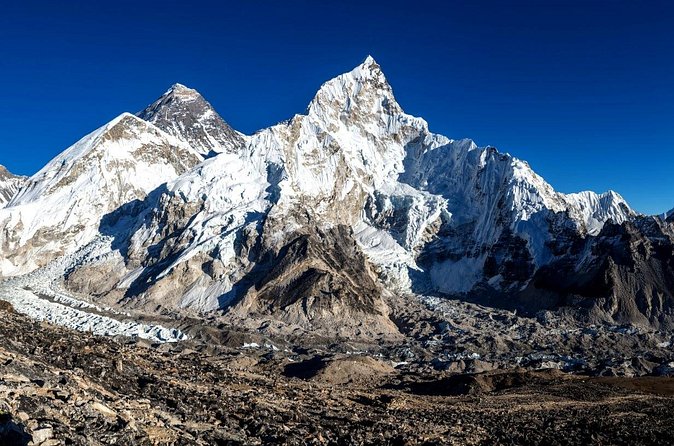
The trail continues through Sagarmatha National Park, with views of Everest, Nuptse, and Ama Dablam along the way. The route first descends for around two hours through rhododendron forest, then climbs toward the next settlement.
This is a memorable change in scenery. You move from the trading center around Namche into a quieter mountain route, with forested sections giving way to more open high-country views. The day is planned for about eight hours, so the descent should not fool you into thinking it will be easy.
Downhill walking may feel pleasant early on, but every lost meter must be regained. Keep your knees under control on the descent and save energy for the climb. The exact overnight settlement is not clearly named in the supplied itinerary, so confirm the evening stop with Blissful Himalayas before departure.
Day 5: Climbing Toward Dingboche
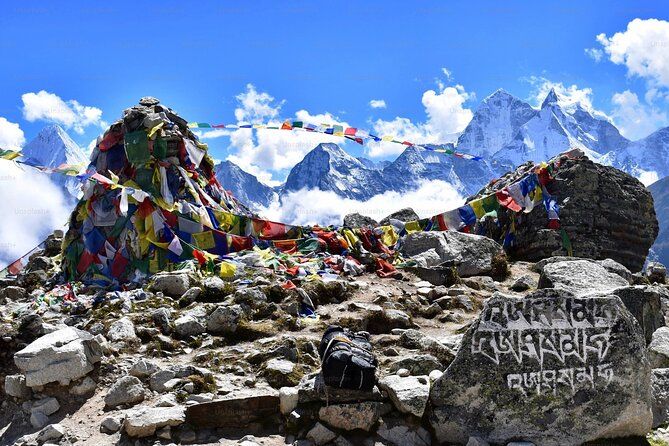
Dingboche sits in the Khumbu Valley and offers views toward Island Peak and other Himalayan peaks. The trail passes through alpine forest and then increasingly barren ground, with the change in vegetation showing how quickly conditions shift as you gain altitude.
The walk is scheduled for about eight hours. By this stage, the route should feel less like a valley hike and more like a high mountain trek. The air is thinner, the terrain is rougher, and small rises can take more effort than expected.
You will sleep in a local teahouse in twin-sharing accommodation. These lodges are part of the practical character of the route, but you should not expect deluxe rooms in the mountains. Basic facilities, shared services, and extra charges for comforts such as hot showers and Wi-Fi are normal costs to plan for.
Day 6: A Second Acclimatization Day in Dingboche
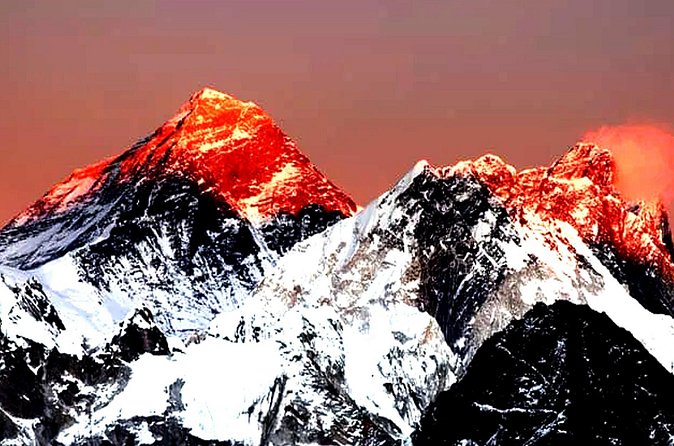
The second acclimatization day is another major reason this plan is suitable for people who want a structured first EBC trek. You stay in Dingboche and can choose an optional hike to Nagarjun Hill or toward Chukhung.
This is not a spare day to remove from the schedule. It gives your body time to adjust before the route reaches Lobuche, Gorak Shep, and Base Camp. The itinerary allows about eight hours, but the purpose is controlled activity, not maximum distance.
If you feel strong, the optional hike can provide more mountain views and useful time at altitude. If you feel tired, a shorter outing may be wiser. Your guide should help you judge the day based on how you are responding, rather than treating the itinerary as a race.
Day 7: Khumbu Glacier and Glacial Moraines
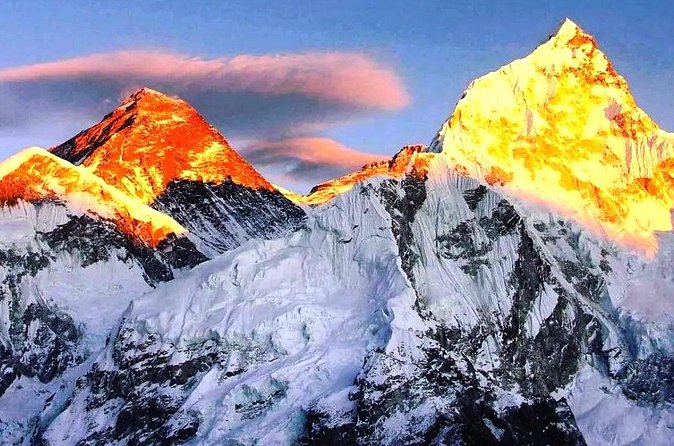
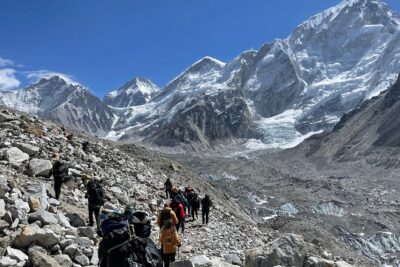
You start early, cross the Khumbu River, and climb through rocky ground and glacial moraines. The route offers views of the Khumbu Glacier and nearby peaks, while the terrain becomes rougher and more exposed in character.
This is about eight hours of walking. The early start helps you make progress before the day grows long, but it also means you need to be ready at the teahouse on time. Keep warm layers and water close, since the conditions can change as you climb.
The glacier section is one of the route’s defining moments, yet it is not a casual stroll. Rocky moraine walking calls for careful foot placement and a measured pace. The included guide is especially useful here, both for route direction and for keeping the group moving sensibly.
Day 8: Gorak Shep and Everest Base Camp
This is the central day of the trek. You walk from Lobuche to Gorak Shep, the final settlement before Everest Base Camp. After reaching Gorak Shep, you have lunch, settle your bags, and continue toward Base Camp.
The full day is listed at about nine hours. That makes it the longest stated day, and altitude adds to the effort. The route to Base Camp crosses rough ground and can feel slow, especially after the climb from Lobuche.
Reaching Base Camp is a major personal milestone, but keep expectations realistic. The view here is about the Khumbu Glacier, surrounding peaks, and the setting used by Everest expeditions. It is not the place for the classic full-face view of Everest itself. The next morning’s Kala Patthar hike provides the better stated viewpoint.
After exploring Base Camp, you return to Gorak Shep for the night. This out-and-back design lets you leave your larger bag at the lodge, which makes the final approach more manageable.
Day 9: Sunrise at Kala Patthar
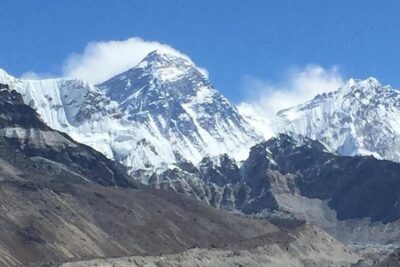
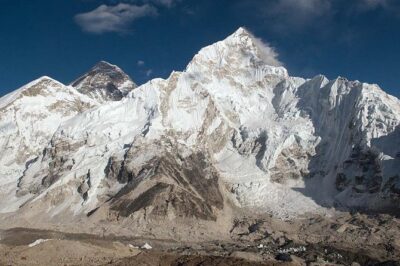
The early hike to Kala Patthar is planned as the visual highlight. From this high viewpoint, you can see Everest, Lhotse, and other major peaks in the morning light. The stop is described as the best place on this route for capturing a clear view of Everest.
You return to Gorak Shep for breakfast, then continue descending. The day is listed at about eight hours, so this is not only a viewpoint morning. You still have a substantial walk after the sunrise outing.
Kala Patthar requires an early start and a climb at very high altitude. The cold and thin air can make a short distance feel serious. Bring the warmest layers you have and follow your guide’s pace. The itinerary also refers to helicopter landing at Kala Patthar, but the stated plan describes a hike, not a helicopter transfer. Ask the operator to clarify this wording if a helicopter option matters to you.
Days 10 and 11: A Long Descent Through the Park
The return route takes you back through Sagarmatha National Park. Day 10 is about eight hours, while Day 11 is shorter at around six hours and is described as the final trekking day.
Descending is often easier on your breathing, but it can be hard on your knees. You should use trekking poles if you have them, keep your steps controlled, and avoid racing simply because the air feels better. Fatigue can make downhill slips more likely.
The scenery changes again as you lose altitude. You may notice more forest and a softer trail compared with the rocky upper sections. Day 11 leaves room for an evening celebration with your guide, porters, and fellow trekkers, a fitting end to the walking portion.
The precise overnight villages for Days 10 and 11 are not named in the supplied plan. Confirm those stops before leaving Kathmandu if you like to know exactly where you will sleep each night.
Day 12: Returning to Kathmandu
The final morning begins with an early flight back to Kathmandu. Ground transfer to your hotel is included, and the rest of the day is free for rest, local exploring, or a foot and body massage.
A farewell dinner is also planned. After nearly two weeks of walking, a relaxed final evening has real value. It gives you time to celebrate the route without rushing straight into an international departure.
As with the outbound flight, weather can affect the return from Lukla. Do not schedule an important same-day international connection unless you have allowed plenty of extra time. The package includes airport transfers, but it cannot control mountain flying conditions.
What the Private Format Adds
This is a private activity, so only your own group participates. That can make a difference on a high-altitude trek. You are not locked into the pace of a large party, and the guide can pay closer attention to how each person is coping.
The supplied feedback names Ramchandra and Ram as guides who provided strong support. One first-time trekker specifically described feeling well supported and said the arrangements were adjusted to meet personal needs. Another account describes a two-person group with a guide and a successful Base Camp finish.
Those details do not guarantee the same guide or result for every departure. They do point to an important question to ask before booking: who will lead your trek, and how will the operator handle a slower pace or altitude symptoms? The company has operated trekking services since 2011, but your own guide remains the person who shapes the daily experience.
Who Should Book This Trek
This trip suits you if you want the standard Everest Base Camp route, prefer a private group, and value having the main practical costs arranged in advance. It is also a good fit for a first trekking experience if you are willing to prepare and accept basic mountain lodging.
You need moderate physical fitness. The days run from about six to nine hours, and the route reaches high altitude. You should be comfortable walking on rocky trails and managing repeated climbs and descents.
This is less suitable if you want flexible timing, luxury accommodation, or a short and easy mountain holiday. The 12-day schedule is efficient, but not generous. If your body adjusts slowly or flights are delayed, the plan has little spare time.
Free cancellation is available when you cancel at least 24 hours before the local start time. Changes made inside that window are not accepted, and poor weather may lead to a new date or full refund. Confirmation is provided at booking, and group discounts are available.
My Booking Verdict
I would consider this a good-value Everest Base Camp package for someone who wants the essentials handled by one operator. The included Lukla flights, permits, meals, teahouses, guide costs, transport, and two acclimatization days make the $1,399 price easier to justify than a bare guide-only rate.
I would book it if I wanted a private trek and was prepared for basic conditions, early mornings, weather delays, and long walking days. Before paying, I would confirm the exact guide, porter price, Kathmandu or Ramechhap flight arrangements during peak season, and the overnight villages on the less clearly described days.
If you want a slower schedule with more recovery time, look for a longer EBC itinerary. If you are fit, organized, and keen to reach Base Camp within 12 days, this plan gives you a sensible route with the most important acclimatization stops built in.
FAQ
How long is the Everest Base Camp trek?
The experience lasts approximately 12 days, including the flights from Kathmandu to Lukla and back, the trekking days, acclimatization stops, and the return to Kathmandu.
What is included in the $1,399 price?
The price includes ground transportation, one night in a deluxe Kathmandu hotel with breakfast, round-trip domestic airfare to Lukla, twin-sharing teahouse lodging, meals during the trek, a licensed English-speaking guide, required permits, a basic first aid kit with pulse oximeter, taxes, and official service charges.
Are meals included during the trek?
Yes. Breakfast, lunch, and dinner are included during the trek. Tea or coffee is included with breakfast.
Is porter service included?
No. Porter service is available upon request but is not included in the stated price.
Is travel insurance included?
No. Travel and medical insurance are not included, and the operator highly recommends arranging coverage.
Does the tour include airport pickup?
Yes. Airport pickup and drop-off, as well as the ground transportation connected with the itinerary, are included.
Is this a private or shared tour?
It is a private activity, so only your own group participates. Teahouse accommodation is arranged on a twin-sharing basis.
What happens if bad weather cancels the experience?
The experience requires good weather. If it is canceled because of poor weather, you will be offered a different date or a full refund. For your own cancellation, you must cancel at least 24 hours before the local start time for a full refund.
Just added around Kathmandu
- Private Half-Day Tour of Boudhanath and Pashupatinath Temples in Kathmandu★ 4.5 · 9 reviews
- Private Half-Day Tour of Kathmandu Durbar Square and Swayambhunath Temple★ 4.5 · 11 reviews
- Namobuddha Monastery Hiking Day Tour via Panauti from Kathmandu★ 5.0 · 15 reviews
- Private Full-Day Kathmandu City Tour★ 5.0 · 9 reviews
- Private Day Tour in Kathmandu Valley Rim with Bhaktapur Sightseeing★ 5.0 · 3 reviews
- Private Half Day Budhanilkantha Tour★ 5.0 · 6 reviews
- Private Day Tour: Patan and Bhaktapur from Kathmandu★ 4.5 · 6 reviews
- Private Day Tour – Sacred Journey to Namo Buddha★ 5.0 · 5 reviews
Everest Base Camp Treks, compared.
Everest Base Camp Trek with Helicopter Return from Gorakshep to Lukla
Read our review →Browse the lists this tour appears in