
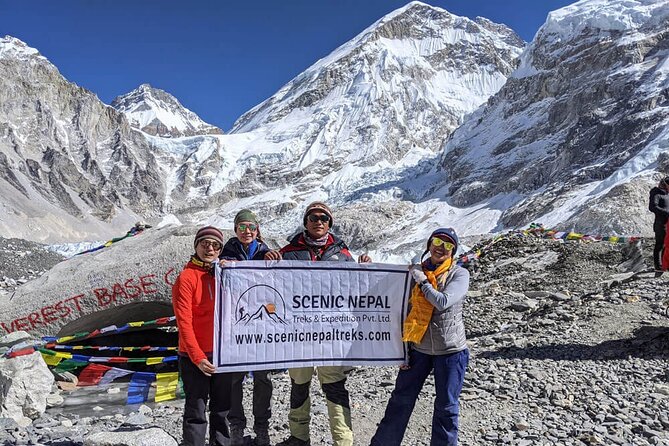
Reviewed · EVEREST BASE CAMP TREKS
Everest Base Camp Trek 12 Days – Best Himalayan Adventure
Everest Base Camp is not a sightseeing stop you simply tick off. It is the payoff to days of walking through pine forests, Sherpa villages, suspension bridges, thin air, and glacial valleys. This 12-day private trek gives you an experienced Sherpa guide, domestic flights, trekking permits, tea-house lodging, and a clear route toward the foot of the world’s highest mountain.
I like the small private format, which lets your guide adjust the pace and watch how you handle the altitude. I also like the practical support: a first-aid kit, staff insurance, equipment, sleeping bag, and duffel bag are included. The main caution is that this is a serious high-altitude hike, not a gentle walking holiday, and the information about meals, porter arrangements, group size, and flight airport needs clarification before you pay.
Key points to know before you book
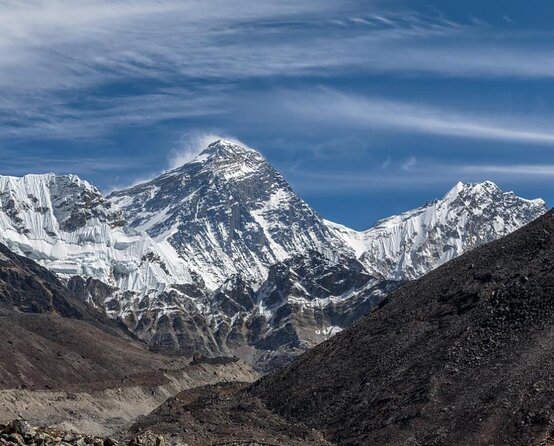
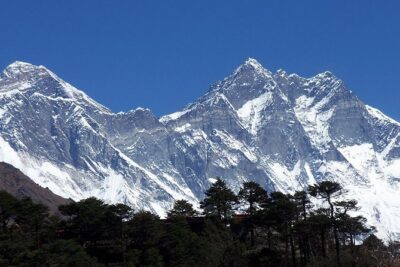
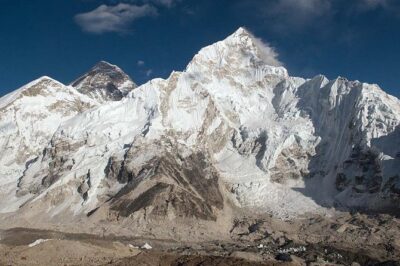
- Kala Patthar supplies the big mountain view: The viewpoint gives you a chance to see Everest, Lhotse, Nuptse, Ama Dablam, and Pumori in one dramatic sweep.
- Sherpa guidance is central to the experience: Guides such as Shankar, Binod, Ramjee, and Santosh have been associated with the company, so ask who will lead your departure.
- The route includes acclimatization time: Namche Bazaar and Dingboche provide valuable pauses before the highest walking days.
- Tea houses keep the trek practical: You receive twin-sharing lodging for 11 nights, rather than camping throughout the route.
- The price covers major trek essentials: At $1,439 per person, permits, domestic flights, guide, lodging, staff insurance, and a porter arrangement for two hikers are included.
- You still need a serious packing list: Warm layers, waterproof clothing, boots, sunglasses, sun protection, and personal insurance are your responsibility.
Why this Everest trek feels like a real Himalayan journey
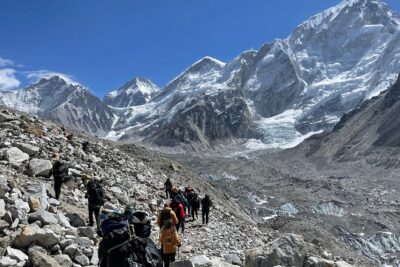
The route follows old mountain paths through the Khumbu region, where the scenery changes with every day of walking. You begin around Kathmandu, fly toward Lukla, and then trade city streets for stone paths, forest trails, prayer flags, mountain lodges, and wide views of Himalayan peaks.
The appeal is not only reaching Base Camp. You will spend time in high-altitude villages and encounter Sherpa culture along the way. Tea-house accommodation gives the experience a useful local feel, though you should expect simple rooms and shared facilities rather than hotel comfort.
The private setup is a real advantage for a trek like this. You can discuss pace, rest stops, and how you are feeling without being tied to a large group’s rhythm. The minimum booking is two people, and the listed maximum is 15, although another part of the information gives a maximum of 10. Ask the operator for the confirmed group size in writing.
The company has received a 5 rating with a 100 percent recommendation record, and its strongest praise centers on organization, friendly staff, careful guides, and reliable support. That matters here. At altitude, a patient guide who checks your comfort can be more valuable than a fancy room or a packed schedule.
More Everest Base Camp Treks in Kathmandu:
- Everest Base Camp Trek – 14 Days
★ 5.0 · 1,499 reviews - Everest Base Camp Trekking
★ 5.0 · 485 reviews - Everest Base Camp Trekking – 13 Day
★ 5.0 · 365 reviews
Kathmandu preparation before the mountain flight
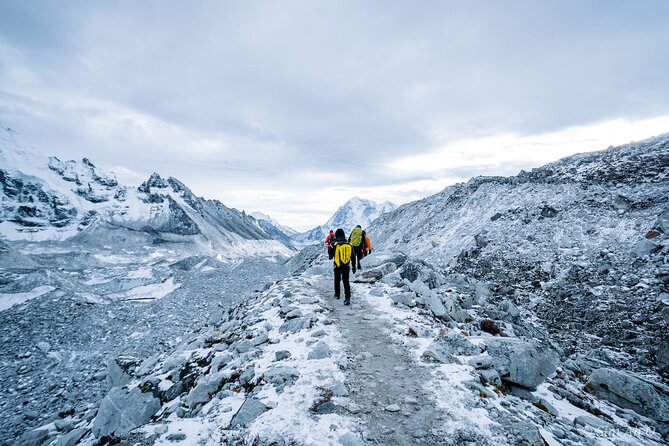
Your start and finish point is Scenic Nepal Treks and Expedition in Bhagwati Marg, Kathmandu. The city portion is mainly useful for preparation, paperwork, and meeting your trekking team rather than sightseeing.
You will need to provide each participant’s passport name, passport number, expiry date, and country at booking. That is standard for permits and domestic flights, but check every detail carefully before submission.
This is also the right time to check your equipment. The required list includes trekking boots with spare laces, warm hat, scarf, gloves, waterproof jacket, trousers, thermal underwear, fleece, quick-dry shirts, a down jacket rated to minus 10 degrees depending on the season, backpack, water bottle, headlamp or torch, toiletries, sunblock, lip balm, polarizing sunglasses, and water purification tablets.
The operator provides a sleeping bag, silk liner, and duffel bag. You should still ask about the weight limit for the duffel and how much you are expected to carry during the day. A lock for your bag, earplugs, toilet paper, and a small towel are sensible additions from the supplied list.
Lukla and the first mountain walking days
Lukla is the gateway to the trek. The domestic flight is included, but the operator notes that the flight may use Ramechap Airport rather than Kathmandu Airport. That can affect your pre-trek transport and schedule, so confirm the departure airport before arrival.
From Lukla, the route heads into the Khumbu. The early walking days introduce you to the pattern of the trek: mountain trails, bridges, forest, villages, and tea houses. Do not treat these opening stages as a race. They are your chance to find a steady pace before the air gets thinner.
Your guide should help you settle into a comfortable rhythm. The supplied information describes the trek as suitable for fit beginners through experienced hikers, but fit beginner still means you should be comfortable walking for several hours over uneven ground. The route is physically demanding, and the approach to Base Camp is not the place to discover that your boots rub or your pack is too heavy.
Namche Bazaar and the value of slowing down
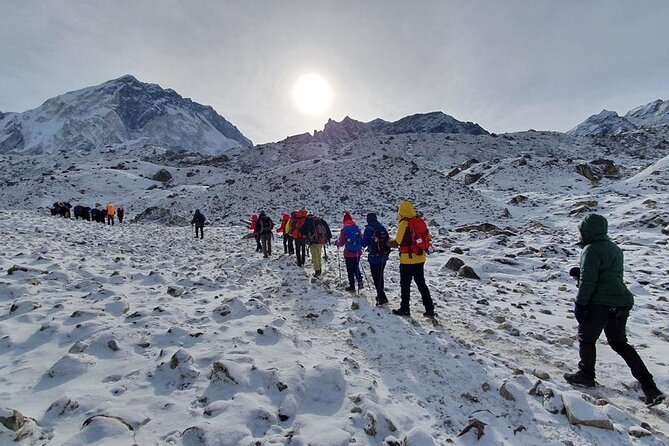
Namche Bazaar is one of the most important stops on the route. It is a high-altitude Sherpa settlement and a natural place to adjust before gaining more height.
The itinerary includes acclimatization days, and that is one of the tour’s strongest practical features. You may be eager to keep moving, but your body needs time to respond to altitude. A slower day in Namche can help you continue safely toward Tengboche, Dingboche, and the upper valley.
Namche also gives you a cultural break from the trail. The Sherpa presence is not just scenery. Local tea houses, mountain hospitality, and village life help make this more than a long climb to a famous sign.
A few more Kathmandu trips to weigh up
- Nagarkot Sunrise View and Day Hiking from Kathmandu
★ 5.0 · 471 reviews - Annapurna Circuit Trek with Tilicho Lake
★ 5.0 · 368 reviews - Everest Base Camp Trek -14 Days
★ 5.0 · 321 reviews - Annapurna base camp trek 5 Days
★ 5.0 · 252 reviews
Tengboche and the most memorable mountain views
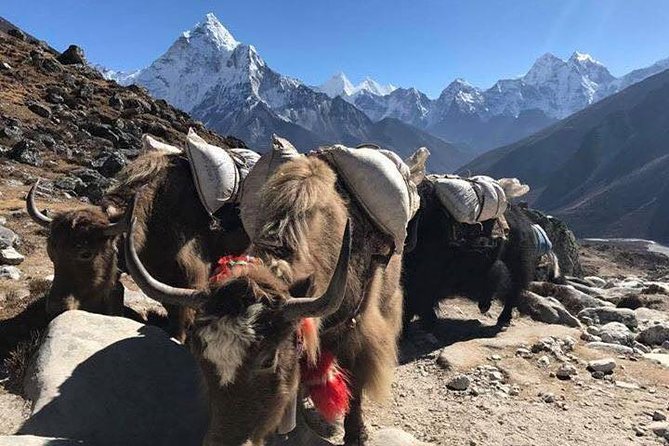
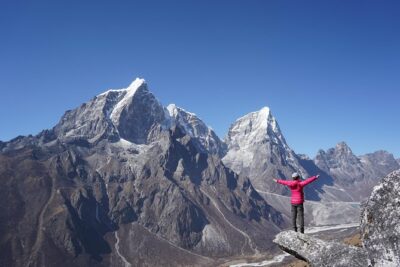
Tengboche is known for its mountain setting and its place along the route toward Everest. The stop breaks up the journey between Namche and the higher settlements, while the surrounding peaks give you some of the first great views of the Himalayan giants.
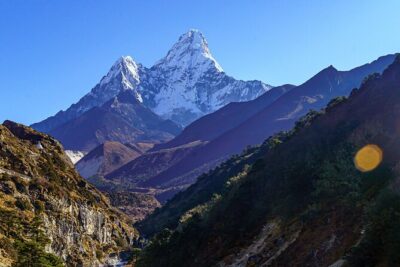
Ama Dablam is a particular highlight. Its sharp profile becomes one of the defining sights of the trek, while Everest, Lhotse, Nuptse, and Pumori grow more imposing as you go higher.
The walk to Tengboche also brings a change in the surroundings, with alpine forests and open mountain paths. Conditions can shift quickly, so your waterproof jacket and warm layers should stay within reach rather than buried at the bottom of your bag.
Dingboche and the thin-air test
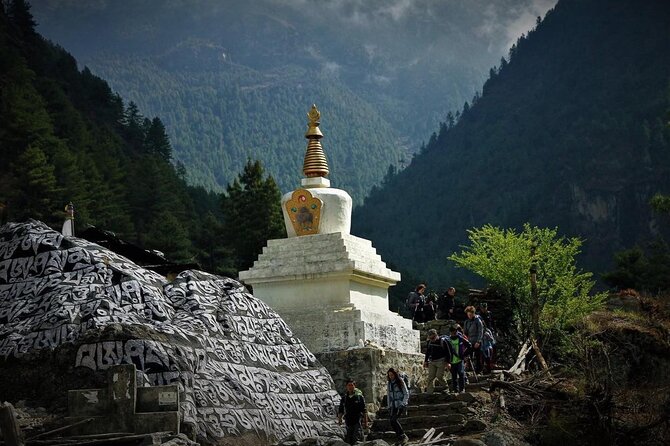
Dingboche is another key acclimatization stop. By this point, the altitude is no longer a background detail. It affects how quickly you walk, how often you pause, and how carefully you need to monitor yourself.
I like that the route does not rush straight from the lower valley to Base Camp. The time around Dingboche gives you a better chance to adjust before the highest section. Your guide’s role becomes especially important here, since the right decision may be to rest, move slowly, or change the plan.
Do not expect a normal appetite, sleep pattern, or walking pace at altitude. Carry water, use purification tablets as needed, protect your skin from strong sun, and follow your guide’s safety advice. Personal travel and trekking insurance is not included, so arrange it before you leave home.
Gorak Shep and the final approach to Base Camp
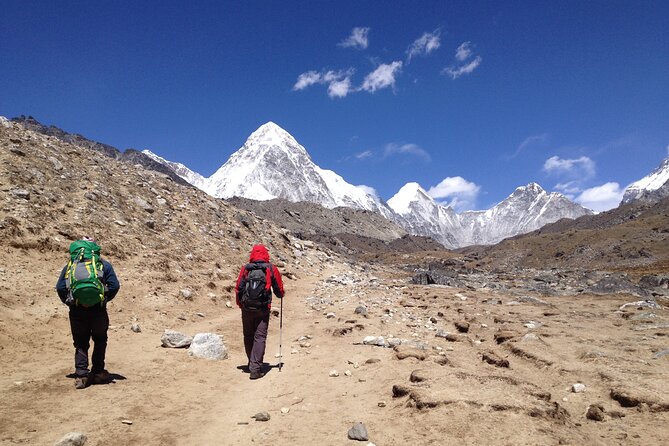
Gorak Shep is the high settlement used for the final approach. It is also the point where the trek becomes most demanding for many people.
The route toward Everest Base Camp reaches 5,364 meters. At that height, the distance on paper can be misleading. A short walk may take much longer than expected because of thin air, uneven ground, cold, and repeated pauses.
The reward is the Khumbu setting, with glacial valleys and giant peaks all around. Base Camp itself is a seasonal mountaineering site, not a permanent town or a comfortable attraction. The experience comes from standing in that stark high mountain zone and knowing how much effort it took to reach it.
The supplied reviews include an account of snowstorms around Lobuche that made the final section difficult, though the group still reached Base Camp. That is a useful reminder to keep your schedule flexible and listen to the guide when weather changes.
Kala Patthar delivers the classic Everest panorama
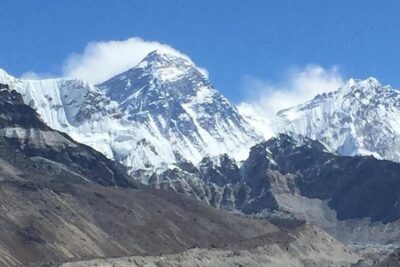
Kala Patthar is the viewpoint that makes many people’s photographs look like they belong on a wall. From here, you may see Everest with Lhotse, Nuptse, Ama Dablam, and Pumori in the same broad Himalayan view.
The sunrise is a major attraction. It also means an early start in cold conditions, so your down jacket, gloves, hat, warm socks, and headlamp matter. Bring sunglasses for the glare and sunblock for exposed sections.
One important point: Kala Patthar and Everest Base Camp offer different experiences. Base Camp is the destination tied to the famous expedition route. Kala Patthar is the better viewpoint for seeing Everest itself. A trek that includes both gives you the stronger overall experience.
Tea houses, food, and what the price really covers
The package costs $1,439 per person. For a private 12-day trek, that is a useful value if the included items match your confirmation: return domestic flights, trekking permits, an experienced Sherpa guide, twin-sharing tea-house accommodation for 11 nights, staff insurance, medication and equipment, a first-aid kit, sleeping bag, and duffel bag.
A porter arrangement is also listed, with one porter for two hikers. Elsewhere, the experience is described as offering the option to add a porter, so ask whether porter service is already included in your quoted price or is an extra. Also confirm the porter’s baggage allowance and whether you carry your daypack.
There is a second point to settle. The overview says meals are included, while the detailed exclusions say your personal expenses and meals during the trek are not included. Do not assume food is covered. Get a written answer before booking, because meals over 12 days can make a noticeable difference to the final cost.
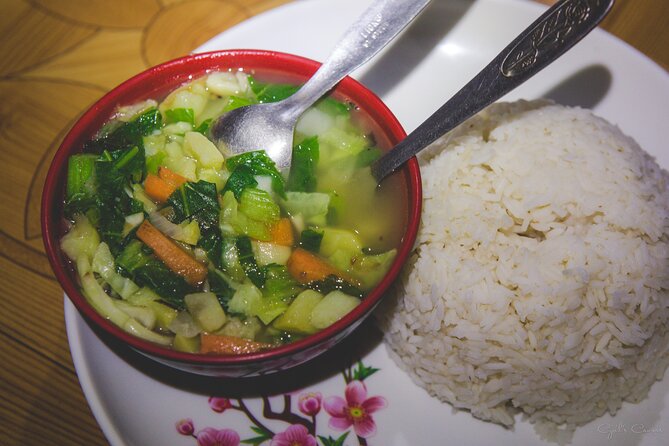
Tea-house lodging is practical rather than luxurious. Twin sharing keeps the cost down and gives you a bed at the end of the walking day, but you should pack earplugs, toiletries, and a quick-drying towel. The supplied list specifically recommends earplugs, which is a small but sensible detail in shared accommodation.
Guides, porters, and the human side of the trek
The most praised part of this experience is the crew. The names associated with the company include Dipendra, Shankar, Binod, Ramjee, Santosh, Kumar, and Krishna. Guide assignments can change, so ask who is leading your dates and how many porters support your group.
The strongest accounts describe guides who answer questions before departure, watch over safety and comfort, and help the trip run smoothly. That is exactly what you want from a Himalayan guide. A good guide does more than point at the trail. You need clear advice when the weather turns, your energy drops, or altitude symptoms appear.
The crew also adds a personal side to the journey. You will encounter Sherpa hospitality and mountain culture in a direct way, through the people who guide, cook, carry, and organize the trek. Tips and gratuities are not included, so plan for them separately.
Who should book this trek
This experience suits you if you want a private route to Everest Base Camp but do not want to arrange flights, permits, lodging, and guide support on your own. It also works for fit beginners who are prepared to train and accept a demanding schedule.
You should be comfortable with long days of walking and basic tea-house lodging. A moderate physical fitness level is required, and the high altitude makes this far more serious than an ordinary holiday hike.
It may not suit you if you want comfortable hotels, guaranteed weather, private rooms, or a relaxed pace with plenty of spare days. The 12-day format is efficient, but efficiency leaves less room for delays caused by weather or flight changes.
Vegetarian food is available if requested at booking. Service animals are allowed, though you should confirm how that works on a high-altitude route and domestic flights before committing.
Practical booking details and cancellation terms
Pickup is offered, and the activity begins and ends at the company office in Kathmandu. A mobile ticket is available, and confirmation is provided at booking.
The minimum booking is two people. The maximum is listed as both 15 and 10 in different sections, so confirm the actual number for your departure. This matters because a small group can make pace and communication easier.
Free cancellation is available up to 24 hours before the experience starts. Cancel later than that and the amount paid is not refunded. Changes made within 24 hours are also not accepted, with cut-off times based on local Nepal time.
Should you book the Everest Base Camp Trek?
I would book this trek if you want a guided, private Everest Base Camp experience with a strong set of practical inclusions and you are ready for the physical work. The Sherpa guide support, acclimatization stops, tea-house lodging, Kala Patthar, and included permits offer real value for $1,439.
Before paying, I would confirm three things in writing: the flight airport, the meal policy, and the porter arrangement. I would also ask for the assigned guide, final group size, and baggage limits.
Book it if you want the mountain journey as much as the destination. Skip it if you are looking for an easy scenic holiday. Everest Base Camp rewards patience, fitness, and good preparation, and this tour gives you a sensible framework for all three.
FAQ
Where does the Everest Base Camp trek begin and end?
The trek begins at Scenic Nepal Treks and Expedition Pvt. Ltd. on Bhagwati Marg in Kathmandu. The activity ends back at the same meeting point.
How long is the Everest Base Camp trek?
The experience lasts approximately 12 days and includes 11 nights of twin-sharing tea-house accommodation during the hike.
Is the trek private?
Yes. It is described as a private guided trek, with a minimum booking of two people.
How many people can join the tour?
The information gives two different maximum group sizes, 15 people in one section and 10 in another. Confirm the final group size with the operator before booking.
Are domestic flights included?
Yes. Return domestic flights are included. The flight may operate from Ramechap Airport, so confirm the departure airport before your trip.
Is a porter included?
The inclusions state that one porter is provided for every two hikers. Another section describes porter service as an add-on option, so confirm exactly what your booking includes.
Are meals included during the trek?
The information is inconsistent. The overview refers to meals as included, while the exclusions say meals during the trek are not included. Ask the operator for written confirmation.
What level of fitness is needed?
You should have a moderate level of physical fitness. The trek reaches Everest Base Camp at 5,364 meters and includes demanding high-altitude walking.
What is included in the $1,439 price?
The price includes an experienced Sherpa trekking guide, return domestic flights, trekking permits, staff insurance, medication and equipment, a first-aid kit, twin-sharing tea-house accommodation, and the stated porter arrangement. Personal insurance, international flights, Nepal’s entry visa, personal equipment, meals if excluded by the final confirmation, personal expenses, and tips are not included.
Just added around Kathmandu
- Private Half-Day Tour of Boudhanath and Pashupatinath Temples in Kathmandu★ 4.5 · 9 reviews
- Private Half-Day Tour of Kathmandu Durbar Square and Swayambhunath Temple★ 4.5 · 11 reviews
- Namobuddha Monastery Hiking Day Tour via Panauti from Kathmandu★ 5.0 · 15 reviews
- Private Full-Day Kathmandu City Tour★ 5.0 · 9 reviews
- Private Day Tour in Kathmandu Valley Rim with Bhaktapur Sightseeing★ 5.0 · 3 reviews
- Private Half Day Budhanilkantha Tour★ 5.0 · 6 reviews
- Private Day Tour: Patan and Bhaktapur from Kathmandu★ 4.5 · 6 reviews
- Private Day Tour – Sacred Journey to Namo Buddha★ 5.0 · 5 reviews
Everest Base Camp Treks, compared.
Everest Base Camp Trek with Helicopter Return from Gorakshep to Lukla
Read our review →Browse the lists this tour appears in