
Reviewed · COOKING CLASSES
Pokhara: 3 Hour MoMo cooking class
Momos are one of Nepal’s great everyday foods: simple dough, a savory filling, and a spicy dip that can turn a small snack into a full meal. This hands-on Pokhara cooking class lets you make the entire dish yourself, from mixing the dough to shaping the final dumpling.
I like two things here: you can choose a vegetarian, chicken, or meat filling, and you get real practice with several folding styles rather than just watching a demonstration. Hotel pickup and a private group format also keep the experience easy and personal. The main consideration is that people with mobility impairments may find the class unsuitable, and the three-hour schedule leaves little room for a slow, relaxed pace.
Key points to know before you book
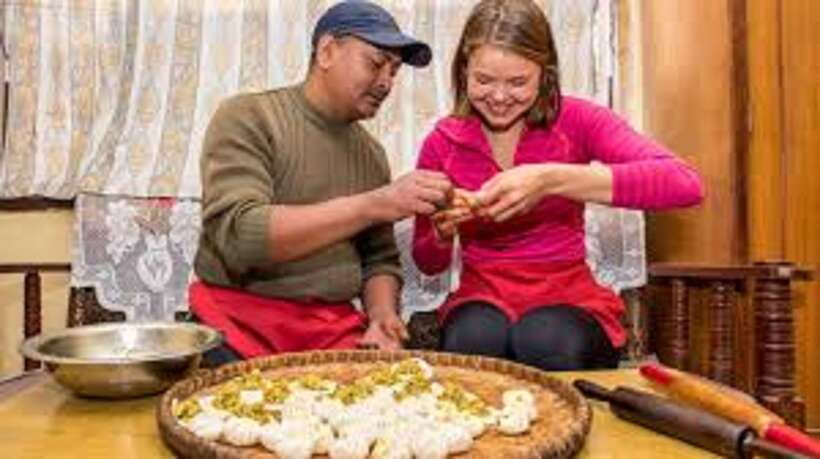
- You make momos from scratch: Prepare the filling, knead the dough, roll wrappers, fold dumplings, steam them, and mix dipping sauces.
- You choose the filling: Vegetarian, chicken, or meat options are available.
- You practice three folding techniques: Traditional pleats and crescent-style shapes are part of the lesson.
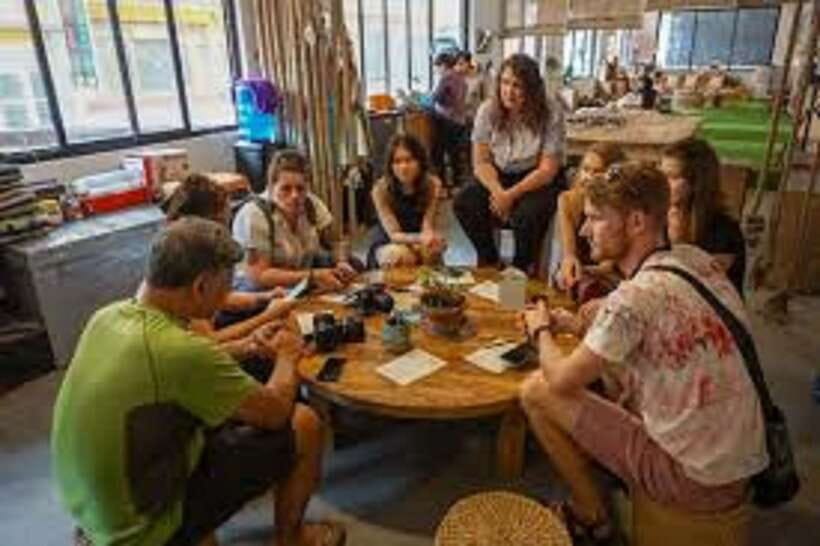
- The class takes place at a local café: The cooking session is held at Café Nirvana, with pickup available from Pokhara’s Lakeside area.
- Your food is part of the experience: You finish by eating the momos and sauces you prepared.
- The price includes useful extras: At $29 per person, you get hotel pickup and drop-off, cooking materials, and a cold drink.
Why a momo class belongs in your Pokhara plans
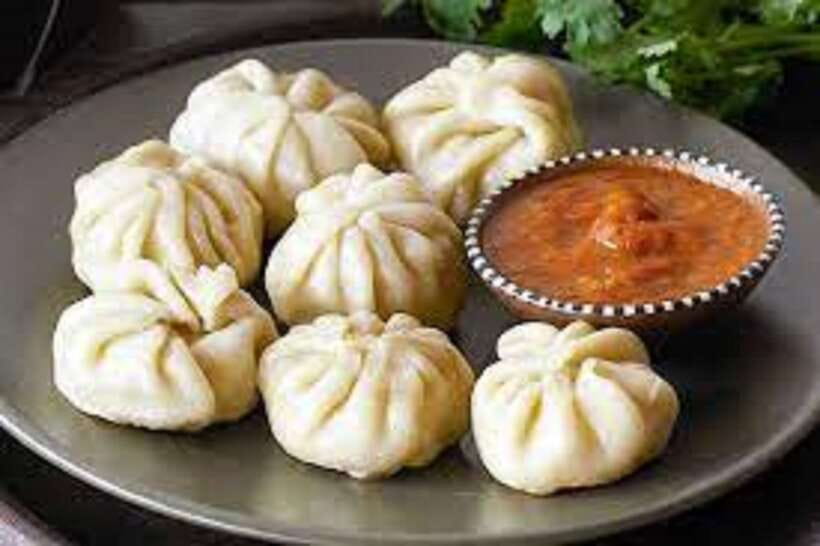
Pokhara is often treated as a base for mountain walks, lake outings, and paragliding. That makes a cooking class a useful change of pace. You get to sit down, work with local ingredients, and learn a dish you can try again after returning home.
Momos are especially suited to this kind of lesson because each stage is clear and practical. You see how a soft dough becomes a thin wrapper, how much filling is enough, and why the folds matter. Even if your first dumplings look a little lopsided, they still end up in the steamer and on your plate.
The class also gives you a small piece of Nepali food culture without requiring a full-day commitment. Three hours is long enough to learn and eat, but short enough to fit around other Pokhara plans.
A few more Pokhara trips to weigh up
- Nepalese Momos or Dal Bhat Cooking Class (Cook with Delight)
★ 5.0 · 99 reviews - Nepalese Kitchen in Pokhara: Momos or Dal Bhat Cooking Class
★ 5.0 · 67 reviews - MoMo or Dal Bhat Cooking Class at Aama Kitchen in Pokhara
★ 4.9 · 28 reviews
Pickup from Lakeside and the walk to the café
The experience begins with hotel pickup in the Lakeside area of Pokhara. Hotel drop-off is also included, which is helpful if you are staying near the lake and do not want to arrange a taxi for a short activity.
The cooking takes place at a local café, identified as Café Nirvana. One useful detail is that the café may be reached by walking from the pickup point, depending on where you are staying. That short walk can add a little local atmosphere, but you should wear comfortable shoes and avoid bringing unnecessary bags.
Large bags and luggage are not allowed. Bring a passport or ID card, but leave suitcases and bulky day bags at your accommodation. The class runs in rain or shine, so the pickup and café plan do not depend on clear weather.
The first 10 minutes: a quick introduction to momos
The opening welcome lasts about 10 minutes. Your instructor introduces the dish, explains its place in Nepali food culture, and shows you the ingredients and equipment you will use.
This short introduction matters because momos are more than just dumplings. They are a familiar food enjoyed in homes, cafés, and casual restaurants across Nepal. The class focuses on making them, but the opening gives you enough context to understand why the dish is such a useful entry point into local eating habits.
The instructor speaks English or Hindi. Names are not provided for the cooking instructors, so you should not expect a named chef-led demonstration. The format is practical, with explanations followed by your own work.
Choosing and preparing the filling
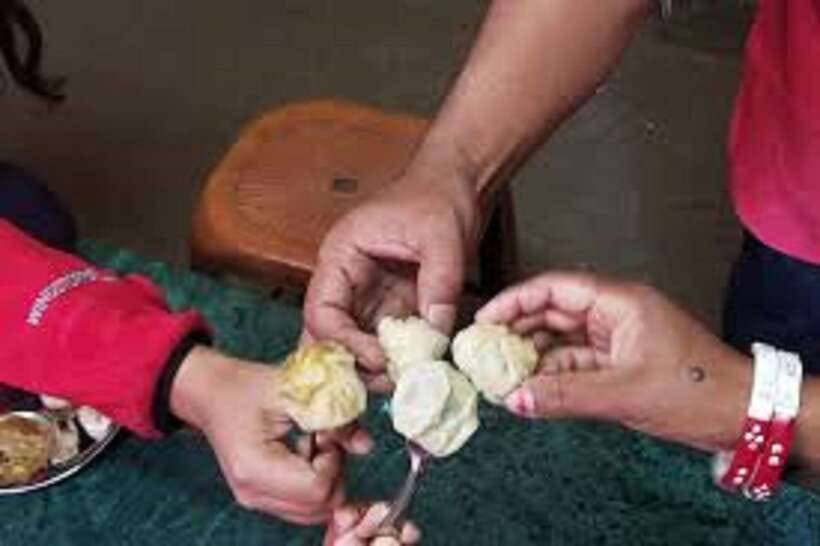
The filling session takes about 40 minutes. You choose among vegetarian, chicken, or meat preparations, then follow the instructor’s explanation of how the ingredients are combined.
This is where the class begins to feel different from simply ordering momos at a restaurant. You control the mixture yourself. You can see how finely the ingredients need to be prepared and how the filling should be portioned so it fits inside the wrapper without splitting it.
If you prefer vegetarian food, this option is clearly available and has worked well for people who choose it. If you eat meat, chicken and meat fillings give you other choices. The supplied information does not specify the exact ingredients or spice level, so tell the instructor about your preferences at the start.
The hands-on format is a strong point. You are not standing at the side while someone else does the work. You prepare your own filling, which makes the final tasting more satisfying and gives you a better chance of repeating the recipe at home.
Same mountains, a completely different kind of day:
- ZipFlyer Nepal – The World’s Steepest Zip-line
★ 5.0 · 608 reviews - Bungee Pokhara by HighGround Adventures
★ 5.0 · 366 reviews - From Pokhara: Sarangkot Sunrise Himalayas Tour
★ 4.7 · 218 reviews - ATV Adventure Tour in Pokhara, Nepal
★ 5.0 · 194 reviews
Making dough and learning the right texture
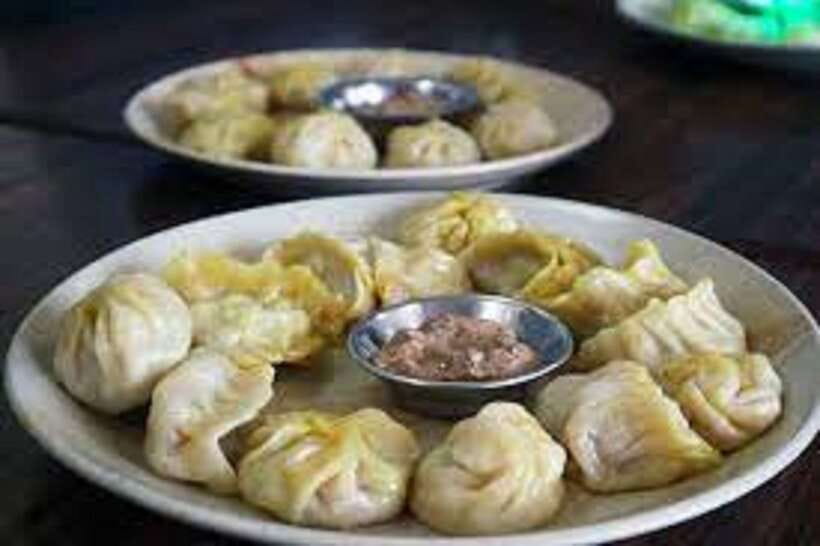
The dough section takes about 30 minutes. You learn which ingredients are used, why they matter, and how to knead the dough before letting it rest for a few minutes.
Dough is often the make-or-break part of homemade momos. If it is too thick, the dumpling feels heavy. If it is too thin, it can tear while you add the filling or fold the edges. The class gives you time to work through this rather than handing you ready-made wrappers.
You will knead your own dough and allow it to rest. That short resting period is useful because it shows you that momo making is not just a matter of rushing from one step to the next. The dough needs a little time before rolling.
The supplied schedule gives 30 minutes for this section, so expect focused instruction rather than a long lesson in flour technique. Wear clothes that are comfortable for kitchen work, and keep your passport or ID card safely stored rather than beside the ingredients.
Rolling wrappers and folding three styles
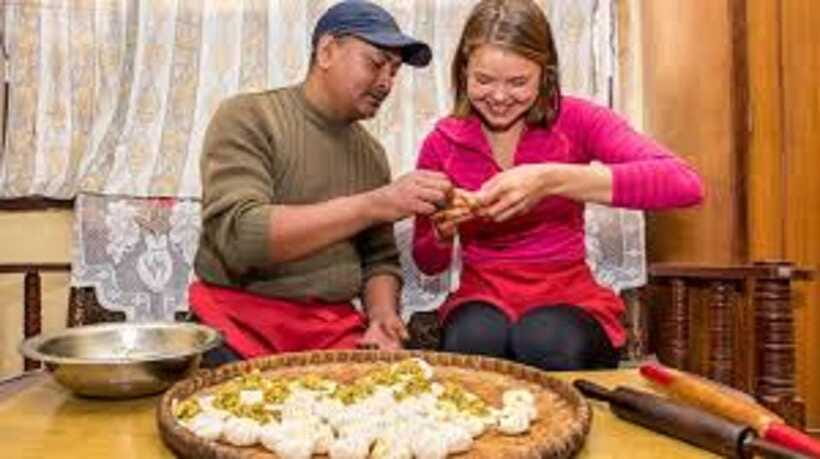
The 40-minute rolling and shaping section is likely to be the most enjoyable part of the class, and also the part that tests your patience. The instructor demonstrates how to roll the dough to the right thickness, then shows different shapes, including traditional pleats and crescent-style folds.
The class teaches three folding techniques. That is valuable because the shape affects both appearance and how the filling sits inside the dough. You get to practice instead of being expected to produce perfect dumplings after one demonstration.
Your first few momos may not look like the instructor’s. That is normal, and the class is designed for practice. The folding can be fiddly, especially if you have never worked with dumpling dough. The payoff comes when you see a tray of your own dumplings ready for cooking.
A private group helps here. The class is intended for a private booking, and a small session can give you more time to ask questions and receive corrections. The exact maximum group size is not specified, so confirm the party arrangement if personal instruction is especially important to you.
Steaming, and possibly trying another cooking method
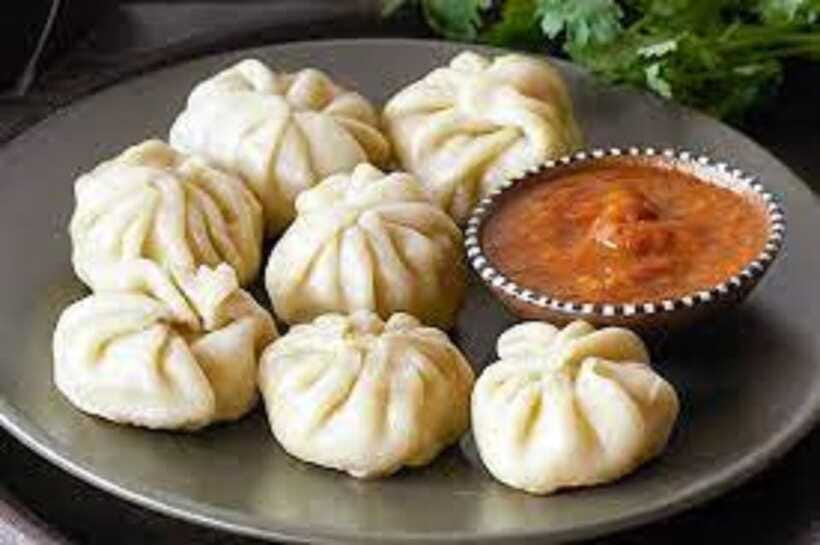
Steaming takes about 20 minutes. The instructor explains how the steamer works, how to prepare it, and how to tell when the momos are cooked and tender.
This stage gives you a useful lesson in timing. The dumplings need enough heat to cook the dough and filling without becoming dry or sticking together. Because you have made the wrappers yourself, you can see how the shape and thickness affect the result.
Steamed momos are the core preparation described for the class. A session may also include fried momos, as one booking included some dumplings prepared both ways. If fried momos are important to you, ask the instructor at the beginning rather than assuming they are part of every class.
The schedule allows 20 minutes for steaming, so this is not a long technical demonstration. It is a compact explanation followed by the anticipation of waiting for your own food to be ready.
Making the dipping sauces
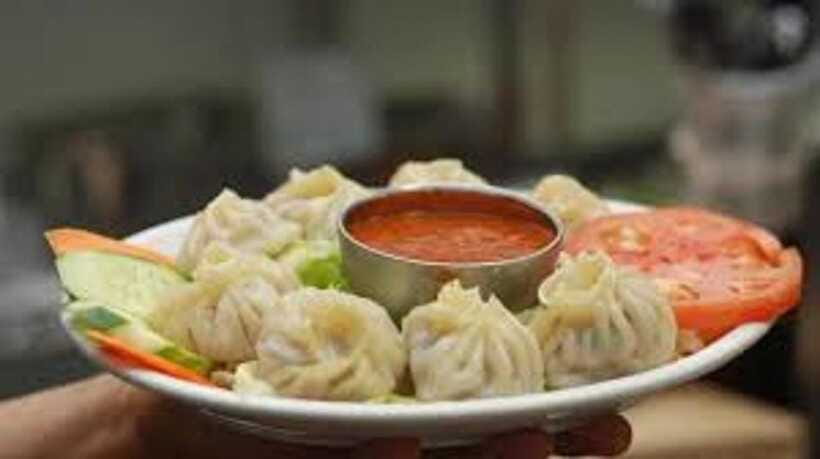
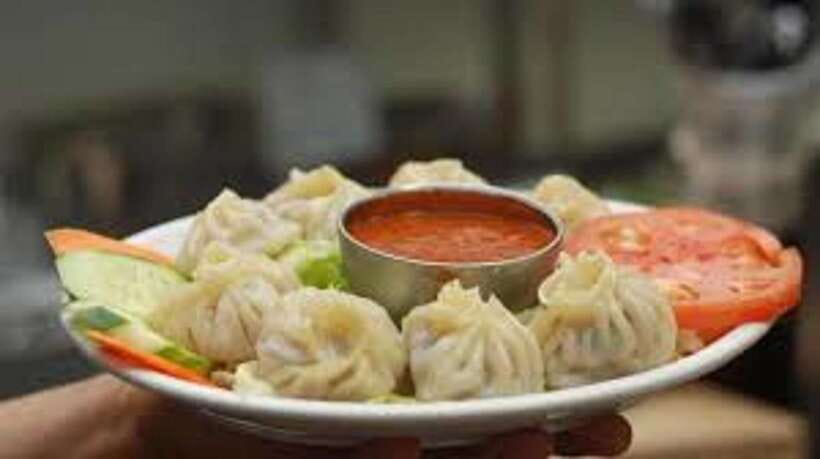
The sauce session takes about 15 minutes. You learn about several styles, including spicy, mild, and soy-based sauces, then prepare your own accompaniments.
Sauce is not an afterthought with momos. It changes the whole bite, especially when the dumpling itself has a fairly gentle flavor. A spicy sauce can bring heat, while a mild or soy-based version gives you a softer contrast.
You can use this part to adjust the meal to your taste. If you do not enjoy strong spice, ask for guidance before adding too much. If you like heat, the instructor can explain the options available in the class.
The sauces are another reason the experience offers good value. You are learning more than a single dough-and-filling recipe. You are also picking up a simple way to change the flavor of the finished dish at home.
Sitting down to eat your own work
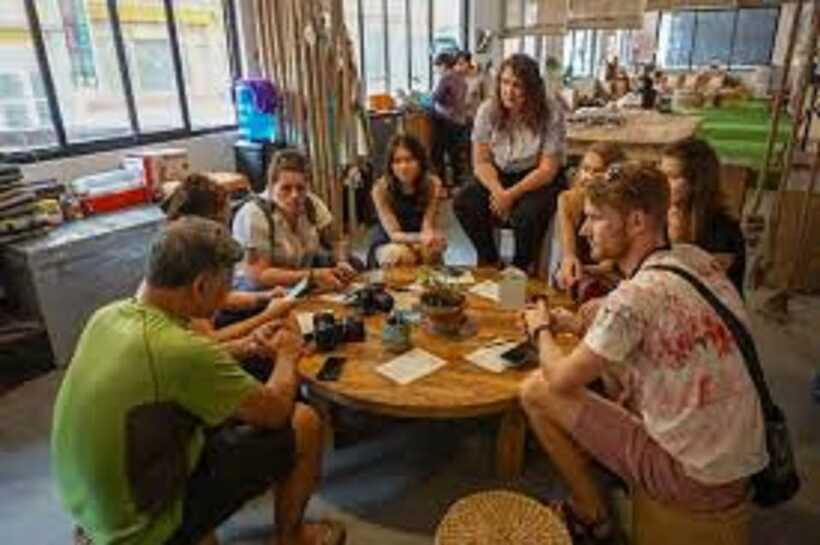
The tasting session lasts about 15 minutes. Everyone gathers to eat the momos, try the sauces, and ask questions while the instructor gives feedback.
Fifteen minutes is a short eating period, so think of this as a focused tasting rather than a long café lunch. You will sample the dumplings while they are fresh and discuss what worked during preparation. The included cold drink is a welcome extra, but other food and drinks may be available for purchase and are not included in the stated price.
The final meal has a practical benefit. You can immediately see whether your dough was too thick, whether the filling was balanced, and which folding method held together best. That feedback is more useful than taking a recipe home without knowing how the finished result should look or taste.
The final 10 minutes and what you take home
The class ends with about 10 minutes for questions, clarification, and a recap of the main techniques. Use this time to ask about storing dough, changing the filling, or repeating the folds at home.
The activity does not advertise a printed recipe or take-home ingredients, so do not assume either is provided. What you do take home is the memory of the full process, from raw ingredients to cooked dumplings, plus the confidence to try again.
That matters because momo folding is learned by repetition. The first attempt may be uneven, but seeing three styles in one class gives you more than one method to practice.
Is $29 a fair price in Pokhara?
At $29 per person, this is not the cheapest way to eat momos in Pokhara. You can order a plate at a café for much less. The value comes from the instruction, the ingredients, the use of cooking equipment, the private format, and the included transport.
Hotel pickup and drop-off are especially useful if you are staying in Lakeside. The class also includes a cold drink and all momo cooking materials. Since the activity lasts three hours, you are paying for a full lesson and meal rather than a quick food sample.
I would consider the price fair for anyone who genuinely wants to learn the technique. It is less compelling if you only want to taste momos or if your schedule is packed with other activities. In that case, ordering a plate at a local café will be faster and cheaper.
The reserve-now, pay-later option and free cancellation up to 24 hours before the class reduce the risk of booking. Still, check the available start time before committing, since the exact daily schedule is not specified.
Who will enjoy this class most?
This is a good fit for couples, families, friends, and solo visitors who like active food experiences. It also suits anyone who wants a rainy-day plan in Pokhara, since the class operates in all weather.
You will get the most from it if you enjoy working with your hands and do not mind a little trial and error. The folding section rewards patience more than speed. People who want polished restaurant-style dumplings on the first try may find the learning curve amusing or frustrating.
The activity is less suitable for people with mobility impairments. Large luggage is not allowed, and the three-hour schedule involves moving through several kitchen tasks, so keep your belongings light and your expectations practical.
Practical advice before you go
Arrive ready to cook rather than simply watch. The best part of the class is the hands-on work, so ask questions and let the instructor correct your rolling or folding technique.
Choose your filling early. Vegetarian, chicken, and meat options are available, but the exact ingredients are not specified. If you have dietary preferences, mention them during the opening introduction.
Wear comfortable clothing and shoes. Bring your passport or ID card, but leave luggage and large bags at your hotel. Since pickup is limited to the Lakeside area, confirm your accommodation location when booking.
If you are hoping to try fried momos as well as steamed ones, ask whether that option is available in your session. Steaming is part of the scheduled class, while the cooking method beyond steaming can vary.
Should you book the Pokhara momo cooking class?
Book it if you want more than a meal. For $29, you get three hours of instruction, a private-group setting, pickup and drop-off from Lakeside, ingredients, cooking equipment, sauces, and the chance to eat what you make.
I especially recommend it for first-time visitors who want a simple connection to Nepali food and for anyone who likes taking useful skills home from a trip. The main drawbacks are the fixed three-hour commitment, the possible need to purchase extra food or drinks, and the lack of suitability for people with mobility impairments.
If you only want to sample momos, skip the class and order them at a café. If you want to knead the dough, learn three folds, prepare dipping sauces, and leave with a recipe you can practice, this is a well-priced Pokhara activity.
FAQ
Where does the momo cooking class take place?
The cooking session takes place at a local café in Pokhara, identified as Café Nirvana.
How long does the activity last?
The class lasts three hours, including pickup, cooking instruction, tasting, questions, and the return to Pokhara.
Is hotel pickup included?
Yes. Pickup and drop-off are included for accommodations within the Lakeside area of Pokhara.
What filling choices are available?
You can choose a vegetarian, chicken, or meat filling.
Which languages does the instructor speak?
Instruction is available in English and Hindi.
Is this a private group experience?
Yes. The activity is described as a private group experience.
Are cooking ingredients and equipment included?
Yes. All momo cooking materials are included.
Are food and drinks included in the price?
The cooking materials and one cold drink per person are included. Other food and drinks may be available for purchase.
What should I bring to the class?
Bring a passport or ID card. Large bags and luggage are not allowed.
More 3-Hour Experiences in Pokhara
- Pick 2-Wonders of Kathmandu: A 3-Hour Heritage Hop
★ 5.0 · 22 reviews - Everest Base Camp: 3 Hour Helicopter Sightseeing Tour
★ 4.4 · 17 reviews - 3 Hours Night Pashupatinath Aarati Tour
★ 4.5 · 4 reviews - Private 3-Hour Nagarkot Sunset Tour from Kathmandu
★ 3.5 · 3 reviews
Just added around Pokhara
- Seti George and Thrilling Suspension Bridge Tour at Pokhara★ 4.5 · 3 reviews
- Tandem Paragliding in Pokhara★ 4.8 · 8 reviews
- Pokhara: Sunrise Tour to Sarangkot★ 5.0 · 3 reviews
- Pokhara: Suspension Bridge Private Tour- 30 Min Village Walk★ 4.8 · 9 reviews
- Pokhara: Visit Best Seven Tourist Destination by Sharing Bus★ 3.4 · 10 reviews
- Pokhara Sightseeing By Bus: Day Trip★ 4.6 · 7 reviews
- Pokhara Sightseeing By Bus – Day Trip★ 3.2 · 8 reviews
- Pokhara: Seti River Rafting Adventure with Hotel Pickup★ 5.0 · 5 reviews
Cooking Classes, compared.
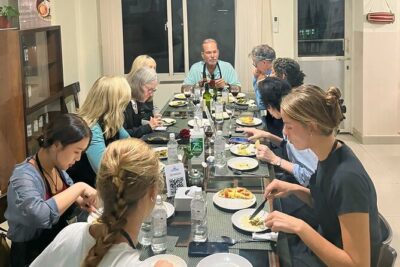
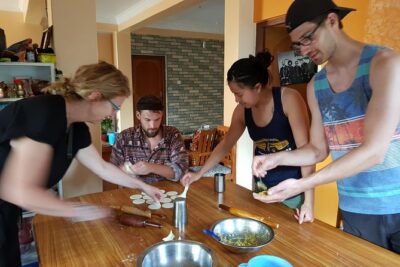
Nepalese Momos or Dal Bhat Cooking Class (Cook with Delight)
Read our review →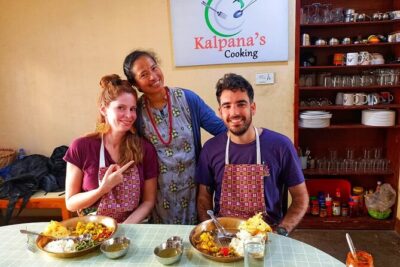
The best Private Nepali Cooking Class in Kathmandu
Read our review →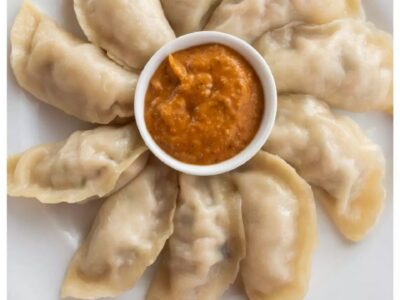
Nepalese Kitchen in Pokhara: Momos or Dal Bhat Cooking Class
Read our review →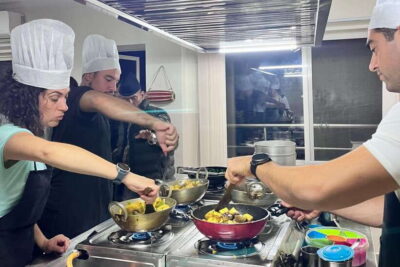
Browse the lists this tour appears in