
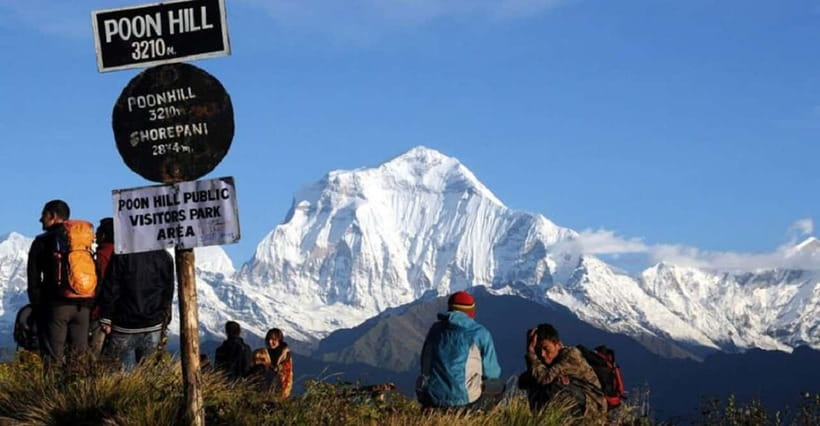
Reviewed · GHOREPANI POON HILL TREKS
Pokhara: 3-Day Ghorephani and Poon Hill Private Trek
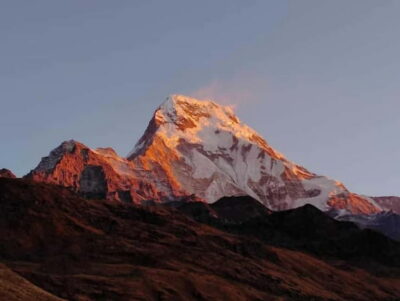
Poon Hill gives you one of Nepal’s finest mountain views without asking you to spend a week on the trail. From the lookout at 3,210 meters, Annapurna, Dhaulagiri, Nilgiri, and Machhapuchhre can catch the first gold of morning. The catch is simple: reaching that view means plenty of steep stone steps, especially on day one.
I like the private guide service, which lets you walk at your own pace and pause when your legs need a break. I also like the family-run teahouses, local dal bhat, village paths, and rhododendron woods, which make this more than a quick photo trip. The main drawback is the tight schedule. Three days works well if you have limited time, but the walking is demanding and a four-day version would be kinder to first-time hikers.
Key points at a glance
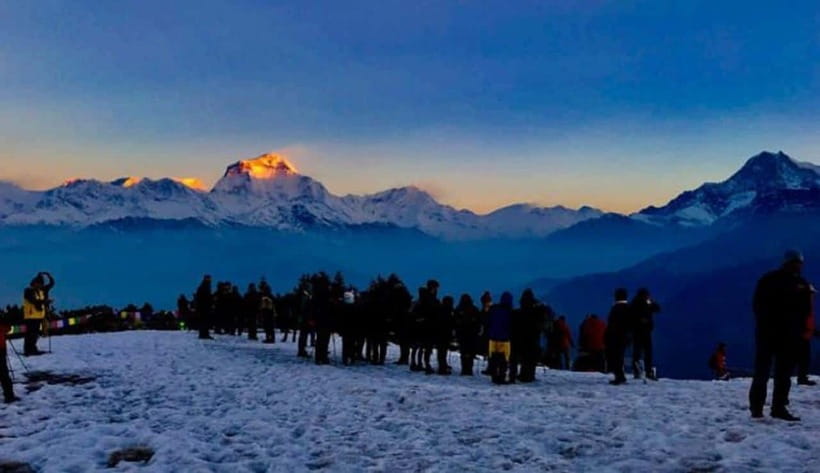
- Poon Hill sunrise: Leave Ghorepani early for a broad view of Annapurna and Dhaulagiri as the peaks catch the morning light.
- A serious first day: The route to Ulleri includes long, steep stair sections, so do not treat this as an effortless beginner walk.
- Private pacing: Guides such as Santosh, Laxman, Jeet, Chandra, and Tanka have helped people adjust breaks, food stops, and walking speed.
- Village life and teahouses: Sleep in simple, welcoming lodges and pass through Gurung communities, with local meals along the way.
- Good short-trip value: At $126 per person, the price covers transport, permits, guide and porter costs, standard lodging, gear, and other trek expenses, though meals depend on the selected option.
- Pokhara convenience: Hotel pickup and drop-off, permit preparation, luggage storage, a duffel bag, and first aid support simplify the trip.
Why this short Nepal trek works
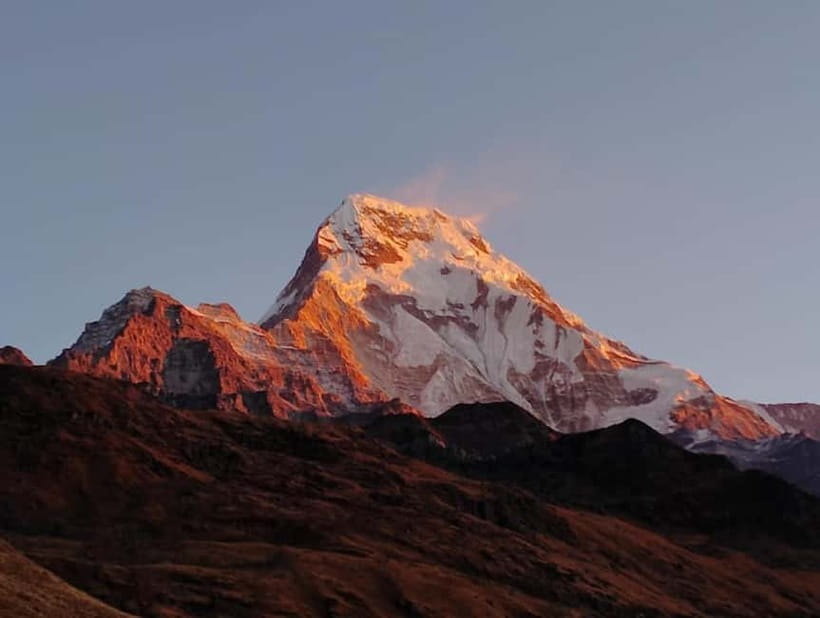
The Ghorepani and Poon Hill route is popular for a practical reason: it packs a great deal into three days. You get mountain scenery, village life, forest trails, high-altitude views, and a classic Himalayan sunrise without committing to a long expedition.
That compact format is both its strength and its weakness. You can fit it into a short Pokhara stay, but there is little spare time if your knees hurt, the weather turns poor, or the road and walking schedule run late. I would choose it for a strong visitor with only a few days available, but I would consider four days if you are new to hiking.
This is a private trip, not a large group walk. That matters on a route with many steps. A guide can slow the pace, arrange tea breaks, find a chair when you need one, and adjust the plan if someone feels unwell. Guides named by past participants include Santosh, Santosh Tiwaree, Laxman, Jeet Bhadur, Chandra, Tanka, Dhanapati, Ganga, Thikka, Sun, and Sun Bahadur Nepali.
More Ghorepani Poon Hill Treks in Pokhara
- Poon hill Trek 3 days
★ 5.0 · 176 reviews - Pokhara: 4-Day Ghorepani, Poonhill & Ghandruk Mountain Trek
★ 5.0 · 132 reviews - Ghorepani – Poon Hill Trek 3N-4D
★ 5.0 · 125 reviews
Day one: Pokhara to Ulleri and the stair test
Your day begins with pickup from hotels across Pokhara Valley, including Lakeside, Sarangkot, Fish Tail Lodge, Hotel Barahi, Temple Tree Resort, and other listed locations. Pickup from Pokhara International Airport is also available. You then travel toward Pokhara Baglung Bus Park and continue by road to Nayapul.
The drive from Pokhara to Nayapul takes about one to one and a half hours. Nayapul is the trail starting point in the supplied plan, with time for a short break, photographs, and a guide-led walk through the area.
From Nayapul, you walk toward Tikhedhunga, gaining height gradually over about three to three and a half hours. This section introduces the rhythm of the trek: stone paths, mountain scenery, village stops, and frequent pauses for water or tea.
The harder work comes after Tikhedhunga. The climb to Ulleri takes about two to two and a half hours and includes a long run of steep steps. This is the section that catches many people off guard. A person who walks regularly may still find the stairway tough if they do little uphill exercise.
Ulleri sits at about 2,070 meters. You spend the night in standard mountain accommodation, usually a simple teahouse or family-run lodge. The rooms are described as clean and welcoming, but higher lodges can be cold, particularly in winter. Bring warm layers, and use the sleeping bag supplied when needed.
This first day combines several hours of driving and walking. It is not the most relaxed start, but it gets you into the hills quickly. A guide can make a real difference here. Laxman and Santosh, for example, have been praised for keeping a manageable pace, arranging food, and helping with breaks.
Day two: Ulleri to Ghorepani through the forest
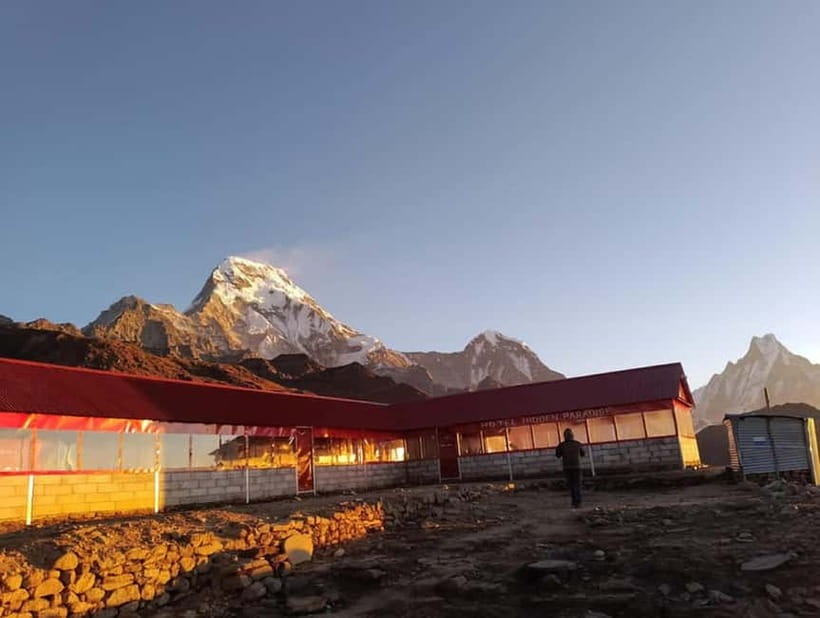
The second day takes you from Ulleri to Ghorepani in roughly five to six hours. Compared with day one, the route feels more like a steady mountain walk, though it is still uphill and should not be treated as easy.
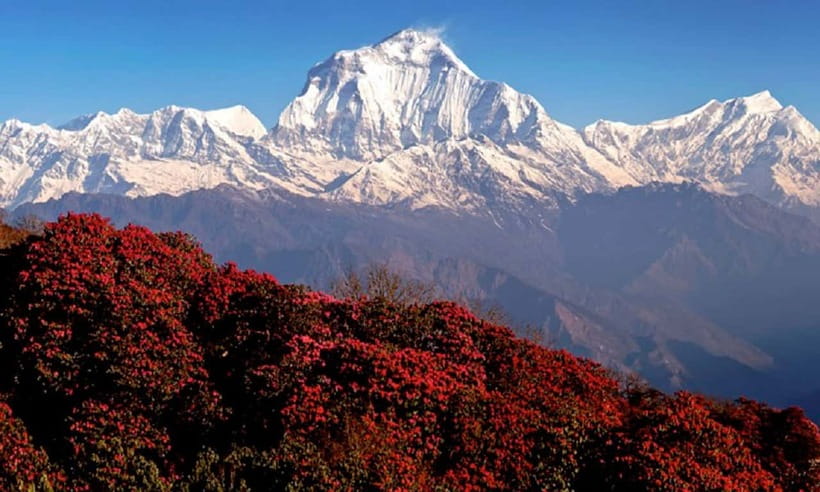
The trail passes through rhododendron forests. In season, these trees add strong color to the route, while the higher sections offer changing views toward the Annapurna and Dhaulagiri ranges. You may also notice Himalayan plants and signs of local wildlife, although the supplied information does not promise specific animal sightings.
Ghorepani is the high point of the overnight portion, at about 2,860 meters. This is where you prepare for the early climb to Poon Hill. The village has several teahouses and places to eat, but mountain lodging remains basic compared with a hotel in Pokhara.
The food is one of the pleasant surprises of this walk. Dal bhat is a natural choice for a filling meal, and the teahouses serve other simple dishes and hot drinks. Guides often help organize meals and refill hot water bottles or thermoses. That small service becomes very welcome when the evening temperature drops.
I would use the second evening to prepare rather than socialize late. Put your warm clothes beside your bed, charge your phone if possible, pack a small day bag, and ask your guide about the morning departure. The Poon Hill climb begins before breakfast, so an early night helps.
Day three: Poon Hill sunrise and the long return
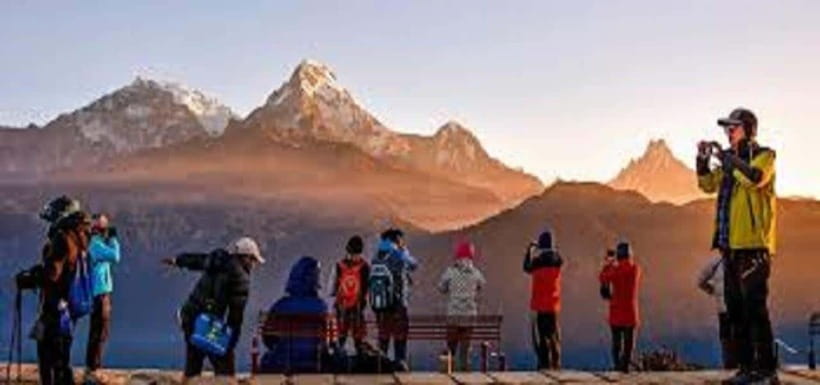
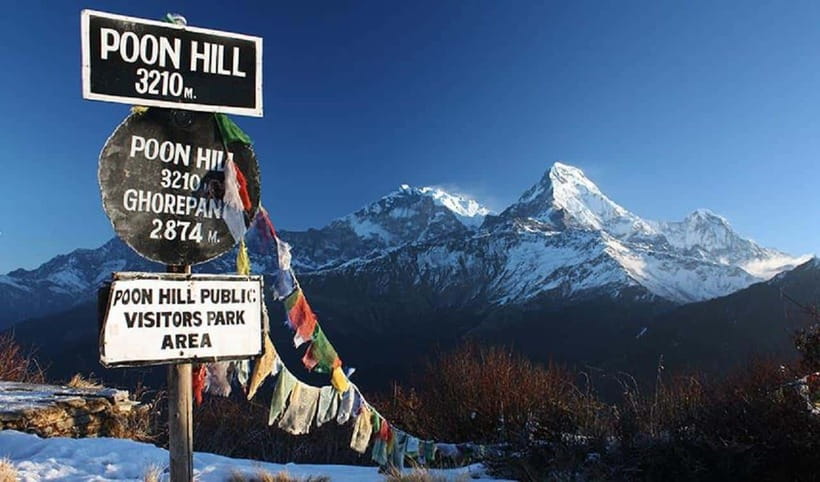
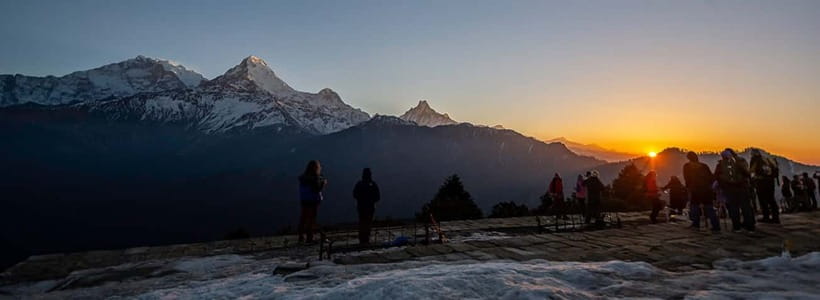
The final day starts before dawn with a two to three-hour walk from Ghorepani to Poon Hill. The lookout reaches about 3,210 meters, or 10,531 feet. The route is short on a map, but darkness, cold, and uphill steps make it feel substantial.
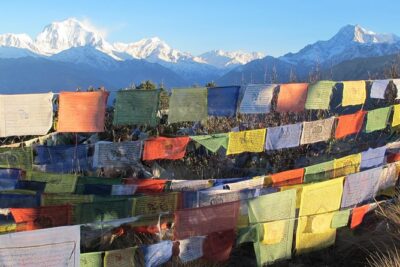
The reward is the sunrise. In clear conditions, the changing light reaches across the Annapurna and Dhaulagiri ranges, with views that may include Nilgiri and Machhapuchhre. Weather is never guaranteed. One person completed the walk in fog and haze and still valued the villages, trails, food, and lodges, but you should understand that clouds can hide the main attraction.
After spending time at the viewpoint, you return to Ghorepani for breakfast. Then comes the long descent to Nayapul, listed at about five to six hours. Downhill walking is easier for some people, but it can be rough on knees. A past itinerary was adjusted to use a closer return point when a participant developed knee trouble, so discuss any concerns with your guide early.
The road transfer from Nayapul back to Pokhara takes about one to one and a half hours. Drop-off is available at Pokhara hotels, Lakeside, Sarangkot, and Pokhara International Airport. If you have a flight or another fixed booking, allow extra breathing room rather than planning a tight connection.
Same mountains, a completely different kind of day:
- ZipFlyer Nepal – The World’s Steepest Zip-line
★ 5.0 · 608 reviews - Bungee Pokhara by HighGround Adventures
★ 5.0 · 366 reviews - From Pokhara: Sarangkot Sunrise Himalayas Tour
★ 4.7 · 218 reviews - ATV Adventure Tour in Pokhara, Nepal
★ 5.0 · 194 reviews
Gurung villages and the human side of the route
The trek includes a cultural side, especially around Ghandruk and the Gurung communities of the region. The supplied three-day schedule does not give Ghandruk a separate overnight stop, so confirm the exact route if visiting the village is essential to you.
Still, the walk offers more than mountain viewpoints. You pass through settlements where family-run lodges provide food and beds, and where local life is part of the journey rather than a staged performance. Guides can explain customs, village routines, festivals, and the local environment.
One guide shared stories about Diwali and helped a first-time hiker feel part of the culture. Another added a village volleyball event during a festival. These details depend on timing, but they show why a private guide can improve the experience. You are not simply following a path with your head down. You have someone who can point out what is happening around you.
Teahouses, food, and what comfort means here
The overnight stays are in standard accommodation, generally simple teahouses or family-run guesthouses. Expect clean, welcoming rooms rather than resort comfort. Some lodges have hot showers, and several people found the food better than expected.
The common rooms may have a stove or chimney, but sleeping areas can still be cold. January conditions call for gloves, a beanie, warm clothing, and a proper sleeping bag. Temperatures change sharply with altitude, so pack for warm sun during the day and cold evenings at Ghorepani.
Meals are included only if you select the meal option. This point matters when comparing the $126 price. If meals are not part of your chosen package, budget separately for food and drinks in the mountains.
What the $126 price covers
At $126 per person, the trek offers strong value if you use the included services. The package covers round-trip transport between your hotel, Pokhara Airport, and the trailhead, required permits and fees, standard lodging, an experienced certified guide, and porter-related costs.
It also includes the guide and porter’s salary, transport, accommodation, meals, insurance, and equipment. Trekking sticks and sleeping bags are available as needed, along with a duffel bag, first aid kits, luggage storage in Pokhara, government taxes, and local taxes.
The value is not only the cost of a bed and a guide. Permit paperwork, transport arrangements, baggage handling, and lodge organization can take effort in Nepal. Having those details handled is useful on a three-day schedule.
Read the meal option carefully before booking. Personal expenses are not included, and you should expect to pay for items outside the package. Ask about any extra food, drinks, showers, or equipment you may need.
How hard is the Poon Hill trek?
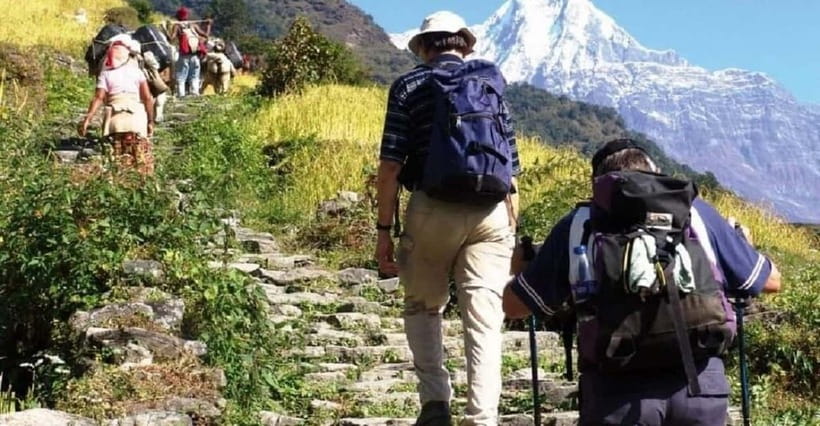
The distance is manageable for many reasonably fit people, but the elevation gain and stairways make this a real trek. Day one is the key test. The climb from Tikhedhunga to Ulleri has many steps, and day three combines a pre-dawn ascent with a long descent to Nayapul.
You do not need to be an elite athlete, but you should be comfortable walking for several hours and climbing stairs. Regular long walks help, though one fit person who did little other exercise still found the route too hard.
Take hiking shoes with good grip, hiking pants, warm clothes, and a waterproof bag. Weather can shift from sun to rain, especially outside the clearest seasons. A passport or accepted copy is required, and you must send a passport copy at least one day before departure so permits can be arranged.
Travel insurance is mandatory. Emergency rescue services are available if required, but insurance remains essential for the financial side of a serious problem.
Guides are the strongest part of the experience
The most consistent strength is the guide service. A good guide here does much more than point toward the next village. You need someone who notices your pace, checks your comfort, helps with food, manages guesthouse arrangements, and keeps you on the correct trail.
Santosh is repeatedly singled out for warmth, humor, patience, and steady support. Laxman has helped with food, fruit, transport changes, and small personal touches. Jeet Bhadur is a good choice to request if you want a cheerful guide who can adjust the day around your walking style. Other praised guides include Chandra, Tanka, Dhanapati, Ganga, Thikka, and Sun Bahadur Nepali.
Guide assignment may depend on availability, so do not assume you will receive a specific person unless the company confirms it. Still, the private format gives you a better chance of receiving personal attention than a fixed large group.
Who should book this three-day trek?
I would recommend it to you if you have limited time in Pokhara and want a genuine mountain walk rather than a simple viewpoint excursion. It also suits people who like village accommodation, local food, early mornings, and a clear physical challenge.
It is a good first Himalayan trek if you prepare honestly. Build up with stairs and long walks before arriving, and tell your guide about your fitness level on day one.
I would not choose this version if you want leisurely days, guaranteed mountain visibility, or hotel-style comfort. I would also be cautious if you have knee problems, poor fitness, or only a short recovery window before a flight. In those cases, ask about slowing the itinerary or extending it to four days.
Should you book it?
Book this trek if you want the most mountain scenery possible in three days and accept that the schedule is brisk. The sunrise from Poon Hill can be extraordinary, but the best part is the full package: stone villages, forest paths, family-run teahouses, dal bhat, cold mornings, and a guide who keeps the trip practical.
At $126, the inclusions make it a solid buy, especially if meals, permits, transport, lodging, porter support, and gear are useful to you. Just prepare for the stairs, pack seriously for cold weather, and leave room in your schedule after the return to Pokhara.
FAQ
How long is the Ghorepani and Poon Hill trek?
The experience lasts three days and includes two nights in mountain accommodation.
Where does the trek begin?
The road journey begins in Pokhara, with transport to Nayapul. Pickup is available from hotels across Pokhara Valley and Pokhara International Airport.
What is the highest point on the trek?
Poon Hill reaches approximately 3,210 meters, or 10,531 feet.
How much does the trek cost?
The listed price is $126 per person. Meal inclusion depends on the option selected.
Are permits included?
Yes. Required permits and trek-related government and local fees are included.
Is this a private group trek?
Yes. The activity is organized as a private group experience.
What languages can the guide speak?
Guiding is available in English, Hindi, and Nepali.
Is accommodation included?
Yes. Private accommodation in standard lodging is included.
What should I bring?
Bring warm clothing, hiking shoes, hiking pants, a waterproof bag, and a passport or accepted copy of your identification.
Is travel insurance required?
Yes. Travel insurance is mandatory, and emergency rescue services are available if needed.
More 3-Day Experiences in Pokhara
- 3-Day Poon Hill Trek from Pokhara.
★ 5.0 · 45 reviews - From Kathmandu/Pokhara: Private 3-Day Chitwan Safari Tour
★ 4.7 · 34 reviews - From Pokhara: Budget 2 Night 3 days Poon hill trek
★ 5.0 · 20 reviews - Pokhara: 3-Day Trek
★ 4.5 · 7 reviews
More Hiking & Trekking in Pokhara
- Trekking in Annapurna/Langtang/Everest/Upper Mustang regions
★ 5.0 · 161 reviews - Pokhara: Annapurna Foothills Day Hike with Transfers
★ 5.0 · 100 reviews - Kathmandu/Pokhara: 5-Day Annapurna Base Camp (ABC) Trek
★ 4.9 · 72 reviews - From Pokhara: 3-Day Ghorepani Poon Hill Trek with Guide
★ 4.9 · 68 reviews
Just added around Pokhara
- Seti George and Thrilling Suspension Bridge Tour at Pokhara★ 4.5 · 3 reviews
- Tandem Paragliding in Pokhara★ 4.8 · 8 reviews
- Pokhara: Sunrise Tour to Sarangkot★ 5.0 · 3 reviews
- Pokhara: Suspension Bridge Private Tour- 30 Min Village Walk★ 4.8 · 9 reviews
- Pokhara: Visit Best Seven Tourist Destination by Sharing Bus★ 3.4 · 10 reviews
- Pokhara Sightseeing By Bus: Day Trip★ 4.6 · 7 reviews
- Pokhara Sightseeing By Bus – Day Trip★ 3.2 · 8 reviews
- Pokhara: Seti River Rafting Adventure with Hotel Pickup★ 5.0 · 5 reviews
Ghorepani Poon Hill Treks, compared.
4-Day Ghorepani, Poonhill & Ghandruk Mountain Trek
Read our review →
Browse the lists this tour appears in