
Reviewed · COOKING CLASSES
Nepalese Momos or Dal Bhat Cooking Class (Cook with Delight)
Nepal’s two great comfort foods become much more useful when you learn to make them yourself. At this two-hour Pokhara cooking class, you choose between evening momos, the steamed dumplings found all over Nepal, or lunchtime dal bhat, the country’s familiar rice-and-lentil meal.
I like the five-person limit, which gives the chef time to correct your technique rather than simply demonstrate from across the room. I also like that you eat what you prepare, with soft drinks and water included. The main consideration is timing: you must choose either the lunchtime dal bhat workshop or the evening momo session, and the $50 price may feel high if you are looking only for a meal instead of a hands-on activity.
Key points
- Choose your Nepali dish: Book the lunchtime dal bhat class or the evening momo workshop.
- Small group instruction: The class is capped at five people, allowing close help with each cooking step.
- Cook from scratch: You receive a printed recipe and work through the preparation with the chef.
- Eat your own meal: The finished food becomes your home-cooked lunch or dinner.
- Easy Pokhara location: Hotel Diplomat is less than 10 minutes on foot from Phewa Lake.
- Useful souvenir: The recipe gives you a way to make momos or dal bhat after returning home.
Why a Cooking Class Belongs in Your Pokhara Plans
Pokhara is a natural place to add a food activity. Many visitors quickly grow fond of momos and dal bhat, then discover that the flavors are harder to recreate once they leave Nepal. This class solves that problem in a practical way: you do not just eat a local dish, you learn the basic process behind it.
The experience is run by local home cooks, including Sandhya, and a father and son team is also described as leading the class. That family setting matters. You are working with people who cook Nepali food as part of daily life, not simply watching a restaurant chef put on a show.
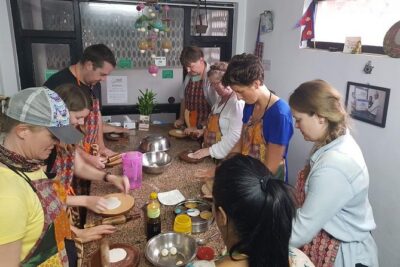
The class begins with a printed recipe in your hand. The chef then leads you through the steps for your chosen dish. You can ask questions as you go, adjust the food to your own taste, and sit down to eat after the cooking is done.
At about two hours, this is a manageable activity for a free morning or evening in Pokhara. It will not take over your day, and its location near Phewa Lake makes it easy to pair with a walk by the water.
A few more Pokhara trips to weigh up
- Nepalese Kitchen in Pokhara: Momos or Dal Bhat Cooking Class
★ 5.0 · 67 reviews - MoMo or Dal Bhat Cooking Class at Aama Kitchen in Pokhara
★ 4.9 · 28 reviews - Pokhara: 3 Hour MoMo cooking class
★ 4.5 · 10 reviews
Hotel Diplomat, Less Than Ten Minutes From Phewa Lake
You meet at the ground floor of Hotel Diplomat on Pragati Marga, Pokhara 33700. The activity ends at the same place, so there is no need to arrange a separate return transfer or find your way to another part of town after the meal.
The hotel’s central position is one of the strongest practical features. If you are staying near Phewa Lake, the walk is less than 10 minutes. That makes the class easy to fit around lakeside time, shopping, or other plans in central Pokhara.
The setting is also more personal than a large restaurant kitchen. The class takes place at the hotel, but the food is prepared with a local family of home cooks. One particularly nice detail from the experience is the chance to talk about Nepali habits and daily life while cooking and eating.
You should arrive ready to participate. This is not a food demonstration where you sit back and take photographs. The point is to handle the ingredients, follow the recipe, and learn the movements that make the dish work.
Pick Momos for an Evening of Folding and Steaming
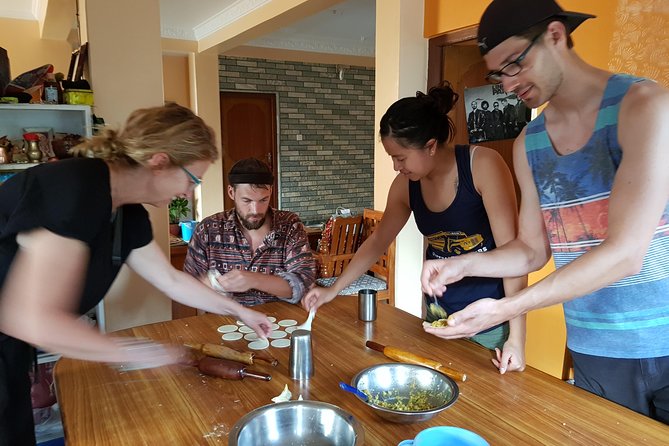
The momo option is the evening workshop. Momos are steamed dumplings, and the class focuses on making them from scratch rather than simply filling ready-made wrappers.
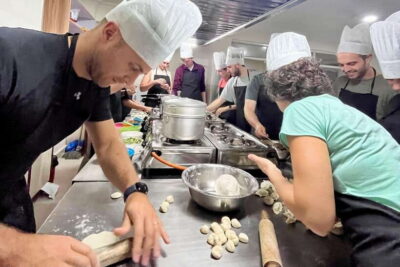
This is where the small group size earns its keep. Folding momos can look simple until you try it. The technique involves finger and thumb placement, grip pressure, and getting the shape right without tearing the dough. The instructor can watch your hands and help you make adjustments as you work.
You should expect some imperfect dumplings at first. That is part of the fun, and it does not spoil the meal. The class is designed to help you learn the technique, not produce identical restaurant pieces on your first attempt.
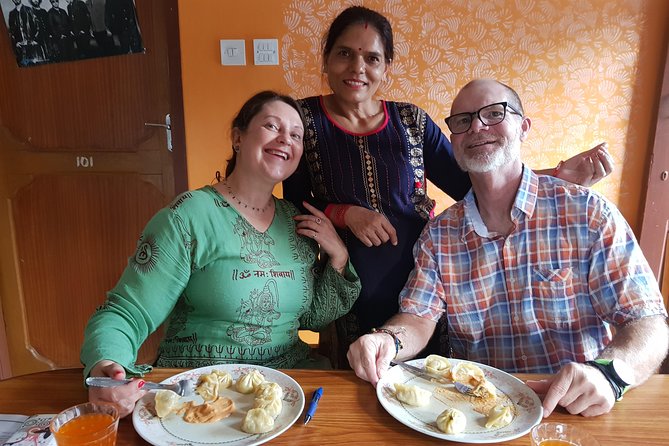
The cooking process also gives you time to talk with the family hosts. Sandhya has been praised for her patience while helping students form momos, and the warm, informal tone is a major part of the appeal. You are not rushed from one station to the next.
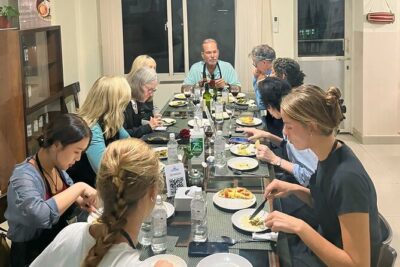
Once the dumplings are ready, you eat them at the hotel. Soft drinks and water are included. You may also enjoy the class with beer or wine, but those are not listed as included, so plan on treating them as an extra.
Choose momos if you want the most hands-on option. The shaping itself is the lesson, and the recipe gives you a useful reference for trying the dish at home.
Choose Dal Bhat for a Complete Nepali Meal
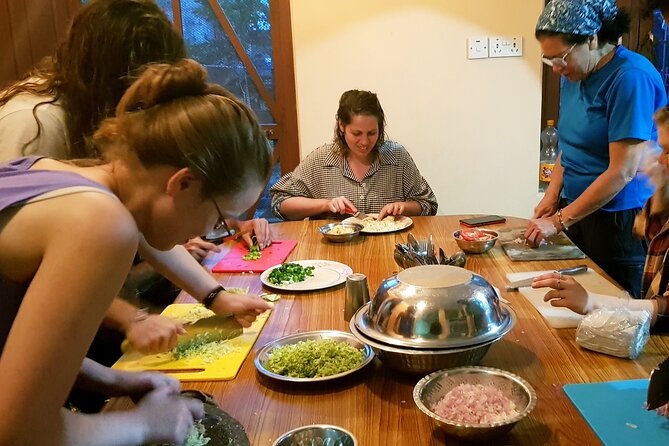
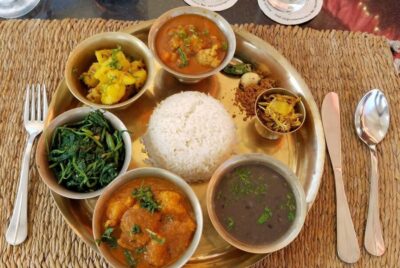
The lunchtime option teaches you to prepare a Nepali dal bhat set. Dal bhat is built around rice and lentils, and it is one of the defining everyday meals in Nepal.
The class gives you a printed recipe and takes you through the preparation step by step. The supplied details do not list every side dish or ingredient in the set, so you should not book expecting a fixed menu with a long list of named components. What you can count on is instruction in preparing the dal bhat meal and then eating it as your lunch.
Dal bhat may be the better choice if you want to understand the food you will encounter throughout Nepal. Momos are easy to love and easy to recognize, but dal bhat gives you a closer look at the country’s regular home cooking.
The midday schedule also works well for anyone who prefers to keep evenings free. After cooking and eating, you finish back at Hotel Diplomat rather than moving on to a second location.
I would choose dal bhat if you are more interested in a traditional meal than in a folding technique. I would choose momos if you want a playful activity with a clear, hands-on skill to practice.
Same mountains, a completely different kind of day:
- ZipFlyer Nepal – The World’s Steepest Zip-line
★ 5.0 · 608 reviews - Bungee Pokhara by HighGround Adventures
★ 5.0 · 366 reviews - From Pokhara: Sarangkot Sunrise Himalayas Tour
★ 4.7 · 218 reviews - ATV Adventure Tour in Pokhara, Nepal
★ 5.0 · 194 reviews
A Five-Person Cap Makes the Class Personal
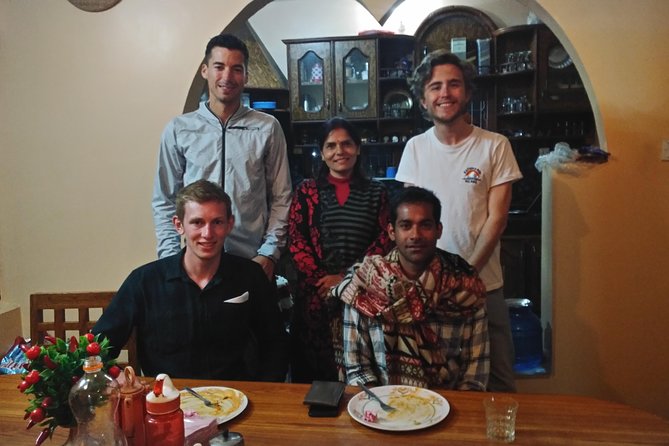
The maximum group size is five people. That is small enough for the chef to spend time with each person, answer questions, and help when a step feels unclear.
This matters most during momo preparation. A large class could leave you copying the person beside you, especially when trying to shape the dumplings. Here, the instructor can give direct advice on finger position, pressure, and forming the dough.
The same limit helps during dal bhat preparation. You can ask about the recipe, discuss how to adjust the dish to your taste, and keep pace with the rest of the group without feeling lost in a crowd.
The class also suits people who enjoy conversation. The hosts are described as friendly, enthusiastic, and happy to answer questions. You can spend time talking about Nepali customs and food habits while the meal comes together.
A small group is not automatically right for everyone. If you prefer to observe quietly and leave as soon as you have eaten, the social side may feel like more than you need. For most people looking for a personal food experience, though, the five-person cap is a real benefit.
The Meal Is Part of the Value
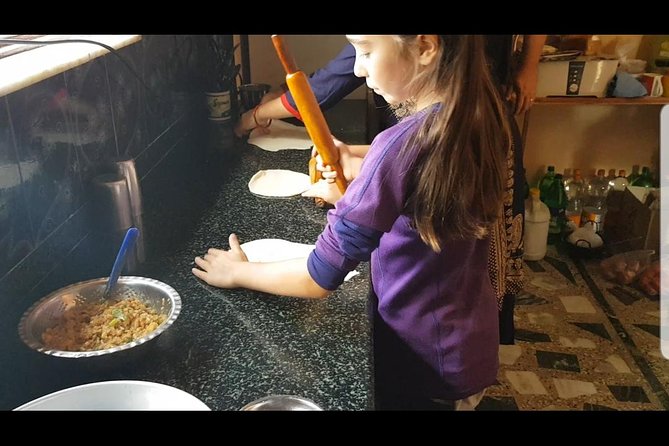
The $50 price includes the cooking instruction, the meal you prepare, soft drinks, and water. The key question is not simply how much the food would cost in a restaurant. You are also paying for the time, teaching, recipe, and access to local home cooks.
That makes the experience easier to justify for people who want to take something practical home. A restaurant meal ends when you leave the table. Here, the printed recipe and cooking method can be used again after your trip.
The value is especially good if you already plan to eat momos or dal bhat during your time in Nepal. Instead of adding another standard meal, you turn lunch or dinner into an activity and still finish with a full plate.
The price may be less appealing if you are on a strict food budget or mainly want to sample Nepali cuisine. You can find meals elsewhere without paying for instruction. This class makes sense when the cooking itself is part of what you want.
You should also note that beer or wine is not listed among the included drinks. Soft drinks and water are provided, and alcoholic drinks may be suitable if you choose to bring or purchase them, but the supplied details do not state that they are included.
What the Hosts Add to the Food
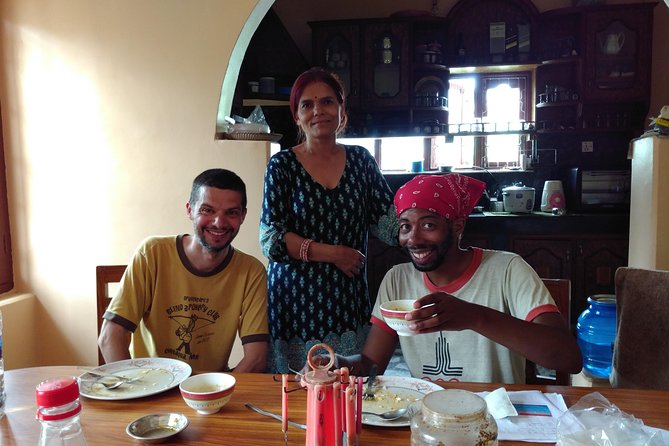
The strongest part of this experience is not a complicated menu. It is the human contact around the cooking.
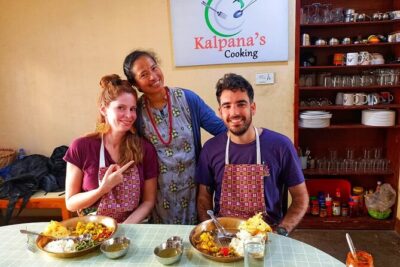
The class is connected with a local family, and the hosts are described as warm, patient, and willing to answer questions. Sandhya has been singled out for helping students make vegetable momos, including patiently guiding them through the shaping process.
A father and son team is also associated with the class. Their friendly and enthusiastic approach helps keep the experience relaxed, especially if you are not confident in the kitchen.
You also get a chance to talk while you cook and eat. That can make the class more useful than a recipe alone, since food habits are tied to how people live and eat at home.
Do not expect a formal culinary school atmosphere. The appeal is the family welcome and direct help, not professional certification or advanced technique. You leave with a meal, a recipe, and a better sense of how the dish is made.
Who Should Book This Pokhara Class
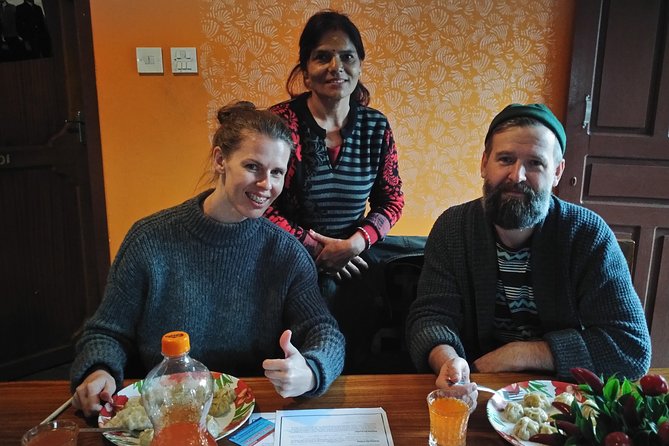
I would recommend this for several kinds of visitors:
- Momo fans who want to learn the folding technique instead of ordering another plate.
- Food-minded visitors who want a practical connection to Nepali home cooking.
- Couples and small groups who enjoy cooking together and talking with local hosts.
- Independent visitors staying near Phewa Lake who want an easy activity without transport.
- Home cooks who want a recipe they can try with family after returning home.
- First-time cooks who prefer patient, hands-on help in a small group.
It is also a good fit for a short Pokhara stay because the class lasts about two hours and returns you to the meeting point. The location keeps the logistics simple.
I would be less likely to recommend it to someone who dislikes group participation, has very little time at midday or in the evening, or wants a broad tasting tour rather than instruction in one dish.
Practical Details Before You Reserve
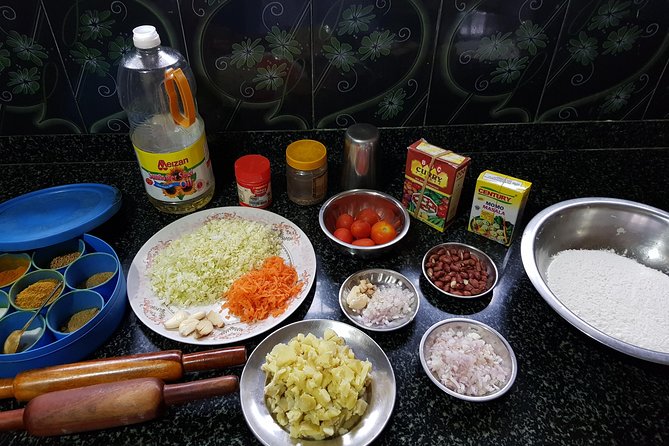
You choose the meal and time when booking: lunchtime for dal bhat or evening for momos. Make sure the selected session fits your plans, since the two options are not presented as a single flexible workshop.
The meeting point is Hotel Diplomat on Pragati Marga. The activity begins on the ground floor and ends there. If you are near Phewa Lake, allow less than 10 minutes to walk over.
A mobile ticket is available, and confirmation is received at booking. The activity is near public transportation, and service animals are allowed.
Free cancellation is available if you cancel at least 24 hours before the local start time. Cancellations or changes made within 24 hours are not accepted for a refund.
The class has a maximum of five people. That limit is important, so check availability early if you are traveling with a small group and want to cook together.
Should You Book Cook With Delight?
Book it if you want more than a plate of Nepali food. The class gives you hands-on practice, a printed recipe, a home-cooked meal, and time with local hosts in a small group. The momo option is particularly appealing if you want to learn a skill, since folding the dumplings takes patience and direct guidance.
Choose dal bhat if you want a lunchtime look at a classic Nepali meal. Choose momos for an evening activity with more shaping and kitchen interaction.
At $50, the class is not the cheapest way to eat in Pokhara. It is good value for anyone who will use the recipe, enjoys cooking, and wants a personal encounter with local food. If that sounds like you, this is an easy activity to fit into a Pokhara itinerary.
FAQ
Where does the cooking class take place?
The class takes place at the ground floor of Hotel Diplomat on Pragati Marga in Pokhara, Nepal.
How long does the activity last?
The cooking class lasts approximately two hours.
Which dishes can I learn to cook?
You can choose between momos in the evening and a Nepali dal bhat set at lunchtime.
How many people can join the class?
The class has a maximum of five participants.
Is a meal included?
Yes. You eat the food you prepare during the class. Soft drinks and water are also included.
Is the hotel near Phewa Lake?
Yes. Hotel Diplomat is less than 10 minutes on foot from Phewa Lake.
Does the activity end at the meeting point?
Yes. The activity ends back at Hotel Diplomat.
What is the cancellation policy?
You can cancel for a full refund if you do so at least 24 hours before the experience start time. Changes or cancellations within 24 hours are not accepted for a refund.
Just added around Pokhara
- Seti George and Thrilling Suspension Bridge Tour at Pokhara★ 4.5 · 3 reviews
- Tandem Paragliding in Pokhara★ 4.8 · 8 reviews
- Pokhara: Sunrise Tour to Sarangkot★ 5.0 · 3 reviews
- Pokhara: Suspension Bridge Private Tour- 30 Min Village Walk★ 4.8 · 9 reviews
- Pokhara: Visit Best Seven Tourist Destination by Sharing Bus★ 3.4 · 10 reviews
- Pokhara Sightseeing By Bus: Day Trip★ 4.6 · 7 reviews
- Pokhara Sightseeing By Bus – Day Trip★ 3.2 · 8 reviews
- Pokhara: Sarangkot Sunrise & Panoramic Annapurna View Tour★ 4.8 · 10 reviews
Cooking Classes, compared.
The best Private Nepali Cooking Class in Kathmandu
Read our review →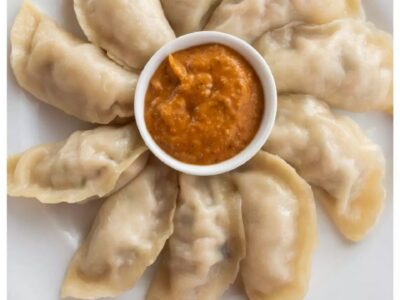
Nepalese Kitchen in Pokhara: Momos or Dal Bhat Cooking Class
Read our review →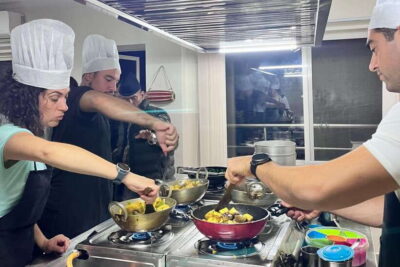
MoMo or Dal Bhat Cooking Class at Aama Kitchen in Pokhara
Read our review →Browse the lists this tour appears in