
Reviewed · EVEREST BASE CAMP TREKS
From Kathmandu: Guided Everest Base Camp Trek
Everest Base Camp is not just a mountain viewpoint. It is a demanding walk through Sherpa villages, Buddhist monasteries, high mountain passes, and the protected valleys of Sagarmatha National Park. Over 12 days, you move from Kathmandu to Lukla, then gradually upward through Namche Bazaar, Tengboche, Dingboche, Lobuche, and Gorak Shep before reaching Base Camp.
I like the two acclimatization days, one in Namche and one in Dingboche, because they give you time to adjust before the highest sections. I also like the personal support built into this small-group option. Guides such as Saran and Prayas have helped trekkers manage tiredness, illness, heavy bags, and language concerns along the way.
The main catch is simple: this is a hard trek at serious altitude. The price of $408 per person looks attractive, but check which option you are booking, since domestic flights and full-board food are listed as optional. You also need to pay for your Nepal visa and travel insurance separately.
Key points to know before you book
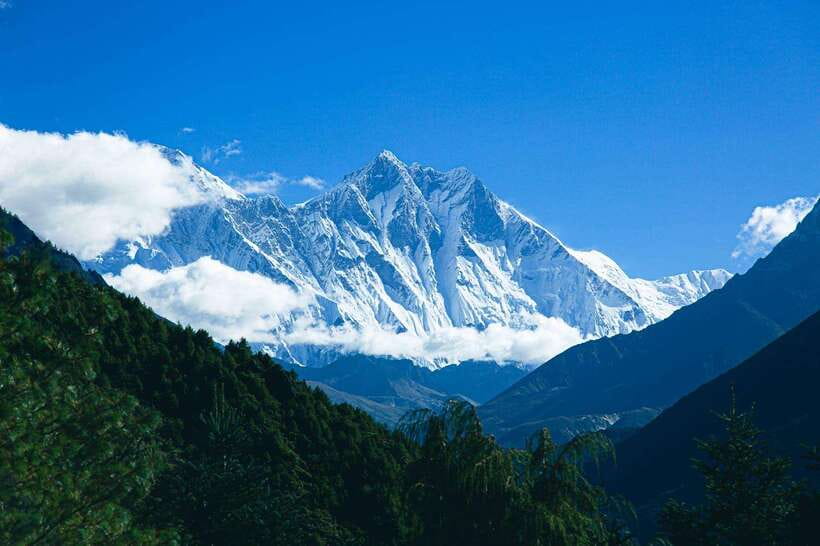
- Everest Base Camp at 5,365 meters: The goal comes after a long mountain route, not a short walk from the road.
- Two acclimatization stops: Namche Bazaar and Dingboche break up the climb and help you prepare for higher ground.
- Kala Patthar at 5,545 meters: This is the trek’s highest point and the place for the close-up Everest view described in the itinerary.
- Guide support matters: Saran and Prayas are named guides associated with the experience, with help available for tired trekkers and medical problems.
- Sherpa and Buddhist culture: Namche, local villages, and Tengboche Monastery add meaning beyond the mountain views.
- $408 is a base price to inspect carefully: Flights to Lukla and full-board meals may depend on the option you select.
Lukla begins the real adventure
Day one starts with a flight from Kathmandu to Lukla, followed by a trek to Phakding at 2,610 meters. The flight is included only if you choose the relevant option, so confirm this before paying. Lukla is the practical gateway to the route, and reaching it quickly puts you in the mountain setting from the first day.
The walk to Phakding is a useful first test. You are already moving on foot, but the overnight altitude remains moderate compared with the villages ahead. Accommodation is included during the trek, and your guide will be with you as the route begins.
On day two, you continue to Namche Bazaar at 3,440 meters. The route gains height, and the combination of uphill walking and changing altitude begins to show why this trek should not be treated like an ordinary sightseeing tour.
Namche is one of the most memorable stops on the route. It is a market town and a meeting point for people moving through the Everest region. You can shop for local crafts, look around the town, and learn more about Sherpa life before heading deeper into the Khumbu.
More Everest Base Camp Treks in Kathmandu:
- Everest Base Camp Trek – 14 Days
★ 5.0 · 1,499 reviews - Everest Base Camp Trekking
★ 5.0 · 485 reviews - Everest Base Camp Trekking – 13 Day
★ 5.0 · 365 reviews
Two nights in Namche Bazaar
Day three is set aside for acclimatization in Namche. That is good planning. You do not simply keep climbing every day, and the pause gives your body time to respond to the altitude.
The itinerary describes Namche as a place for mountain views, local shopping, and contact with Sherpa culture. I would treat this day as useful adjustment time rather than a full rest day with nothing to do. You are likely to walk around the town and its nearby viewpoints, but the exact activities are not specified.
This is also a good place to take stock of your equipment. From here on, the days become more demanding, and the cold, thin air, rocky paths, and repeated climbs will matter more than they did near Lukla.
Tengboche combines mountain views and prayer
The fourth day takes you to Tyangboche, also written as Tengboche, at about 3,800 meters. The village is known for Tengboche Monastery, an important Buddhist site on the route.
The monastery is one of the strongest cultural parts of the trek. You can see the daily rituals and prayer ceremonies when timing permits, and the setting includes wide views of the Everest range. The experience is not only about getting closer to a famous mountain. It also gives you a better sense of the religious life that shapes the region.
The walk to Tengboche includes more serious altitude gain. You should expect the pace to feel slower, especially if you are not used to high mountains. A guide can help you monitor how you are doing, but no guide can remove the physical strain of the route.
Dingboche gives you another essential rest day
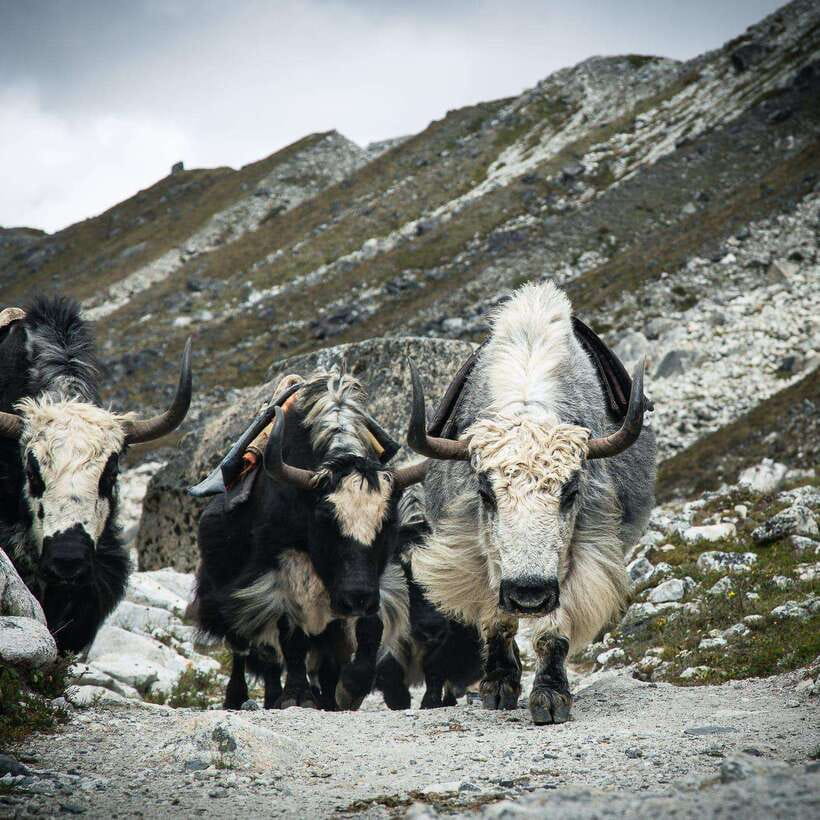
Day five leads to Dingboche at 4,400 meters. The village is an important staging point before the trail climbs toward Lobuche and Gorak Shep.
Day six is another acclimatization day. This second pause is one of the itinerary’s best features. By this point, you have already spent several days walking uphill, and the next section reaches much higher elevations.
The supplied information does not set out a detailed program for the Dingboche rest day. You should therefore think of it as time to adjust, recover, and prepare for the upper route rather than expecting a fixed excursion.
I would pay close attention to your health here. One solo trekker became ill near the end of the route and received medical help plus porter support for the final day. That is reassuring as a sign of practical assistance, but it also shows that altitude and fatigue can change your plans quickly.
A few more Kathmandu trips to weigh up
- Nagarkot Sunrise View and Day Hiking from Kathmandu
★ 5.0 · 471 reviews - Annapurna Circuit Trek with Tilicho Lake
★ 5.0 · 368 reviews - Everest Base Camp Trek -14 Days
★ 5.0 · 321 reviews - Annapurna base camp trek 5 Days
★ 5.0 · 252 reviews
Lobuche and Gorak Shep mark the high-altitude push
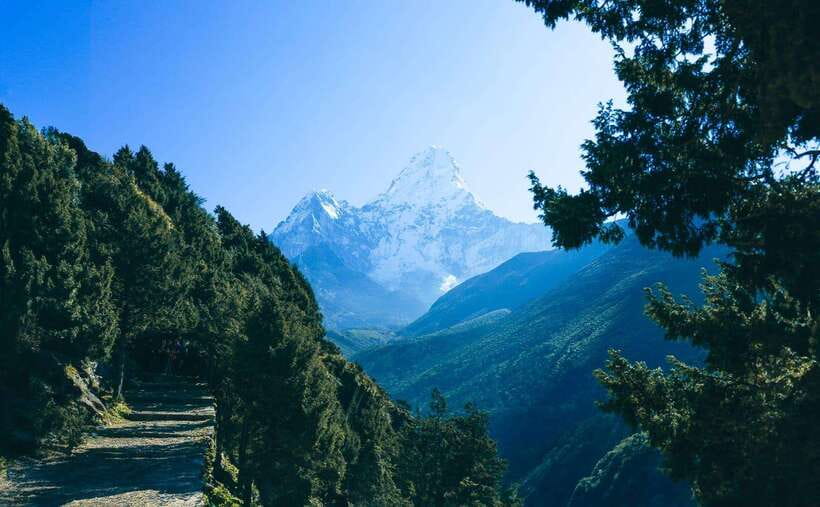
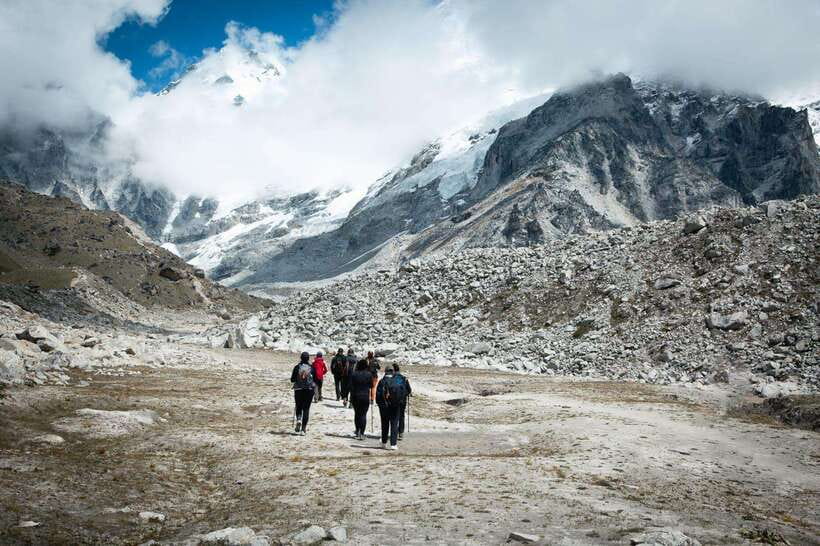
On day seven, you walk to Lobuche at 4,900 meters. At this elevation, the route is no longer a gentle mountain holiday. Rocky trails, thin air, and the accumulated effort of the previous days all come together.
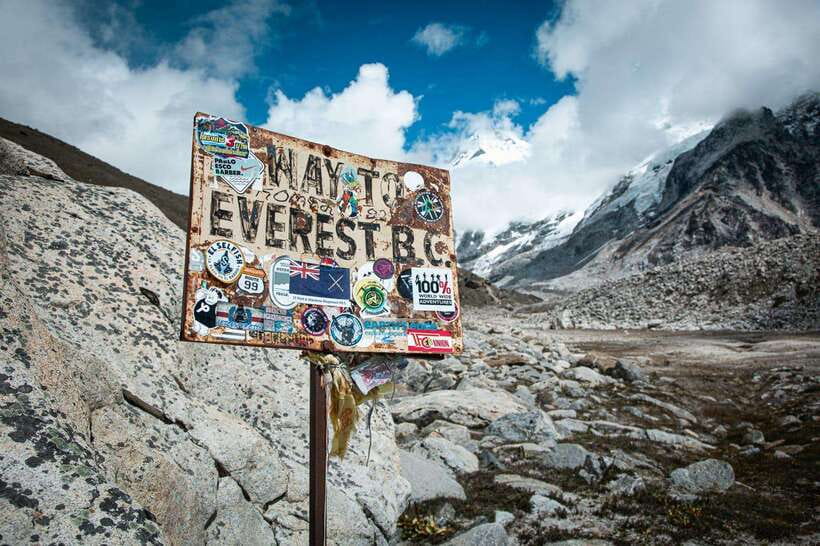
Day eight continues to Gorak Shep at 5,150 meters, then on to Everest Base Camp at 5,365 meters. Gorak Shep is the final settlement before Base Camp, so it has a clear practical role in the route. It is the last point named in the itinerary before the final approach to the famous destination.
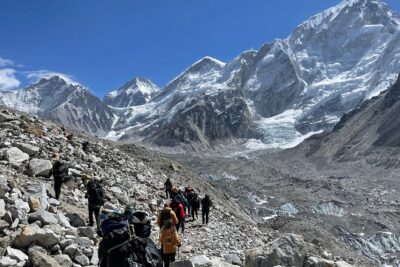
Everest Base Camp offers the sense of reaching the foot of the world’s highest mountain. The route also brings you close to the Khumbu Icefall and nearby glaciers. The exact view can depend on conditions, but the setting is the reward for several days of steady effort.
Keep your expectations sensible. Base Camp is a destination and an achievement, but the itinerary identifies Kala Patthar as the place for the close-up view of Mount Everest. You should not assume that Base Camp itself provides the best broad panorama.
Kala Patthar is the trek’s high point
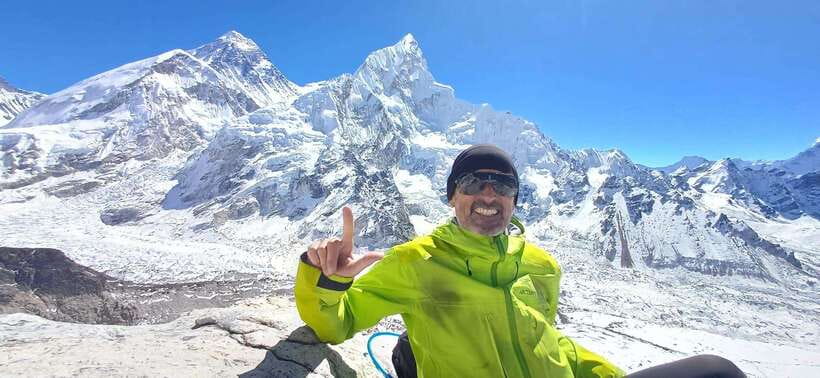
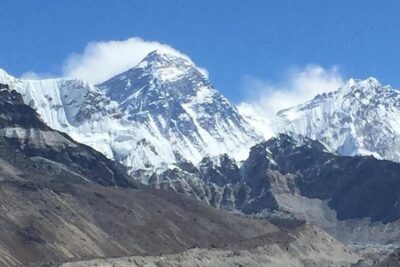
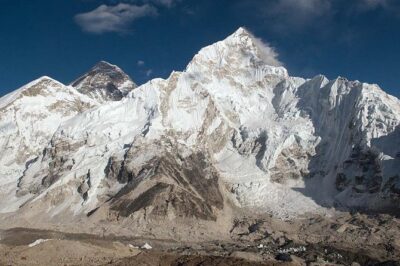
Day nine begins with the walk to Kala Patthar at 5,545 meters, the highest point in the schedule. The purpose is a close view of Everest and the surrounding peaks, especially around sunrise according to the route description.
This is likely to be one of the most demanding parts of the trip. You have already reached Base Camp, but the trek is not finished. After Kala Patthar, you descend to Pheriche at 4,200 meters.
That descent matters. Going lower gives your body a break from the highest altitude, though the trail can still be tiring after the early start and steep climb. At this point, your guide’s pacing and attention are especially useful.
The return to Namche and Lukla
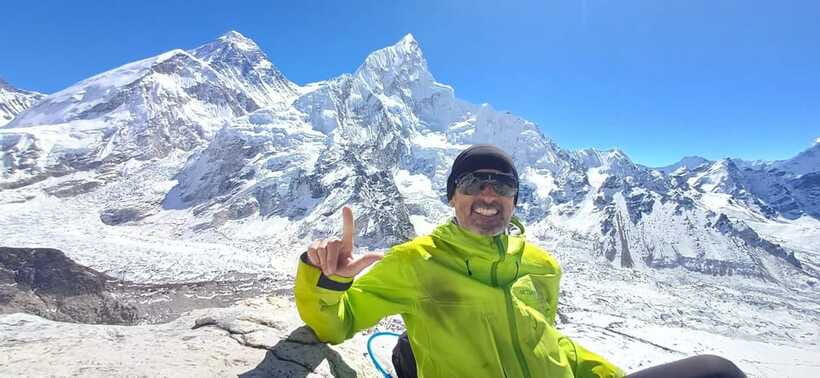
Day ten takes you from Pheriche back to Namche at 3,440 meters. You will be retracing parts of the route, but the experience changes when you are walking down with Base Camp behind you.
Day eleven continues to Lukla at 2,800 meters. The return is not effortless. Descending trails can place strain on your knees, and fatigue may be greater than you expect after the high-altitude section.
The final day is the flight from Lukla back to Kathmandu. Round-trip domestic flights are included only with the selected flight option, so this is one of the first details I would confirm when comparing the $408 price with other offers.
What the guide support is really worth
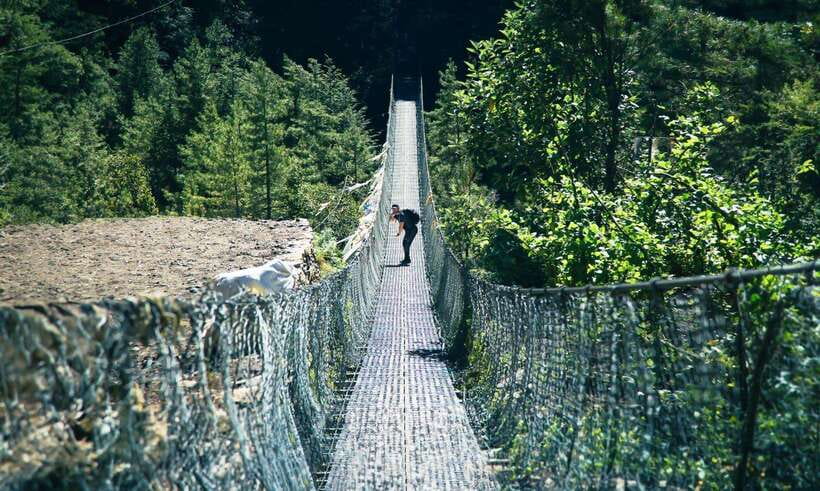
The strongest part of this experience is the human support. Saran is named repeatedly as a guide who helped with pacing, communication, photographs, and difficult sections. One Japanese solo trekker described needing help with a heavy pack and steep climbs, and also appreciated regular checks on her condition.
Prayas is another named guide associated with the trek. His good English and practical help were particularly useful to a young solo visitor who became ill near the end. The company arranged medical assistance and a porter for the final day, which is the sort of help you want available when a long trek stops going according to plan.
Rajesh handles trip communication before departure. He has helped people prepare through WhatsApp, answering questions and explaining what they needed before arriving. That preparation can be especially helpful if you are traveling alone or are unsure what high-altitude trekking involves.
The listed guide language is English. One participant who was not confident speaking English still managed daily communication without trouble. That does not mean every conversation will be perfect, but it suggests the guide team can work patiently with different levels of English.
Sherpa culture adds depth to the route
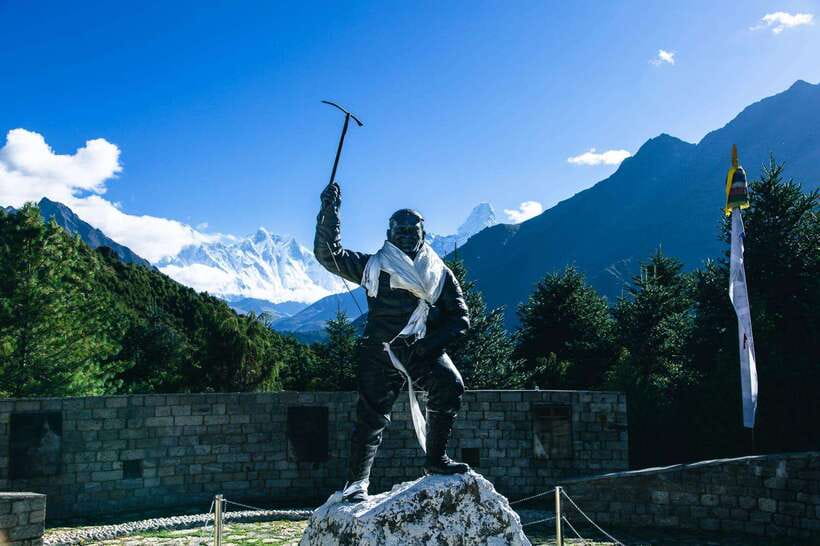
The Khumbu is not simply a corridor to Everest. You pass through Sherpa communities, visit villages and monasteries, and see traditions shaped by Buddhism and the demands of mountain life.
Namche provides the clearest town experience in the itinerary. Tengboche adds the religious side, with prayer ceremonies and monastery visits when the timing allows. The tour also highlights Sherpa clothing and museum visits, though it does not give a detailed museum schedule, so treat those as planned cultural elements rather than guaranteed timed events.
Sagarmatha National Park is another major part of the route. It is a UNESCO World Heritage site with Himalayan wildlife such as snow leopards, musk deer, and Himalayan tahrs. Seeing these animals is not promised, but the protected area gives the trek a wider purpose beyond mountain photography.
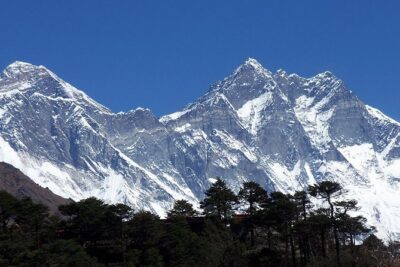
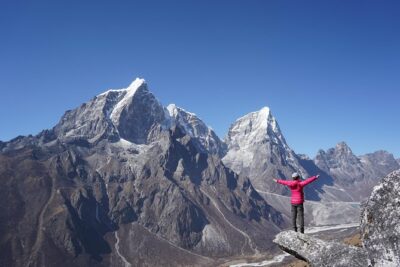
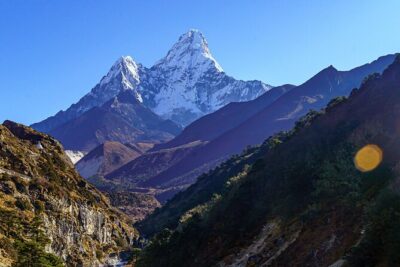
The scenery changes as you climb. The route includes rhododendron forests, Sherpa villages, suspension bridges, rocky trails, glaciers, and high mountain terrain. That variety makes the long walk more rewarding than a simple out-and-back viewpoint hike.
Food, rooms, permits, and what the price covers
The $408 per person price can represent good value if the selected package includes the services you need. Accommodation during the trek, a guide, guide accommodation and food, the Sagarmatha National Park permit, a trekking map, and a first-aid kit are listed as included.
Food and drinks are included with the full-board option, not necessarily with every package. Round-trip Kathmandu to Lukla flights are also tied to the selected option. These two points can change the real cost of the trek, so compare the package details rather than judging the headline price alone.
Hotel pickup and drop-off are listed, though pickup is also marked optional. Welcome and farewell coffee are included, a small touch but a pleasant one before and after a demanding trip.
You need to budget separately for the Nepal visa and travel insurance. Travel insurance is particularly important for a high-altitude trek, since the provided information lists it as not included.
Who should choose this trek
I would recommend this experience to a fit walker who wants a guided route and prefers having a company handle the main practical pieces. It suits solo participants, including women traveling alone, because the guide and organizer provide a clear point of contact before and during the trek.
It also suits people who want culture along with scenery. Namche, Sherpa villages, Tengboche Monastery, Buddhist prayer, and Sagarmatha National Park give the journey more substance than a mountain photo stop.
You should think twice if you are looking for a relaxed holiday, dislike long daily walks, or are uncomfortable with high altitude. The schedule includes two rest days, but the trek still reaches 5,545 meters and includes steep, rocky terrain.
Small-group availability is useful if you want more personal attention without booking an entirely private trip. The exact group size is not given, so ask before booking if group size will affect your choice.
Booking details worth checking first
This is a 12-day activity from Kathmandu, with an English-speaking live guide. Free cancellation is available up to 24 hours before the start for a full refund, and you can reserve now and pay later.
Before confirming, ask three direct questions:
- Does my price include both domestic flights to and from Lukla?
- Is the full-board food option included?
- Is hotel pickup included in my selected package?
Those answers will tell you the actual value more clearly than the $408 headline price. I would also confirm the meeting point, group size, and what happens if illness interrupts the route, even though practical help with medical care and porter support has been provided in at least one case.
Should you book this Everest Base Camp trek?
Book it if you want a guided, culturally aware Everest route with two acclimatization days and a company that stays in touch before departure. The support from guides such as Saran and Prayas is a major reason this option works well for solo participants and trekkers who want help managing the difficult sections.
The price is appealing, but only after you confirm the flight and food options. If those are extra, your final budget will be higher. You should also arrive with suitable travel insurance, realistic fitness expectations, and respect for the effects of altitude.
For a demanding but highly rewarding route through Namche, Tengboche, Dingboche, Kala Patthar, and Everest Base Camp, this is a strong choice for the right kind of trekker. It is not easy, but the combination of mountain views, Sherpa culture, monastery visits, and reliable personal support gives the 12-day journey real value.
FAQ
How long is the Everest Base Camp trek from Kathmandu?
The activity lasts 12 days, including the flight from Kathmandu to Lukla, the trek to Everest Base Camp, the return to Lukla, and the flight back to Kathmandu.
What is the price of the trek?
The listed price is $408 per person. Confirm the selected package because round-trip domestic flights and full-board food are included only if the relevant options are selected.
Are flights from Kathmandu to Lukla included?
Round-trip domestic flights are included if you choose the flight option. They are not automatically included in every package.
Is accommodation included?
Yes, accommodation during the trek is included. The guide’s accommodation and food are also included.
Is food included during the trek?
Food and drinks are included if you select the full-board option. Check the package details before booking.
What language does the guide speak?
The live guide language is English.
Is this available as a small-group trek?
A small-group option is available. The exact group size is not specified.
Which places are included on the route?
The itinerary includes Phakding, Namche Bazaar, Tengboche, Dingboche, Lobuche, Gorak Shep, Everest Base Camp, Kala Patthar, Pheriche, and Lukla.
What is the highest point on the itinerary?
Kala Patthar is the highest point at 5,545 meters. Everest Base Camp is listed at 5,365 meters.
Are a Nepal visa and travel insurance included?
No. The Nepal visa fee and travel insurance are not included in the activity price.
Just added around Kathmandu
- Private Half-Day Tour of Boudhanath and Pashupatinath Temples in Kathmandu★ 4.5 · 9 reviews
- Private Half-Day Tour of Kathmandu Durbar Square and Swayambhunath Temple★ 4.5 · 11 reviews
- Namobuddha Monastery Hiking Day Tour via Panauti from Kathmandu★ 5.0 · 15 reviews
- Private Full-Day Kathmandu City Tour★ 5.0 · 9 reviews
- Private Day Tour in Kathmandu Valley Rim with Bhaktapur Sightseeing★ 5.0 · 3 reviews
- Private Half Day Budhanilkantha Tour★ 5.0 · 6 reviews
- Private Day Tour: Patan and Bhaktapur from Kathmandu★ 4.5 · 6 reviews
- Private Day Tour – Sacred Journey to Namo Buddha★ 5.0 · 5 reviews
Everest Base Camp Treks, compared.
Everest Base Camp Trek with Helicopter Return from Gorakshep to Lukla
Read our review →Browse the lists this tour appears in