
Reviewed · EVEREST BASE CAMP TREKS
From Kathmandu Budget: 15 Day Everest Base Camp Trek
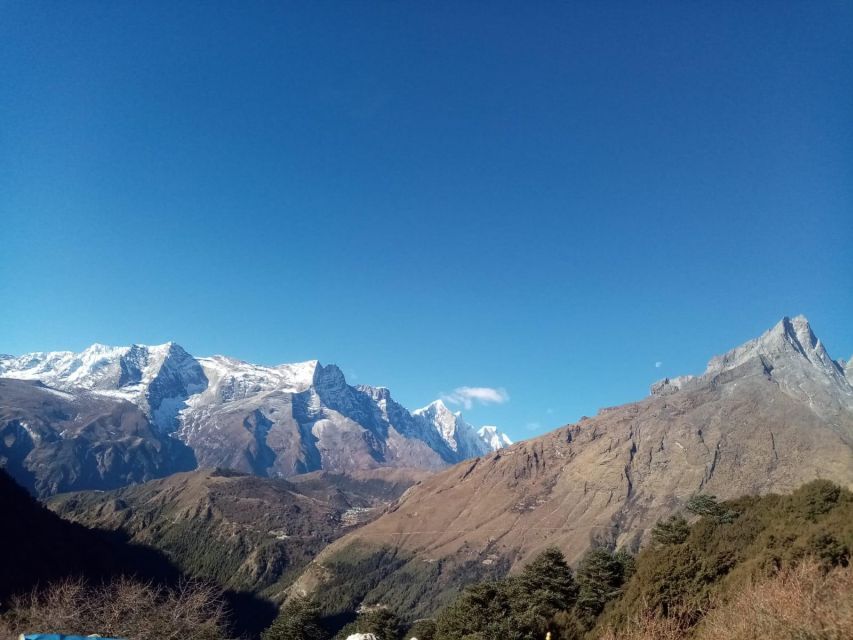
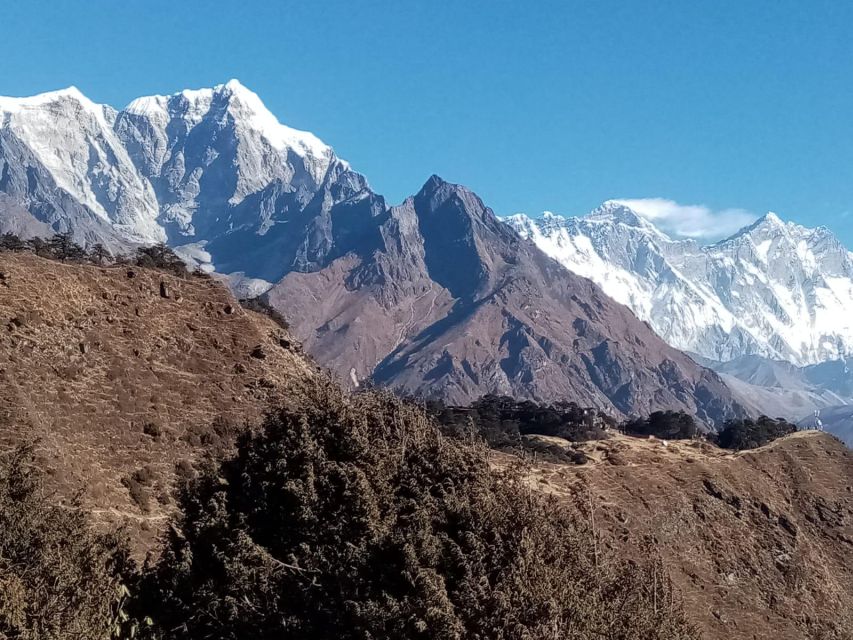
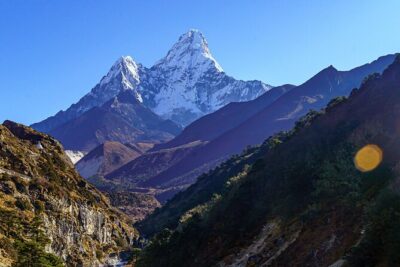
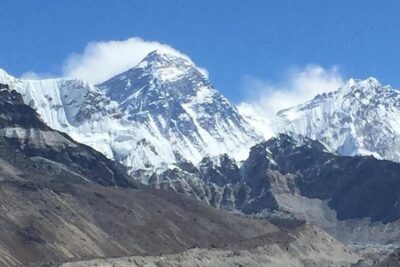
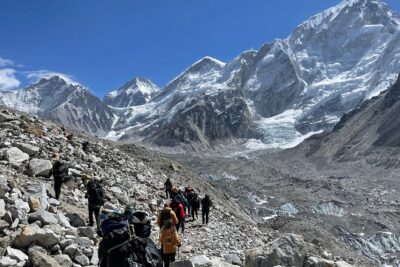
Everest Base Camp is the headline, but the real reward comes along the way: Sherpa villages, prayer flags, suspension bridges, and enormous Himalayan peaks appear day after day. The high point is Kala Patthar at 5,545 meters, where Everest, Lhotse, and Nuptse fill the view.
I like two things here. First, the route gives you both Everest Base Camp and the better mountain viewpoint from Kala Patthar. Second, the private format allows a guide such as Krisna or Milan to adjust the pace when your health calls for a slower day. The main drawback is the long road journey through Salleri, since this plan uses shared jeeps and buses instead of flights to Lukla.
Key points to know before booking
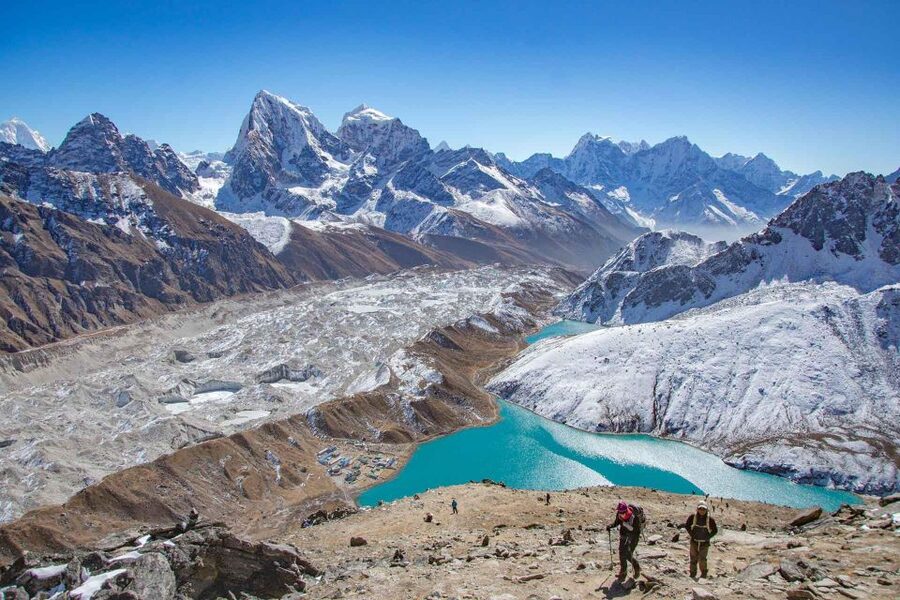
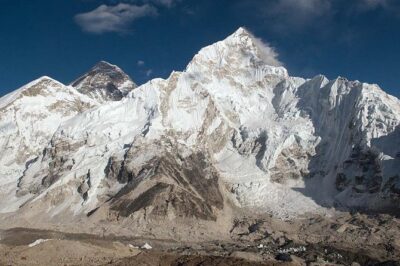
- Kala Patthar is the best viewpoint: At 5,545 meters, you get broad views of Everest, Lhotse, Nuptse, and nearby peaks.
- The route begins with a long road transfer: The first and final days involve roughly 10-hour road journeys between Kathmandu and Salleri.
- You reach Base Camp at 5,364 meters: The setting is dramatic, but the stop is more about achievement than a wide mountain panorama.
- The trek includes a proper acclimatization day: Day seven in Dingboche gives your body time to adjust before the highest section.
- It is a private trek with flexible guide support: The guide can adapt the pace to your condition, though food and drinks are not included.
- The $796 price covers key basics: Transfers, permits, guide costs, guesthouse lodging, trekking poles, and official documents are included.
The route starts on the road, not in the air
This 15-day trek begins with hotel pickup in Kathmandu and a long drive to Salleri. The listed journey takes about 10 hours and covers roughly 266.9 kilometers, ending at about 2,600 meters.
That opening road trip matters when you compare this trek with packages that fly from Kathmandu to Lukla. You avoid the separate cost and scheduling issues of a Lukla flight, but you spend a full day on the road. If you dislike long vehicle rides, this will be the least pleasant part of the plan.
On the second morning, you continue by shared jeep from Salleri to Tham Danda, then walk to Surkhe. The day is listed at seven to nine hours, so it is not a gentle warm-up. You begin trekking at once, with the road and trail sections combined into one demanding travel day.
The shared transport also means the private nature of the trek has limits. Your walking group is private, but the jeep or bus transfers are shared. That is a fair trade at this price, but you should understand it before booking.
More Everest Base Camp Treks in Nepal:
- Everest Base Camp Trek – 14 Days
★ 5.0 · 1,499 reviews - Everest Base Camp Trekking
★ 5.0 · 485 reviews - Everest Base Camp Trekking – 13 Day
★ 5.0 · 365 reviews
Surkhe to Namche, bridges and the first big climb
Day three takes you from Surkhe to Phakding in six to seven hours. This is your first full walking day, and the route introduces the pattern of the trek: steady movement, changing altitude, mountain villages, and long hours on foot.
From Phakding, you continue to Namche Bazaar on day four. The walk takes six to seven hours and ends at 3,440 meters. Namche is the main settlement and trading center in the Khumbu region, so it feels like a major point on the route.
This section includes suspension bridges over deep gorges and paths through rhododendron forest. Prayer flags, stone walls, and Sherpa homes bring a strong sense of place. You are not simply walking toward a famous mountain. You are passing through the communities that support life and climbing in this high region.
The climb to Namche is also your first serious altitude test. Keep your pace slow, drink regularly, and follow your guide’s advice. The distance may look manageable on paper, but altitude changes how your body handles every uphill section.
Tengboche and the quiet pull of the high country
Day five leads to Tengboche Monastery at 3,860 meters. The walk takes about five hours, making it shorter than some other days, but the rising altitude still demands care.
Tengboche is important for both its mountain setting and its Buddhist traditions. You can expect monastery buildings, prayer flags, and a calmer atmosphere than Namche. The route keeps moving through the high country, but the cultural details give the trek more meaning than a simple peak-chasing trip.
Day six continues to Dingboche, at 4,350 meters. The walk takes five to six hours. By now, the air is thinner, the terrain feels more exposed, and the cold becomes a bigger factor. Warm clothing is not optional here, even if the lower sections feel mild.
Dingboche is where the schedule wisely pauses. The seventh day is set aside for acclimatization. You should treat this as part of the trek, not as wasted time. The rest day gives your body a chance to adjust before Lobuche, Gorak Shep, Base Camp, and Kala Patthar.
The guide’s flexibility is especially useful at this point. Milan is described as checking in often, putting health first, and adjusting the pace or rest schedule when needed. That sort of attention can make a major difference at altitude. Still, no guide can remove the risks of high-altitude trekking, so you need suitable travel insurance and should take any symptoms seriously.
Lobuche, Base Camp, and the hardest walking day
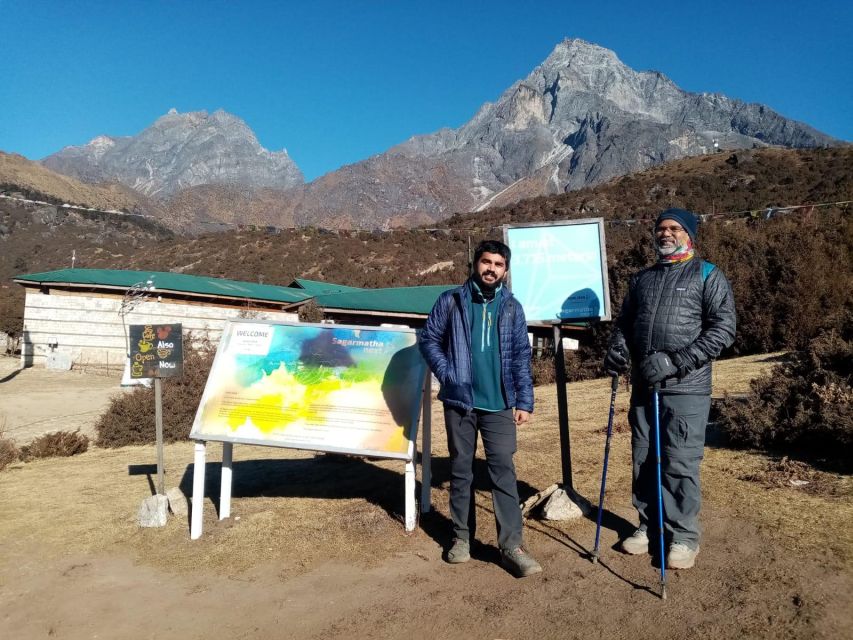
On day eight, you walk to Lobuche at 4,910 meters. The route takes about five hours. This is a key transition point: the villages become more sparse, temperatures drop, and the mountain setting becomes the central feature of the day.
Day nine is the big push. You walk from Lobuche to Everest Base Camp, listed at 5,364 meters, then return to Gorak Shep at 5,180 meters. The full day takes about eight hours.
Everest Base Camp is the symbolic target of the trek. It is the staging area used by expeditions heading toward the world’s highest mountain. Reaching it gives you the satisfaction of arriving at a place known around the world, but do not expect Base Camp itself to provide the widest Everest view. The surrounding peaks and glacial setting create the drama, while Kala Patthar is the stronger lookout.
This is also where the schedule can feel most demanding. You climb to Base Camp, then retreat to Gorak Shep for the night at a very high elevation. Your walking speed may be slow, and your guide’s judgment becomes important. A private group gives you more room to manage the day than a large fixed group, but the route still has real physical demands.
A few more Nepal trips to weigh up
- Nagarkot Sunrise View and Day Hiking from Kathmandu
★ 5.0 · 471 reviews - Annapurna Circuit Trek with Tilicho Lake
★ 5.0 · 368 reviews - Everest Base Camp Trek -14 Days
★ 5.0 · 321 reviews - Annapurna base camp trek 5 Days
★ 5.0 · 252 reviews
Kala Patthar gives you the view Base Camp cannot
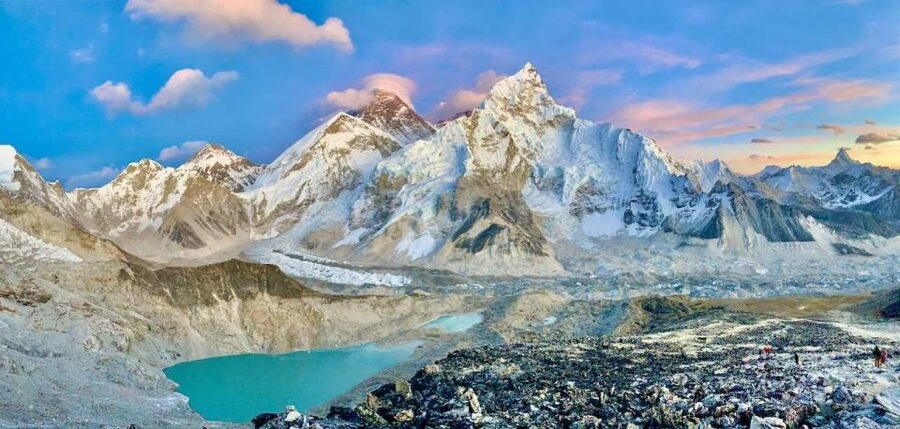
Day ten begins with the hike to Kala Patthar, a rocky viewpoint at 5,545 meters. The day is listed at seven hours, followed by a descent to Pheriche at 4,120 meters.
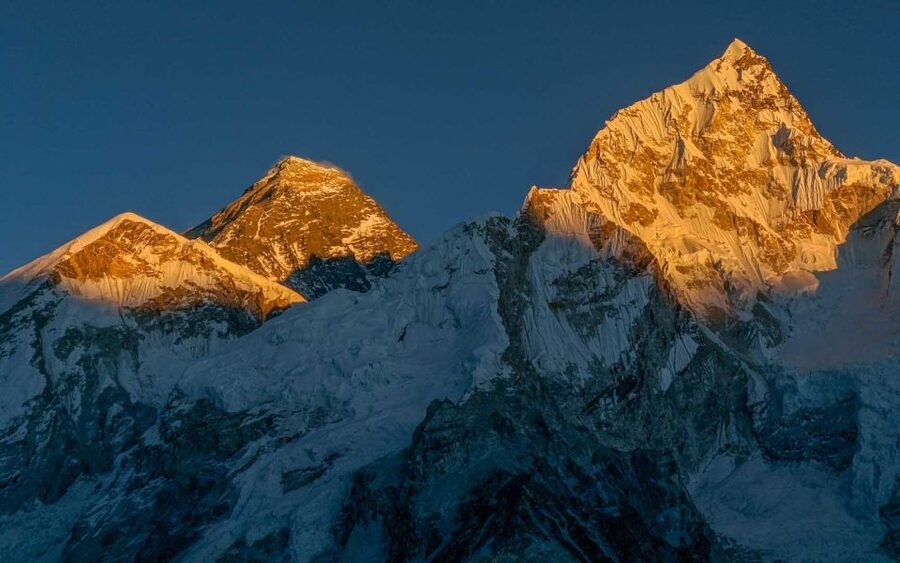
This is the visual high point of the experience. From Kala Patthar, you can look toward Everest, Lhotse, Nuptse, and other major peaks. Sunrise or sunset is especially appealing because the changing light gives the mountains stronger shape and color.
The climb is short in distance compared with the full trek, but altitude makes it hard. You should not judge the effort by the number of kilometers. At this height, each step can feel slow, and warm layers, gloves, a hat, and sturdy hiking shoes are essential.
I like the order of this route. You reach Base Camp first, then climb Kala Patthar for the broad mountain view before descending. It gives you both the symbolic achievement and the photographic reward.
The return route is faster, but not easy
After Kala Patthar, the route drops to Pheriche. On day eleven, you continue to Panboche at 3,985 meters, with five to six hours of walking.
Descending usually feels easier than climbing, but your legs may be tired after the highest section. The lower altitude is welcome, and the return route gives you another look at villages and mountain paths that may have passed quickly during the ascent.
Day twelve takes you back to Namche Bazaar in about seven hours. This is a longer day, but the drop in elevation helps. Namche is a useful place to pause before the final walk to Lukla, with more settled surroundings than the upper villages.
On day thirteen, you walk from Namche to Lukla in five to six hours. The endpoint is at about 2,860 meters. After the cold, thin air above Gorak Shep, Lukla can feel like a return to a lower and more comfortable world.
But you do not fly out from Lukla on this program. Day fourteen uses a shared jeep from Lukla to Salleri, taking seven to eight hours. Day fifteen is another roughly 10-hour shared jeep or bus journey from Salleri to Kathmandu.
This is the route’s biggest practical compromise. You trade flights for road travel, which may help keep the price at $796, but the last two days are long and tiring. If you want to be back in Kathmandu quickly after the trek, compare this plan carefully with routes that include a Lukla flight.
What the $796 price really covers
At $796 per person, the package offers solid value for a 15-day private trek, provided you understand what is included. The price covers hotel pickup and drop-off, shared road transfers, a trekking guide, permits, official documents, guesthouse accommodation, a trekking pole, and the guide’s food, lodging, personal expenses, and insurance.
That is a useful bundle. Permits and transport can add up, and having a guide arrange the route and official paperwork reduces the work you need to do before leaving Kathmandu.
The important exclusion is food and drinks. You need to budget for meals and beverages during the trek, and the cost can rise as you move higher. Travel insurance is also not included, and emergency rescue must be covered by your policy.
The package includes a first-aid kit with the guide, but that is not a substitute for insurance. Make sure your policy covers high-altitude trekking and emergency evacuation before departure. The provided information specifically places rescue costs under your travel insurance.
Accommodation is in guesthouses during the trek. You should expect practical mountain lodging rather than luxury hotels. Some rooms may have appealing mountain views, but comfort and facilities can vary along a route that reaches 5,545 meters.
Guides, language, and the private format
The trek offers live guiding in English, Nepali, and Hindi. The guides named in the booking feedback are Krisna and Milan, though you should confirm who will lead your departure.
Krisna is described as serious, attentive, and able to adapt to the group. Milan is described as flexible, communicative, and focused on health and safety. One useful detail is that Milan was willing to slow the day, add rest time, or consider options beyond the fixed plan when needed.
That flexibility is a major reason to choose a private trek. You are not tied to the pace of a large group, and you can raise concerns directly with your guide. Still, flexibility does not mean every change is guaranteed. Weather, health, transport, and high-altitude conditions can limit the choices available.
The three recorded ratings are all five out of five, with particular praise for guide care, communication, and the overall Nepal experience. That is encouraging, but a small number of ratings cannot predict every departure. I would contact the provider before booking to confirm the guide, transport arrangement, and meal expectations.
Who should book this Everest trek
This experience suits you if you want the classic Everest route with both Base Camp and Kala Patthar, and you value private guide support more than fast transport. It also suits trekkers who prefer a lower-cost road approach and do not mind giving up two days to shared vehicles.
You need a good level of fitness. The route includes several five to seven-hour walking days, an eight-hour day to Base Camp, high-altitude nights, and a climb to 5,545 meters. It is not suitable for pregnant women or wheelchair users.
Spring, from March through May, and autumn, from September through November, are listed as the best seasons. These periods usually offer more stable weather and clearer mountain views, but mountain weather can change quickly at any time of year.
Pack warm clothing, hiking shoes, hiking pants, travel insurance, your passport or a copy, and a passport-sized photograph. The operator also provides a trekking pole, but you should still bring clothing and footwear that can handle cold, rocky conditions.
Should you book it?
Book this trek if you want a serious Everest experience at a moderate price, with a private walking group, guide support, guesthouse lodging, and a route that includes the crucial Kala Patthar viewpoint. The strongest reason to choose it is the combination of personal guide attention and a schedule that includes acclimatization at Dingboche.
Think twice if you want a quick Lukla flight, included meals, or hotel-level comfort. The road transfers to and from Salleri are long, and the high-altitude days require patience and physical preparation.
For the right trekker, this is a practical way to reach Everest Base Camp without paying for a more polished luxury package. Confirm the guide, insurance requirements, food budget, and shared transport details before paying. If those points suit you, the views from Kala Patthar and the journey through Sherpa country make this a strong-value Himalayan adventure.
FAQ
How long is the Everest Base Camp trek?
The experience lasts 15 days, including the road transfers between Kathmandu and Salleri and the trek between the Khumbu villages.
What is the highest point on the route?
Kala Patthar is the highest point, at 5,545 meters or 18,192 feet. Everest Base Camp is at about 5,364 meters or 17,598 feet.
Does the trek include Everest Base Camp?
Yes. Day nine includes the walk to Everest Base Camp, followed by a return to Gorak Shep.
Is there an acclimatization day?
Yes. Day seven is set aside for acclimatization in Dingboche, at about 4,350 meters.
Are meals included?
No. Food and drinks are not included, but they are available for purchase during the trek.
Is travel insurance included?
No. You must arrange your own travel insurance. Emergency rescue costs are also assigned to your travel insurance.
What languages can the guide speak?
Guiding is available in English, Nepali, and Hindi.
Is the trek private?
Yes. The walking experience is organized as a private group. The transfers by bus or jeep are shared.
Just added around Nepal
- Private Half-Day Tour of Boudhanath and Pashupatinath Temples in Kathmandu★ 4.5 · 9 reviews
- Private Half-Day Tour of Kathmandu Durbar Square and Swayambhunath Temple★ 4.5 · 11 reviews
- Namobuddha Monastery Hiking Day Tour via Panauti from Kathmandu★ 5.0 · 15 reviews
- Private Full-Day Kathmandu City Tour★ 5.0 · 9 reviews
- Private Day Tour in Kathmandu Valley Rim with Bhaktapur Sightseeing★ 5.0 · 3 reviews
- Private Half Day Budhanilkantha Tour★ 5.0 · 6 reviews
- Private Day Tour – Sacred Journey to Namo Buddha★ 5.0 · 5 reviews
- Private Day Tour: Patan and Bhaktapur from Kathmandu★ 4.5 · 6 reviews
Everest Base Camp Treks, compared.
Everest Base Camp Trek with Helicopter Return from Gorakshep to Lukla
Read our review →Browse the lists this tour appears in