
Reviewed · EVEREST BASE CAMP TREKS
Gokyo to Everest Base Camp Trek
The best thing about this trek is its route: you reach Gokyo Lakes and Gokyo Ri before crossing Cho La Pass to Everest Base Camp. That gives you a fuller view of the Khumbu than the standard Base Camp trail, with glacier country, Sherpa villages, monasteries, and several days above 4,000 meters.
I like the strong logistics, especially the included Lukla flights, permits, airport transfers, filtered trail water, sleeping bag, and porter for every two clients. I also like the careful guide support reported from guides such as Nima, Raj Kumar, Ramesh, Ganesh, and Lakpa Sherpa, particularly when snow and storms forced changes. The tradeoff is clear: Cho La Pass at about 5,330 meters and Kala Patthar at 5,555 meters make this a serious high-altitude trek, not a casual walking holiday.
Key points to know before booking
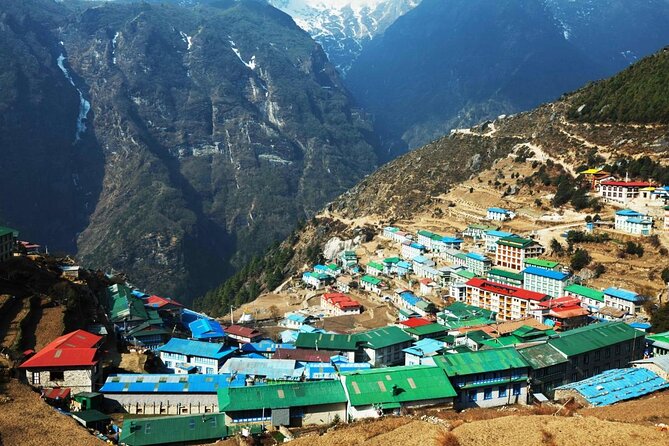
- Gokyo comes before Everest Base Camp: You see the turquoise lakes, Ngozumpa Glacier, and Gokyo Ri before joining the main Everest route.
- Cho La is the trip’s crux: The pass requires an early start, strong fitness, and flexibility if snow or weather blocks the route.
- You get two major viewpoints: Gokyo Ri offers views toward Cho Oyu, Everest, and Makalu, while Kala Patthar gives a close mountain panorama near Base Camp.
- The package is well supplied: Flights, permits, meals during the trek, a guide, porter support, gear, water filtration, and Kathmandu hotels are included.
- The group is limited to 15: That is small enough for personal guide contact without making this a private trek.
- Expect basic mountain lodging: Thangnak is especially simple, with dormitory-style accommodation because of its remote location.
Why the Gokyo route is worth the extra effort
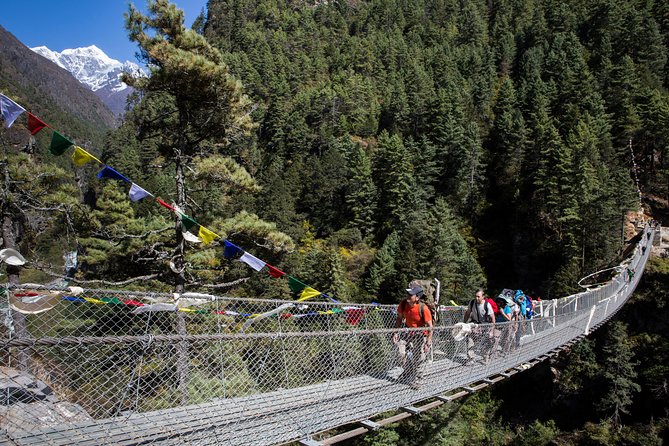
Most people first hear about the Everest Base Camp trek. This route adds the Gokyo Valley and Cho La Pass, creating a circuit rather than a simple out-and-back journey.
That matters because the scenery changes often. You follow the Dudh Koshi River, pass through Namche Bazaar, turn toward Phortse and Machhermo, then reach the high lakes at Gokyo. After Gokyo Ri, you cross the pass and approach Everest Base Camp from the west.
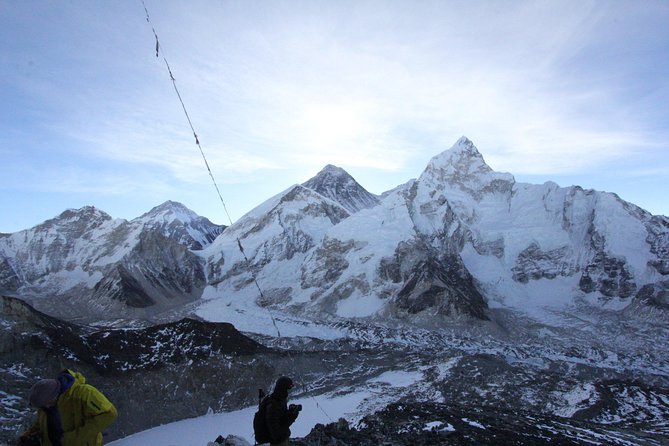
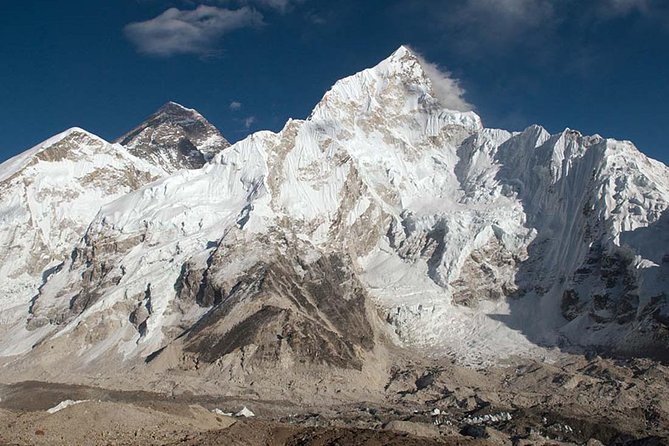
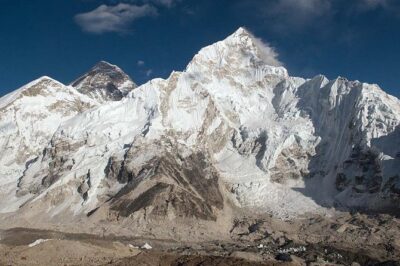
I like this design because you get more than one famous viewpoint. Gokyo Ri reaches 5,483 meters and looks toward Cho Oyu, Everest, and Makalu. Kala Patthar reaches 5,555 meters and provides the close view toward Everest that many people expect from a Base Camp trip.
The route also takes you through Sherpa communities and past Buddhist monasteries at remarkable heights. You are not simply collecting a photo at Base Camp. You are moving through a region where village life, religion, trade, and mountaineering all share the same narrow valleys.
The price is $2,200 per person. That is a substantial sum, but the package covers many costly pieces: two Kathmandu hotel nights, airport transfers, domestic flights, permits, a licensed guide, porter support, 14 breakfasts, 14 lunches, 14 dinners, a sleeping bag, a down jacket, filtered water, and seasonal fruit.
You still pay for international flights, Nepal’s entry visa, Kathmandu lunches and dinners, drinks, personal trekking equipment, insurance, and tips. Travel insurance must cover high-altitude emergency rescue and evacuation. Once you add those costs, the total trip budget will be higher than the advertised price.
More Everest Base Camp Treks in Kathmandu:
- Everest Base Camp Trek – 14 Days
★ 5.0 · 1,499 reviews - Everest Base Camp Trekking
★ 5.0 · 485 reviews - Everest Base Camp Trekking – 13 Day
★ 5.0 · 365 reviews
Kathmandu arrival and the flight to Lukla
Day one is simple by design. An Ace the Himalaya representative meets you outside Tribhuvan International Airport and transfers you to your Kathmandu hotel.
This first night gives you a practical buffer before the mountain section begins. The airport pickup is included, which helps after an international flight and removes one early decision from your hands.
On day two, you take a scenic flight of about 35 minutes from Kathmandu to Tenzing and Hillary Airport in Lukla, at 2,804 meters. Lukla is the trailhead for this route, and your guide briefs you after arrival.
The schedule describes an early start and a long first trekking day toward Phakding. The published duration is approximate, and flight schedules in the mountains can shift. You should keep your plans flexible, especially if you have a tight international connection at the end.
Phakding is a useful first overnight stop because it lets you begin walking while still keeping the first day manageable. The setting introduces you to the river valleys and suspension bridges that define the early part of the route.
Namche Bazaar and the first acclimatization day
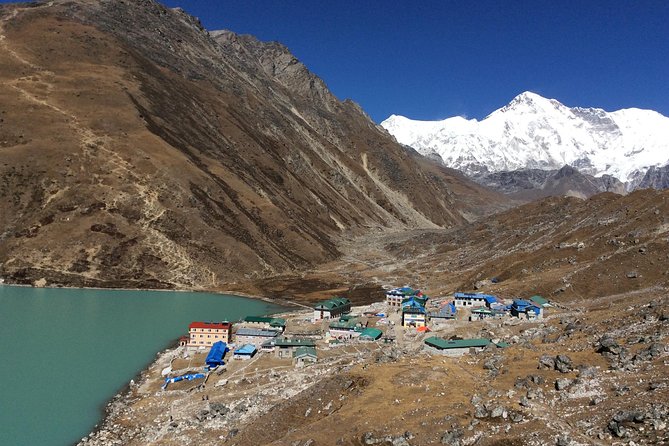
The trail toward Namche follows the Dudh Koshi and crosses suspension bridges decorated with prayer flags. You enter Sagarmatha National Park before the path climbs toward Namche Bazaar.
This is one of the most useful sections for settling into the trek. The bridges are exciting, but the real challenge comes from the steady uphill work and the rising altitude.
Namche is the main trading town in the Khumbu region and serves as a natural base for acclimatization. You spend a full day here rather than pushing straight higher. That slower rhythm is important. At altitude, a rest day does not mean doing nothing. It gives your body time to adjust before the route becomes much more demanding.
The planned outing includes a short trek to a museum focused on Sherpa customs. That adds context to the mountain scenery. You begin to understand the people whose communities support life and trekking in the Everest region.
Accommodation is in twin-sharing guesthouses, with attached toilets specified in Lukla, Phakding, and Namche. The package also includes two nights in a three-star hotel in Kathmandu. Conditions become more basic as you move into remote areas, so do not expect city-style comfort throughout.
From Namche to Phortse and Machhermo
After acclimatization, the route climbs through rhododendron forest toward Phortse. Juniper and large conifers appear higher up, and the trail becomes more open and stark as the altitude increases.
Phortse is a good example of why this route feels more varied than the standard Base Camp approach. You are moving through a high mountain settlement rather than simply following the busiest corridor.
The following day takes you toward Machhermo. The route climbs a ridge with views down to Kengtega and up toward Cho Oyu, then drops to a river before rising again toward the terminal moraine of the Ngozumpa Glacier.
That repeated pattern of climbing and descending can be tiring. Your legs may not appreciate every scenic viewpoint, but the route is doing useful work by building gradual altitude gain instead of racing upward.
Machhermo is an important transition point. By now, you are moving firmly into high-altitude territory, and cold, thin air can affect your pace. A moderate fitness level is listed as the minimum, but I would treat that phrase carefully. You need to be ready for long days, steep sections, rough trails, and slow progress above 4,000 meters.
A few more Kathmandu trips to weigh up
- Nagarkot Sunrise View and Day Hiking from Kathmandu
★ 5.0 · 471 reviews - Annapurna Circuit Trek with Tilicho Lake
★ 5.0 · 368 reviews - Everest Base Camp Trek -14 Days
★ 5.0 · 321 reviews - Annapurna base camp trek 5 Days
★ 5.0 · 252 reviews
Two nights at Gokyo and the climb to Gokyo Ri
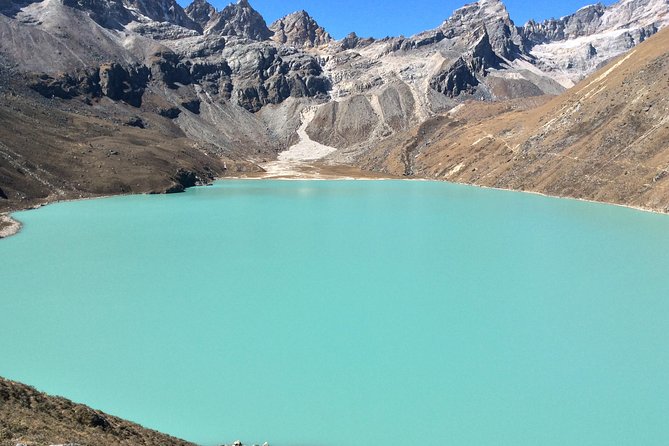
Gokyo, at about 4,790 meters, is one of the trip’s finest stops. You spend two nights here, using the village as a base for sightseeing and hiking around the lakes.
The Gokyo Lakes are the emotional high point for many people on this route. They sit beside the Ngozumpa Glacier, and the setting feels very different from the approach to Everest Base Camp. The village provides a pause before the crossing of Cho La.
Day eight begins early with the steep climb to Gokyo Ri. At 5,483 meters, this is high enough to make every step feel deliberate. The climb is short compared with a full trekking day, but the altitude makes it demanding.
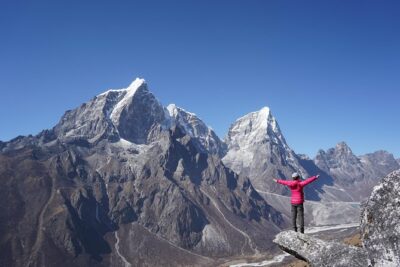
The payoff is the wide mountain view. From the top, you can look across the Gokyo Valley toward Cho Oyu, Everest, and Makalu. This is one reason I would choose the circuit over a direct Base Camp route. You receive a grand view before you reach the more famous destination.
The itinerary calls this a sightseeing hike, but you should not mistake that for an easy walk. The climb is steep, and the early start means cold conditions are likely. Your guide will set the pace, and you should be prepared to turn back if your body is not responding well.
Thangnak and the hard crossing of Cho La
After Gokyo, you head to Thangnak, a remote settlement at the foot of Cho La. The accommodation here is specifically described as very basic and dormitory based.
That detail matters. This is not the night to expect privacy or polished facilities. The purpose of the stop is practical: position yourself for the pass while keeping the day’s walking within the wider acclimatization plan.
Cho La is the route’s biggest test. The group starts around 4:00 or 5:00 in the morning to reach the pass by roughly 9:00 or 10:00, before the weather often worsens later in the day.
At about 5,300 to 5,330 meters, the pass can involve snow and difficult trail conditions. The schedule allows only a short listed stop duration, but the full day is much longer because of the approach and descent. You should expect a very early start, cold air, steep ground, and a slow pace.
The right attitude is flexibility. Several guides on past departures, including Nima, Raj Kumar, Ganesh, and Lakpa Sherpa, have had to adjust timing or route choices during snow and storms. Safety must take priority over reaching a particular point on a particular morning.
Bad weather is not a minor nuisance here. It can delay flights, affect the pass, or force a change of plan. The booking terms state that poor weather can lead to a different date or a full refund if the activity is canceled, but you still need insurance for your wider trip costs and emergency evacuation.
Lobuche, Everest Base Camp, and the Khumbu Glacier
After Cho La, the route reaches Lobuche through a shorter and easier day of about four hours. That relative break is welcome after the pass.
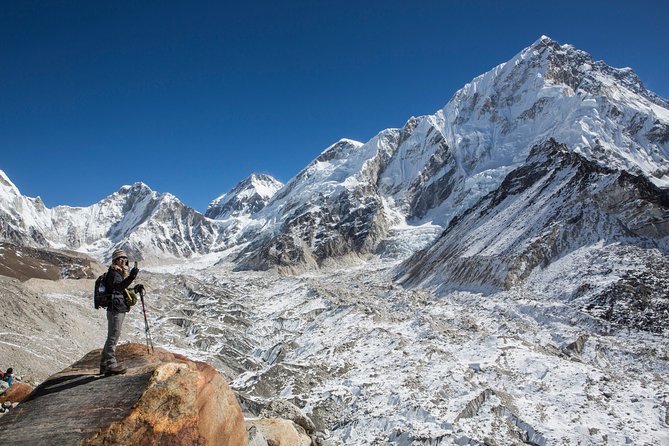
Lobuche places you close to the main Everest Base Camp corridor. The surroundings become more stark, and the Khumbu Glacier becomes a central feature of the route.
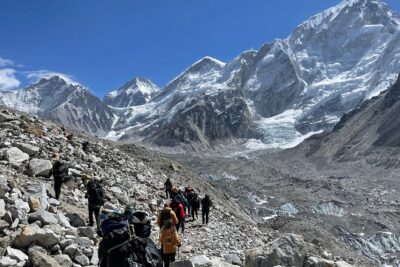
Day twelve is a long, difficult walk along the glacier to Everest Base Camp at 5,365 meters. The camp is the closest point to Mount Everest on this trek without mountaineering equipment.
Base Camp is a major personal milestone, but it is worth setting expectations. You do not climb Everest from here, and the camp’s appearance changes by season. In spring, mountaineering activity may be visible, while at other times the site can feel quieter.
The walk itself is the main achievement. At this height, even a moderate distance takes time. The glacier route can be rough, and you will need patience rather than speed.
The package includes meals, seasonal fruit, and filtered trail water using a Katadyn Pocket Water Filter. That is useful because hydration is one of the simplest ways to support your body at altitude. Hot and cold drinks are not included, so budget separately for them.
Kala Patthar and the long descent
Day thirteen is another demanding day, with an early climb of Kala Patthar to 5,555 meters. It is described as one of the hardest but most rewarding sections of the route.
Kala Patthar is valued for its close mountain panorama. If Gokyo Ri gives you a broad view across several major peaks, Kala Patthar places Everest at the center of the experience.
The climb is steep, and the altitude is extreme. You should not judge the effort by the peak’s modest name. At 5,555 meters, this is a serious high point, and the descent can be hard on tired knees.
After Kala Patthar, the route turns back toward Namche, passing through Pangboche and Tengboche. The day is long, but descending gradually brings welcome relief to your breathing.
Tengboche is associated with Buddhist monastic life in the Khumbu, and the return route gives you another chance to see the cultural side of the region. The trek is not only about summits and glaciers. Monasteries, prayer flags, and village paths are part of the setting you have crossed.
Returning to Lukla and Kathmandu
Day fifteen is the final trekking day, taking you back to Lukla. The afternoon is free, giving you time to rest and reflect before the flight out.
You then take the scenic flight back to Kathmandu, again listed at about 35 minutes. On arrival, you are transferred to your hotel.
Day seventeen ends with airport transfer to Tribhuvan International Airport. The 17-day schedule gives you a clear beginning, mountain circuit, return, and departure day. Still, you should avoid putting an important same-day international connection immediately after a mountain flight. The itinerary itself allows for weather-related changes, and mountain aviation is not as predictable as a city airport shuttle.
What the $2,200 price really covers
The strongest value comes from the number of essentials bundled into one price. You receive:
- Airport transfers in Nepal
- Two Kathmandu hotel nights
- Twin-sharing mountain lodging
- A licensed English-speaking trekking guide
- One porter for every two clients
- Trekking permits and government charges
- Kathmandu to Lukla and return airfare
- Breakfast every day, plus 14 lunches and 14 dinners
- A down jacket, sleeping bag, duffel bag, and sun hat
- Filtered water and seasonal fruit during the trek
A porter for every two clients makes a real difference on a long high-altitude route. You still need to bring personal equipment, but you do not have to carry every item yourself.
Tips for the trekking staff and driver are expected. Alcohol, hot and cold drinks, Kathmandu meals, insurance, visa fees, and international flights are extra. Add those costs before deciding that $2,200 is your complete holiday budget.
The group limit is 15 people. That is large enough for a social trek, but still manageable for a guide handling different walking speeds and comfort levels.
Who should book this Everest Circuit trek
I would choose this trip if you want both Gokyo and Everest Base Camp, and if you like the idea of a route with a major pass rather than the most direct path.
It suits people who can handle long walking days and steep climbs at altitude. You need a moderate fitness level at minimum, but a stronger preparation plan would be sensible because the hardest days reach above 5,000 meters.
This is not the best pick if you want easy lodging, flexible mornings, or a low-risk mountain holiday. Thangnak is basic, Cho La can be affected by snow, and the Lukla flights depend on weather.
The strongest part of the service is the guide and porter structure. Guides such as Nima, Raj Kumar, Ramesh, Biroj, Ganesh, Sonam, and Lakpa Sherpa have supported departures with patience and flexibility, including changes during heavy snow and storms. You should still ask who will lead your specific departure, since guide assignments can vary.
Cancellation is generous only if you plan ahead: cancel at least six full days before the start for a full refund. Canceling two to six days ahead brings a 50 percent refund, while cancellation less than two full days before departure is nonrefundable.
Should you book it?
Book this trek if Gokyo Lakes, Cho La Pass, Everest Base Camp, and Kala Patthar all belong on your wish list. The route is demanding, but the variety is the reward, and the package covers many of the expensive details that can make a Nepal trek complicated.
Think twice if you are new to strenuous mountain walking, unwilling to share basic lodging, or unable to carry strong evacuation insurance. For a fit hiker who wants a fuller Everest experience and values dependable local support, this 17-day circuit is a strong choice.
FAQ
How long is the Gokyo to Everest Base Camp Trek?
The trek lasts approximately 17 days, including arrival and departure days in Kathmandu, the flight to Lukla, the mountain route, the return flight, and airport transfers.
What is the highest point on the trek?
Kala Patthar is the highest listed point at about 5,555 meters. Gokyo Ri reaches about 5,483 meters, and Cho La Pass is about 5,300 to 5,330 meters.
Are flights between Kathmandu and Lukla included?
Yes. The package includes Kathmandu to Lukla and Lukla to Kathmandu airfare.
Are meals included?
Breakfast is included for all 16 listed breakfast services. The package also includes 14 lunches and 14 dinners during the trek. Lunch and dinner in Kathmandu, along with alcoholic and hot or cold drinks, are not included.
Is trekking equipment provided?
A down jacket and sleeping bag are provided for the trek and must be returned. The package also includes an Ace the Himalaya duffel or kit bag and sun hat. Personal trekking equipment is not included.
What happens if bad weather cancels the activity?
The experience requires good weather. If poor weather causes cancellation, you are offered a different date or a full refund. Travel insurance covering high-altitude emergency rescue and evacuation is not included, so you must arrange it separately.
Just added around Kathmandu
- Namobuddha Monastery Hiking Day Tour via Panauti from Kathmandu★ 5.0 · 15 reviews
- Private Half-Day Tour of Boudhanath and Pashupatinath Temples in Kathmandu★ 4.5 · 9 reviews
- Private Half-Day Tour of Kathmandu Durbar Square and Swayambhunath Temple★ 4.5 · 11 reviews
- Private Full-Day Kathmandu City Tour★ 5.0 · 9 reviews
- Private Day Tour in Kathmandu Valley Rim with Bhaktapur Sightseeing★ 5.0 · 3 reviews
- Private Half Day Budhanilkantha Tour★ 5.0 · 6 reviews
- Private Day Tour: Patan and Bhaktapur from Kathmandu★ 4.5 · 6 reviews
- Private Day Tour – Sacred Journey to Namo Buddha★ 5.0 · 5 reviews
Everest Base Camp Treks, compared.
Everest Base Camp Trek with Helicopter Return from Gorakshep to Lukla
Read our review →Browse the lists this tour appears in