
Reviewed · EVEREST BASE CAMP TREKS
Everest Base Camp Trek with Helicopter Return to Lukla – 10 Days
The clever part of this 10-day Everest Base Camp trek comes at the end: after walking up to Gorakshep and Kala Patthar, you return by helicopter to Lukla instead of retracing the same trail. That saves several hard trekking days and gives you a thrilling aerial look at the route.
I like the mix of classic Himalayan villages and practical support, including permits, a guide, guesthouse stays, a duffel bag, sleeping bag, map, and medical kit. I also like the cultural finish in Kathmandu, with Nepali food and traditional dance. The catch is the pace: ten days is short for a high-altitude trek, so you need moderate fitness and must take acclimatization seriously.
Key points to know
- Helicopter return from Gorakshep: You walk to the high point of the route, then fly back to Lukla rather than hiking down.
- Two major viewpoints: Kala Patthar is the sunrise highlight, while Everest Base Camp gives you the famous expedition setting.
- Acclimatization in Namche and Dingboche: These stops help break up the climb, but the schedule still moves quickly.
- Small maximum group: The trip accepts no more than 15 people, a useful size for mountain logistics.
- Guide-led local support: Guides connected with this operator include Ram, Rupak, Dambar, and others praised for patience, flexibility, and keeping groups together.
- $799 before personal costs: The price covers many essentials, but not trekking meals, insurance, porter service, or personal spending.
Why the Helicopter Return Changes the Trek
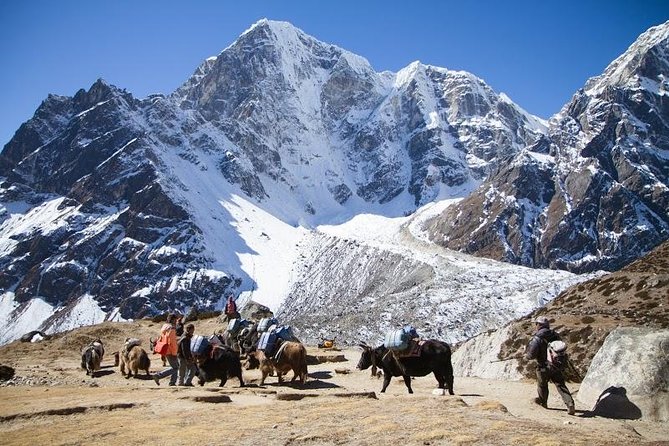
Most Everest Base Camp routes require you to walk both up and down. This version removes the return trek from Gorakshep to Lukla, replacing it with a helicopter flight. That is not just a flashy extra. It shortens the time needed for the trip and gives you a new view of the mountains after seeing them on foot.
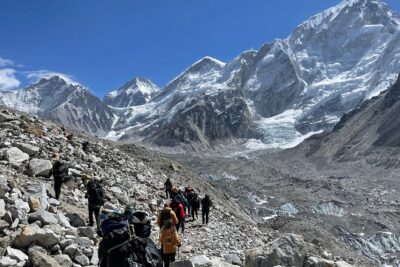
You still get the main walking experience: suspension bridges, Sherpa villages, forest paths, high valleys, monasteries, and the final approach to Base Camp. The helicopter simply cuts out the long descent, which many people find harder on tired knees than the climb.
The flight is also useful if your holiday schedule is tight. Ten days is enough to reach Base Camp and Kala Patthar under this plan, while a standard out-and-back itinerary usually needs more time. Still, speed comes with a cost. There is less room for delays, rest days, or a slow response to altitude symptoms.
The operator sets a maximum of 15 people. That is large enough to provide a social atmosphere, but small enough for a guide to keep track of the group. If you are assigned a guide with the calm style described of Ram, Rupak, or Dambar, that matters. High-altitude walking is much easier when someone watches the group’s condition, adjusts the pace, and handles room arrangements.
More Everest Base Camp Treks in Kathmandu:
- Everest Base Camp Trek – 14 Days
★ 5.0 · 1,499 reviews - Everest Base Camp Trekking
★ 5.0 · 485 reviews - Everest Base Camp Trekking – 13 Day
★ 5.0 · 365 reviews
Day 1: Kathmandu Arrival and the First Practical Steps
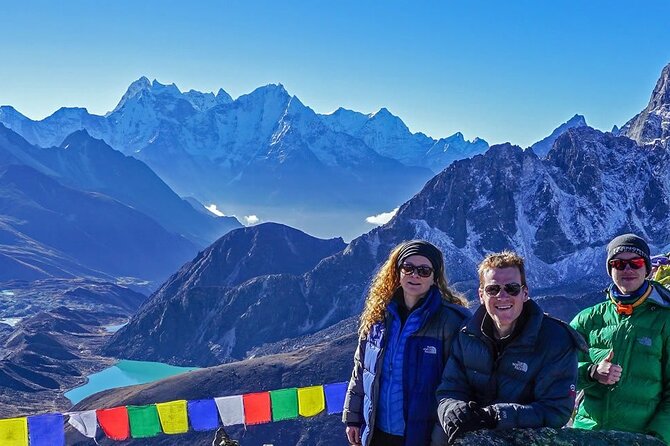
The trip begins with pickup at Tribhuvan International Airport in Kathmandu at 9:00 am. A private vehicle takes you to a three-star hotel, where breakfast is included during your Kathmandu stay.
This first day is less about sightseeing and more about getting organized. You will want to confirm your trekking gear, sort your luggage, and make sure your insurance covers medical treatment and high-altitude evacuation. That last point is not optional. The tour requires suitable insurance, and a normal travel policy may not be enough.
Kathmandu is also where you begin to understand the cultural side of the trip. The final dinner includes Nepali cuisine and a cultural show, so the city bookends the mountain journey nicely. Lunch and dinner in Kathmandu are not included, so plan for those costs separately.
Day 2: Flying to Lukla and Entering the Khumbu
The route includes a domestic flight from Kathmandu or Manthali to Lukla. Flights in this mountain region are weather-sensitive, so flexibility is important even though the listed start time is clear.
Lukla is the trailhead for the walk toward Everest Base Camp. From here, the route follows the Dudh Koshi River and passes through forests and Sherpa settlements. The lower section is greener and generally feels more welcoming than the bare, high valleys still to come.
Your guide handles the route and local arrangements, while the included duffel bag and luggage support help keep your personal load manageable. A porter is not included, though one porter for two trekkers is recommended as an optional extra. This is an important budget detail. If you do not want to carry your own pack, add porter costs before comparing this trip with other packages.
The first walking day is also when you learn the rhythm of the trek. The goal is not speed. A steady pace leaves more energy for the higher sections, where every uphill step takes more effort.
Namche Bazaar: A Useful Stop, Not Just a Pretty Village
Namche Bazaar is one of the most memorable places on the route. The village is set in a mountain bowl and serves as a key stopping point for people heading farther into the Khumbu. It is also where the altitude begins to make itself known.
I like that the itinerary includes time around Namche rather than treating it as a quick overnight halt. The village gives you a chance to rest, adjust to the height, and see how Sherpa communities support life in a demanding mountain region.
The guide’s role becomes especially important here. Reports about guides working with this company repeatedly praise patience, flexibility, and care with different fitness levels. One guide was even credited with helping a group that ranged from younger adults to a 68-year-old member. You should still judge your own limits honestly, but good pacing can make a major difference.
Namche is a place to resist the temptation to do too much. You may want to explore every path and viewpoint, but rest is part of the trek. The schedule is already compact, and the next sections climb higher.
A few more Kathmandu trips to weigh up
- Nagarkot Sunrise View and Day Hiking from Kathmandu
★ 5.0 · 471 reviews - Annapurna Circuit Trek with Tilicho Lake
★ 5.0 · 368 reviews - Everest Base Camp Trek -14 Days
★ 5.0 · 321 reviews - Annapurna base camp trek 5 Days
★ 5.0 · 252 reviews
Tengboche and the Sherpa Cultural Experience
The route continues through forested sections toward Tengboche, known for its monastery and mountain setting. This is one of the strongest cultural moments of the trip, since the walk is not only about reaching a famous altitude marker.
The monastery adds meaning to the route. You are moving through a living religious region, not simply crossing a scenic trail. Your English-speaking guide can provide context about local customs and places along the way, although the exact depth of explanation will depend on the person assigned to your group.
The tea houses and standard guesthouses are part of the appeal and the compromise. They offer a place to sleep and eat along a remote route, but you should not expect hotel-style comfort. Rooms and facilities can be basic, and the price includes lodging but not meals during the trek.
That arrangement keeps the package price relatively low, though you will need a daily food and drink budget. Snacks, beverages, laundry, and tips are also your responsibility.
Dingboche and the Harder High-Altitude Miles
Dingboche is the main acclimatization stop before the final push. The scenery becomes more open and severe as trees thin out, and the route feels less like a village walk and more like a serious mountain trek.
This is where the ten-day format deserves a close look. The itinerary allows acclimatization in Dingboche, which is essential, but the overall schedule remains brisk. A moderate fitness level is required, and you should be comfortable walking for multiple days while gaining altitude.
Do not treat the helicopter as a substitute for preparation. It removes the descent after Gorakshep, not the difficult climb to Base Camp or Kala Patthar. You still need to handle the highest walking days on foot.
A guide who pays attention to the group can help with pacing and early signs of trouble. Several guides associated with the company, including Ram and Rupak, have been praised for keeping spirits up and adapting to group needs. That kind of human support is one of the strongest reasons to book an organized trek rather than arranging every detail yourself.
Everest Base Camp: The Main Goal
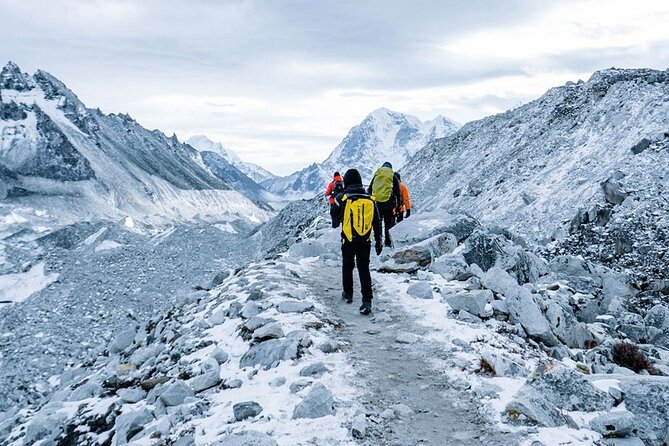
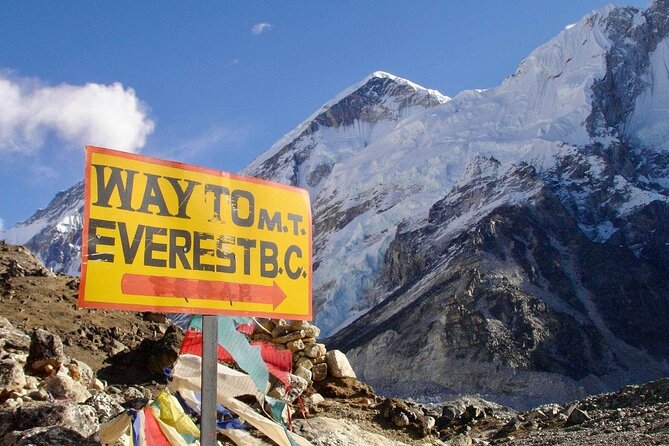
Reaching Everest Base Camp is the emotional center of the trip. You walk through the high Khumbu toward Gorakshep, then continue to the Base Camp area. The exact appearance changes with season and conditions, but the setting gives you a direct connection to the expeditions that attempt Everest.
Do not expect to stand at the summit or see the mountain exactly as it appears in photographs. Everest’s most recognizable face is better viewed from nearby high points, and Base Camp itself is more about atmosphere, achievement, and the route beneath your feet.
The walk can be demanding. At this altitude, short distances take time, and the cold, thin air adds to the strain. This is a moment to stay with your guide, drink as advised, and avoid rushing for photographs.
The trip includes a comprehensive first-aid kit, but that does not replace personal insurance or professional evacuation cover. Make sure your policy specifically includes high-altitude trekking and evacuation before you leave home.
Kala Patthar for Sunrise Over Everest
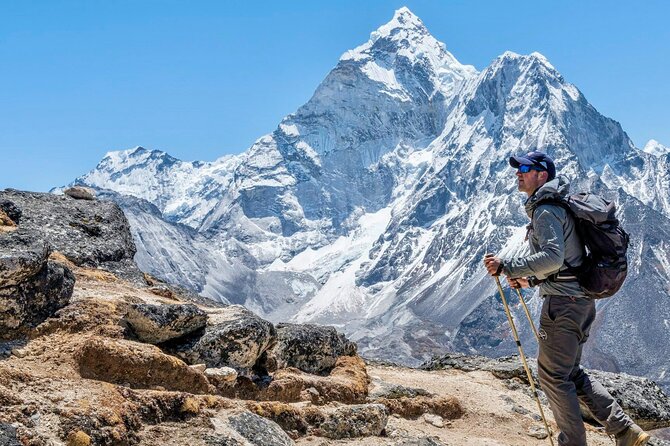
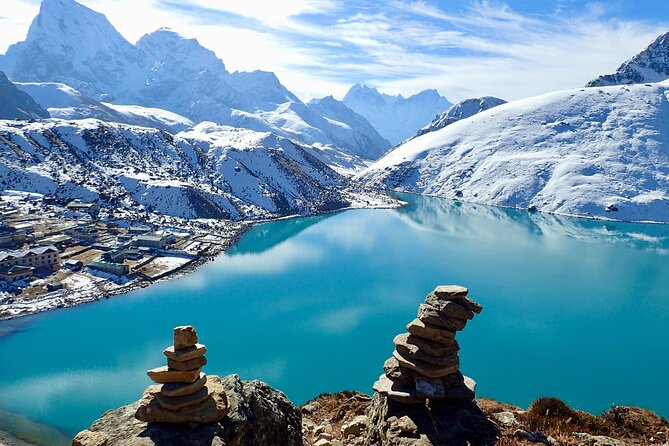
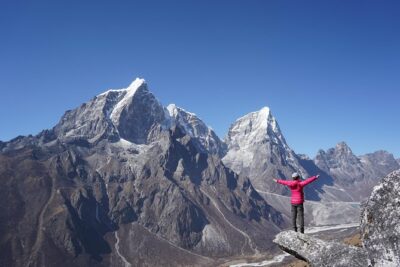
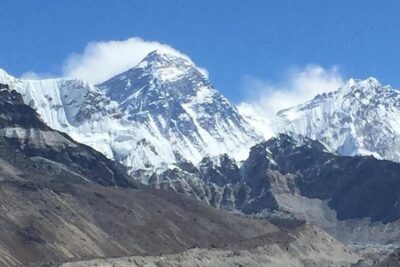
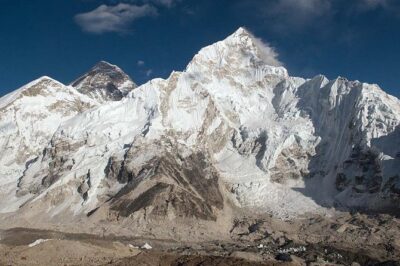
Kala Patthar is the visual high point of the itinerary. The early walk is tough, but the reward is a broad Himalayan view at sunrise, including Everest and the surrounding peaks.
This is likely to be the coldest and most physically demanding outing of the trek. You should prepare for an early start and bring suitable layers. The included sleeping bag and trekking T-shirt help, but you are responsible for making sure your clothing and footwear suit the conditions.
The advantage of visiting Kala Patthar is that it gives you a stronger view of Everest than Base Camp itself. The disadvantage is that you reach it after several days of walking and at high altitude. If you feel unwell, the summit attempt should not become a contest. The guide’s judgment matters here.
This is also where the helicopter return becomes especially satisfying. After seeing the route at walking pace, you can later look down on the valleys, ridges, and villages from above.
Gorakshep to Lukla by Helicopter
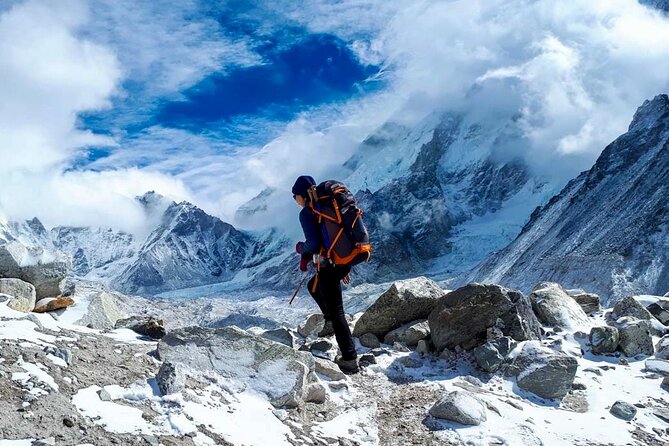
The flight from Gorakshep to Lukla is the unusual feature that sets this itinerary apart. Weather permitting, you leave the high region by helicopter instead of walking back through the same villages.
The aerial view gives you a different understanding of the journey. On foot, the route unfolds one bend at a time. From the helicopter, you can see the scale of the valleys and the distance covered over several days.
There is also a practical advantage. The return flight saves time and cuts out the long descent, making the experience attractive to people who want the Everest Base Camp achievement without spending two additional weeks on the trail.
But helicopters depend on weather, and the package states that bad conditions can cause cancellation or a change of date. You should not schedule an important international connection immediately after the trek without a buffer. The domestic flight system and mountain weather both require patience.
The tour includes the helicopter ride from Gorakshep to Lukla and the domestic flight connection between Kathmandu or Manthali and Lukla. Confirm the exact flight arrangements before departure, especially if your trip dates are fixed.
What the $799 Price Really Covers
At $799 per person, this is a competitive price for a package that includes a helicopter return. The value comes from having the main permits, transfers, domestic flights, guide, lodging, gear, official fees, and farewell dinner arranged in one booking.
The included permits cover Sagarmatha National Park, TIMS, and the Pasang Lhamu entry fee. Government charges can add up when arranged separately, so their inclusion makes budgeting easier.
The three-star Kathmandu hotel and standard guesthouses keep the package practical rather than luxurious. The word luxury in the company name should not lead you to expect high-end rooms in the mountains. The helicopter adds a premium moment, but the trek itself remains a traditional tea-house experience.
Budget separately for:
- Lunch and dinner in Kathmandu
- All meals during the trek
- Snacks and drinks
- Optional porter service
- Travel insurance with high-altitude evacuation
- Laundry and tips
- Nepal visa fees
The price is strongest for someone who values convenience and time. It is less attractive if you already have trekking contacts, carry your own equipment, and prefer to organize flights and rooms independently.
Who Should Book This Everest Trek
I would recommend this trip to a fit first-time Himalayan trekker who wants a guided route and a shorter return. It suits you if you like a clear plan, want help with permits and accommodation, and are willing to sleep in standard guesthouses.
It also works well for a small group of friends. Past groups have included couples, solo participants, and larger parties, and guides such as Ram have been praised for handling different ages and abilities. Still, the maximum group size is 15, so you should ask how many people are booked for your dates.
This is not the right choice if you want a relaxed schedule with several spare days. It is also not ideal if you dislike basic lodging, cannot manage sustained uphill walking, or are unwilling to buy evacuation insurance.
The operator offers confirmation at booking, mobile ticketing, private arrival and departure transfers, and free cancellation up to 24 hours before the start time. Changes made inside that window are not accepted, and poor weather may lead to a new date or full refund. Keep those rules in mind when arranging flights.
Should You Book It?
Book this Everest Base Camp trek if your priority is the classic route, a capable local guide, and a helicopter return that saves time and adds a memorable final flight. The included permits and logistics give the $799 price solid value, especially for a first visit to Nepal.
Before paying, confirm the guide, meal costs, porter arrangements, flight plan, and insurance requirements. If you are fit, flexible with weather, and comfortable with a fast high-altitude schedule, this is an efficient way to reach Base Camp and Kala Patthar. If you want more time for acclimatization, choose a longer itinerary instead.
FAQ
Where does the trek begin?
The experience begins at Tribhuvan International Airport in Kathmandu, Nepal. Pickup is offered, with a stated start time of 9:00 am.
How long is the experience?
The full trip lasts approximately 10 days.
Is the helicopter ride included?
Yes. The package includes a helicopter ride from Gorakshep to Lukla.
What flights are included?
Domestic flights between Kathmandu or Manthali and Lukla are included as part of the package.
Are meals included?
Breakfast is included with the Kathmandu hotel. Lunch and dinner in Kathmandu, along with all meals during the trek, are not included.
Is a porter included?
No. Porter service is optional. One porter for two trekkers is recommended.
What accommodation is provided?
You receive a three-star hotel in Kathmandu with breakfast and standard guesthouse lodging during the trek.
What permits are included?
The package includes the Sagarmatha National Park permit, TIMS, and the Pasang Lhamu entry fee.
What level of fitness do I need?
The tour requires a moderate physical fitness level. You should be prepared for sustained walking and high-altitude trekking.
How large can the group be?
The maximum group size is 15 people.
Is travel insurance required?
Yes. Your insurance must cover medical care and high-altitude evacuation.
Can I cancel for a full refund?
You can cancel at least 24 hours before the experience start time for a full refund. Cancellations or changes made less than 24 hours before the start time are not accepted for a refund.
More Helicopter Tours in Kathmandu
- Everest Base Camp Helicopter Tour landing at Everest View Hotel
★ 5.0 · 668 reviews - Everest Base Camp Helicopter Tour landing at Hotel Everest View
★ 5.0 · 218 reviews - Everest Base Camp Trek with Helicopter Return from Gorakshep to Lukla
★ 5.0 · 161 reviews - Everest Base Camp helicopter tour with landing
★ 5.0 · 61 reviews
Just added around Kathmandu
- Private Half-Day Tour of Boudhanath and Pashupatinath Temples in Kathmandu★ 4.5 · 9 reviews
- Private Half-Day Tour of Kathmandu Durbar Square and Swayambhunath Temple★ 4.5 · 11 reviews
- Namobuddha Monastery Hiking Day Tour via Panauti from Kathmandu★ 5.0 · 15 reviews
- Private Full-Day Kathmandu City Tour★ 5.0 · 9 reviews
- Private Day Tour in Kathmandu Valley Rim with Bhaktapur Sightseeing★ 5.0 · 3 reviews
- Private Half Day Budhanilkantha Tour★ 5.0 · 6 reviews
- Private Day Tour: Patan and Bhaktapur from Kathmandu★ 4.5 · 6 reviews
- Private Day Tour – Sacred Journey to Namo Buddha★ 5.0 · 5 reviews
Everest Base Camp Treks, compared.
Everest Base Camp Trek with Helicopter Return from Gorakshep to Lukla
Read our review →Browse the lists this tour appears in