
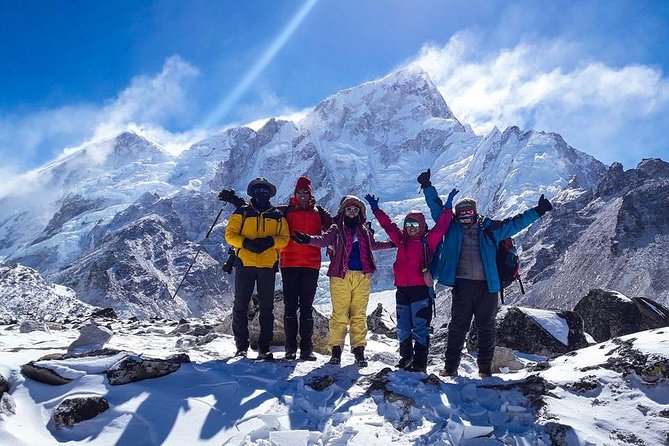
Reviewed · EVEREST BASE CAMP TREKS
Everest Base Camp trek- 11 days
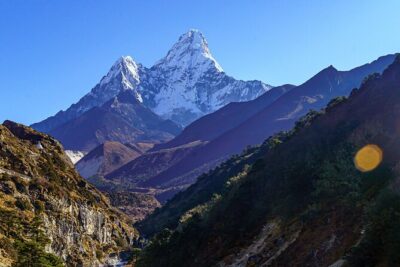
The great prize here is not just reaching Everest Base Camp. It is the slow approach through Sherpa country, where Namche Bazaar, Tengboche Monastery, soaring Ama Dablam, and the Khumbu Icefall make the route feel like a complete Himalayan journey. The early flight to Lukla adds a thrilling start, and Kala Patthar gives you the clearest listed viewpoint for Everest.
I like that the price covers the costly essentials: Kathmandu to Lukla flights, full-board meals, lodging, a licensed guide, a porter, permits, insurance for staff, and airport transfers. I also like the private format, since your group can set its pace with the guide rather than follow a large mixed party. Guide Dipu receives especially warm praise for communication and steady support.
The catch is the schedule. Eleven days is short for a high-altitude trek, and the final return from Namche to Phakding and Lukla in one day can be demanding. You need moderate fitness, sensible expectations, and travel insurance. Weather can also affect the Lukla flights, so this is not a trip to approach casually.
Key points to know before booking
- Kala Patthar reaches 5,545 meters, giving you a major mountain viewpoint after the Base Camp walk.
- The Lukla flight starts and ends the trek, with airport pickup and drop-off included.
- Namche Bazaar is the main acclimatization stop, with a full rest day built into the route.
- Meals, lodging, permits, flights, and a porter are included, which gives the $1,699 price real value.
- The tour is private, so only your own group takes part.
- Dipu is praised for organization and support, particularly before and during the trek.
Why this 11-day Everest route works
An Everest Base Camp trek is a test of patience as much as strength. You do not walk straight uphill to the famous destination. The route rises in stages, gives you time in Namche, then pushes higher through Tengboche, Dingboche, Lobuche, and Gorakshep.
This plan packs the trek into 11 days. That makes it useful if you have limited holiday time, but it also leaves less room for delays or extra rest. The itinerary includes one acclimatization day in Namche, which is important. At altitude, moving too quickly can spoil the trip, so you should pay attention to your guide and tell them promptly if you feel unwell.
The private setup is a real advantage. Your guide can keep an eye on your pace, help with practical decisions, and adjust the day within the limits of the fixed route. Still, the published schedule is fairly firm, and costs may be recalculated if the number of trekking days changes.
More Everest Base Camp Treks in Kathmandu:
- Everest Base Camp Trek – 14 Days
★ 5.0 · 1,499 reviews - Everest Base Camp Trekking
★ 5.0 · 485 reviews - Everest Base Camp Trekking – 13 Day
★ 5.0 · 365 reviews
Day 1: The Lukla flight and walk to Phakding
Your morning begins at 7:15 am from Thamel in Kathmandu, followed by transport to the local airport for the flight to Lukla. The flight is one of the trip’s signature moments. You leave the capital and arrive at 2,850 meters, where the Himalayan trek begins almost at once.
From Lukla, you walk to Phakding at about 2,660 meters. This first day is shorter than some later stages, but it still introduces you to mountain walking, changing altitude, and the rhythm of the route. The listed plan uses Phakding as the first overnight stop.
The flight is exciting, but it is also a point to keep in mind when planning your holiday. No specific buffer day is included in this 11-day outline. You should have travel insurance that covers trekking and possible changes to the itinerary, since the schedule depends on the flight connection.
Day 2: Phakding to Namche Bazaar
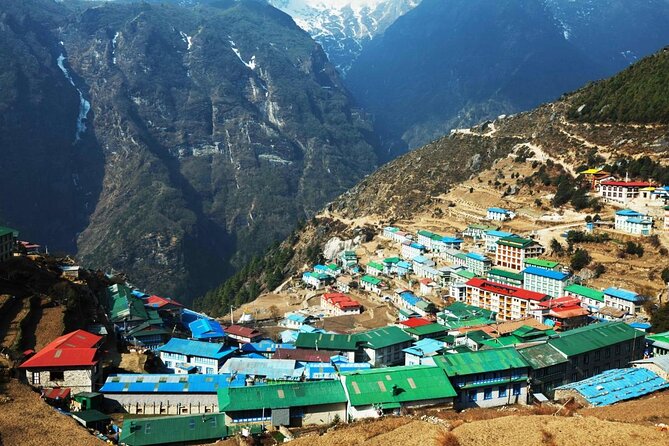
The walk from Phakding to Namche Bazaar brings the first major change in scenery and altitude. Namche sits at about 3,435 meters and is known as the gateway to Everest Base Camp. It is also one of the best places on the route to sense daily life in the Khumbu region.
You will see Sherpa communities, monasteries, mountain views, and a mixture of local cultures along the way. Namche is not simply a staging point. It is a key part of the journey, and the overnight stay prepares you for the higher section ahead.
This day gains about 775 meters from the listed starting point, so it can feel harder than the distance suggests. I would treat Namche as a place to slow down, eat properly, and follow the guide’s advice rather than chase the fastest arrival.
Day 3: Acclimatization in Namche
The itinerary keeps you in Namche for a full acclimatization day. That is one of the most valuable choices in the program. You gain time at 3,435 meters before heading toward Tengboche and the higher villages.
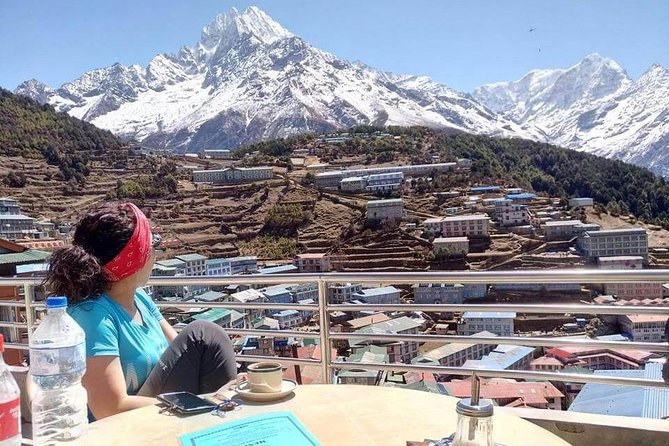
The exact activities for this day are not specified, so you should ask Mount Face Nepal how your group will use the time. The purpose is clear: let your body adjust before the route climbs again. You may have time to explore the Sherpa town, see local monasteries, and take in views of Everest, Lhotse, Nuptse, Ama Dablam, and Thamserku.
This is also a good day to check your gear and discuss the coming stages with Dipu. The strongest practical praise for the guide team centers on communication, preparation, and handling the logistics so you can focus on walking.
A few more Kathmandu trips to weigh up
- Nagarkot Sunrise View and Day Hiking from Kathmandu
★ 5.0 · 471 reviews - Annapurna Circuit Trek with Tilicho Lake
★ 5.0 · 368 reviews - Everest Base Camp Trek -14 Days
★ 5.0 · 321 reviews - Annapurna base camp trek 5 Days
★ 5.0 · 252 reviews
Day 4: Namche to Tengboche and its monastery
From Namche, you continue to Tengboche at about 3,890 meters. The village is best known for Tengboche Monastery, one of the cultural highlights of the route. The mountain views remain a major part of the day, with Ama Dablam often becoming a central visual presence.
Tengboche gives the trek more than a series of high camps. You are moving through communities with their own religious traditions and everyday routines. The chance to see monasteries and learn about Sherpa life gives the walk a human scale.
The altitude continues to rise, so the day may feel more tiring than the distance alone suggests. Your included full-board meals are useful here. Breakfast, lunch, and dinner during the trek are covered, but hot, soft, cold, and alcoholic drinks are not. Budget for those separately.
Day 5: Tengboche to Dingboche at 4,400 meters
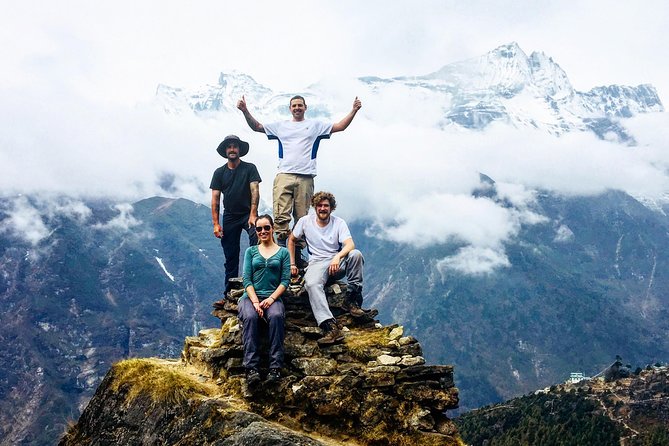
The route continues to Dingboche, which sits at approximately 4,400 meters. By now, the air is thinner, and your walking pace needs to become deliberate. This is not a route for proving how fast you can go.
Dingboche is an important overnight stop because it places you close to the high section of the trek without sending you straight to the uppermost villages. You will be approaching the Khumbu Icefall area and the great peaks around Everest, Lhotse, Nuptse, Ama Dablam, and Thamserku.
The program does not list a separate acclimatization day in Dingboche. That makes the previous Namche rest day and careful pacing especially important. If you have never trekked at altitude, moderate fitness alone may not tell you how your body will respond.
Day 6: Dingboche to Lobuche
From Dingboche, the walk rises to Lobuche at roughly 4,910 meters. This is one of the more serious days because you are now close to 5,000 meters. Even a fit person can find the altitude tiring.
The surroundings become increasingly stark and open, with the Khumbu mountain system dominating the route. The listed highlights include the Khumbu Icefall, and the approach gives you a closer look at the high-altitude setting that makes Everest expeditions so demanding.
Lobuche is a practical overnight stop before the Base Camp day. You should expect the lodging to be the best available rather than a luxury stay. The cost includes accommodation during the trek, but it does not include a hotel in Kathmandu, so you will need to arrange that separately.
Day 7: Lobuche, Gorakshep, and Everest Base Camp
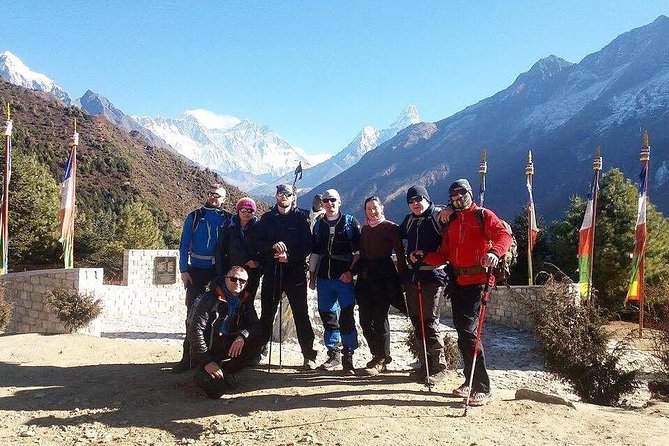
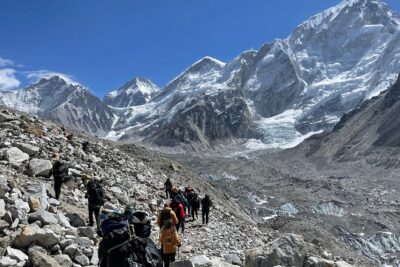
Day seven is the emotional center of the trek. You walk from Lobuche to Gorakshep, at about 5,180 meters, then continue to Everest Base Camp at 5,380 meters before returning to Gorakshep for the night.
Reaching Base Camp is a major achievement, but it is worth understanding what it is and is not. The route takes you to the famous staging area for Everest expeditions, not to the summit and not to the highest viewpoint. The Khumbu Icefall and surrounding peaks provide the drama, while the altitude provides the real challenge.
The round trip from Gorakshep makes this a long, demanding day. You need to keep your pace steady and save energy for the return. Because the group is private, your guide can help manage the timing, but this remains a high-altitude walk with no easy shortcut.
Day 8: Kala Patthar and the walk to Pheriche
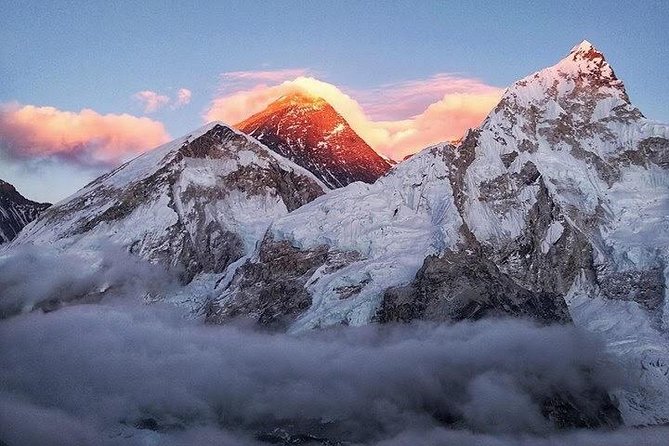
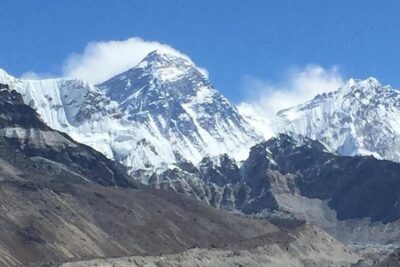
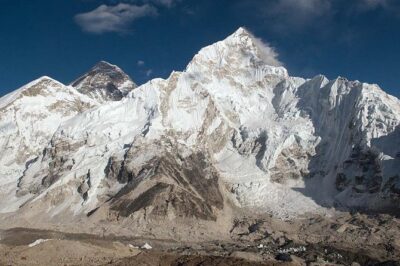
The next morning begins with the climb from Gorakshep to Kala Patthar, listed at 5,545 meters. This is the highest point on the itinerary and the main viewpoint for seeing Everest. The plan highlights an early morning sunrise view over the snowcapped mountains, which is why this part of the schedule starts early.
Kala Patthar is often the visual payoff of the route. From this high point, you can look toward Everest and the surrounding peaks before descending to Pheriche at about 4,320 meters. The drop in altitude should feel welcome after the previous days, though the morning climb can still be strenuous.
The itinerary places the Kala Patthar ascent immediately after the Base Camp day. You should be prepared for a short night and a demanding start. Pack what you need the evening before, follow the guide’s instructions, and keep your expectations realistic if weather limits the view.
Day 9: Pheriche to Namche Bazaar
Day nine reverses the route, taking you from Pheriche back to Namche. The descent is generally easier on the lungs, but it can be hard on tired knees and legs. After several days above 4,000 meters, returning to Namche at 3,435 meters gives you a more comfortable night.
This section also gives you a different view of the route. You may notice details that were easy to miss while climbing, from village life to monasteries and changing mountain angles. The trip is not only a race to Base Camp. The return walk is part of the cultural and visual experience.
Day 10: Namche to Phakding and Lukla
The schedule calls for walking from Namche to Phakding and then continuing to Lukla, listed at about 2,835 meters. This is an ambitious final trekking day. The route descends, but covering both stops in one day can be tiring after the high-altitude section.
This is the biggest scheduling concern in the itinerary. Ask the company how it handles the day if your group needs more time or if weather, health, or trail conditions create a delay. The provider states that costs can change if trekking days are modified, so you should understand the possible consequences before departure.
Reaching Lukla completes the walking portion. A porter is included, normally at a ratio of one porter for two clients, which can make a major difference. You should still pack responsibly and confirm any baggage limits before flying.
Day 11: Lukla to Kathmandu
The final flight returns you from Lukla to Kathmandu. Airport drop-off is included, and the activity ends back at the Thamel meeting point.
The program also includes a farewell dinner before departure. Keep your last day flexible, since the schedule depends on the Lukla flight. International flights, airport departure tax, and your Kathmandu hotel are not included, so do not book a tight same-day international connection without checking the operating plan with Mount Face Nepal.
What the $1,699 price really covers
At $1,699 per person, this is not a bare guiding fee. The package includes:
- Kathmandu airport pickup and drop-off for the Lukla flight
- Kathmandu to Lukla and return airfare
- Full-board breakfast, lunch, and dinner during the trek
- Best available trekking accommodation
- A government-licensed guide
- A porter for baggage, normally one for two clients
- Guide and porter food, drinks, accommodation, insurance, salaries, equipment, transport, and local taxes
- Trekking permits and TIMS card
- First-aid kit
- Ground transport when returning to Kathmandu
- Government taxes and service charges
- Farewell dinner
That list gives the price solid value, especially because domestic flights and staff costs are already included. You will still pay for your Kathmandu hotel, Kathmandu lunches and dinners, drinks, personal equipment, laundry, shopping, souvenirs, Nepal entry visa fees, international airfare, airport departure tax, travel insurance, and staff tips.
The most important extra cost is travel insurance. The package includes insurance for guides and porters, not your own cover. Make sure your policy suits a high-altitude trek before you leave.
Food, lodging, and daily comfort
Full-board meals are included throughout the trekking period. That removes one major daily worry, since you do not need to negotiate every meal budget along the route. Drinks are excluded, so carry enough local currency for water, tea, soft drinks, and other purchases.
Accommodation is described as the best available during the trek. That wording is useful because it sets a practical expectation. You are paying for a supported mountain trek, not a luxury hotel circuit. Conditions can vary, and personal laundry and equipment are also your responsibility.
The included porter service is another strong value point. Keep your daypack light with items you need while walking, while the porter carries the main baggage according to the operator’s arrangements.
Who should book this trek
I would recommend this trip to someone who wants a private, organized route to Everest Base Camp and prefers to have the main logistics handled. It suits people who value a licensed guide, included meals, porter support, and prearranged flights over planning every detail independently.
You need moderate physical fitness and a willingness to walk for several demanding days at altitude. The route reaches 5,545 meters, and the Base Camp day is followed by the Kala Patthar climb. This is not a relaxed sightseeing tour.
The trek may also suit a small group of friends who want their own guide and a shared pace. Dipu’s role appears particularly useful if you want regular communication before departure and practical help during the walk. The strongest praise focuses on smooth organization from airport pickup through airport drop-off, not just the mountain views.
Booking details and cancellation terms
Pickup is offered, and the meeting point is in Thamel, Kathmandu. The stated start time is 7:15 am, and you need to provide each participant’s passport name, number, expiry date, and country at booking.
Confirmation is provided at booking. Free cancellation is available if you cancel at least 24 hours before the local start time. Cancellations or changes made within 24 hours are not accepted for a refund.
Should you book the Mount Face Nepal trek?
Book it if you want a well-supported private Everest Base Camp route with flights, meals, permits, lodging, guide service, and porter help bundled into one price. The itinerary includes the classic milestones, from Lukla and Namche to Tengboche, Base Camp, and Kala Patthar.
Think twice if you need a leisurely pace, a luxury standard, or a large buffer for weather and altitude problems. The 11-day plan is efficient but demanding, especially on the Base Camp and Kala Patthar days and the long return to Lukla. Ask clear questions about delays, accommodation, baggage, and possible itinerary changes before paying.
For a fit and prepared person who wants the classic Everest experience without managing every booking alone, this is a strong-value option. The guide support, private format, and broad list of inclusions make the $1,699 price easier to justify.
FAQ
How long is the Everest Base Camp trek?
The planned duration is approximately 11 days, including flights between Kathmandu and Lukla.
Where does the trek start?
The meeting point is in Thamel, Kathmandu, Nepal. The stated start time is 7:15 am.
Is the Lukla flight included?
Yes. Kathmandu to Lukla and return airfare are included, along with pickup and drop-off for the local airport.
Is food included during the trek?
Yes. Breakfast, lunch, and dinner are included during the trekking period. Drinks and alcoholic beverages are not included.
Is accommodation included?
Yes. The package includes the best available accommodation during the trek. A hotel in Kathmandu is not included.
Is a guide and porter included?
Yes. The package includes a government-licensed guide and a porter. The normal arrangement is one porter for two clients.
What fitness level is required?
The tour states that participants should have a moderate physical fitness level. The route reaches Everest Base Camp at about 5,380 meters and Kala Patthar at about 5,545 meters.
Is travel insurance included for participants?
No. Travel insurance for participants is not included. Insurance listed in the package covers the guides and porters, so you need to arrange your own policy.
Just added around Kathmandu
- Private Half-Day Tour of Boudhanath and Pashupatinath Temples in Kathmandu★ 4.5 · 9 reviews
- Private Half-Day Tour of Kathmandu Durbar Square and Swayambhunath Temple★ 4.5 · 11 reviews
- Namobuddha Monastery Hiking Day Tour via Panauti from Kathmandu★ 5.0 · 15 reviews
- Private Full-Day Kathmandu City Tour★ 5.0 · 9 reviews
- Private Day Tour in Kathmandu Valley Rim with Bhaktapur Sightseeing★ 5.0 · 3 reviews
- Private Half Day Budhanilkantha Tour★ 5.0 · 6 reviews
- Private Day Tour: Patan and Bhaktapur from Kathmandu★ 4.5 · 6 reviews
- Private Day Tour – Sacred Journey to Namo Buddha★ 5.0 · 5 reviews
Everest Base Camp Treks, compared.
Everest Base Camp Trek with Helicopter Return from Gorakshep to Lukla
Read our review →Browse the lists this tour appears in